
 Pakistan
Mehrgarh is a Neolithic archaeological site situated on the Kacchi Plain of Balochistan in Pakistan [1]. It is located near the Bolan Pass, to the west of the Indus River and between the modern-day Pakistani cities of Quetta, Kalat and Sibi [1]. The site was discovered in 1974 by the French Archaeological Mission in the Indus Basin led by the French archaeologists Jean-François Jarrige and Catherine Jarrige [1]. Archaeological material has been found in six mounds, and about 32,000 artefacts have been collected from the site [1]. Recent radiocarbon dating on teeth done by Mutin and Zazzo has placed the dating of Mehrgarh Period I between 5250 and 4650 BCE, differently from Jarrige's earlier dating pre-7000–5500 BCE [1]. The oldest known example of the lost-wax technique comes from a 6,000-year-old wheel-shaped copper amulet found at Mehrgarh [1]. The oldest ceramic figurines in South Asia were also found at Mehrgarh [1].
Text: Wikipedia – 'Mehrgarh' (revision of 2026-09-20), CC BY-SA 4.0 · sentences selected and shortened by an AI system · source →Mehrgarh
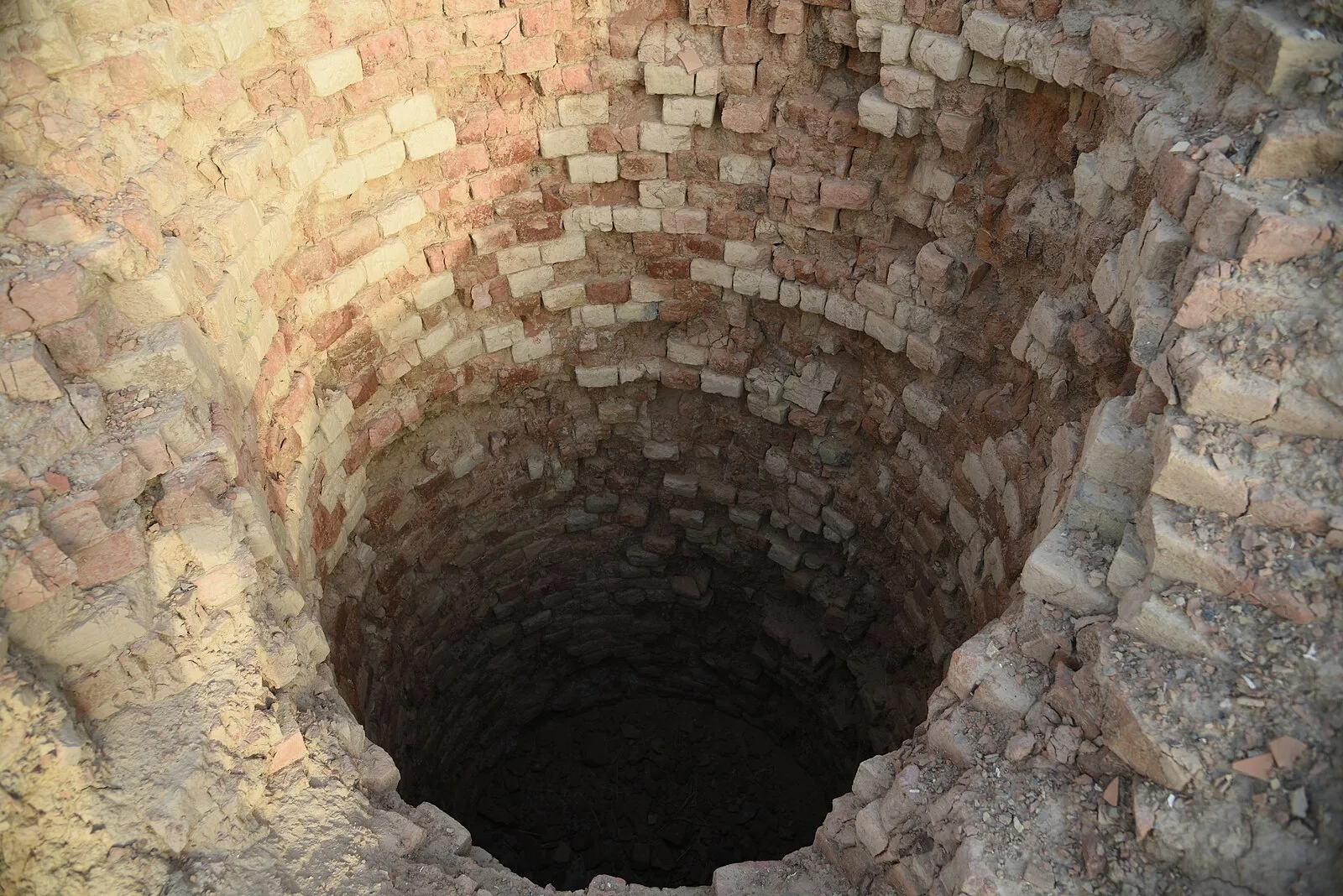
Also known as: 메르가르, Mehrgahr, Mehrgar, Mehrgarha, Méhrgarhská kultura, Mehrqarh, Mejergar, Mergar, Mergarha, Mergarhos kultūra, Merhgahr, Merhgarh
| Type | City/town/settlement |
|---|---|
| Period | < 4500 BC |
| Country | Pakistan |
| Coordinates | 29.3835° N, 67.6166° E |