

Archaeological Sites in Serbia
City/town/settlement in Serbia (42)
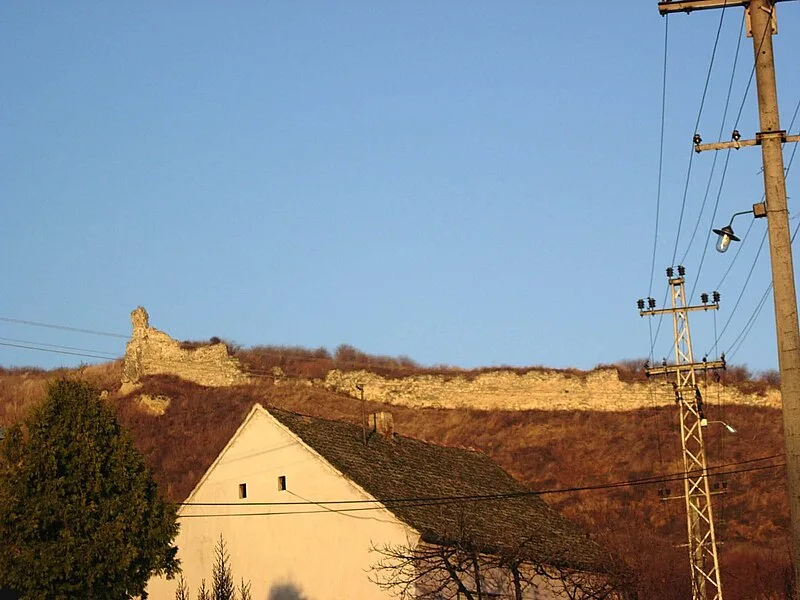
Acumincum
Acumincum was an ancient Roman settlement and military fort located in present-day Stari Slankamen, Serbia, on the banks of the Danube in the Roman province of Pannonia. The site…
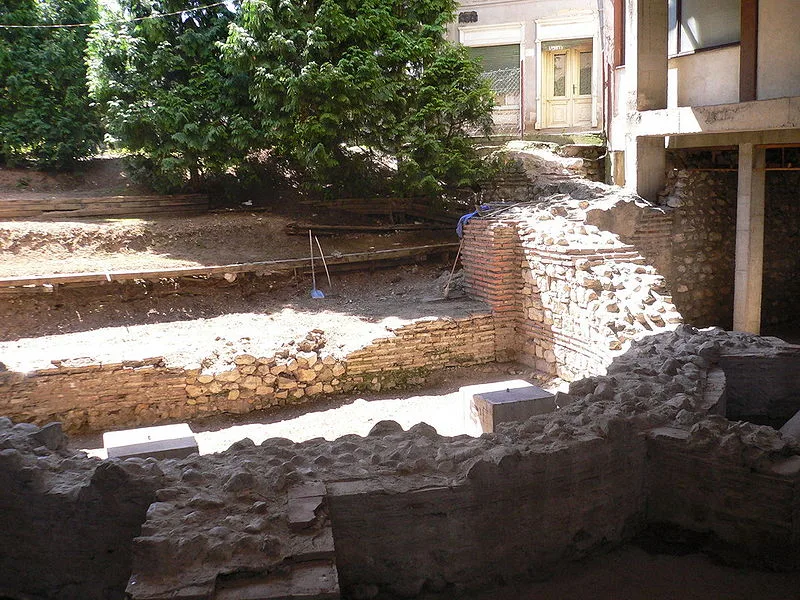
Aiadava
An ancient Dacian settlement in southeastern Serbia, later rebuilt as the Roman city of Remesiana on the Via Militaris between Naissus and Serdica. The Roman fortification…
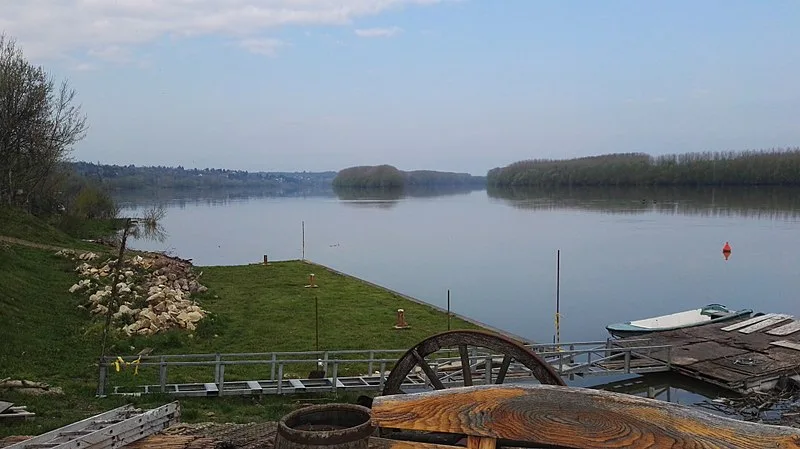
Banoštor
A village in Vojvodina, Serbia, on the Danube at the edge of the Fruska Gora mountains, site of the ancient Roman military stronghold Bononia. Originally a Celtic settlement…
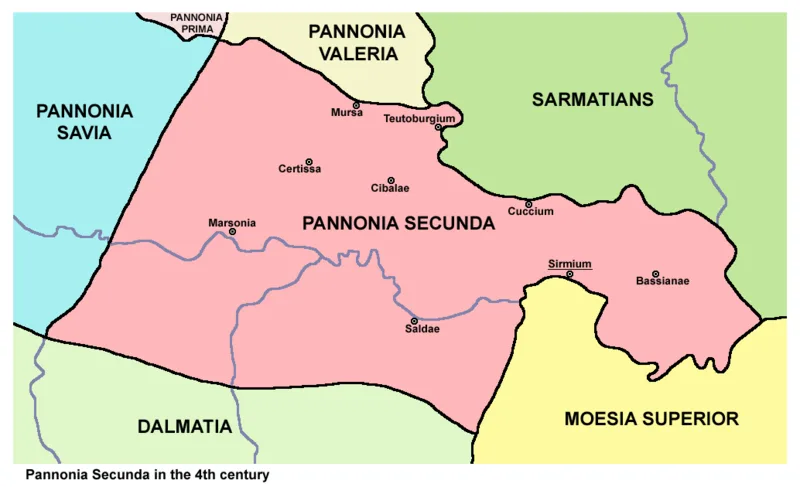
Bassianae
Bassianae was the second-largest Roman town in Syrmia after Sirmium, located near modern Donji Petrovci in Serbia's Vojvodina province. Founded as an autonomous civitas in the 1st…
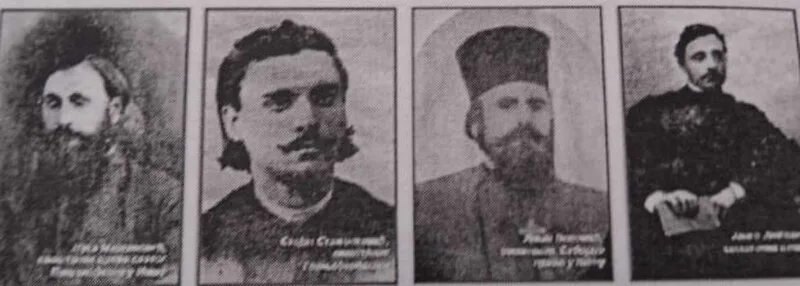
Bela Palanka
Bela Palanka ("White Town") in southeastern Serbia occupies the site of ancient Remesiana, originally a Dacian settlement called Aiadava. After the Roman conquest of Moesia, it…
Blaškovina Archaeological Site
Blaškovina is an archaeological site located in the village of Visibaba in the municipality of Požega, western Serbia. The site is inscribed on the Cultural Heritage of Serbia…
Crkvine, Stubline
Crkvine (Serbian Cyrillic: Црквине, meaning "church ground") is a Neolithic archaeological site in the village of Stubline, Obrenovac municipality, Belgrade, Serbia. The…
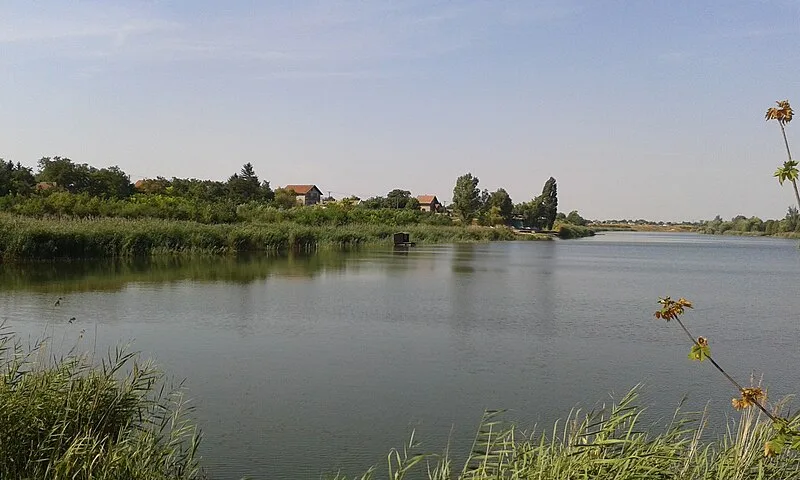
Čurug
Čurug is one of the oldest settlements in Vojvodina, inhabited since the Neolithic period. The multi-layered Stari Vinogradi archaeological site nearby has yielded over 950…
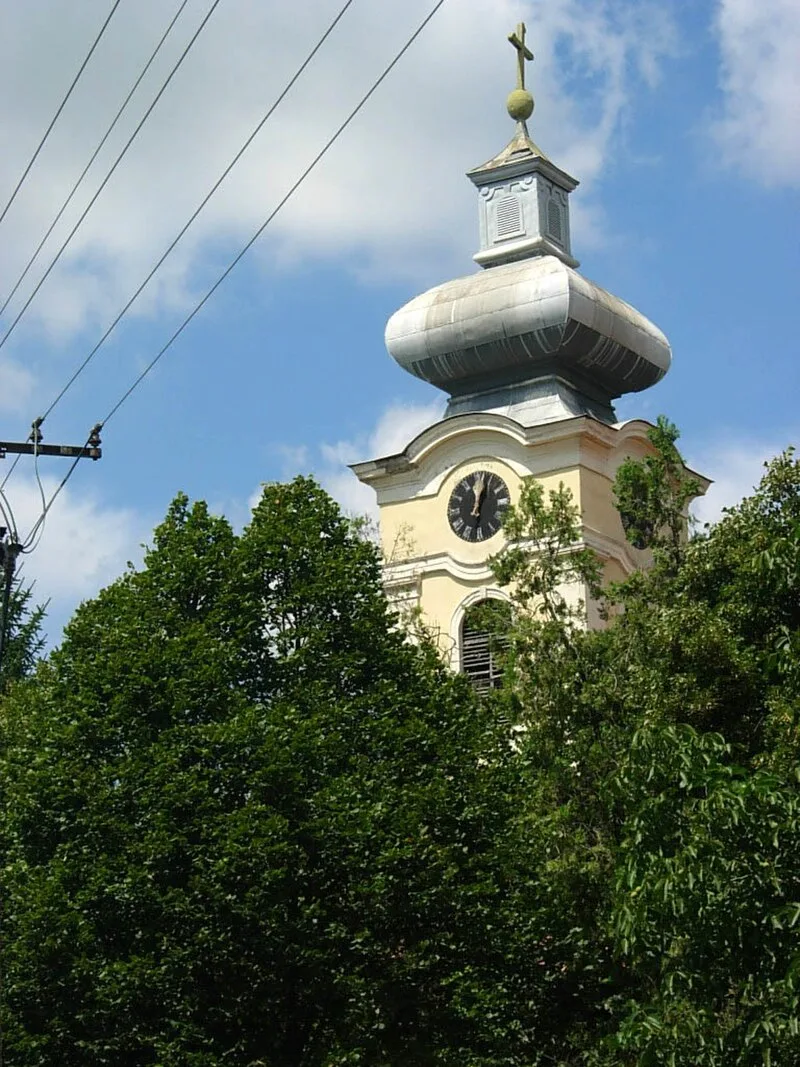
Gradište Archaeological Site, Iđoš
Gradište is a prehistoric archaeological site near Iđoš village in northern Serbia, featuring remnants of a Neolithic settlement dating to before 4500 BC. The site, located in the…
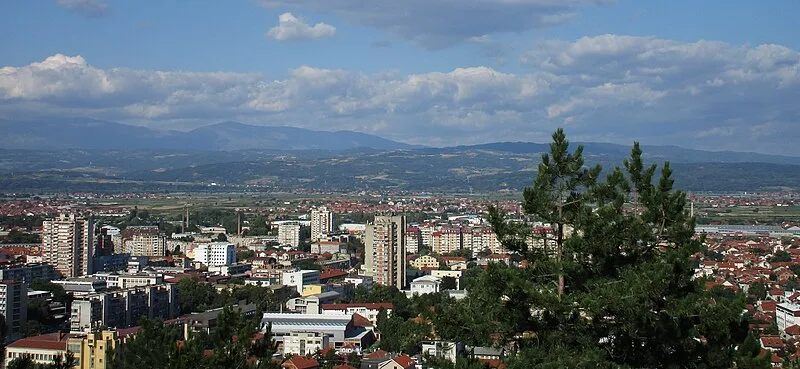
Hisar Hill
The Hisar is a 341-metre-tall (1,119 ft) hill near Leskovac in southern Serbia, serving as the town's symbol. It features the remains of a large, fortified Bronze Age settlement…
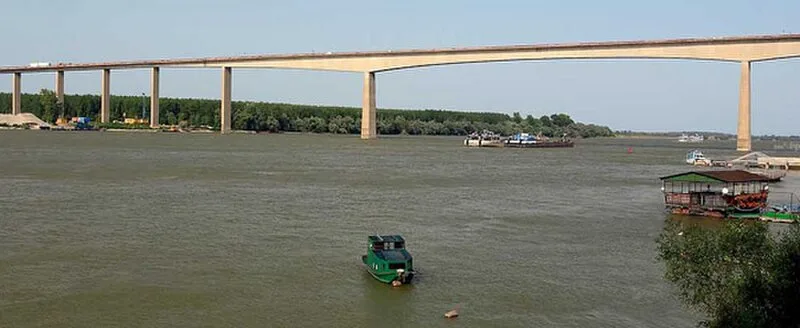
Kalakača Archaeological Site, Beška
Kalakača is an archaeological site near Beška village in Syrmia, Serbia, dating to 1500–500 BC (Bronze Age to Iron Age). The site contains settlement remains from this period,…
Kale-Krševica
Kale-Krševica is an archaeological site in southern Serbia, dating to the Late Classical and Early Hellenistic periods (roughly 500 BC–1 AD). It holds the remains of the…
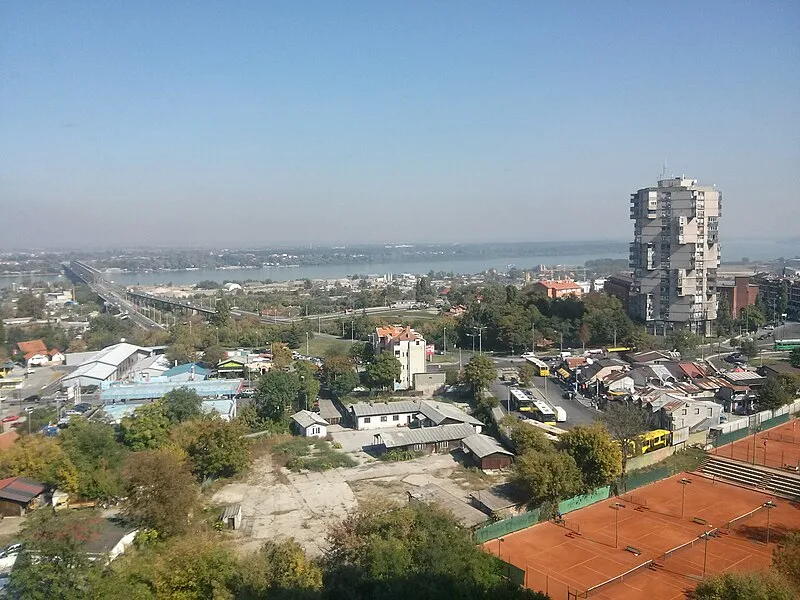
Karaburma
A major Celtic archaeological site in Belgrade, Serbia, where necropolises of the Scordisci tribe were discovered. Over 100 La Tene culture graves have been excavated, containing…
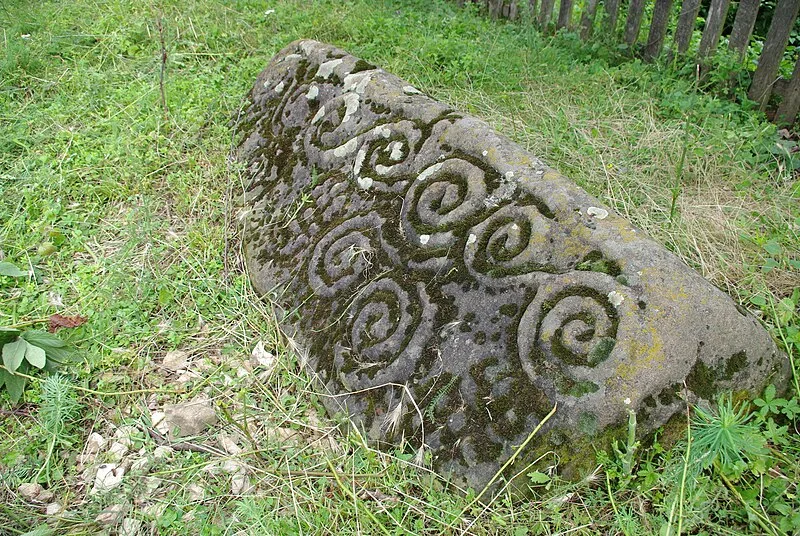
Koviljkin grad
Koviljkin grad is an archaeological site with ruins located above Banja Koviljača in the Loznica district of western Serbia.
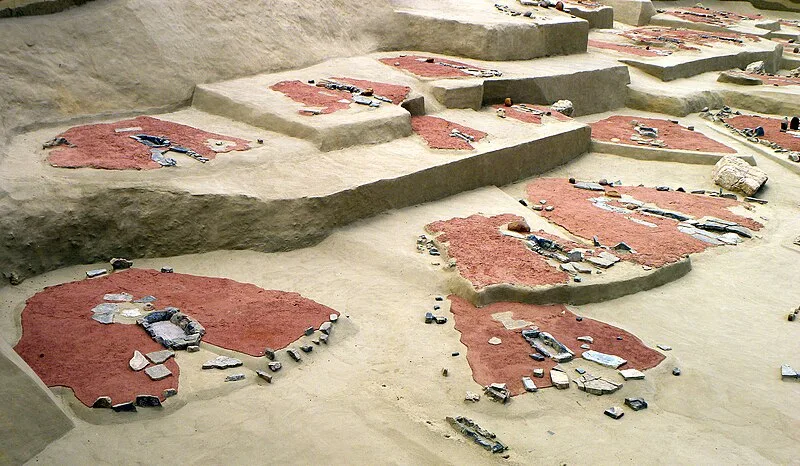
Lepenski Vir
Lepenski Vir is a Mesolithic archaeological site in Serbia featuring one of Europe's earliest known permanent settlements, with evidence of hunter-gatherer occupation dating from…
Margus - City
Ancient Roman city of Margus situated on the right bank of the Great Morava River near its confluence with the Danube, in the Roman province of Moesia Superior. A military camp…
Medvednjak
Medvednjak is a late Neolithic and early Eneolithic archaeological site in central Serbia, near Smederevska Palanka in the Sumadija region, dating to 4500-3500 BC. The settlement,…
Mihailovac
Mihailovac is an archaeological site and settlement near Vrsac in the Vojvodina region of Serbia. The site dates from the 2nd century BC to the 1st century AD and is associated…
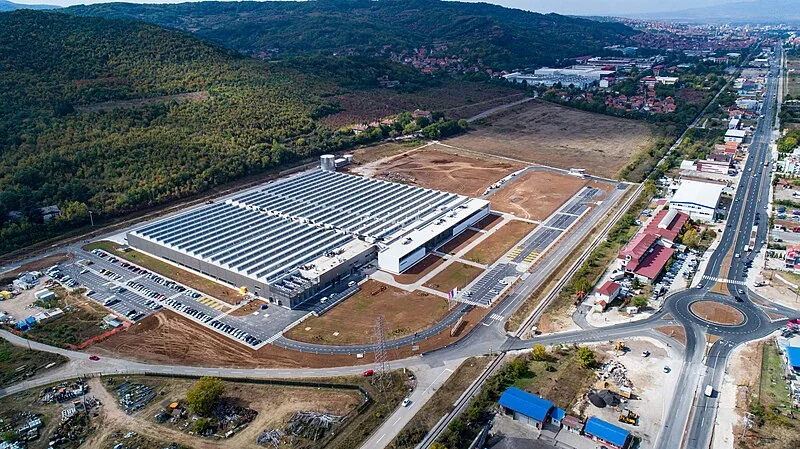
Niš
Serbia's third-largest city, known in antiquity as Naissus, first occupied by Roman troops in 75-72 BC on land previously inhabited by Thracian Dardanians. Its strategic position…

Petrovaradin
Petrovaradin is a historic town on the right bank of the Danube in Vojvodina, Serbia, built around the Petrovaradin Fortress. Archaeological evidence reveals Paleolithic…
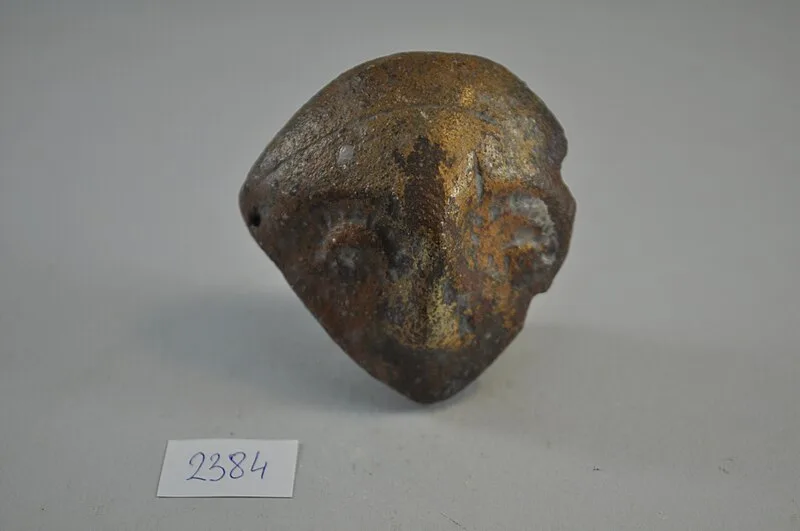
Pločnik - Archaeological Site
Plocnik is a Neolithic Vinca culture settlement covering 120 hectares along the Toplica River in southern Serbia, near Prokuplje. Occupied from approximately 5500 to 4700 BC when…
Prebreza
Prebreza (Serbian Cyrillic: Пребреза) is a village in the municipality of Blace, Serbia. The Prebreza Paleontological site is regarded an important European Mammalian site of the…
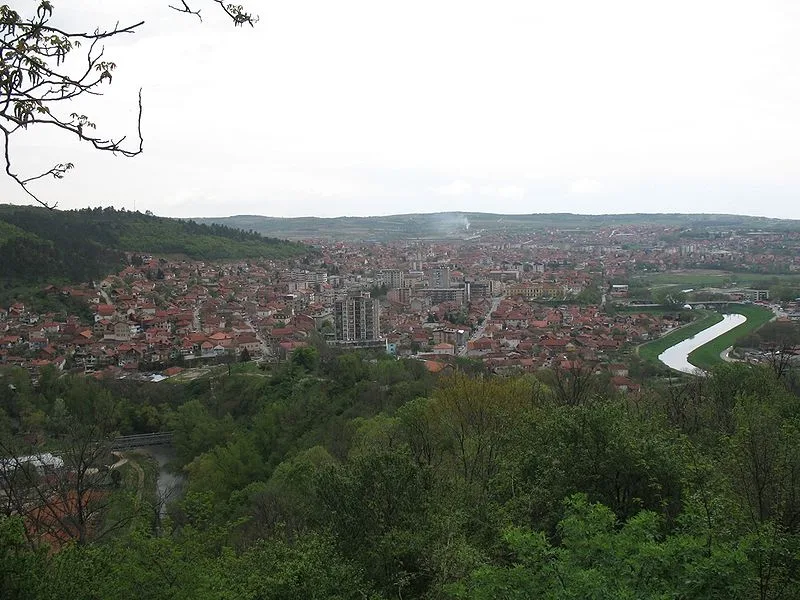
Prokuplje
Prokuplje is a city and administrative center of the Toplica District in southern Serbia. Archaeological evidence indicates habitation since the 6th millennium BC, making it one…
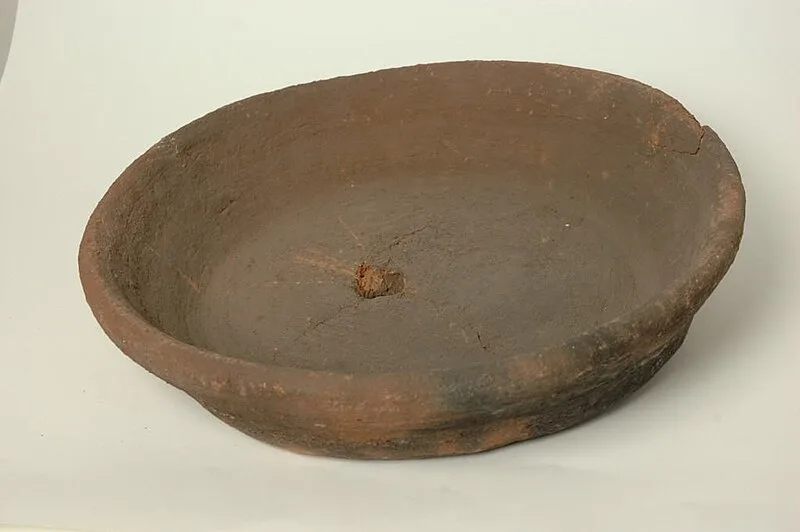
Ražanj
Razanj is a municipality in the Nisava District of southern Serbia, situated on the ancient Via Militaris, the Roman military highway built in 33 AD connecting Europe to the…
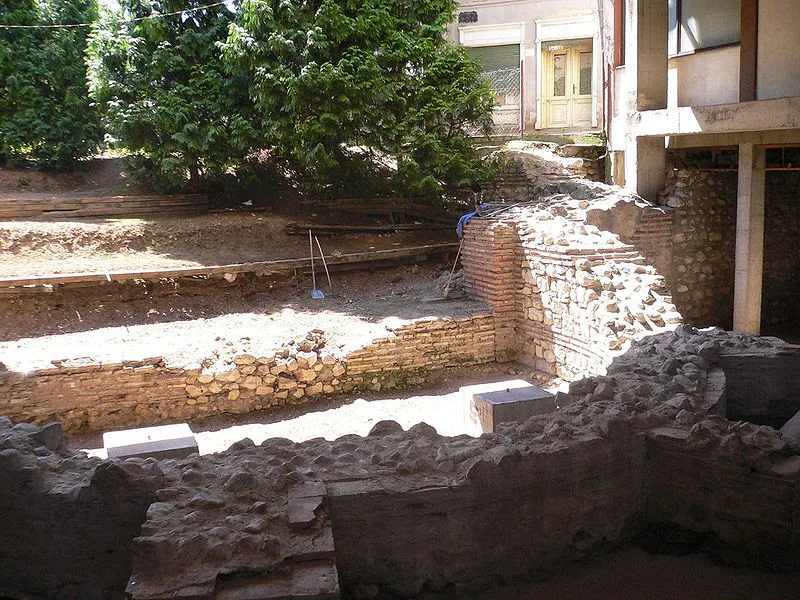
Remesiana
Remesiana was a Roman city located beneath modern Bela Palanka in southeastern Serbia, established during the reign of Augustus (12-14 AD) as part of the province of Upper Moesia.…
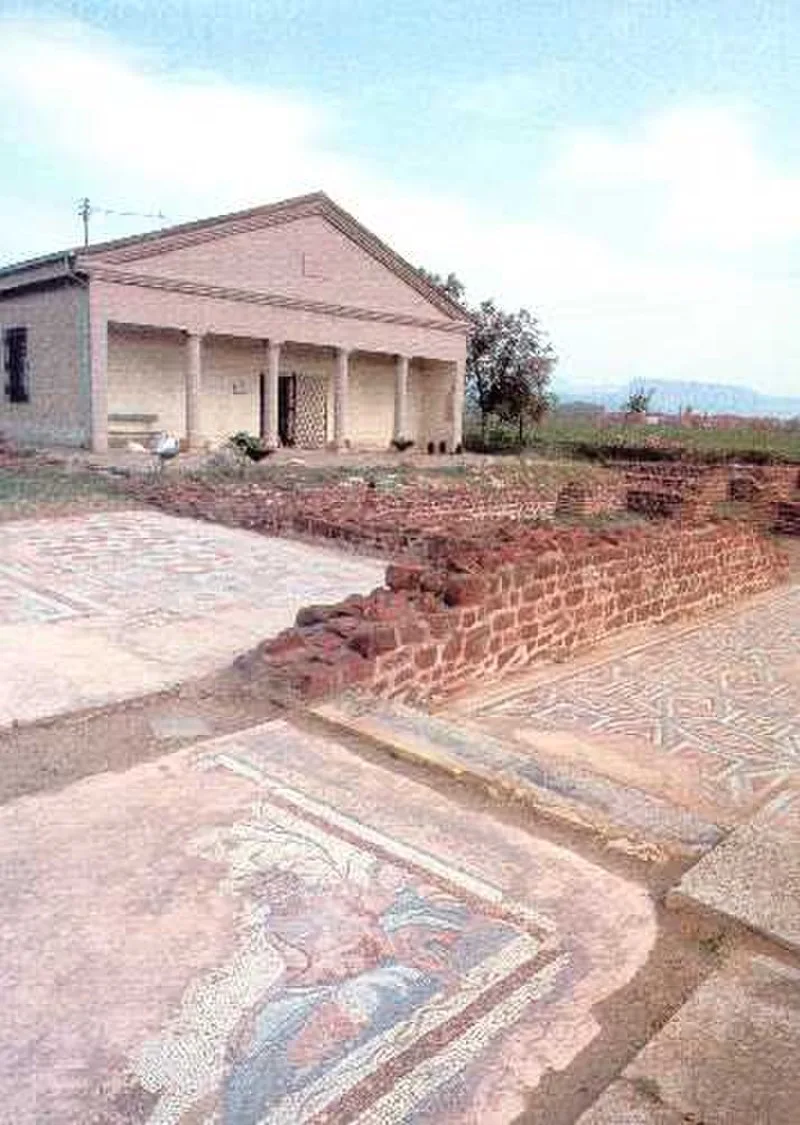
Roman Emperors Route
A 600 km tourism and archaeology route across Serbia connecting major Roman sites, reflecting the fact that 18 Roman emperors were born on modern Serbian territory. Key sites…
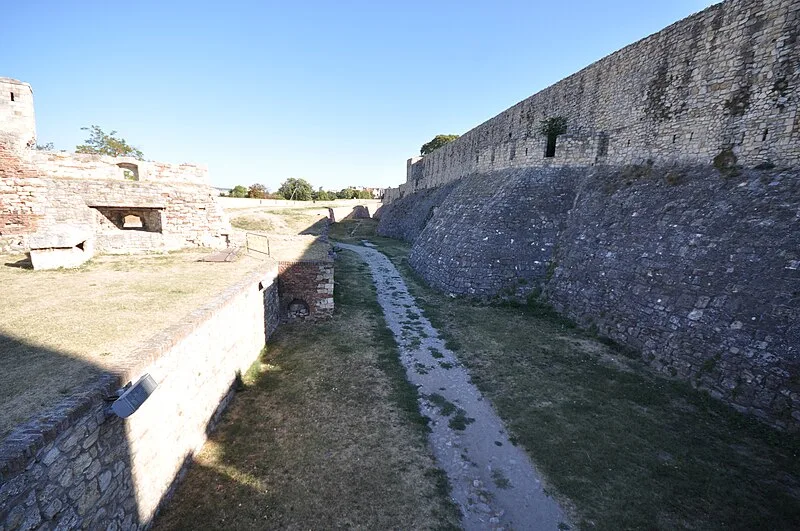
Singidunum
Singidunum (Serbian: Сингидунум) was an ancient Celtic settlement that became a major Roman fortress and later evolved into modern Belgrade, Serbia. The city was founded by the…

Sirmium
Sirmium was a major Roman city located on the Sava river at modern Sremska Mitrovica in Vojvodina, Serbia. First mentioned in the 4th century BC, it was originally inhabited by…
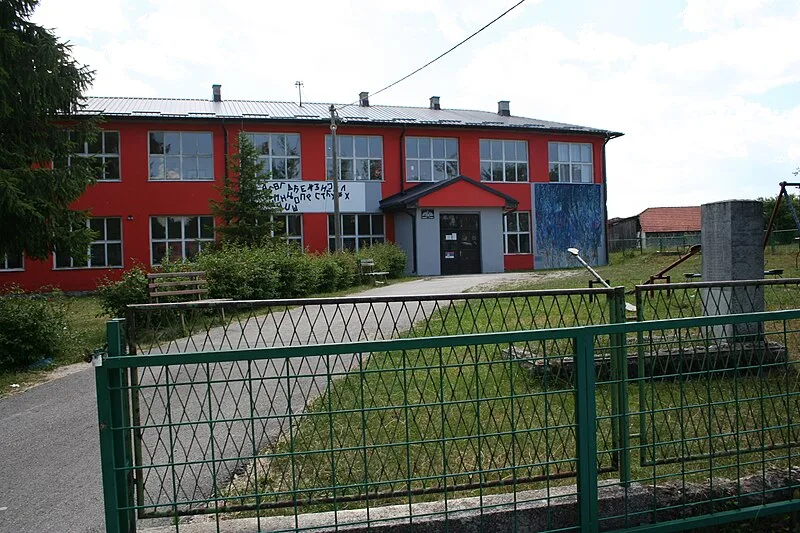
Stapari
Stapari is a village in the Užice municipality of Serbia. In the 2002 census, the village had a population of 974.
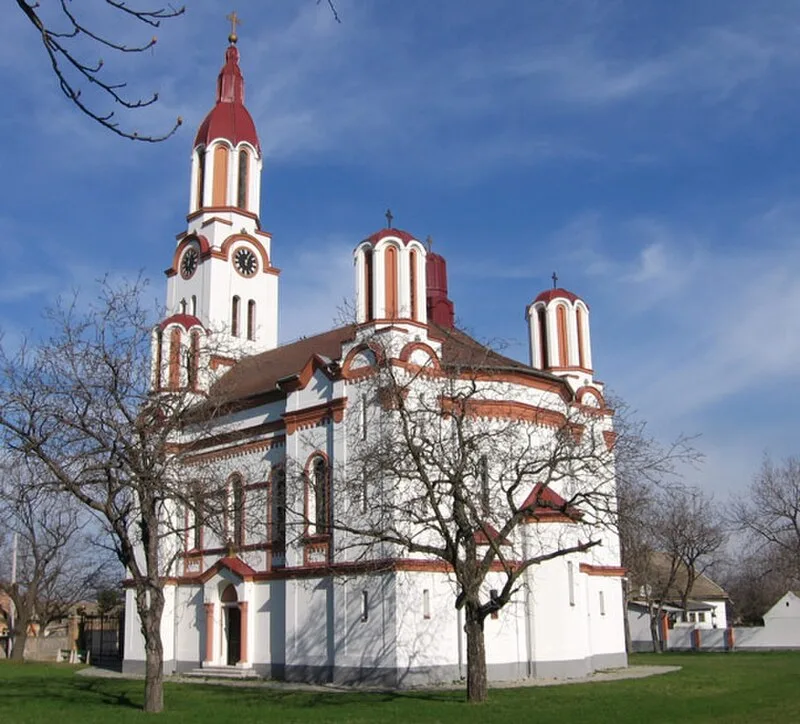
Starčevo
Starcevo, located on the Danube's left bank near Pancevo in Serbia, is the type site of the Starcevo culture, representing one of Europe's earliest agricultural societies dating…

Stari Slankamen
Stari Slankamen is a village in the Inđija municipality, Syrmia District of Vojvodina, Serbia, situated across the mouth of the Tisa River where it meets the Danube.
Surčin
Surcin is a municipality in the eastern Syrmia region, 20 km west of Belgrade, with archaeological evidence spanning from the Stone Age through the Roman era. A Roman altar…
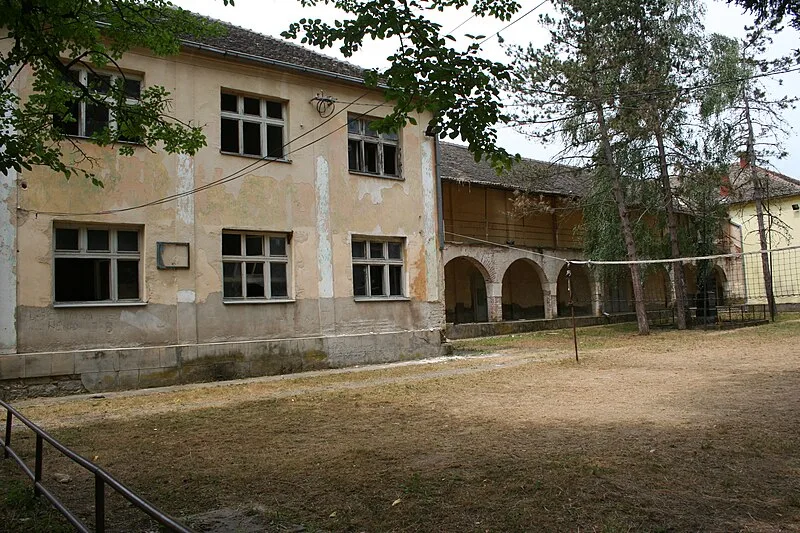
Svileuva
Svileuva is a village in the Koceljeva municipality, Macva District of Serbia, first mentioned in Roman sources from the 1st to 4th centuries AD within the Sirmium district. The…
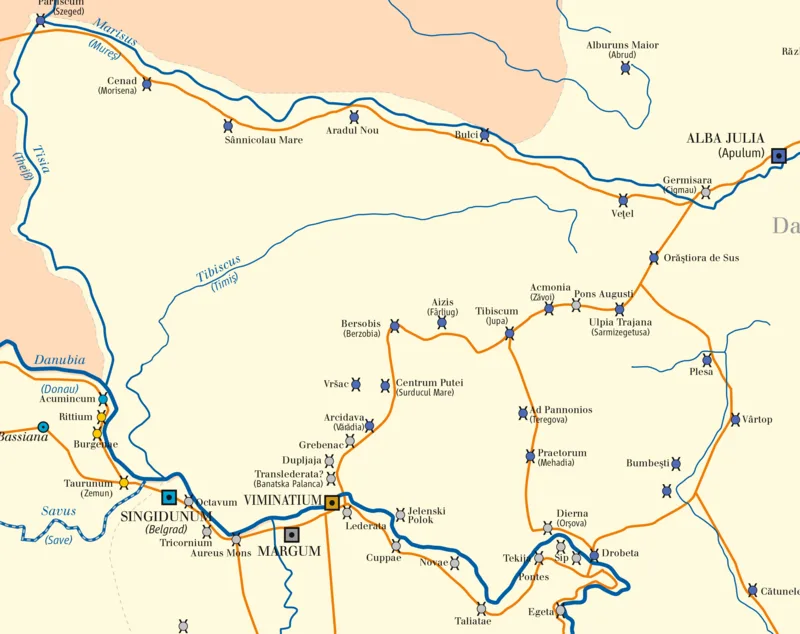
Taliata
Taliata was a Roman fortified town and limes fort located at the Veliki Gradac locality near present-day Donji Milanovac in eastern Serbia, positioned 200-250 metres from the…
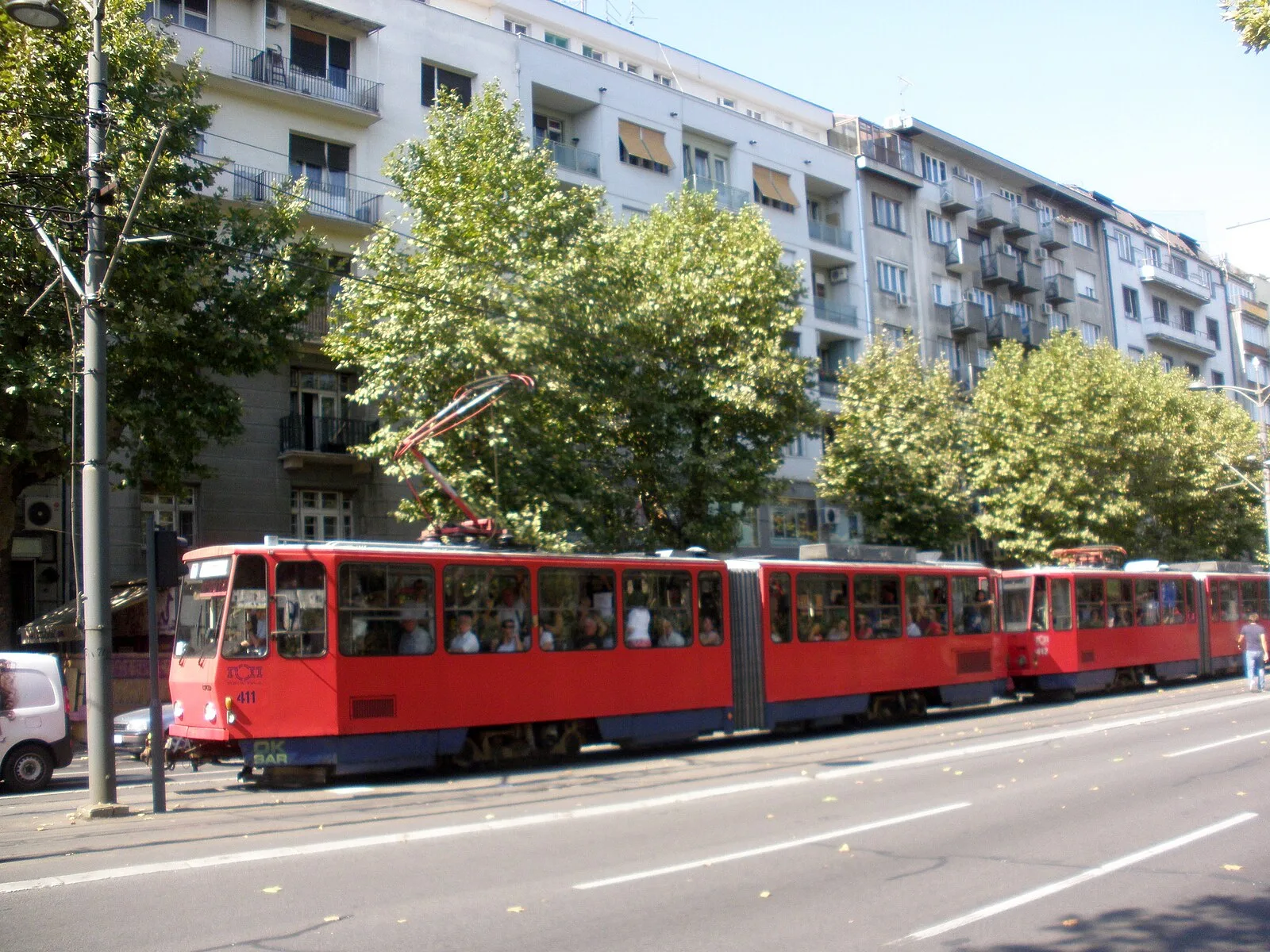
Tašmajdan Park
Tasmajdan Park in Belgrade, Serbia sits atop ancient Roman limestone quarries used from the 1st to 4th centuries AD to supply building materials for Singidunum (Roman Belgrade).…
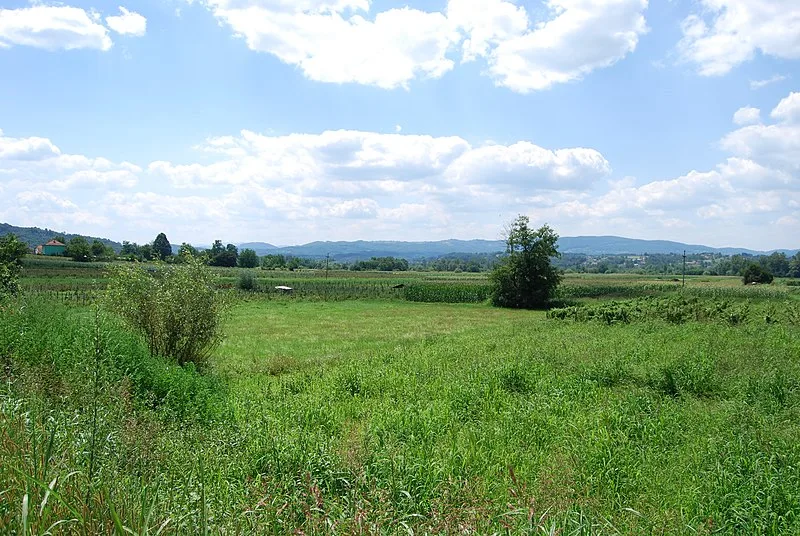
Velika Humka
Velika Humka is an Early Iron Age princely tumulus near Pilatovici, Pozega municipality, Serbia, dating to the late 4th-early 5th century BC. The mound measures approximately 40…
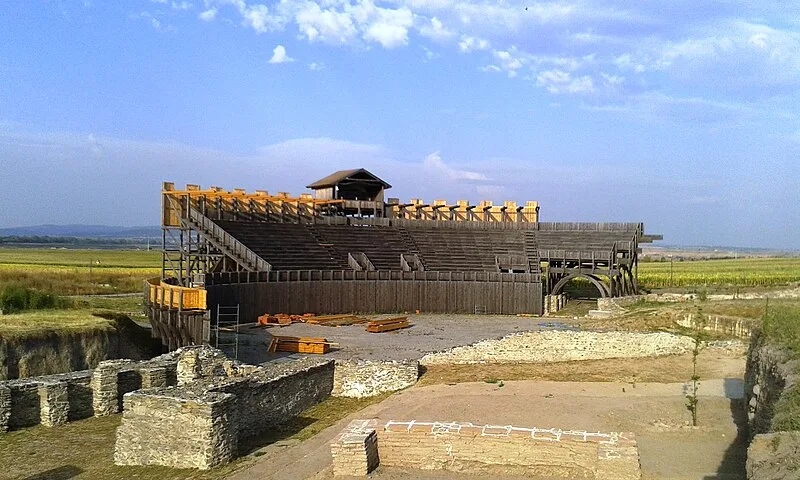
Viminacium
Viminacium was a major Roman city, military camp, and capital of Moesia Superior province (modern-day Serbia). It served as the provincial capital following Moesia's division in…
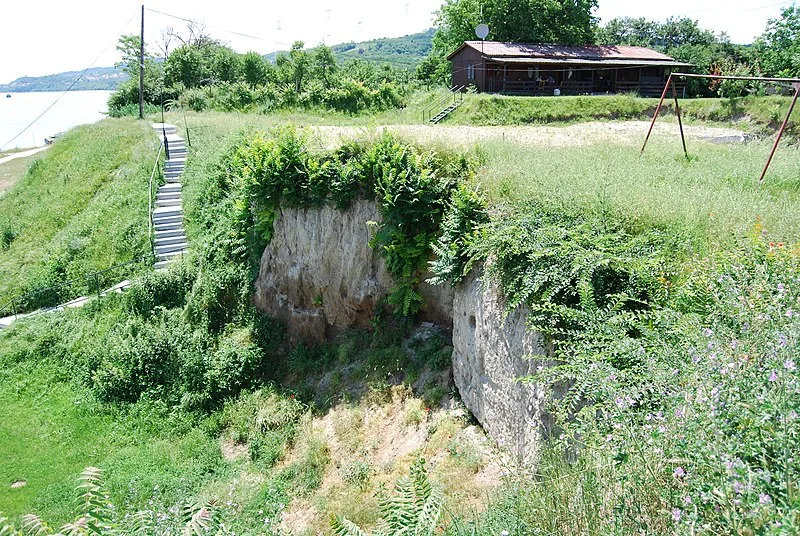
Vinča-Belo Brdo
Vinča-Belo Brdo is a Neolithic-Chalcolithic archaeological site in Vinča, a suburb of Belgrade, Serbia. The tell of Belo Brdo ('White Hill') is a mound composed almost entirely of…
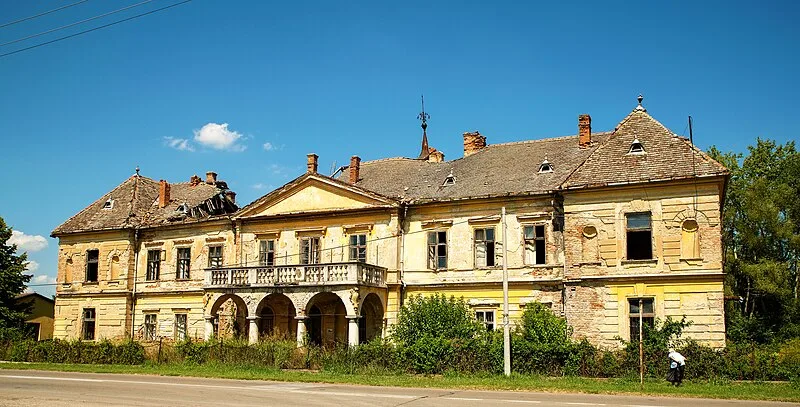
Vlajkovac
Vlajkovac is a village in the Vrsac municipality of Vojvodina, Serbia, notable for its massive circular earthwork with a diameter of approximately 300 metres, attributed to the…
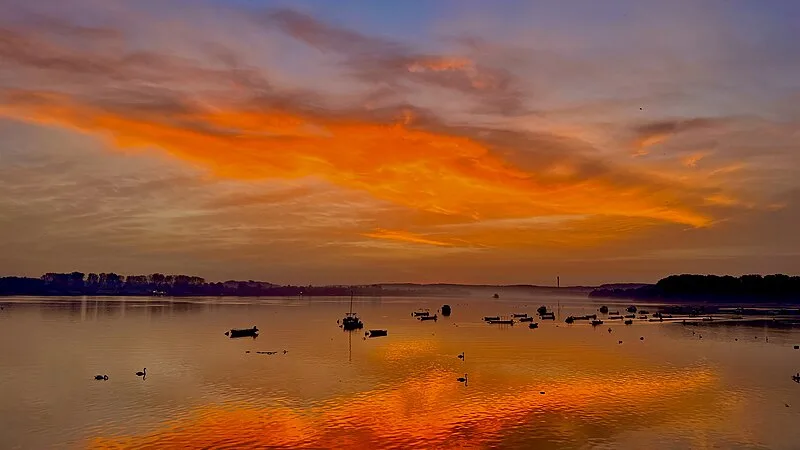
Zemun
Zemun, now part of Belgrade, Serbia, has been inhabited since the Neolithic period (4500-3000 BC), with early residents living in dugouts that gave the settlement its name. The…
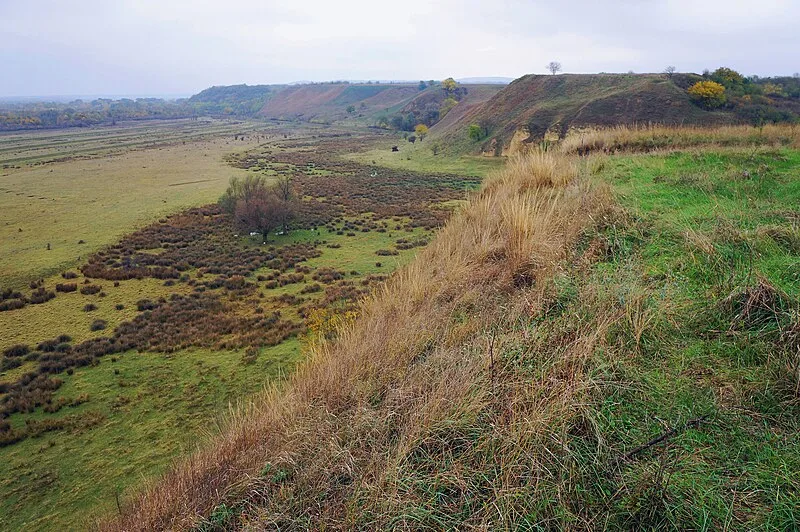
Židovar
Židovar is an archaeological site near Vršac, Serbia. The settlement is renowned for the significant treasure discovered at the site.
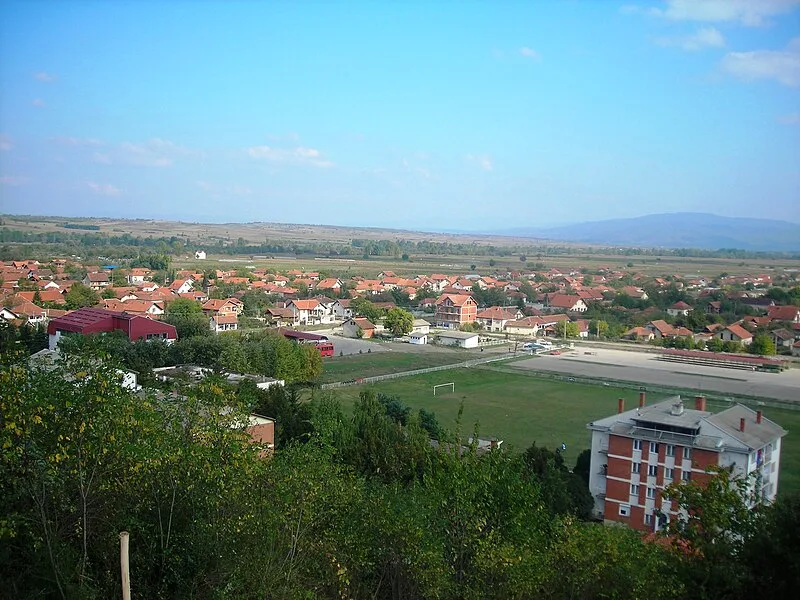
Žitorađa
Zitoradja is a town and municipality in the Toplica District of southern Serbia whose origins trace to the 4th-century Eastern Roman (Byzantine) town of Ad Herculum. The…
Fortress/citadel in Serbia (7)
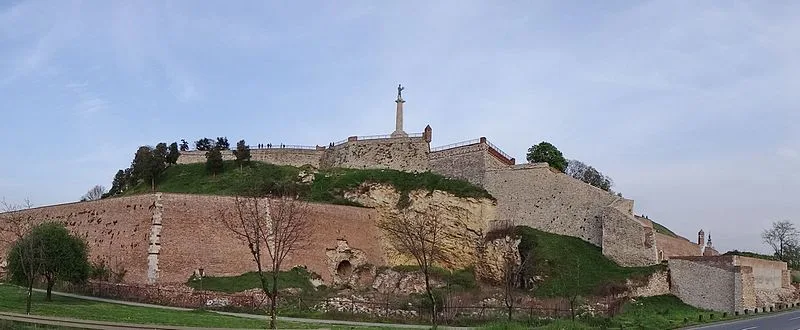
Belgrade Fortress
The Belgrade Fortress (Serbian: Београдска тврђава) is a historic citadel located on the confluence of the Sava and Danube rivers in Belgrade, Serbia. The fortress complex…
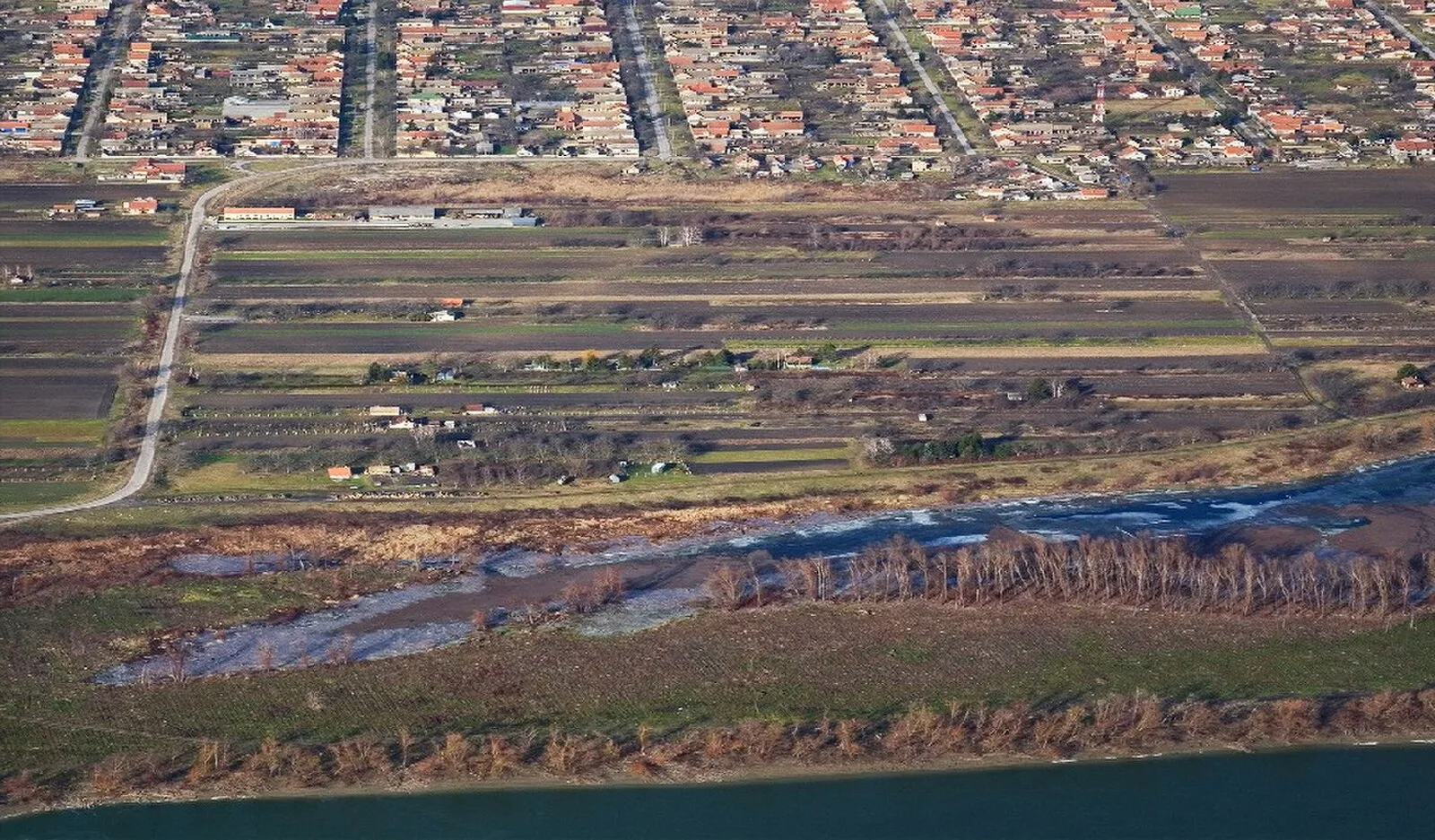
Castellum Onagrinum Archaeological Site, Begeč
Castellum Onagrinum is a Roman military fortification on the left bank of the Danube in Begec, Serbia, built in the late 3rd to 4th century as a bridgehead opposite the fortress…
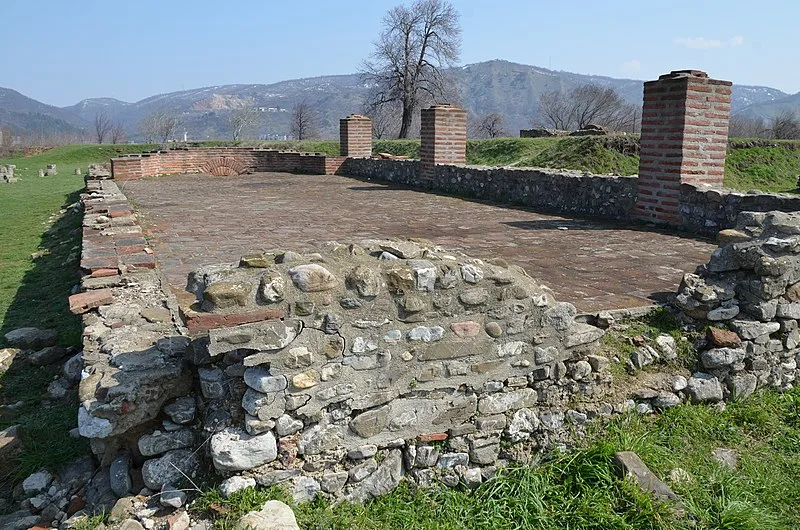
Diana Fort
Diana Fort is a Roman fort located near Karataš hamlet, 8 km northwest of Kladovo in eastern Serbia. Situated on cliffs of the Đerdap gorge above the Danube, it occupied a…
Kaljaja, Teneš Do
Archaeological site on the hill Kaljaja in Tenes Do, municipality of Pristina, Kosovo. Remains of fortress walls, buildings, and bricks were uncovered at the site. A slag heap…
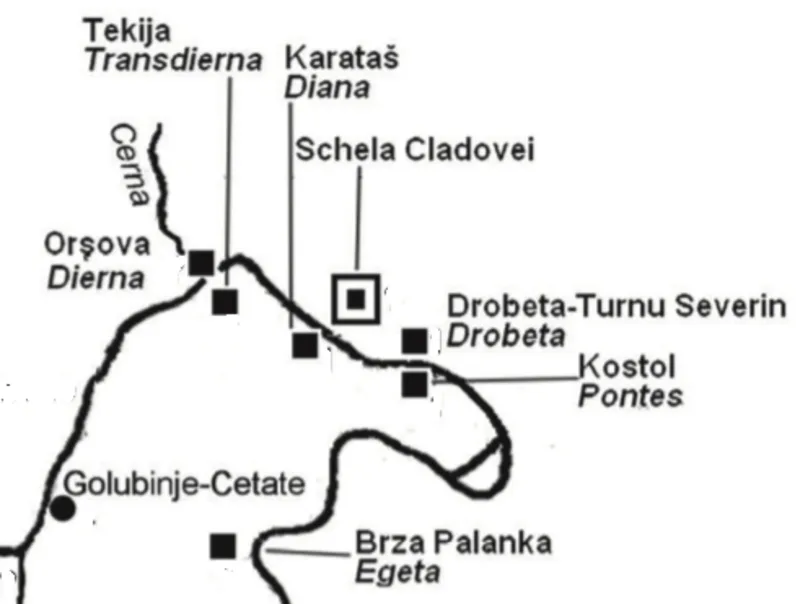
Pontes Fort
Pontes Fort was a 2nd-century Roman fort on the Danube River in the province of Moesia, near modern Kladovo, Serbia. Built around 103–105 AD during Trajan's reign, it guarded the…
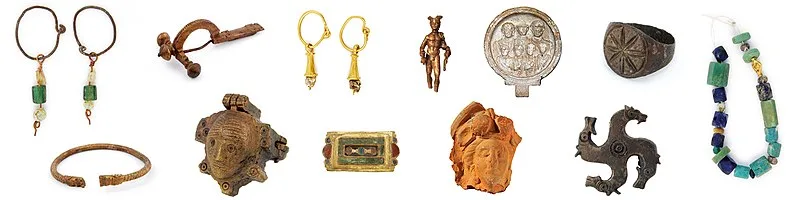
Timacum Minus
Timacum Minus is a 1st–5th century AD Roman fortress and archaeological site located in the Timok Valley of eastern Serbia, situated near the Ravna Reka river. Established as the…
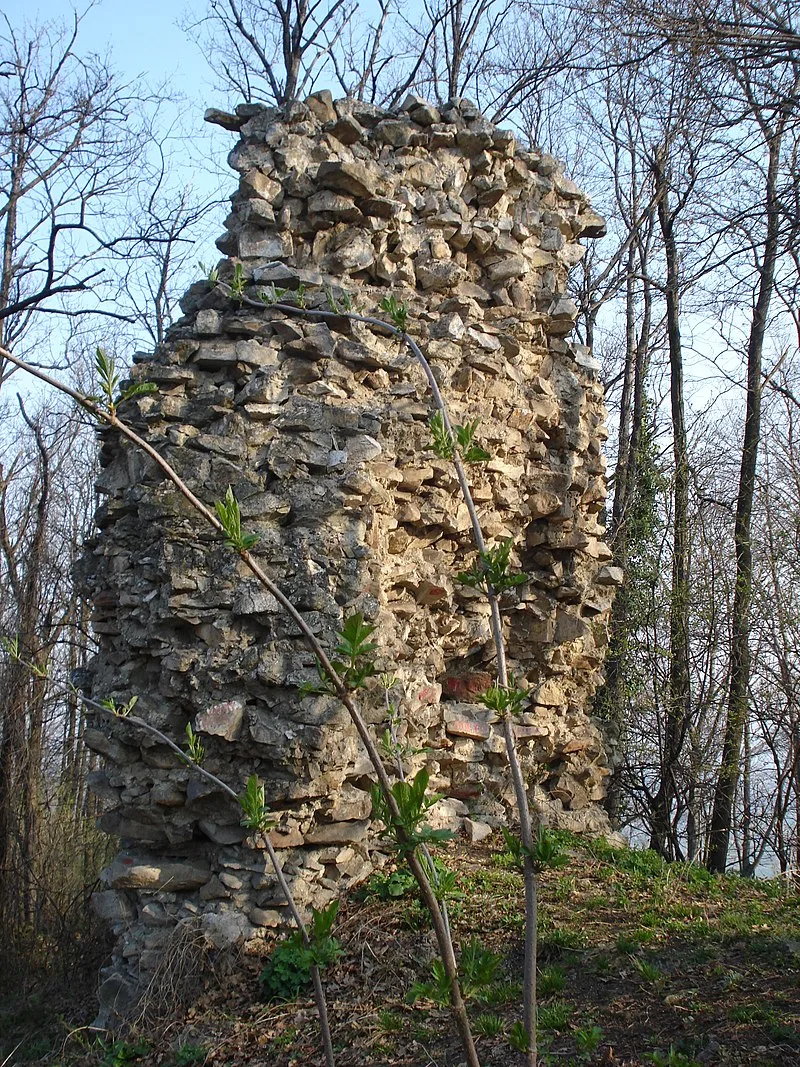
Trojanov Grad
Trojanov Grad (Town of Trajan) is a Roman fortress dating to the 3rd century AD, situated on Mount Cer in central Serbia. The stronghold was part of a defensive network connected…
Cave Structures in Serbia (5)
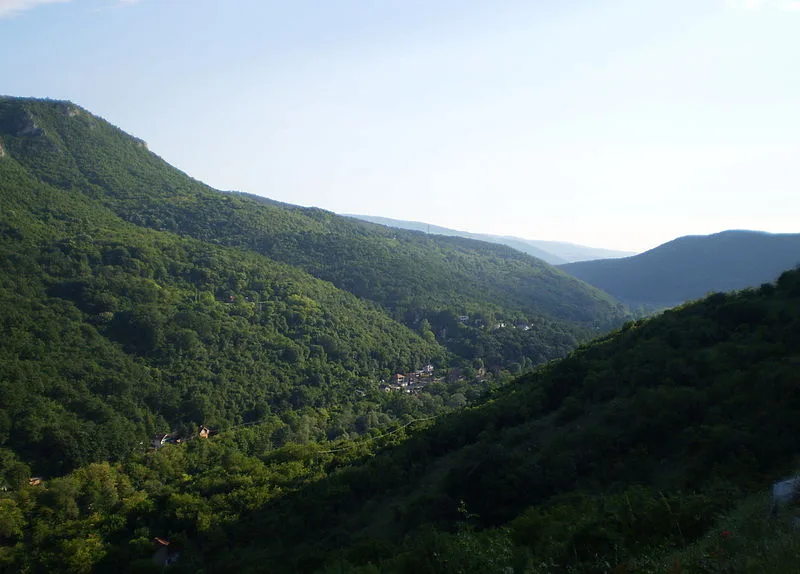
Balanica
A cave complex in the Sicevo Gorge near Nis, Serbia, consisting of Velika Balanica and Mala Balanica. In 2006, a fragmentary human mandible (BH-1) was discovered in Mala Balanica,…
Cave of Gabrovnica
The Cave of Gabrovnica near Knjazevac in eastern Serbia contains the only known prehistoric cave paintings in the country. Discovered in 1997 by researchers from the Belgrade…
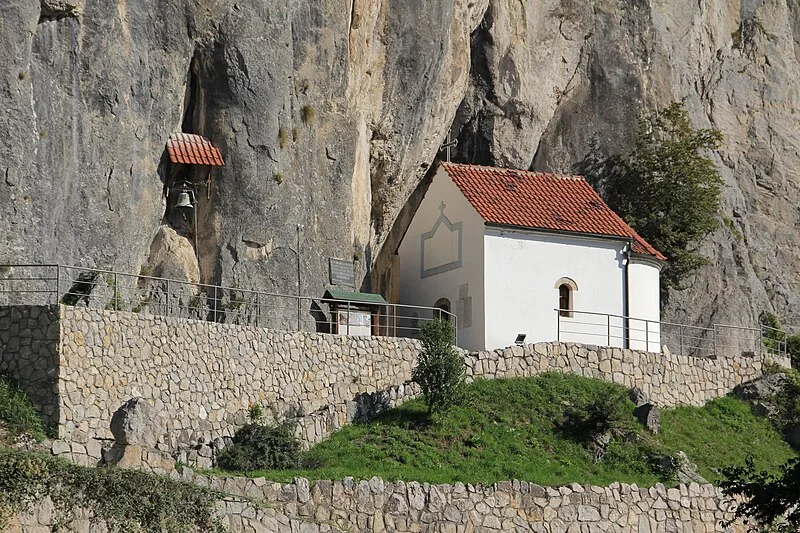
Hadži-Prodan's Cave
The Hadži-Prodan's Cave is a Paleolithic archaeological site and national natural monument in the village Raščići, 7 km from Ivanjica in western Serbia. The entrance sits at 630 m…
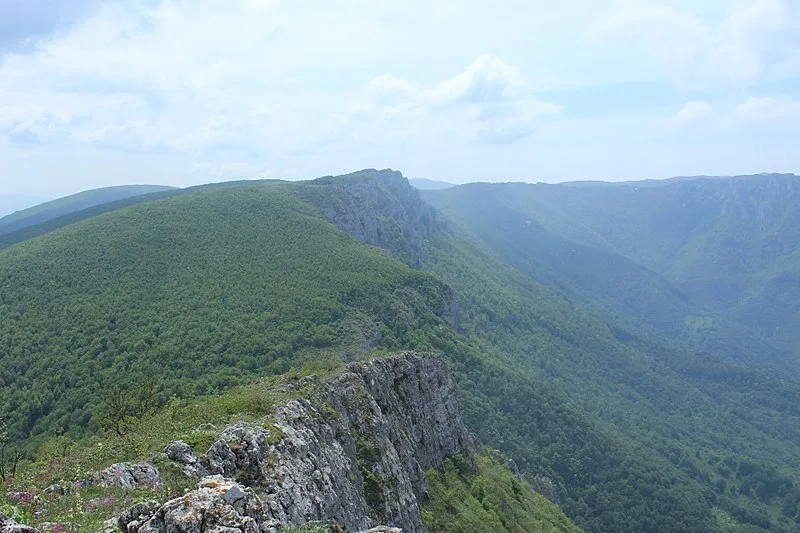
Pešturina
Pešturina is a cave in the municipality of Niška Banja in southeast Serbia, located southwest of Jelašnica and 20 km southeast of Niš. Archaeological excavations began in 2006,…
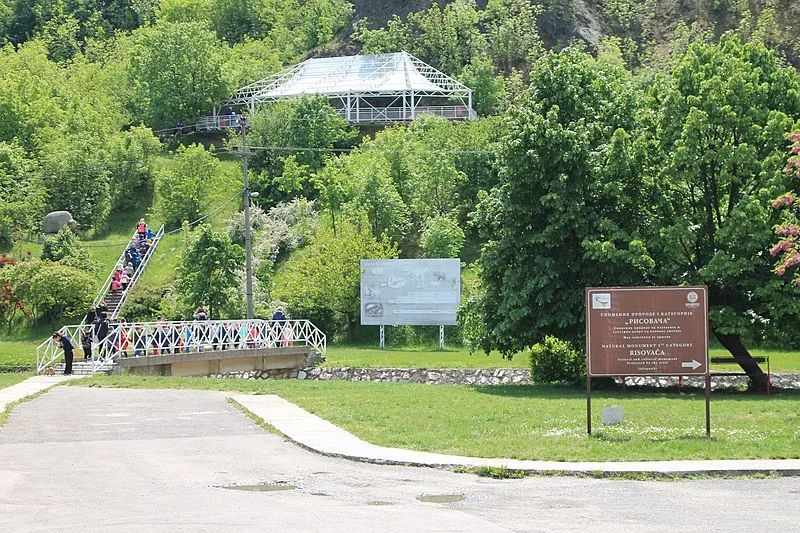
Risovača Cave
Risovača Cave is a Paleolithic archaeological site in central Serbia, located 17 metres above the Kubršnica river valley at the entrance of Aranđelovac. It is one of Serbia's most…
Residence/villa/farmhouse in Serbia (3)
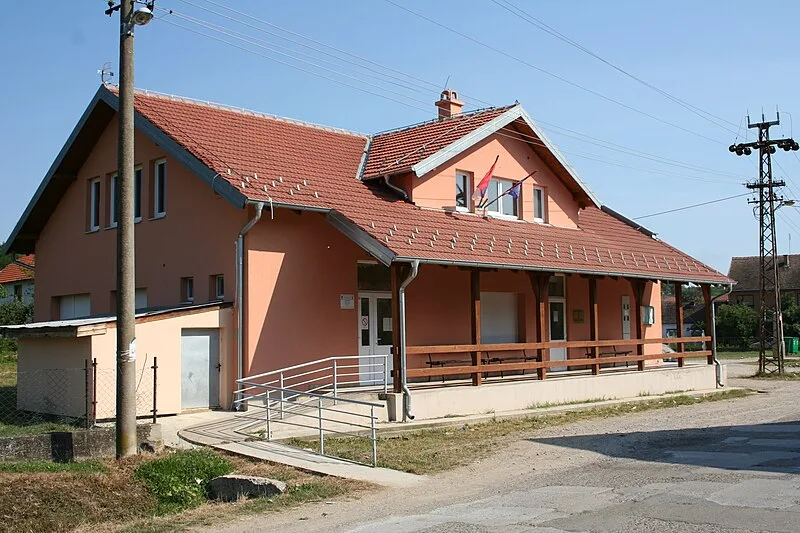
Bela Reka, Šabac
Bela Reka is a village in the Sabac municipality of western Serbia where significant Roman-era archaeological remains have been uncovered. Excavations revealed a villa rustica…
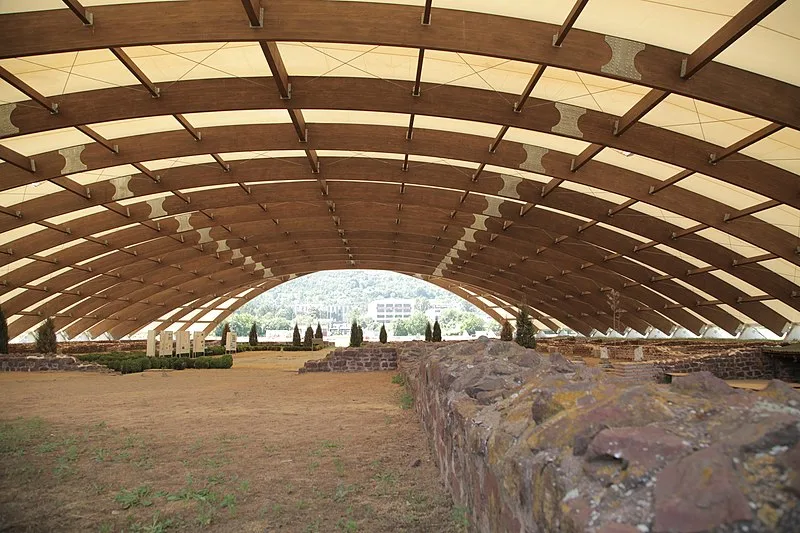
Mediana
Mediana is an important archaeological site from the late Roman period, located in the eastern suburb of the Serbian city of Nis. It represents a luxurious residence with a highly…
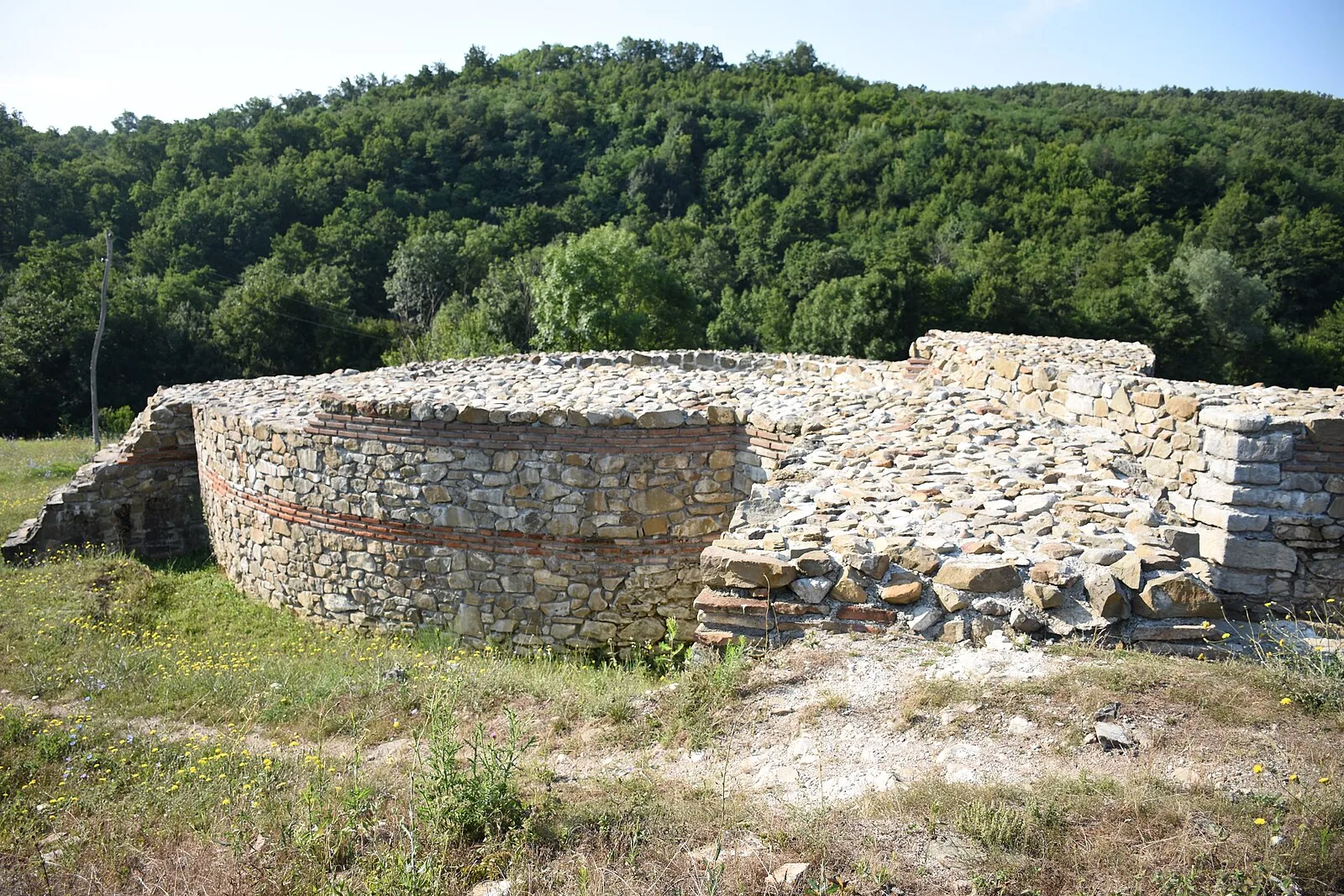
Vrelo Šarkamen
3rd–4th c. AD Roman residential and memorial complex at Vrelo Šarkamen in eastern Serbia, spanning 25 hectares on the slopes of Deli Jovan. Built during the tetrarchy in Dacia…
Mine/quarry in Serbia (2)
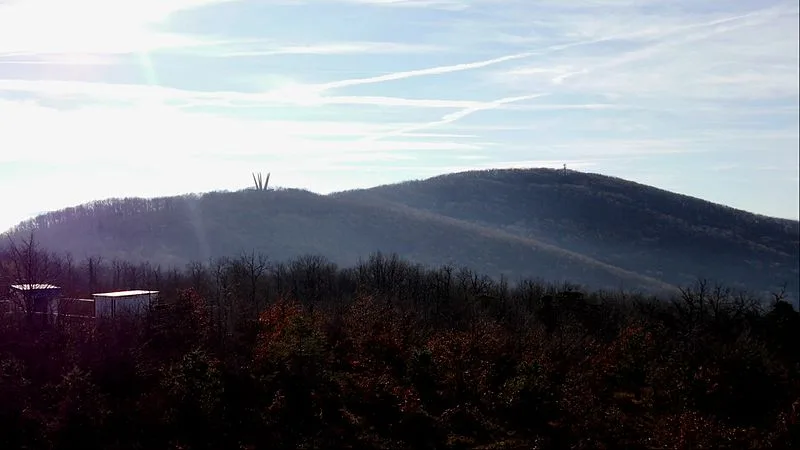
Kosmaj
Kosmaj is a mountain 40 km south-east of Belgrade, Serbia, that served as a major Roman mining centre from the 2nd century AD. Administered by procurator Babenius, the mines…
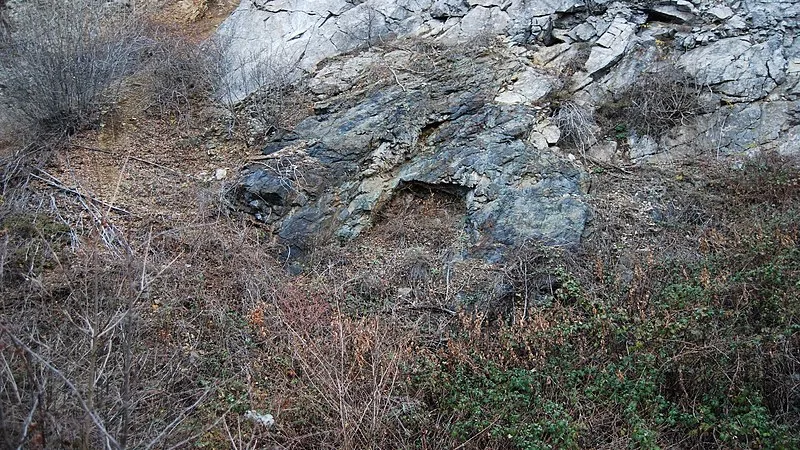
Rudna Glava
One of the earliest copper mines in Europe, dating to the 5th millennium BC in eastern Serbia. Excavations by Borislav Jovanovic (1968-1986) uncovered over 40 mine shafts…
Mound/tumulus in Serbia (2)

Kinđa
Kinđa is a Copper Age kurgan (burial mound) in northeastern Vojvodina, Serbia, near the town of Kikinda. Its summit reaches 91 m altitude, with the mound rising 5-6 m above the…
Ljuljaci
A prehistoric Bronze Age tumulus site in the Knic municipality, Sumadija District, Serbia. Excavated in 1977 and 1979 by archaeologist Dragoslav Srejovic, the tumuli yielded finds…
Archaeological site in Serbia (1)
Castle/palace in Serbia (1)
Church/cathedral in Serbia (1)
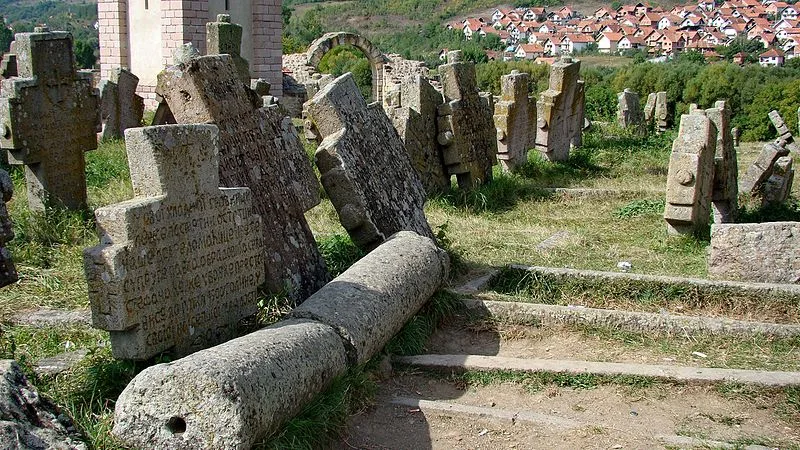
Earthwork in Serbia (1)
Gate/archway/bridge in Serbia (1)
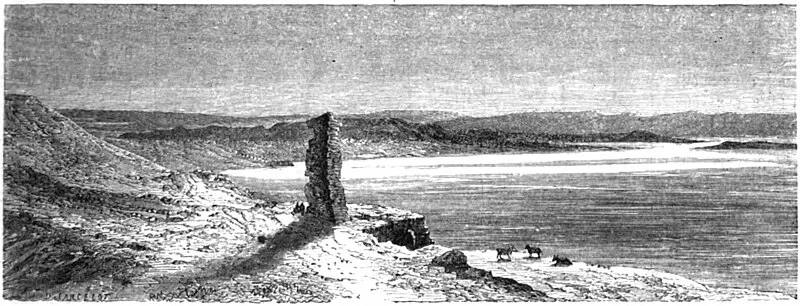
Geoglyphs in Serbia (1)
Other sites in Serbia (4)
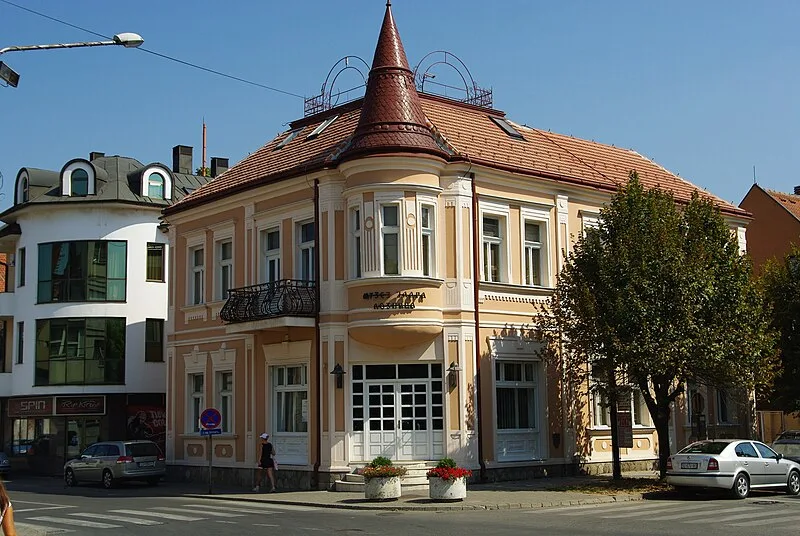
Jadar Museum
The Jadar Museum (Muzej Jadra) is a history museum in Loznica, Serbia, opened on 14 September 1987, housed in the Old Pharmacy Building, a cultural monument of great importance.…
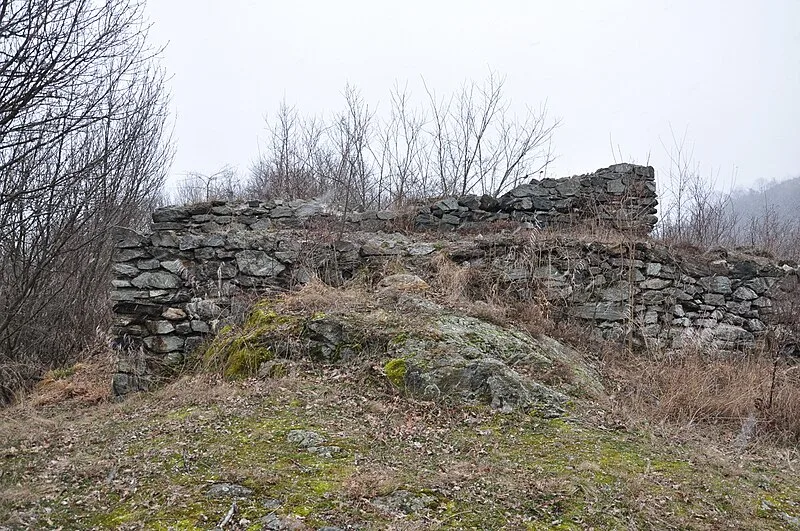
Kraku Lu Jordan
Kraku Lu Jordan is a Roman-era archaeological settlement in eastern Serbia, situated at the confluence of the Brodica River into the Pek River near Kučevo. It represents the most…
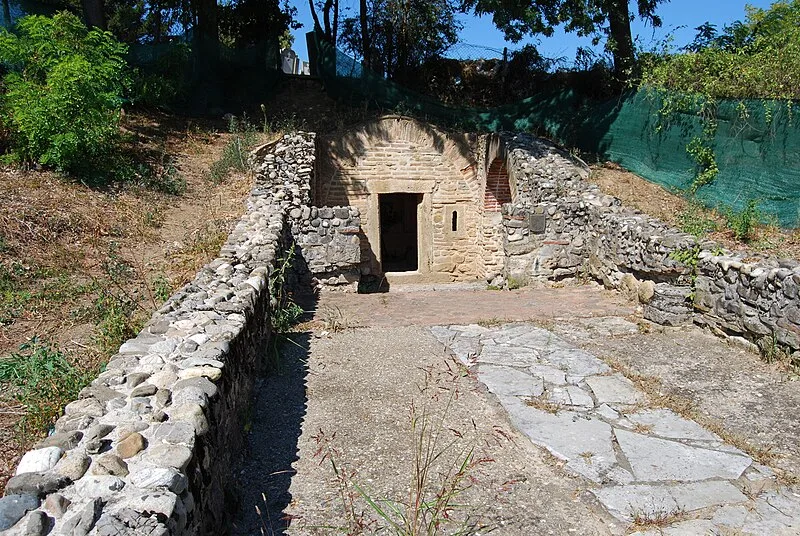
Roman Tomb, Brestovik
Dating to c. 300 AD, this Late Roman tomb was discovered accidentally in 1895 when a farmer hit the vault arch while planting plum seedlings in Brestovik, a suburban village of…
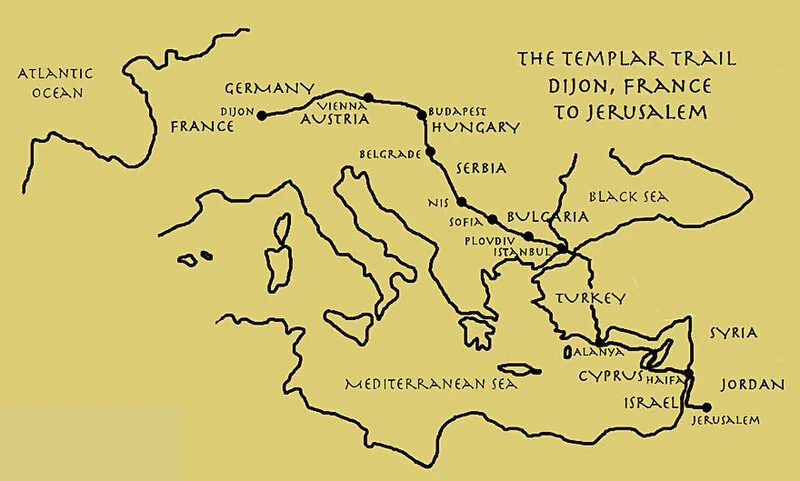
Via Militaris
Via Militaris (1st–5th c. AD) was a major ancient Roman road connecting Singidunum (modern Belgrade) with Constantinople (modern Istanbul). Starting at the Danube, it passed…
Keep exploring
Every site on this page sits on the globe, and the people who research them are on the Discord.
3D Globe · Sites by country · Story Archive · Research Library · Weekly Journal · Search