
 Serbia
The name Bela Palanka means 'white town' [1]. The town was originally settled by the Dacians and was known under the ancient name of Aiadava or Aeadaba [1]. After the Romans conquered Moesia in 75 BC, the new castrum and municipium was known initially as Ulpianorum and then Remesiana and stood along the Via Militaris between Naissus and Serdica [1]. The patron saint of Romania, Nicetas of Remesiana, was a 4th-century bishop at Remesiana [1].
Text: Wikipedia – 'Bela Palanka' (revision of 2026-03-06), CC BY-SA 4.0 · sentences selected and shortened by an AI system · source →Bela Palanka
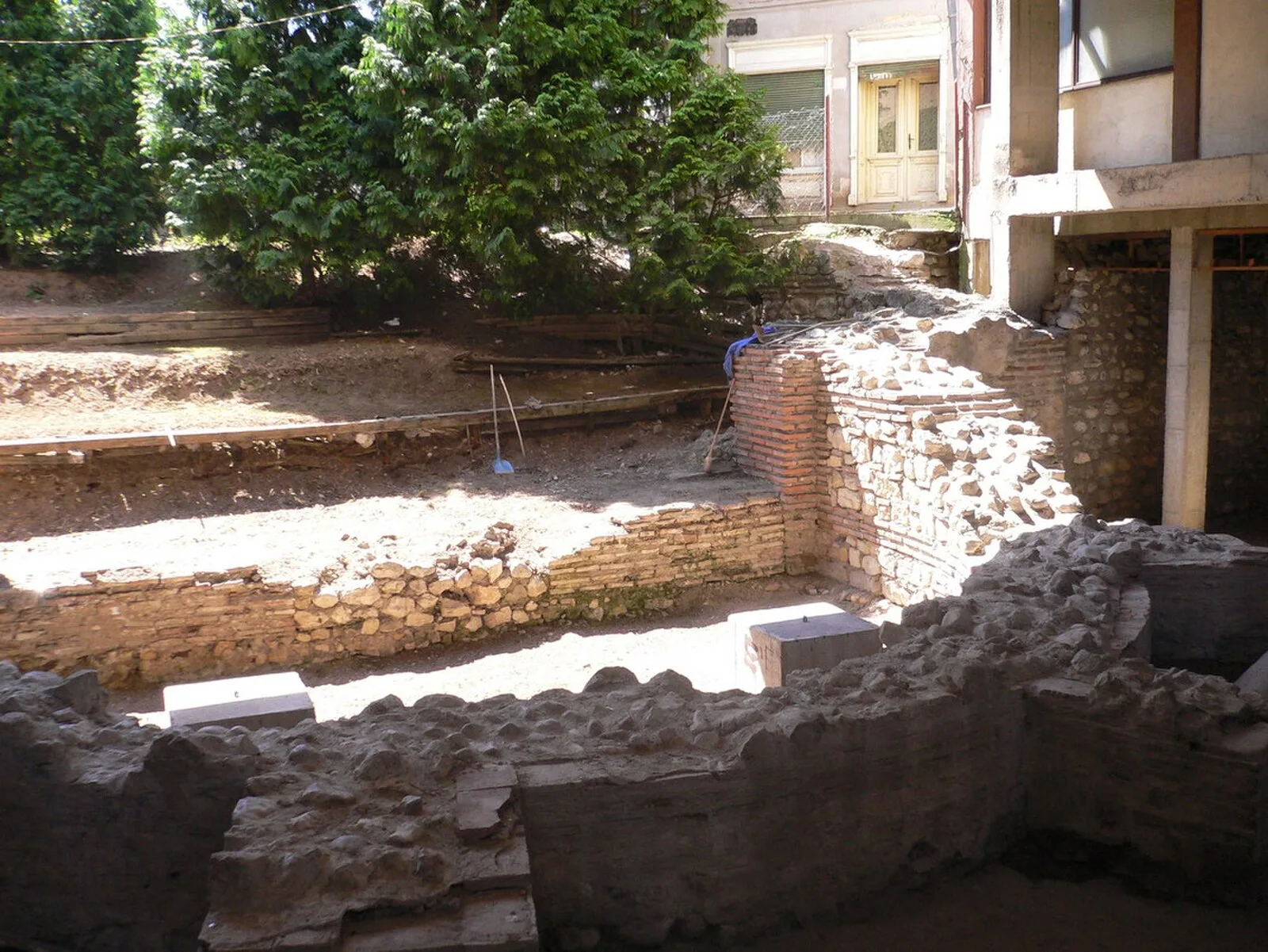
Also known as: 벨라팔란카, Bela Planka, opština Bela Palanka, Remesiana, Бела Паланка, Бела-Паланка, بلا پالانکا, بيلا بالانكا, بیلا پالانکا, بیلا پلانکا, ベラ・パランカ, 貝拉帕蘭卡
| Type | City/town/settlement |
|---|---|
| Period | Undated |
| Country | Serbia |
| Coordinates | 43.2168° N, 22.3166° E |