
 Serbia
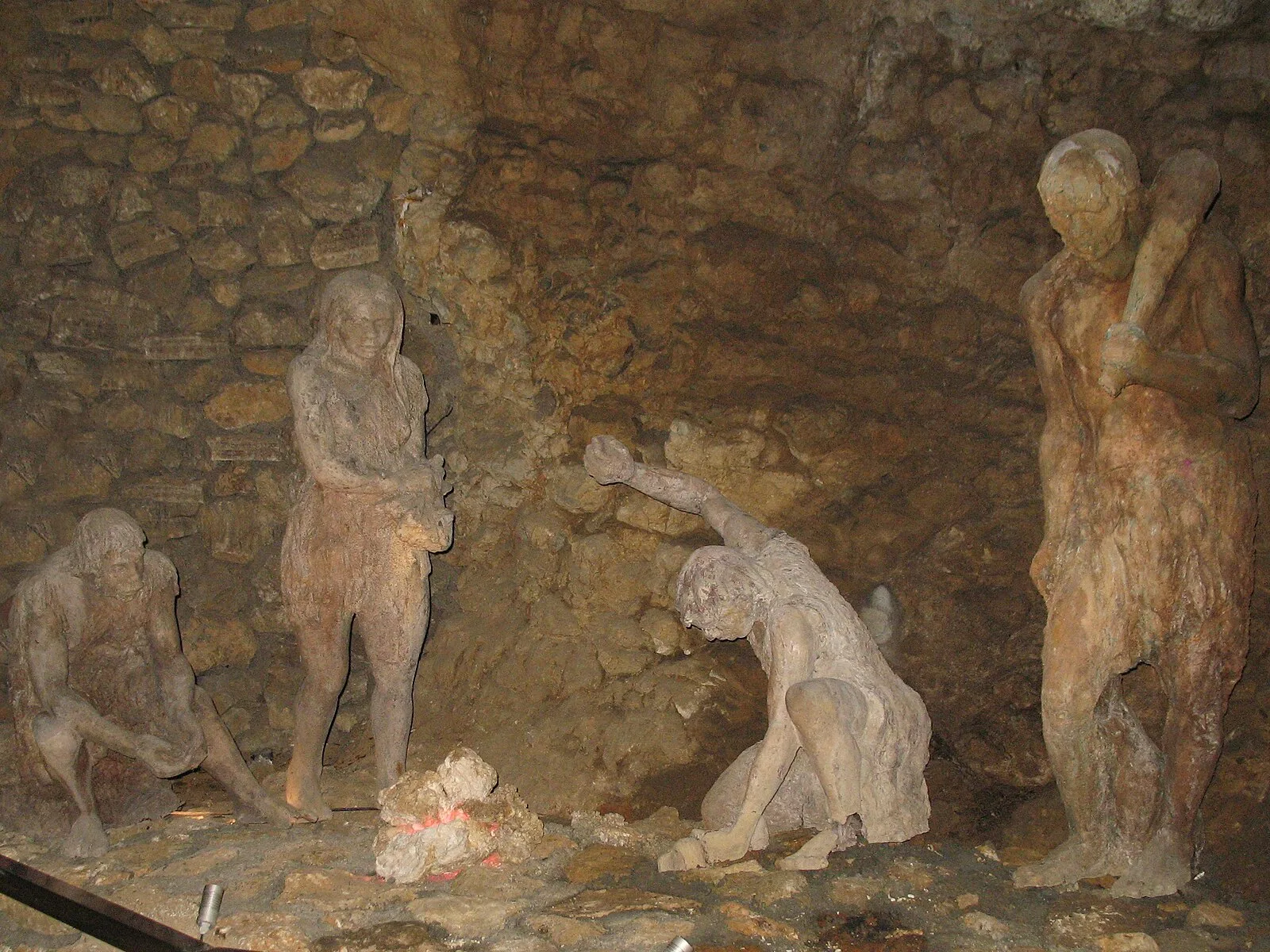
Risovača Cave, (Serbian Cyrillic: Пећина Рисовача, romanized: Pećina Risovača) is situated at the very entrance of the town of Aranđelovac in central Serbia around 17 m above the Kubršnica river valley [1]. It is one of the most important archaeological sites of the Paleolithic in Serbia besides the Gradac Cave near Kragujevac [1]. Its discovery confirmed the assumed existence of the Paleolithic culture south of the Sava-Danube line and provided new information on the life of prehistoric humans in Europe [1]. The site has been discovered around 1938 when the quarry on the location became operational, but the size and importance were not recognized until 1950 when the old quarry was reopened [1]. Archaeological and speleological excavations started in 1953, headed by the archaeologist Branko Gavela and young speleologist Radenko Lazarević [1]. Worked flint tools and bone artifacts of prehistoric human origin were discovered in sediments in a depth of 1 to 1.75 m [1]. These artifact assemblages are attributed to Neanderthal occupants during the end of the Middle Paleolithic period [1].
Text: Wikipedia – 'Risovača Cave' (revision of 2026-07-22), CC BY-SA 4.0 · sentences selected and shortened by an AI system · source →Risovača Cave
Also known as: Cueva de Risovača, Risovača, Risovača Mağarası, Пећина Рисовача, Рисовача, Рисовачка пећина, كهف ريسوفا
| Type | Cave Structures |
|---|---|
| Period | 500 BC - 1 AD |
| Country | Serbia |
| Coordinates | 44.3001° N, 20.5664° E |