

Archaeological Sites in Croatia
City/town/settlement in Croatia (36)
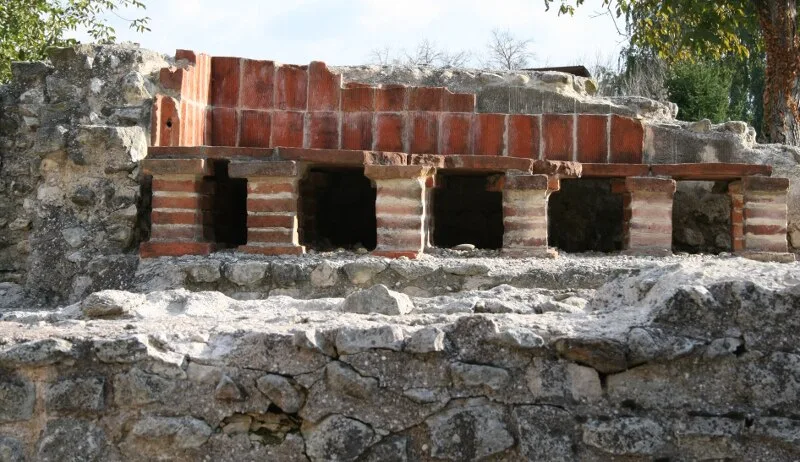
Andautonia
Andautonia was a Roman settlement and municipium located on the southern bank of the Sava River in what is now Scitarjevo, southeast of Zagreb, Croatia. The site is now preserved…
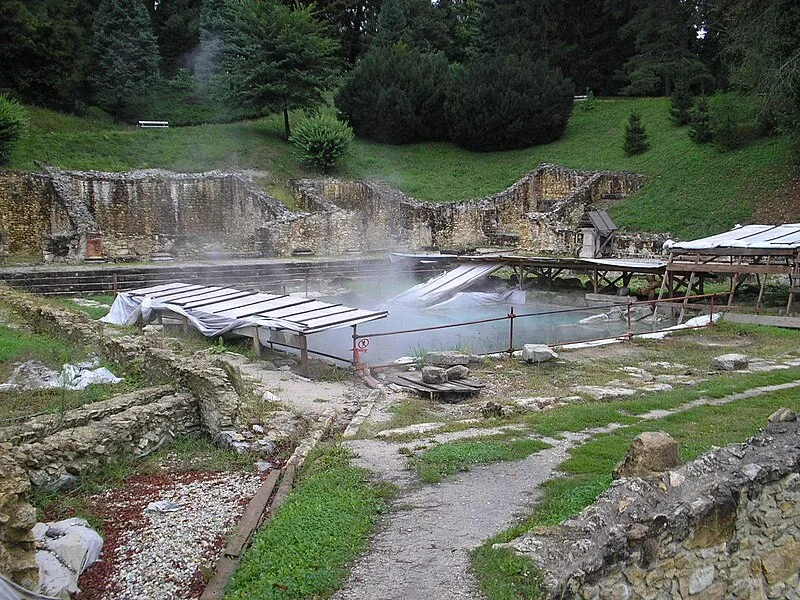
Aquae Iasae
Aquae Iasae was a Roman settlement and bath complex at modern Varazdinske Toplice, Croatia, active from the 1st to 4th centuries AD. Named "Waters of the Jasi" after the local…
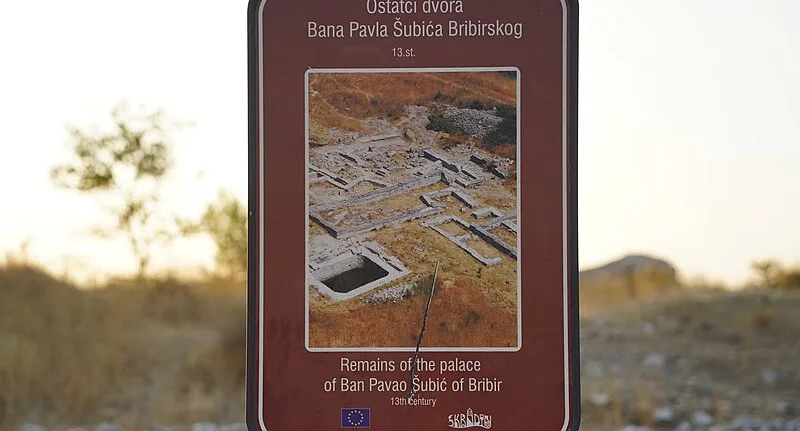
Bribir, Šibenik-Knin County
Bribir is a village in Šibenik-Knin County, Croatia, near Skradin. The site was the Roman town Varvaria, later becoming in medieval times an important settlement with a stronghold…
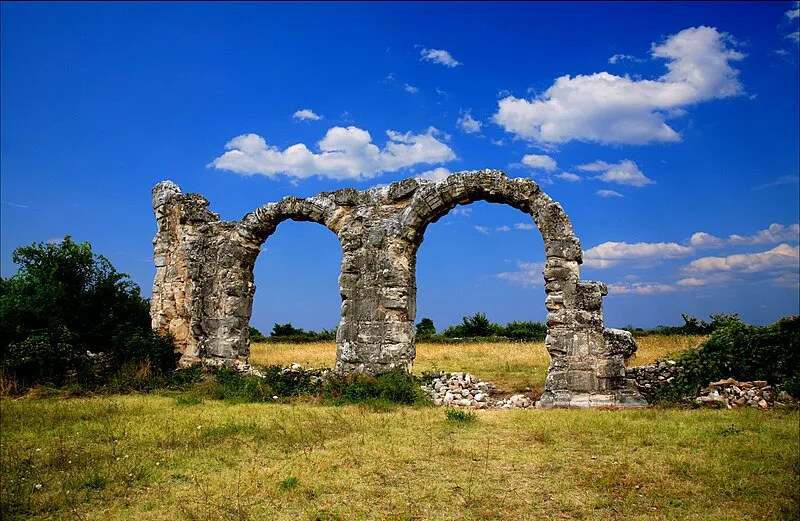
Burnum
Burnum was a Roman Legionary fortress and later town in inland Dalmatia, located 2.5 km north of Kistanje, Croatia. The site was occupied from the 1st to 5th century AD, serving…
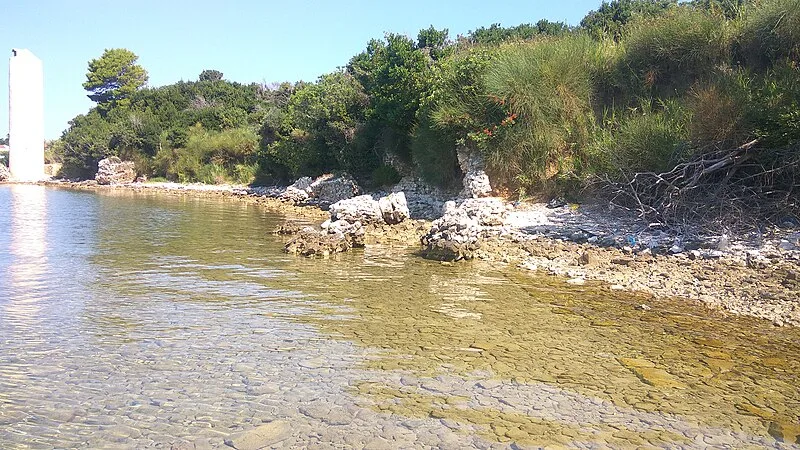
Caska, Croatia
Caska is a village on the Croatian island of Pag, situated at the site of the ancient Roman settlement of Cissa. Originally a Liburnian settlement on nearby Košljun hill, it…
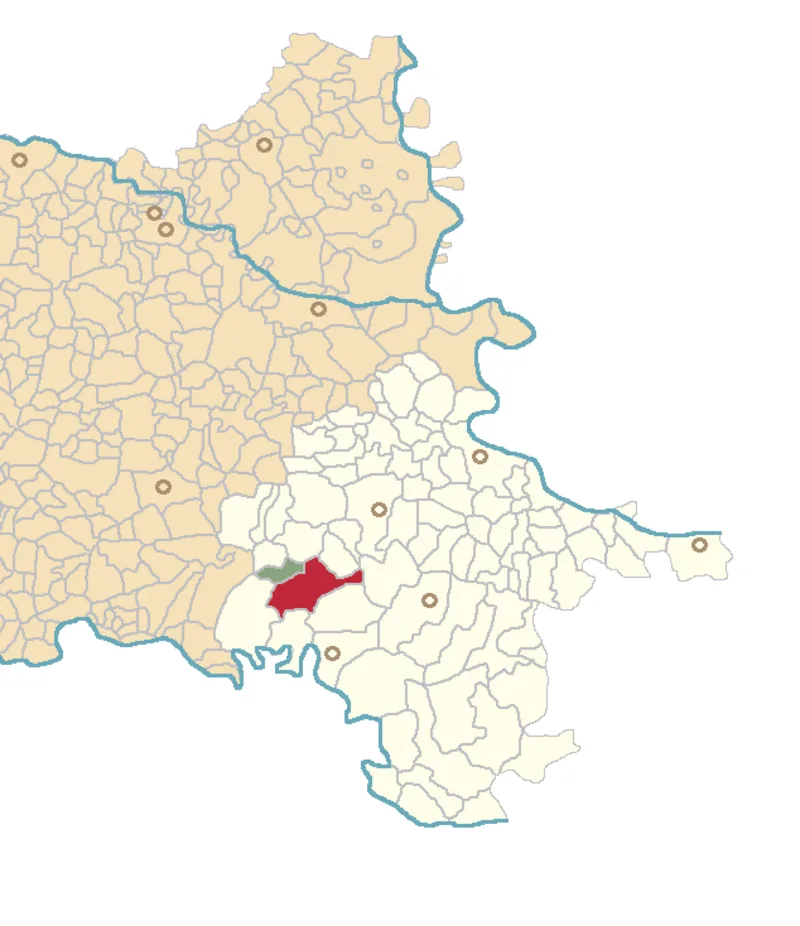
Cerna, Croatia
Cerna is a village and municipality in eastern Croatia, situated between Vinkovci and Zupanja on the rivers Bidj, Bosut, Berava, and Bitulja. A Scordisci archaeological site…

Crikvenica
Crikvenica, on Croatia's Adriatic coast, corresponds to the ancient Roman station Ad Turres ('at the towers'), documented in the Tabula Peutingeriana as a waypoint on the road…
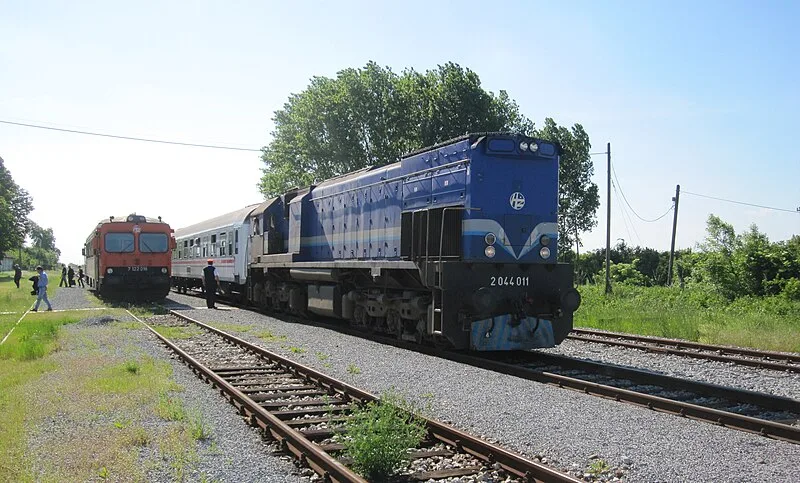
Dalj
Dalj is a village on the Danube in eastern Croatia, near the confluence of the Drava and Danube, on the border with Serbia.
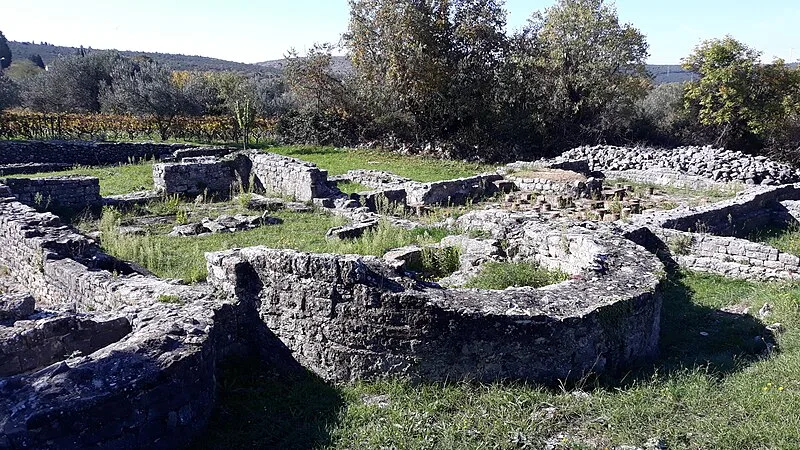
Danilo, Croatia
Danilo is a village near Sibenik, Croatia, and the eponymous type site of the Neolithic Danilo culture (c. 4700-3900 BCE). The fertile valley between karst ridges supported one of…
Epidaurum
Epidaurus was an ancient Greek colony founded in the 6th century BC on the Dalmatian coast. It was renamed Epidaurum when it came under Roman control in 228 BC, becoming part of…
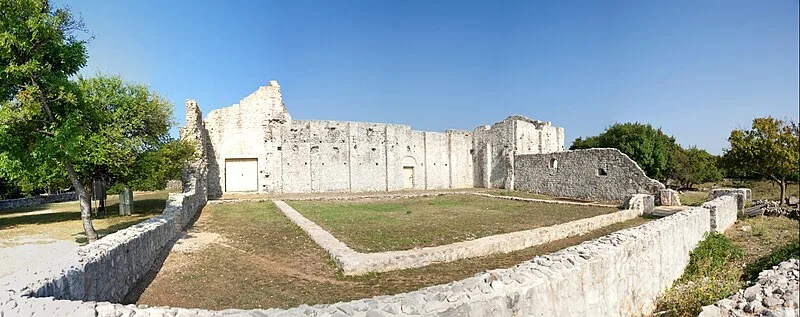
Fulfinum
Municipium Flavium Fulfinum was a Roman settlement on Krk island, Croatia, near Omisalj. Founded in the 1st century AD under the Flavian dynasty as a colony for retired soldiers,…
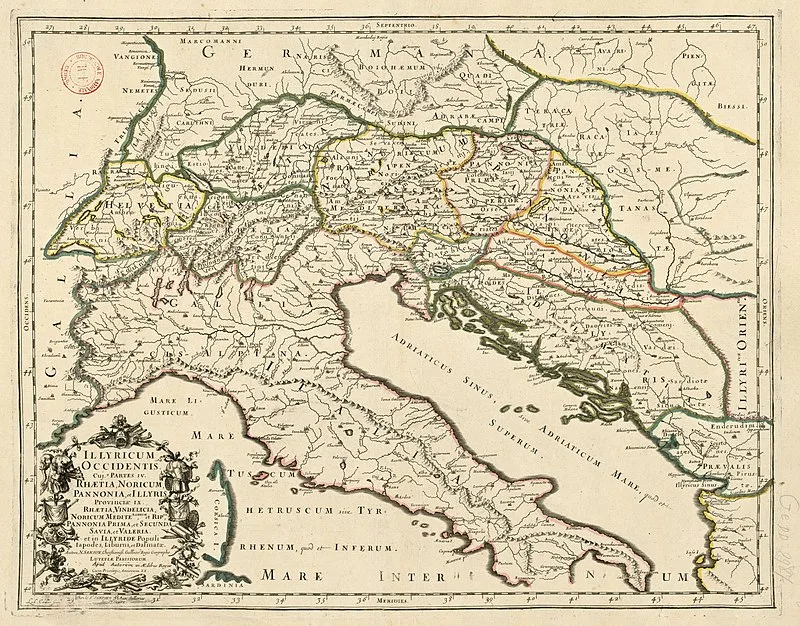
Halikan
Halikan is a 1st-century AD Roman municipium in present-day Croatia's Međimurje County, within Sveti Martin na Muri municipality. Covering approximately 3 km², it was square in…
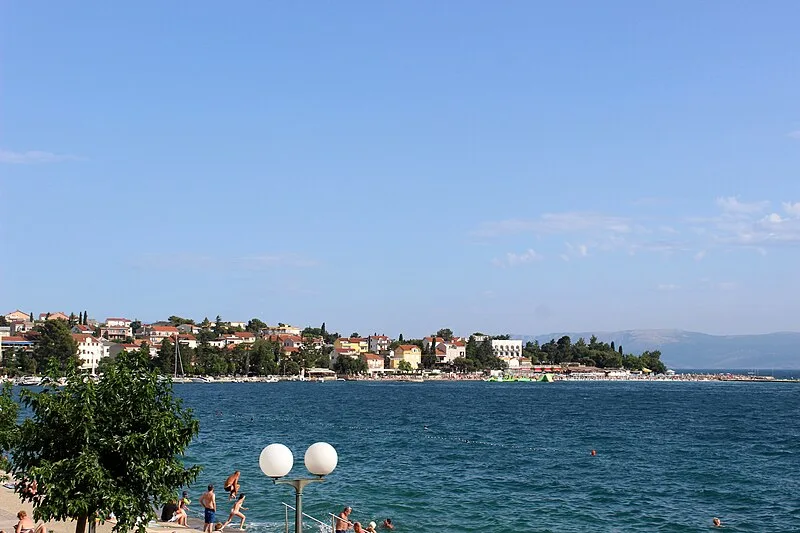
Jadranovo
Jadranovo is a coastal settlement on Croatia's northern Adriatic coast, situated approximately 8 km from Crikvenica and 26 km from Rijeka. The town occupies a peninsula dividing…
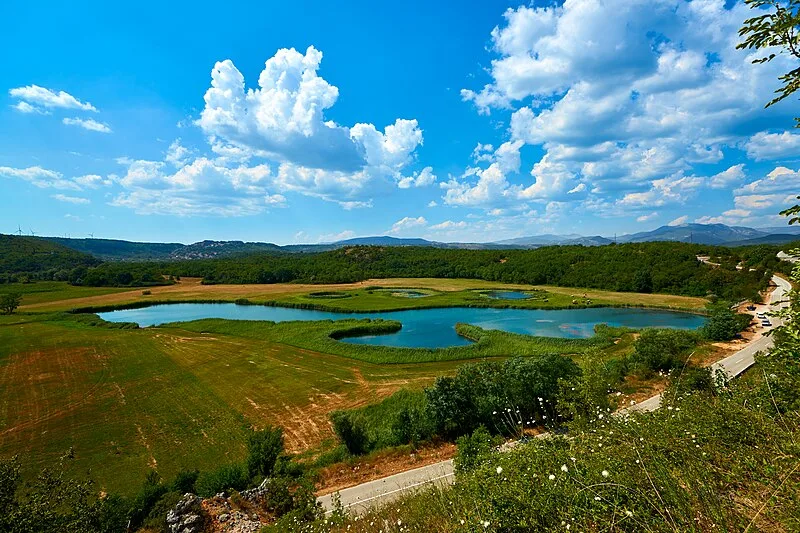
Knin
Knin is a city in the Sibenik-Knin County of Croatia, located in the Dalmatian hinterland near the source of the Krka river. The Spas hill has been inhabited since the Stone Age,…

Markušica
Markusica is a village in Vukovar-Syrmia County in eastern Croatia, located south of the river Vuka and northwest of Vinkovci. A Scordisci archaeological site dating to the Late…
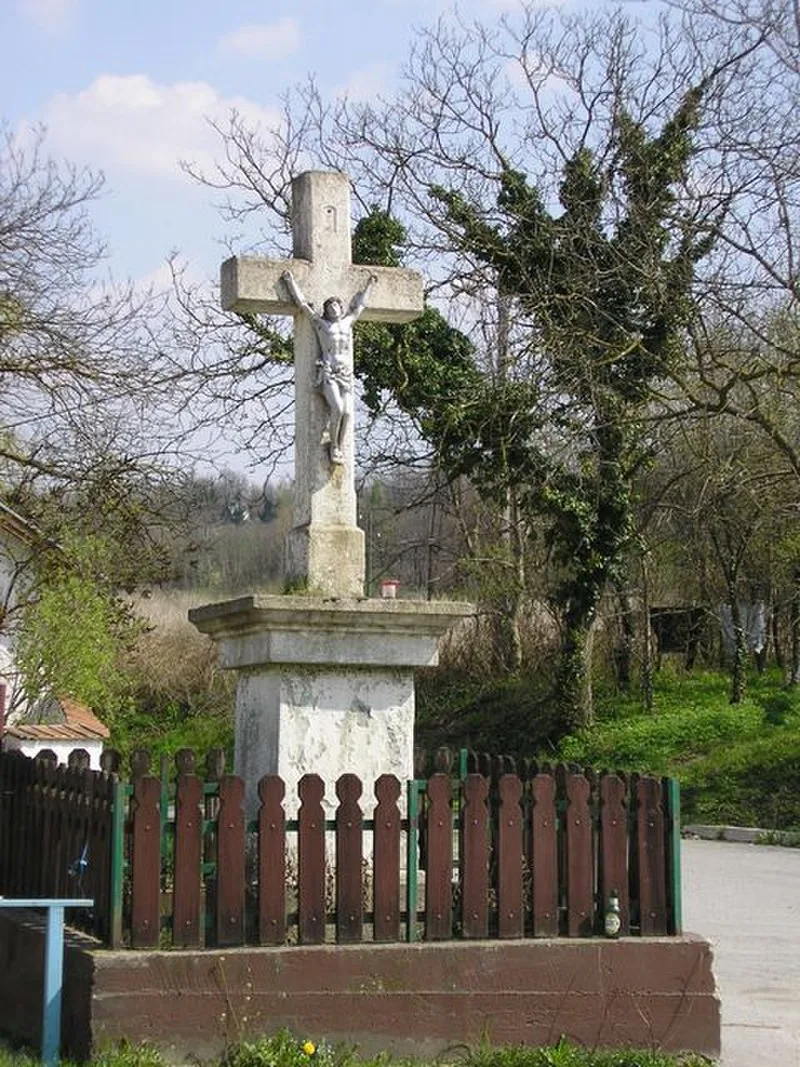
Miholjanec
Miholjanec is a village in Croatia and one of the country's oldest settlements, with occupation since at least the Iron Age. During the late Iron Age, a people known as the bini…
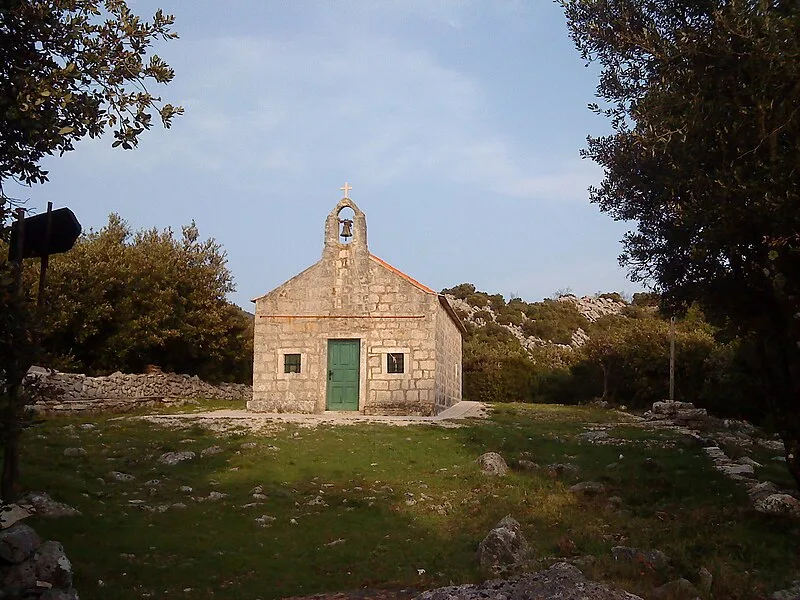
Nakovanj
Nakovana is an archaeological site on the Peljesac peninsula in southern Dalmatia, Croatia, serving as the type-site for the East Adriatic Early Copper Age. Excavations revealed…
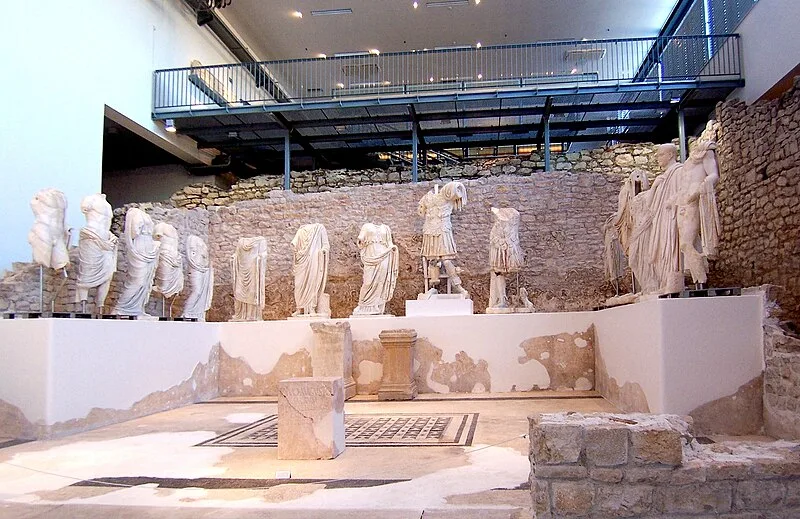
Narona
Narona was an ancient Greek trading post and later major Roman colony in the Neretva valley at present-day Vid, Croatia. Founded as a Greek emporium around 400 BC, it became a…
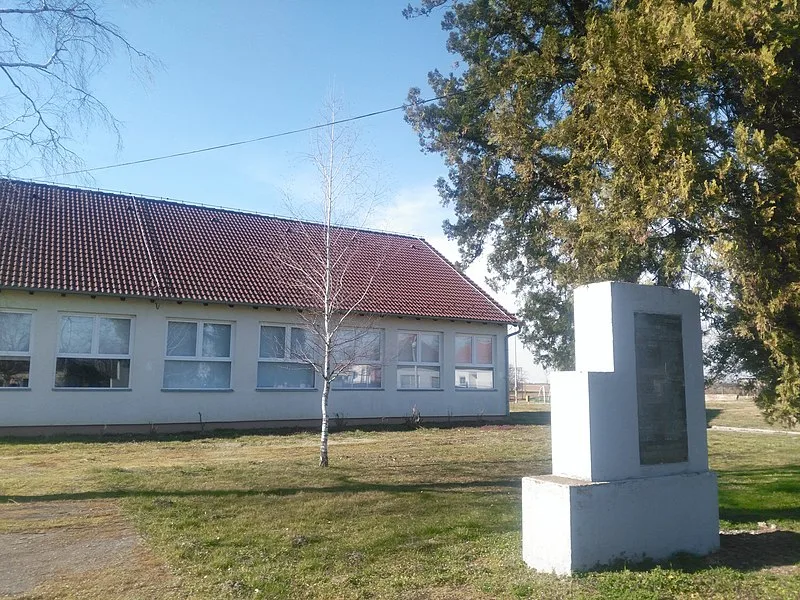
Orolik
A village in the Stari Jankovci municipality of eastern Croatia's Vukovar-Syrmia County, containing an archaeological site dating to the Iron Age. The site was excavated during…
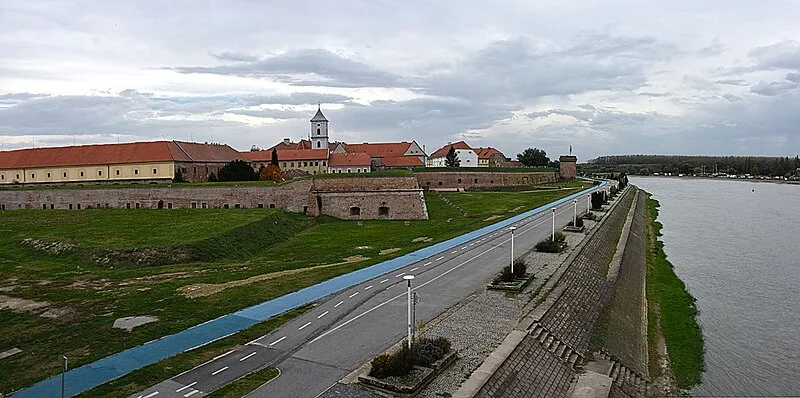
Osijek
The fourth-largest city in Croatia, situated on the right bank of the Drava River in Slavonia, with origins in Neolithic habitation. A Celtic-Illyrian settlement was established…
Otišić
Otišić is a small village in the Split-Dalmatia County, Croatia, situated in inland Dalmatia south of Vrlika on the State route D1 between Sinj and Vrlika. The area holds…
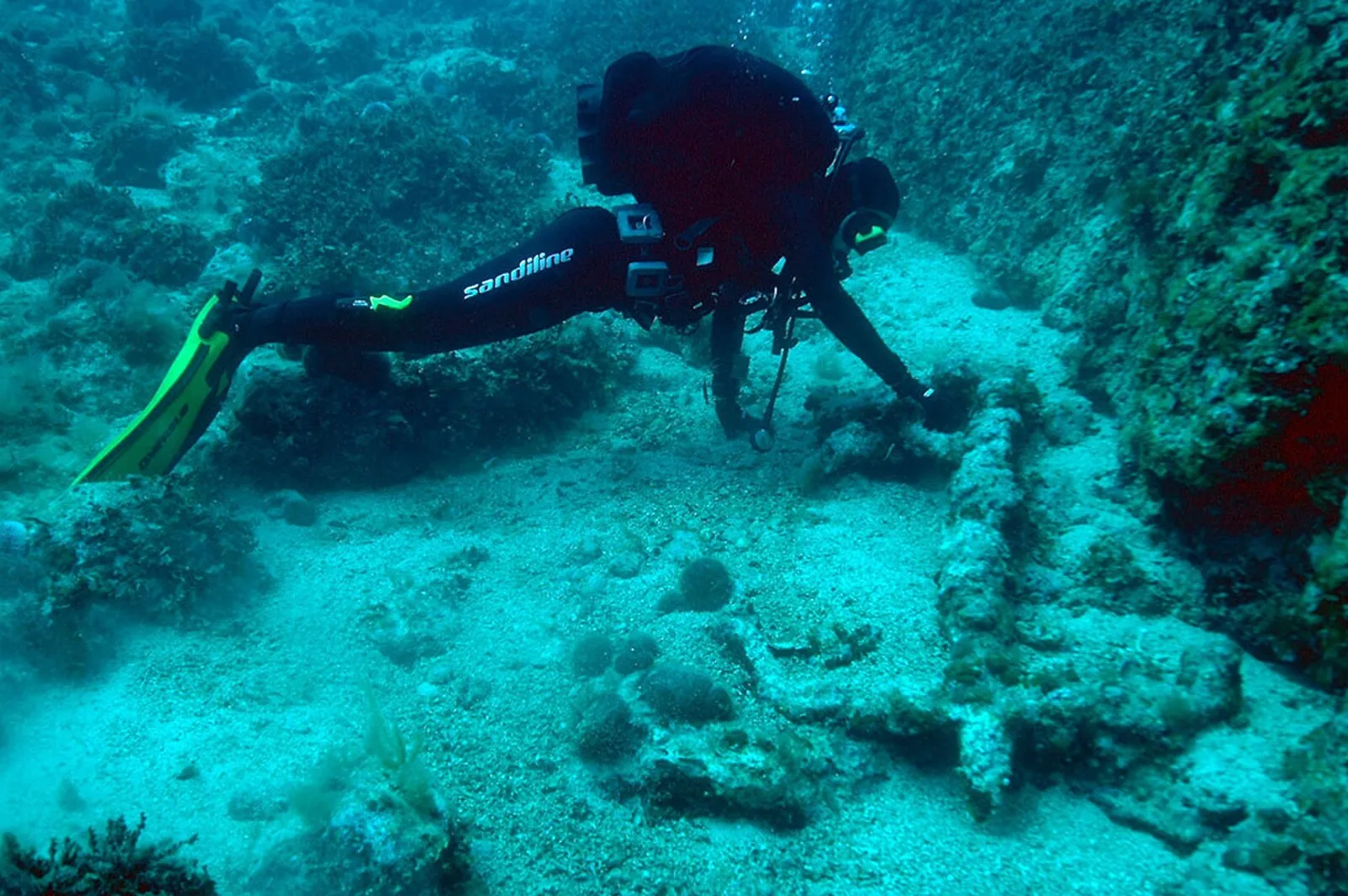
Palagruža
Palagruža is a small Croatian archipelago in the middle of the Adriatic Sea. It is uninhabited, except by lighthouse staff and occasional summer tourists. The archipelago can be…
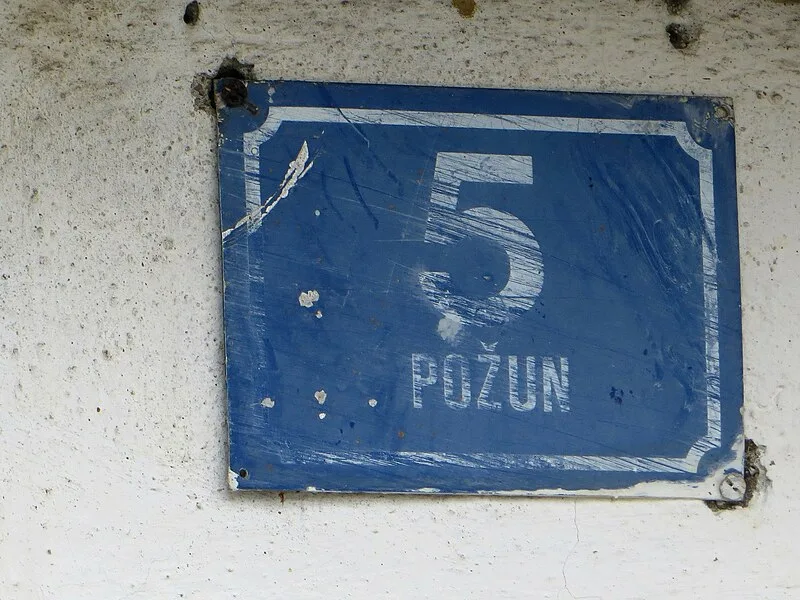
Požun, Croatia
Požun is a small settlement on the left bank of the Kupa river, opposite Ozalj Castle in Karlovac County, Croatia. The museum in Ozalj Castle holds a stone axe found at Požun from…
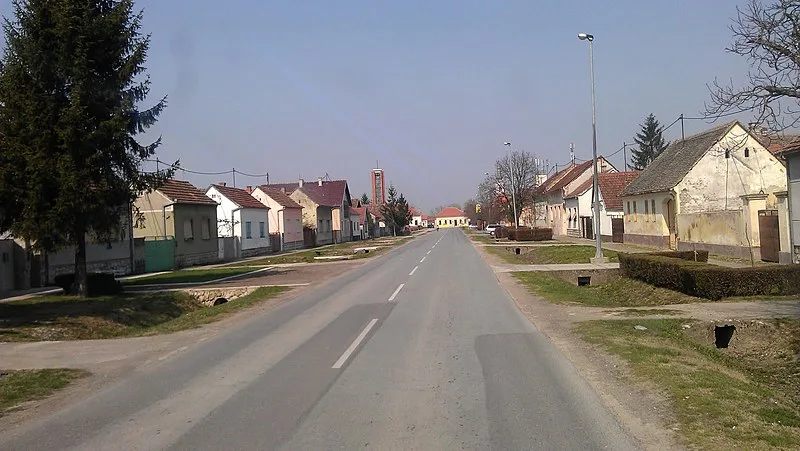
Privlaka, Vukovar-Syrmia County
Privlaka is a village in eastern Slavonia, Croatia, located 12km south of Vinkovci in Vukovar-Syrmia County. A Scordisci archaeological site dating to the late La Tene culture…
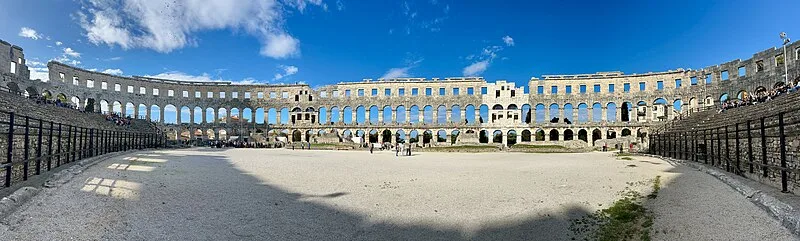
Pula
Pula, situated at the southern tip of the Istrian peninsula in western Croatia, is the largest city in Istria County and the seventh-largest in Croatia. The city is renowned for…
Pyrri
Pyrri was an ancient Roman settlement in the Roman province of Pannonia, situated along a major road connecting Poetovio (modern Ptuj, Slovenia) in the north to Siscia (modern…
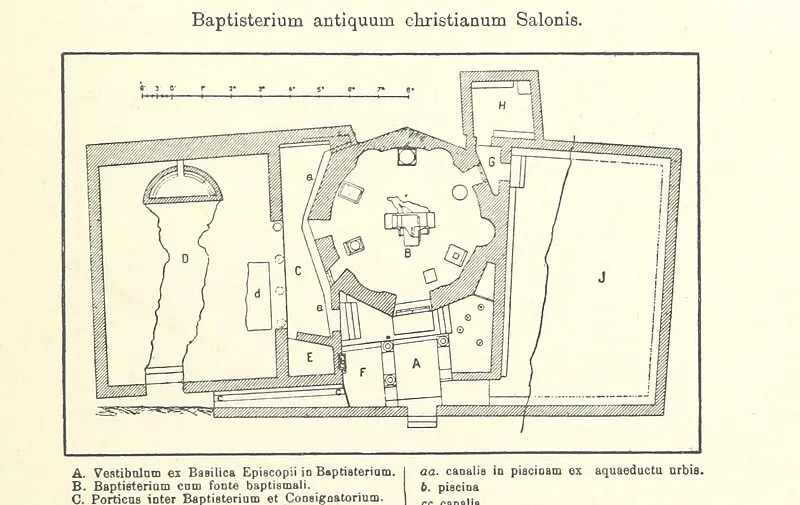
Salona
Salona was an ancient city and the capital of the Roman province of Dalmatia, located near modern Split in Croatia. It grew to become one of the largest cities of the late Roman…
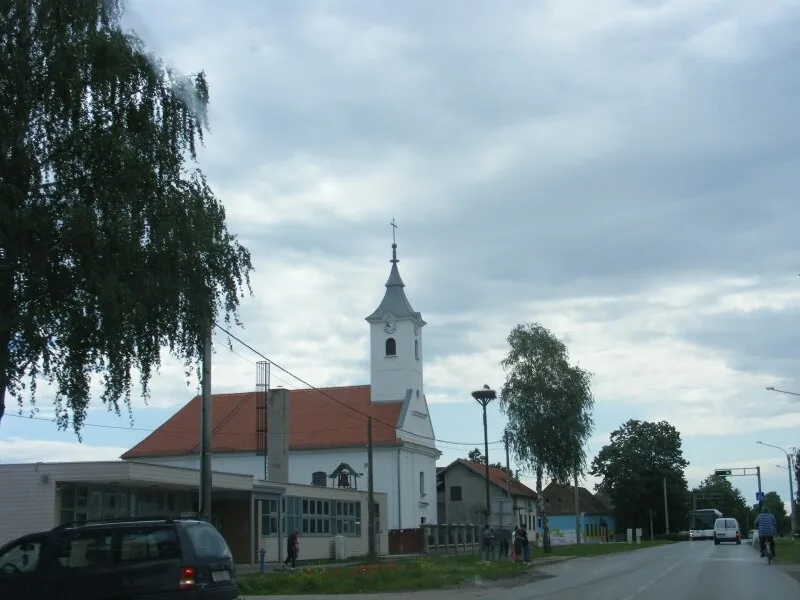
Sarvaš
Sarvas is a village in eastern Slavonia, Croatia, east of Osijek, containing a Scordisci archaeological site dating to the late La Tene period (1st century BC). Excavated during…
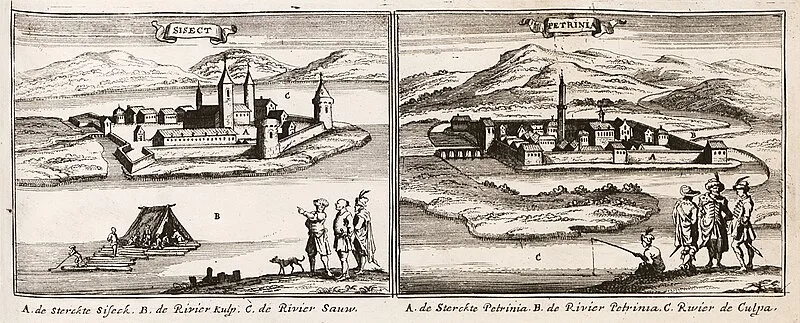
Siscia
Siscia, modern-day Sisak in Croatia, was a major Roman city at the confluence of the Kupa, Sava, and Odra rivers. Captured by Octavian in 35 BC after a thirty-day siege, it was…
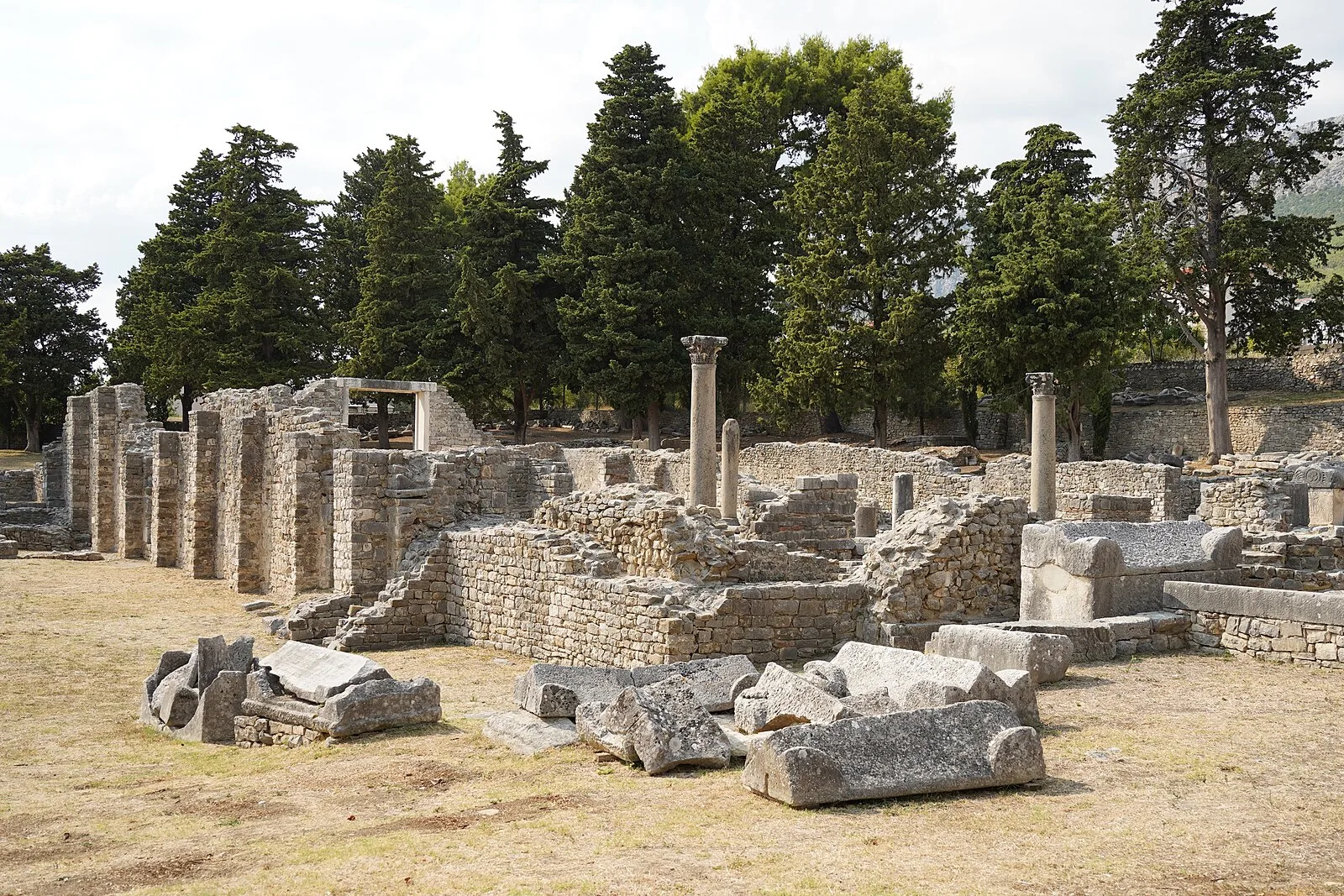
Solin
Solin, a suburb of Split in Croatia, developed on the site of ancient Salona, capital of the Roman province of Dalmatia and birthplace of Emperor Diocletian. First mentioned as an…

Sotin
Sotin is a village in eastern Croatia, located a few kilometres southeast of Vukovar along the Danube River, administratively part of the city of Vukovar with a population of 597.
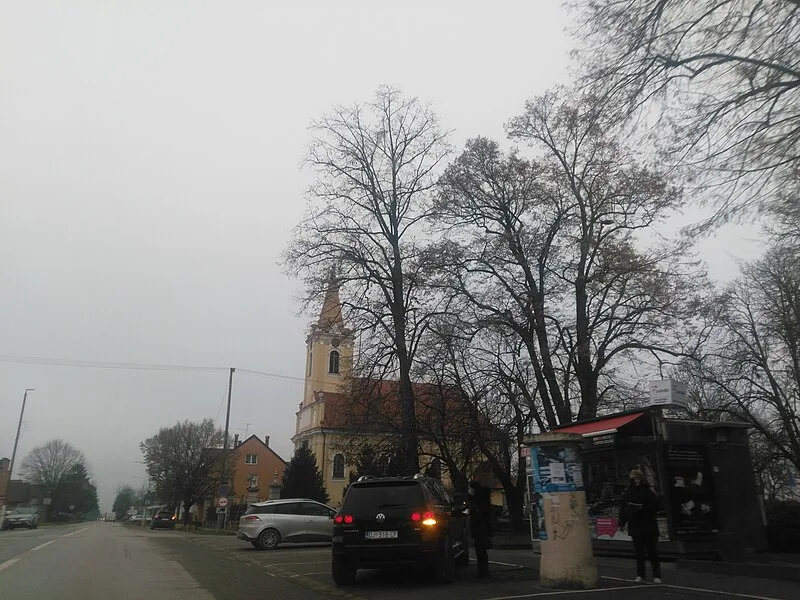
Stari Mikanovci
Stari Mikanovci is a village in eastern Croatia, situated in Slavonia near the western part of Srijem.
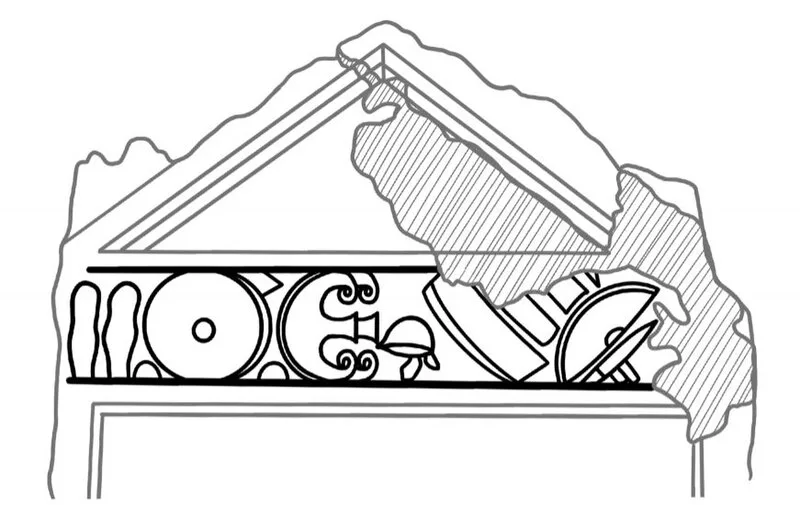
Tilurium
Tilurium was an ancient Illyrian and Roman settlement located at Gardun above modern Trilj in Croatia. Originally an Illyrian hill-fort of the Delmatae tribe, it became a major…
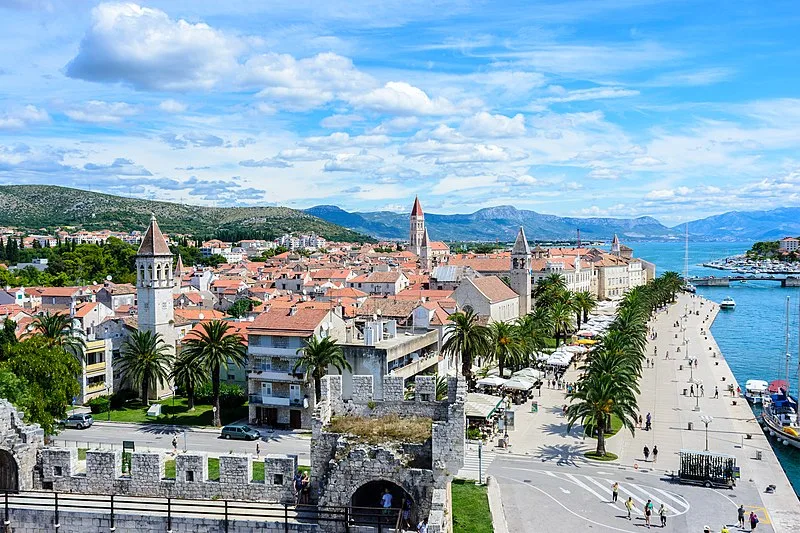
Trogir
Trogir is a historic port town on the Adriatic coast of Croatia, founded as Tragurion by Syracusan Greek colonists around 385 BC. Situated on a small island between the mainland…
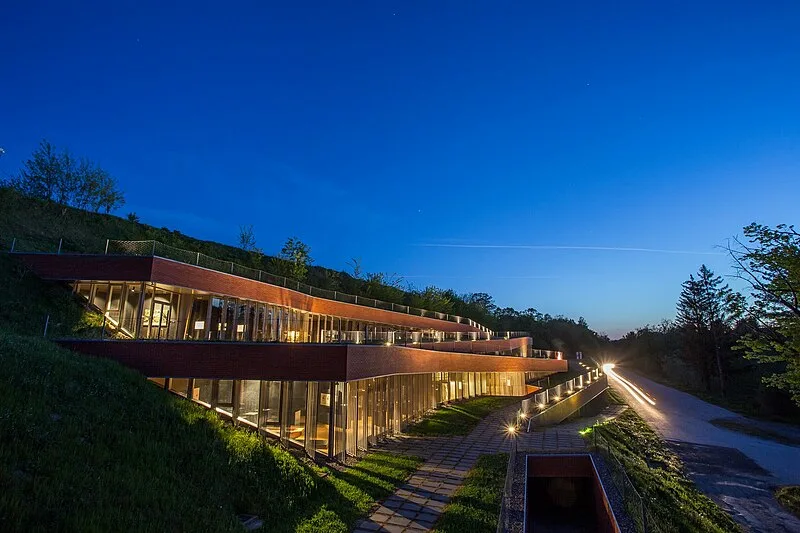
Vučedol
Vučedol ('Wolf's Valley'), located 5 km downstream from Vukovar on the Danube's right bank in Croatia, is one of Europe's most important Eneolithic sites. Its six-metre-thick…
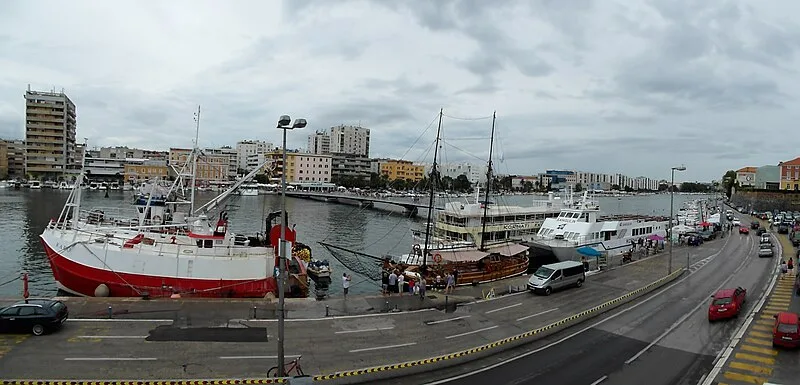
Zadar
Zadar is the oldest continuously inhabited city in Croatia. Located on the Adriatic Sea in the northwestern Ravni Kotari region, it serves as the seat of Zadar County and the…
Gate/archway/bridge in Croatia (7)
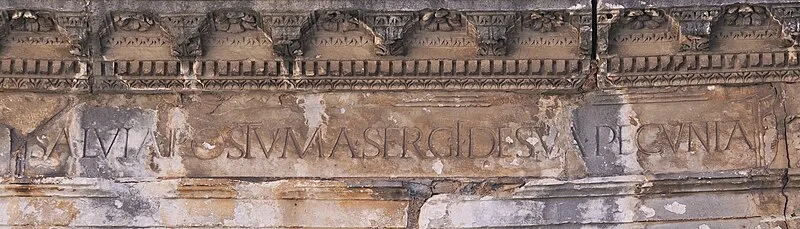
Arch of the Sergii
Roman triumphal arch in Pula, Croatia, erected between 29 and 27 BC by Salvia Postuma Sergia to honor three relatives, notably Lucius Sergius Lepidus, a tribune in the legion that…
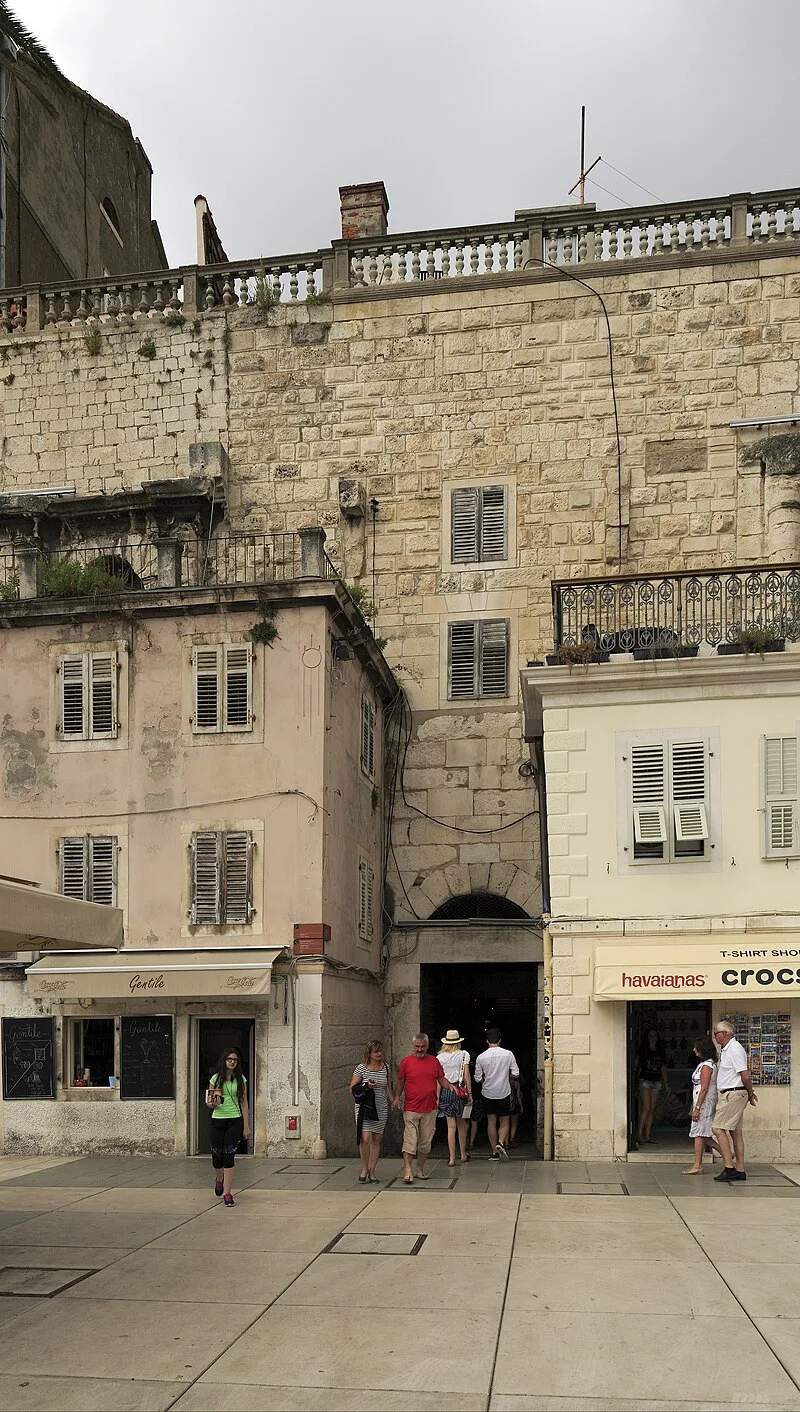
Bronze Gate - Diocletian's Palace
The southern gate (Latin: Porta Meridionalis) of Diocletian's Palace in Split, Croatia, built around AD 295-305 as a sea gate through which the emperor entered by boat. Unlike the…
Gate of Hercules
The Gate of Hercules is a Roman-era gateway in Pula, Croatia, dating to approximately 47–44 BC. It is situated between two medieval towers and constructed from uncarved stone…
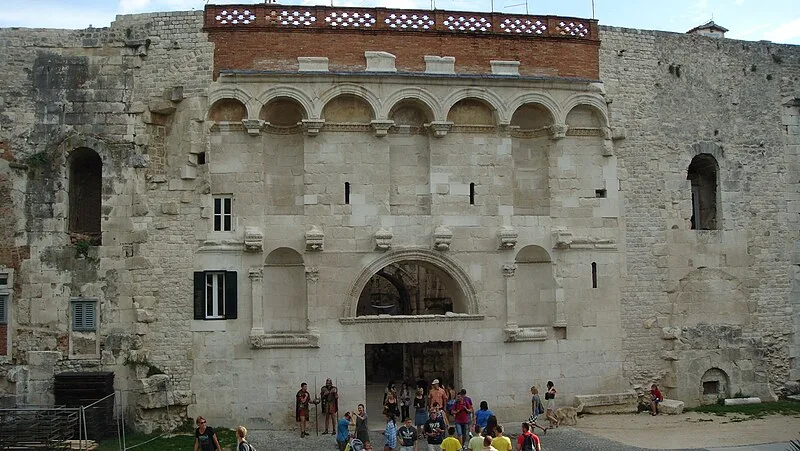
Golden Gate - Diocletian's Palace
Built in the early 4th century AD, the Golden Gate (Zlatna vrata, Porta Aurea) was the grand northern entrance to Diocletian's Palace in Split, Croatia. As the principal gate, it…
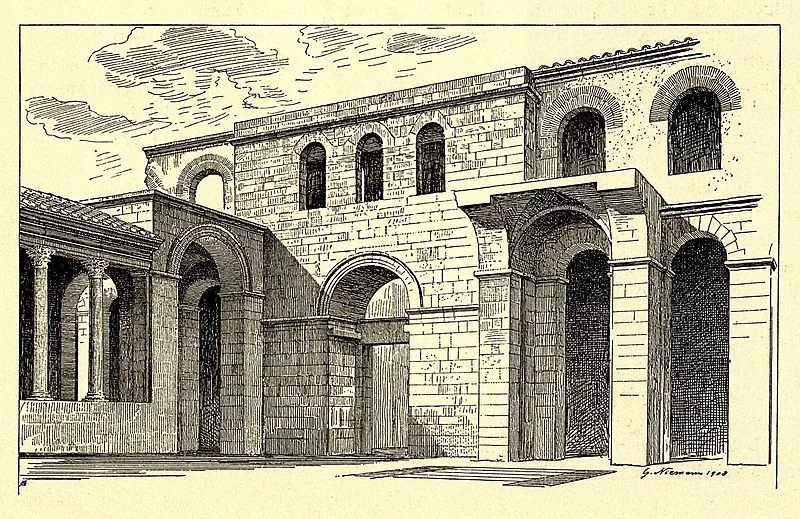
Iron Gate - Diocletian's Palace
The Iron Gate, or 'the Western Gate,' is one of four principal Roman gates into Diocletian's Palace in Split. Originally a military gate for troop entry, it is the only gate of…
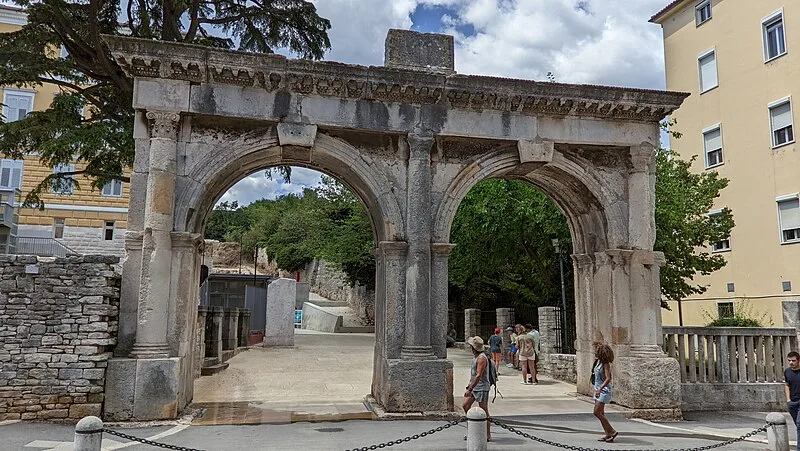
Porta Gemina
Porta Gemina (Dvojna vrata) is a Roman double-arched city gate in Pula, Croatia, constructed in the late 2nd century AD. One of ten gates that once guarded the ancient city, it…

Silver Gate - Diocletian's Palace
The Silver Gate (Porta Argentea or Srebrna Vrata) is the eastern entrance to Diocletian's Palace in Split, Croatia, built around 305 AD as part of the emperor's retirement…
Cave Structures in Croatia (4)
Grapčeva Cave
A Neolithic and Bronze Age archaeological site on Hvar Island, Croatia, near the village of Humac at 225 metres elevation. Excavations from 1912 to 1952 by archaeologist Grgo…
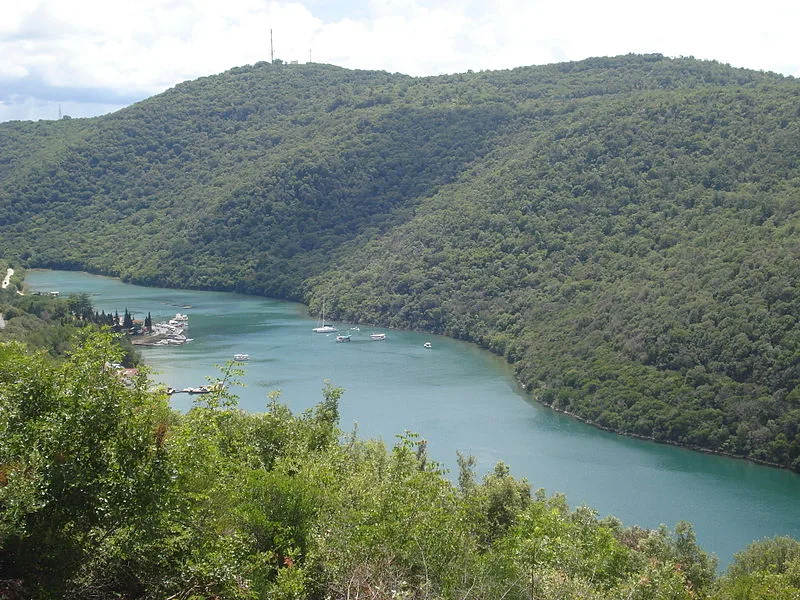
Romuald's Cave
Romuald's Cave (Croatian: Romualdova pećina) is a cave in western Istria County, Croatia, containing the oldest known cave paintings in southeast Europe, dating to around 35,000…

Vela Spila Cave
Vela Spila is a large elliptical cave above the town of Vela Luka on Korcula island, Croatia, measuring 40 metres long, 17 metres high, and 40 metres wide. One of Europe's most…
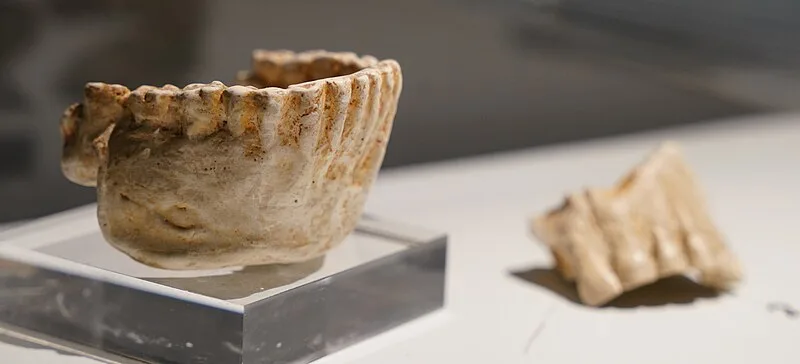
Vindija Cave
A major Palaeolithic cave site in northern Croatia containing over 200,000 years of occupation layers. Systematic excavations by Mirko Malez (1974-1987) unearthed at least 85…
Fortress/citadel in Croatia (4)
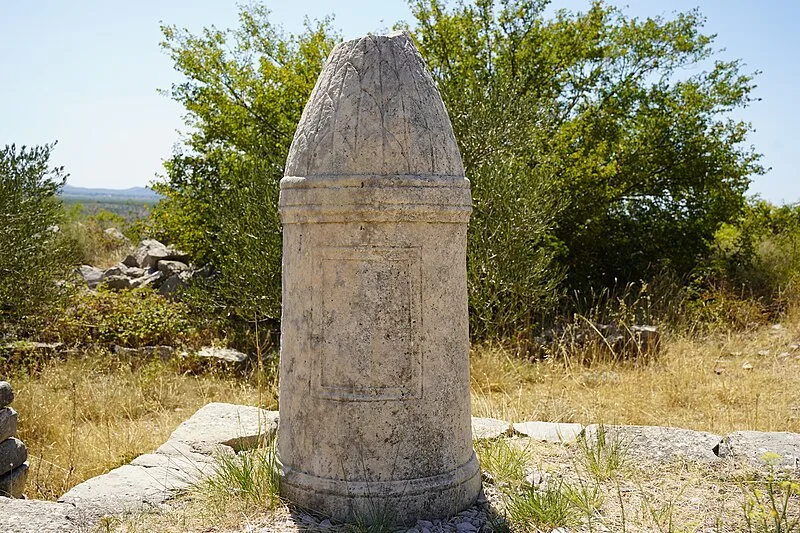
Asseria
Ancient Liburnian hillfort and later Roman town at Podgrade near Benkovac, 30 km east of Zadar, Croatia. Occupied from the Bronze Age through the 6th century AD, it was a major…
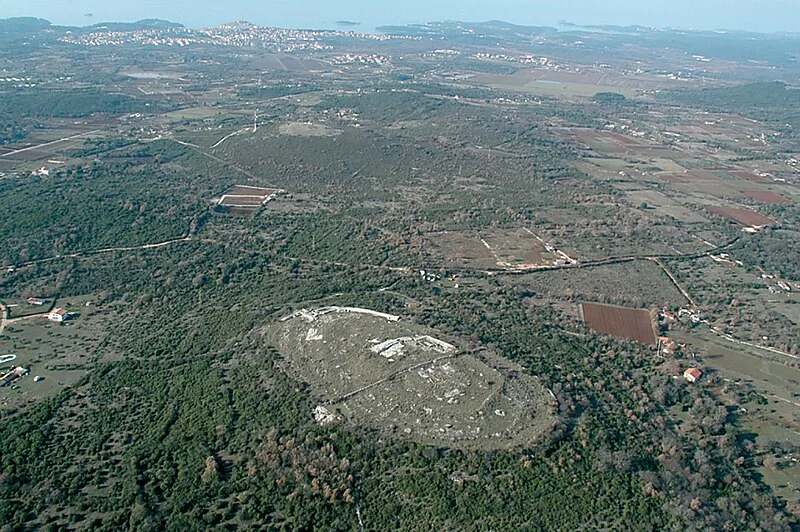
Monkodonja
Monkodonja is a Bronze Age hillfort near Rovinj in Istria, Croatia, occupied from approximately 1800 to 1200 BC. Situated on a hill 81 m above sea level, the settlement forms an…
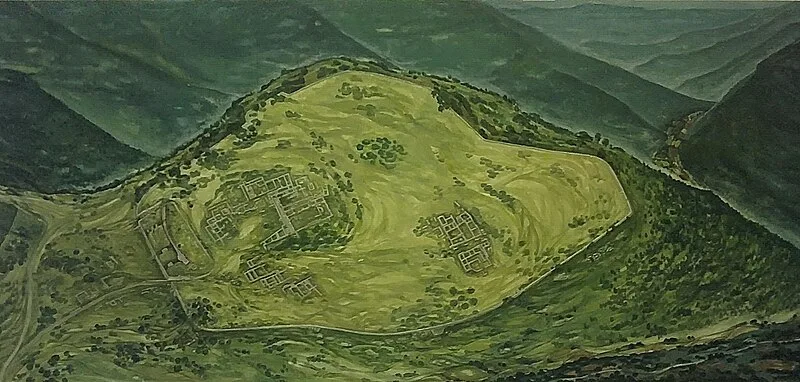
Nesactium
Nesactium was an ancient fortified hill town and the political capital of the Histri tribe in pre-Roman Istria, located in southern Istria, Croatia, between the villages of Muntić…
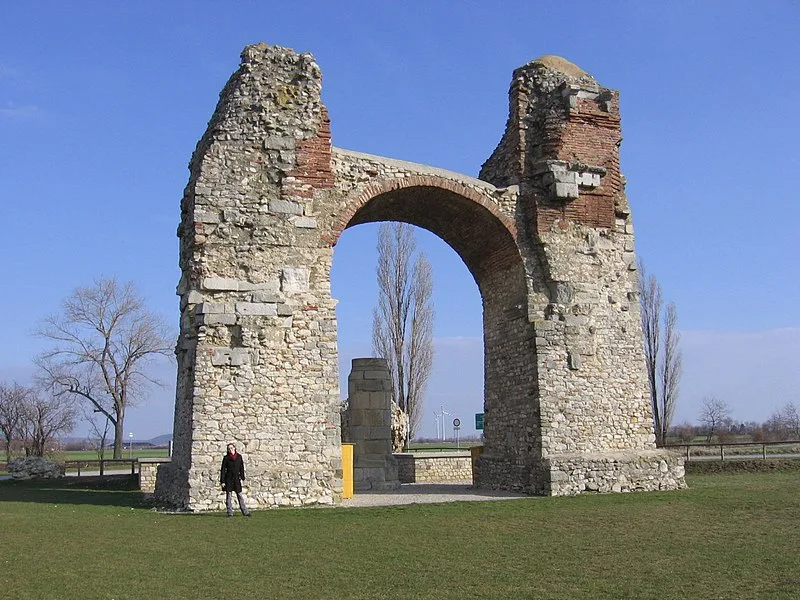
Pannonian Limes
The Pannonian Limes in Croatia is a segment of the Roman Danubian frontier stretching approximately 420 km from Austria to Serbia. Built along the Danube River, this line of forts…
Castle/palace in Croatia (3)
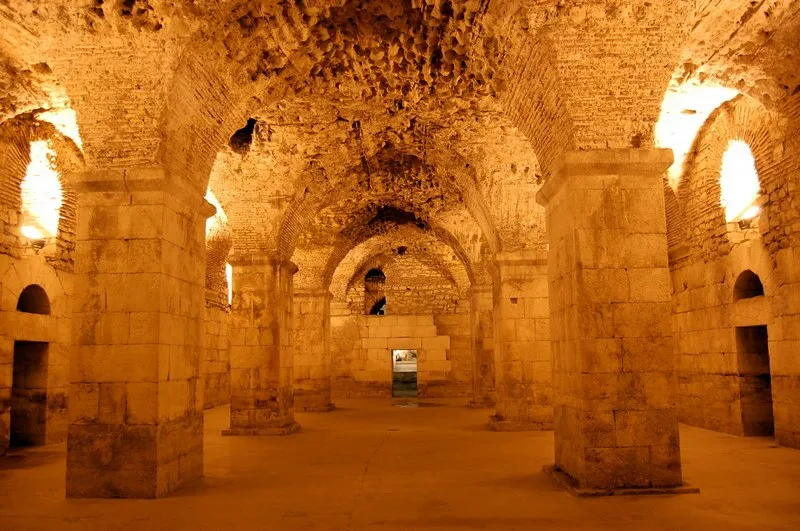
Cellars of Diocletian's Palace
The Cellars of Diocletian's Palace are substructures at the southern end of the 3rd-century AD palace in Split, Croatia, representing some of the best-preserved Roman…
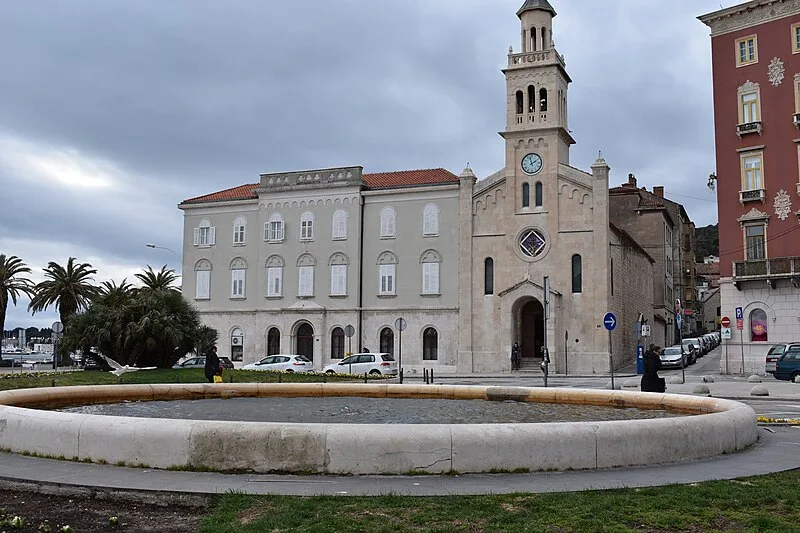
Diocletian's Palace
Diocletian's Palace is an ancient Roman palace and fortress complex in Split, Croatia. Built at the end of the third century AD, it served as the retirement residence for Roman…
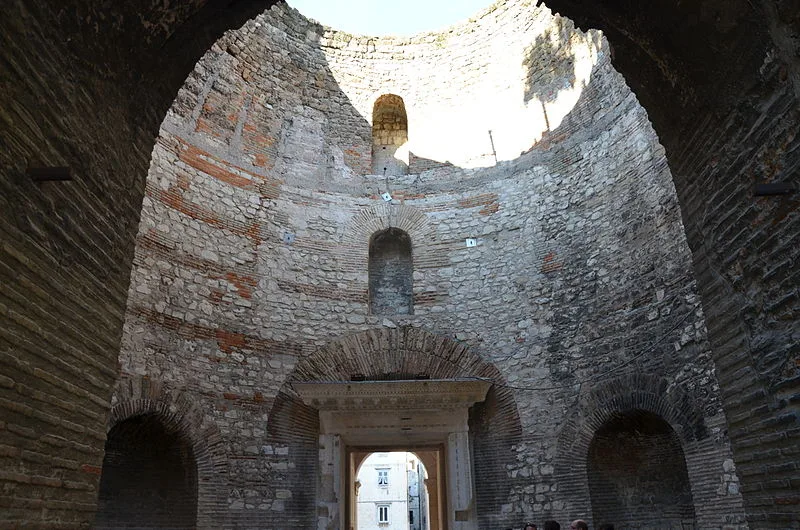
Vestibule, Split
The Vestibule is a circular entrance hall within Diocletian's Palace in Split, built in the early 4th century AD as the formal passage from the Peristyle courtyard to the…
Megalithic stones in Croatia (2)
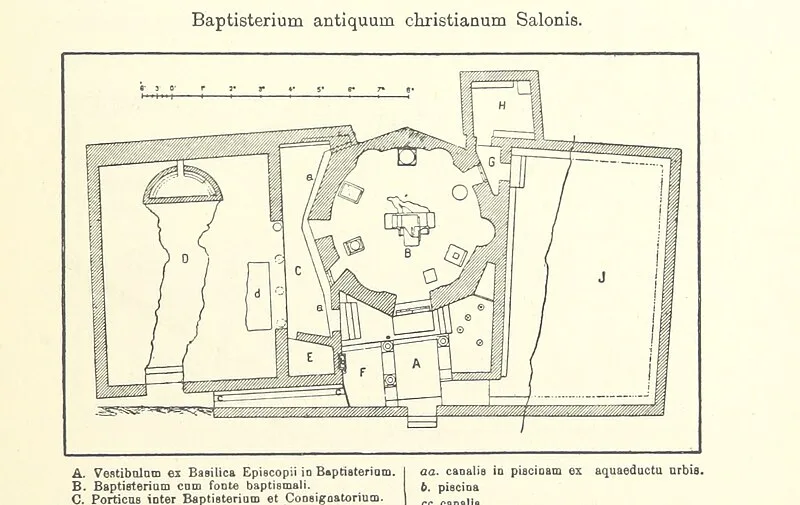
Roman City Ruins of Salona
Salona was an ancient Roman city and capital of the Roman province of Dalmatia, located near modern Split. Originally settled by the Illyrian Dalmati tribe, it flourished under…
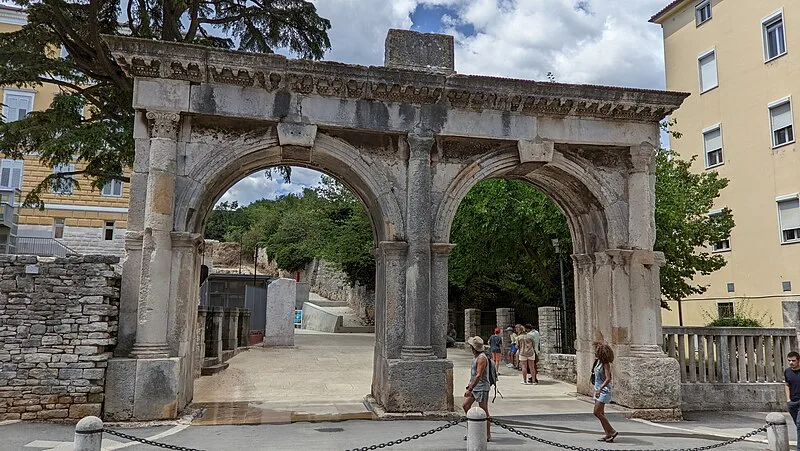
Twin Gates of Pula
The Dvojna vrata (Twin Gates), also called Porta Gemina, is a Roman double-arched city gate in Pula, Croatia. Built during the late 2nd century, it was one of the ten city gates…
Temple complex in Croatia (2)
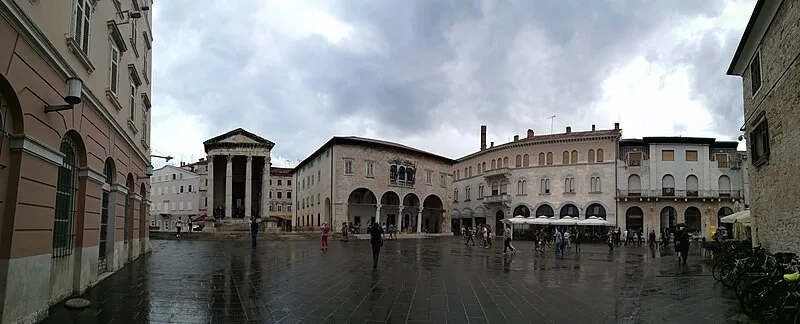
Temple of Augustus, Split
The Temple of Augustus is a well-preserved Roman temple in Pula, Croatia, dedicated to the first Roman emperor Augustus. It was constructed between 27 BC and AD 14 during the…
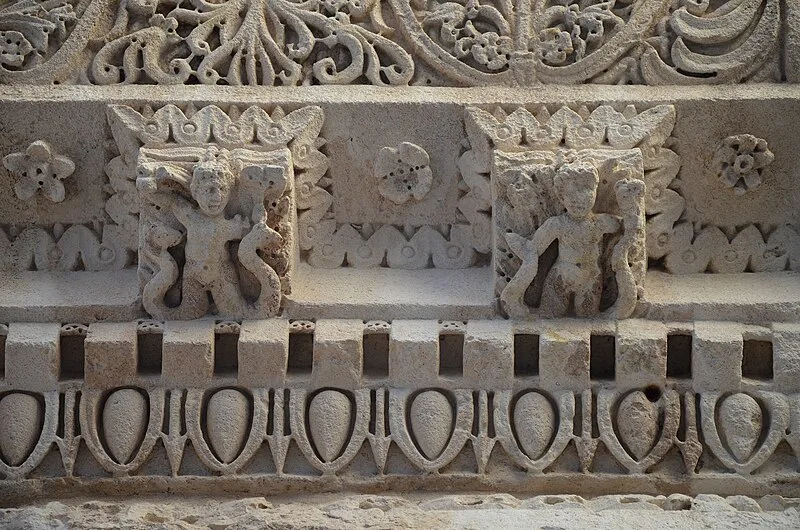
Temple of Jupiter, Split
The Temple of Jupiter is a 3rd-century Roman temple in Split, Croatia, located in the western part of Diocletian's Palace near the Peristyle. Built between 295 and 305 AD during…
Theatre in Croatia (2)
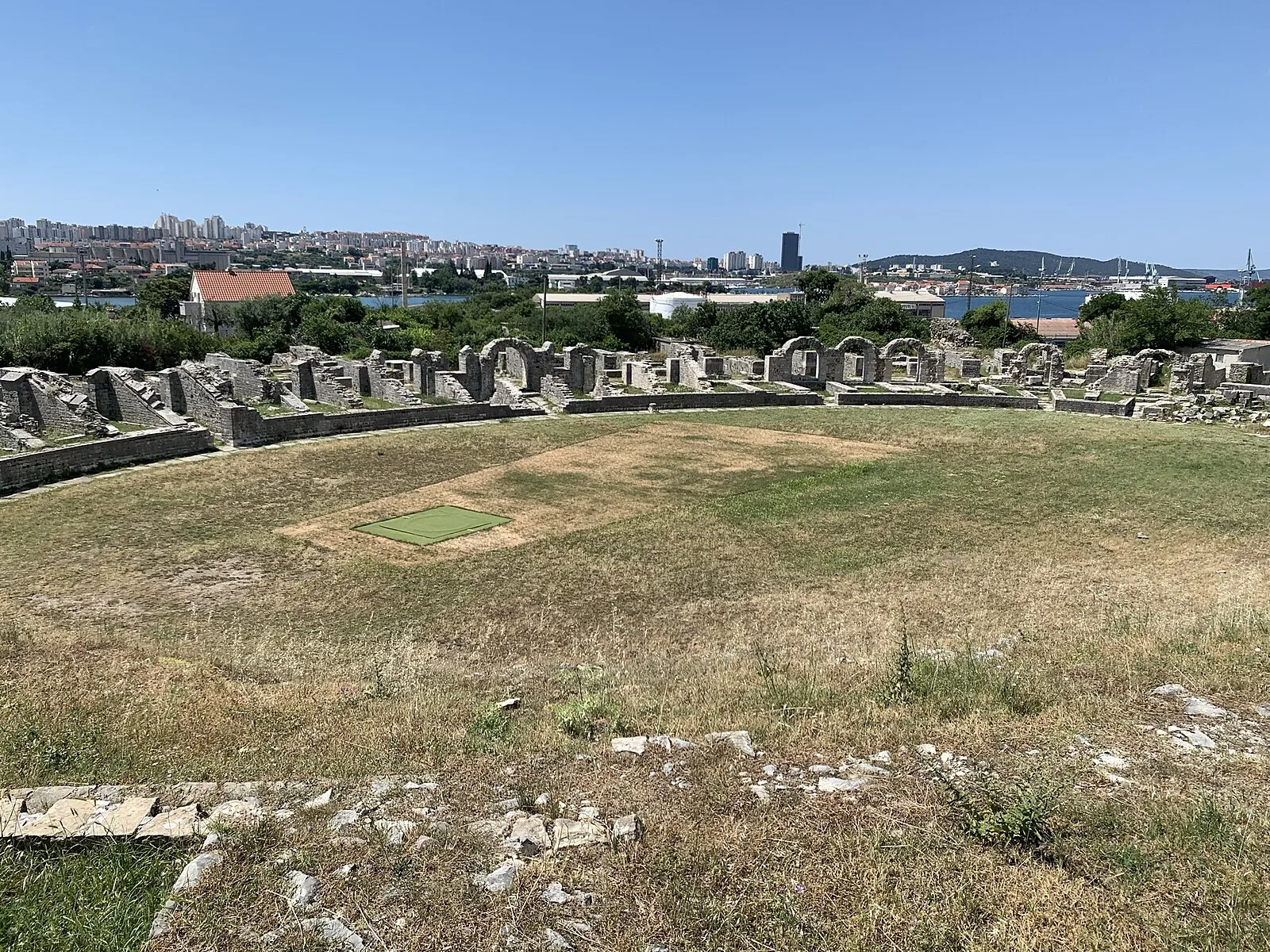
Amfiteatar Salona
The ruins of a Roman amphitheatre in ancient Salona (modern Solin, Croatia), erected in the latter half of the 2nd century CE (c. 170 AD). The arena could accommodate…
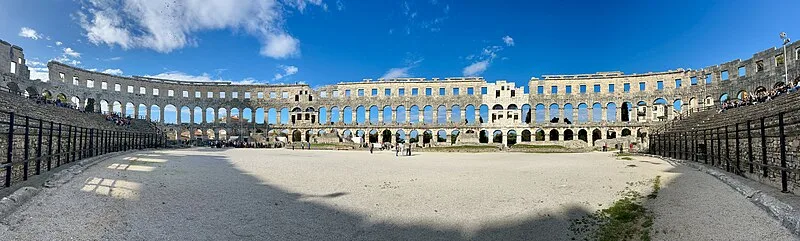
Pula Arena
Built between 27 BC and AD 68 during the reigns of Emperors Augustus and Vespasian, the Pula Arena is a Roman amphitheatre in Pula, Croatia, and one of the world's best-preserved…
Church/cathedral in Croatia (1)
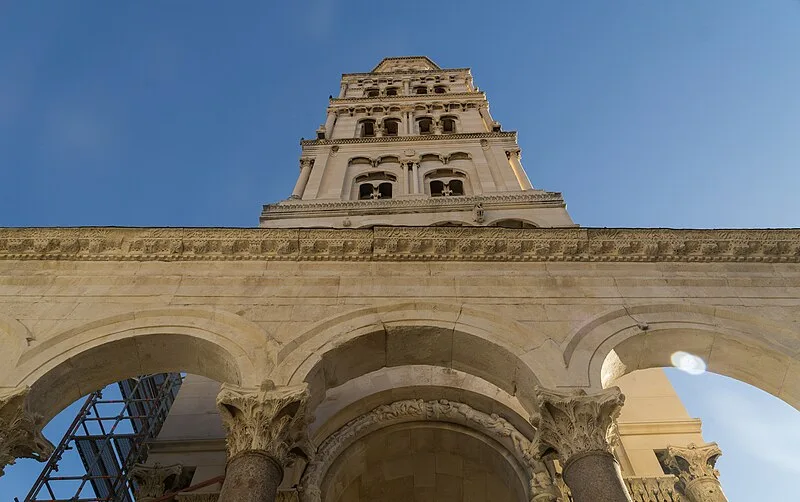
Mound/tumulus in Croatia (1)
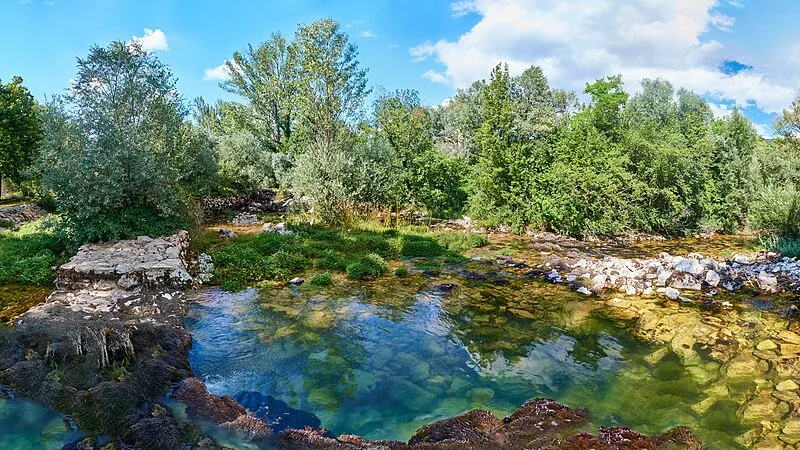
Museum in Croatia (1)
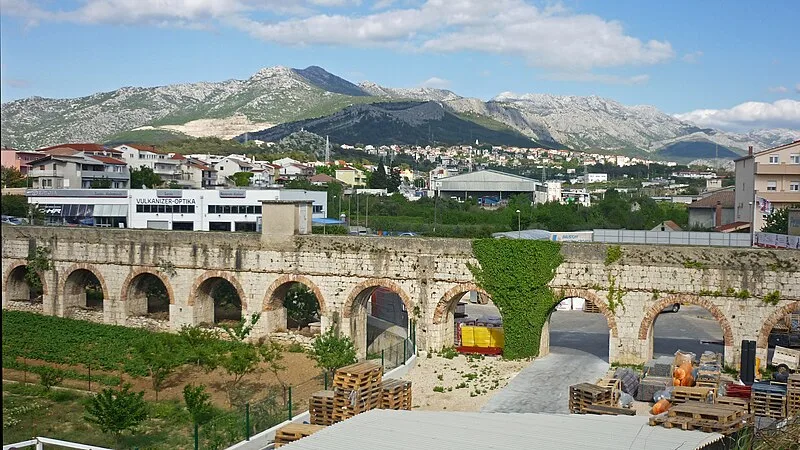
Reservoir/aqueduct/canal in Croatia (1)
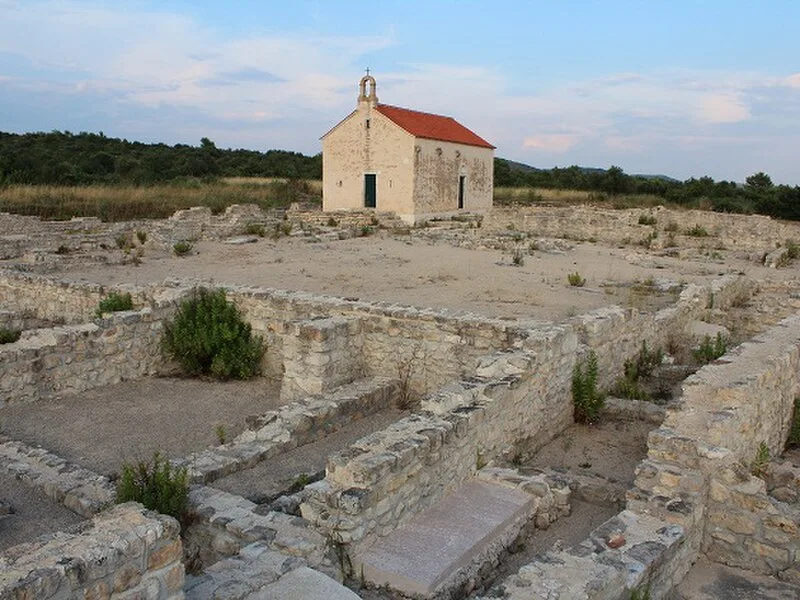
Other sites in Croatia (1)
Keep exploring
Every site on this page sits on the globe, and the people who research them are on the Discord.
3D Globe · Sites by country · Story Archive · Research Library · Weekly Journal · Search