
 Croatia
Crikvenica was developed on the site of a Roman era settlement and military base called Ad Turres [1]. A Roman ceramic workshop was discovered at Crikvenica, in an archaeological site called Igralište [1]. The workshop operated from the latter part of the 1st century BC until the conclusion of the 2nd century AD, producing various ceramic items such as construction materials, amphorae, and pottery [1].
Text: Wikipedia – 'Crikvenica' (revision of 2026-09-11), CC BY-SA 4.0 · sentences selected and shortened by an AI system · source →Crikvenica
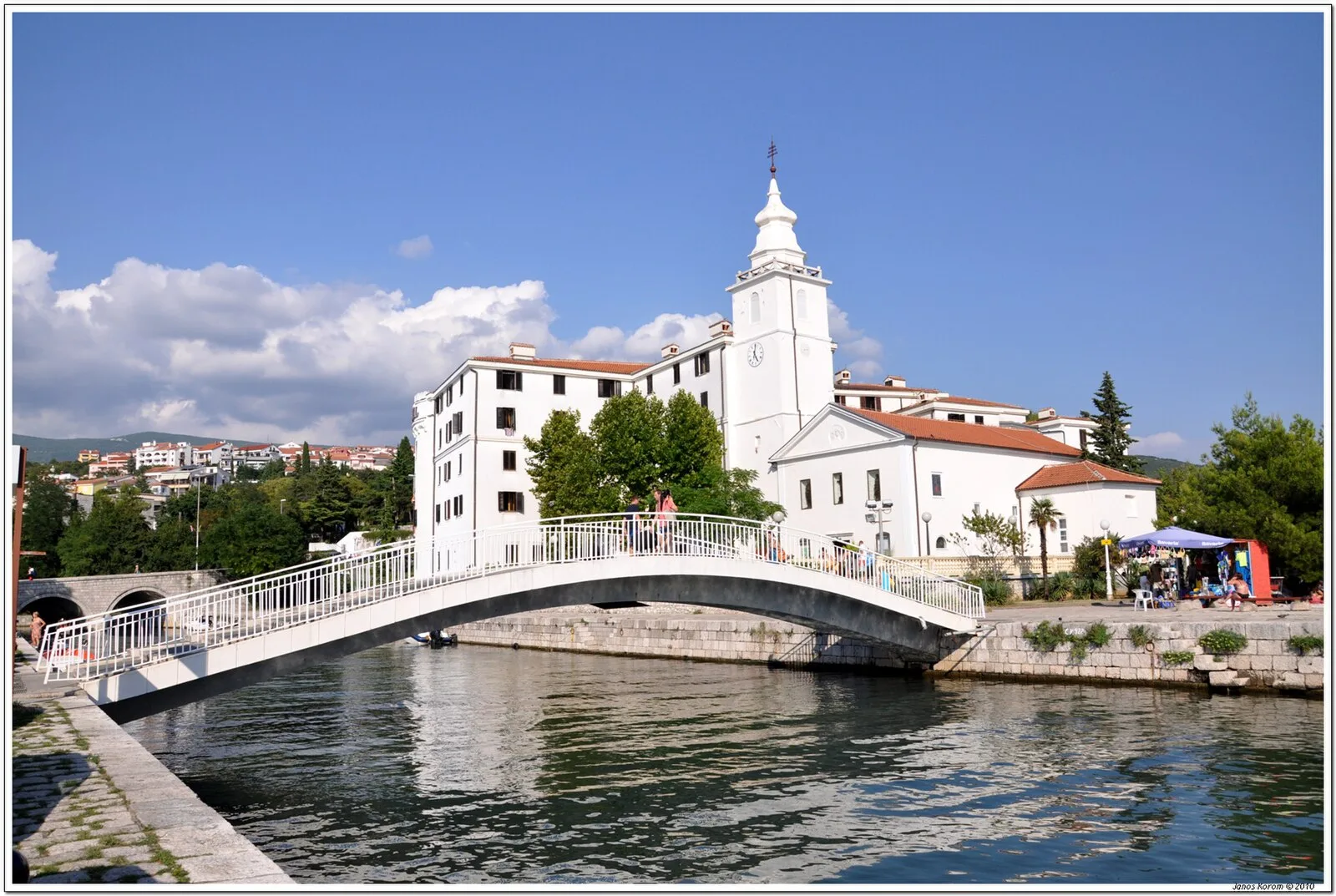
Also known as: 츠리크베니차, 치리크베니차, Ad Turres, Cerquenizza, Cirknenz, Cirkvenica, Cirquenizza, Crikvenica (mesto), Crikveniçe, Czirkvenicza, Криквеница, Цирквеница
| Type | City/town/settlement |
|---|---|
| Period | 500 BC - 1 AD |
| Country | Croatia |
| Coordinates | 45.1835° N, 14.7000° E |