
 Croatia
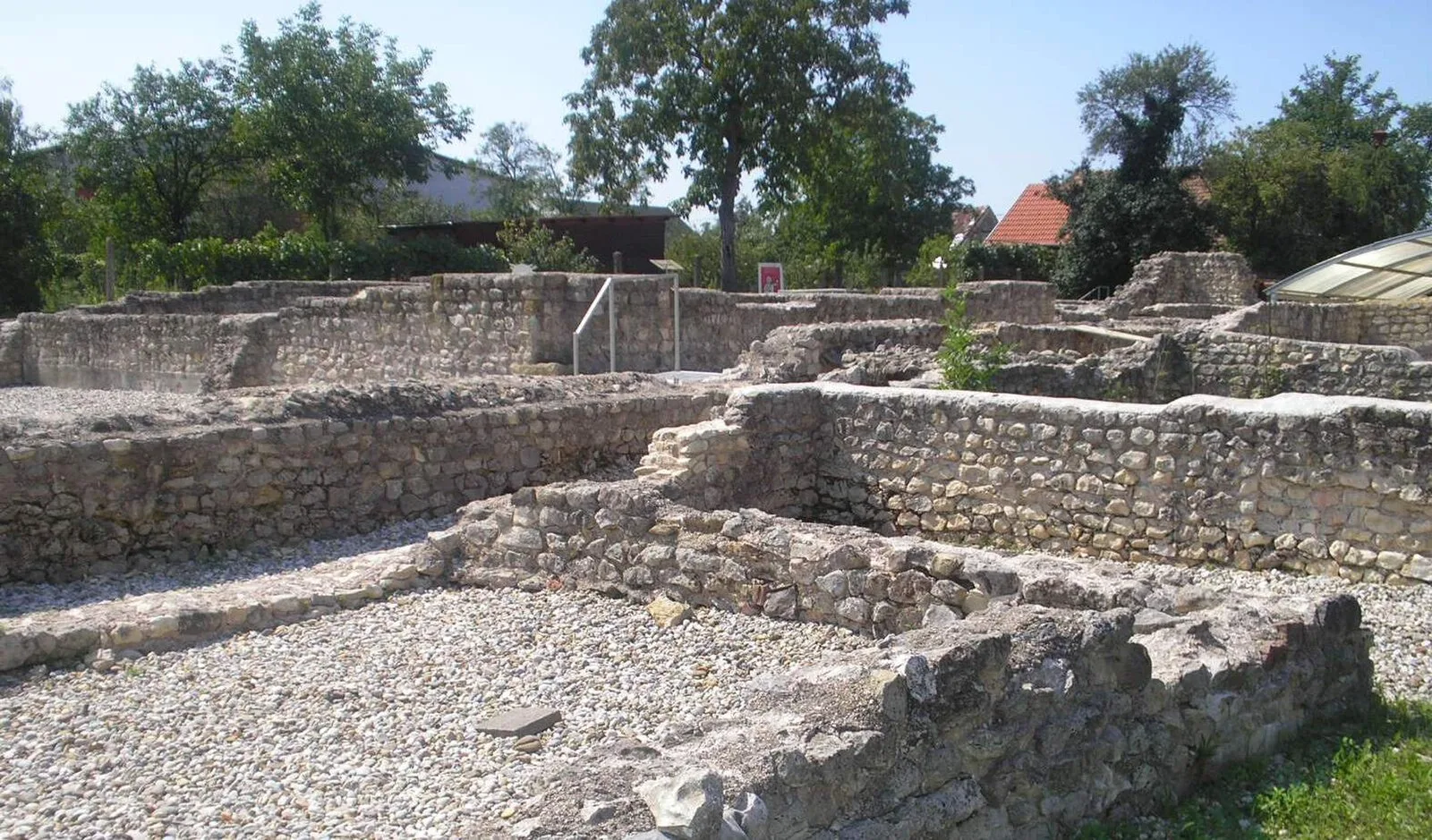
Andautonia was a Roman settlement located on the southern bank of the river Sava, located in the modern-day village of Šćitarjevo, southeast of the city of Zagreb [1]. Andautonia was located in the Roman province of Pannonia, on the Roman road connecting Poetovia and Siscia [1]. The settlement is believed to have existed between the 1st and the 4th century AD, after which it is believed to have been destroyed during the Great Migration in Europe [1]. In the modern age, its name was first discovered written on a stone tablet recovered in Stenjevec (today a western part of Zagreb) in 1758 and then another one in the village of Šćitarjevo itself in 1768 [1]. The town is believed to have been a municipium [1]. Its residents had local authority to govern their affairs but did not have full Roman citizenship [1]. Pottery, tools, coins and other assorted artefacts found range in date from the reign of Emperor Titus to Emperor Valens and the inscription found in 1768 contains a dedication to Herennia Etruscilla, wife of Emperor Decius who ruled from 249 to 251 [1].
Text: Wikipedia – 'Andautonia' (revision of 2026-07-21), CC BY-SA 4.0 · sentences selected and shortened by an AI system · source →Andautonia
Also known as: Andautonija, Ανδαύτιον, Ανδαυτωνία, Андавтония, Андаутониа, Андаутонія, Андаўтонія
| Type | City/town/settlement |
|---|---|
| Period | 1 - 500 AD |
| Country | Croatia |
| Coordinates | 45.7737° N, 16.1168° E |