

Archaeological Sites in Bulgaria
City/town/settlement in Bulgaria (32)
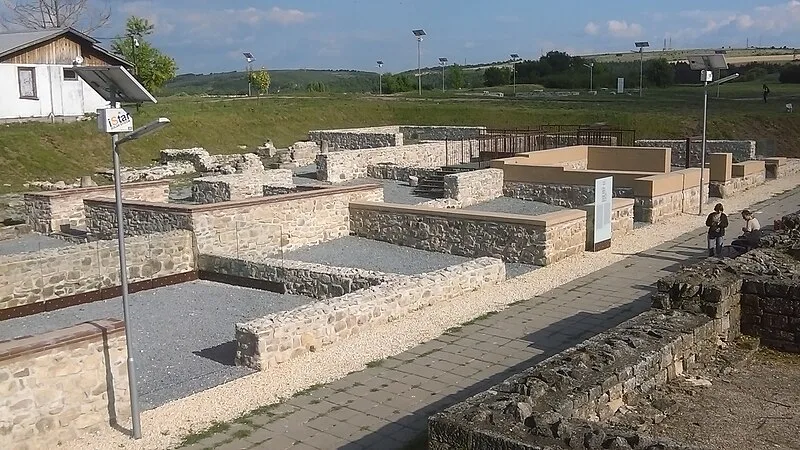
Abritus
Abritus was a major Roman fortified city in the province of Moesia Inferior, founded as a military camp around 78 AD near modern Razgrad, Bulgaria. It is historically significant…
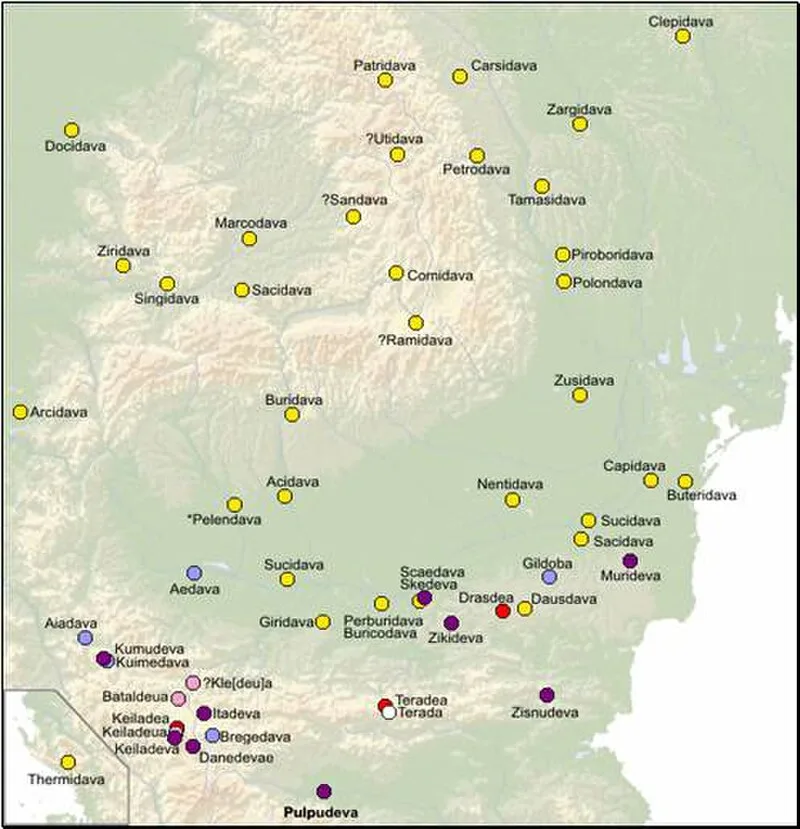
Aedava
Aedava was a Dacian settlement located south of the Danube in Moesia. In his 6th-century work De Aedificiis, the historian Procopius placed Aedava on the Danubian road between…
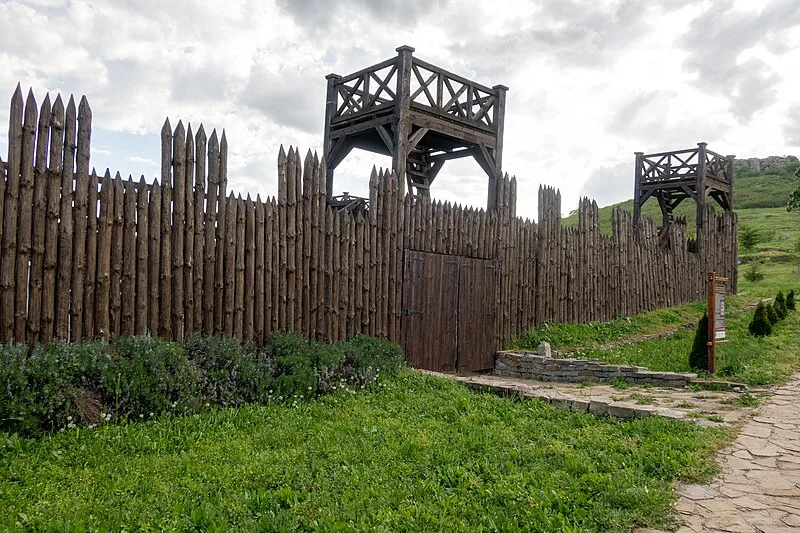
Cabyle
Cabyle (also Kabile) was one of the most important centres of south-eastern Thrace, established around 2000 BC on the Zaychi Vrah Heights near modern Yambol, Bulgaria. It served…
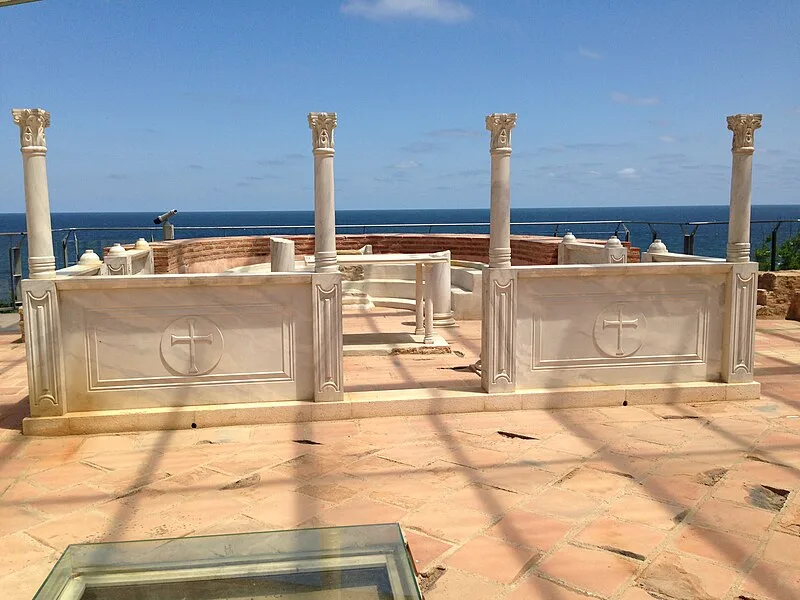
Cape St. Athanasius Ancient Settlement
The Cape St. Athanasius fortress is an archaeological site on a Black Sea promontory near Byala, Varna Province, with occupation spanning from the Chalcolithic and Bronze Age…
Chevdar
Chevdar is a Neolithic archaeological site near Kazanluk, Bulgaria. Excavations uncovered a house with wooden walls marked by post holes, plastered with clay and containing a…
Dausdava
Dausdava (also spelled Dausadava) was a Dacian town in the Roman province of Moesia, situated between the Danube and the Balkan Mountains in the region between Nicopolis (modern…
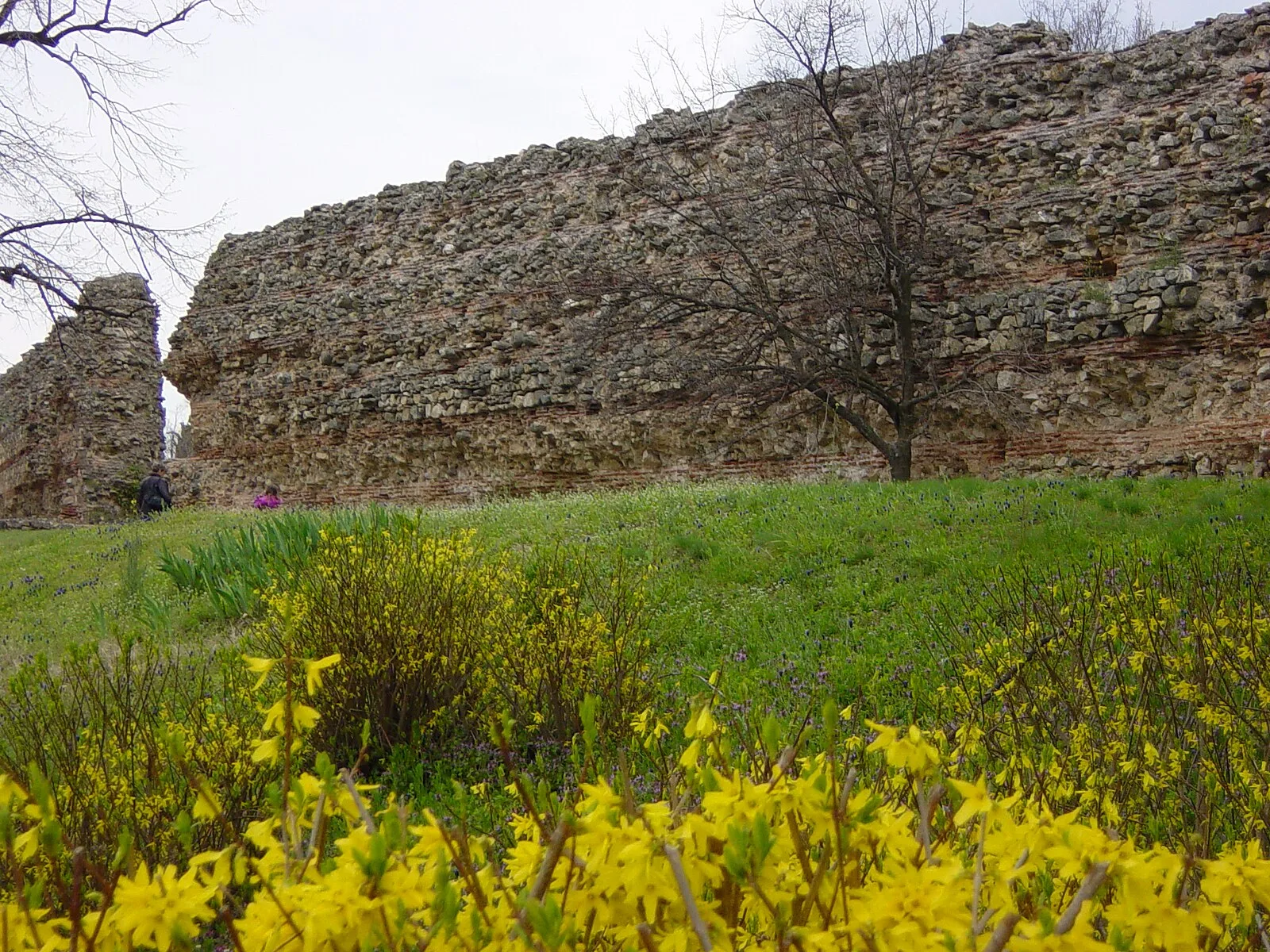
Diocletianopolis, Thrace
Diocletianopolis was a major Roman city in Thrace, now the town of Hisarya in central Bulgaria. The site has been inhabited since around 6000 BC, drawn by its hot mineral springs.…
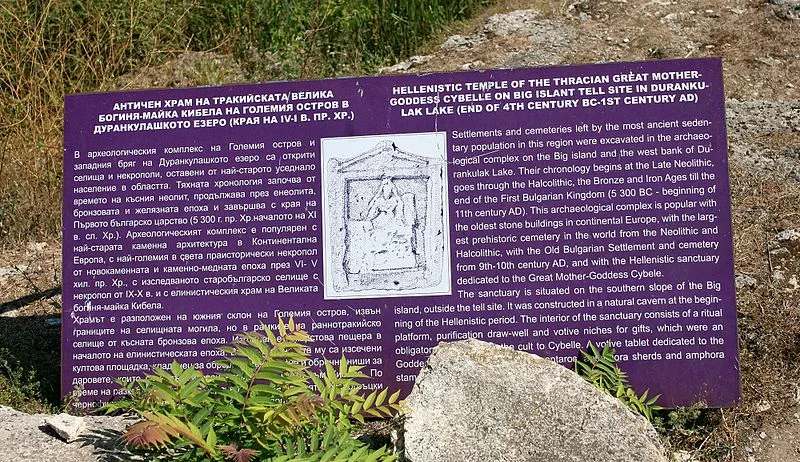
Durankulak Archaeological Park
Durankulak is a prehistoric archaeological site on the Golemija (Big) Island in Durankulak lake, northeastern Bulgaria. Settlement began around 5000 BC (7000 BP) and continued…
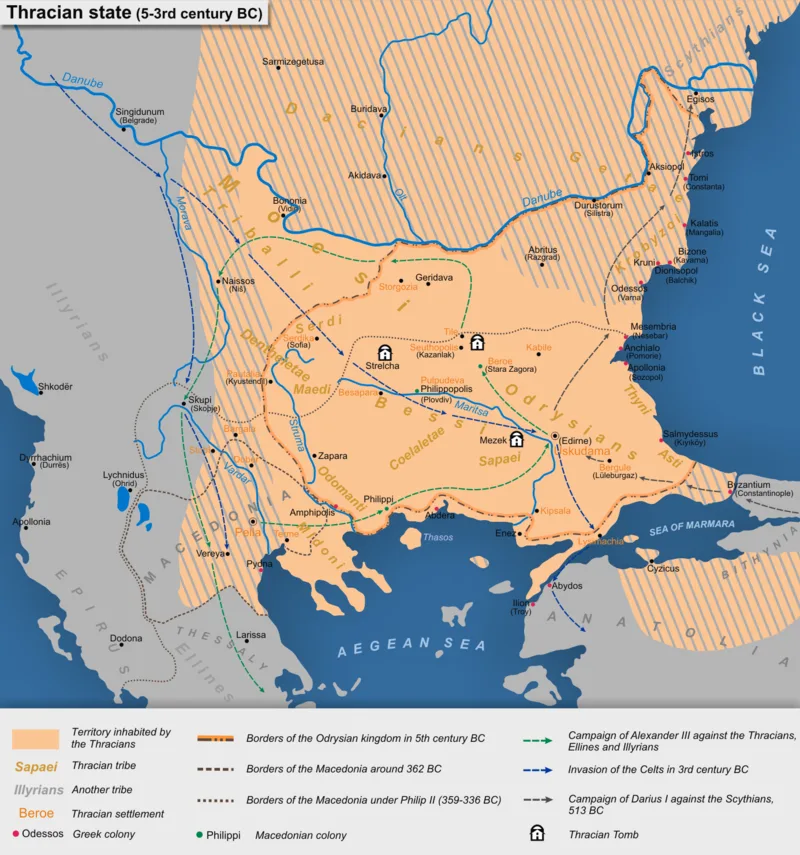
Giridava
Giridava (also Giridaua or Geridava) was a Dacian town in Lower Moesia, corresponding to modern northern Bulgaria, tentatively identified with the village of Drenov. The name…
Hadzhidimitrovo
Late Neolithic pit site located 13 km northwest of Yambol in southeastern Bulgaria, dating to the 6th and early 5th millennia BC. Excavations conducted from 2008 to 2021 revealed…
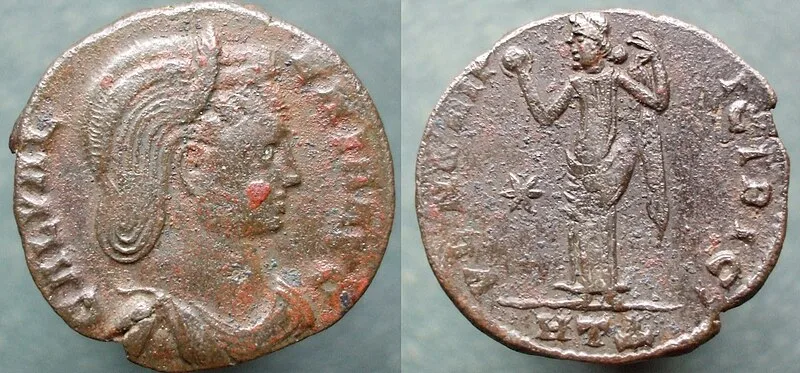
Heraclea Sintica
An ancient Macedonian city near modern Petrich in southwestern Bulgaria, founded around 300 BC by King Cassander -- the same ruler who established Thessaloniki. The city served as…
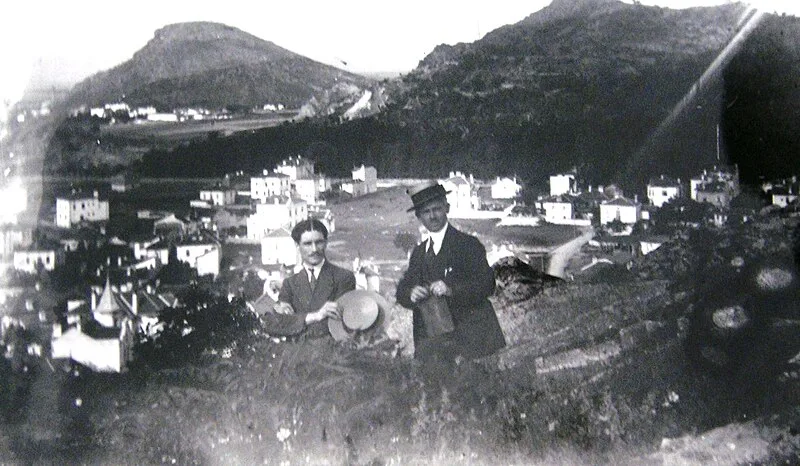
Hisarya, Bulgaria
Hisarya is a spa town in Plovdiv Province, Bulgaria, inhabited for approximately 6,000 years thanks to its 22 natural mineral hot springs. By the 5th century BC a Thracian town…
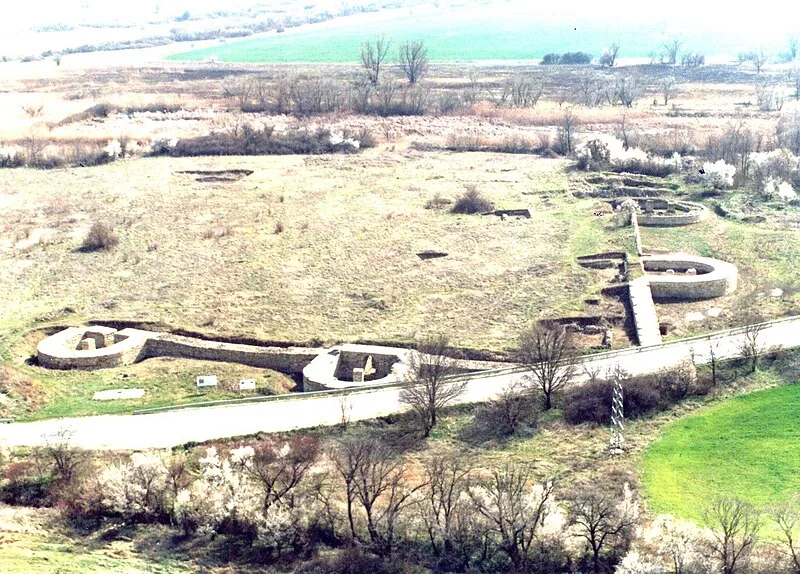
Kovachevsko kale
Kovachevsko kale was a Roman city in present-day Bulgaria, located 6 km (4 mi) west of the modern town of Popovo. The Czech archaeologist Karel Škorpil documented and named the…
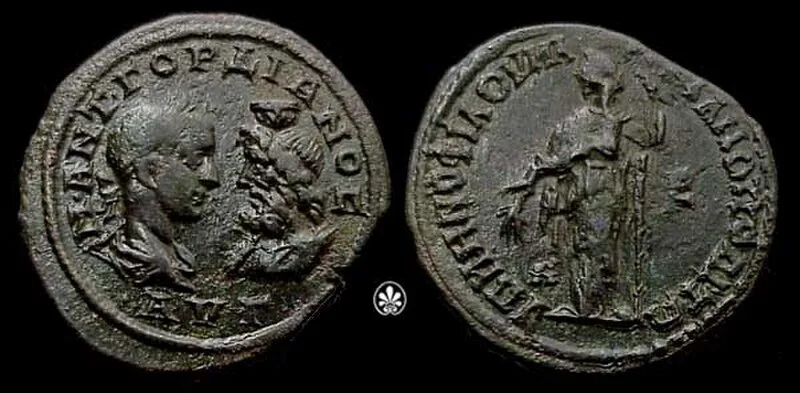
Marcianopolis
Marcianopolis was a major Roman city at modern Devnya, Bulgaria, originally a Thracian settlement called Parthenopolis. Emperor Trajan renamed it in 106 AD after his sister Ulpia…
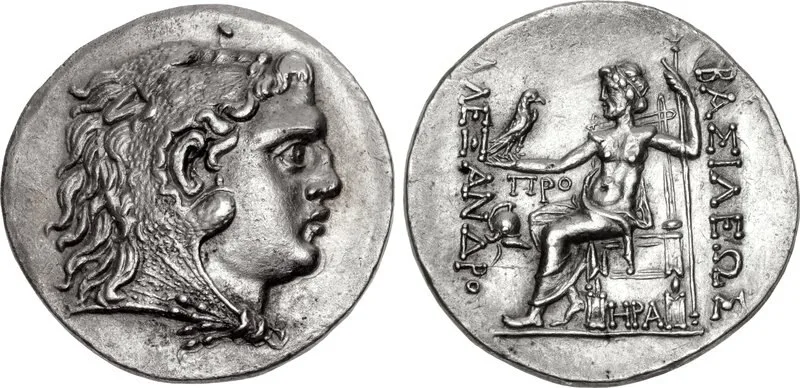
Mesembria
Mesembria, modern Nesebar in Bulgaria, was originally a Thracian settlement called Menebria ("town of Mena") before Greek colonists from Megara established it as a colony in the…
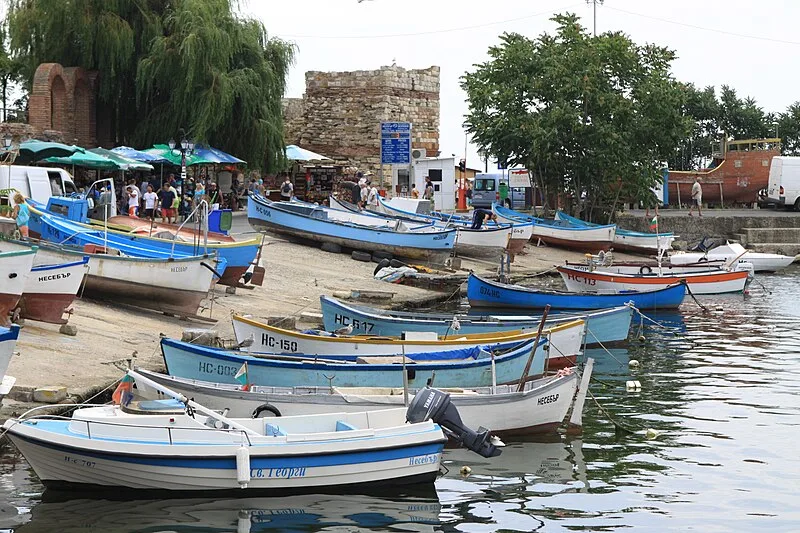
Nesebar
Nesebar is an ancient city on Bulgaria's Black Sea Coast with more than three millennia of history. The settlement occupies a narrow peninsula separated from the mainland by a…
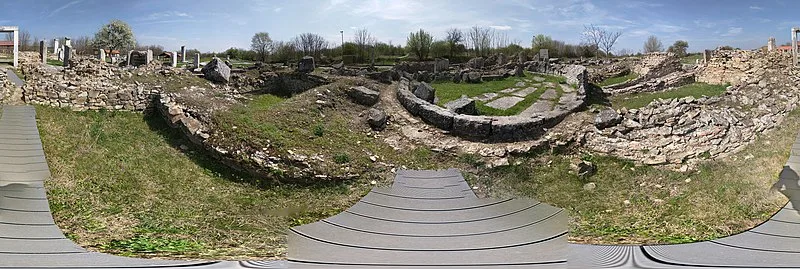
Nicopolis ad Istrum
Nicopolis ad Istrum ("City of Victory") is a Roman and Early Byzantine city near the village of Nikyup, 20 km north of Veliko Tarnovo, Bulgaria. Founded by Emperor Trajan to…
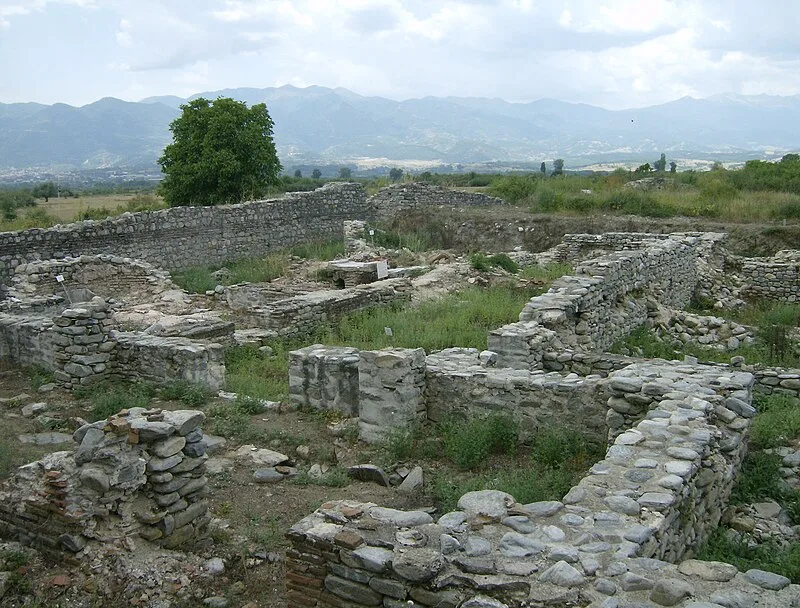
Nicopolis ad Nestum
Nicopolis ad Nestum (or Nicopolis ad Mestum) was a fortified Roman town in the province of Thracia, situated near the modern village of Garmen on the left bank of the Mesta river…
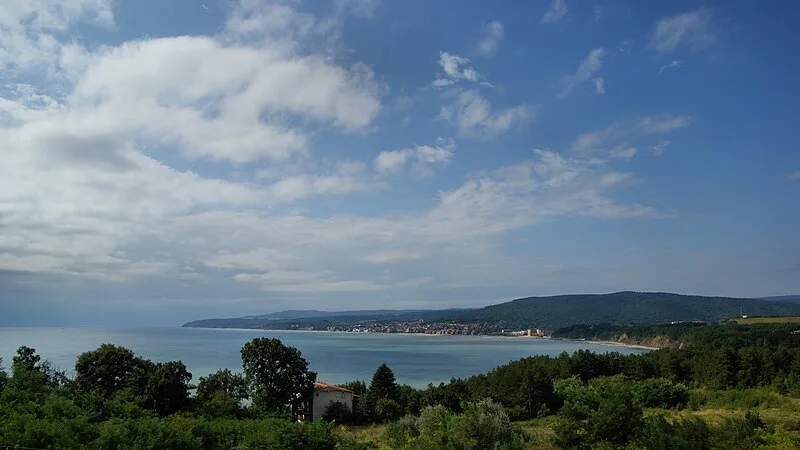
Obzor
Obzor is a seaside resort town on Bulgaria's Black Sea coast, in Nesebar Municipality, Burgas Province. Originally the Thracian and ancient Greek colony of Naulochos, a small port…
_Vista_general_de_Varna,_tomada_desde_el_mar.webp)
Odessus
Odessus (modern Varna) was founded as a Greek apoikia (colonial trading post) by Miletian settlers in the second quarter of the 6th century BC, superimposed on an earlier Thracian…
Oescus
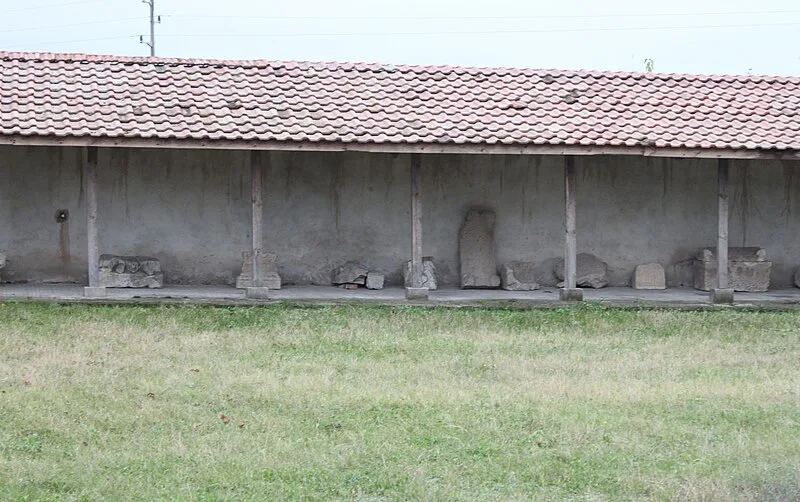
Oescus (later Ulpia Oescus) was a major Roman city on the Danube near modern Gigen in northern Bulgaria, originating as a Thracian settlement from the Late Bronze Age. The Roman…
Pautalia
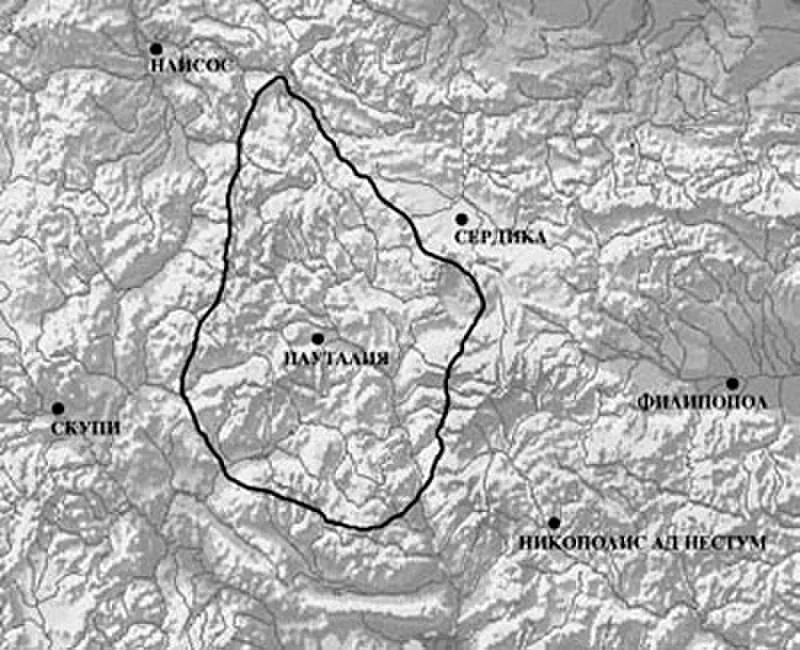
Pautalia (modern Kyustendil, Bulgaria) was a major ancient Thracian-Roman city situated in a fertile valley on the Strymon river, originally the capital of the Dentheleti tribe.…
Perperikon
Perperikon is the largest megalithic ensemble in the Balkans, situated on a 470m rocky hill in the Eastern Rhodope Mountains near Kardzhali, Bulgaria. Occupation traces date to…
Philippopolis, Thrace
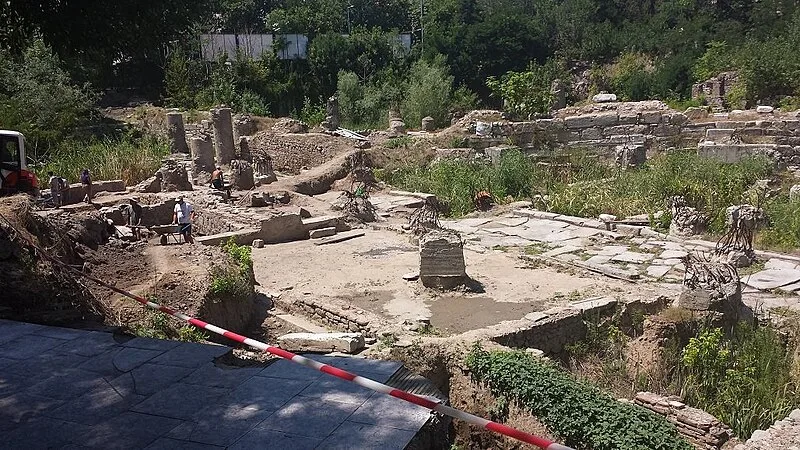
Philippopolis was an ancient city located where modern Plovdiv, Bulgaria stands. Founded as a Thracian settlement and renamed after Philip II of Macedon, it became a major Roman…

Ratiaria
Ratiaria was a major Roman city occupying approximately 60 hectares on a high terrace above the Danube in northwestern Bulgaria. Originally a Thracian settlement, it became a…
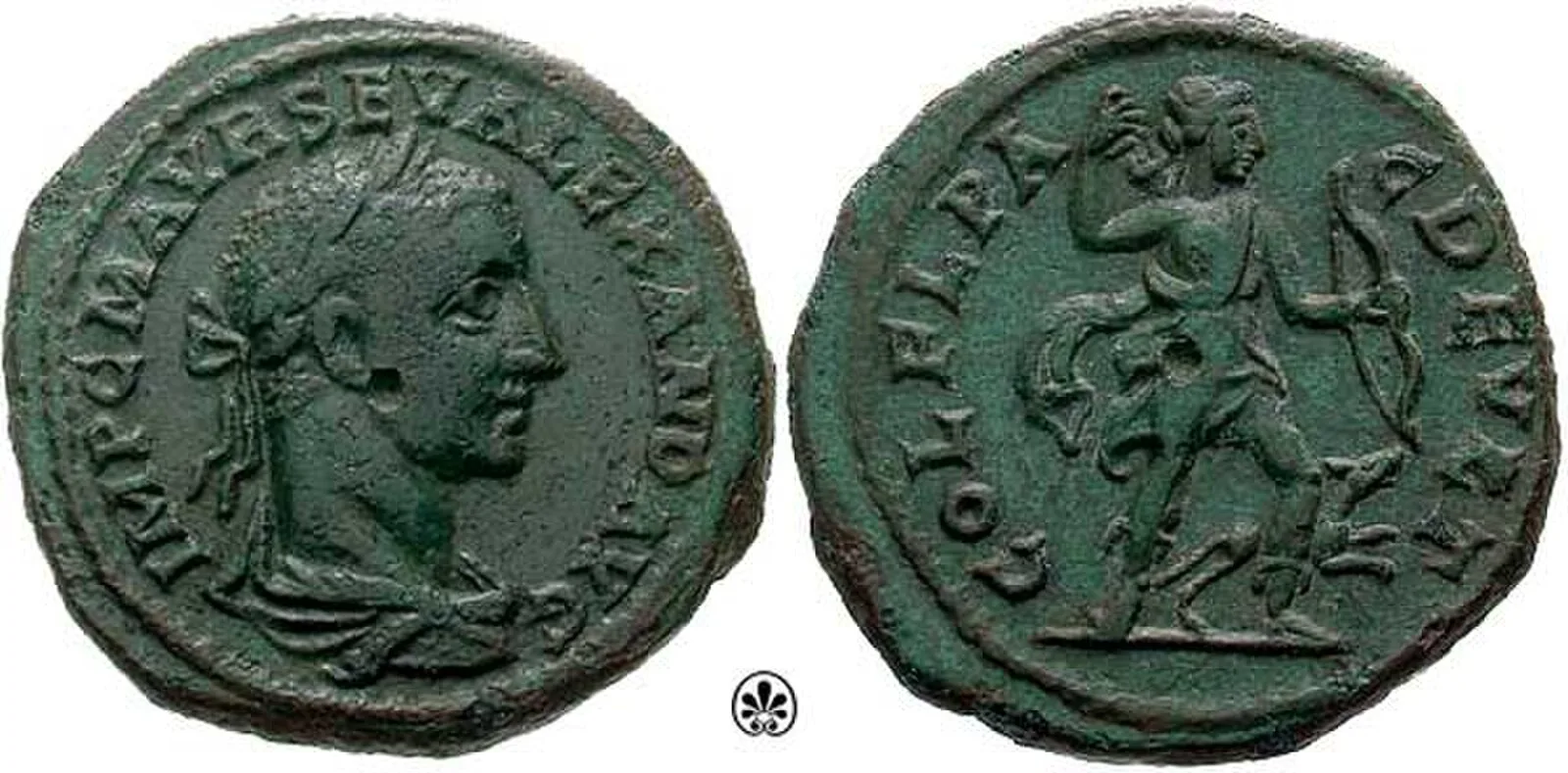
Roman City of Deultum - Develtos
Develtos (also Deultum) was a Thracian settlement founded as a Greek emporium in the 7th century BC near modern Debelt, Bulgaria. Located at the mouth of the Sredetska River on…
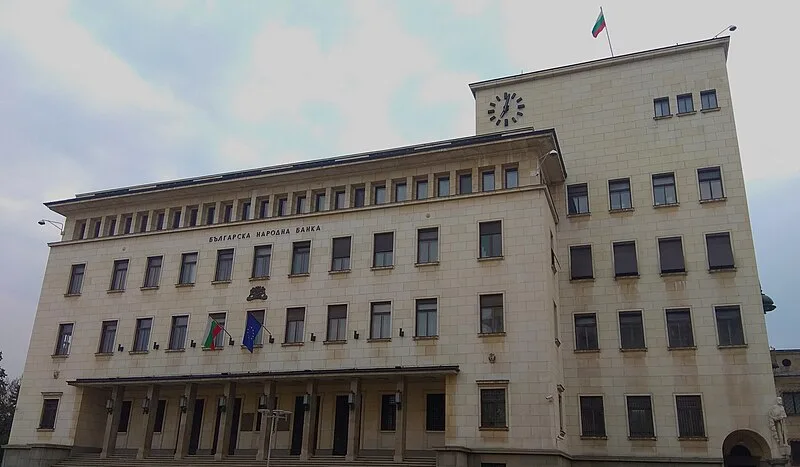
Sofia
Sofia, the capital of Bulgaria, occupies a site with nearly 7,000 years of continuous habitation. Known as Serdica in antiquity, it was established by the Thracian Serdi tribe…
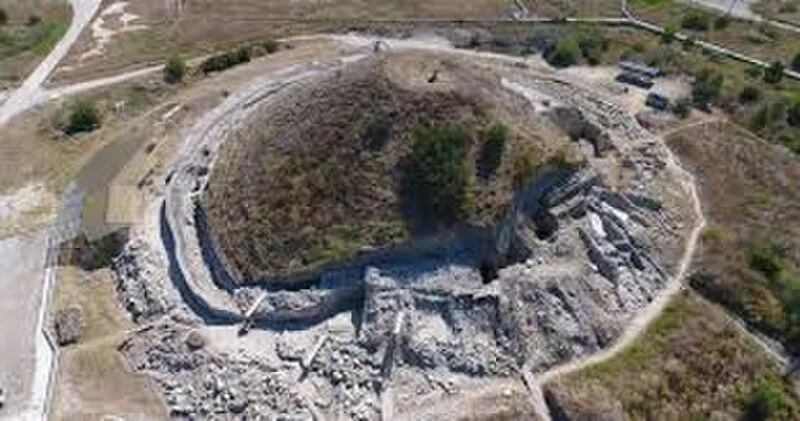
Solnitsata
Prehistoric proto-city (4700–4200 BC) near Provadia, Bulgaria, Solnitsata is the oldest salt production center in continental Europe and the first urban center in prehistoric…
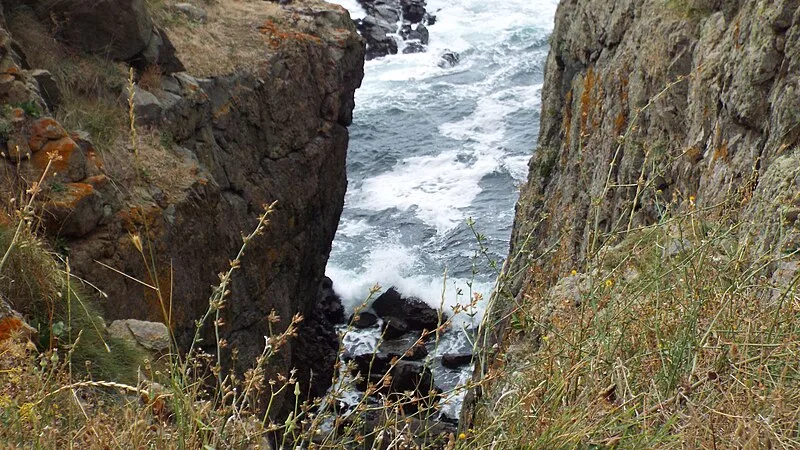
Sozopol
Sozopol, anciently known as Apollonia Pontica, was founded in 620 BC by Greek colonists from Miletus on the Black Sea coast of Bulgaria. It grew into a major commercial and…
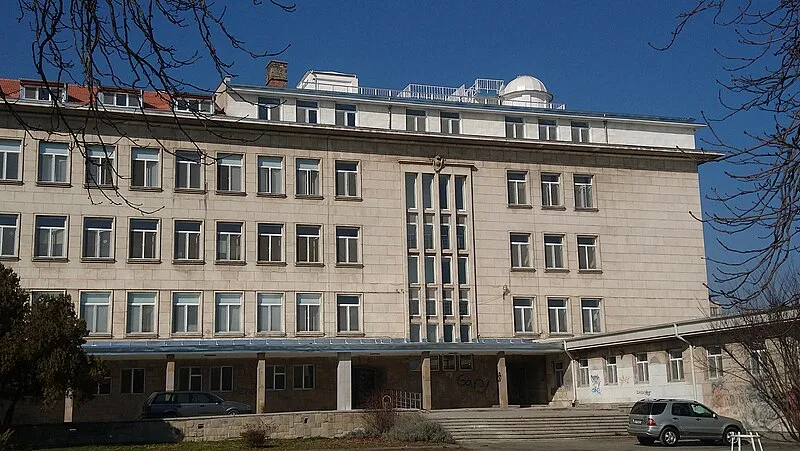
Stara Zagora
Stara Zagora is a city in Bulgaria and the administrative capital of Stara Zagora Province, located in the Upper Thracian Plain near Kazanlak, Plovdiv, and Sliven.
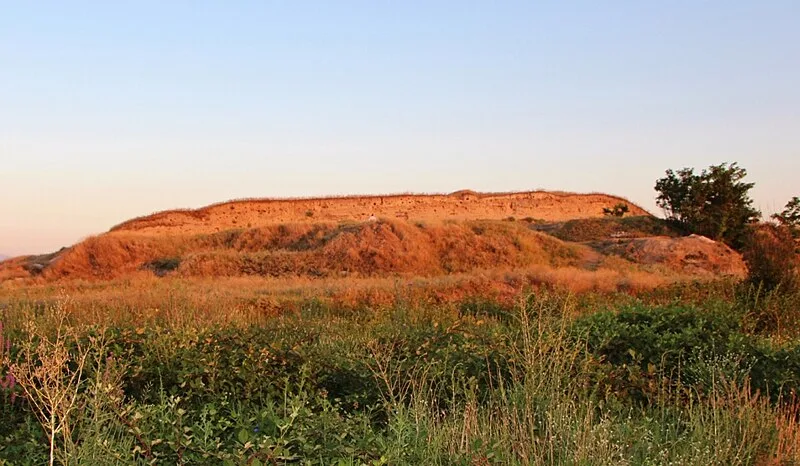
Tell Yunatsite
Tell Yunatsite (Ploskata mogila) is a multi-period archaeological tell in Pazardzhik Province, southern Bulgaria, located 8 km west of Pazardzhik. The mound rises 12 m above…
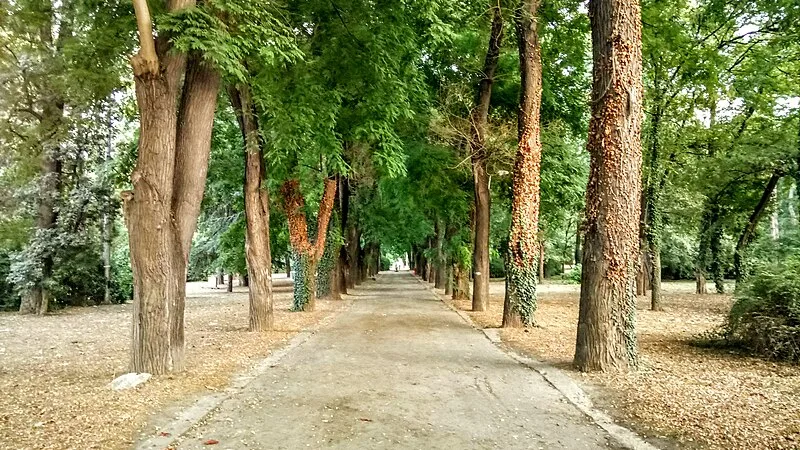
Varna, Bulgaria
Varna, historically known as Odessos, was founded by Milesian Greek colonists at the end of the 7th century BC on the site of an earlier Thracian settlement along the Black Sea…
Necropolis/tombs complex in Bulgaria (11)
Getic Burial Complex
The Getic burial complex is an archaeological site near Sveshtari in Razgrad Province, Bulgaria. Various artifacts have been recovered from a Thracian tomb dating to the beginning…
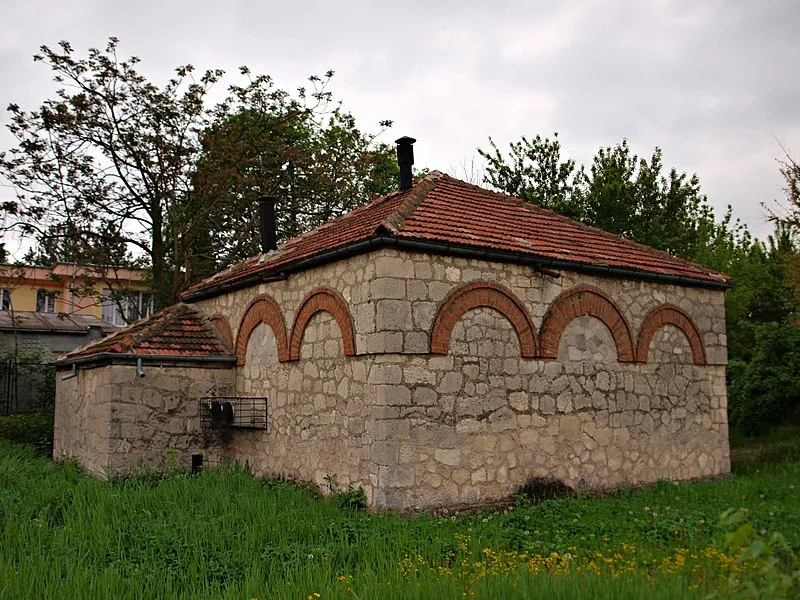
Roman Tomb of Silistra
The Roman Tomb of Silistra is an Ancient Roman burial tomb in the town of Silistra in northeastern Bulgaria. Dating to the mid-4th century AD, it is the best-preserved…
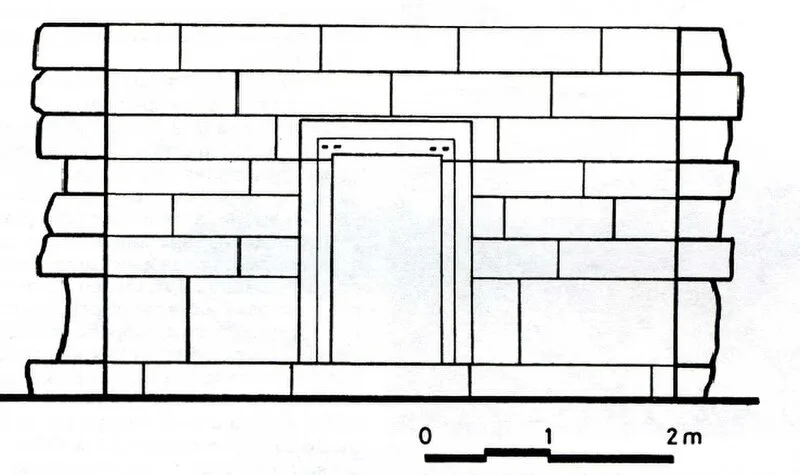
Thracian Tomb Golyama Arsenalka
Golyama Arsenalka is a Thracian burial tumulus near Shipka, Bulgaria, dating to the end of the 5th century BC. The tomb features a representative facade, a small antechamber, and…
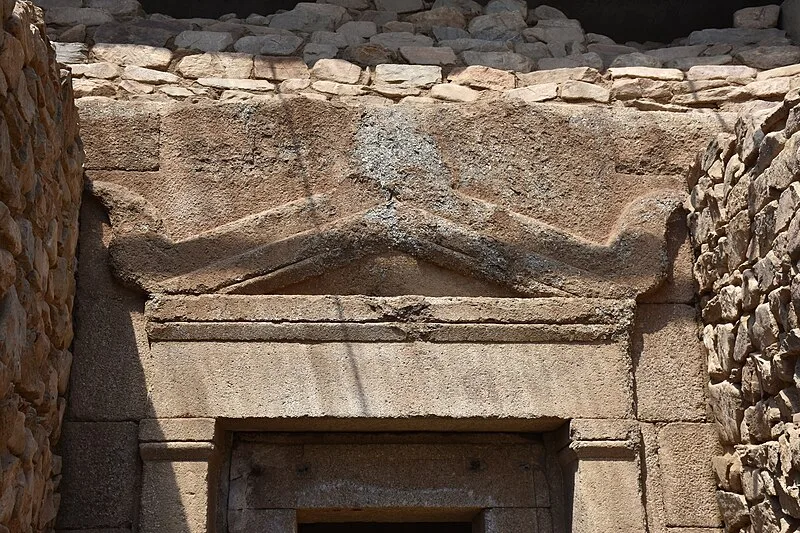
Thracian Tomb Griffins
The Thracian Griffins Tomb near Shipka, Bulgaria, was discovered by archaeologist Georgi Kitov on August 19, 1996, and is considered the largest domed tomb from Ancient Thrace…
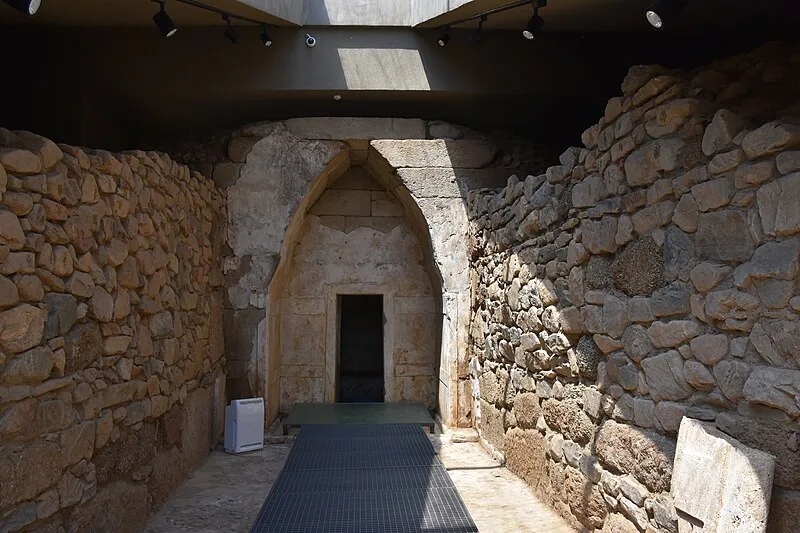
Thracian Tomb Helvetia
The Thracian tomb Helvetia near Shipka, Bulgaria, was built in the mid-4th century BC and discovered in 1996 by archaeologist Georgi Kitov, named after the Swiss Helvetia…
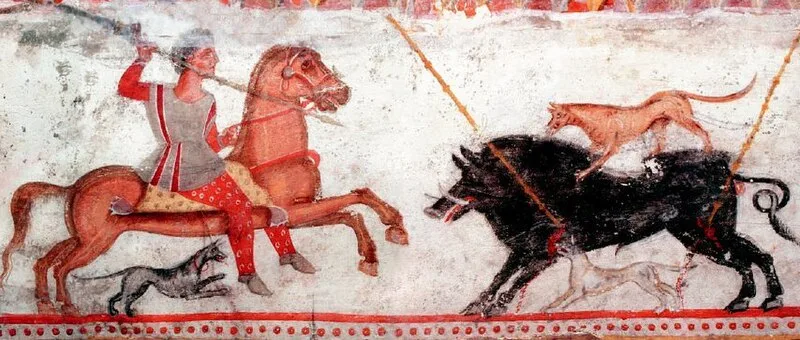
Thracian Tomb of Aleksandrovo
The Aleksandrovo Tomb is a Thracian burial mound near Aleksandrovo, Haskovo Province, Bulgaria, dating to the late 4th or early 3rd century BC. Accidentally uncovered by an…
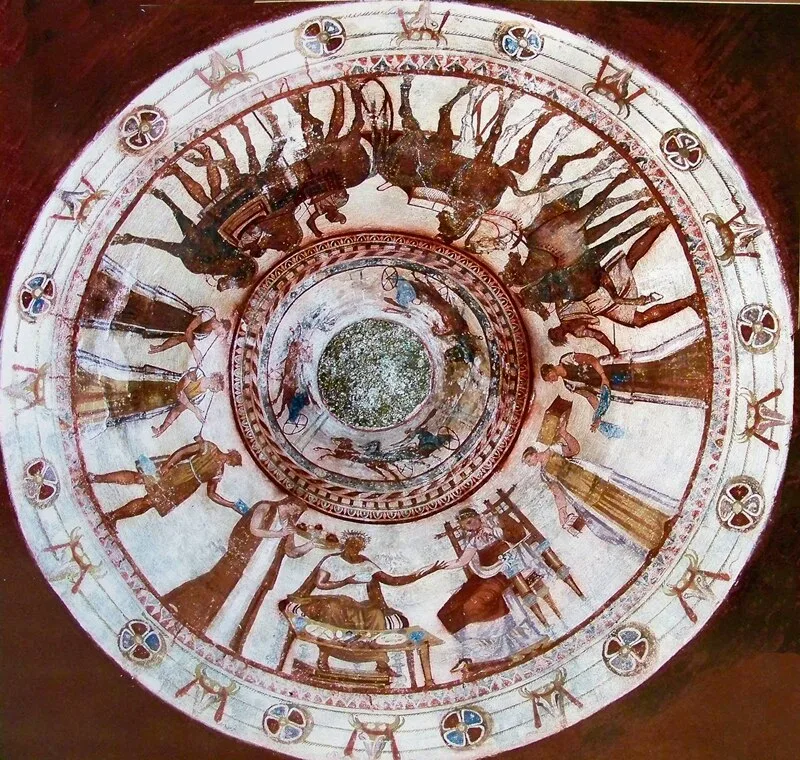
Thracian Tomb of Kazanlak
The Thracian Tomb of Kazanlak is a vaulted-brickwork "beehive" (tholos) tomb located near the town of Kazanlak in central Bulgaria. It is part of a large royal Thracian necropolis…
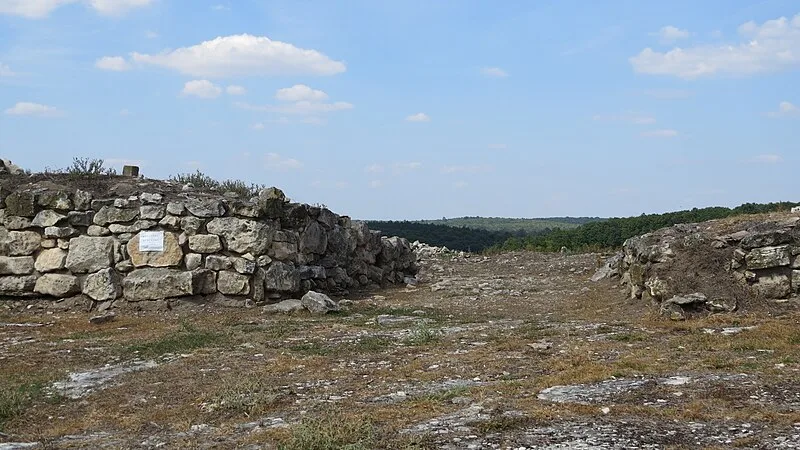
Thracian Tomb of Sveshtari
Built c. 300 BC, this Thracian tomb lies 2.5 km southwest of Sveshtari village in Razgrad Province, northeast Bulgaria. It is likely the burial place of Dromichaetes, a Getae king…
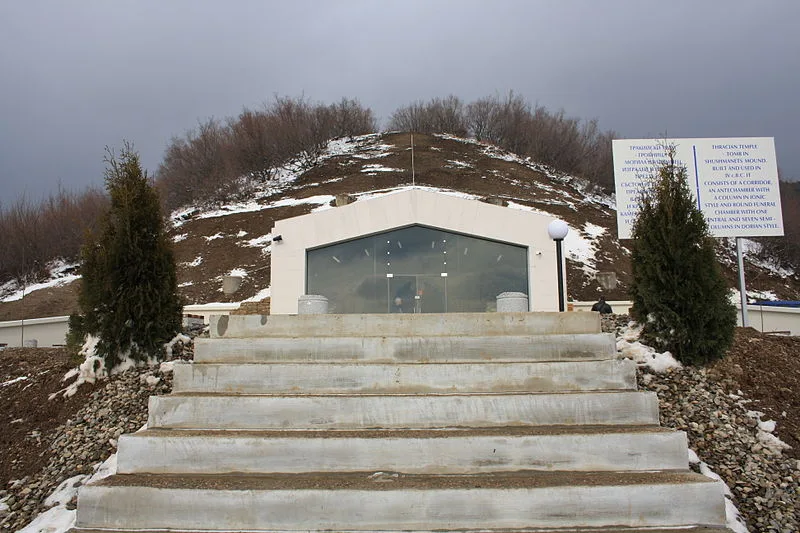
Thracian Tomb, Shushmanets
The Thracian tomb at Shushmanets is a 4th-century BC temple-tomb in the Valley of the Thracian Rulers near Shipka, Bulgaria, discovered on August 28, 1996. The structure consists…
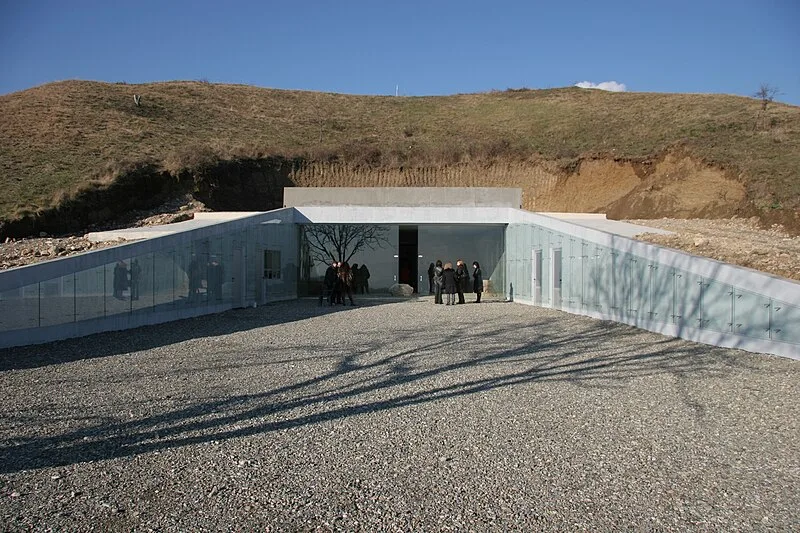
Tomb of Seuthes III
The Tomb of Seuthes III is a royal Thracian burial complex within the Golyama Kosmatka tumulus near Shipka and Kazanlak in Bulgaria's Valley of the Thracian Kings. Discovered in…
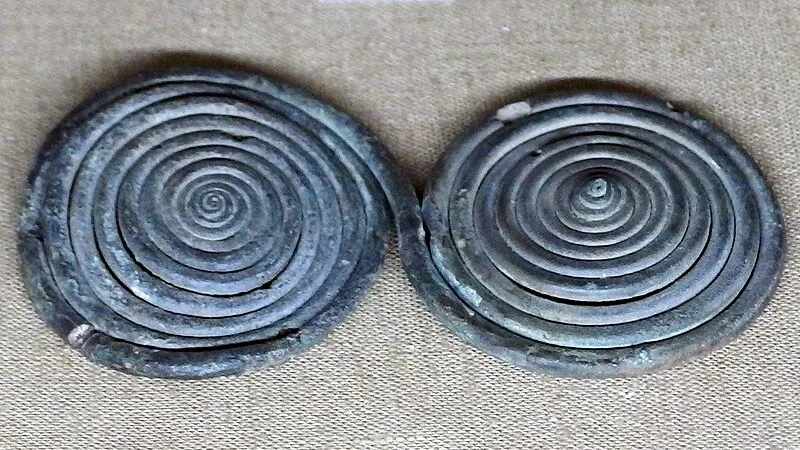
Varna Necropolis
The Varna Necropolis is a Chalcolithic burial site accidentally discovered in 1972 by excavator operator Raycho Marinov during construction work. Radiocarbon dating places the…
Fortress/citadel in Bulgaria (6)
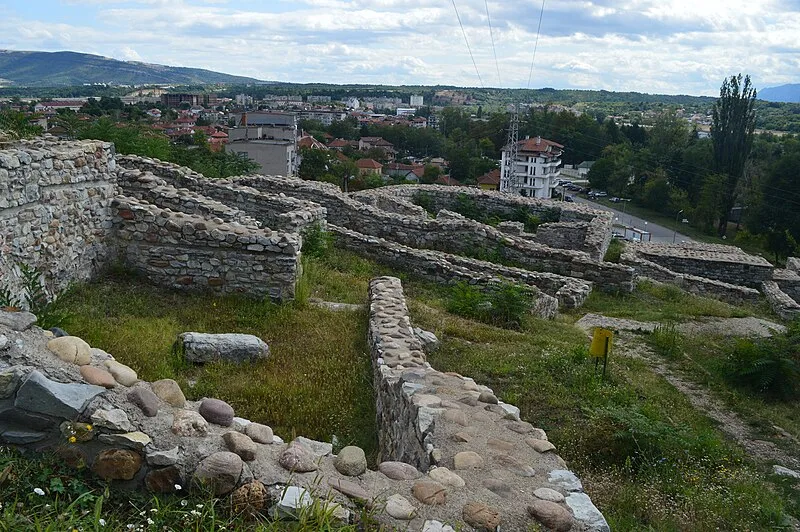
Castra ad Montanesium
Castra ad Montanesium is a Roman fortress on Kaleto Hill in Montana, northwestern Bulgaria, rising about 40 metres above the town. The site was first settled during the…
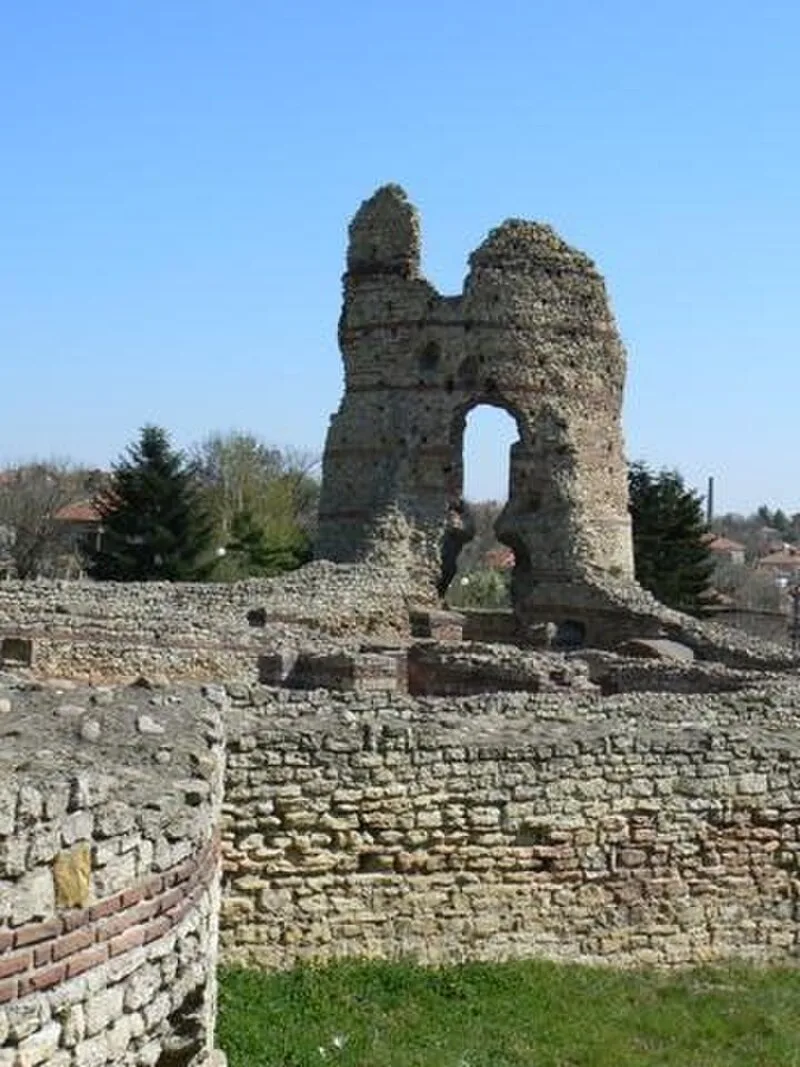
Castra Martis
Castra Martis was a Roman fortified garrison in Dacia Ripensis, located at modern Kula in northwestern Bulgaria. Named after the god of war Mars, it protected the strategic…
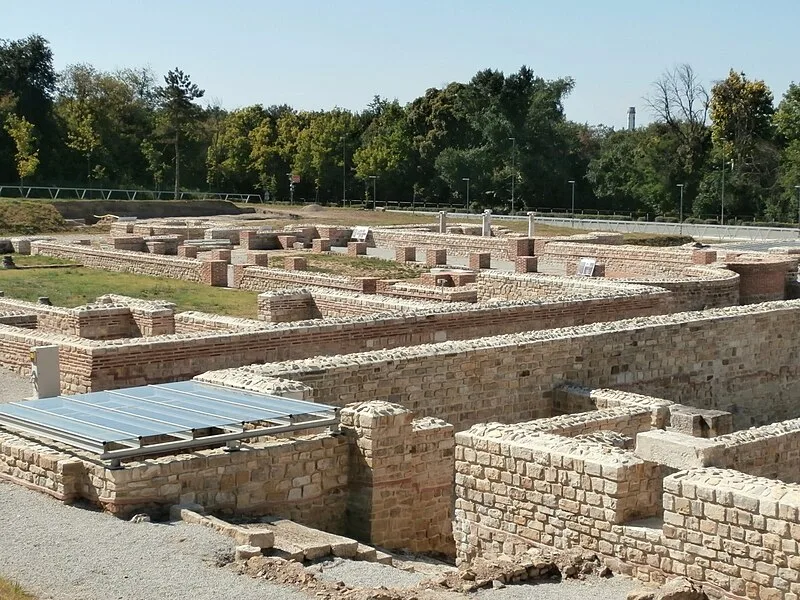
Novae Fortress
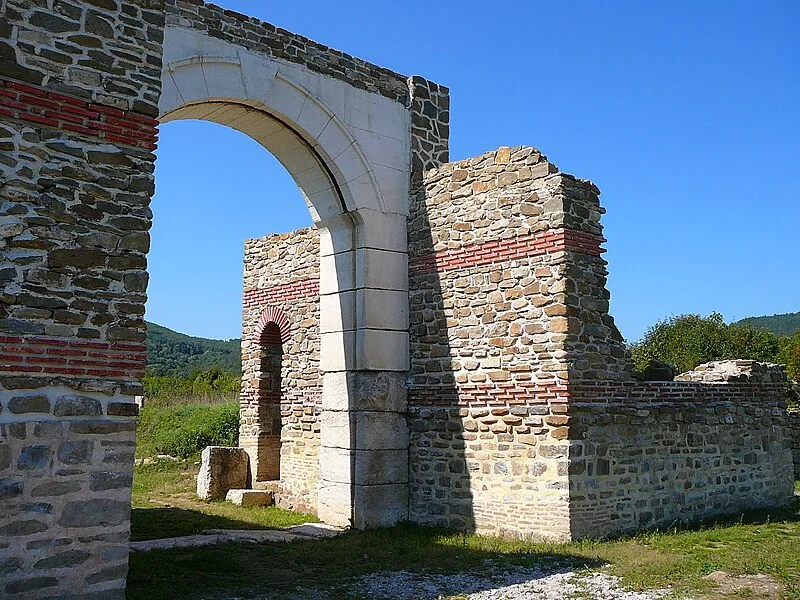
(1st–5th c. AD) Novae was a major Roman legionary fortress guarding the Danube frontier in what is now northern Bulgaria. The settlement grew into an important town within the…
Sostra
Sostra is a Roman fortress and road station near Lomets, Bulgaria, serving as the sixth station along the Via Traiana connecting Lower Moesia with Thrace. Construction began…

Storgosia
Storgosia was a Roman road station on the route connecting Ulpia Oescus on the Danube to Philippopolis (Plovdiv), located in modern Kaylaka Park in Pleven, Bulgaria. Garrisoned by…
Zaldapa
Zaldapa was a major Late Roman fortified city in Scythia Minor, covering approximately 35 hectares near modern Abrit in northeast Bulgaria. Originally a Thracian settlement from…
Cave Structures in Bulgaria (5)
Bacho Kiro Cave
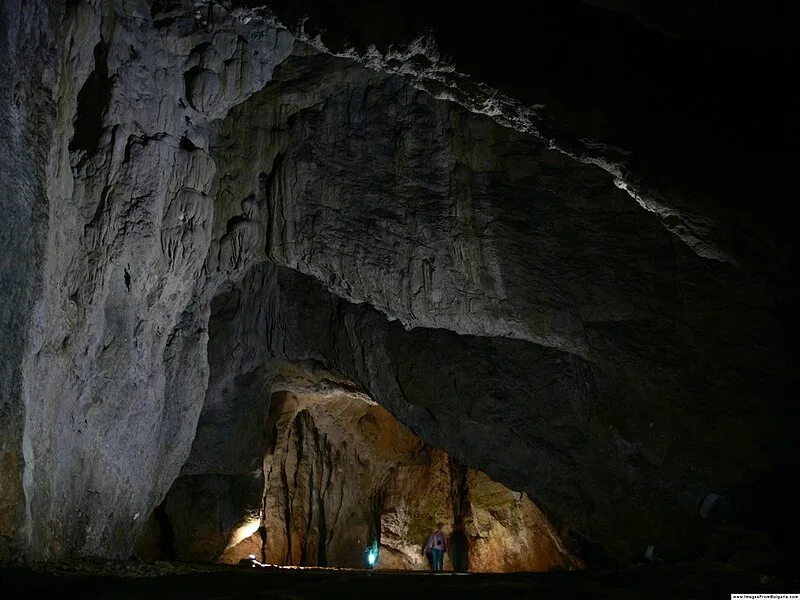
Bacho Kiro Cave is a four-storey labyrinthine cave system 5 km west of Dryanovo, Bulgaria, located 300 m from the Dryanovo Monastery. With a total length of 3,600 m, it features…
Devetashka Cave
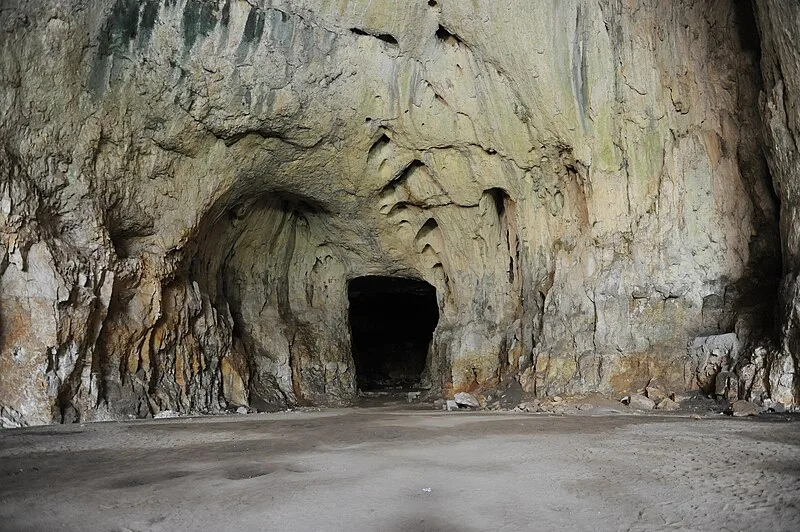
Devetashka Cave is a massive karst formation near the village of Devetaki in northern Bulgaria, measuring approximately 2 km in length with a cavernous entrance hall reaching 60 m…
Kozarnika, Dimovo Municipality
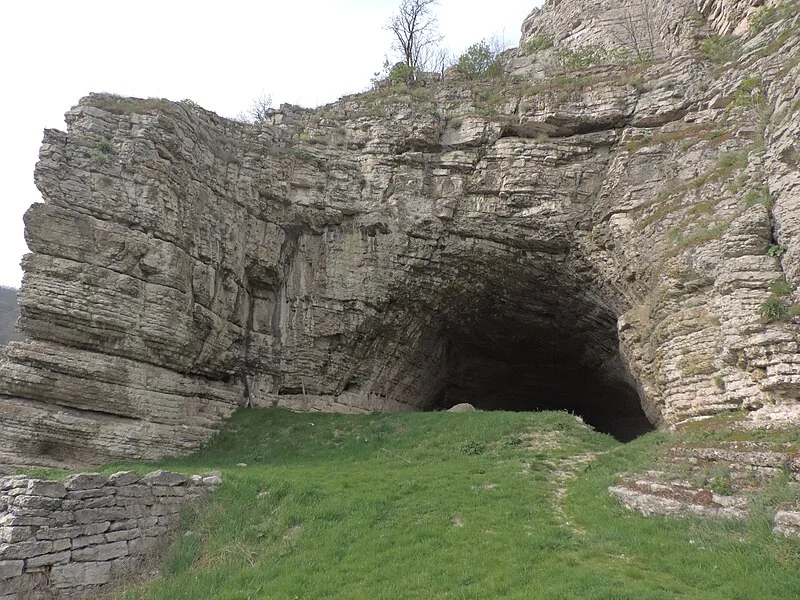
Kozarnika cave in northwestern Bulgaria contains evidence of human occupation dating back to the Lower Paleolithic, making it one of Europe's oldest known hunter-gatherer sites.…
.webp)
Magura Cave
Magura Cave is located in north-western Bulgaria near the village of Rabisha, 25 km from Belogradchik in Vidin Province.
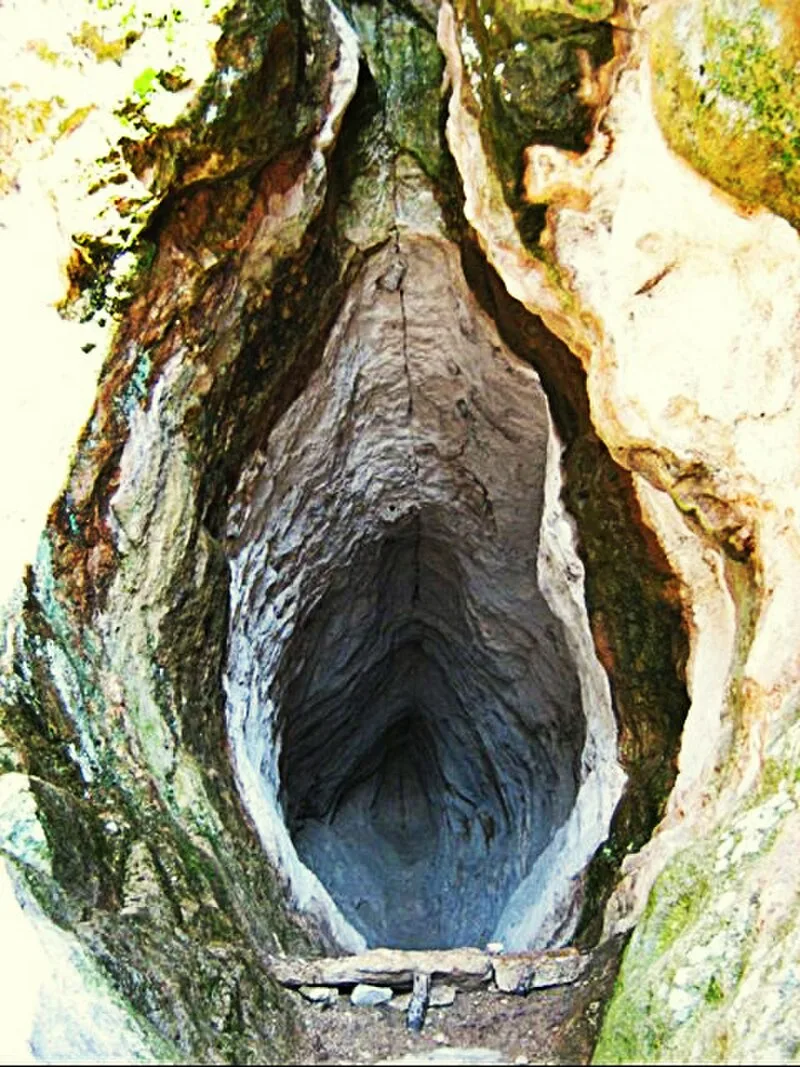
Utroba Cave
The Utroba Cave, also known as Womb Cave, is an ancient Thracian cave sanctuary located in the Eastern Rhodope Mountains of Bulgaria near the village of Ilinitsa, approximately 20…
Mound/tumulus in Bulgaria (3)
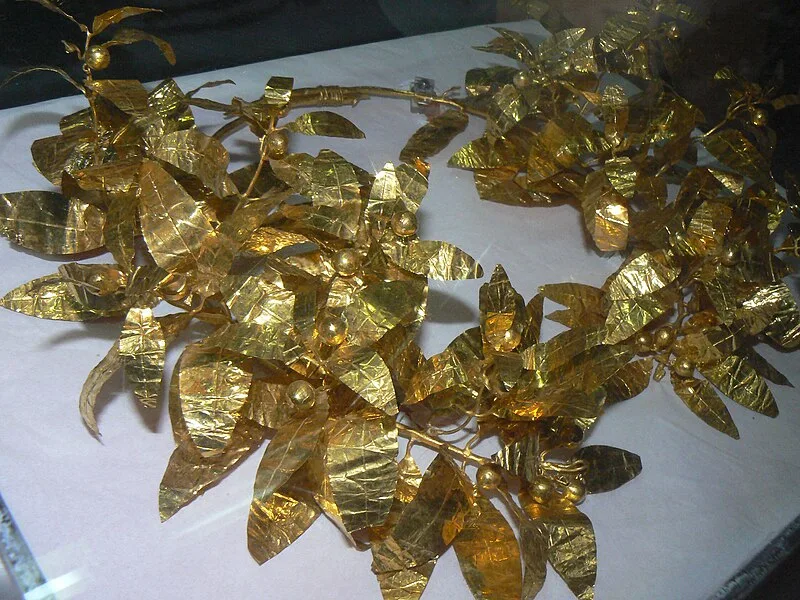
Mogilan Mound
The Mogilan Mound is a 4th-century BC Thracian burial mound in Vratsa, northwestern Bulgaria. Accidentally discovered in 1965 during construction, it contained three stone-built…
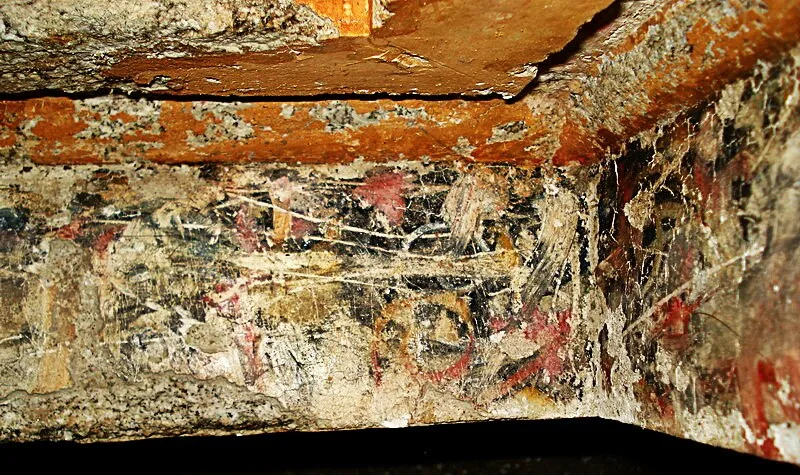
Ostrusha Mound
Built in the mid-4th century BCE, the Ostrusha Mound is a Thracian burial tumulus over 18 meters high near Shipka, Bulgaria. Its underground stone complex spans 100 m² with six…

Valley of the Thracian Rulers
The Valley of the Thracian Rulers in the Kazanlak Valley of central Bulgaria contains an estimated 1,500 burial mounds, of which around 300 have been excavated, forming one of…
Theatre in Bulgaria (3)
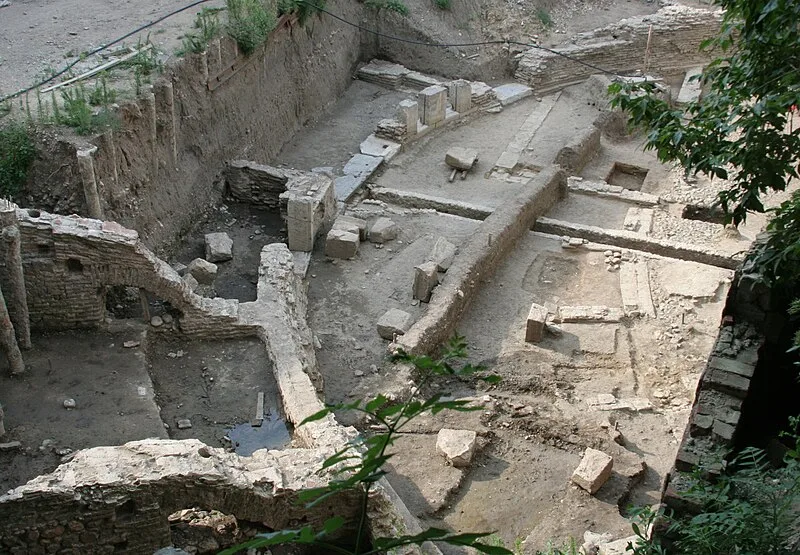
Amphitheatre of Serdica
The Amphitheatre of Serdica was a Roman entertainment venue in Ulpia Serdica, present-day Sofia, Bulgaria. Discovered in 2004 and excavated in 2005-2006, it was constructed in the…
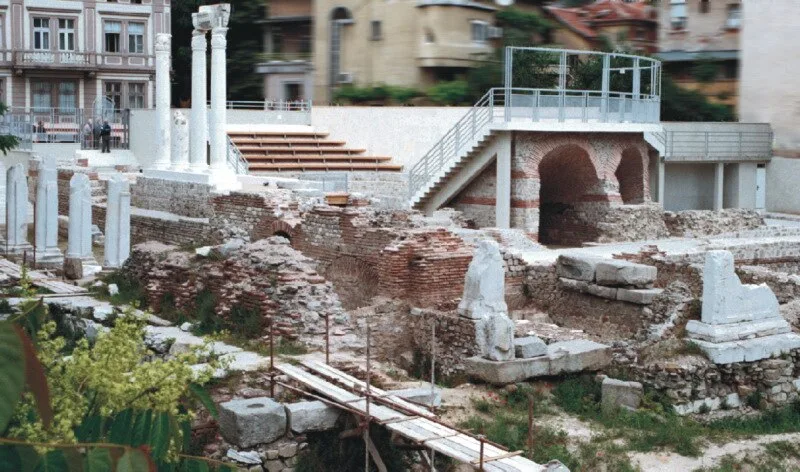
Odeon of Philippopolis
The Odeon of Philippopolis served as the bouleuterion (city council hall) and covered theatre of ancient Plovdiv, located in the northeast corner of the Roman forum. Built during…
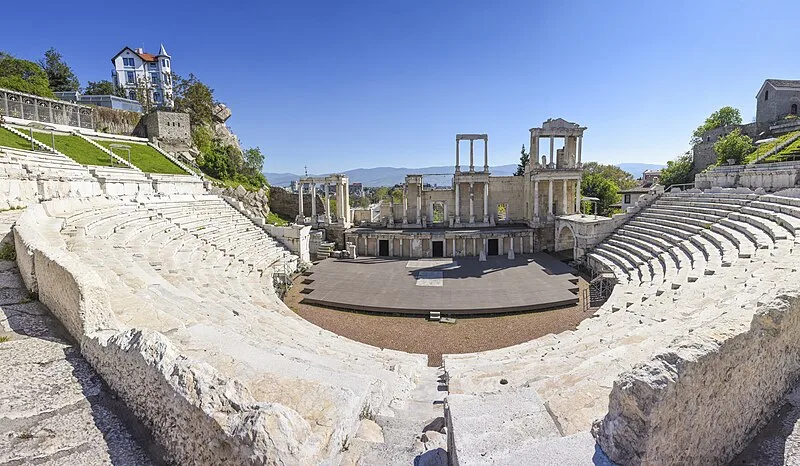
Roman Theatre of Philippopolis
The Roman Theatre of Philippopolis is one of the world's best-preserved ancient Roman theatres, situated in the historic centre of modern Plovdiv, Bulgaria, on the site of the…
Bath in Bulgaria (2)
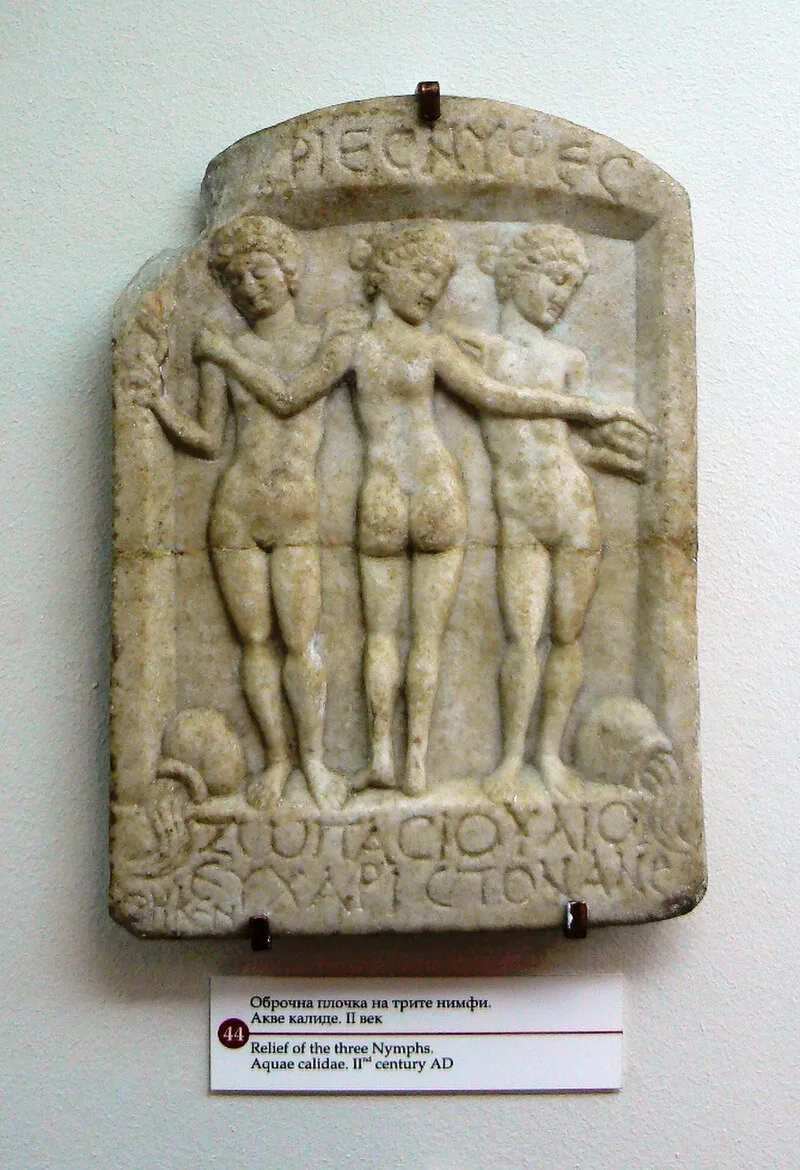
Aquae Calidae, Bulgaria
Aquae Calidae was an ancient Thracian thermal spa near modern Burgas, Bulgaria, with hot springs used since the Neolithic (6th-5th millennium BC). Roman baths were first built…
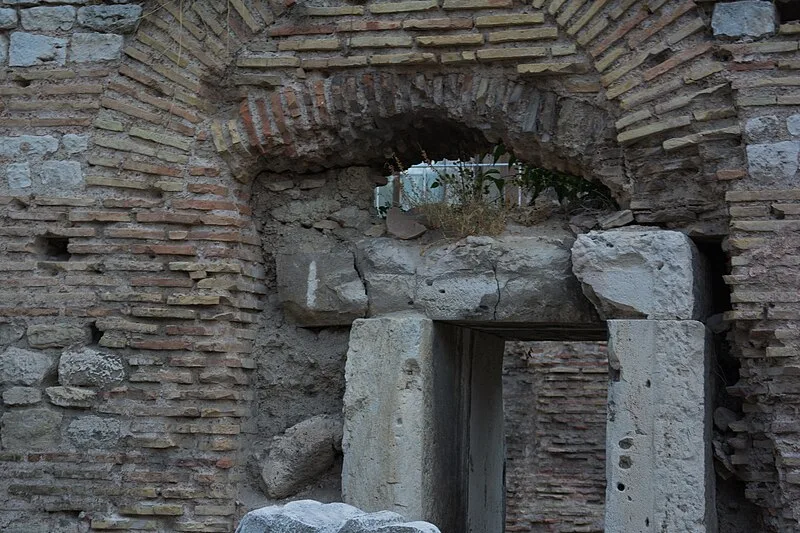
Roman Thermae, Varna
The Roman Thermae in Varna are the largest and best-preserved Roman bathing complex in the Balkans, representing the architectural sophistication of Odessus, the ancient Roman…
Church/cathedral in Bulgaria (2)
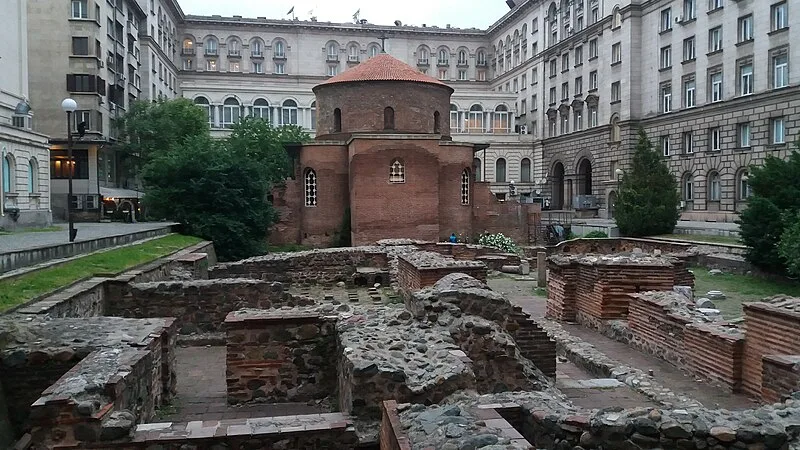
Church of Saint George, Sofia
The Church of Saint George is a Late Antique red brick rotunda in Sofia, Bulgaria. Built in the early 4th century CE as Roman baths, it was converted into a Christian church…
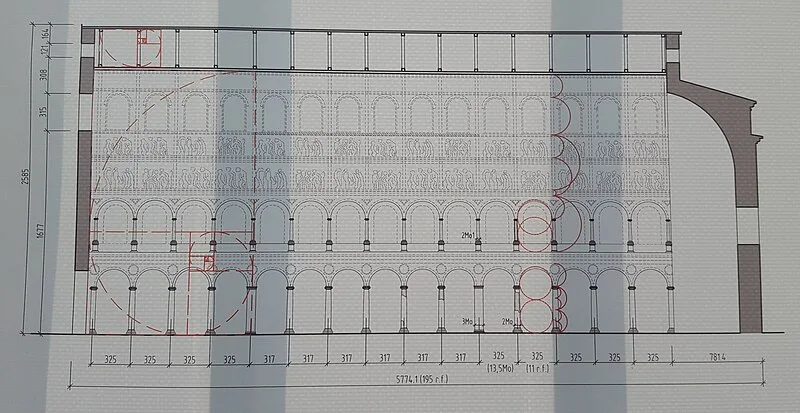
Great Basilica, Plovdiv
The Great Basilica (Bishop's Basilica of Philippopolis) in Plovdiv was constructed in the mid-4th century AD and represents the largest late antique early-Christian church…
Megalithic stones in Bulgaria (2)

Dolni Glavanak Cromlech
The Dolni Glavanak Cromlech is an oval stone circle in the Eastern Rhodope Mountains, 2 km west of Dolni Glavanak village, Bulgaria -- the best-preserved cromlech in the country…
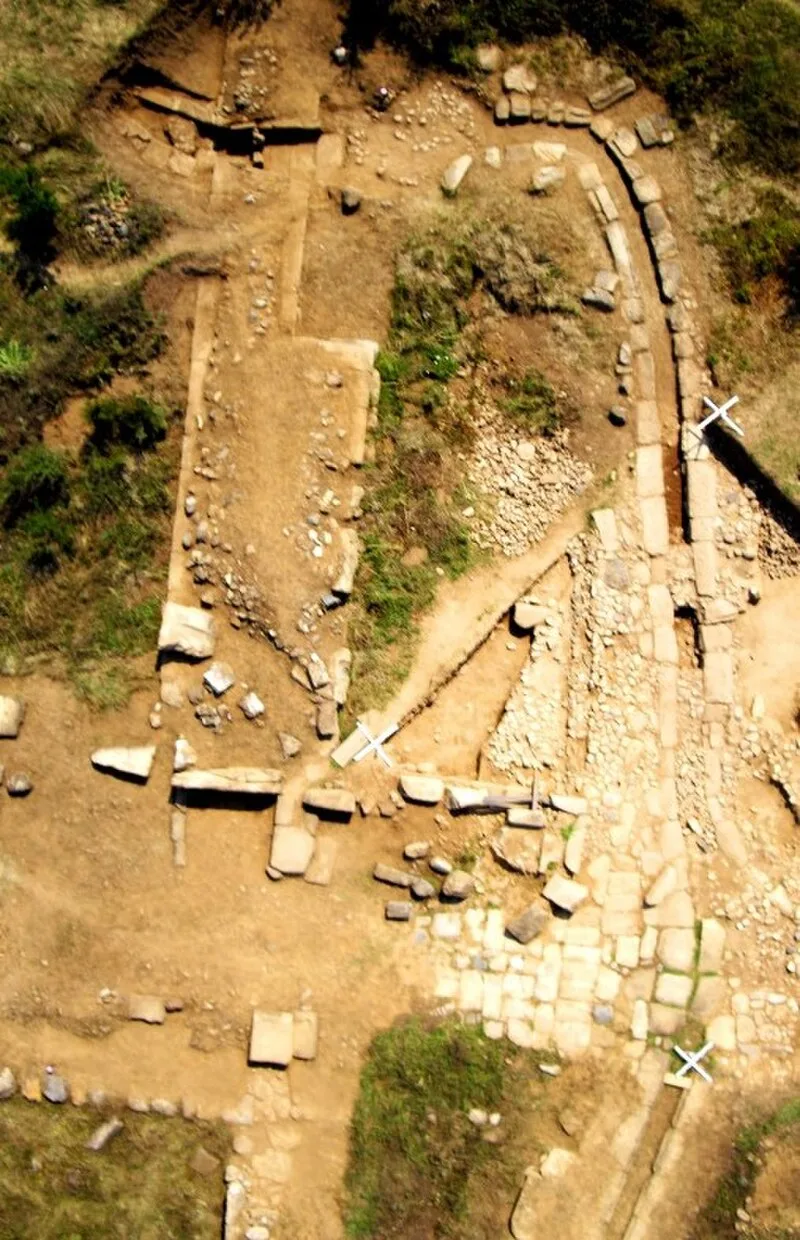
Pistiros
Pistiros was an inland Ancient Greek emporion (trade centre) in Ancient Thrace, situated near modern Vetren in Bulgaria's western Maritsa River valley. The site flourished during…
Museum in Bulgaria (2)
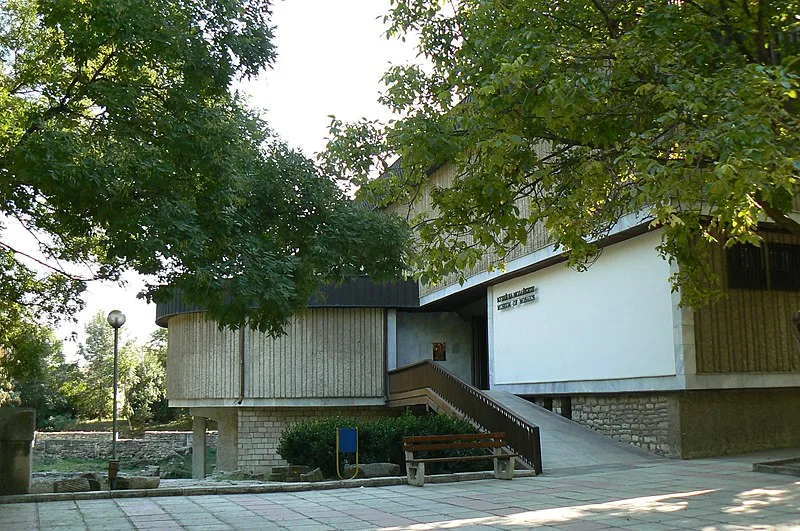
Museum of Mosaics, Devnya
Opened in 1986 in Devnya, northeastern Bulgaria, this museum was built directly over a lavish Late Roman villa (late 3rd to early 4th century AD) from ancient Marcianopolis, a…
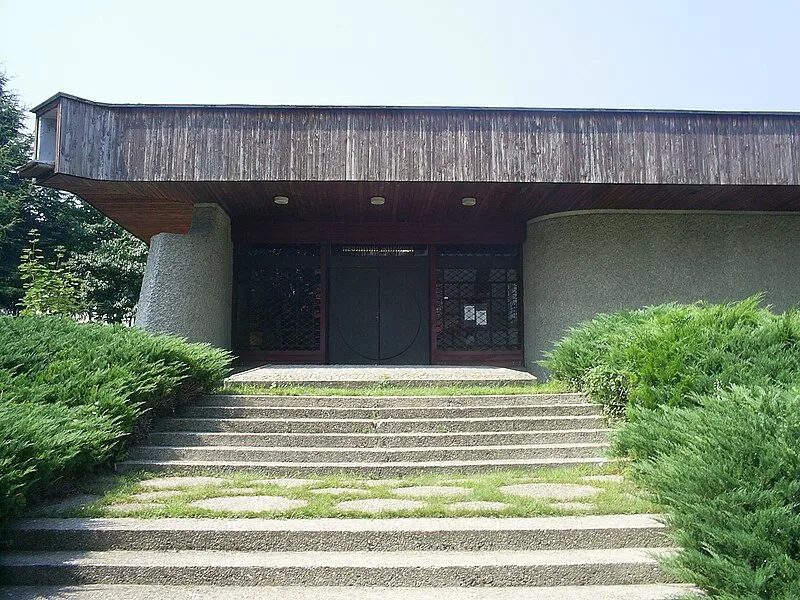
Neolithic Dwellings Museum
A museum in Stara Zagora, Bulgaria, preserving two Neolithic dwellings from the 6th millennium BC that are among the best-preserved in Europe. Discovered during construction work…
Residence/villa/farmhouse in Bulgaria (2)
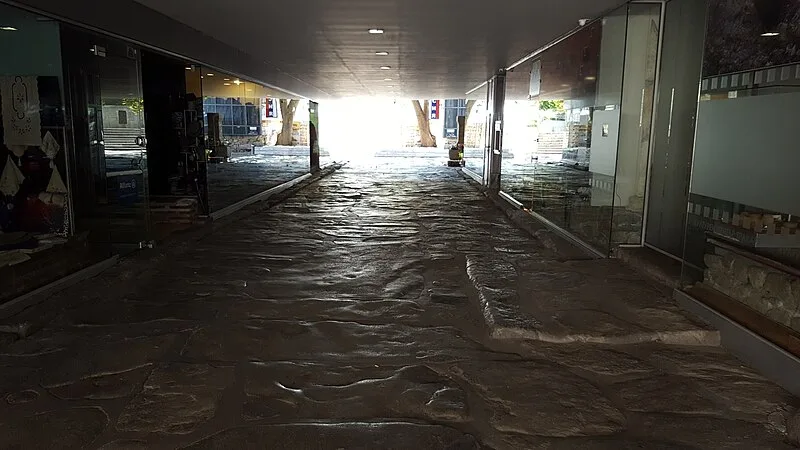
Domus Eirene
An ancient Roman peristyle house in Philippopolis (modern Plovdiv) built in the mid-3rd century AD, likely after the devastating Gothic siege of 250 AD during the Crisis of the…
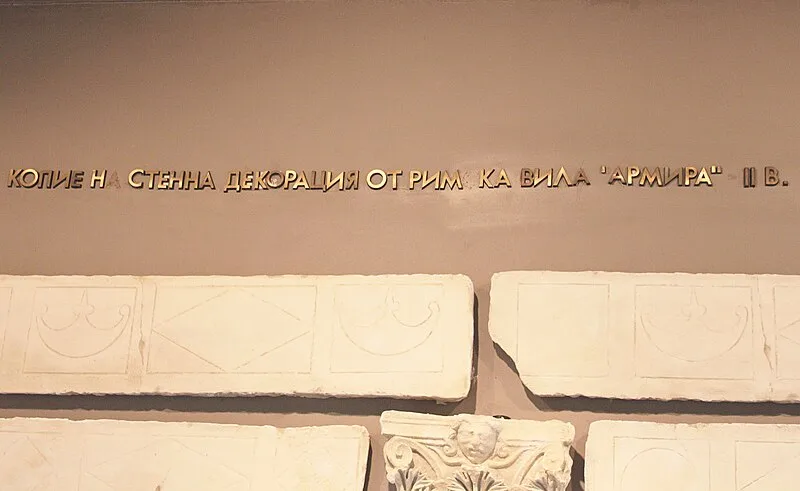
Villa Armira
Villa Armira is a luxurious 1st-century Roman villa near Ivaylovgrad in southeastern Bulgaria, discovered in 1964 during reservoir construction. Spanning 3,600 sq m across two…
Temple complex in Bulgaria (2)
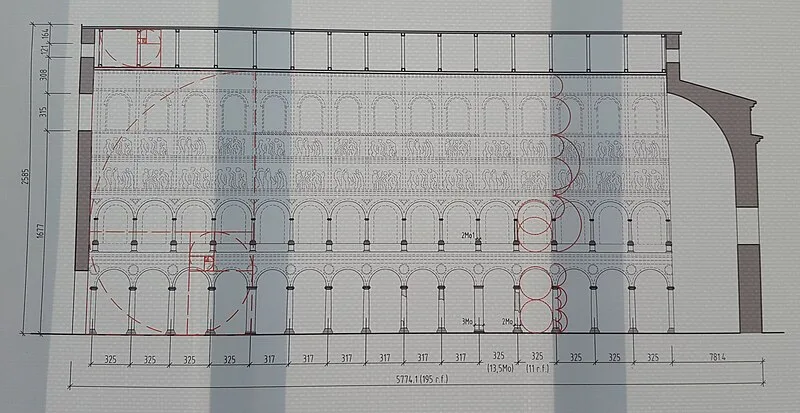
Bishop's Basilica of Philippopolis
The largest late antique early-Christian church discovered in Bulgaria, built in the mid-4th century in ancient Philippopolis (modern Plovdiv). Measuring 86.3 m long and 38.5 m…
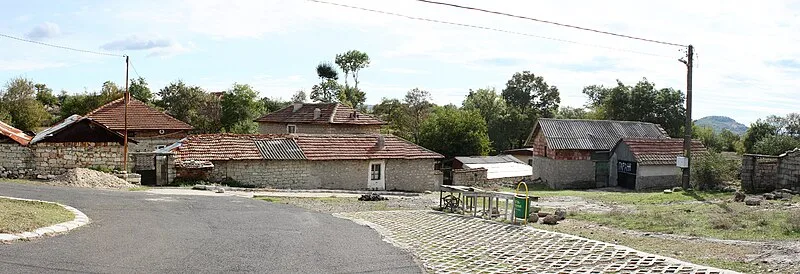
Tatul
Tatul is an ancient Thracian megalithic sanctuary in the Eastern Rhodopes of southern Bulgaria, centered on a massive monolithic rock shaped as a truncated pyramid with two…
Other sites in Bulgaria (5)
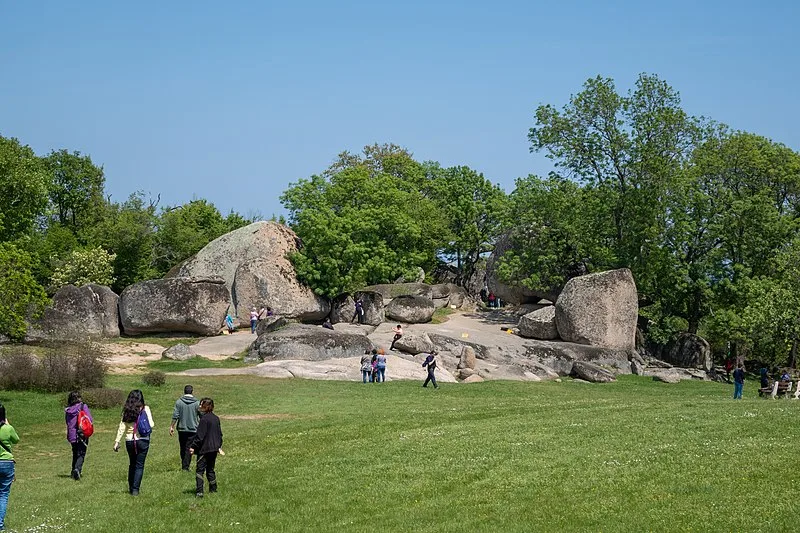
Beglik Tash
Beglik Tash is a prehistoric rock sanctuary on Bulgaria's southern Black Sea coast near Primorsko, re-discovered in 2003 and used from the Late Bronze Age (mid-2nd millennium BC)…
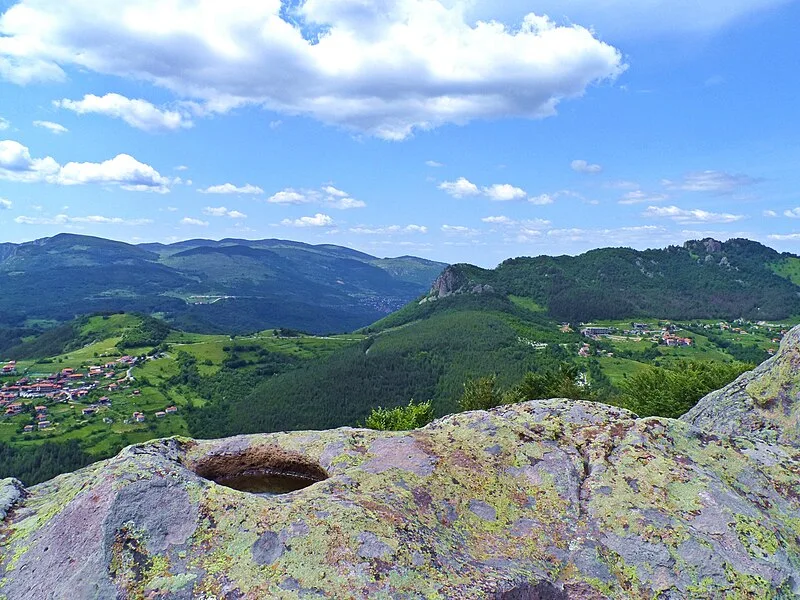
Belintash
Belintash is a rock shrine and archaeological site in the Rhodope Mountains of Bulgaria. The plateau features carved round holes, trails, niches, and steps that some researchers…
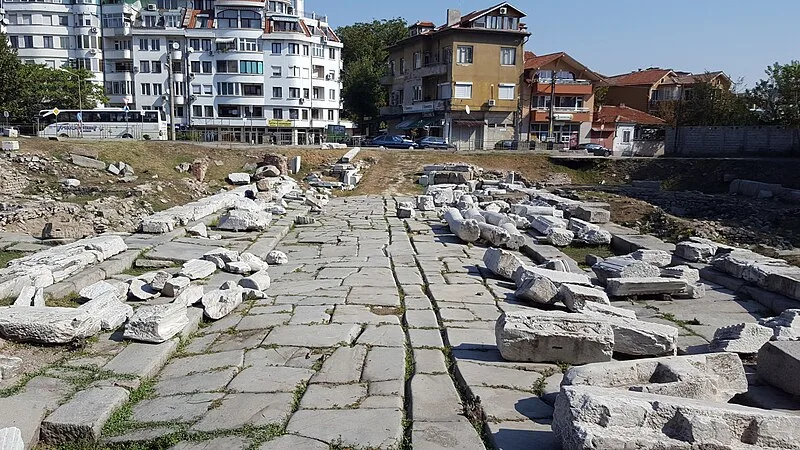
Eastern Gate of Philippopolis
The Eastern Gate of Philippopolis was one of three main entrances to the ancient Roman city (modern Plovdiv). Built in the 2nd century AD during Hadrian's reign on the strategic…
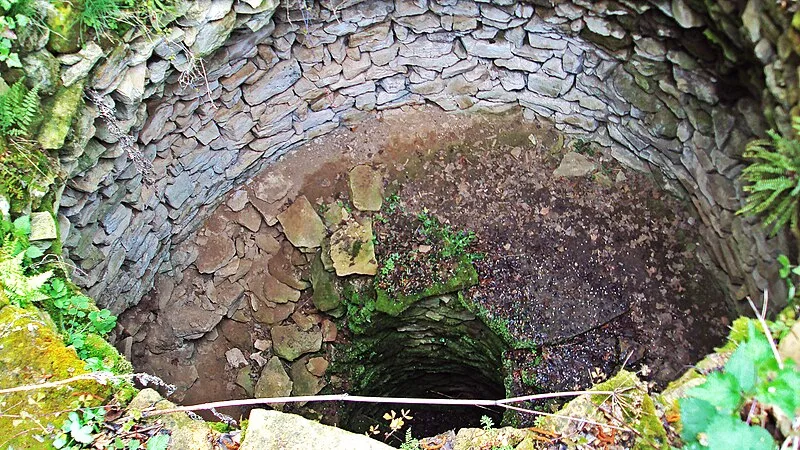
Sacred Pit of Garlo
A prehistoric underground sanctuary near the village of Garlo in Pernik District, Bulgaria, dating to approximately the 11th century BC. A 7-metre corridor with thirteen stone…
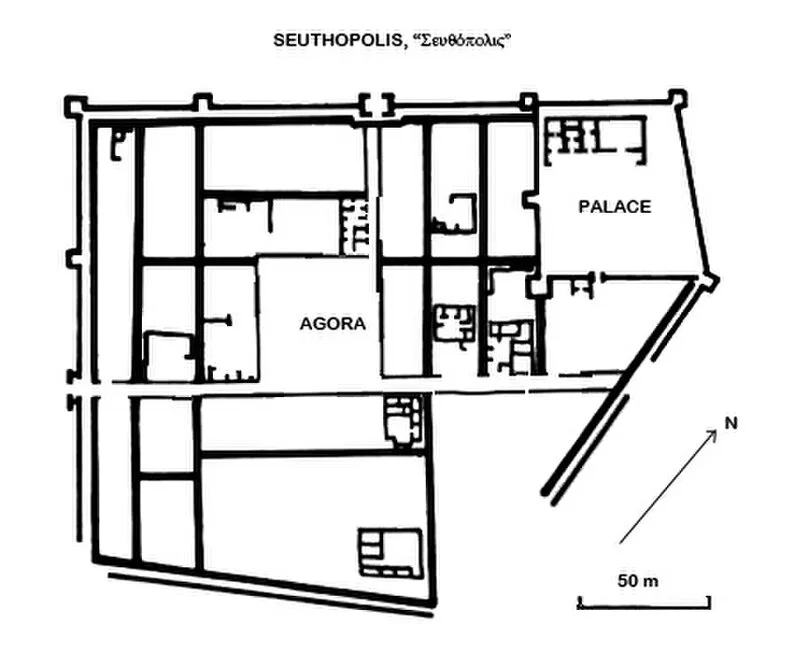
Seuthopolis
Seuthopolis was the capital of the Odrysian Kingdom, founded by Thracian king Seuthes III around 325-315 BC. The city featured Greek-style Hippodamian urban planning with…
Keep exploring
Every site on this page sits on the globe, and the people who research them are on the Discord.
3D Globe · Sites by country · Story Archive · Research Library · Weekly Journal · Search