 ANCIENT NERDS
Global Flood Myths and the Younger Dryas Catastrophe Debate
The paper concludes that global flood myths most likely derive from localized environmental events encoded into oral traditions — particularly repeated Mesopotamian overbank floods recorded into the Old Babylonian Atrahasis template — rather than a single prehistoric deluge, and that the Younger Dryas impact hypothesis should be rejected based on the absence of YD-age craters, failed replication of nanodiamond and microspherule diagnostics, and the systematic ecological variation of flood narratives across cultures. It further argues that no peer-reviewed evidence connects any non-literate flood tradition to ~12,900 years ago, and that the ~13-millennia gap between the proposed Younger Dryas catastrophe and the earliest written flood accounts makes the single-catastrophe model for global flood myths untenable.
In a Sumerian text dated to roughly 1600 BCE, a scribe recorded the story of Ziusudra, a king warned by the gods of a coming flood and instructed to build a vessel to preserve life. That tale was not alone. Across continents and centuries, at least 200 — by some counts more than 500 — distinct cultures have produced flood narratives bearing the same core motifs: divine warning, a boat, preserved animals, birds released to test receding waters, and a mountain landing. The Hebrew Noah, the Babylonian Utnapishtim, the Hindu Manu, the Greek Deucalion, and numerous American Indian traditions each carry echoes of a template that scholars trace most directly back to the Old Babylonian Atrahasis Epic of the 17th century BCE. In the 1920s, the archaeologist Woolley dug into the ruins of Ur and uncovered a thick flood deposit dated to about 3500 BCE, believing he had located the very layer beneath the legend — but sites just 23 kilometers away, including Eridu, showed no such inundation, hinting that the great flood of memory may have been a thousand small ones. [1] [2]
Nowhere does the question feel more charged than around 12,900 years ago. At that moment in Earth’s history, Greenland temperatures plunged by 9 to 14 degrees Celsius within a single year, the broader Northern Hemisphere cooled by up to 10 degrees, and a 9,500-cubic-kilometer torrent of glacial meltwater thundered out of Lake Agassiz into the North Atlantic. Some 50 Clovis-age sites across North America preserve a thin, carbon-rich black layer at this exact horizon, laced with magnetic grains, microspherules, and once-claimed nanodiamonds — debris that, in 2007, Firestone et al. proposed came from one or more extraterrestrial airbursts over northern North America. Sixteen years later, in 2023, a coalition including Holliday, Boslough, Koeberl, and Severinghaus published a sweeping rebuttal in Earth-Science Reviews arguing that the impact hypothesis should be rejected outright: no craters dated to the onset, no confirmed nanodiamond spike, and impact physics that does not add up. [3]
The Global Flood Myth Phenomenon
Flood narratives appear across at least five continents and many hundreds of cultures, with documented versions in Mesopotamia, the Hebrew Bible, Hinduism, Greek tradition, Norse mythology, Aboriginal Australian tradition, and numerous American Indian peoples, among others. The 19th-century folklorist Stith Thompson compiled the Motif-Index of Folk-Literature (six volumes, 1932-1936, revised 1955-1958), cataloging approximately 50,000 narrative motifs including flood stories as a standard cross-cultural category. Geoscientist Robert Schoch, cited in Apologetics Press, has estimated “at least 500 flood myths” worldwide, describing them as “the most widespread of all ancient myths”. [4]
Statistical analysis of over 200 flood legends compiled by James Perloff reveals a remarkable concentration of recurring motifs across otherwise unconnected cultures: 95% describe a worldwide flood, 88% favor a particular family, 70% involve survival by boat, 67% preserve animals, 66% attribute the flood to human wickedness, 66% include prior warning, 57% end on a mountain, 35% involve birds released from a boat, and 9% specifically name eight survivors. John D. Morris of the Institute for Creation Research compiled over 200 flood legends from missionaries, anthropologists, and ethnologists and reported near-identical motif frequencies: 88% favored family, 66% forewarned, 95% flood as the only catastrophe, 70% boat survival, 67% animals saved, 57% landed on a mountain, 35% birds sent out, and 9% specified exactly eight persons saved. The convergence is statistically anomalous. Across traditions with no plausible contact history, the same narrative scaffolding reappears. [5]
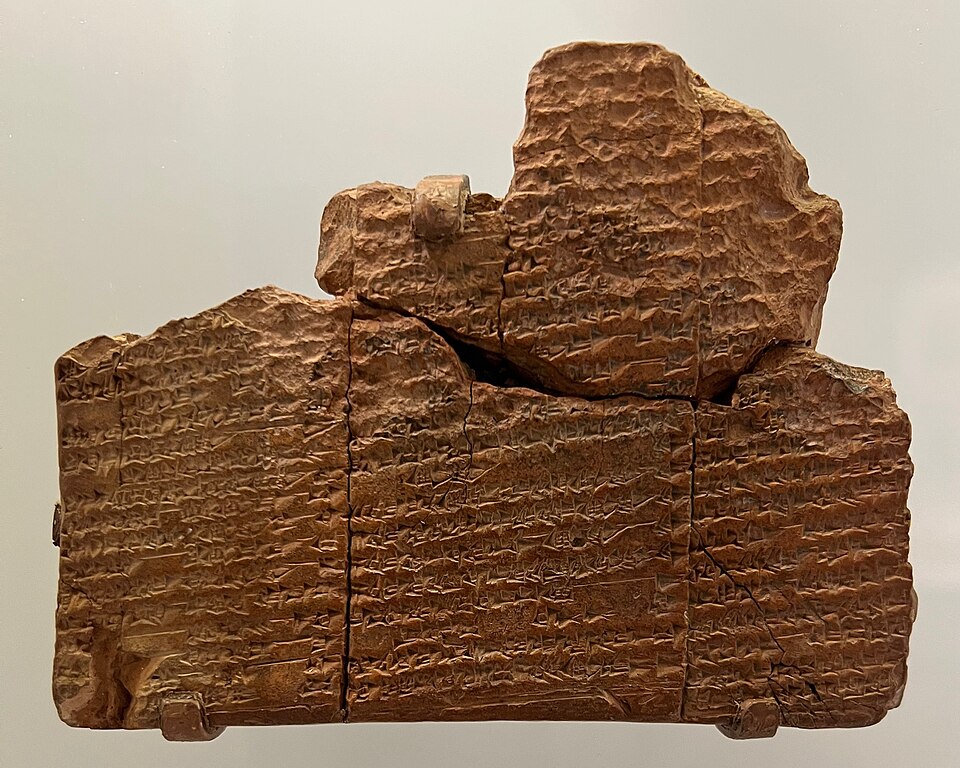
The oldest documented versions cluster in Mesopotamia, where the literary relationships can be traced. The Sumerian Eridu Genesis, the Akkadian Atrahasis, the Standard Babylonian Gilgamesh Epic (Tablet XI), and the later Berossus account share detailed narrative parallels with the Hebrew Genesis flood story: divine warning, command to build a vessel, sealing the craft with pitch, bringing animals aboard, sending out birds to test for dry land, the vessel resting on a mountain, and post-flood sacrifice. 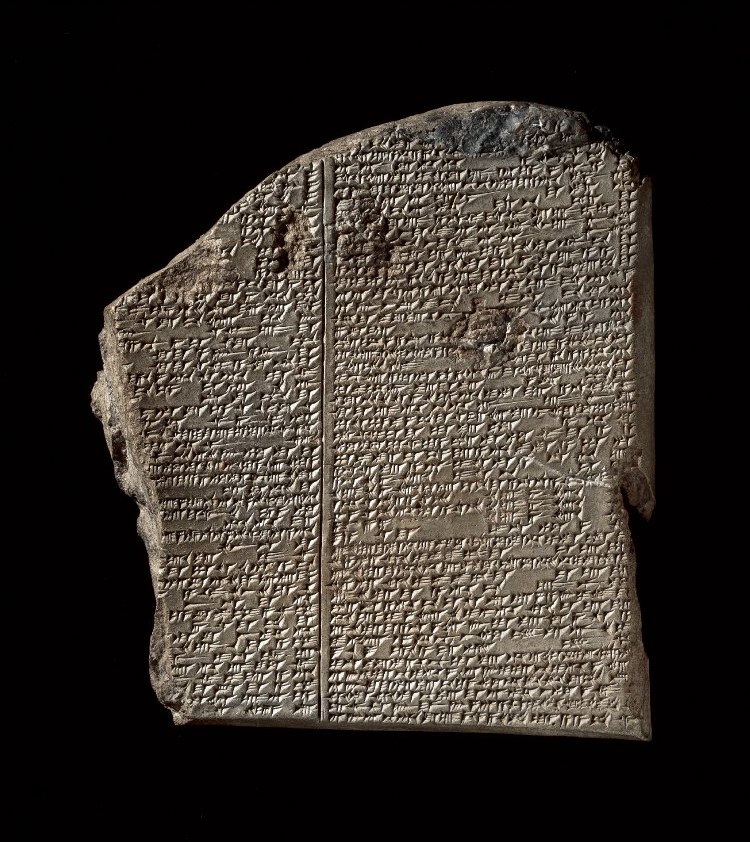 [6] [4]

CBS10673 Sumerian Flood Story Penn Museum. Photo: Onceinawhile (talk · contribs) / Wikimedia Commons. Lets the reader verify that the Eridu Genesis predates the Akkadian and biblical versions, supporting…. Source
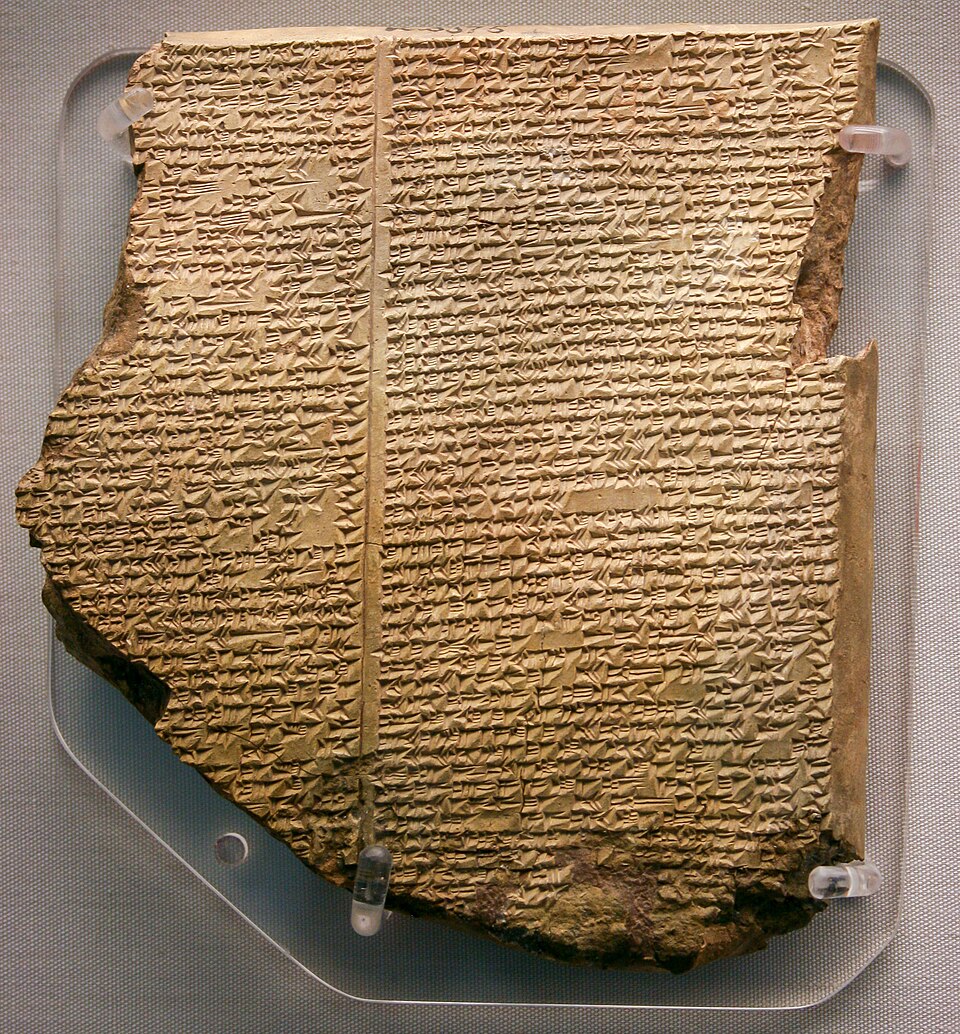
British Museum Flood Tablet 1. Photo: Photograph by Mike Peel (www.mikepeel.net). / Wikimedia Commons. Lets the reader verify that the Eridu Genesis predates the Akkadian and biblical versions, supporting…. Source
GilgameshTablet. Photo: Wikimedia Commons. Image placed by the paper writer as visual evidence for this passage. Source The Epic of Gilgamesh (dating to approximately the 18th century BCE or earlier) predates the Genesis composition (likely 5th to 3rd century BCE), with close textual parallels indicating a literary relationship rather than coincidental independent origin. The Hindu Manu tradition features a righteous man warned by a fish (Vishnu in some versions), who builds a boat, ties it to the fish’s horn, and lands on a northern mountain. The recurring motifs of divine warning, vessel construction with animals, bird release, and mountain landing cannot easily be dismissed as coincidence.
Geologist Dorothy Vitaliano coined the term “geomythology” in 1968 to describe oral traditions that may encode real geological events such as floods, earthquakes, and tsunamis. Under this framework, flood myths correlate systematically with ecological setting rather than pointing to a single global event: coastal Pacific traditions (Fiji, Tahiti, Pacific Northwest) describe ocean-borne waves without rainfall; Arctic and alpine traditions describe glacial-dammed lake outbursts, with Tibetan traditions documenting actual glacial-lake outburst floods in the Tsangpo Gorge whose discharge “surpasses the Amazon” and matches a local Buddhist legend of Guru Rimpoche draining a great demon-haunted lake; riverine traditions (Mesopotamian, Biblical) describe sustained rainfall and rising rivers. The pattern suggests the motifs may not be pure invention but could reflect actual geological experiences encoded across generations. [7]
George Catlin, the 19th-century American painter, claimed that among approximately 120 Native American tribes he visited across North, South, and Central America from 1832 to 1839, every tribe possessed traditions of a great flood with one, three, or eight persons saved on a high mountain. The Catlin claim is widely cited but contested: scholars note that missionary influence may have shaped or amplified these narratives after European contact, complicating their use as independent evidence. However, the Motif-Index documents that many pre-Columbian American flood traditions include details, worldwide scope, favored survivors, birds sent from a vessel, repopulation afterward, language confusion, tower-building, that closely echo the Genesis account, suggesting at least partial independence from post-contact missionary diffusion. The evidence doesn’t fully resolve the antiquity of each tradition, but the cross-cultural pattern itself, with statistically significant motif convergence across continents, stands as a documented phenomenon requiring explanation. [8] [4]
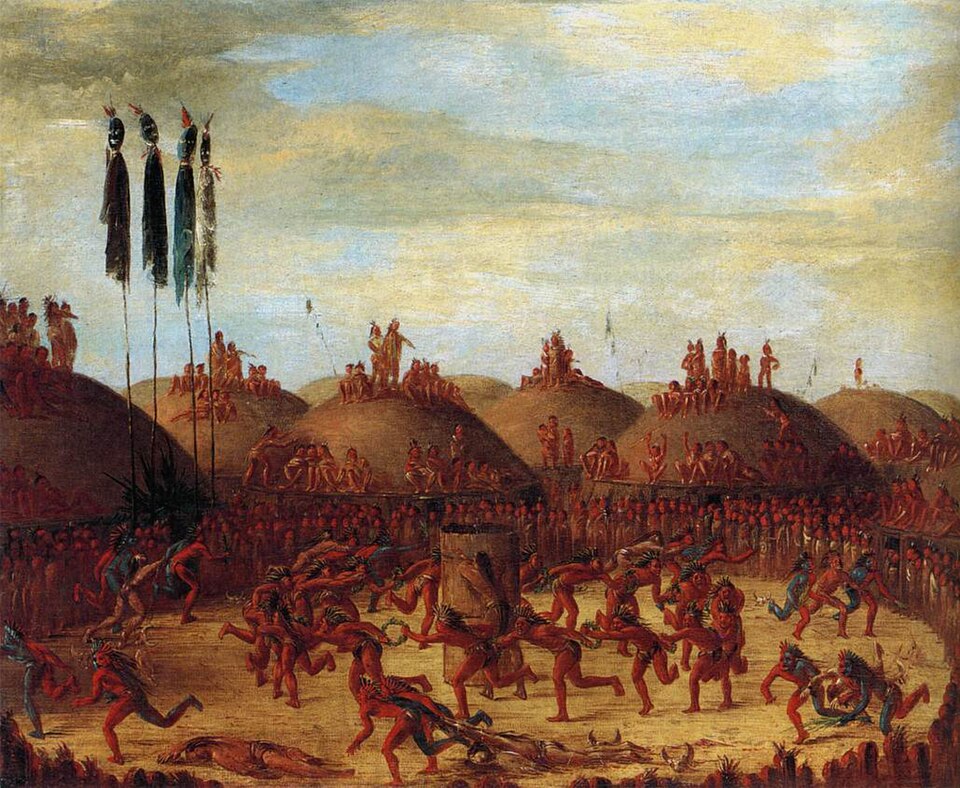
George Catlin - The Last Race, Mandan O-Kee-Pa Ceremony - WGA04575. Photo: George Catlin / Wikimedia Commons. the visual evidence Catlin actually produced during his visits to the 120 tribes, letting readers…. Source
Sumerian Tablets and Biblical Arks: Tracing the Literary Lineage
December 3, 1872. George Smith, a self-taught Assyriologist working on fragments from Ashurbanipal’s library at Nineveh, translated the Flood Tablet (K.3375) before the Society of Biblical Archaeology and announced a cuneiform story that paralleled the Hebrew Bible’s account of Noah with unsettling precision 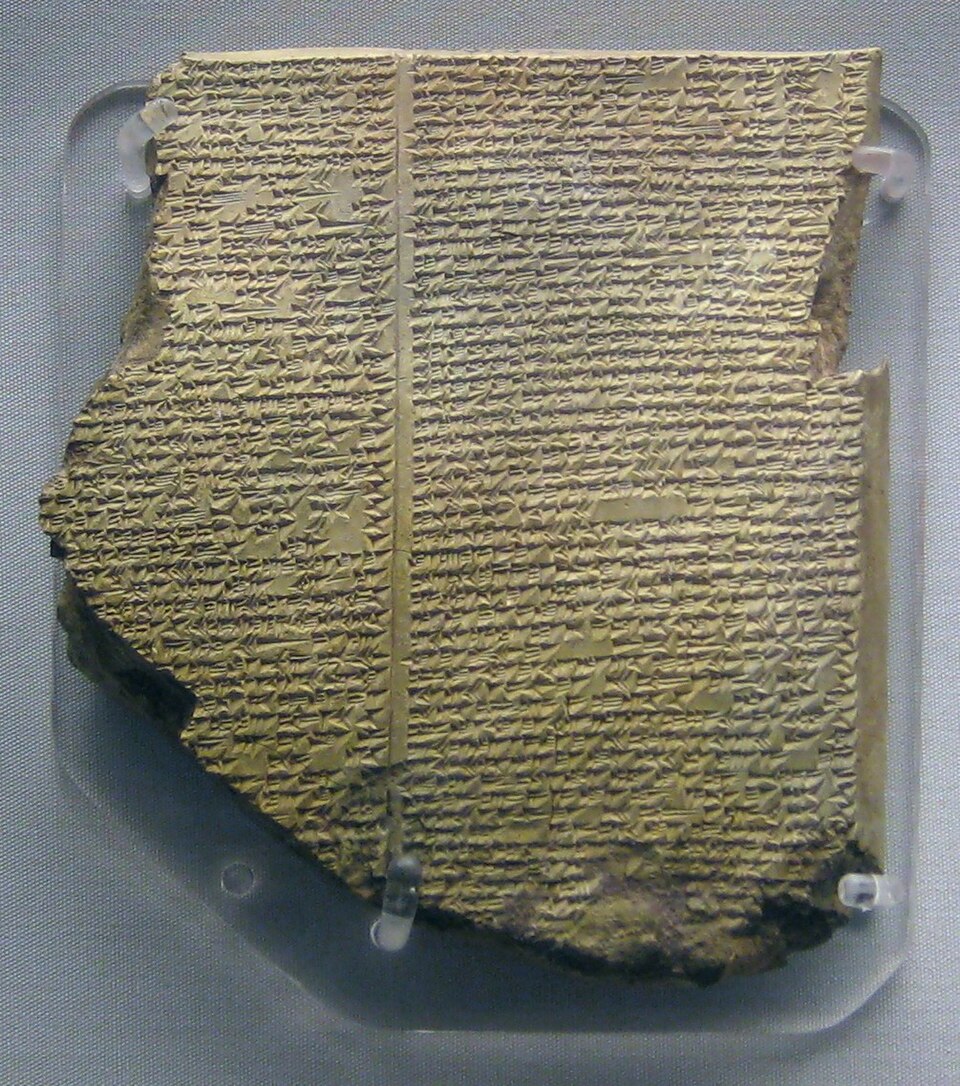 [9] [10]
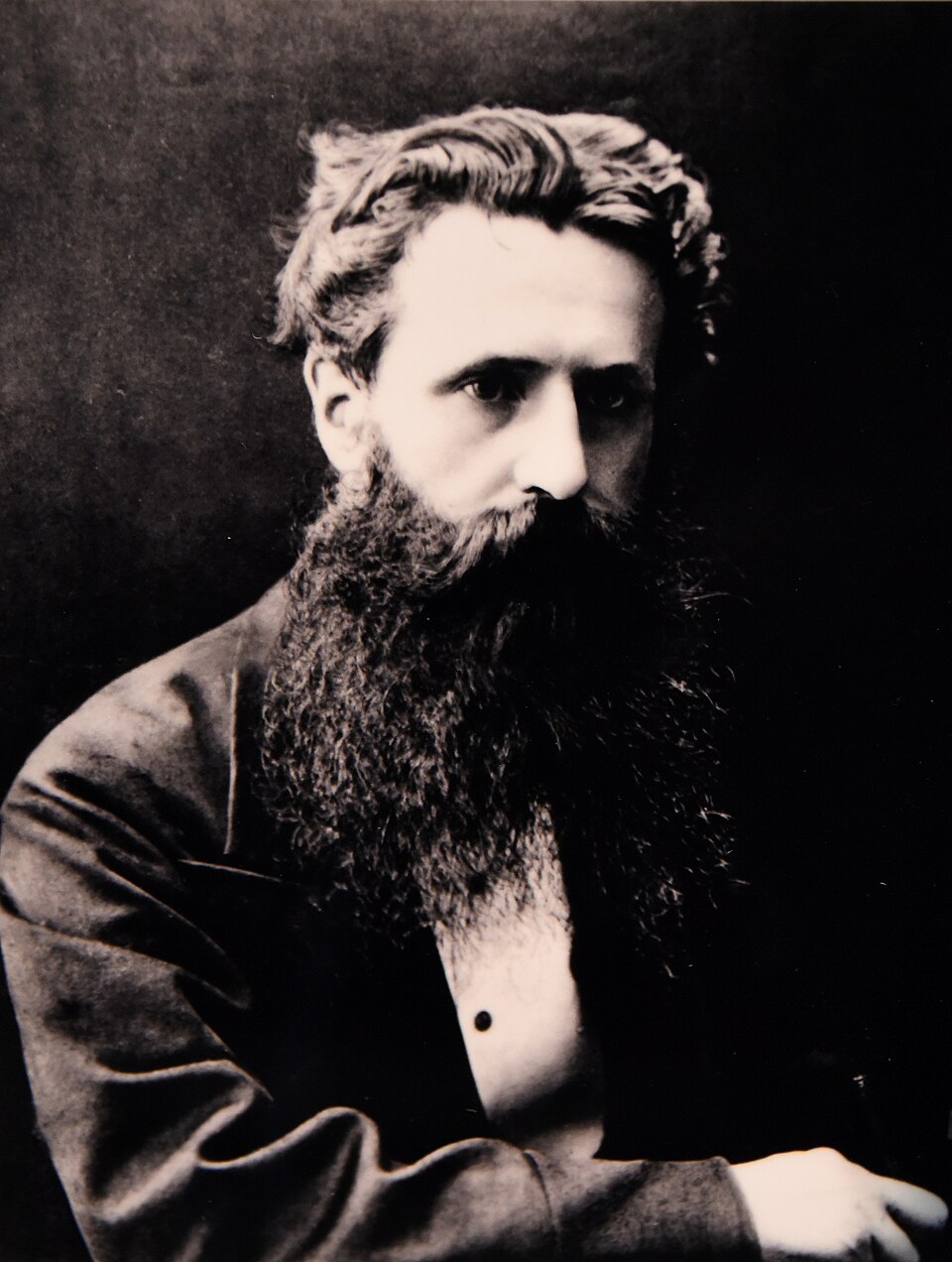
Mr. George Smith, the man who transliterated and read the so-called the Babylonian Flood Story of Tablet XI. Photo: Osama Shukir Muhammed Amin FRCP(Glasg) / Wikimedia Commons. Lets readers see the actual person whose 1872 translation announcement is the paragraph’s pivotal event,…. Source
British Museum Flood Tablet. Photo: Wikimedia Commons. Image placed by the paper writer as visual evidence for this passage. Source . The excitement was immediate, and the find transformed biblical scholarship. But here’s what Smith could not have known from that single tablet: the Gilgamesh flood account he had just revealed was itself a late literary graft, added by the editor Sîn-lēqi-unninni sometime between the 13th and 10th centuries BCE — and it was not part of the original Old Babylonian Gilgamesh at all.
Twenty-one years later, in 1893, a University of Pennsylvania expedition excavating at Nippur uncovered a fragmentary tablet that Arno Poebel first translated in 1912 — the Sumerian Eridu Genesis, dated by paleography to c. 1600 BCE, with Samuel Noah Kramer concluding that Ziusudra “had become a venerable figure in literary tradition by the middle of the third millennium BC”. Only about a third of the tablet survives, with the flood portion especially damaged. The geography here is striking: the Sumerian version has Ziusudra’s boat float down the Euphrates into the Persian Gulf and come to rest on the island of Dilmun — distinct from the Akkadian “mountain” landing and from the Genesis scenario. [11]
The colophon of the best-preserved Atrahasis tablet dates to the reign of Ammi-Saduqa, 1646–1626 BCE, fixing the Old Babylonian Atrahasis Epic firmly in the 17th century BCE and placing it chronologically between Ziusudra and Utnapishtim. Multiple scholarly analyses argue the biblical flood story derives from this text rather than from Gilgamesh Tablet XI itself, based on narrative voice — Atrahasis speaks of the flood in the third person, while Gilgamesh’s Utnapishtim narrates in the first — and on the preserved primeval context that Gilgamesh strips away when it extracts the flood from its cosmological setting. Tellingly, Utnapishtim is called “Atrahasis” within Gilgamesh Tablet XI (lines 49 and 197), a cognomen that all but admits the borrowing. The plot parallels between Gilgamesh XI and Genesis remain real — divine warning, ark construction, preserved animals, vessel landing on a mountain, birds released (dove, swallow, and raven in Gilgamesh; dove and raven in Genesis), and a post-flood sacrifice whose odor pleases the deity — but the voice and the framing point to Atrahasis as the more direct literary ancestor of the Hebrew account. [12] [13]
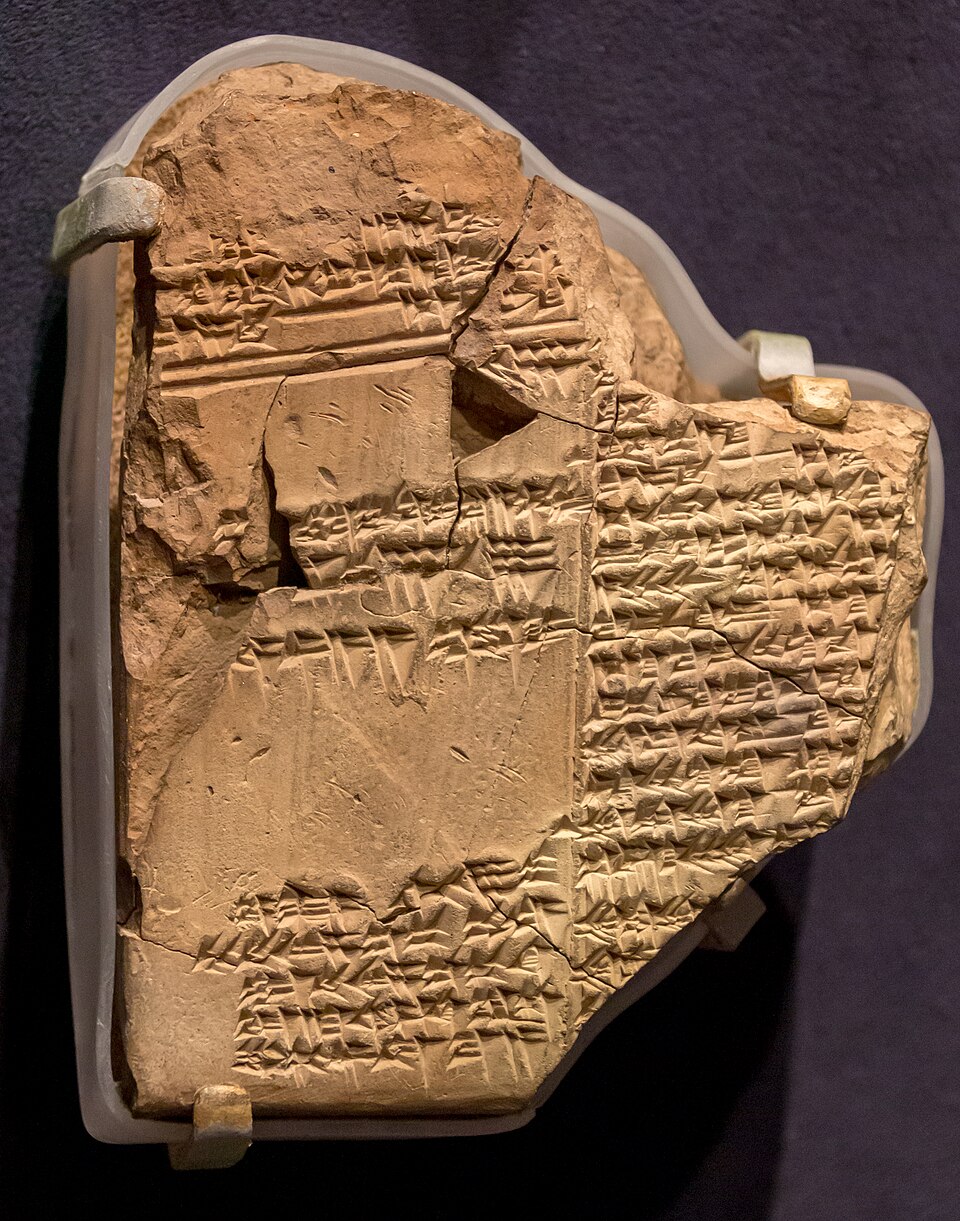
Morgan Library & Museum, New York 2017 35. Photo: Photograph by Mike Peel (www.mikepeel.net). / Wikimedia Commons. The colophon is the specific physical evidence the paragraph invokes to fix the 17th-century BCE…. Source
The biblical flood narrative in Genesis chapters 6 through 9 was probably composed around the 5th century BCE — roughly 1,000 years after Atrahasis was in circulation — and is itself a composite of two interwoven older sources: the Priestly (P) source, linguistically linked to Ezekiel and dated to approximately 600 BCE, and the non-Priestly or Yahwist (J) source. The composite shows in plain view: P gives 150 days of flooding while J gives 40; the two sources give different numbers of animals taken aboard; P’s God is transcendent and cosmic, J’s is emotional and regrets the creation. That the final redacted text preserves both voices argues for a long editing history in which multiple Mesopotamian strands were woven together rather than copied whole from any single source — exactly the pattern a writer familiar with Atrahasis’s third-person primeval framing would produce. [14] [15] [16]
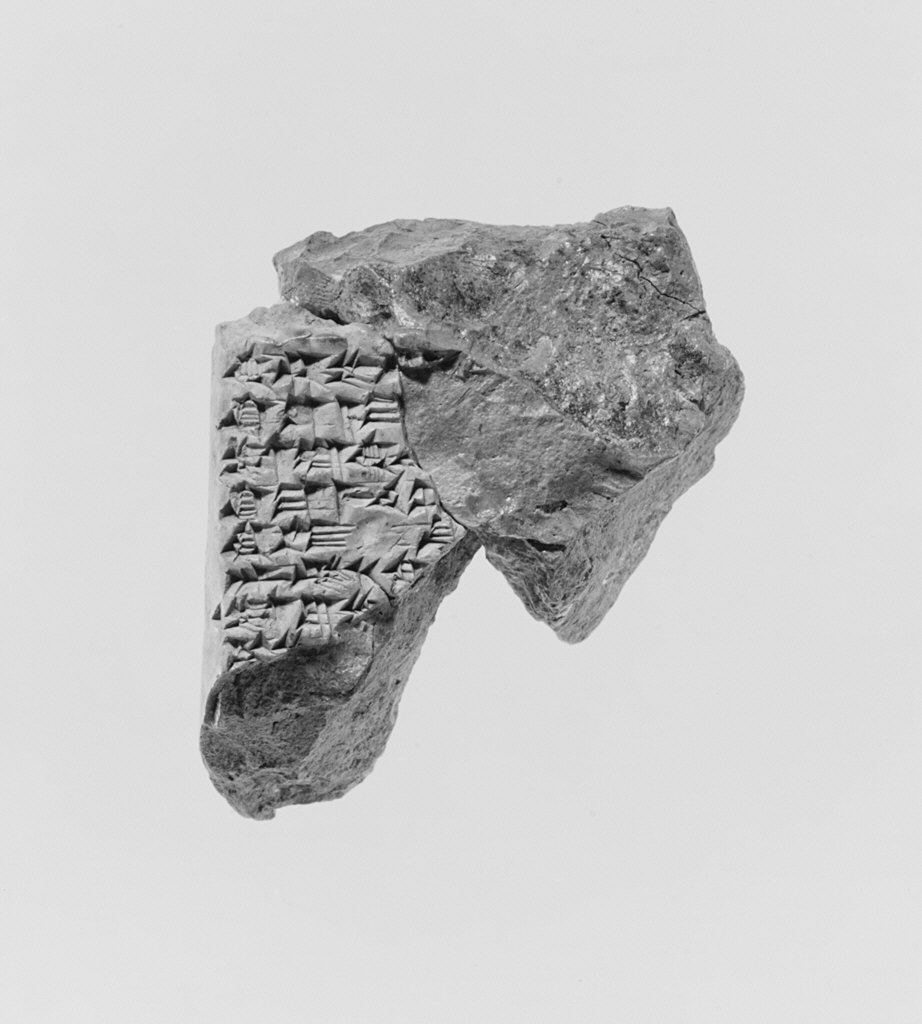
Cuneiform tablet- Atra-hasis, Babylonian flood myth MET 266810. Photo: Wikimedia Commons. Babylonian or Achaemenid; Cuneiform tablet; Clay-Tablets-Inscribed. Source
Shuruppak — modern Tell Fara, roughly 55 km south of Nippur on the Euphrates — is named in cuneiform sources as the home of Ziusudra and listed as the fifth and final antediluvian city in the Sumerian King List. There, beneath Jemdet Nasr period polychrome pottery dated c. 3000–2900 BCE, excavation has documented a sterile alluvial flood stratum approximately 15 inches thick dated to c. 2900–2850 BCE — a real geological event underlying the literary tradition. The Sumerian King List preserves the memory of this break with unusual precision: eight antediluvian kings of five cities — Eridu, Bad-tibira, Larak, Sippar, Shuruppak — reign for a total of 241,200 years in sexagesimal multiples (18,600 to 43,200 each), after which the text states “The Flood swept over,” and “kingship was lowered from heaven” again, this time to Kish. Mesopotamia remembered real floods because floods were a recurrent hazard from the unpredictable Tigris and Euphrates, fed by Zagros and Taurus snowmelt — and the writing tradition that began in the late third millennium BCE captured and amplified that memory into the Eridu Genesis, then the Atrahasis Epic, then Gilgamesh Tablet XI, and ultimately into the composite text of Genesis itself. The literary family tree, traced through narrative voice and motif structure, points clearly to Atrahasis as the direct ancestor of the biblical account, with Gilgamesh Tablet XI itself a derivative compilation along the same branch. [17]
The Cosmic Cataclysm Case: Younger Dryas Impact Evidence
In 2007, a team led by Richard Firestone proposed that one or more extraterrestrial objects detonated over northern North America around 12,900 years ago, triggering the Younger Dryas cold reversal, contributing to Pleistocene megafaunal extinctions, and ending the Clovis Paleoindian culture. The original evidence came from a thin, carbon-rich black layer dated to ~12.9 ka at approximately 50 Clovis-age sites across North America, containing peak abundances of magnetic grains with iridium, magnetic microspherules, charcoal, soot, carbon spherules, glass-like carbon containing nanodiamonds, and fullerenes with extraterrestrial helium-3. This was the foundational claim — not a single crater, but a fragmented comet producing widespread airbursts across the continent. [18]
The strongest corroborating geochemical signal emerged from the GISP2 Greenland ice core. A large platinum anomaly was identified at the Younger Dryas Boundary, spanning approximately 21 years (~12,836–12,815 cal BP) with superchondritic Pt/Al ratios. Critics have pointed out that the highly fractionated Pt/Ir ratio does not allow positive identification of an extraterrestrial source and that an Ir-poor iron meteorite would be inconsistent with the airburst/wildfire scenario central to the hypothesis. Yet proponents counter that a widespread platinum anomaly has now been documented at 11 widely separated North American archaeological sedimentary sequences dated to ~12,800 cal BP, consistent with the GISP2 signal, and at White Pond, South Carolina, where a Pt and Pt/Pd anomaly within a 2-cm section dated to 12,785 ± 58 cal yr BP precedes a decline in coprophilous spores and correlates with abrupt peaks in soot and aciniform carbon. [19]
The nanodiamond evidence has been both championed and contested. Kennett and colleagues reported abundance peaks in 24 dated stratigraphic sections across 10 Northern Hemisphere countries at the YDB layer (~12,800 ± 150 cal BP), with bulk-sediment concentrations up to ~500 ppb (mean ~200 ppb) and carbon-spherule abundances up to ~3,700 ppb. Independent reanalysis by Daulton found no evidence for lonsdaleite (hexagonal diamond) or a spike in nanodiamond concentration at the YDB layer, with previous lonsdaleite identifications reinterpreted as graphene/graphane aggregates and ‘n-diamond’ as nanocrystalline copper. Proponents maintain Tian et al.’s independent identification of a cubic nanodiamond peak at Lommel, Belgium, and argue the broader proxy suite — nanodiamonds, exotic microspherules, platinum enrichment, and shocked quartz at more than 50 YDB sites on five continents — remains reproducible. [20]
The most geographically significant extension came from Pilauco in Chilean Patagonia (~40°S), the first major YDB site documented at high southern latitudes. Pino et al. reported peak YDB concentrations of platinum, gold, high-temperature iron- and chromium-rich spherules, native iron particles, and a major biomass-burning charcoal peak at ~12,800 years ago, coinciding with megafaunal disappearances and vegetation shifts antiphased with Northern Hemisphere cooling. At Abu Hureyra, Syria, Kennett et al. documented meltglass formed at temperatures exceeding 2,200°C containing chromium-, iron-, nickel-, sulfide-, titanium-, platinum-, and iridium-rich phases, interpreted as direct evidence of a low-altitude airburst by a comet fragment coinciding with the earliest known continuous cultivation of cereals and legumes. [21]
The marine record extended the case further. YDB impact-related proxies — microspherules, meltglass, nanodiamonds, platinum, and iridium peaks — were reported in deep marine sediments from Baffin Bay at water depths of 0.5–2.4 km, locations described by proponents as minimizing modern anthropogenic contamination potential. The original Hiawatha impact crater beneath the Greenland Ice Sheet, initially proposed as possible YD-age evidence, has been redated to 57.99 ± 0.54 million years ago via ⁴⁰Ar/³⁹Ar and U-Pb analysis of shocked zircon, ruling out any connection to the Younger Dryas — a defeat proponents have acknowledged by pivoting to a fragmented-comet model requiring no single crater. [22] [23]
The Mainstream Verdict: Counter-Evidence, Real Floods, and the Dating Problem
On April 24, 2025, Scientific Reports formally retracted Bunch et al.’s 2021 paper claiming a Tunguska-scale cosmic airburst destroyed the Middle Bronze Age city of Tall el-Hammam in the Jordan Valley around 1650 BCE, after editors concluded the proposed destruction mechanism “appears to not be sufficiently supported by the data”. The retraction came 187 critical PubPeer comments deep, far exceeding its scholarly citations. But the Tall el-Hammam episode was just the most visible casualty in a broader scientific reckoning that has been quietly dismantling the Younger Dryas Impact Hypothesis (YDIH) since its 2007 debut. [24]
The comprehensive refutation arrived on December 1, 2023, when Vance Holliday and twelve co-authors published a ~96,000-word takedown in Earth-Science Reviews concluding the YDIH should be rejected. Their critique catalogued five categories of failure: no craters identified dating to the Younger Dryas onset; nano-to-microscopic physical evidence plagued by identification, measurement, and interpretation problems; most purported indicators associated with terrestrial processes rather than uniquely impact-related phenomena; very few sites with high-precision dating to 12.9 ka; and a conspicuous absence of environmental cataclysm signatures in geomorphic and paleobotanical records. The most devastating technical blow came earlier, in 2014, when Meltzer, Holliday, Cannon, and Miller examined 29 sites where YDIH proponents claim a Younger Dryas Boundary (YDB) impact layer and found that only 3 fall within the temporal window of the YD onset (~12,800 cal BP); the remainder lacked age control entirely, relied on chronologically irrelevant radiometric dates, or depended on flawed age-depth interpolations. Independent reanalysis by Daulton and colleagues failed to replicate the cornerstone nanodiamond evidence, concluding that what proponents had identified as hexagonal diamond (lonsdaleite) and “n-diamond” was actually graphene/graphane-oxide aggregates and nanocrystalline copper. Then came February 2026: PLOS ONE retracted two more YDIH-supporting papers in a single day, including the Baffin Bay marine-core study and the shocked-quartz paper at three classic Clovis sites (Murray Springs, Blackwater Draw, and Arlington Canyon), citing problems with age models, sampling strategy, undisclosed AI tool use, 43 incorrect citations, and the misidentification of foraminifera as cosmic spherules. The Hiawatha crater beneath the Greenland Ice Sheet, briefly floated in 2018 as a possible YD-age impact structure, was redated in 2022 to 57.99 ± 0.54 million years, putting it in the Late Paleocene and effectively ruling it out as the Younger Dryas impactor. [25]
But here is the part that often gets lost in the partisan sparring: real catastrophic floods did happen at 12,900 years BP. The geological record documents them with unambiguous precision. Teller, Leverington, and Mann identified a 9,500 km³ outburst from glacial Lake Agassiz routed through the Great Lakes–St. Lawrence drainage system, preceding the Younger Dryas cooling at approximately 12,900–11,600 years ago. Glacial Lake Missoula released a lake 2,000 feet deep, containing more than 500 cubic miles of water, at peak discharge approximately ten times the combined flow of all the world’s rivers, with flood speeds reaching 65 mph and drainage times as short as 48 hours, somewhere between 20 and 100 times during the last glacial cycle. These were not theoretical constructs. The Missoula floods carved the Channeled Scablands, deposited enormous gravel bars in the Columbia Valley, and left physical traces measurable today with radiocarbon dating. Yet both events have terrestrial explanations: the freshwater pulse from Lake Agassiz weakened the Atlantic Meridional Overturning Circulation, the climate mechanism already corroborated by paired ¹⁴C and ²³⁰Th coral dating showing an atmospheric ¹⁴C/¹²C drop during the YD consistent with reduced ocean ventilation. The Missoula floods reshaped regional geomorphology without any need for cosmic intervention. The mainstream paleoclimate explanation is not denial of catastrophe but identification of its actual cause: a 9,500 km³ freshwater flood capable of reorganizing global ocean circulation, not a fragmented comet. [26]
This brings the chronological problem into sharp focus. The YD began at approximately 12,870 ± 30 years BP, with some of the most rapid climate transitions in the geological record, including deuterium excess shifts within 1 to 3 years, making the window between event and present larger than the entire span of agriculture. If an extraterrestrial impact occurred at 12,800 years BP and wiped out the Clovis technocomplex along with most North American megafauna, this would mark the most consequential single event in post-glacial human history. Yet the surviving evidence for it is nano-to-microscopic, irreproducible in independent tests, and concentrated at sites whose dating fails to cluster at the proposed 12,800-year window. Meanwhile, oral traditions attempting to link cross-cultural flood memories to a single cosmic event face an even starker chronological gulf. Australian Aboriginal coastal-drowning stories may extend back more than 7,000 years, and Nunn’s corpus of 21 documented traditions from around the Australian coast is argued to encode postglacial sea-level rise observations. But 7,000 years is a long way from 13,000 years, and the academic literature does not systematically bridge that gap. [27]
Connecting the Dots
The mainstream scientific explanation for the Younger Dryas cooling, dated to approximately 12,900–11,700 years BP, attributes the event to a freshwater pulse from glacial Lake Agassiz into the North Atlantic that weakened the Atlantic Meridional Overturning Circulation, not to an extraterrestrial impact. Palaeoceanographic 231Pa/230Th proxy data documents coherent AMOC slowdown during deglaciation consistent with this freshwater-forcing mechanism, and a 9,500 km³ outburst from Lake Agassiz routed through the Great Lakes–St. Lawrence drainage system at ~12,900 BP provides the physical mechanism. Under this framework, the 200–500+ global flood myths catalogued by researchers represent local memories of recurring catastrophic floods that became culturally amplified into cosmic narratives. [28] [29] [30] [31]
But the structural coherence of those flood myths exceeds what independent invention would predict. Statistical analysis of over 200 flood legends shows recurring motifs: 95% describe a worldwide flood, 88% favor a particular family, 70% involve boat survival, 66% attribute the flood to human wickedness, and 57% end on a mountain. Detailed parallels exist between the Sumerian Eridu Genesis, the Babylonian Atrahasis and Gilgamesh epics, and the biblical Genesis flood narrative, including shared motifs of divine warning, boat construction, animal rescue, sealing with pitch, release of birds, and landing on a mountain. The earliest written flood narratives are Sumerian cuneiform tablets from the late third millennium BCE (~1600 BCE for Ziusudra), representing a ~10,000-year gap before the first written attestation of any deluge tradition. That gap is bridged by oral transmission: peer-reviewed archaeological work supports the proposition that oral traditions can transmit accurate geographic and topical information across at least ten millennia, with documented examples of Aboriginal Australian oral traditions preserving coastline information dating to ~10,000 years ago. [6]
The geological correlates are precisely dated to the right epoch regardless of which trigger initiated the YD cooling. Glacial Lake Missoula released water at roughly ten times the combined flow of all world rivers at peak discharge, with more than 25 documented floods carving the Columbia River valley. Lake Agassiz underwent an abrupt level fall at ~12.9 cal ka BP, coincident with the YD onset, exposing its floor for more than 1,000 years [32]. Montgomery’s geomythology framework demonstrates that flood myths vary systematically by ecological setting—coastal (Fiji, Tahiti), glacial-dammed (Tibetan, Norse Ymir), and riverine (Mesopotamian, Biblical)—paralleling the Missoula floods, Tibetan glacial-dam ruptures, and Tigris–Euphrates overbank events documented in the geological record. The YD itself was geologically abrupt, with central Greenland temperatures falling 9–14°C within a single year, accompanied by extinction of approximately three-fourths of megafaunal mammal genera in the Americas.
Where independent lines of evidence converge unexpectedly is on the timing and magnitude of flooding at ~12,900 BP. Whether the YD cooling was initiated by a cosmic impact—as the Firestone et al. 2007 hypothesis proposes, citing a carbon-rich black layer at ~50 Clovis-age sites with claimed impact markers including magnetic microspherules and glass-like carbon with nanodiamonds—or by freshwater forcing from Lake Agassiz, the geological signature is the same: massive flooding events that reorganized North Atlantic circulation. Independent platinum anomalies at the YDB have been documented at multiple sites including White Pond, South Carolina, and at Pilauco, Chile (~40°S), making it the first major YDB site at high southern latitudes. Yet a study analyzing platinum group elements across time-equivalent sections found no extraterrestrial PGE enrichment at the YD transition, and the Greenland Hiawatha impact structure has been redated to ~58 million years ago—far too old to be the YD impactor [33].
The Other Side
The chronological scaffolding of the Younger Dryas Impact Hypothesis has not held up to independent scrutiny. Meltzer, Holliday, Cannon, and Miller (2014, PNAS) examined 29 reported Younger Dryas Boundary sites across North and South America, Europe, and the Middle East and found that only three fall within the temporal window YDIH proponents themselves define for the YD onset, with most sites suffering from inadequate age control, radiometric dates bearing no chronological relationship to the proposed event, or statistically indefensible age-depth interpolations. Subsequent Bayesian reanalyses have reached the same conclusion, with radiocarbon simulations explicitly failing to support the temporal synchroneity the hypothesis requires [34]. The Hiawatha crater beneath the Greenland Ice Sheet, once floated as potential physical evidence for a YD-age impact, was redated by Kenny et al. (2022) to 57.99 ± 0.54 million years ago through 40Ar/39Ar analysis of glaciofluvial sand and U-Pb dating of shocked zircon from impact melt rock [35]. Even James Kennett, a leading YDIH proponent, acknowledged afterward that the structure is unrelated to the Younger Dryas. Three additional papers tied to the Comet Research Group have been formally retracted: Bunch et al. (2021) on Tall el-Hammam was pulled on 24 April 2025, and two 2025 PLOS ONE papers, including the Baffin Bay marine-core study, were retracted on 11 February 2026 over data-integrity issues including misidentified foraminifera, undisclosed AI use, and radiocarbon calibration errors.
Independent replication efforts have failed to confirm the microstructural signatures that YDIH treats as diagnostic. Daulton, Pinter, and Scott’s comprehensive analyses (2010, 2017) found no lonsdaleite and no nanodiamond spike at YDB sites, identifying graphene/graphane-oxide aggregates and nanocrystalline copper that had been misidentified as impact diamond phases. Paquay et al. (2009, PNAS) detected no extraterrestrial platinum-group-element enrichment across time-equivalent marine and terrestrial sections spanning the Bølling-Allerød/Younger Dryas transition. The GISP2 platinum spike that Petaev et al. (2013) attributed to a cosmic event has been redated and reanalyzed, with Cheng et al. (2020) finding the platinum anomaly lags the initial YD cooling by roughly fifty years and a separate PLOS ONE study identifying a plausible volcanic origin. On the megafaunal extinction question, multiple radiocarbon-based chronologies point to human predation rather than a single cataclysm, while the Younger Dryas “black mats” that YDIH proponents cite as impact fallout have been shown under micromorphological analysis to be wetland sediments unrelated to airburst deposition. [36] [37]
A robust non-impact explanation for YD cooling has, in the meantime, accumulated independent corroboration. Norris et al. (2021) document catastrophic drainage of glacial Lake Agassiz releasing approximately 21,000 km³ at peak discharge of around 2 million m³/s, roughly ten times the Amazon’s average flow, into the North Atlantic at the YD onset. 231Pa/230Th paleoceanographic proxies, paired 230Th/14C coral records from the Huon Peninsula showing a 15% atmospheric Δ14C drop, and coupled ocean-atmosphere model experiments all corroborate a freshwater-forcing → AMOC weakening → YD cooling mechanism. This freshwater routing framework is independently corroborated by δ18O transects in North Atlantic cores and by surface freshening signatures preserved in late-YD subpolar sediments. The chronology also lines up cleanly: meltwater routing changes at 14,600 years ago precede the YD by several centuries, and the Laacher See volcanic eruption has been redated via dendrochronology to 13,006 ± 9 cal yr BP, leaving no clear volcanic trigger for the YD boundary either [38].
What We Actually Know
The case for connection starts with breadth. Flood narratives appear in at least 200 to 500 distinct traditions across Mesopotamia, the Hebrew Bible, Hindu, Greek, Norse, Aboriginal Australian, and American Indian sources, sharing remarkably consistent motifs: divine warning, vessel construction, animal preservation, sealed boat, birds released to test receding waters, and landing on a mountain. The earliest directly datable written flood narratives cluster in ancient Mesopotamia — the Sumerian Eridu Genesis, the Old Babylonian Atrahasis Epic (~17th century BCE), and Tablet XI of the Standard Babylonian Gilgamesh Epic — with the Genesis account derived most directly from the Atrahasis source rather than Gilgamesh. Archaeological excavations at Ur, Kish, and Shuruppak document discrete localized flood deposits from repeated Tigris–Euphrates overbank events, not a single global deluge, and flood deposits are absent from sites only kilometers away. These are facts, not speculation. [11]
The Younger Dryas itself is equally solid: an abrupt climate event from approximately 12,900 to 11,700 years BP featuring Northern Hemisphere cooling of up to 10°C over Greenland, with the mainstream explanation centered on a massive freshwater pulse from proglacial Lake Agassiz (~9,500 km³ at ~12,900 BP) that weakened the Atlantic Meridional Overturning Circulation. The Younger Dryas Impact Hypothesis was formally proposed by Firestone et al. (2007) based on a carbon-rich black layer at ~50 Clovis-age sites containing magnetic grains with iridium, microspherules, nanodiamonds, and fullerenes with extraterrestrial helium. The counter-evidence is equally well-documented: the comprehensive Holliday et al. (2023) rejection citing the absence of confirmed YD-age impact craters, failed nanodiamond replication by Daulton et al. (2010, 2017), Meltzer et al. (2014) showing only 3 of 29 YDB sites fall within the YD temporal window, the Hiawatha crater now dated to 57.99 ± 0.54 million years ago ruling out any YD connection, and the retraction of the Tall el-Hammam airburst paper [39].
A middle tier of evidence sits between solid and speculative. Independent YDB proxies have been reported at the Pilauco site in southern Chile, in Baffin Bay deep marine sediments, at White Pond South Carolina with a platinum anomaly at 12,785 ± 58 cal yr BP, and in the GISP2 ice core — though the Pt anomaly appears to lag YD cooling onset by ~50 years rather than triggering it. Sweatman (2021) and Powell (2022) characterize the mainstream rejection as premature, drawing parallels to the historical rejection of continental drift and arguing that independent studies have reproduced evidence at dozens of sites. Dorothy Vitaliano’s geomythology framework — that oral traditions preserve memory of real geological events — is illustrated by Pacific Northwest traditions matching the January 26, 1700 Cascadia earthquake documented in Japanese temple records. The Black Sea flooding hypothesis (Ryan and Pitman, ~5600 BCE) offers one candidate for the historical kernel behind Mesopotamian flood traditions, though the catastrophic version is challenged by sapropel deposits indicating sustained Mediterranean-Black Sea interaction for at least 10,000 years. [40]
The most speculative layer is where the case for connection weakens. No peer-reviewed study has independently dated any non-literate flood tradition to ~12,900 BP, and no documented oral tradition has been shown to persist with accurate environmental detail across the ~13 millennia separating the Younger Dryas from the earliest written attestations of flood myths. The structural evidence against a single-event interpretation is significant: flood myths vary systematically by ecological setting, with coastal myths describing ocean-borne waves without rainfall, Arctic and alpine myths describing glacial-dammed lake outbursts, and riverine myths describing sustained rainfall and rising rivers — a pattern predicted by local-encoding models but not by single-catastrophe explanations. The methodological vulnerabilities of recent YDB proxy claims at Pilauco, Baffin Bay, and White Pond include bioturbation, sediment focusing, and post-depositional mobility of platinum-group elements in organic-rich settings, with no independent replication yet. The hypothesis is primarily promoted in alternative media by figures like Graham Hancock, Randall Carlson, and Allen West rather than through mainstream peer-reviewed venues. [41] [42] [43]
The biggest unanswered question is whether a single cosmic event at ~12,900 BP could plausibly generate the global pattern of flood myths across continents with independent oral traditions. The documented constraints — no confirmed YD-age impact crater (Hiawatha dated to 57.99 Ma), failed replication of key impact diagnostics like nanodiamonds, and systematic ecological variation in flood-myth structure that local-encoding models explain but single-catastrophe models do not — leave no mechanism currently bridging the gap between the proposed cataclysm and the documented narrative distribution [39].
References
[1] Yale Alumni Association - YACOLF21 Flood Myths — https://yale.imodules.com/YACOLF21FloodMyths (accessed 2026-07-06)
[2] Colonial perceptions on the global account of the Flood myth … — https://100histories100worlds.org/the-flood-myth/ (accessed 2026-07-06)
[3] R. B. Firestone, A. West, J. P. Kennett, L. Becker, T. E. Bunch, Z. S. Revay, P. H. Schultz, T. Belgya, D. J. Kennett, J. M. Erlandson, O. J. Dickenson, A. C. Goodyear, R. S. Harris, G. A. Howard, J. B. Kloosterman, P. Lechler, P. A. Mayewski, J. Montgomery, R. Poreda, T. Darrah, S. S. Que Hee, A. R. Smith, A. Stich, W. Topping, J. H. Wittke, and W. S. Wolbach (2007). Evidence for an extraterrestrial impact 12,900 years ago that contributed to the megafaunal extinctions and the Younger Dryas cooling. Proceedings of the National Academy of Sciences. DOI: 10.1073/pnas.0706977104 (accessed 2026-07-06) [Academic]
[4] Legends of the Flood - Apologetics Press — https://apologeticspress.org/legends-of-the-flood-64/ (accessed 2026-07-06)
[5] Traditions of a Global Flood | The Institute for Creation Research — https://www.icr.org/content/traditions-global-flood (accessed 2026-07-06)
[6] The Great Flood: Comparison - Livius.org — https://www.livius.org/articles/misc/great-flood/flood6-parallels/ (accessed 2026-07-06)
[7] The Real Landscapes of the Great Flood Myths - Nautilus — https://nautil.us/the-real-landscapes-of-the-great-flood-myths-235476 (accessed 2026-07-06)
[8] Deluge of Noah - International Standard Bible Encyclopedia Online — https://www.internationalstandardbible.com/D/deluge-of-noah.html (accessed 2026-07-06)
[9] Artefact in focus: The Flood Tablet - Tyndale House — https://tyndalehouse.com/2024/10/09/the-flood-tablet/ (accessed 2026-07-06)
[10] tablet | British Museum — https://www.britishmuseum.org/collection/object/W_K-3375 (accessed 2026-07-06) [Reputable]
[11] Eridu Genesis - World History Encyclopedia — https://www.worldhistory.org/Eridu_Genesis/ (accessed 2026-07-06)
[12] The Mesopotamian Origin of the Biblical Flood Story - TheTorah.com — https://www.thetorah.com/article/the-mesopotamian-origin-of-the-biblical-flood-story (accessed 2026-07-06)
[13] Noah — https://en.wikipedia.org/wiki/Noah (accessed 2026-07-06) [Reputable]
[14] The Great Flood: Genesis’ two sources - Livius.org — https://www.livius.org/articles/misc/great-flood/flood1-t-bible_2/ (accessed 2026-07-06)
[15] Comparing the Two Flood Stories of Genesis — https://jamesbishopblog.com/2022/05/26/comparing-the-two-flood-stories-of-genesis/ (accessed 2026-07-06)
[16] Genesis flood narrative — https://en.wikipedia.org/wiki/Genesis_flood_narrative (accessed 2026-07-06) [Reputable]
[17] Eridu Genesis - Livius — https://www.livius.org/sources/content/oriental-varia/eridu-genesis/ (accessed 2026-07-06)
[18] Evidence for an extraterrestrial impact 12,900 years ago that … - PNAS — https://www.pnas.org/doi/10.1073/pnas.0706977104 (accessed 2026-07-06) [Academic]
[19] M. I. Petaev, Shichun Huang, S. B. Jacobsen, and Alan Zindler (2013). Large Pt anomaly in the Greenland ice core points to a cataclysm at the onset of Younger Dryas. Proceedings of the National Academy of Sciences. DOI: 10.1073/pnas.1303924110 (accessed 2026-07-06) [Academic]
[20] Charles R. Kinzie, Shane S. Que Hee, A. Stich, Kevin A. Tague, Chris Mercer, Joshua J. Razink, Douglas J. Kennett, Paul S. DeCarli, T. E. Bunch, J. H. Wittke, Isabel Israde-Alcántara, James L. Bischoff, Albert C. Goodyear, Kenneth B. Tankersley, David R. Kimbel, Brendan J. Culleton, Jon M. Erlandson, Thomas W. Stafford, J. B. Kloosterman, A. M. T. Moore, R. B. Firestone, J. Emili Aura Tortosa, Jesús Francisco Jordá Pardo, Allen West, James P. Kennett, and Wendy S. Wolbach (2014). Nanodiamond-Rich Layer across Three Continents Consistent with Major Cosmic Impact at 12,800 Cal BP. The Journal of Geology. DOI: 10.1086/677046 (accessed 2026-07-06)
[21] Sedimentary record from Patagonia, southern Chile supports cosmic … — https://www.nature.com/articles/s41598-018-38089-y (accessed 2026-07-06) [Academic]
[22] YDB-Abstracts - Crater Explorer — https://craterexplorer.ca/ydb-abstracts/ (accessed 2026-07-06)
[23] Thousands of Explosions in Hours, No Crater Left Behind [13:40-15:31] — The Cosmic Summit (YouTube) — https://youtu.be/EmcLp1uT5AU?t=820 (accessed 2026-07-06)
[24] RETRACTED ARTICLE: A Tunguska sized airburst destroyed Tall el … — https://www.nature.com/articles/s41598-021-97778-3 (accessed 2026-07-06) [Academic]
[25] [PDF] 40Ar/39Ar AND ZIRCON U–Pb ANALYSES DATE THE HIAWATHA … — https://www.hou.usra.edu/meetings/metsoc2022/pdf/6056.pdf (accessed 2026-07-06) [Academic]
[26] The Cordilleran Ice Sheet and the Missoula Floods - USGS — https://volcanoes.usgs.gov/observatories/cvo/Historical/LewisClark/Maps/map_missoula_floods.shtml (accessed 2026-07-06) [Academic]
[27] Aboriginal Memories of Inundation of the Australian Coast … — https://research.usc.edu.au/esploro/outputs/journalArticle/Aboriginal-Memories-of-Inundation-of-the-Australian-Coast-Dating-from-More-than-7000-Years-Ago/99449181802621 (accessed 2026-07-06) [Academic]
[28] Peter U. Clark, Shawn J. Marshall, Garry K. C. Clarke, Steven W. Hostetler, Joseph M. Licciardi, and James T. Teller (2001). Freshwater Forcing of Abrupt Climate Change During the Last Glaciation. Science. DOI: 10.1126/science.1062517 (accessed 2026-07-06) [Academic]
[29] Syukuro Manabe and Ronald J. Stouffer (1997). Coupled ocean‐atmosphere model response to freshwater input: Comparison to Younger Dryas Event. Paleoceanography. DOI: 10.1029/96pa03932 (accessed 2026-07-06) [Academic]
[30] Peter U. Clark, Jeremy D. Shakun, Paul A. Baker, Patrick J. Bartlein, Simon Brewer, Ed Brook, Anders E. Carlson, Hai Cheng, Darrell S. Kaufman, Zhengyu Liu, Thomas M. Marchitto, Alan C Mix, Carrie Morrill, Bette L. Otto‐Bliesner, Katharina Pahnke, James M. Russell, Cathy Whitlock, Jess F. Adkins, Jessica L. Blois, Jorie Clark, Steven M. Colman, William B Curry, Ben P. Flower, Feng He, Thomas C. Johnson, Jean Lynch‐Stieglitz, Vera Markgraf, Jerry F McManus, J. X. Mitrovica, Patricio I. Moreno, and John W. Williams (2012). Global climate evolution during the last deglaciation. Proceedings of the National Academy of Sciences. DOI: 10.1073/pnas.1116619109 (accessed 2026-07-06) [Academic]
[31] Wilbert Weijer, Wei Cheng, Sybren Drijfhout, Alexey V. Fedorov, Aixue Hu, Laura Jackson, W. Liu, Elaine L. McDonagh, Jenny Mecking, and Jiaxu Zhang (2019). Stability of the Atlantic Meridional Overturning Circulation: A Review and Synthesis. Journal of Geophysical Research Oceans. DOI: 10.1029/2019jc015083 (accessed 2026-07-06) [Academic]
[32] Lake Agassiz during the Younger Dryas - ScienceDirect — https://www.sciencedirect.com/science/article/abs/pii/S0033589413000756 (accessed 2026-07-06) [Academic]
[33] The mysterious Hiawatha crater in Greenland is 58 million years old — https://www.sciencenews.org/article/hiawatha-crater-greenland-age-younger-dryas (accessed 2026-07-06)
[34] (PDF) Radiocarbon simulation fails to support the temporal … — https://www.researchgate.net/publication/339239198_Radiocarbon_simulation_fails_to_support_the_temporal_synchroneity_requirement_of_the_Younger_Dryas_impact_hypothesis (accessed 2026-07-06)
[35] A Late Paleocene Age for Greenland’s Hiawatha Impact … — https://ntrs.nasa.gov/citations/20220008140 (accessed 2026-07-06) [Academic]
[36] François S. Paquay, Steven Goderis, Greg Ravizza, Frank Vanhaeck, Matt Boyd, Todd A. Surovell, Vance T. Holliday, C. Vance Haynes, and Philippe Claeys (2009). Absence of geochemical evidence for an impact event at the Bølling–Allerød/Younger Dryas transition. Proceedings of the National Academy of Sciences. DOI: 10.1073/pnas.0908874106 (accessed 2026-07-06) [Academic]
[37] Absence of geochemical evidence for an impact event at the Bølling … — https://pmc.ncbi.nlm.nih.gov/articles/PMC2799824/ (accessed 2026-07-06) [Academic]
[38] Precise date for the Laacher See eruption synchronizes the Younger … — https://www.repository.cam.ac.uk/items/a439e1ee-4523-4800-b76a-3f77c759f048 (accessed 2026-07-06) [Academic]
[39] A Late Paleocene age for Greenland’s Hiawatha impact … — https://www.science.org/doi/10.1126/sciadv.abm2434 (accessed 2026-07-06) [Academic]
[40] The problems with the Younger Dryas Impact Hypothesis Part 2 — https://archeothoughts.wordpress.com/2024/06/06/the-problems-with-the-younger-dryas-impact-hypothesis-part-2-the-platinum-anomaly/ (accessed 2026-07-06)
[41] A Comet, a Cover-Up, and a Crater in Greenland, ft CRG’s Allen West [67:25-69:10] — The Cosmic Summit (YouTube) — https://youtu.be/UNNRL-QT0oE?t=4045 (accessed 2026-07-06)
[42] Atlantis Location: New Evidence | Graham Hancock & Randall Carlson [32:45-34:39] — The Randall Carlson (YouTube) — https://youtu.be/RTd7HS0IRfo?t=1965 (accessed 2026-07-06)
[43] Why You Must Watch Graham Hancock’s Ancient Apocalypse 2 [9:34-11:11] — Bright Insight (YouTube) — https://youtu.be/KPV_f-gpwDo?t=574 (accessed 2026-07-06)
Keep exploring
Every site on this page sits on the globe, and the people who research them are on the Discord.
3D Globe · Sites by country · Story Archive · Research Library · Weekly Journal · Search