

Archaeological Sites in Cyprus
City/town/settlement in Cyprus (32)
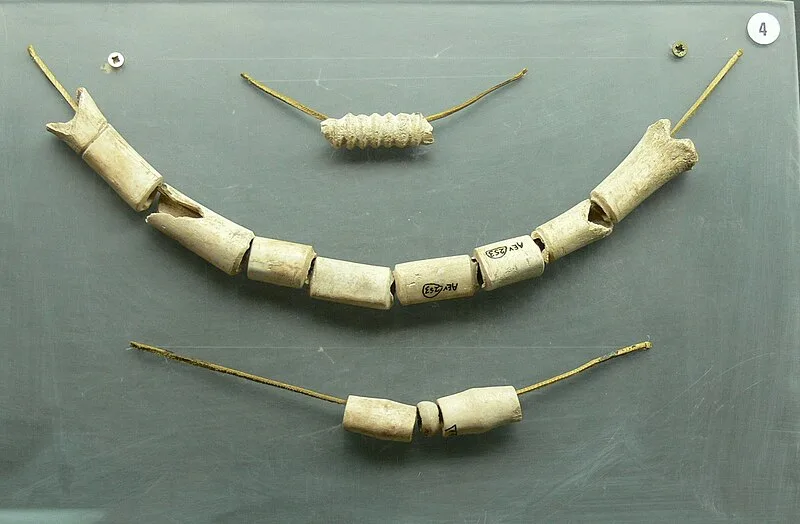
Aghios Epiktitos Vrysi
A Ceramic Neolithic settlement (c. 4400-3900 BC) on a coastal cliff 9 km east of Kyrenia, Cyprus. The partly subterranean village comprised eighteen stone structures built in…
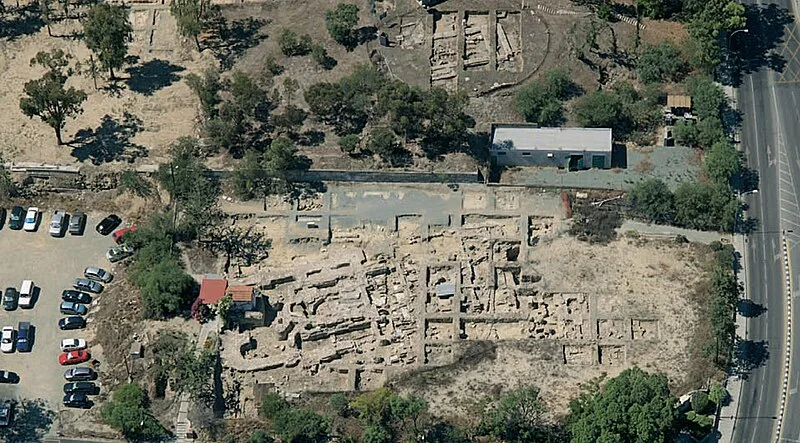
Agios Georgios Hill, Nicosia
A multi-period archaeological site in central Nicosia, Cyprus, with occupation spanning from the Chalcolithic through Byzantine and Lusignan periods. Its Iron Age layers may…
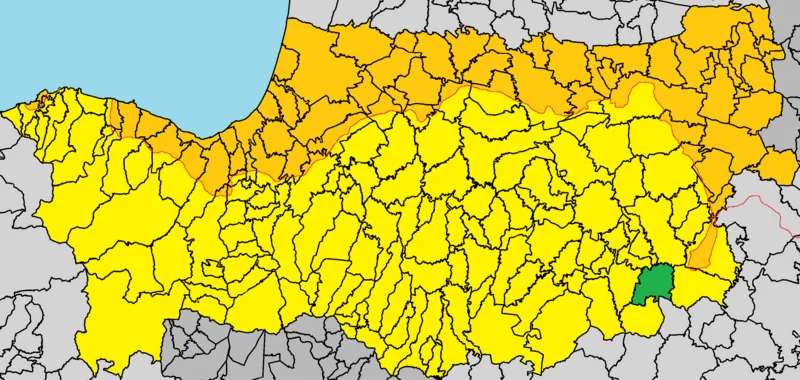
Alampra
A Middle Bronze Age settlement (ca. 1900-1650 BC) in the Nicosia District of Cyprus, excavated by Cornell University between 1974 and 1985 under John E. Coleman. Eight probable…
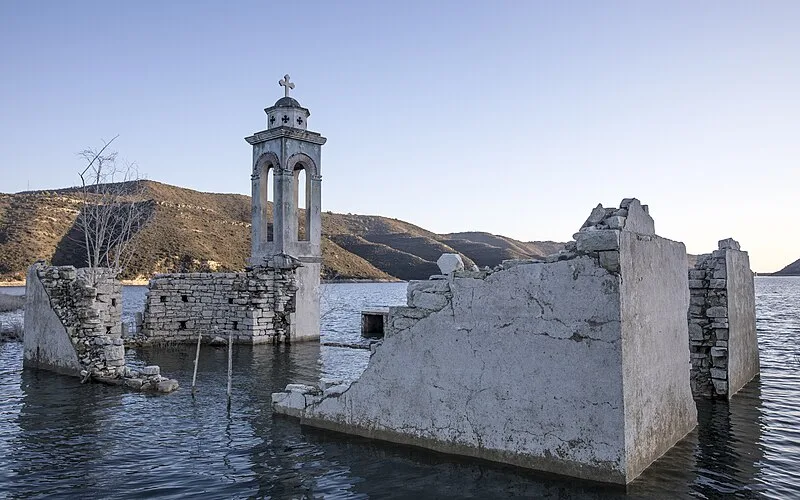
Alassa
Alassa is a Late Bronze Age urban centre in Cyprus, located north of the Kouris Dam in the Limassol District. Excavations since the 1980s have revealed substantial Bronze Age…
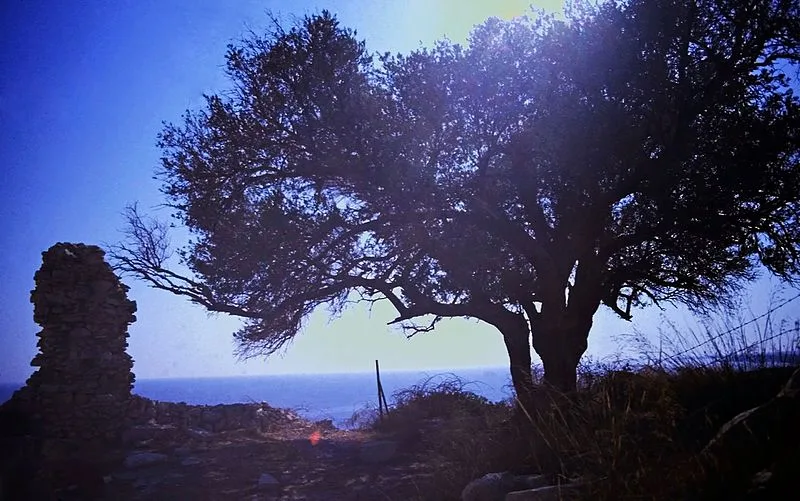
Amathus
Amathus was one of the ancient royal cities of Cyprus until about 300 BC. Located on the southern coast in front of Agios Tychonas, about 9.7 km east of Limassol, the city housed…
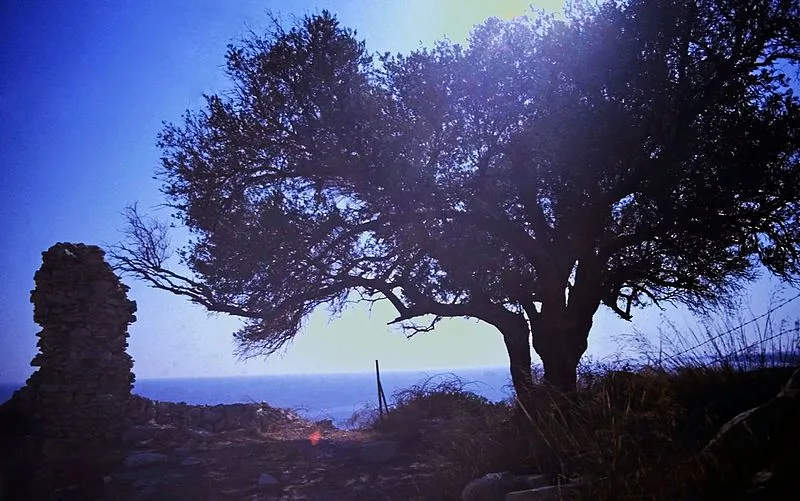
Ancient Amathunta
Ancient Amathus was one of the ancient royal cities of Cyprus, thriving from the Archaic period until its decline around 300 BC. Located on the southern coast near modern Agios…
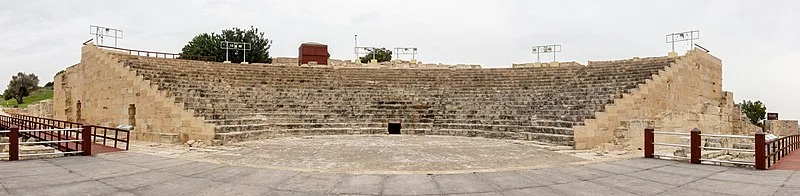
Ancient Kourion
Kourion was an important ancient Greek city-state on the southwestern coast of Cyprus. In the twelfth century BCE, after the collapse of the Mycenaean palaces, Greek settlers from…
Apliki
A Late Bronze Age copper mining and smelting settlement in the Nicosia District of Cyprus, active in the 13th century BC. Situated in the island's richest ore district, which…
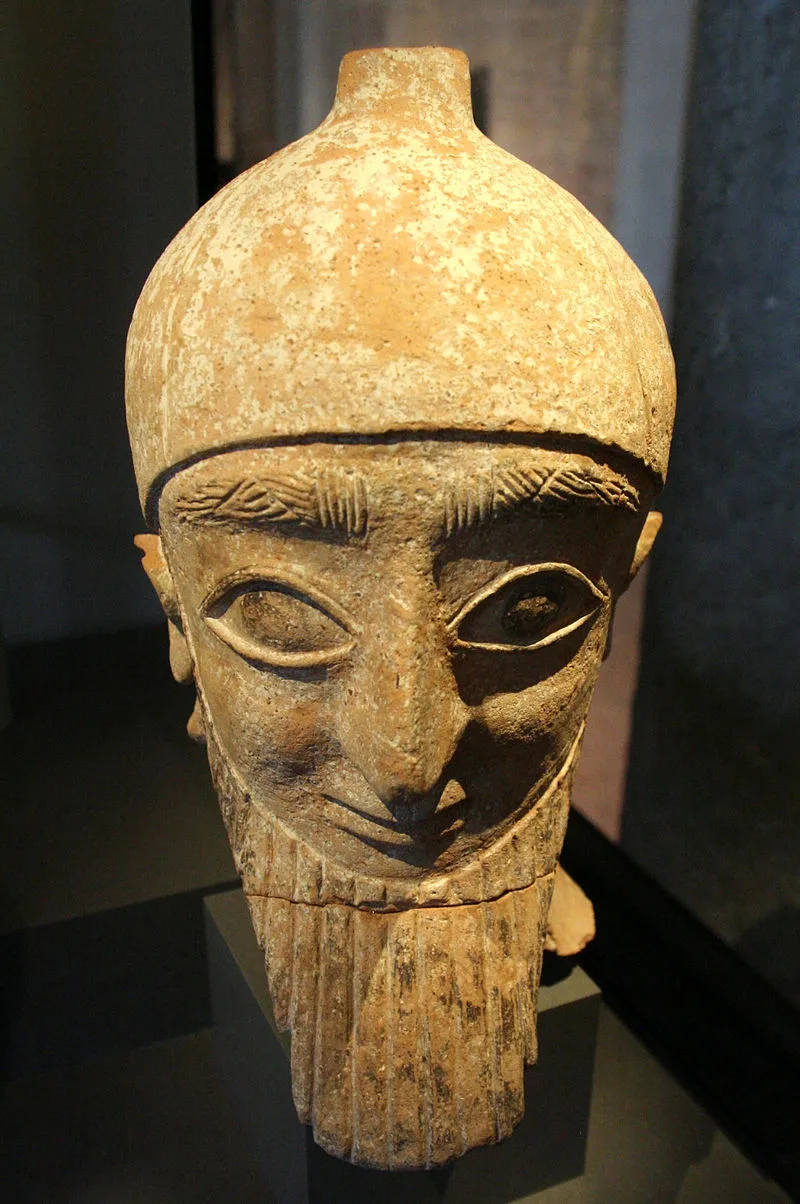
Archaeological Site of Idalion
Ancient city-kingdom in modern Dali, Cyprus, founded on the copper trade in the 3rd millennium BC near the Troodos foothills. Idalion was a centre for worship of the Great Goddess…
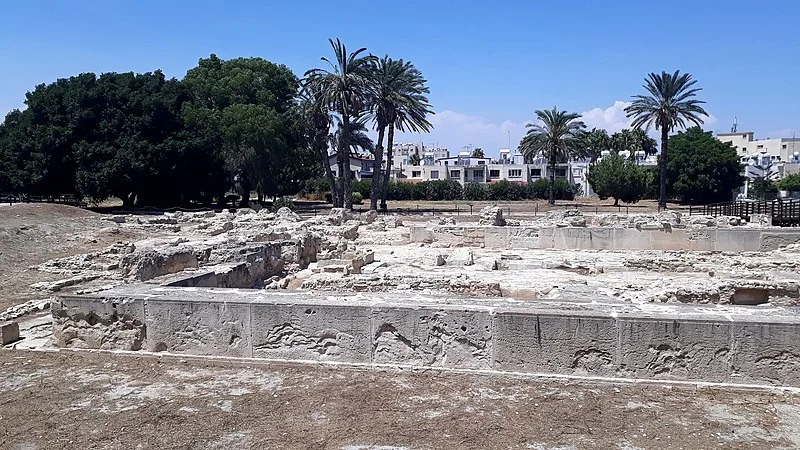
Archaeological Site of Kition
Ancient city-kingdom in present-day Larnaca, Cyprus, established by Mycenaean Achaean settlers in the 13th century BC. After destruction around 1200 BC, the town was rebuilt on a…
Archaeological Site of Palaepaphos
Ancient city-kingdom at modern Kouklia, home to the principal Sanctuary of Aphrodite in the Aegean world, where pilgrims worshipped from the 12th century BC until the Roman ban on…
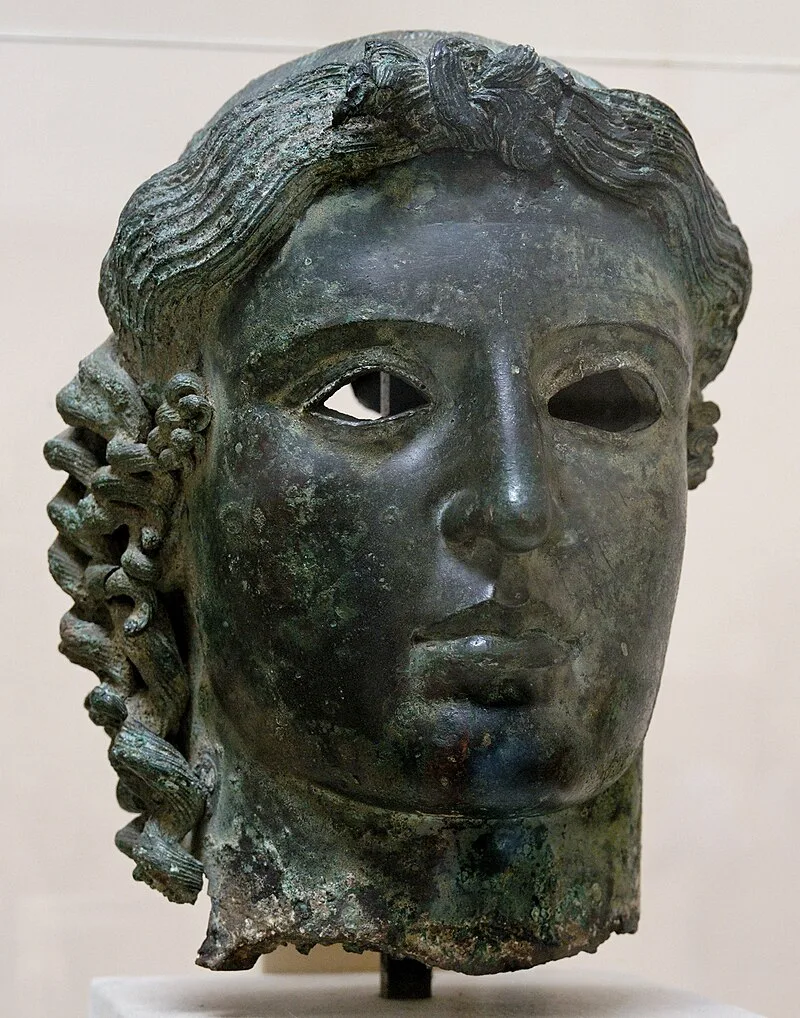
Archaeological Site of Tamassos
One of the ten ancient city-kingdoms of Cyprus, near modern Politiko, likely the Temese mentioned by Homer as the island's principal copper market. Two monumental 6th-century BC…
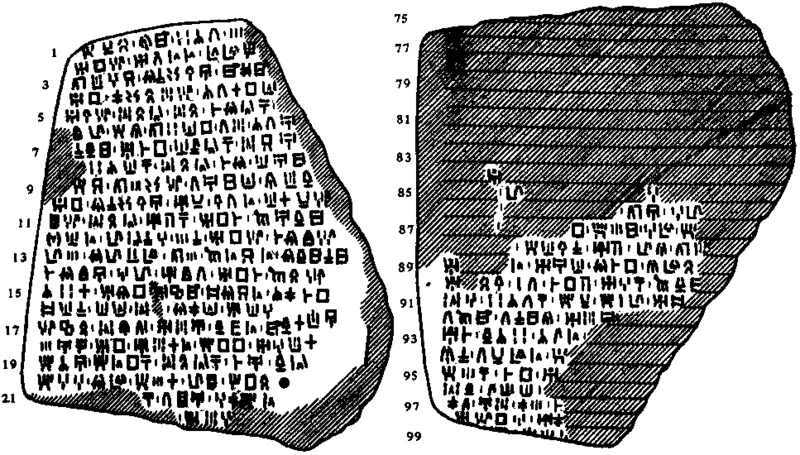
Engomi Ancient City Ruins
Enkomi (also known as Engomi) was a major Late Bronze Age city near Famagusta, Cyprus, occupied from approximately 1650 to 1050 BC. It functioned as a primary copper export hub…
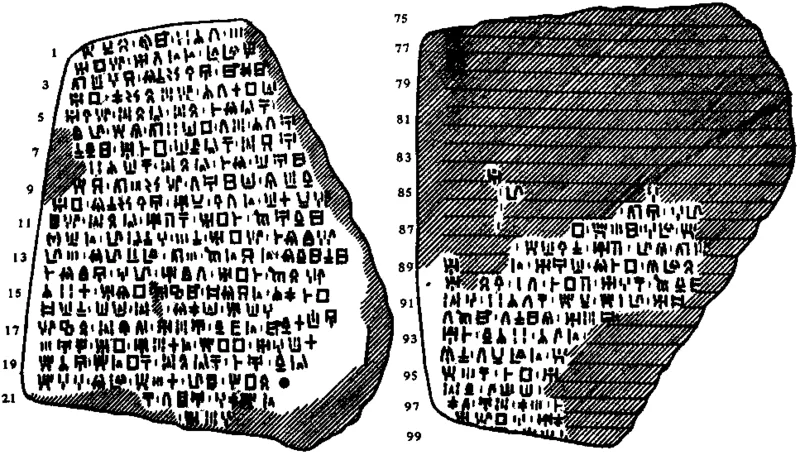
Enkomi
Enkomi was a pivotal Late Bronze Age urban centre near Famagusta in eastern Cyprus, active from approximately 1650 to 1050 BC. The city served as a major copper smelting and…
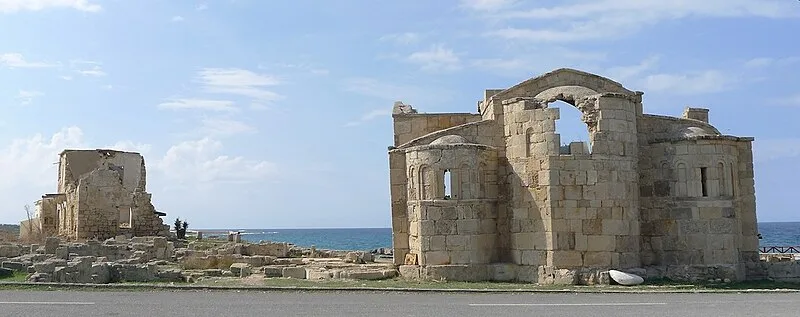
Karpasia - Town
Karpasia (also Karpasion) was an ancient Cypriot city on the northern Karpas Peninsula, located 3 km from modern Rizokarpaso. According to tradition, it was founded by the…
Kastros
Kastros is an early Neolithic settlement in Cyprus, dating to approximately 8000 BC, making it one of the earliest known permanent settlements on the island. Located at the…
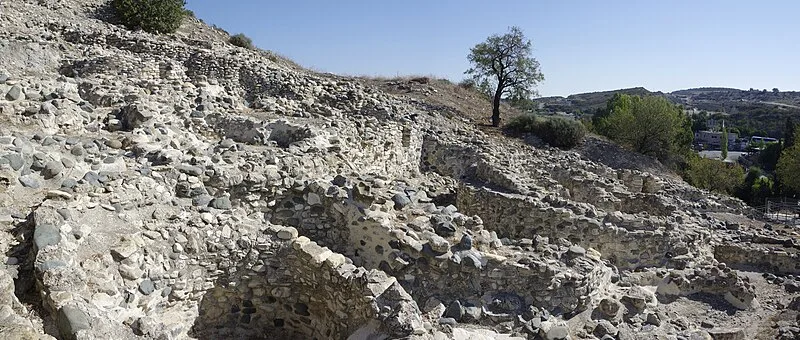
Khirokitia
7th–4th millennium BC: Khirokitia (also spelled Choirokoitia) is a Neolithic archaeological site in Cyprus, designated a UNESCO World Heritage Site in 1998. It is one of the most…
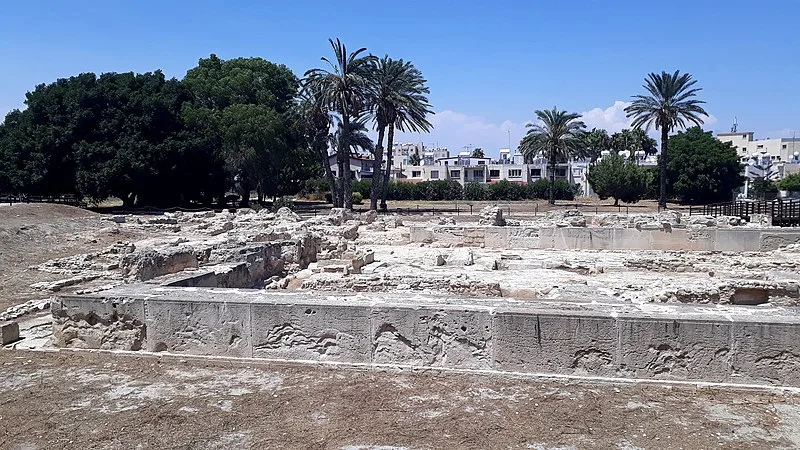
Kition
Kition was an ancient city-kingdom on the southern coast of Cyprus, in present-day Larnaca, established by Mycenaean Achaean settlers in the 13th century BC. Phoenicians from Tyre…
Klimonas
Klimonas is a Pre-Pottery Neolithic A site at Ayios Tychonas in the Limassol District of Cyprus, occupied between 9100 and 8600 BCE. It is the oldest known farming village in the…
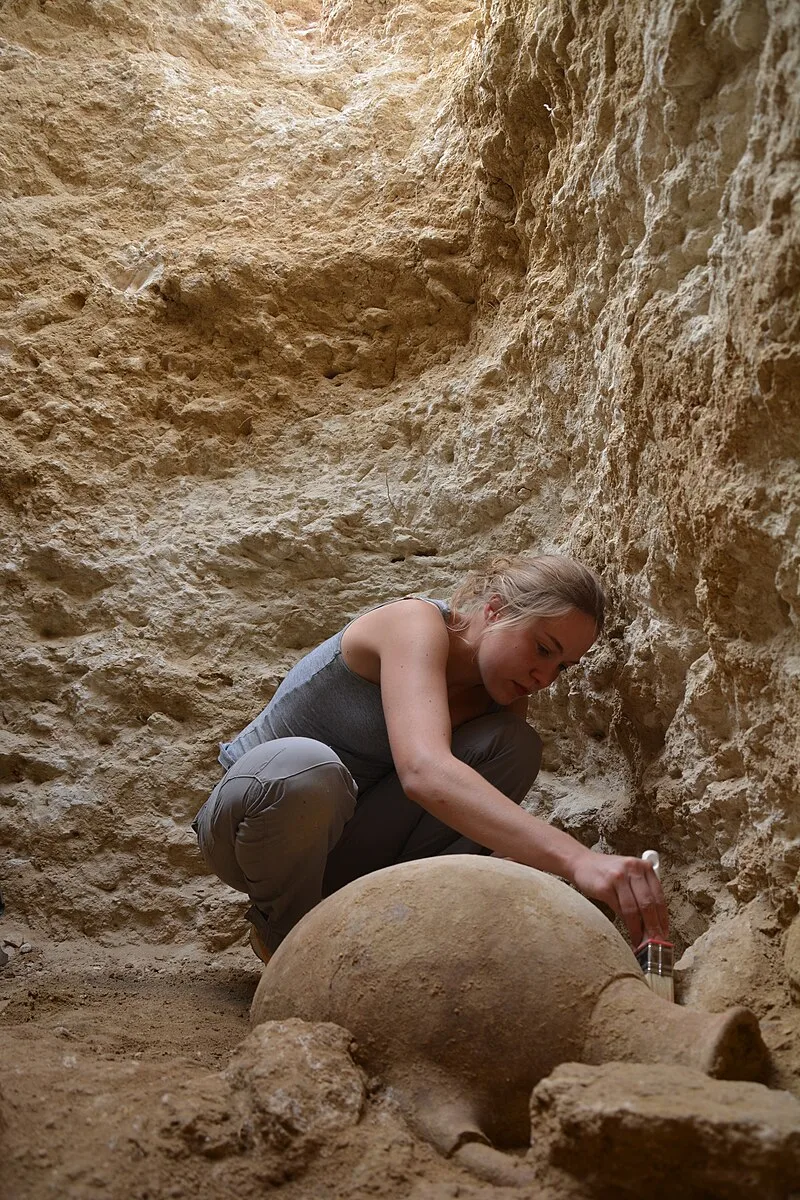
Kokkinokremmos
Pyla-Kokkinokremos was a Late Bronze Age settlement on Cyprus. The settlement was abandoned after a short occupation period.
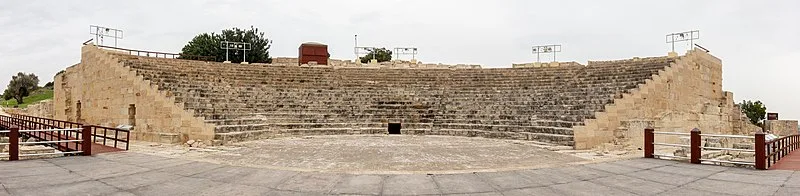
Kourion
Kourion was a major ancient Greek city-state on the southwestern coast of Cyprus, first inhabited in Neolithic times (c. 4500 BC) and established as a town by Mycenaean settlers…
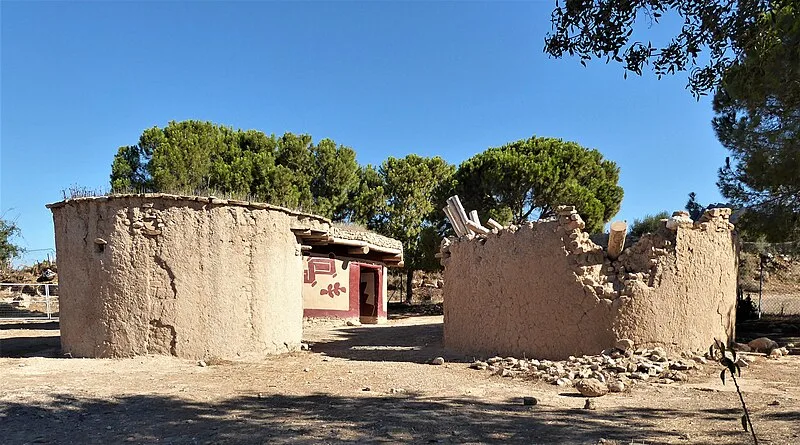
Lempa, Cyprus
A Chalcolithic settlement near Paphos, Cyprus, dating to c. 3500-2400 BC, excavated since 1976 by the University of Edinburgh. Excavations revealed seven mainly circular…
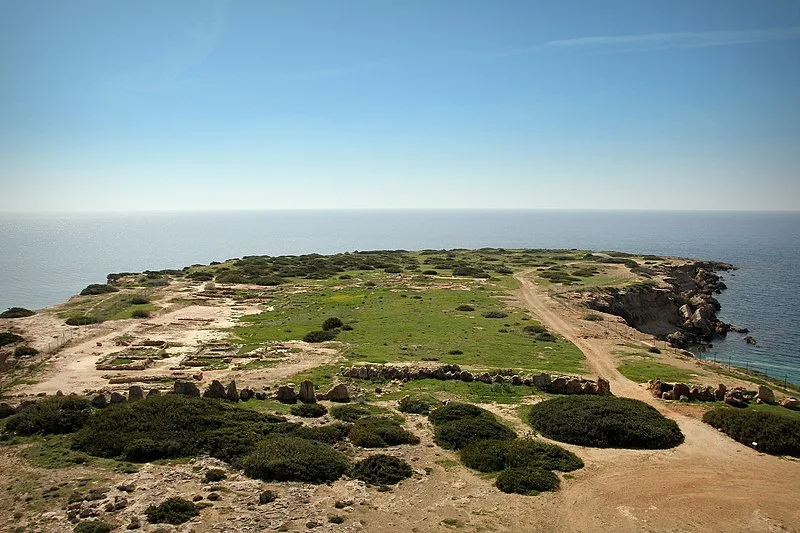
Maa Palaeokastro
Maa Palaeokastro was a fortified Late Bronze Age Mycenaean settlement on a peninsula in southwest Cyprus, near modern Kouklia. The settlement was occupied from the late 13th…
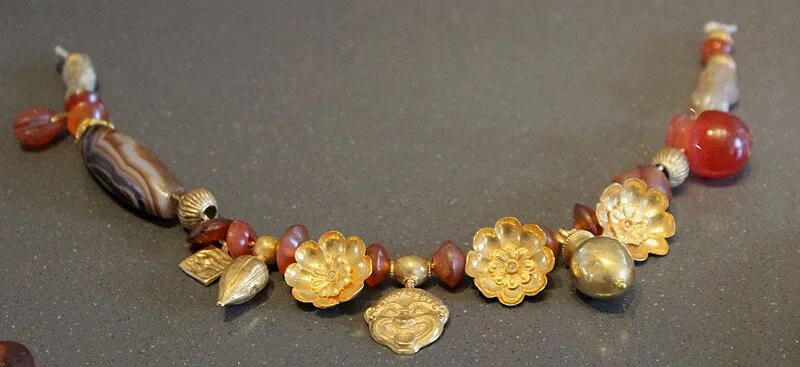
Marion, Cyprus
Marion was one of the ten city-kingdoms of ancient Cyprus, located near modern Polis in the northwest of the island. The city prospered from the Cypro-Archaic period onward,…
Marki Alonia
Marki Alonia is a prehistoric settlement in central Cyprus excavated between 1990 and 2000 by David Frankel and Jennifer Webb of La Trobe University. Occupied from the earliest…

Paphos
Paphos, on the southwest coast of Cyprus, has been inhabited since the Neolithic period and was the center of the cult of Aphrodite, whose temple was erected by Mycenaeans in the…
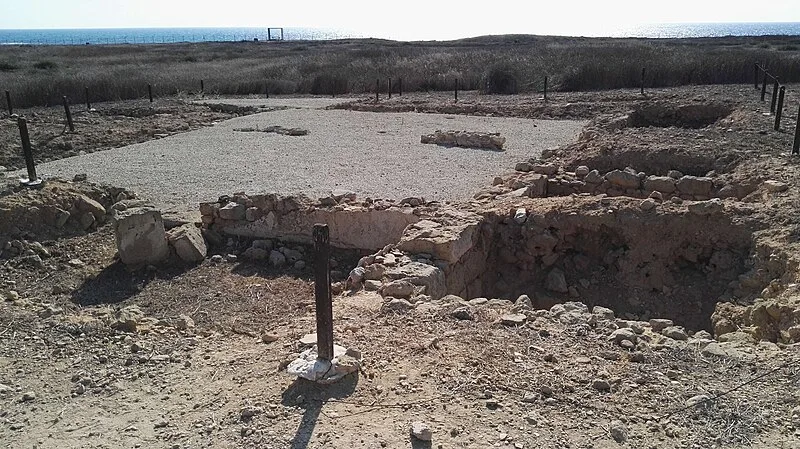
Paphos Archaeological Park
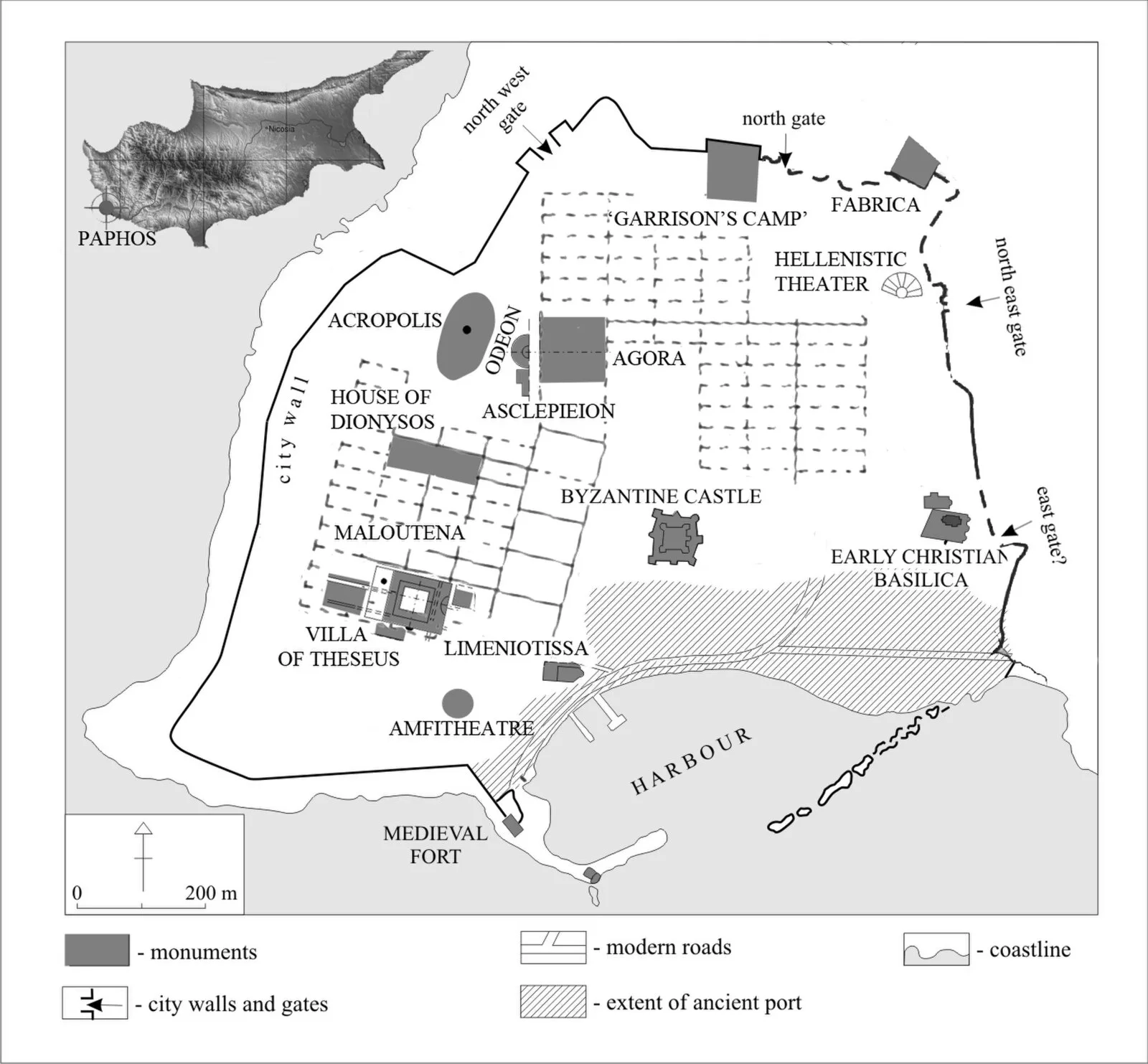
Paphos Archaeological Park contains the major part of the ancient Greek and Roman city of Nea Paphos in southwest Cyprus, inscribed as a UNESCO World Heritage Site in 1980. The…
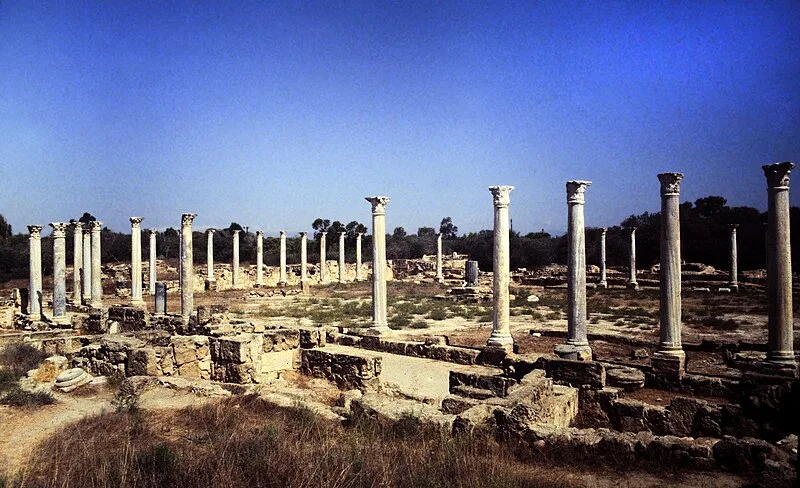
Salamis Ancient City
Salamis was the most important city-state of ancient Cyprus, traditionally founded around 1100 BC by Teucer, son of Telamon, after the Trojan War. Located on the east coast near…
Shillourokambos
Shillourokambos is a Pre-Pottery Neolithic B (PPNB) settlement near Parekklisia, 6 km east of Limassol in southern Cyprus. Located on a low plateau, excavations began in 1992 and…
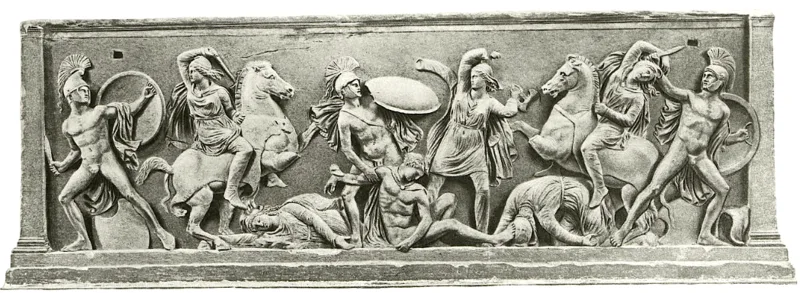
Soli, Cyprus
Soli (ancient Greek: Soloi) is an ancient city on the northwest coast of Cyprus in Morphou Bay, one of the island's ten city-kingdoms. Traditionally linked to the Athenian…
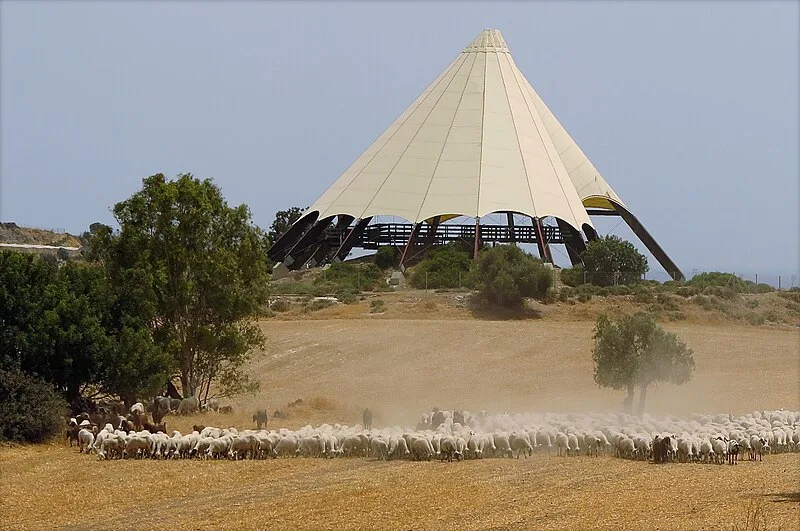
Tenta, Cyprus
Tenta (Kalavasos-Tenta) is an Aceramic Neolithic settlement in southern Cyprus, dating to approximately 8000 BC. Located near modern Kalavasos, it sits on a small natural hill in…
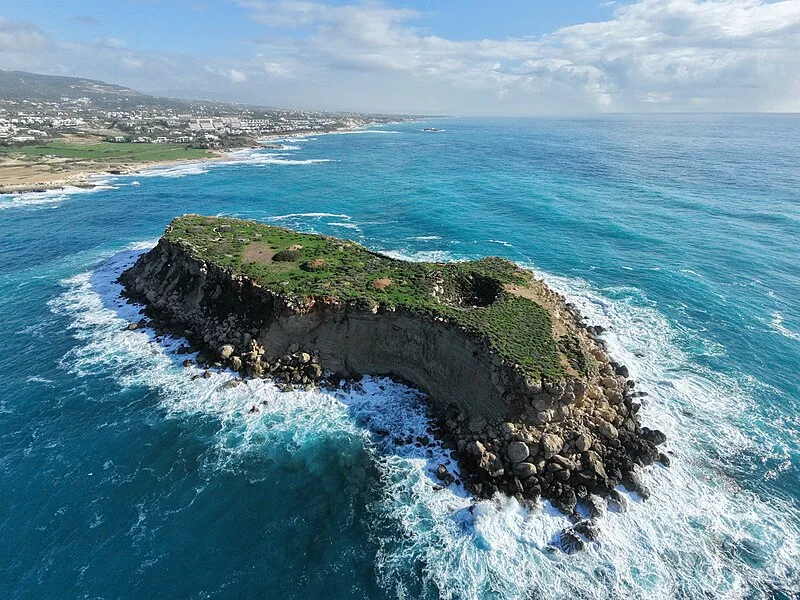
Yeronisos
A tiny 2.6-hectare island off the west coast of Cyprus near Pegeia, uninhabited since the 15th century but of major archaeological significance. Three occupation periods have been…
Megalithic structures in Cyprus (8)
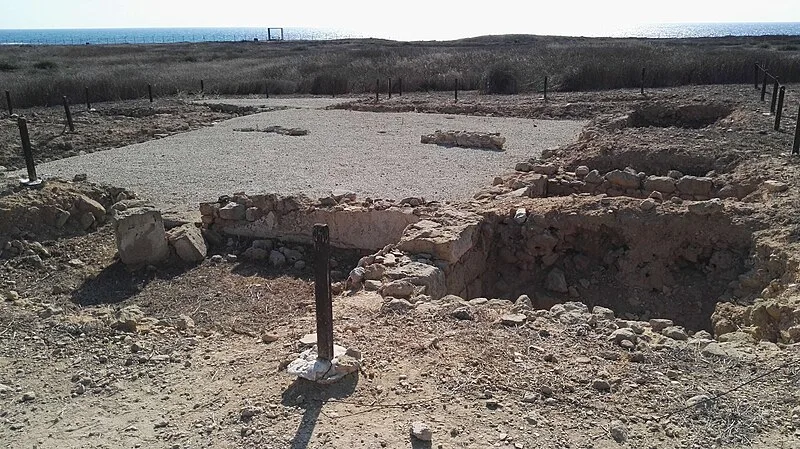
Early Roman House
The Early Roman House is a 1st-century AD residential structure within the Paphos Archaeological Park (Kato Pafos) in southwest Cyprus, a UNESCO World Heritage Site since 1980. It…
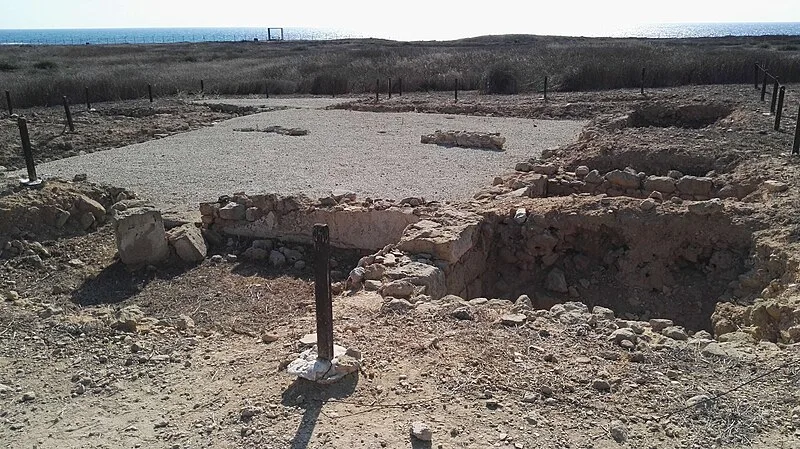
Hellenistic House
The Hellenistic House is an excavated residential structure within the Paphos Archaeological Park in southwestern Cyprus, dating to the Ptolemaic period when Nea Paphos served as…
Hellenistic-Roman Theatre
The Hellenistic-Roman Theatre at Nea Paphos, Cyprus, was built c. 300 BC by the Ptolemies of Alexandria on a hillside in the northeast of the ancient walled city. Spanning 90…
House of Aion
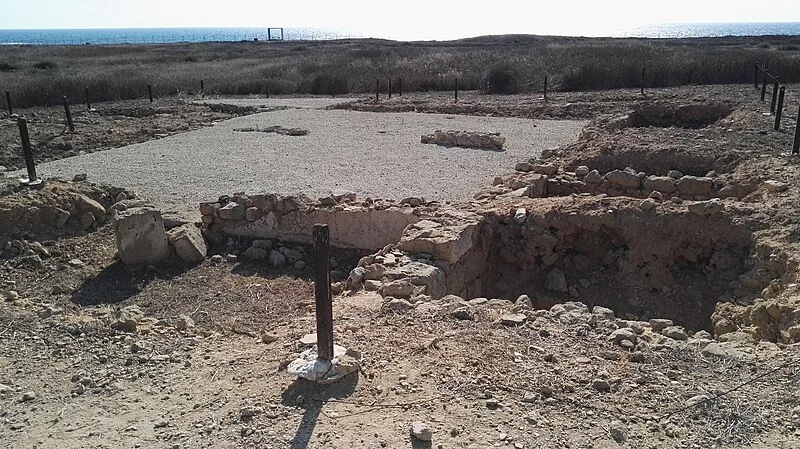
A large Roman villa in the Paphos Archaeological Park, Cyprus, renowned for its exceptional mid-4th century AD mosaic floor discovered by a Polish team led by Prof. Daszewski in…
House of Dionysus
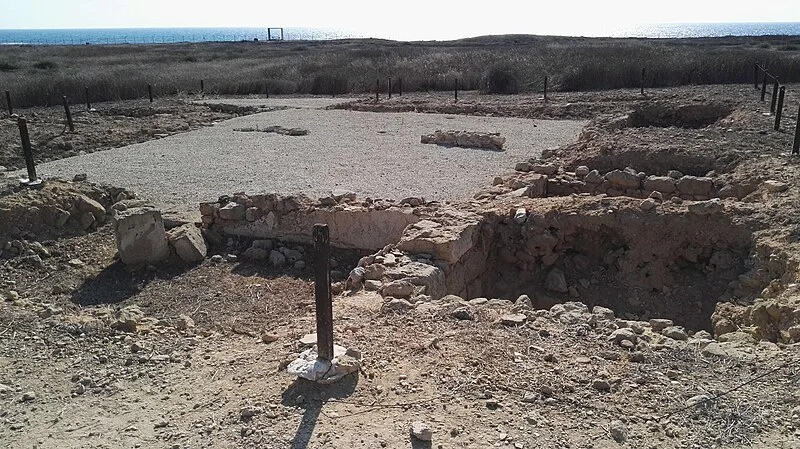
A luxurious Roman villa in the Paphos Archaeological Park, Cyprus, built at the end of the 2nd century AD and destroyed by earthquakes in the early 4th century. Covering 2,000…
House of Orpheus
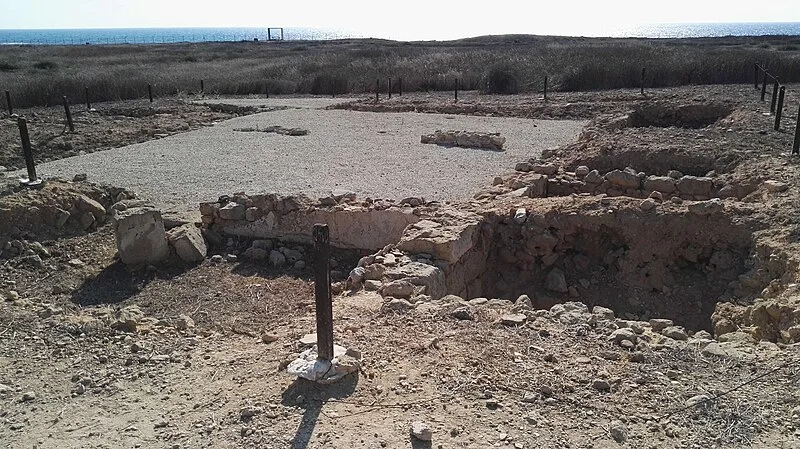
(3rd c. AD) Part of the Paphos Archaeological Park in southwest Cyprus, the House of Orpheus contains Roman mosaics depicting mythological scenes including Orpheus with his lyre,…
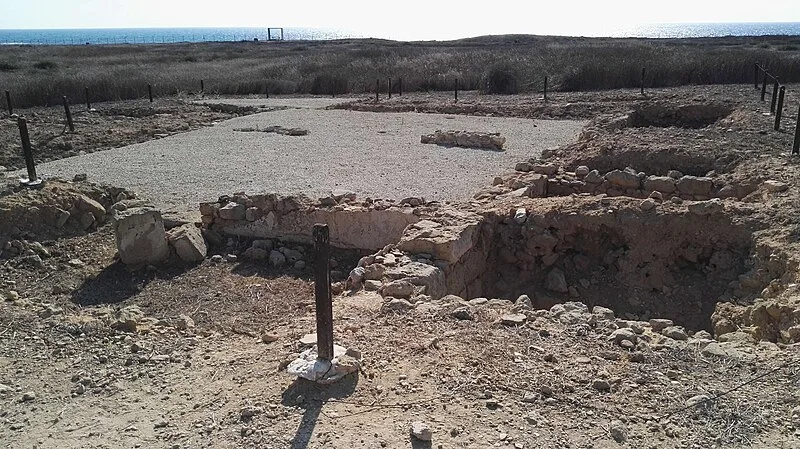
Roman Odeon
A 2nd-century AD Roman odeon within the Paphos Archaeological Park in southwest Cyprus, part of the UNESCO World Heritage Site inscribed in 1980. Built into the side of Fabrica…
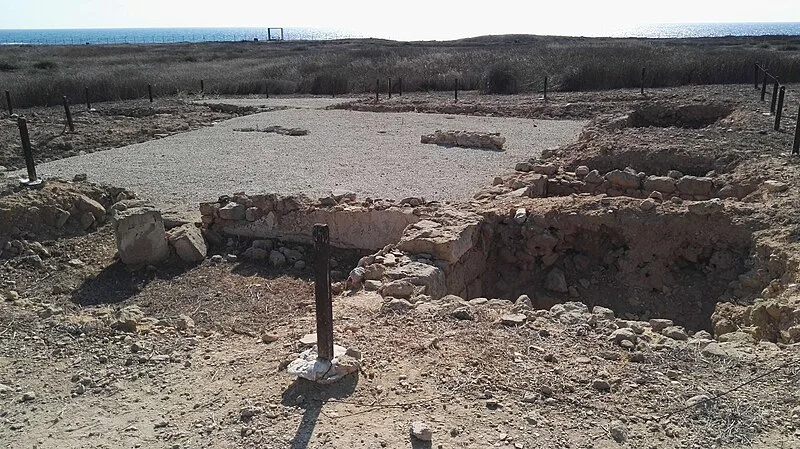
Villa of Theseus
Roman villa built in the 2nd century AD serving as the official residence of the Roman proconsul of Paphos. The villa derives its name from a mosaic depicting Theseus and the…
Necropolis/tombs complex in Cyprus (4)

Archaeological Site of Makronissos & Ancient Tombs
The Archaeological Site of Makronissos is a significant necropolis located near Agia Napa, Cyprus, dating from the Hellenistic to Roman periods (roughly 300 BC to the 4th century…
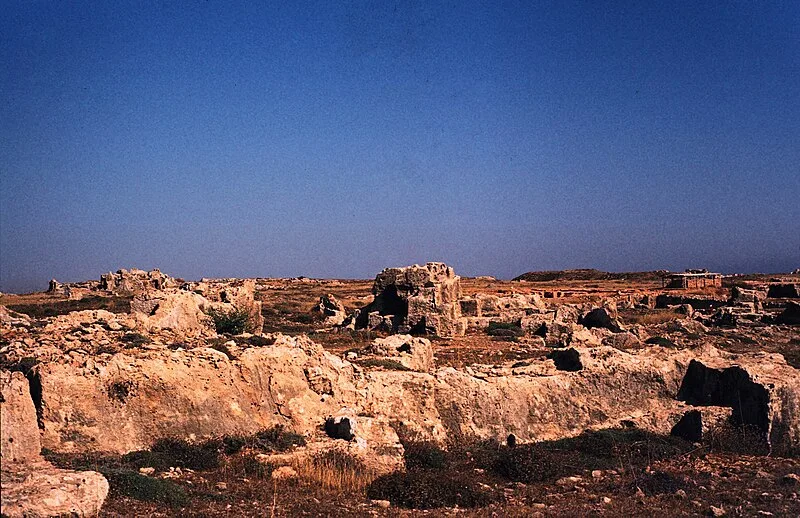
Archaeological Site of the Tombs of the Kings
Large Hellenistic-Roman necropolis 2 km north of Paphos harbour, part of the UNESCO World Heritage Site inscribed in 1980. Despite the name, the underground rock-cut tombs housed…
Lefkaritis Tomb
The Lefkaritis Tomb is an 8th-century BC hypogeum discovered in 1998 within the city walls of ancient Kition (modern Larnaca), Cyprus. Unlike most burials in Kition's external…
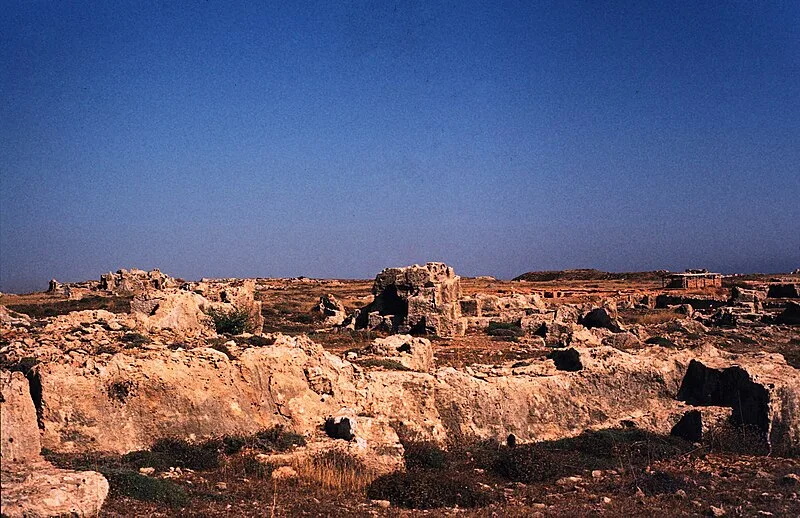
Tombs of the Kings, Paphos
A large Hellenistic and Roman necropolis about 2 km north of Paphos harbour in western Cyprus, designated a UNESCO World Heritage Site in 1980. The underground tombs, carved from…
Temple complex in Cyprus (4)
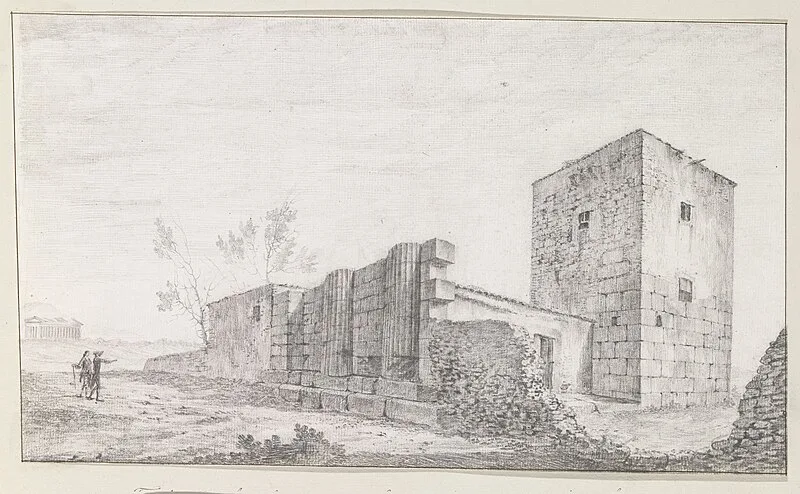
Asklepieion - Pathos
A Roman-era healing sanctuary dedicated to Asclepius within the UNESCO-listed Paphos Archaeological Park in southwestern Cyprus. Built in the 2nd century AD as part of the civic…
Katalymata ton Plakoton
Katalymata ton Plakoton is an archaeological site near Akrotiri on Cyprus, featuring a temple complex dating to the Cypro-Archaic period (1500–500 BC). The site contains two…
Mersinaki
Mersinaki is an ancient open-air sanctuary located between Vouni and Soli on the north coast of Cyprus. Excavated in 1930 by the Swedish Cyprus Expedition under Einar Gjerstad,…
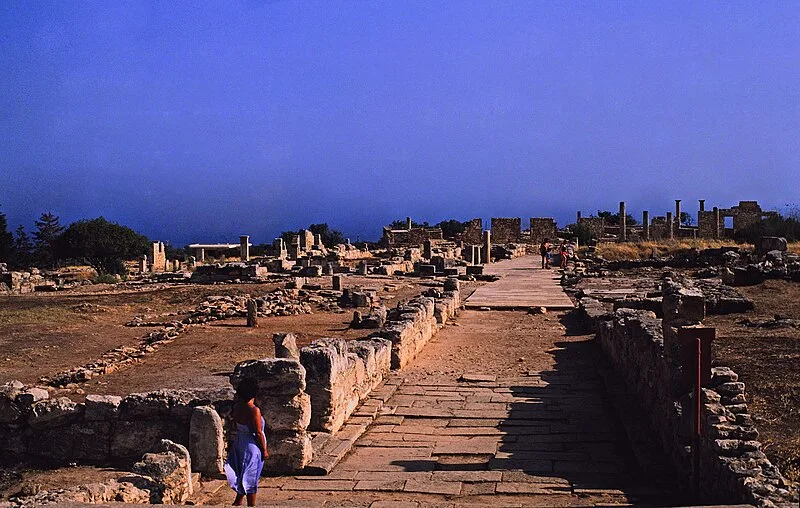
The Sanctuary & Temple of Apollo Hylates
The Sanctuary of Apollo Hylates, located 2.5 km west of ancient Kourion, was one of the principal religious centres of Cyprus where Apollo was venerated as Hylates, protector of…
Cave Structures in Cyprus (1)
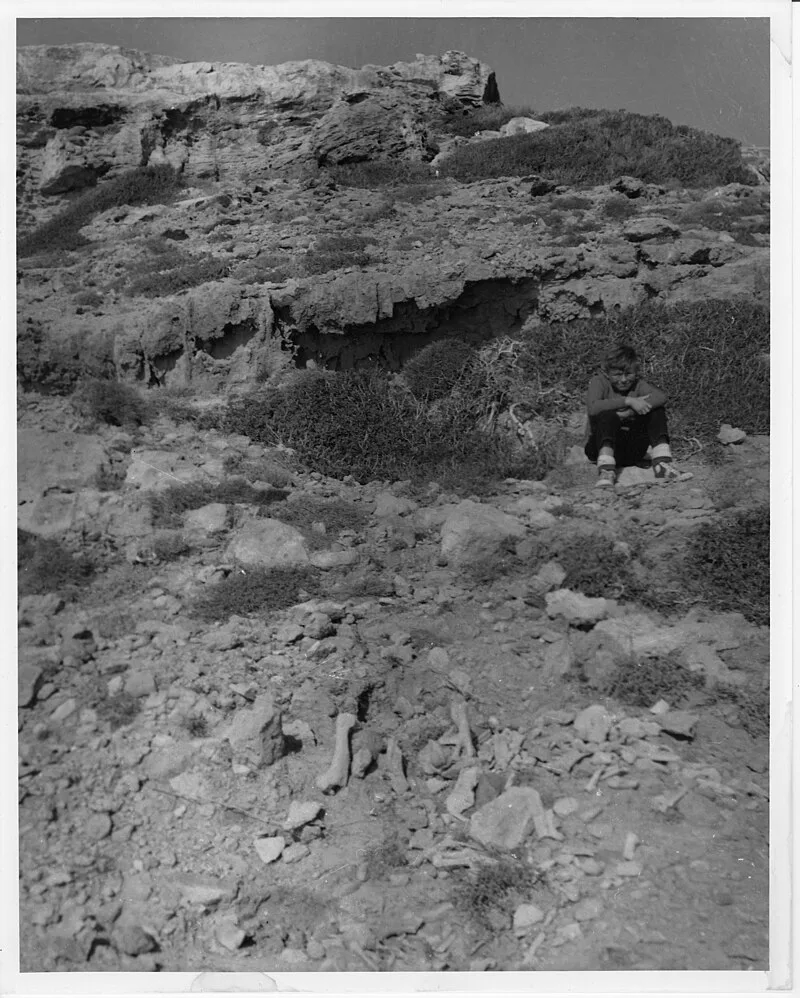
Cemetery in Cyprus (1)
Fortress/citadel in Cyprus (1)
Theatre in Cyprus (1)
.webp)
Keep exploring
Every site on this page sits on the globe, and the people who research them are on the Discord.
3D Globe · Sites by country · Story Archive · Research Library · Weekly Journal · Search