
 Cyprus
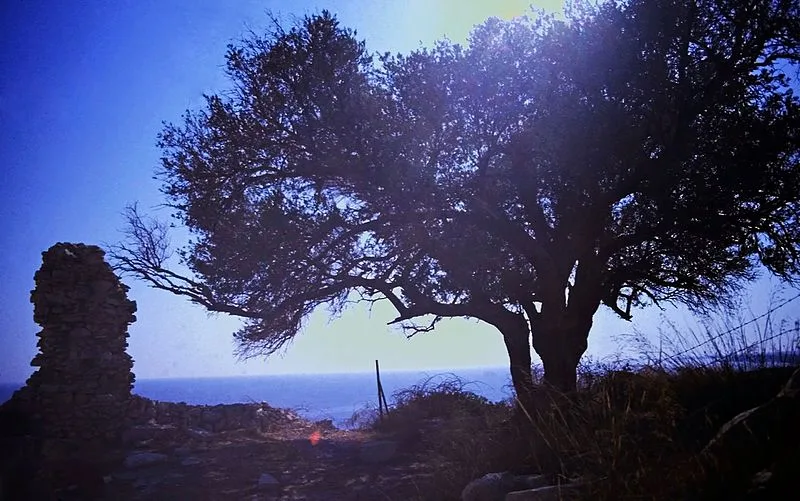
Amathus or Amathous was an ancient city-kingdom of Cyprus [1]. Remains of Amathus can be seen today on the southern coast near Agios Tychonas, about 6 miles east of Limassol and 24 miles west of Larnaca [1]. Amathus was built on coastal cliffs with a natural harbour and flourished at an early date, soon requiring several cemeteries [1]. Greeks from Euboea left their pottery at Amathus from the 10th century BC [1]. In the Roman era Amathus became the capital of one of the four administrative regions of Cyprus [1]. Amathus declined and was already almost deserted when Richard Plantagenet took Cyprus in 1191 [1]. From April to May 1930 the Swedish Cyprus Expedition excavated a necropolis on both sides of Amathus's acropolis [1]. In the 1870s, Luigi Palma di Cesnola excavated the necropolis of Amathus, as elsewhere in Cyprus, enriching the early collections of the Metropolitan Museum of Art; some objects went to the British Museum [1].
Text: Wikipedia – 'Amathus' (revision of 2026-09-17), CC BY-SA 4.0 · sentences selected and shortened by an AI system · source →Amathus
Also known as: Amathonte, Amathos, Amathous, Amathous (Zypern), Amathus City-Site, Amathusz, Amatunt, Amatunta, Amatunte, Amatusa, Amatusia, Mint of Amathus
| Type | City/town/settlement |
|---|---|
| Period | 1500 - 500 BC |
| Country | Cyprus |
| Coordinates | 34.7127° N, 33.1417° E |