

Archaeological Sites in Azerbaijan
City/town/settlement in Azerbaijan (21)
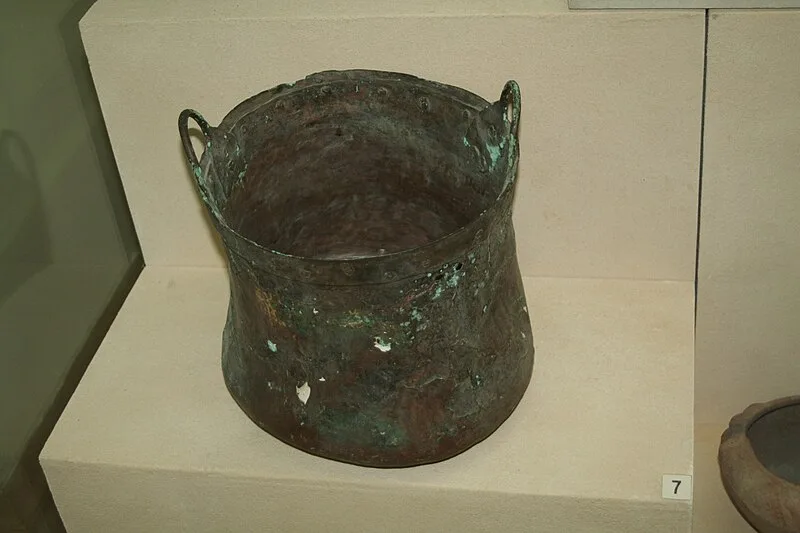
Alikomektepe
Alikomektepe is a Chalcolithic settlement dating to c. 5000 BC, located on the Incechay river near Uchtepe village in the Jalilabad District of Azerbaijan. Its early levels belong…
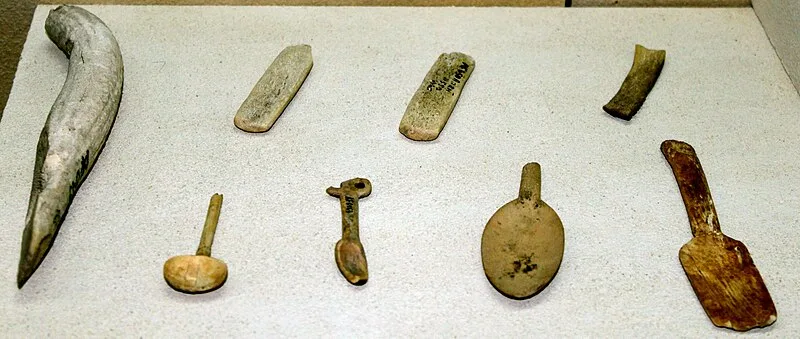
Baba-Dervish Settlement
An ancient multi-period settlement on the left bank of the Aghstafa River in Qazax District, Azerbaijan, consisting of five hills. Excavated from 1958 to 1966, it revealed three…
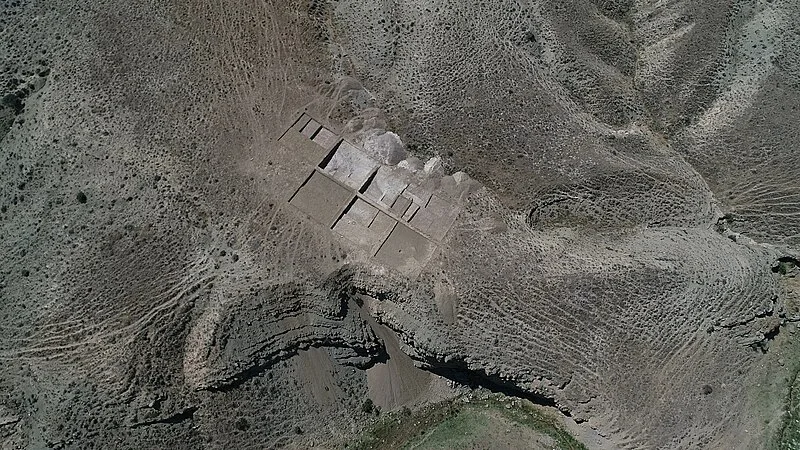
Bülövqaya
Bulovqaya (Bulovkaya) is a Chalcolithic settlement on the left bank of the Sarisu river near Goynuk village in the Babek district of Nakhchivan, Azerbaijan, dating to the 5th…
Dizə, Sharur
Ovchular Tepesi is a multi-period settlement mound near the village of Dize in the Sharur District of Nakhchivan, Azerbaijan, on the left bank of the Arpachay River. Covering…
Ərəbyengicə
An ancient settlement in the Sharur District of the Nakhchivan Autonomous Republic, Azerbaijan, situated about 200 meters north of the Araz River on the left bank of the Arpachay.…
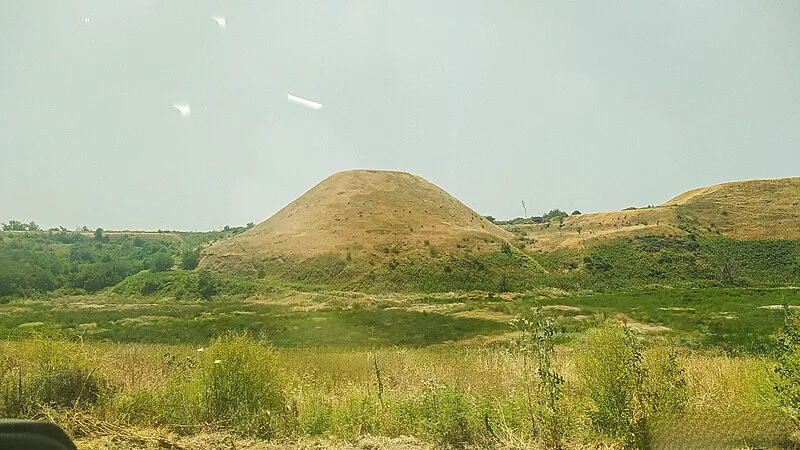
Garakopaktapa
Ancient multilayer settlement of the Middle Bronze Age epoch, located in the basin of the Guruchay and Kondalanchay rivers near Fuzuli Rayon, Azerbaijan. Discovered by…
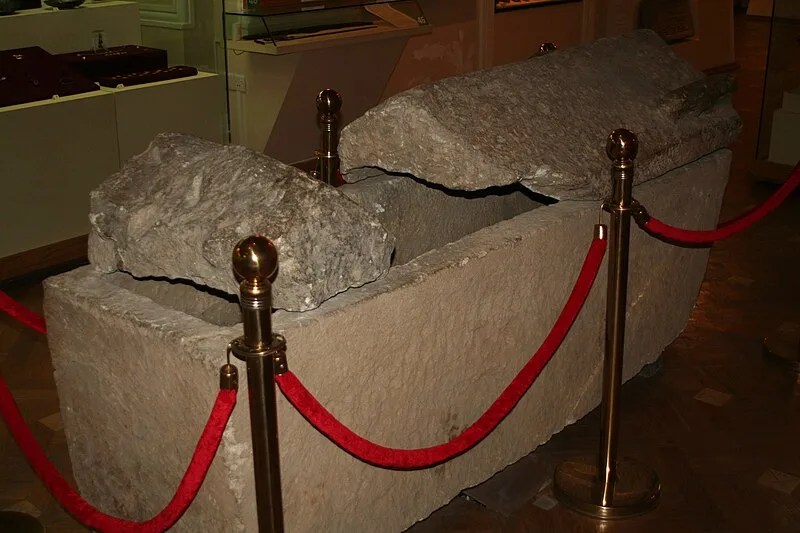
Govurqala, Ağdam
Govurqala (Gyafurkala) is an archaeological site in Azerbaijan dating to the 3rd-10th centuries AD, located in Boyahmadly village. The site includes a fortified town (gorodishche)…
Govurqala, Nakhchivan
Govurqala (also Gyaur-kala) is an early fortified city of the 3rd-2nd millennium BC, located near Shahktakhty village, 35 km northwest of Nakhchivan city in Azerbaijan, on the…
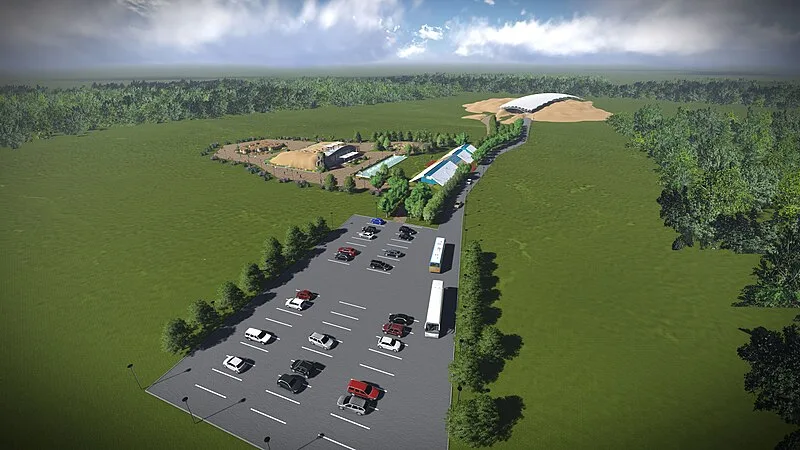
Goytepe Archaeological Complex
Goytepe is a Neolithic archaeological complex in Azerbaijan's Tovuz District, affiliated with the Shulaveri-Shomu culture. It represents the largest settlement of the early…
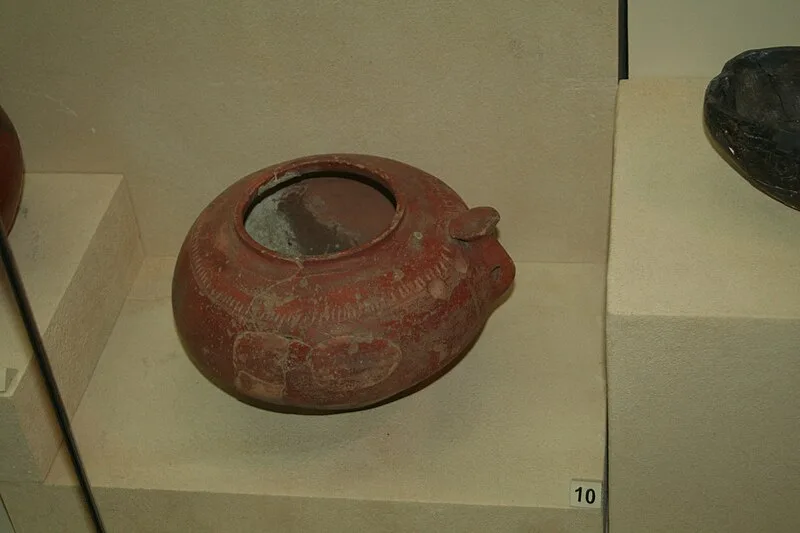
Kultepe-2
Kultepe-2 is an Early and Middle Bronze Age settlement in Nakhchivan, Azerbaijan, located about 1.5 km north of the related Kultepe-1 site on the west bank of the Nakhchivanchay…
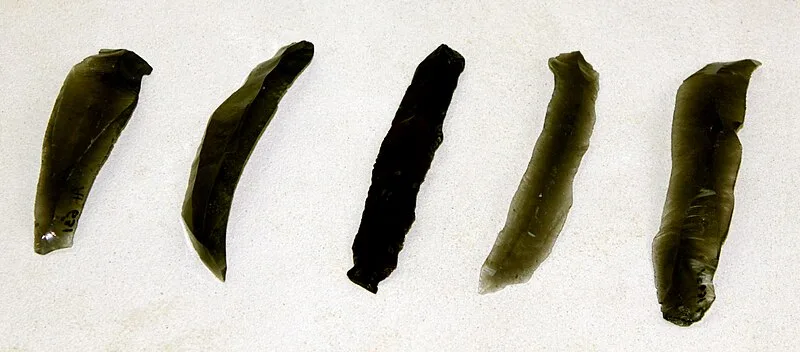
Kültəpə
Kultepe I (Kultepe-Nakhchivan) is a multi-period tell settlement on the left bank of the Nakhchivan River in the Autonomous Republic of Nakhchivan, Azerbaijan, with 22 meters of…
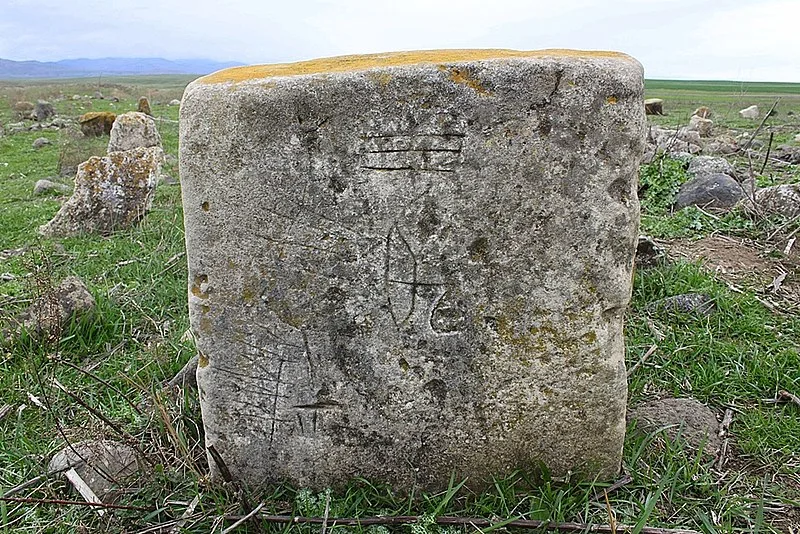
Nargiztapa
Nargiztapa is a Bronze Age settlement in the Mil plain of Azerbaijan's Khojavend Rayon, situated 5 km east of Khojavend near the Khanashenchay River. Archaeological excavations…
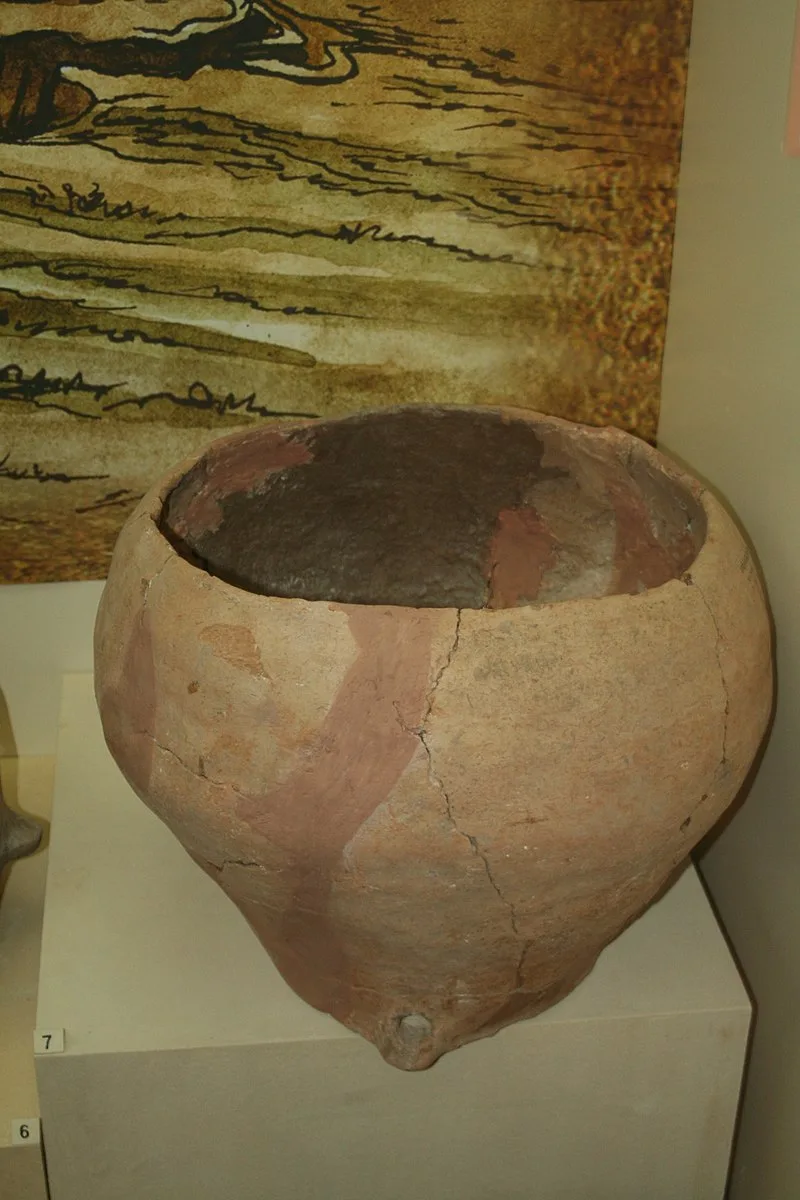
Osmantəpə
An early Neolithic settlement near Kuku village in the Shahbuz district of Azerbaijan's Nakhchivan Autonomous Republic, situated at approximately 2,400 metres above sea level on…
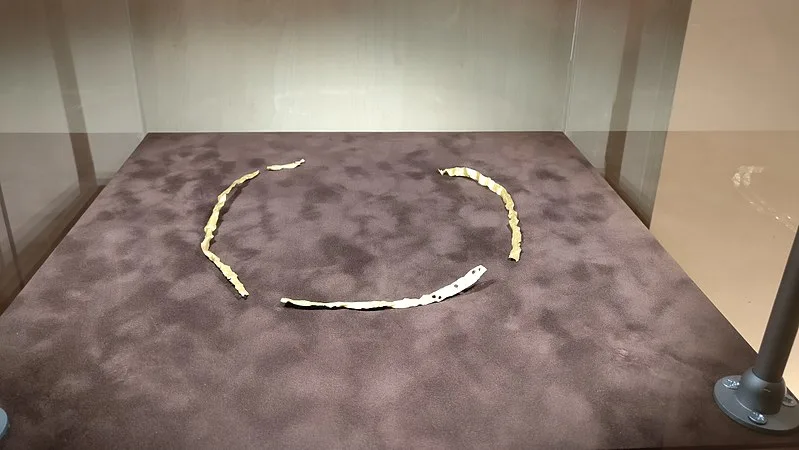
Ovçular Tepesi
Ovçular Tepesi is a prehistoric archaeological site located in Azerbaijan's Sharur District, at the northern end of Dizə village on the left bank of the Arpa River. This ancient…
Qalagah
Qalagah is a village in the Ismailli Rayon of Azerbaijan with an associated 1st-2nd century AD settlement covering approximately 30 hectares and an adjacent cemetery. In 1899, a…
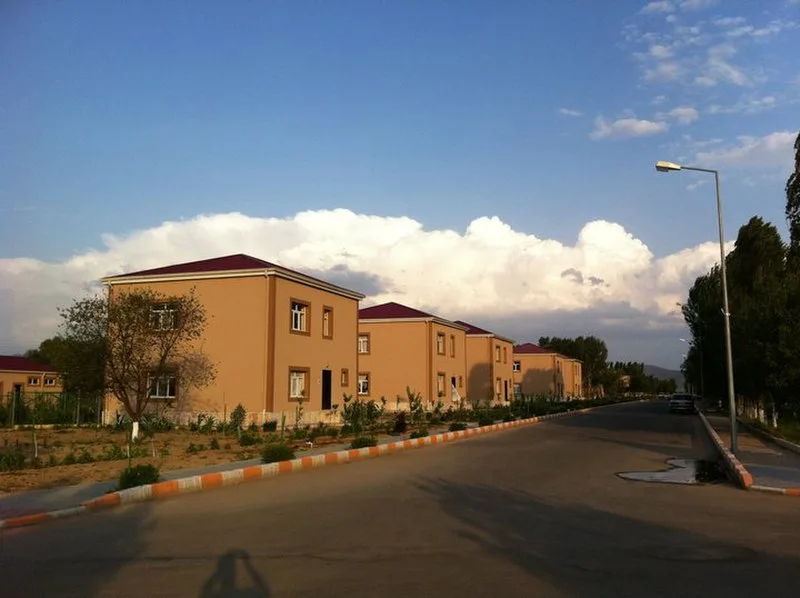
Sadarak
Sadarak is an archaeological settlement in the Sadarak District of Nakhchivan Autonomous Republic, Azerbaijan, dating to 4500-3000 BC. The site features Sederek cave, Bronze Age…
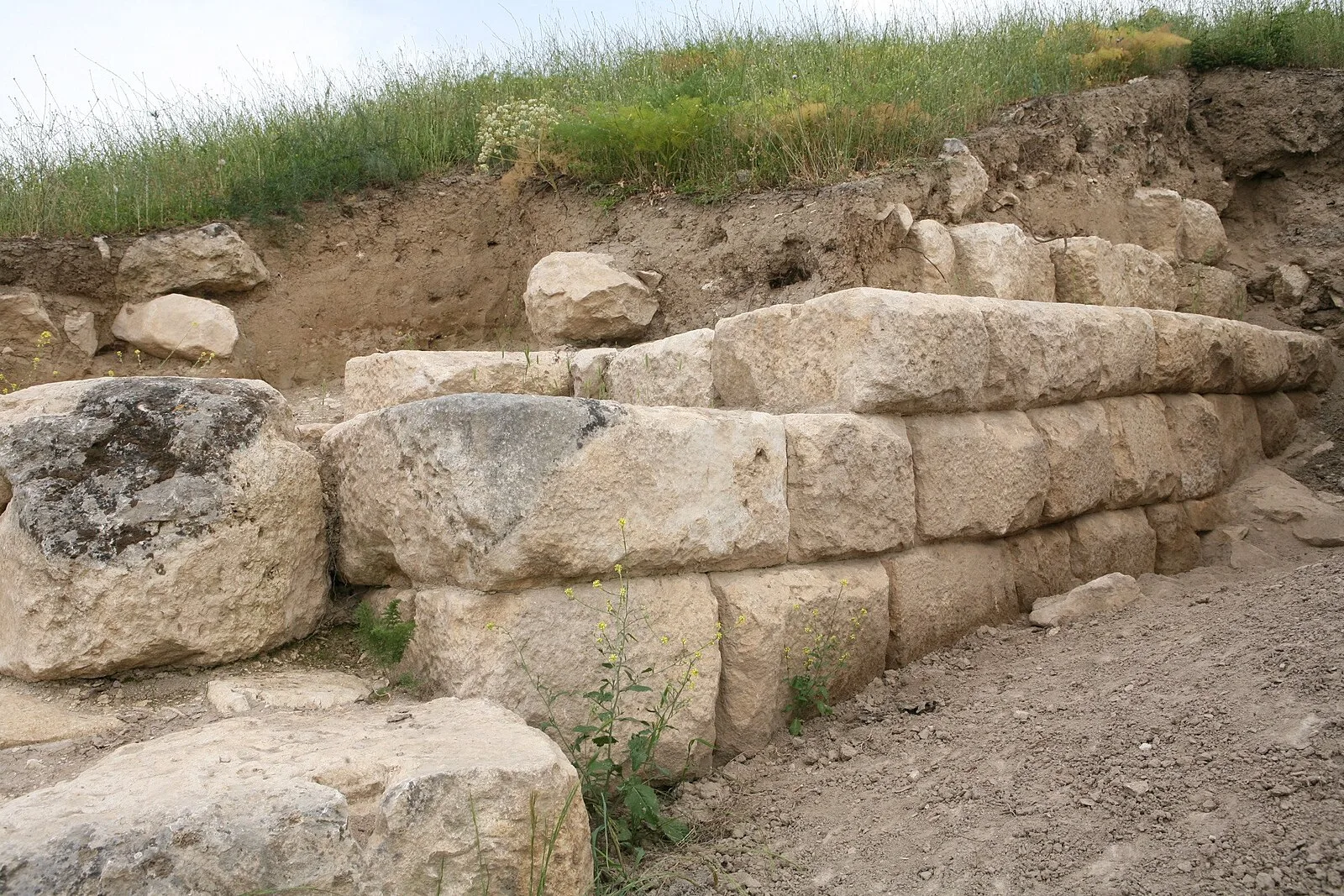
Tigranakert of Artsakh
Tigranakert of Artsakh is a ruined Armenian city dating to the Hellenistic period, located in the Aghdam District of present-day Azerbaijan. It was founded during the reign of…
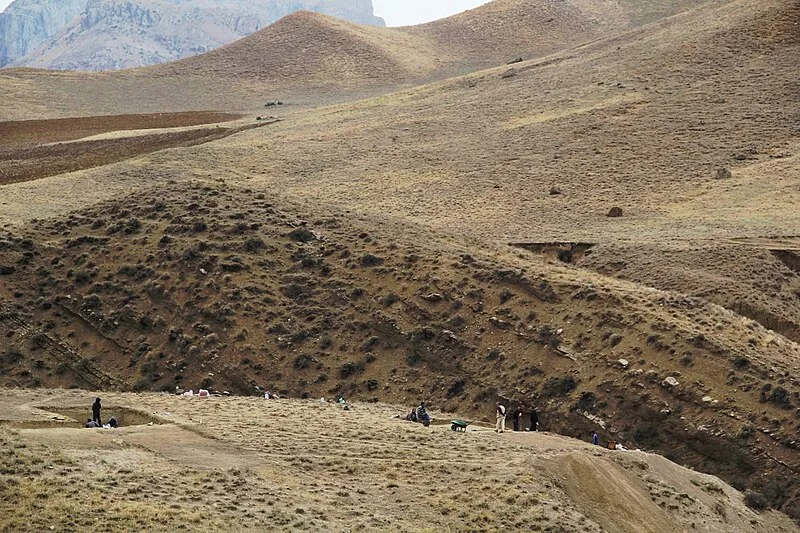
Uçan ağıl
Ucan agil is a Chalcolithic and Early Bronze Age campsite near Sirab village in the Babek district of Nakhchivan, Azerbaijan, at 1,200 m elevation. Excavated from 2015 to 2017 by…
Uzerliktapa
Uzerliktapa (Uzerliktepe) is one of the largest Middle Bronze Age settlements in the South Caucasus, located near Aghdam, Azerbaijan. Dating to the first half and middle of the…
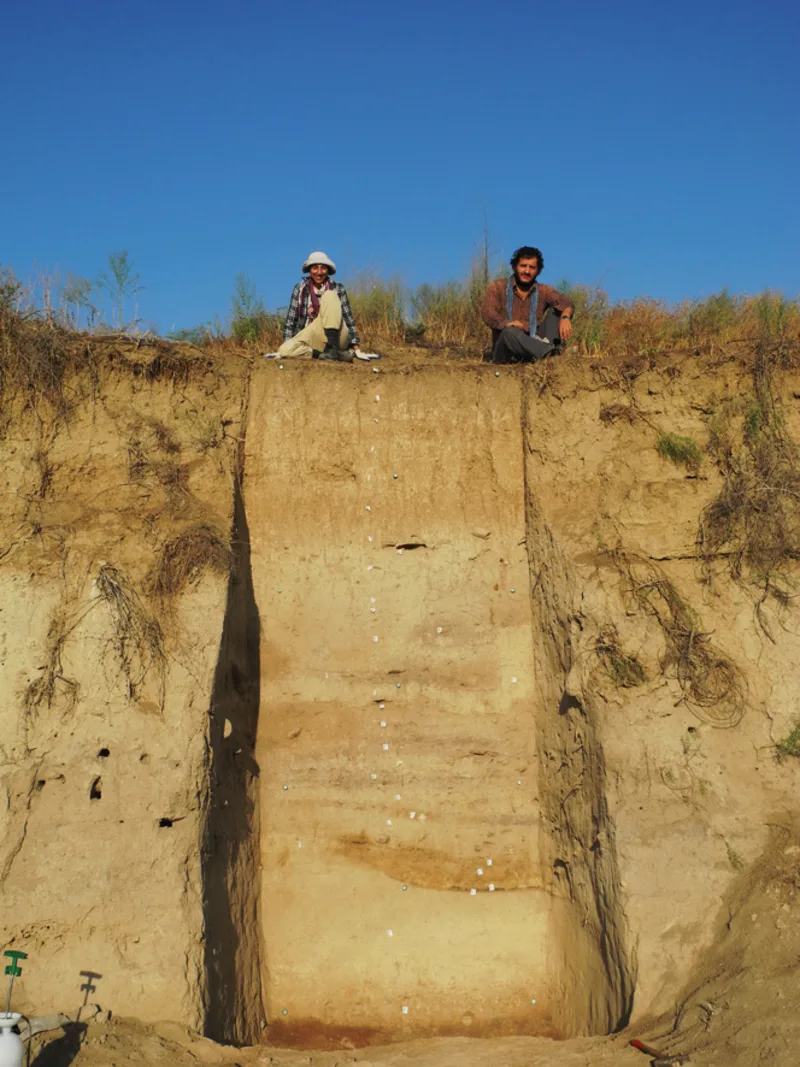
Uzun oba
Uzun Oba is an archaeological site on the right bank of the Nakhchivanchay near Ashagi Uzunoba village in the Babek district of Azerbaijan's Nakhchivan region. Investigated during…
Xələc, Nakhchivan
Xələc is a prehistoric settlement in Sharur District, Nakhchivan, Azerbaijan, located near Khalaj Mount on the Aras River bank. The modern village has 1,268 residents and lies 8…
Cave Structures in Azerbaijan (7)
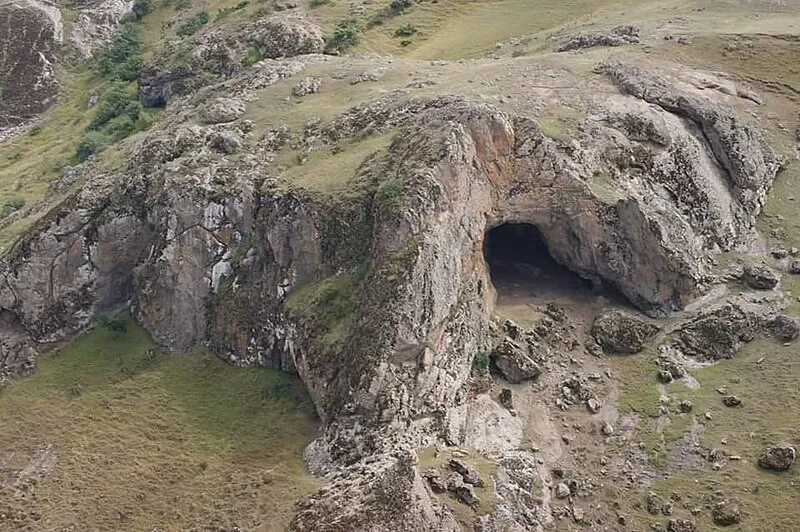
Allar Cave
Allar Cave is an archaeological site dating to 500 BC–1 AD, located in Allar village, Yardymli Rayon, Azerbaijan. Situated on the left bank of the Vilesh River at an altitude of…
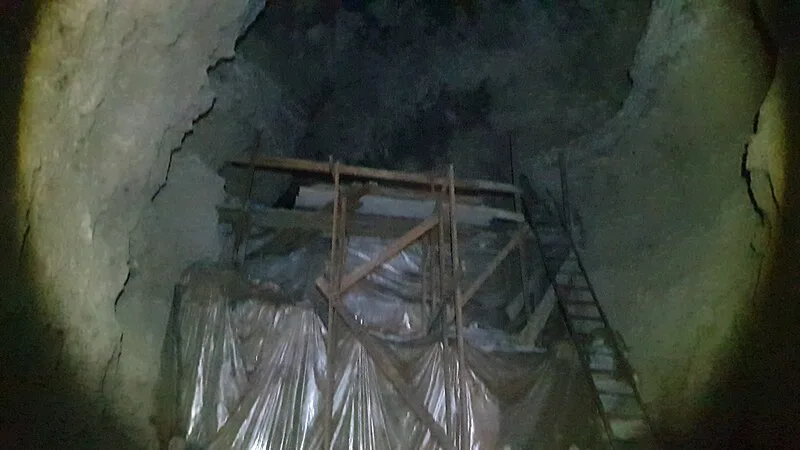
Azykh Cave
A six-cave complex near Azykh village in Azerbaijan, discovered in 1960 by Mammadali Huseynov. The site contains 10 cultural layers spanning over a million years, with the oldest…
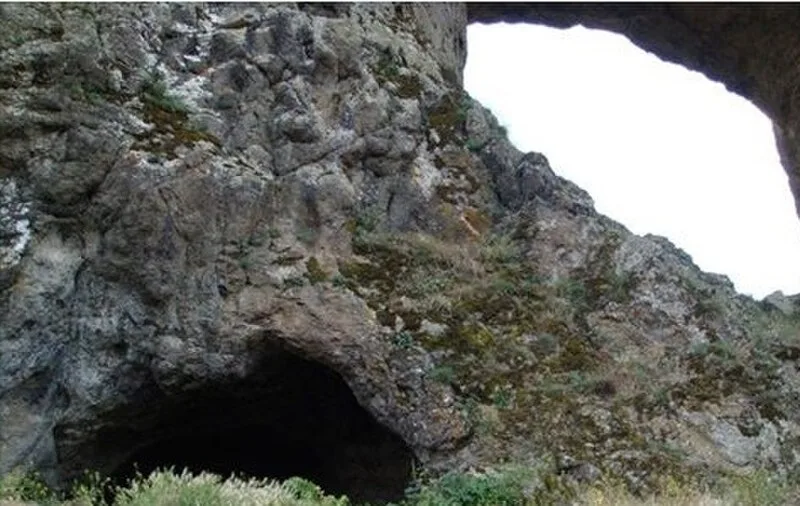
Buzeyir Cave
Buzeyir Cave is a Paleolithic archaeological site on the left bank of the Zuvandchay River atop Delikli-Dash Mountain at 1,640 m elevation in Lerik Rayon, Azerbaijan. Discovered…
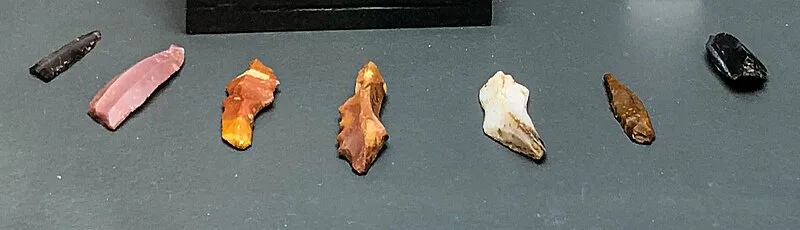
Damjili Cave
Damjili Cave is a half-circular shaped archaeological site in Azerbaijan, where evidence of prehistoric human presence during the Paleolithic and Mesolithic periods was discovered.
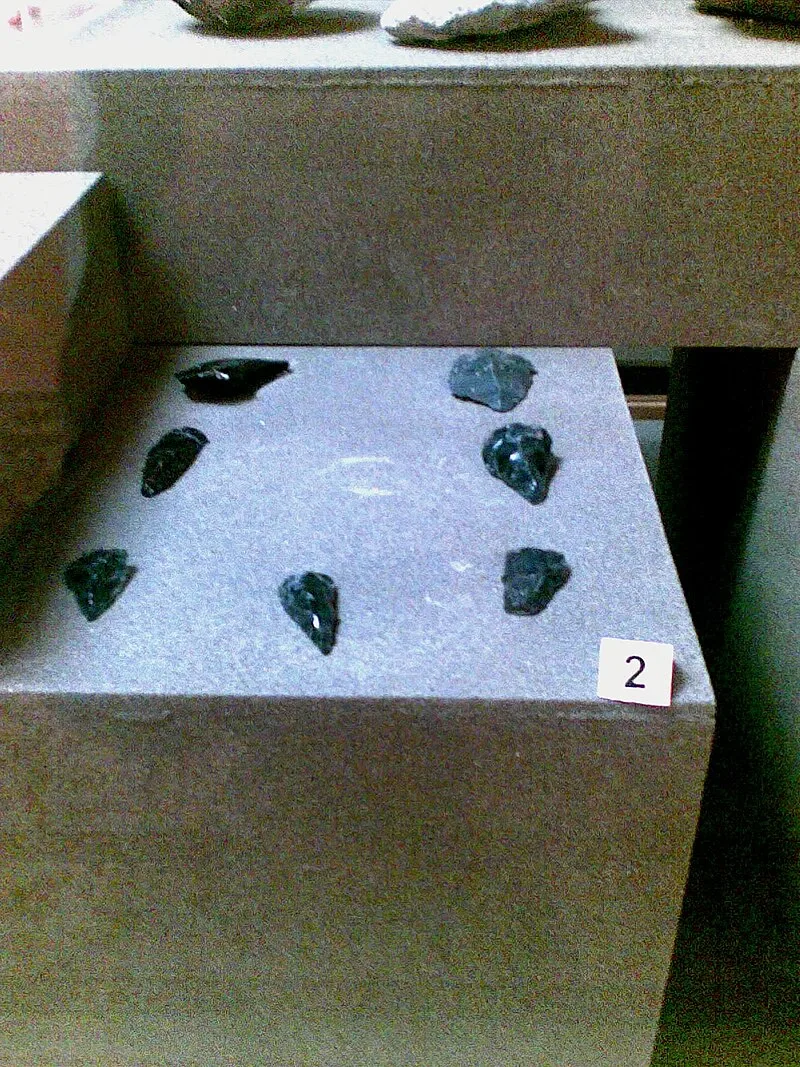
Gazma Cave
A Middle Paleolithic dwelling site in the Nakhchivan Autonomous Republic of Azerbaijan, discovered in 1983 during an expedition led by M.M. Huseynov and A.G. Jafarov. Located 3km…
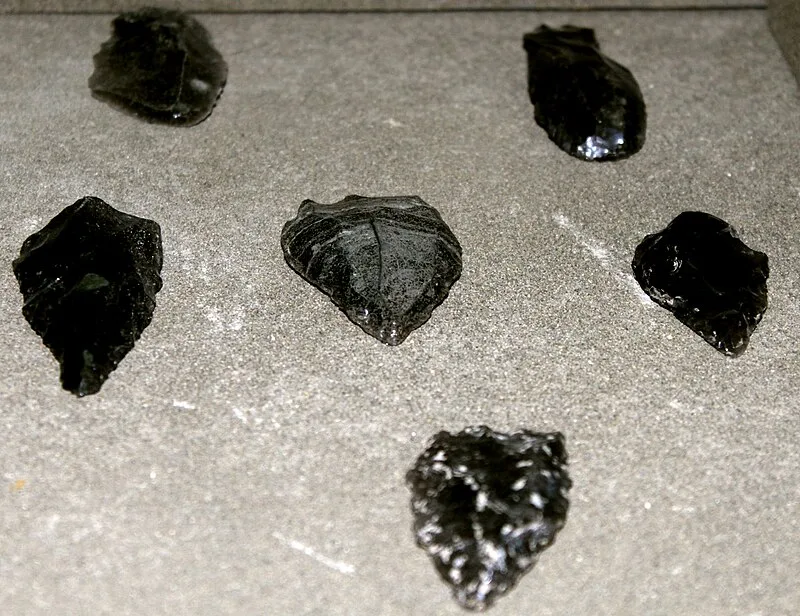
Taghlar Cave
The Taghlar Cave is an archaeological site in Azerbaijan's disputed Nagorno-Karabakh region, located in the southern part of Boyuk Taghlar village on the left bank of the Guruchay…
Zar Cave
Zar Cave is an Upper Paleolithic archaeological site in the southern part of Zar village, Kalbajar District, Azerbaijan. During excavations from 1981 to 1987, prehistoric cave…
Necropolis/tombs complex in Azerbaijan (5)
Ağbulaq Necropolis
A Bronze-Iron Age necropolis in the Shahbuz district of Nakhchivan, Azerbaijan, discovered accidentally during agricultural work when a tractor destroyed one of the jar graves.…
Axura Nekropolises
An Iron Age necropolis complex at the eastern end of Axura village in Azerbaijan's Sharur district. The surviving area of Necropolis I measures 150 x 100 m, though part was washed…
Maxta
Maxta is an Early Bronze Age settlement and necropolis in the Sharur District of the Nakhchivan Autonomous Republic, Azerbaijan. The tell site (Maxta-I) covers approximately 0.78…
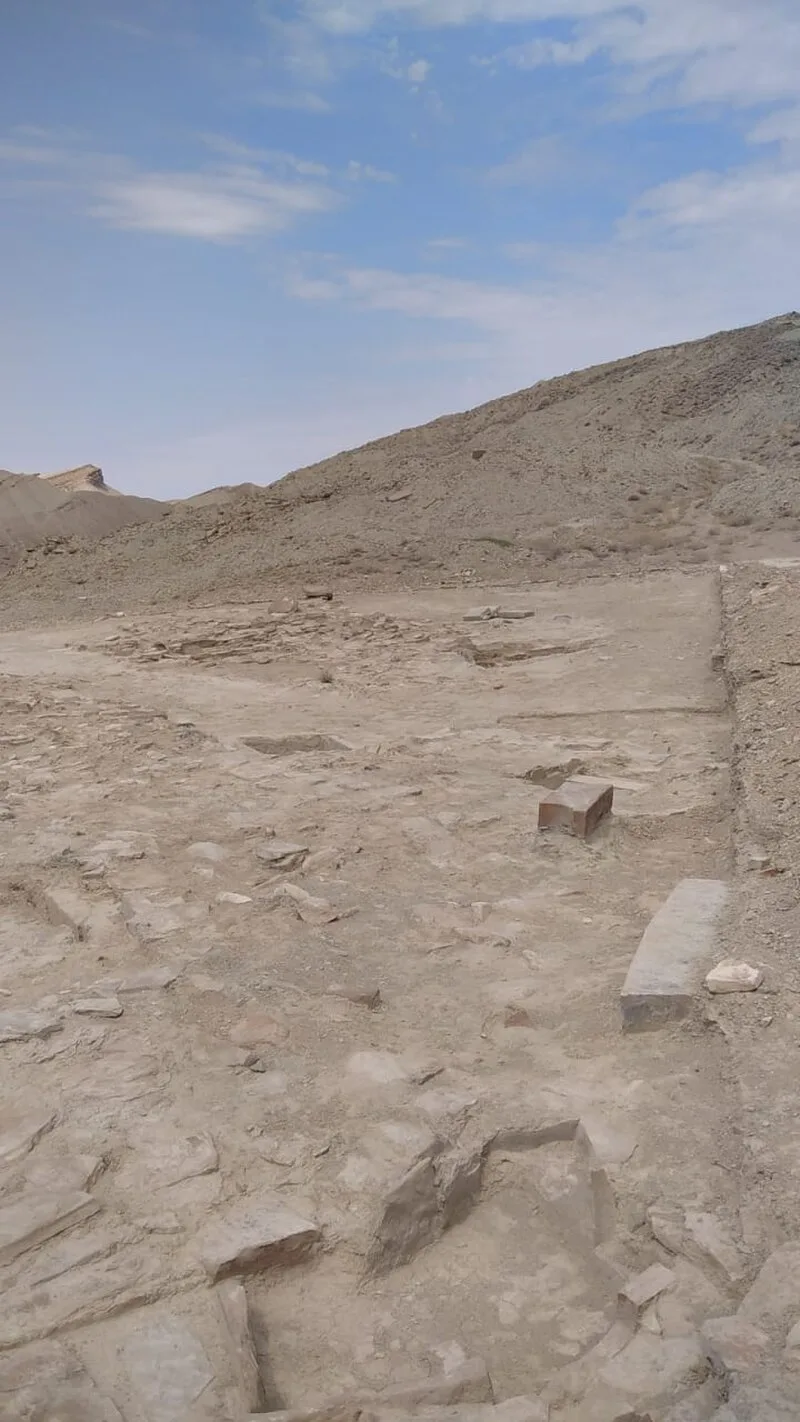
Mərdangöl Necropolis
(9th–8th c. BC) Mərdangöl Necropolis is an ancient burial complex in Kharabagilan, Ordubad, Nakhchivan. Grave monument structures resemble the Khalikeshan necropolis in Orduban…
Nakhchivan Necropolises
The Nakhchivan necropolises are Bronze Age burial grounds on the northern outskirts of Nakhchivan city, Azerbaijan, accidentally discovered in 1968 during farm work. Dating to the…
Cemetery in Azerbaijan (1)
Fortress/citadel in Azerbaijan (1)
Geological interest in Azerbaijan (1)
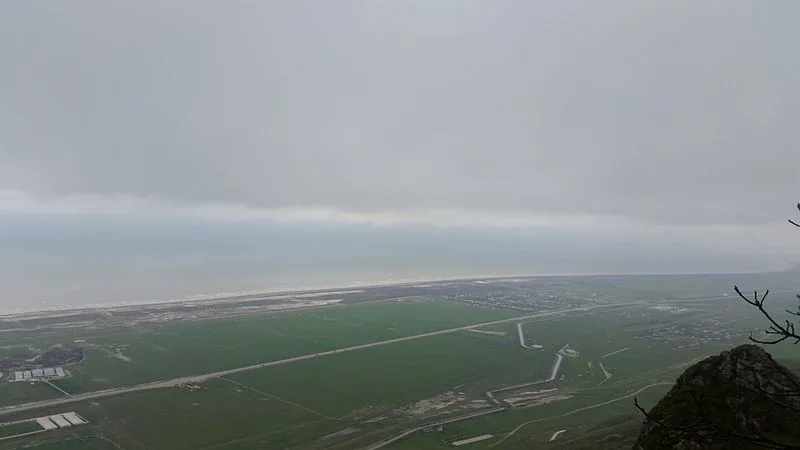
Petroglyphs in Azerbaijan (1)
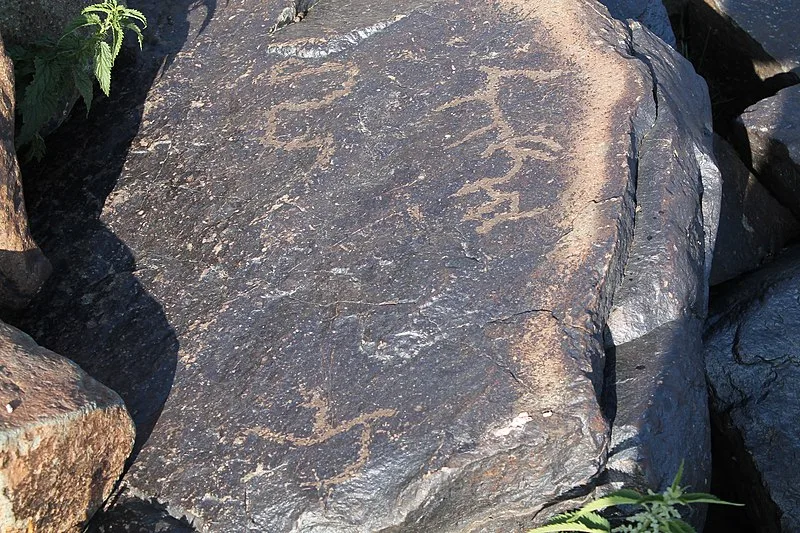
Rock art in Azerbaijan (1)
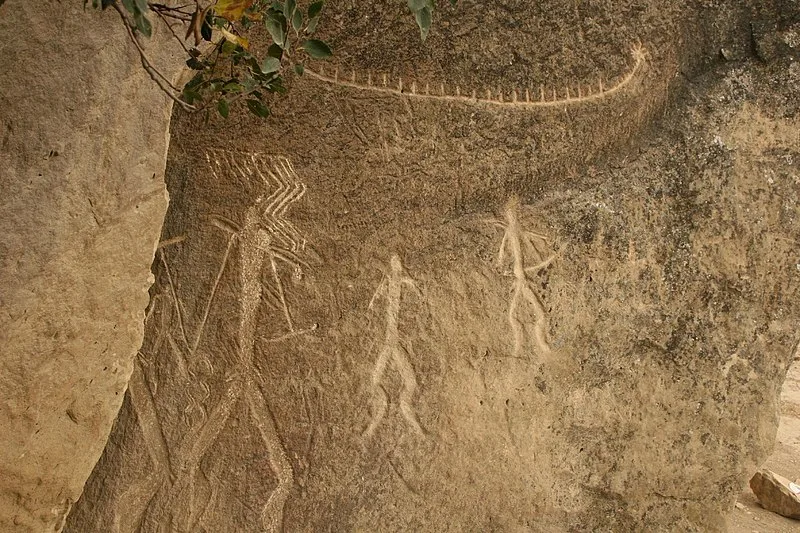
Rock relief/carving in Azerbaijan (1)
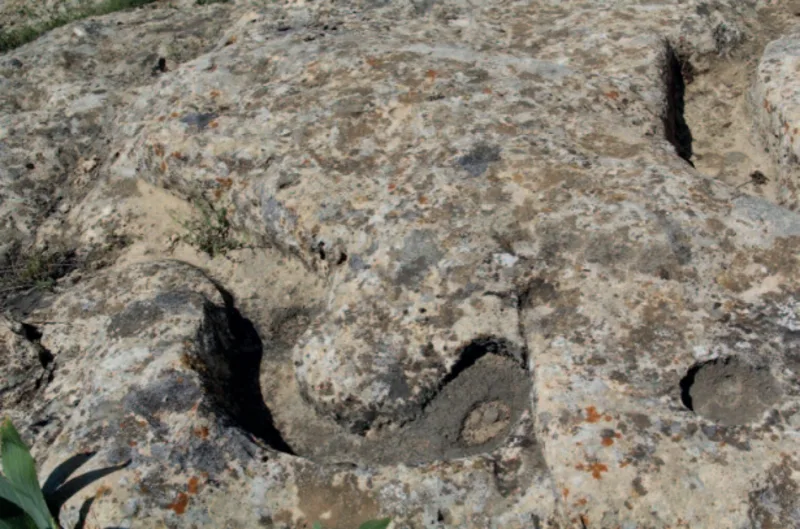
Keep exploring
Every site on this page sits on the globe, and the people who research them are on the Discord.
3D Globe · Sites by country · Story Archive · Research Library · Weekly Journal · Search