
 Azerbaijan
Damjili cave is the biggest cave among Avey Mountain caves [1]. The front side of the cave has been destroyed as the result of floods over the years [1]. The site is situated in the South-Eastern part of the Avey Mountain of the Small Caucasus [1]. Damjılı cave was discovered for the first time in 1953 during the joint expedition of Russian scientist Zamyatin and Azerbaijani archaeologist Mammadali Husyenov [1]. The Paleolithic archaeological expedition formed under the History Museum of Academy of Science of Azerbaijan in 1956 conducted fundamental excavations in Damjili cave between 1956 and 1958 under the supervision of M.Huseynov [1]. The tools found in the Damjili cave trace back to the Middle Paleolithic – Mousterian period, Upper Paleolithic, Mezolithic, Neolithic, Eneolithic periods and Bronze Age [1].
Text: Wikipedia – 'Damjili Cave' (revision of 2026-07-18), CC BY-SA 4.0 · sentences selected and shortened by an AI system · source →Damjili Cave
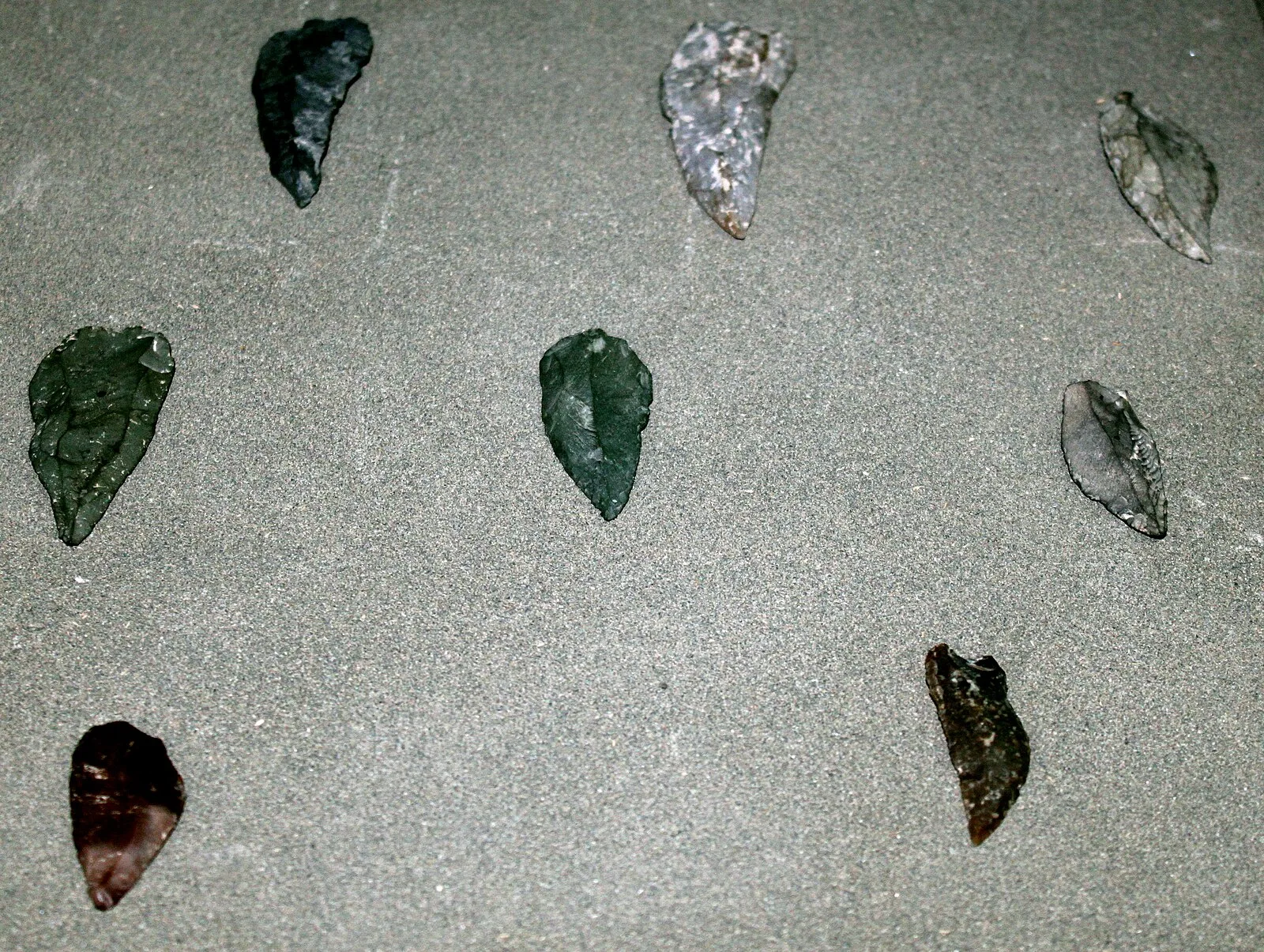
Also known as: Damcılı, Damcılı caverne, Damcılı mağara düşərgəsi, Damcılı mağarası, Damjili-grottan, Grotte de Damdjili, Höhle Damcılı, Дамджили, Дамджили (печера), Дамджылы (пещера), დამჯილი (გამოქვაბული), დამჯილის გამოქვაბული
| Type | Cave Structures |
|---|---|
| Period | < 4500 BC |
| Country | Azerbaijan |
| Coordinates | 41.1482° N, 45.2412° E |