
 Azerbaijan
The Taghlar cave is an archaeological site that was inhabited by prehistoric humans of the Mousterian culture during the Paleolithic [1]. The cave is located in Azerbaijan, in the disputed region of Nagorno-Karabakh, in the southern part of Boyuk Taghlar village, on the left banks of the Guruchay River [1]. Ancient people lived here 64-24 thousand years ago [1]. The cave was discovered during the Paleolithic archaeological expedition of Academy of Science of Azerbaijan under the leadership of M.Huseynov in 1960 [1]. Beginning in 1963, archaeological excavations were carried out in the cave and more than 7,000 stone tools and over 2,000 faunal fossilized bones were discovered and six cultural sediment layers were identified at the site [1]. Indices of the Mousterian culture were found in between the 2nd and 6th layer [1]. The remains of large mammals such as horse, noble deer, bull were found in the 5th layer [1].
Text: Wikipedia – 'Taghlar Cave' (revision of 2026-07-20), CC BY-SA 4.0 · sentences selected and shortened by an AI system · source →Taghlar Cave
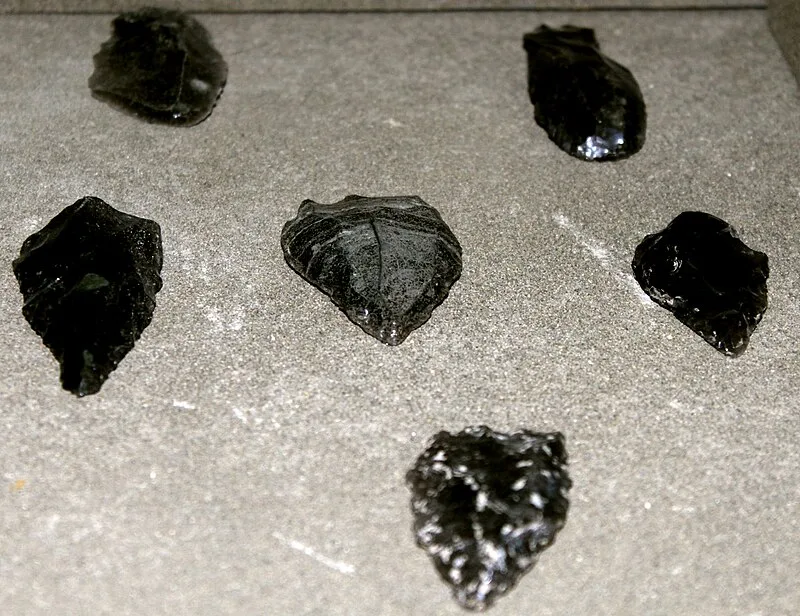
Also known as: Pećina Taghlar, Tağlar, Tağlar Cave, Tağlar Mağarası, Σπήλαιο Ταγκλάρ, Таглар, Таглар мәгарәсе, Таглар мәмерйәһе, Тагларска Пештера, Тагларска пещера, Тагларская пещера, Тагларська печера
| Type | Cave Structures |
|---|---|
| Period | < 4500 BC |
| Country | Azerbaijan |
| Coordinates | 39.6049° N, 46.9648° E |