

Denisovans were identified in 2010 from a finger bone in Siberia's Cave del Valle, Cantabria, their range stretching to Tibet where a jaw was found. Indigenous Australians, Papuans, and Southeast Asians carry Denisovan DNA. Non-African populations retain 1-4% Neanderthal DNA from repeated interbreeding over millennia. Other species like Homo floresiensis in Indonesia, Homo luzonensis in the Philippines, and Homo naledi in South Africa add to the picture. Back-migration even returned archaic genes to Africa, while "ghost populations" remain identified only through genetic signatures.
Denisovans, Neanderthals, and multiple human species intermixed with Homo sapiens
 SpainBioarchaeology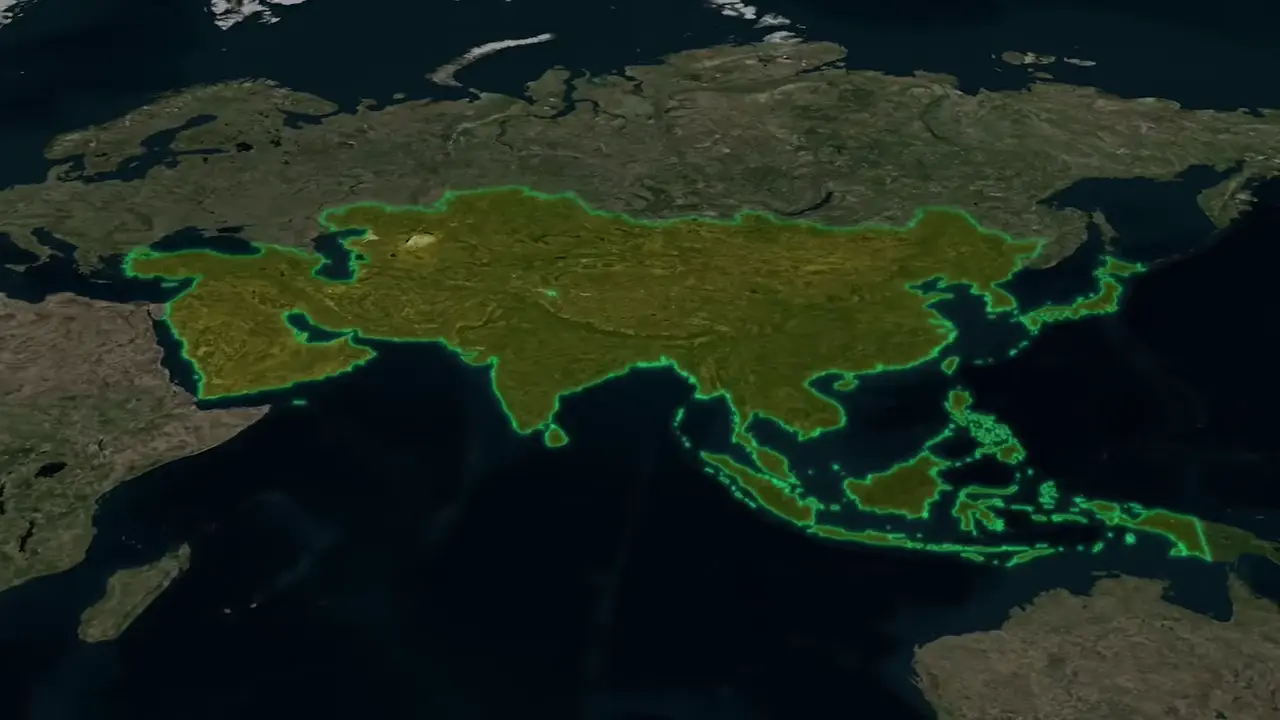
Key facts
- Denisovans discovered in 2010 from a finger bone in Cave del Valle, Cantabria, Siberia
- Denisovan range stretched from Siberia to Southeast Asia, with a jaw fragment found in Tibet
- Indigenous Australians, Papuans, and Southeast Asian populations carry Denisovan DNA
- Non-African descent populations carry 1-4% Neanderthal DNA from repeated interbreeding across thousands of years
- Homo floresiensis found in Indonesia, Homo luzonensis in Philippines, Homo naledi discovered in South Africa in 2013
- Back-migration brought Neanderthal and Denisovan genes back into African populations
- Ghost populations identified through genetic signatures without yet finding physical remains
Site mentioned
Sources
Fossil finger bone yields genome of a previously unknown human ...news.ucsc.edu
Found in a Siberian cave. The finger bone was found in 2008 by Russian scientists in Denisova Cave, an archaeological site in southern Siberia.
Denisova Cave | School of Archaeologyarch.ox.ac.uk
Denisova cave first came to worldwide attention in 2010, with the publication of the genome obtained from the fingerbone of a girl belonging to a group of ...
The Finger Bone That Changed Everything - Anthropology.netanthropology.net
In 2010, researchers extracted the entire nuclear genome from the Denisova finger. ... an ancient finger bone found in Denisova Cave. DNA ...
The Denisova Hominin, a Third Kind of Human - History of Informationhistoryofinformation.com
On March 24, 2010 scientists announced the discovery of a finger bone Offsite Link fragment of an eight year old girl who lived about 41,000 years ago ...
Fossilised finger points to previously unknown group of human ...theguardian.com
'Denisovans' shared Asia with Neanderthals and modern humans 30,000 years ago, DNA analysis of the finger shows.
Was this story useful?
Keep exploring
Every site on this page sits on the globe, and the people who research them are on the Discord.
3D Globe · Sites by country · Story Archive · Research Library · Weekly Journal · Search
AI-generated text · images from the original sources · always verify with the sources.