
 Albania
In 1996, Albania included the Royal tombs of Selca e Poshtme in the UNESCO World heritage list of proposals [1]. Tomb I consists of a rectangular burial chamber with an antechamber or forecourt [1]. Tomb II has two elements: below is a rectangular burial chamber with stairs leading down [1]. Above there is a theatre-like complex with two stepped rows of seats that could have served for any rituals or family visits to do with the deceased [1]. Tomb IV has a 5 m high facade with two separately carved Ionic columns and the entablature and tympanum of a temple [1].
Text: Wikipedia – 'Royal Tombs of Selca e Poshtme' (revision of 2025-12-01), CC BY-SA 4.0 · sentences selected and shortened by an AI system · source →Royal Tombs of Selca e Poshtme
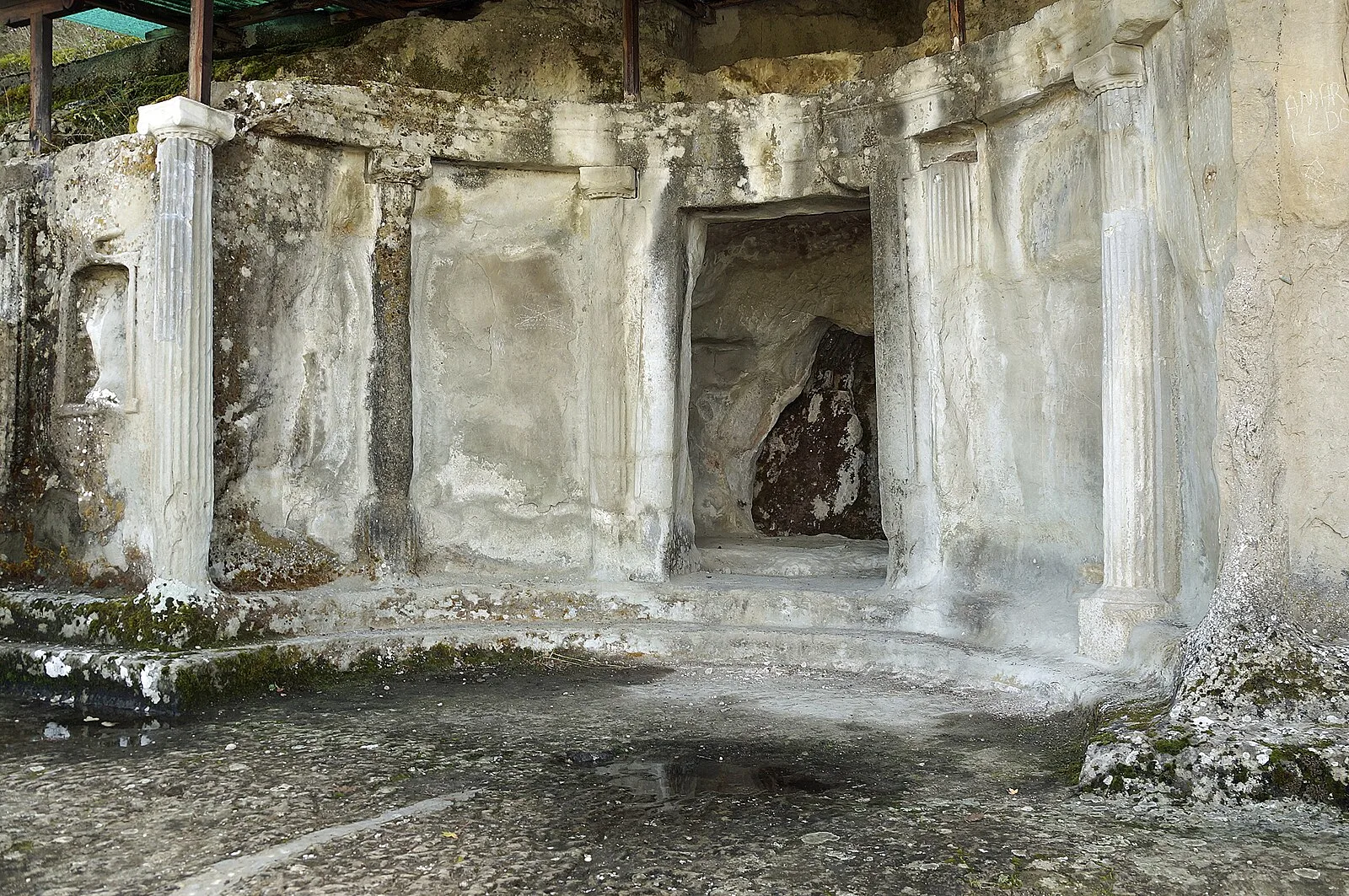
Also known as: Gravarna i Selca e Poshtme, Gravarna i Selcë e Poshtme, Königsgräber von Selca e Poshtme, Königsgräber von Selca i Poshtme, Kraljeve grobnice Selca e Poshtme, Królewskie grobowce w Selcë e Poshtme, pélioni királysírok, Selca e Poshtme-i királysírok, Selca e Poshtme Kraliyet Mezarları, Tombe reali di Selcë e Poshtme, Tombes de Selca e Poshtme, Tombes royales de Selca e Poshtme
| Type | Necropolis/tombs complex |
|---|---|
| Period | 500 BC - 1 AD |
| Country | Albania |
| Coordinates | 40.9913° N, 20.5192° E |