

Archaeological Sites in Lebanon
Temple complex in Lebanon (17)
Ain Hirsha Roman Temple
A 2nd-century AD Roman temple near Mount Hermon in Lebanon's Rashaya District, dated by a Greek inscription to 114-115 AD. Built of limestone and oriented eastward, it features a…
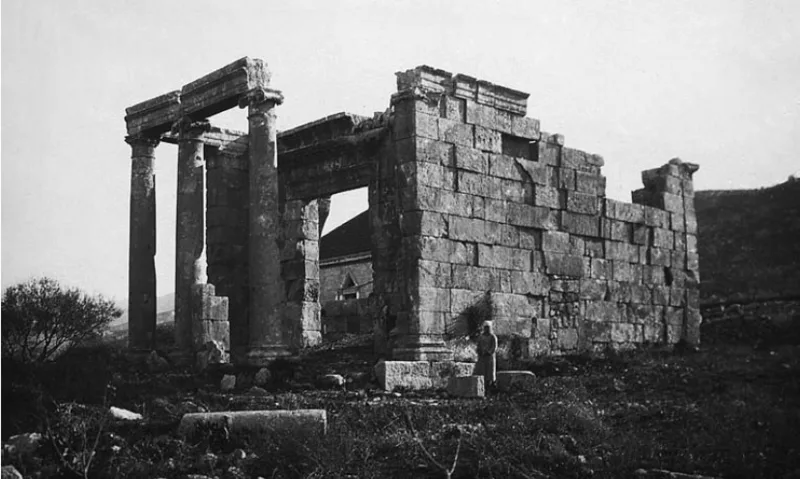
Bziza Roman Temple
A well-preserved 1st-century AD Roman temple dedicated to Azizos, the morning star deity of ancient Arab polytheism. The modern Lebanese town of Bziza derives its name from this…
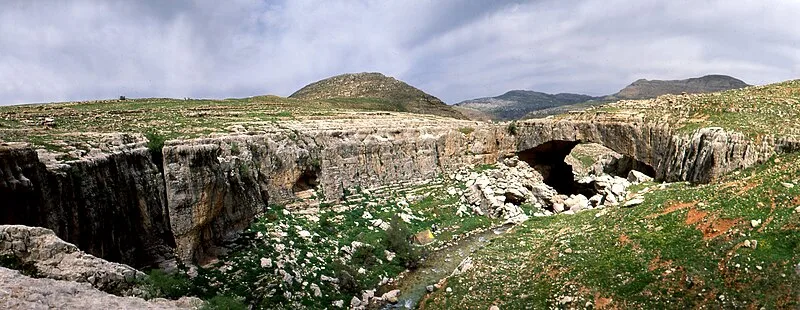
Deir el kalaa
Deir el Kalaa ("Monastery of the Fortress") is a multi-period archaeological site at 800 metres elevation in Beit Mery, Lebanon. It contains the ruins of the third largest Roman…
Faqra
A major Roman archaeological complex at 1,500 meters elevation in Mount Lebanon near Kfardebian, featuring temples, altars, and rock-cut tombs. Key structures include the Tower of…
Hammarah Temple
The Hammarah Temple is a Roman religious complex in Lebanon, originally built in the 1st–4th centuries AD as a square shrine dedicated to the god Zeus. The temple featured an…
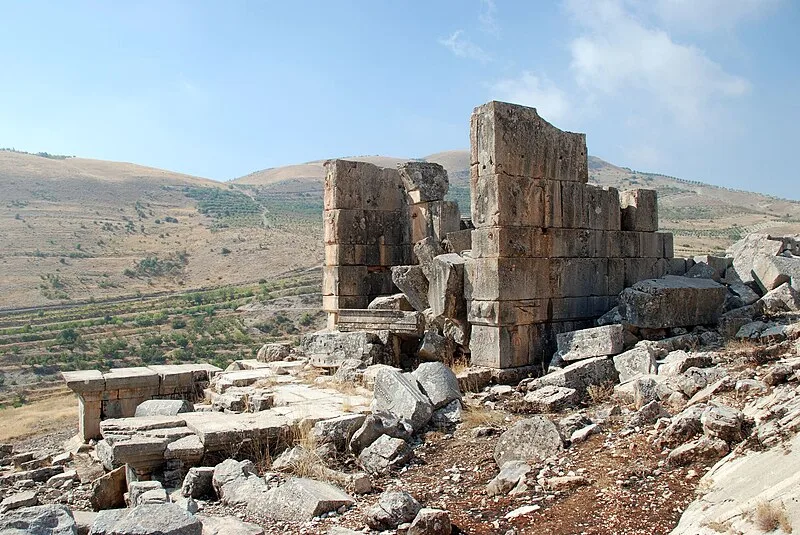
Hosn Niha Roman Temple
(1st–5th c. AD) A Roman temple complex perched on a hill overlooking the village of Niha in Lebanon, featuring carved stone pillars and structural remains that showcase classical…
Mar Gerges Blue Yanouh
The Sanctuary of Yanouh in Lebanon's Byblos District sits at 1,136 meters elevation along the ancient Roman road from Byblos to Baalbek. Its history dates to the 3rd millennium…
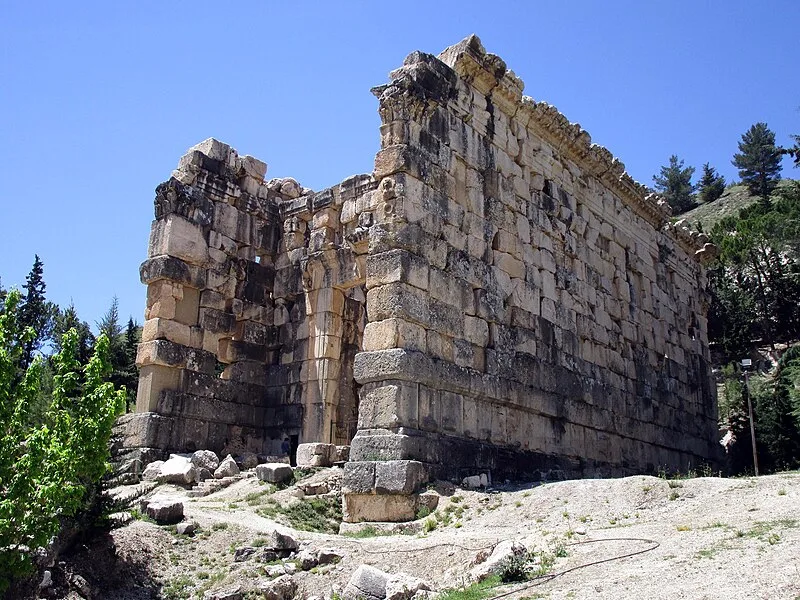
Niha, Zahlé
Niha is a village in Lebanon's Bekaa Valley, home to four Roman temples built between the 1st and 3rd centuries AD. The lower two temples, dedicated to the god Hadaranes and…
Qasr Chbib
Qasr Chbib is a complex of two Roman temples built between 150 and 300 CE, situated near the summit of Mount Hermon. Both sanctuaries have northern walls carved directly from the…
Qasr Naous Roman Temples
Qasr Naous is a complex of two Roman temples situated on a hilltop at approximately 600 metres above sea level in Ain Aakrine, northern Lebanon. The eastern temple retains its…
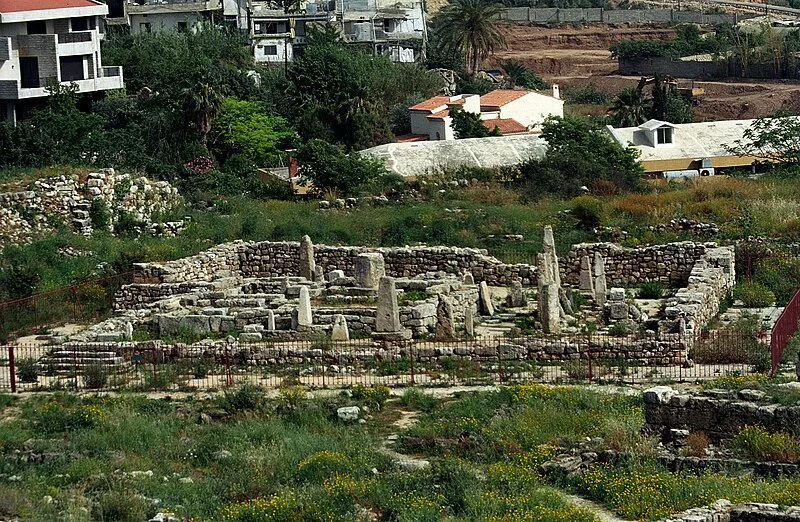
Resheph (Obelisk) Temple
The Temple of the Obelisks (also called L-shaped Temple or Temple of Resheph) is a Bronze Age temple complex at Byblos, Lebanon. Often described as 'perhaps the most spectacular'…
Roman Temple-Deir El Aachaiyer
The Roman Temple-Deir El Aachaiyer is a Graeco-Roman temple complex located in Lebanon, dating from the 3rd to 5th century AD (approximately 242-500 AD). The temple features…
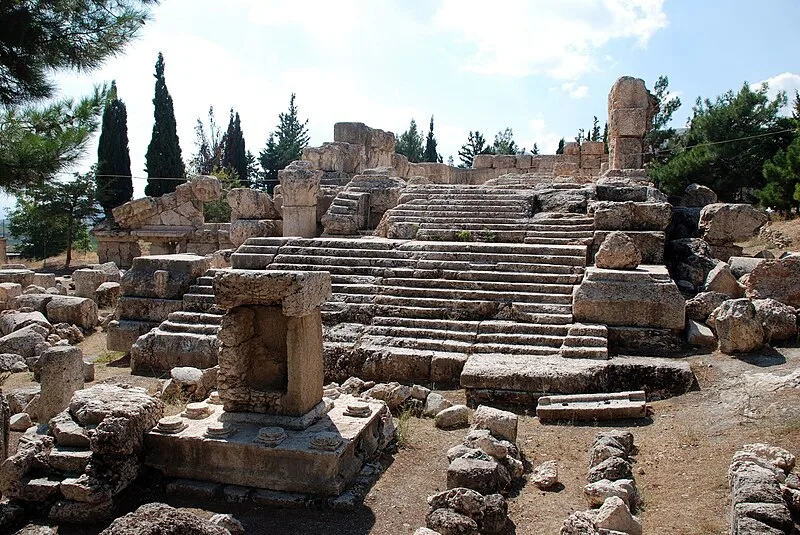
Roman Temple Qsarnaba
Qasr el Banat ("Castle of Virgins") is a 2nd-century Roman temple in Qsarnaba, 14.5 km northeast of Zahle in the Bekaa Valley, Lebanon. It contains the second-widest Roman temple…
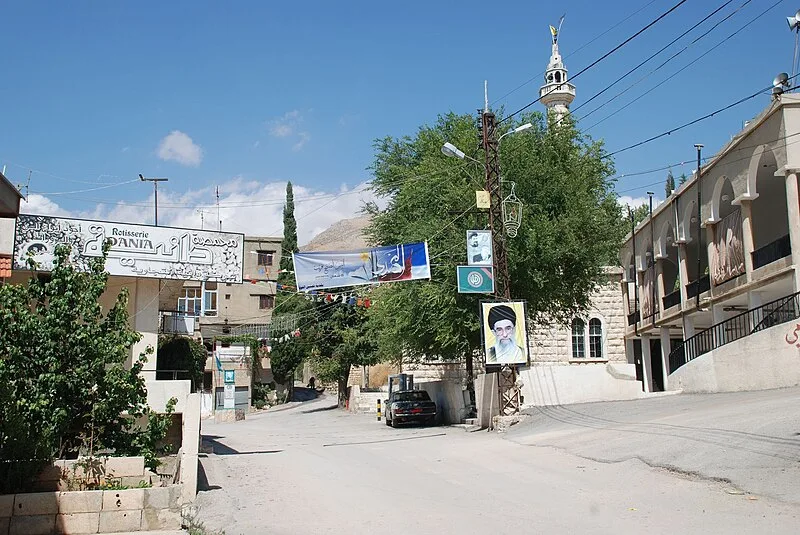
Roman Temple Temnin
A Roman-era nymphaeum in Temnin el-Foka, located 28 km southwest of Baalbek in Lebanon's Bekaa Valley at 1,100 m elevation. The arched watercourse is built of large stones,…
Sfireh Roman Temple
The Sfireh temple complex, located about 35 km from Tripoli at 1,100 meters elevation, is one of the largest Roman temple ruins in Lebanon. Built during the reign of Emperor…
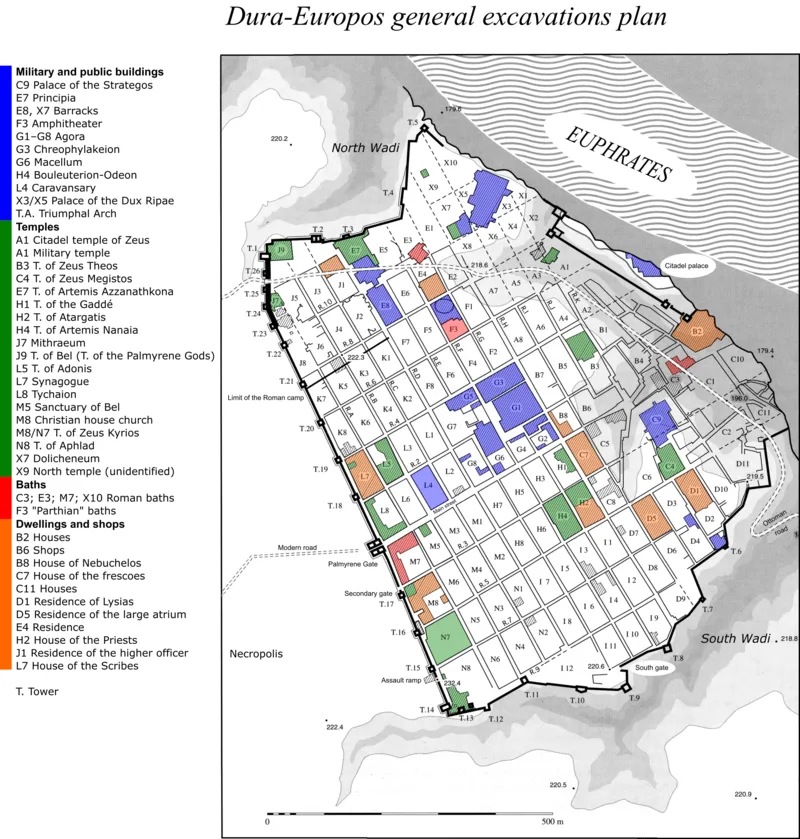
Temple of Atargatis
One of the principal temples of the ancient city of Dura-Europos in eastern Syria, dedicated to Atargatis, ancient Syria's greatest goddess. Dating from approximately AD 100 to…
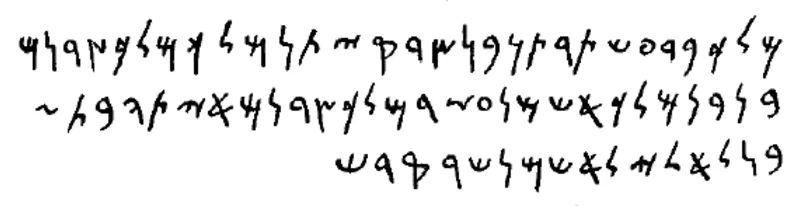
Temple of Eshmun
Located near the Awali river in southwestern Lebanon, the Temple of Eshmun is an ancient sanctuary dedicated to Eshmun, the Phoenician god of healing. Originally constructed by…
Megalithic stones in Lebanon (3)
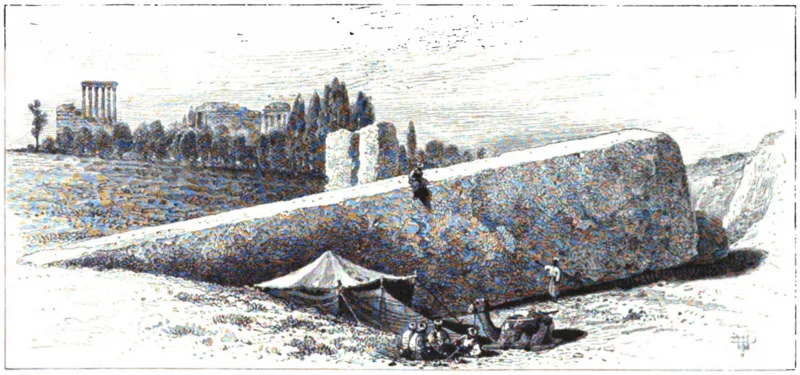
Baalbek Stones
Six colossal Roman-era worked stone blocks at Baalbek (ancient Heliopolis) in Lebanon. The Trilithon consists of three stones in the Temple of Jupiter podium, each approximately…
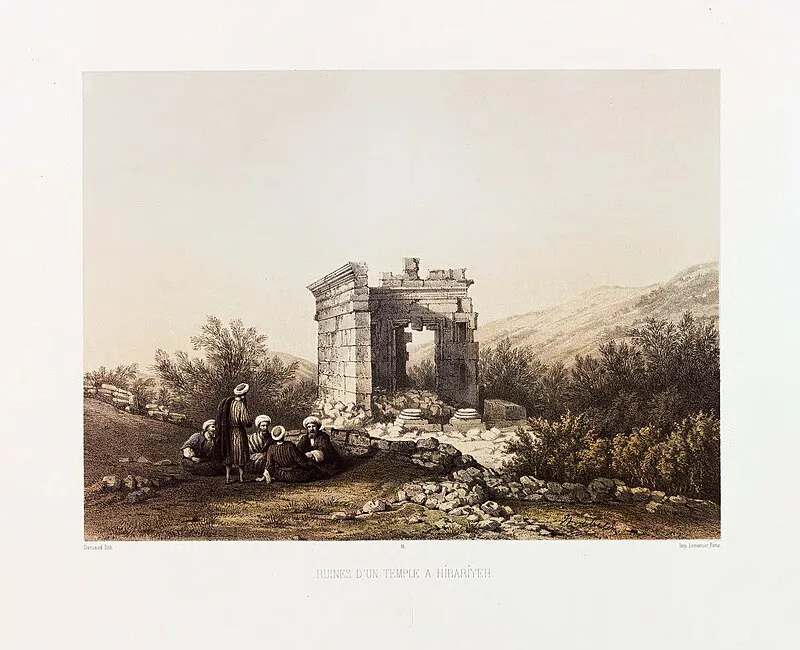
Hebbariyeh Roman Temple
The Hebbariyeh Roman Temple is a 2nd-century AD structure in the Hasbaya District of Lebanon's Nabatieh Governorate, on the southwestern slopes of Mount Hermon. Dedicated to Baal…
 Baalbeck Temples.webp)
Temple of Bacchus
The Temple of Bacchus is a Roman temple in Lebanon's Beqaa Valley, part of the ancient Baalbek complex. Built during the 2nd century CE, it is one of the best preserved and…
Necropolis/tombs complex in Lebanon (3)
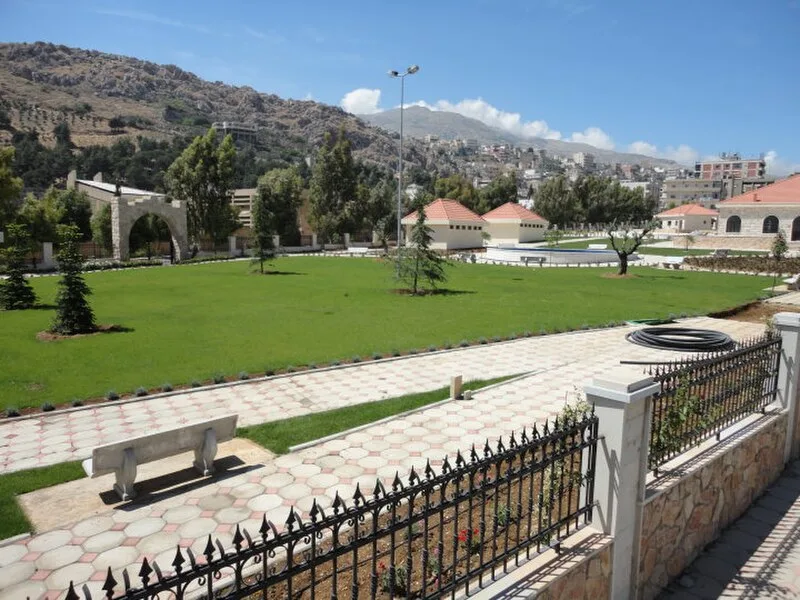
Haidara - Temple of Sun
Roman-era monument carved into a steep limestone cliff in Qab Elias overlooking the Bekaa Valley, Lebanon, measuring 13 metres wide and 10 metres high. Archaeologists suggest a…
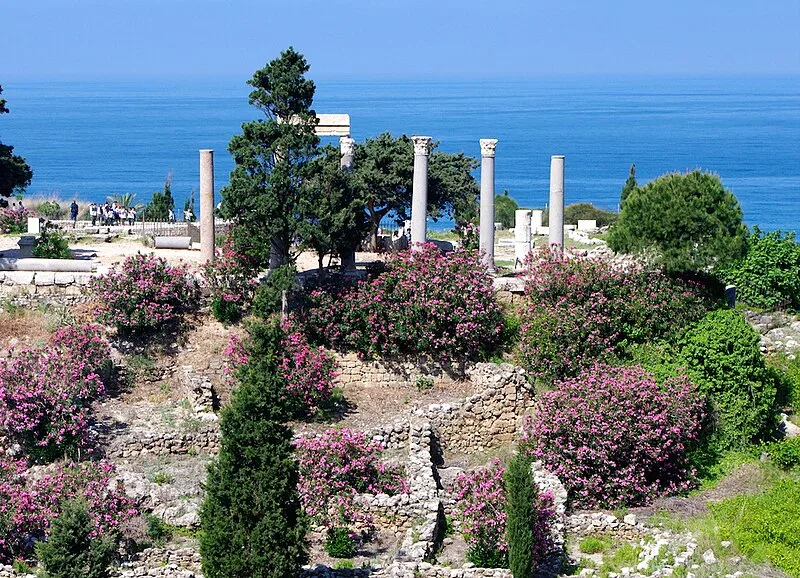
Royal Necropolis of Byblos
3000-1500 BC: The Royal Necropolis of Byblos comprises nine Bronze Age underground shaft and chamber tombs that housed the sarcophagi of several city kings. Discovered in the late…
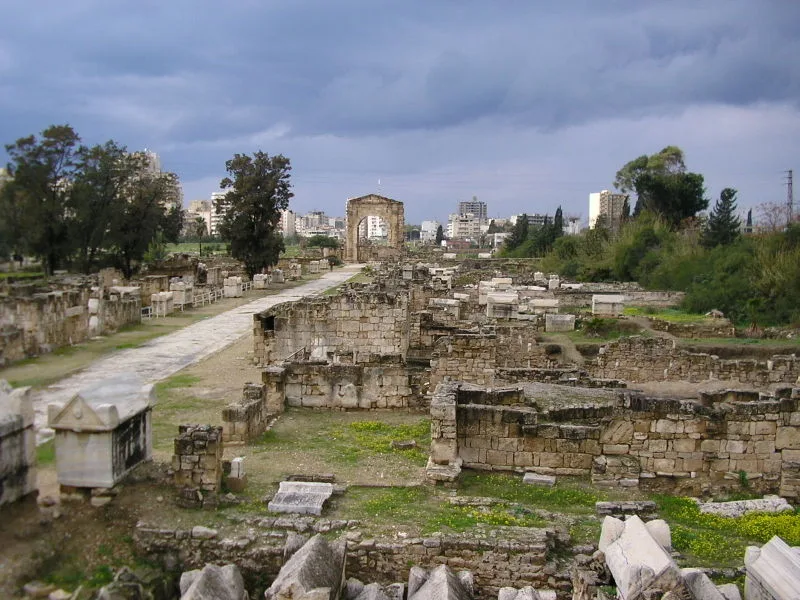
Tyre World Heritage Site - Necropolis
The al-Bass necropolis is a UNESCO World Heritage Site in ancient Tyre, serving as the principal entrance to the city in antiquity. The site spans a wide Roman and Byzantine…
Bath in Lebanon (1)
City/town/settlement in Lebanon (1)
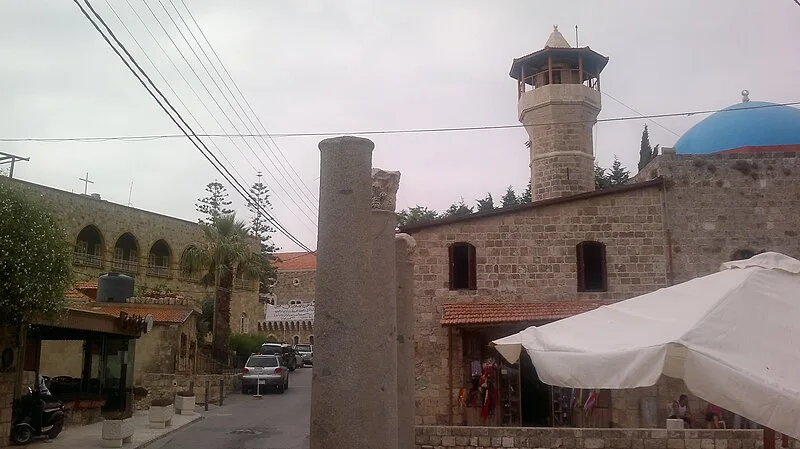
Fortress/citadel in Lebanon (1)
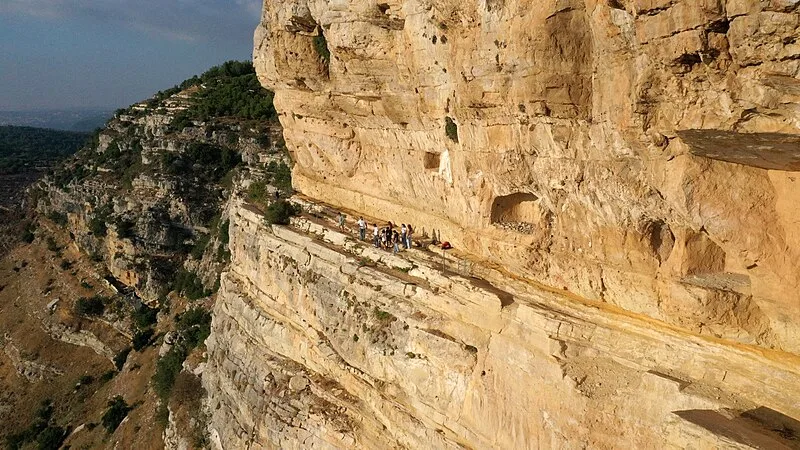
Megalithic structures in Lebanon (1)
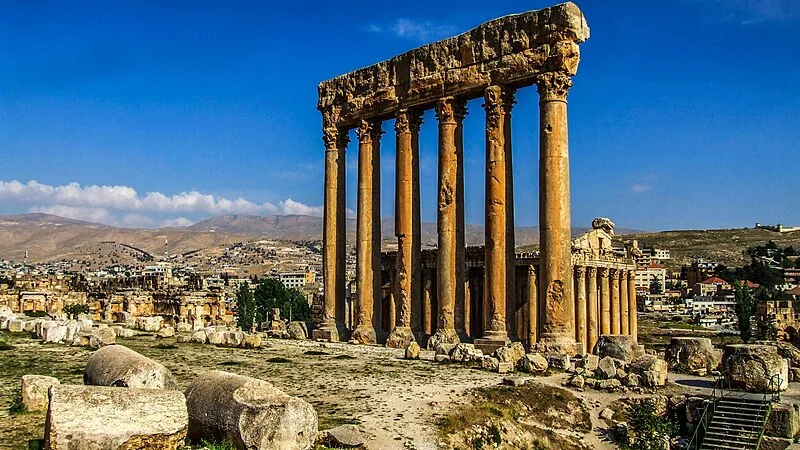
Temple in Lebanon (1)
Keep exploring
Every site on this page sits on the globe, and the people who research them are on the Discord.
3D Globe · Sites by country · Story Archive · Research Library · Weekly Journal · Search