

Story Archive

Swabian Jura, culture: 35,000-40,000-year-old proto-writing in Germany
Swabian Jura, culture: 35,000-40,000-year-old proto-writing in Germany. Swabian Jura, is a group of caves in southwest Germany where 260 artifacts were found Dating to around…

Abri Blanchard bone: 35,000-year-old lunar calendar candidate
Abri Blanchard bone: 35,000-year-old lunar calendar candidate. Bone from Abri Blanchard in France, approximately 35,000 years old In a small area (size of a wristwatch), 69 tiny…
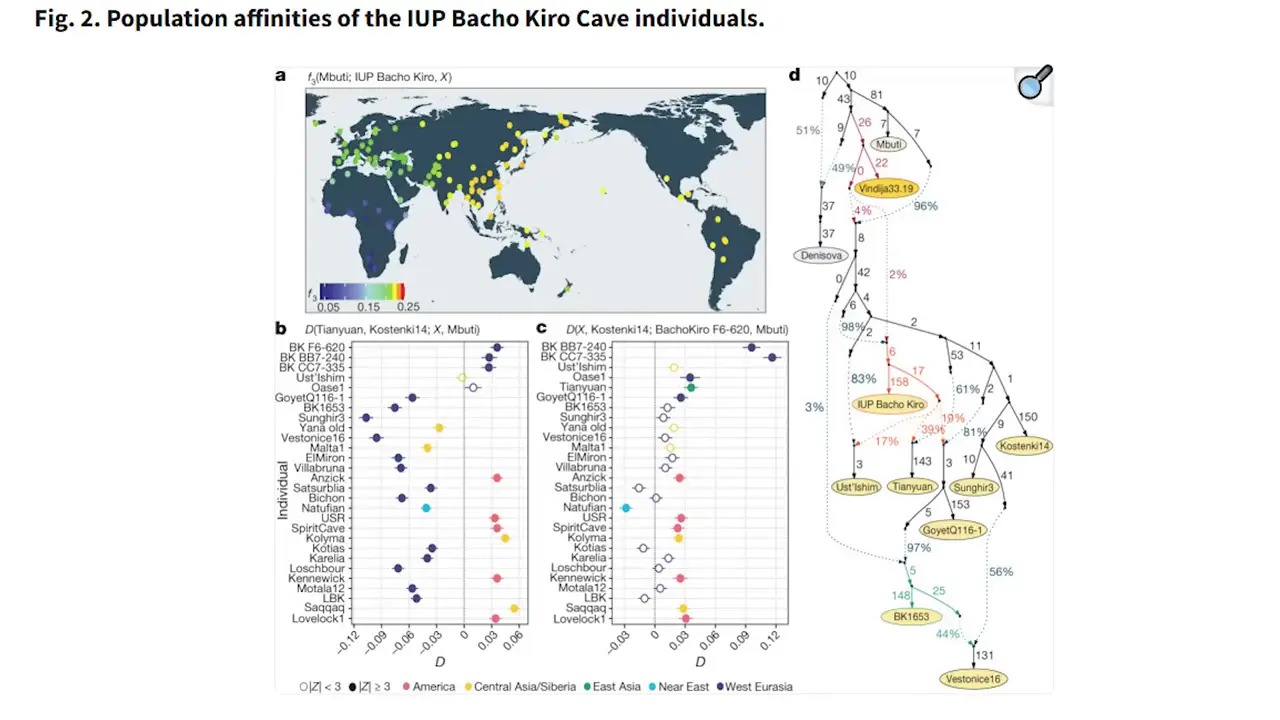
Aurignacian gave way to Gravettian culture around 32,000 BP
Aurignacian gave way to Gravettian culture around 32,000 BP. Late Aurignacian period: 34,000 to 30,000 years ago Gravettian culture emerged around 33,000 to 32,000 years ago New…
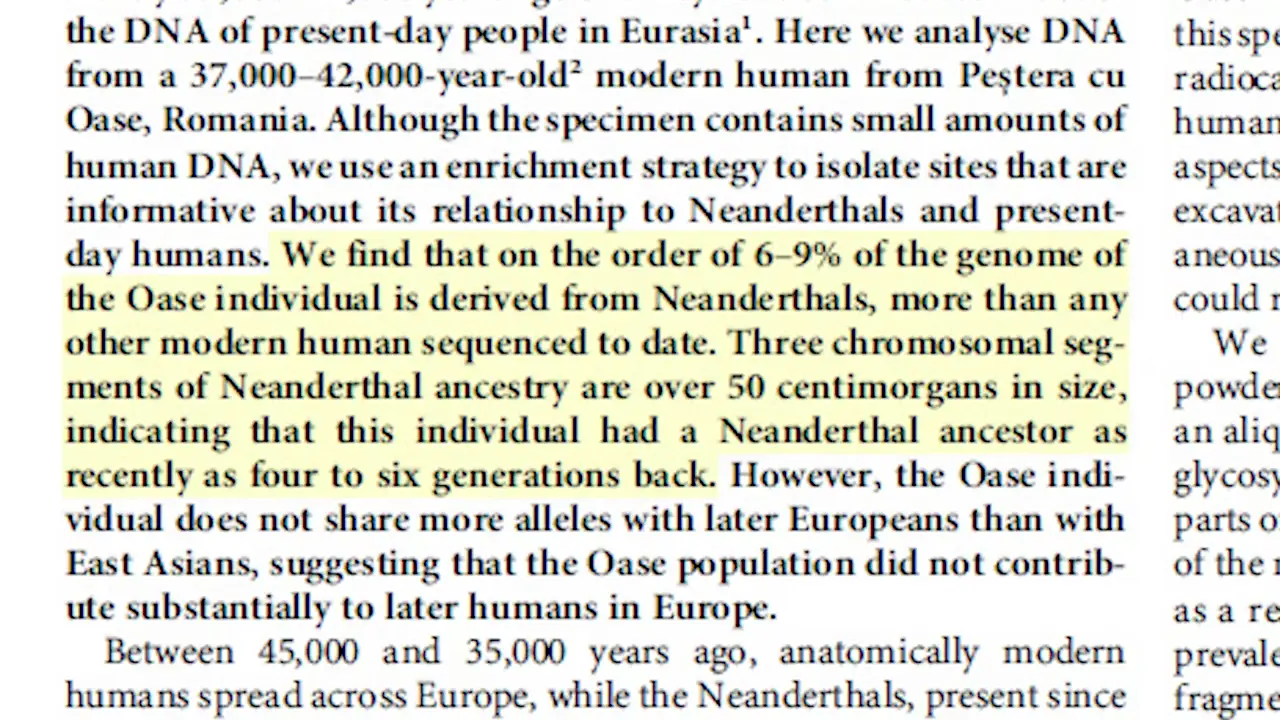
Peștera cu Oase fossil shows recent Neanderthal admixture
Peștera cu Oase fossil shows recent Neanderthal admixture. Peștera cu Oase jaw from Romania dates to around 40,000 years ago This individual had a Neanderthal ancestor 4-6…
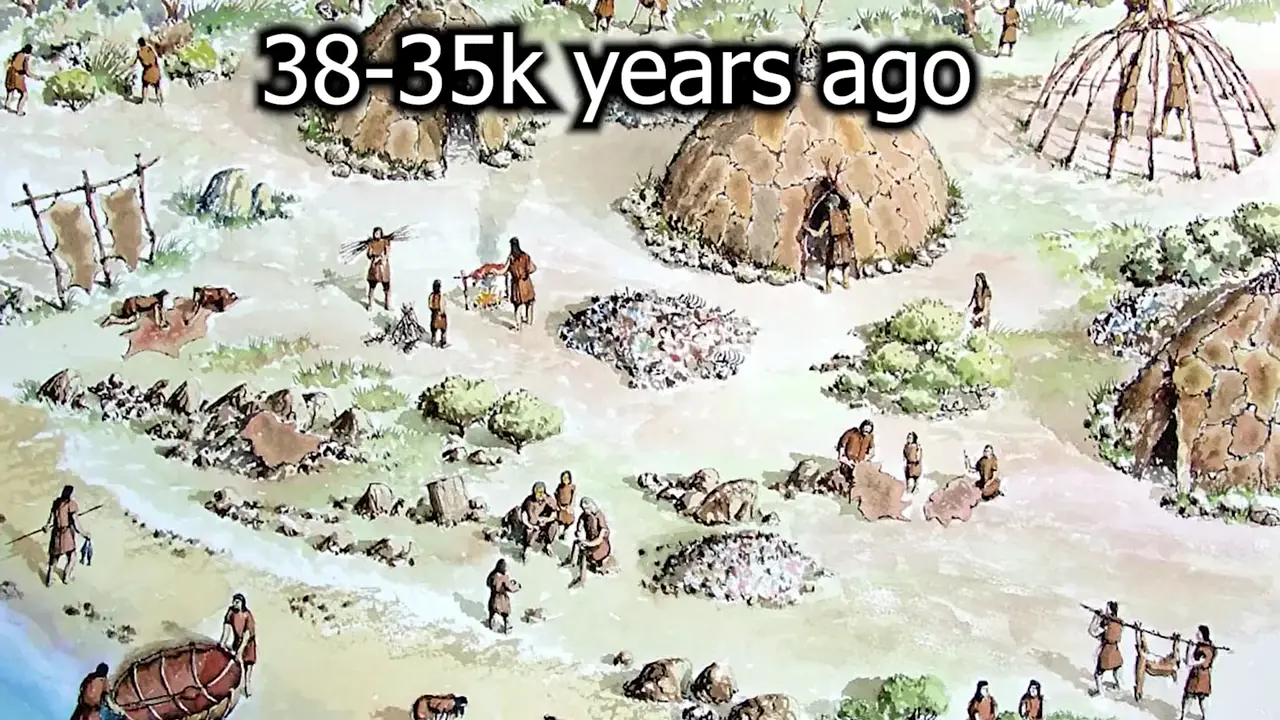
Aurignacian produced Europe's earliest figurative art
Aurignacian produced Europe's earliest figurative art. By 38,000-35,000 years ago, Aurignacian culture created unprecedented symbolic artifacts Venus of Vogelherd Cave: 6cm…
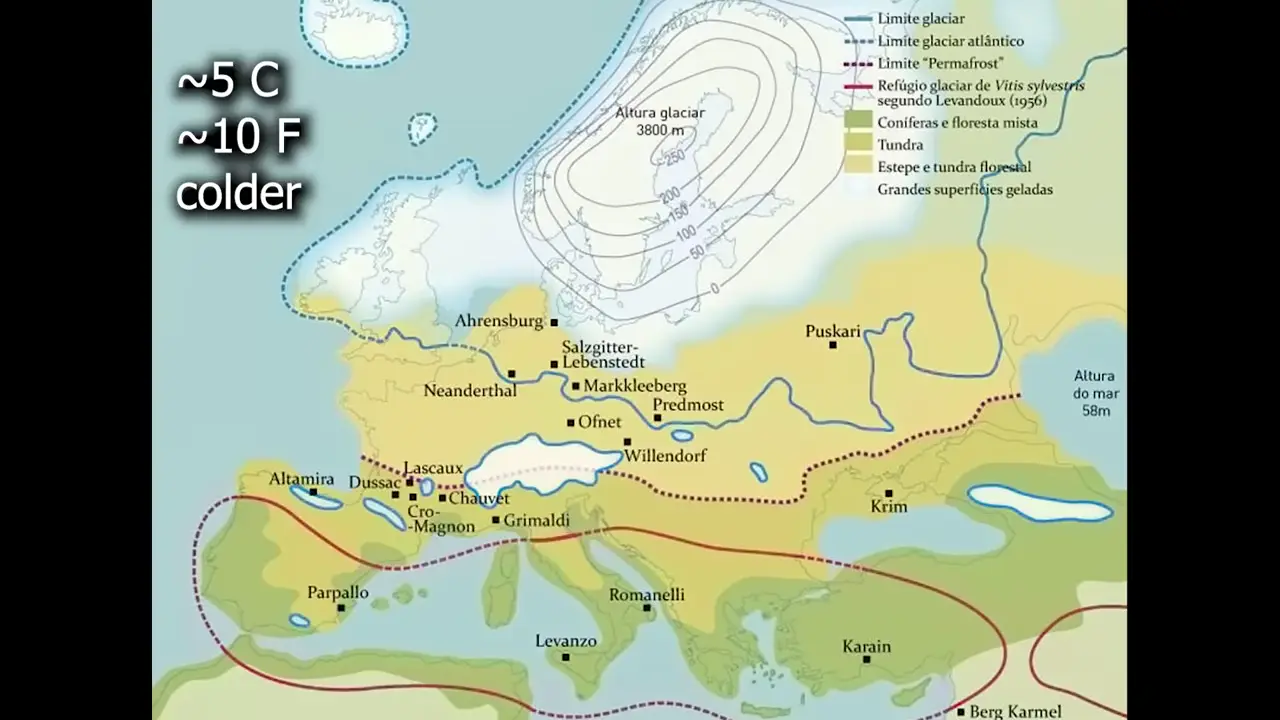
Aurignacians lived in Mammoth Steppe during MIS 3
Aurignacians lived in Mammoth Steppe during MIS 3. Aurignacians lived during Marine Isotope Stage 3 (relatively unstable pre-glacial period) Temperatures were 4-6°C lower than…
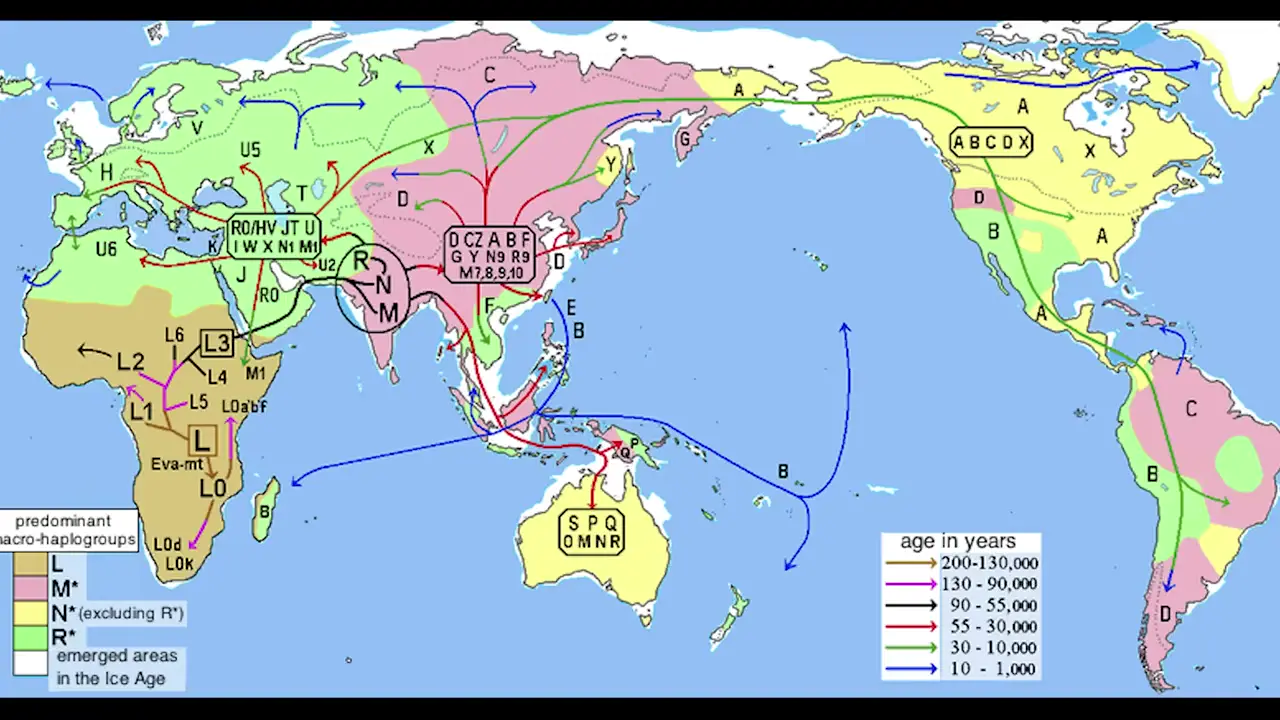
40,000-year-old Europeans carried haplogroups M, N, R, U8
40,000-year-old Europeans carried haplogroups M, N, R, U8. DNA from 40,000-year-old Homo sapiens in Europe shows maternal haplogroups M, N, R, and U8 Haplogroup M is nearly absent…
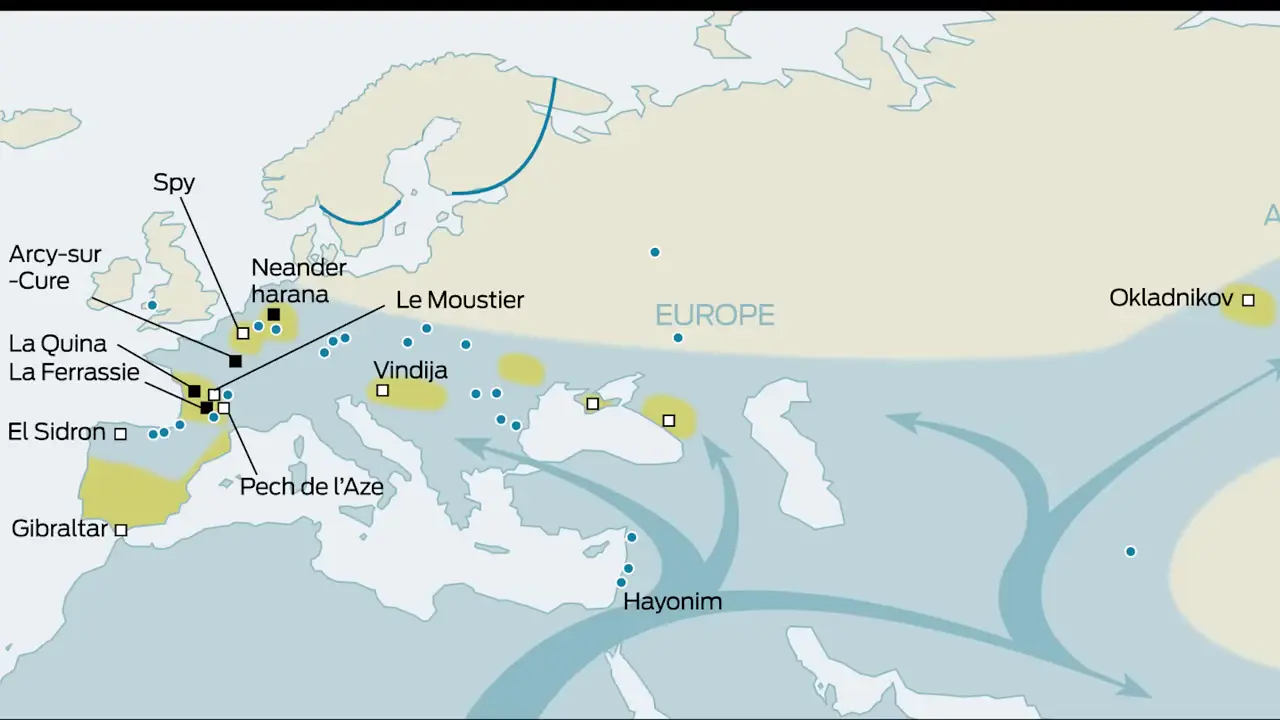
Cave of Aurignacian culture introduced blade tool technology
Cave of Aurignacian culture introduced blade tool technology. Cave of Aurignacian culture emerged 42,000 to 38,000 years ago in Europe Named after the site of Cave of Aurignac in…
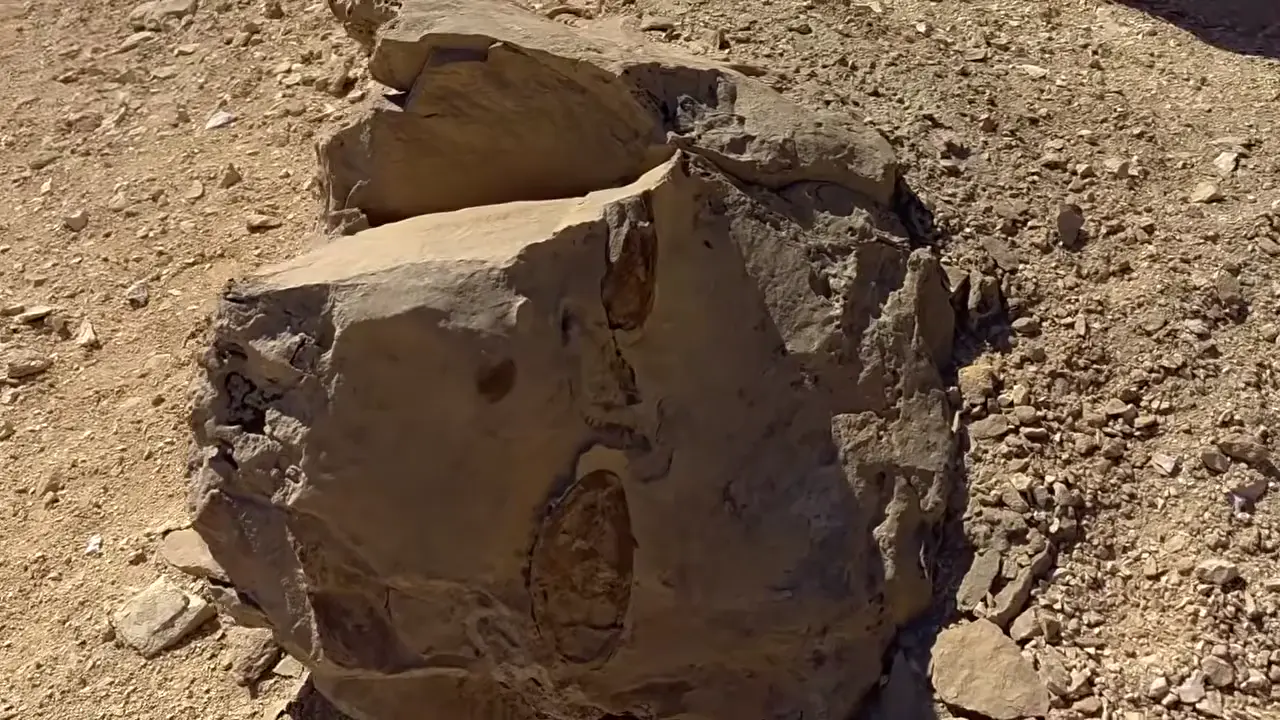
Mystery object embedded in rock at Great Pyramid of Giza
Mystery object embedded in rock at Great Pyramid of Giza. Strange shape found inside rock, appears metallic Object is embedded inside the rock formation Explorers unable to…
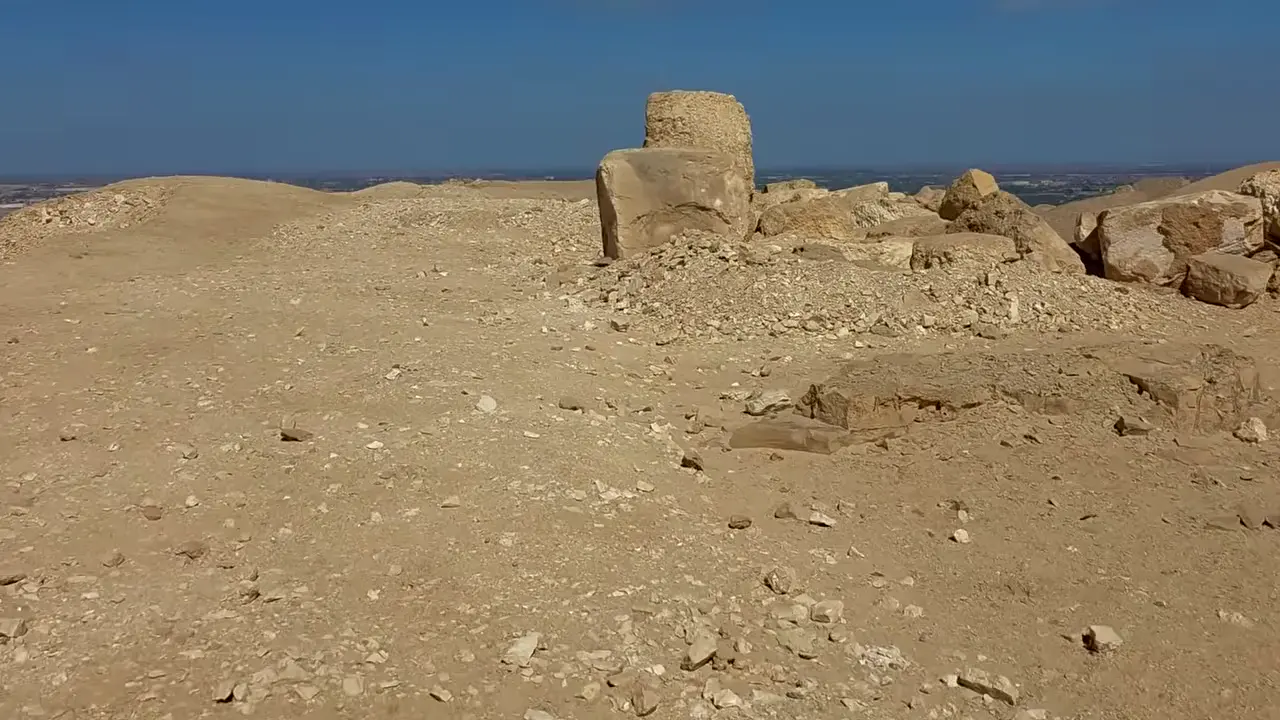
Panoramic view of Giza and Saqqara pyramids
Panoramic view of Giza and Saqqara pyramids. Great Pyramid of Giza offers view of Great Pyramids at Giza Saqqara pyramids visible in distance Multiple pyramid silhouettes visible…

Ancient stairs descending into water-filled underground
Ancient stairs descending into water-filled underground. Stairs carved into bedrock descending into water Stairs are uniform and evenly spaced at approximately 1.3-1.4 feet Tool…
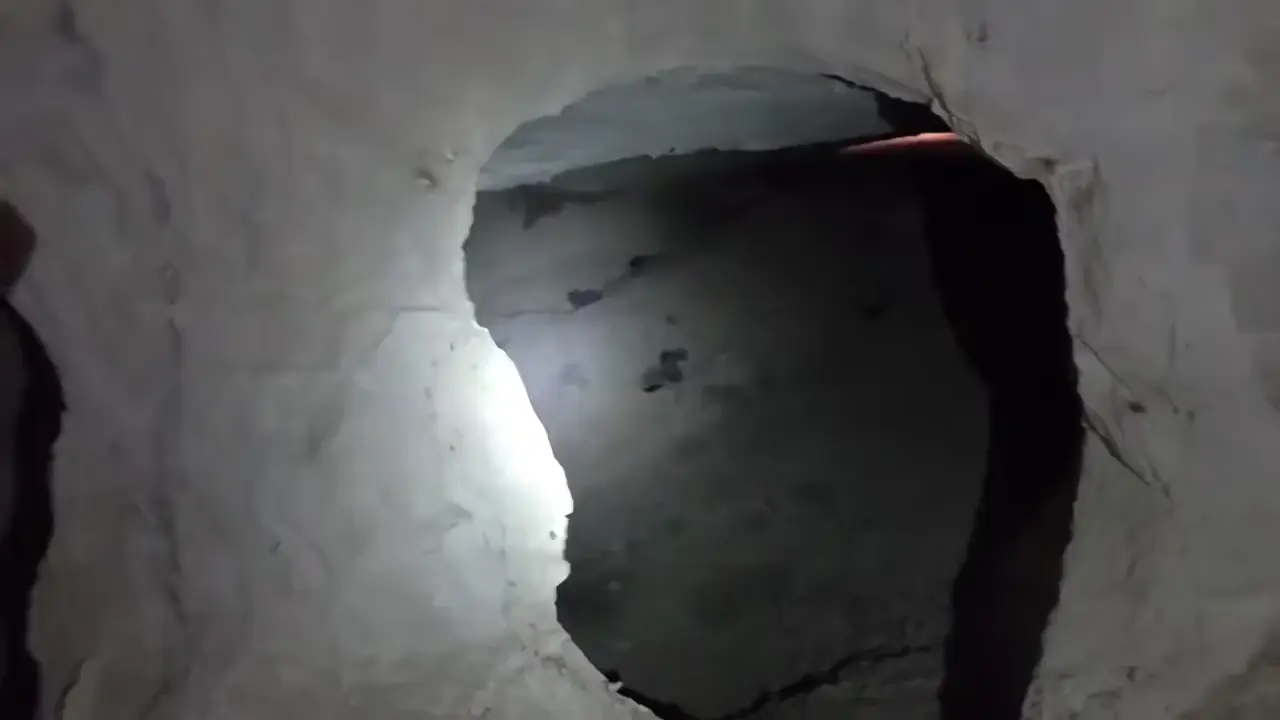
Great Pyramid of Giza pyramid restricted site exploration
Great Pyramid of Giza pyramid restricted site exploration. Great Pyramid of Giza site has military security presence Site is not accessible to the public Tool marks visible on the…
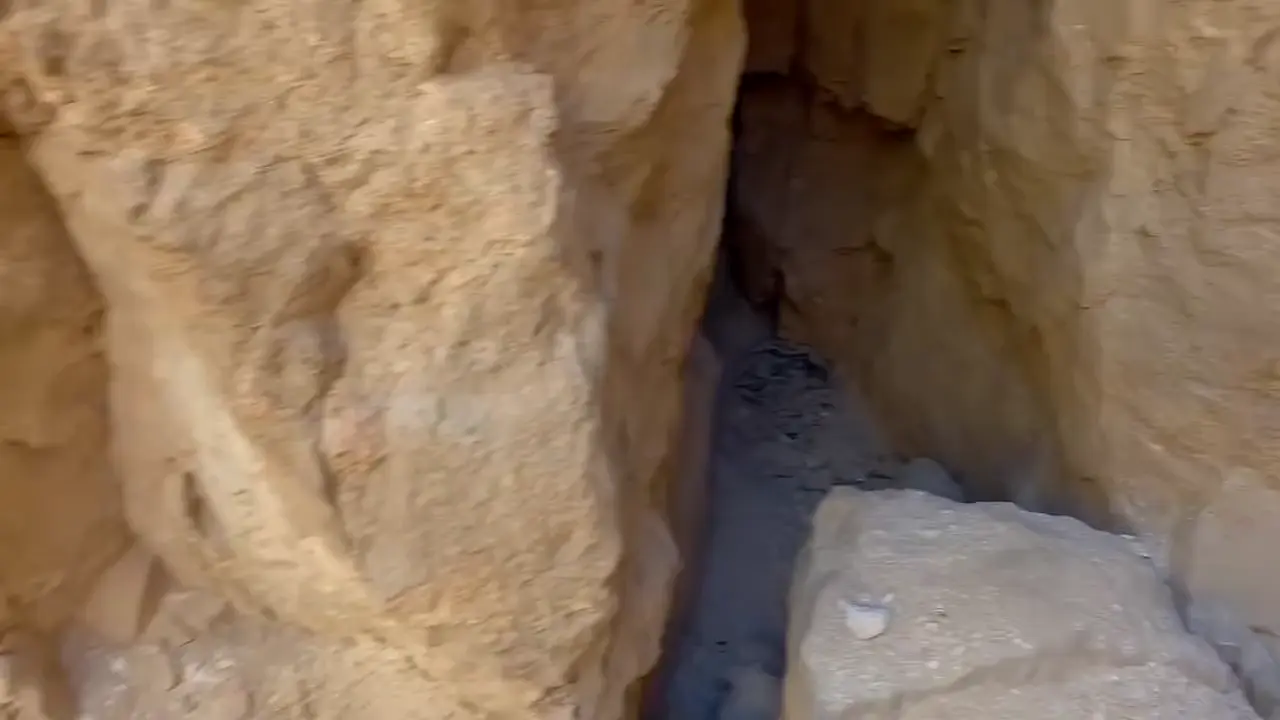
Inside Great Pyramid of Giza pyramid interior descent
Inside Great Pyramid of Giza pyramid interior descent. Entrance to pyramid found next to huge granite blocks Interior contains huge limestone blocks Round hole possibly for column
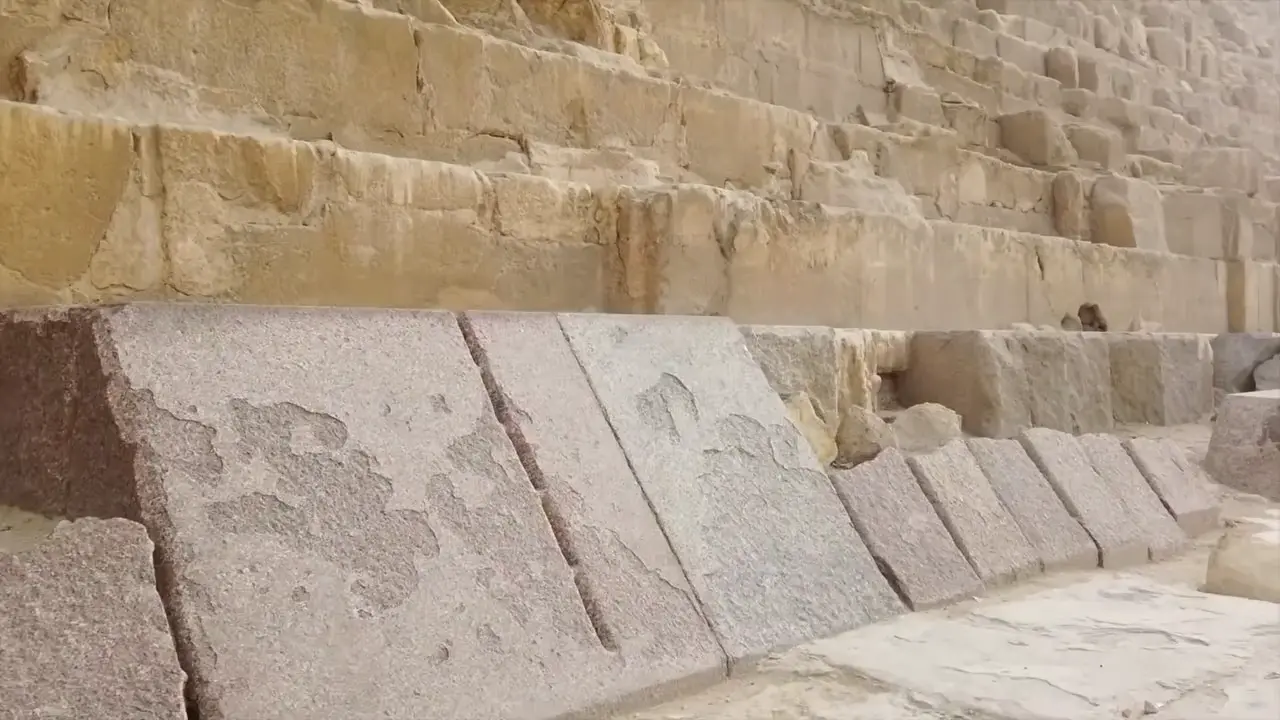
Granite casing stone anomalies on Giza's Second Pyramid
Granite casing stone anomalies on Giza's Second Pyramid. Second pyramid has granite casing stone unlike Great Pyramid which was cased with Turra limestone Some granite casing…

New paradigm reveals Greek warfare was combined arms
New paradigm reveals Greek warfare was combined arms. New orthodoxy: only first 2-3 ranks of phalanx could engage in combat, not entire formation Phalanx likely had looser spacing…

Historians challenge traditional hoplite warfare narrative
Historians challenge traditional hoplite warfare narrative. The orthodox view claims hoplites fought in dense 7-40 row phalanxes using othismos (shoving) to push enemy formation…

Medieval British didn't recognize megaliths as human-made until 16th century
Medieval British didn't recognize megaliths as human-made until 16th century. Until the 16th century, most people in Britain didn't recognize prehistoric stone structures as being…

1859-60 scientific chronology displaced Druids from megalith building
1859-60 scientific chronology displaced Druids from megalith building. In 1859-60, British scholars accepted the great age of the planet and human race The Danish three-age system…

William Stoutley made Druids dominant explanation for megaliths in 1740s
William Stoutley made Druids dominant explanation for megaliths in 1740s. William Stoutley published two famous books on Avebury and Avebury in the early 1740s His fieldwork was…

Welsh claimed direct descent from Druids in 19th-century nationalist revival
Welsh claimed direct descent from Druids in 19th-century nationalist revival. The Welsh adopted megaliths and Druids as central to their newly recreated cultural identity Welsh…

Scots pioneered Druid-megalith connection in 1520s through French scholarship
Scots pioneered Druid-megalith connection in 1520s through French scholarship. By the 1520s, Scots had developed a tradition that prehistoric stone rings were pagan temples This…

Feathered headdresses and fur clothing in Neolithic‑Bronze Age northern Europe
Feathered headdresses and fur clothing in Neolithic‑Bronze Age northern Europe. Microscopic analysis of grave goods from Sweden and Italy identified bird feathers, animal hair and…

Indigo‑dyed textiles and single‑needle knitting in Bronze Age Anatolia
Indigo‑dyed textiles and single‑needle knitting in Bronze Age Anatolia. Two textile fragments (≈1915‑1745 BC and 1700‑595 BC) from Beycesultan show indigo dye from woad Technique…

Evidence of cannibalism in Mashitka Cave, Poland (≈18 000 years ago)
Evidence of cannibalism in Mashitka Cave, Poland (≈18 000 years ago). 68 % of human bones show cut marks, fractures and evidence of brain and marrow extraction Marks indicate…

Bronze‑Age copper mines in southwestern Spain linked to Scandinavian metal
Bronze‑Age copper mines in southwestern Spain linked to Scandinavian metal. Six previously undocumented mines (copper, lead, silver) identified in Extra De Madura Lead‑isotope…

Mass grave of 77 individuals in Serbia, mid‑9th century BC
Mass grave of 77 individuals in Serbia, mid‑9th century BC. Victims mainly women and children, bludgeoned or stabbed, some with weapon injuries Isotopic analysis shows most were…

Charred pot residues reveal complex plant‑based diets of prehistoric Europe
Charred pot residues reveal complex plant‑based diets of prehistoric Europe. Analysis of 58 pottery shards from 13 sites across northern/eastern Europe (6th‑3rd millennium BC)…

Neolithic bows from submerged settlement at Lake Bracciano, Italy
Neolithic bows from submerged settlement at Lake Bracciano, Italy. 19 intact bows recovered from the lake‑bed settlement of Lam Ma (Lake Bracciano) dated 5,635‑5,230 BC Bows made…
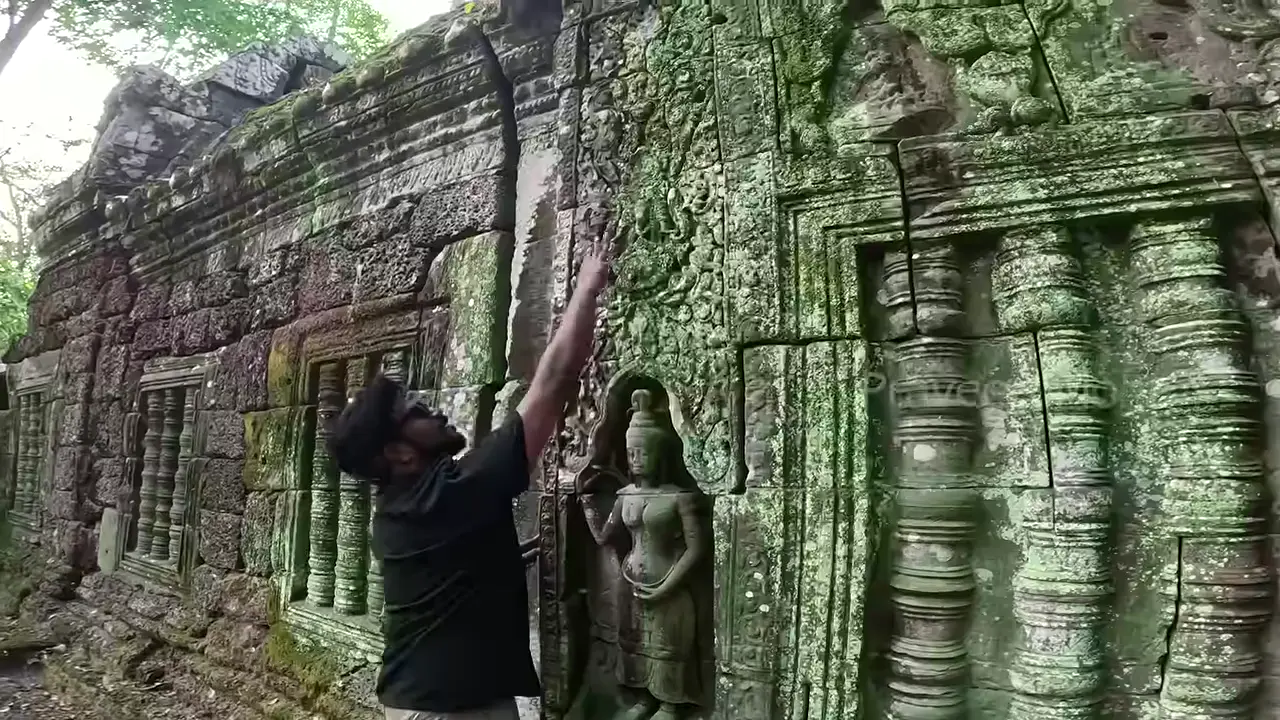
Indra deity deliberately erased from temple carving
Indra deity deliberately erased from temple carving. Carving shows a three-headed elephant (Indra's mount) with Indra himself scraped out The god of thunder and lightning was…
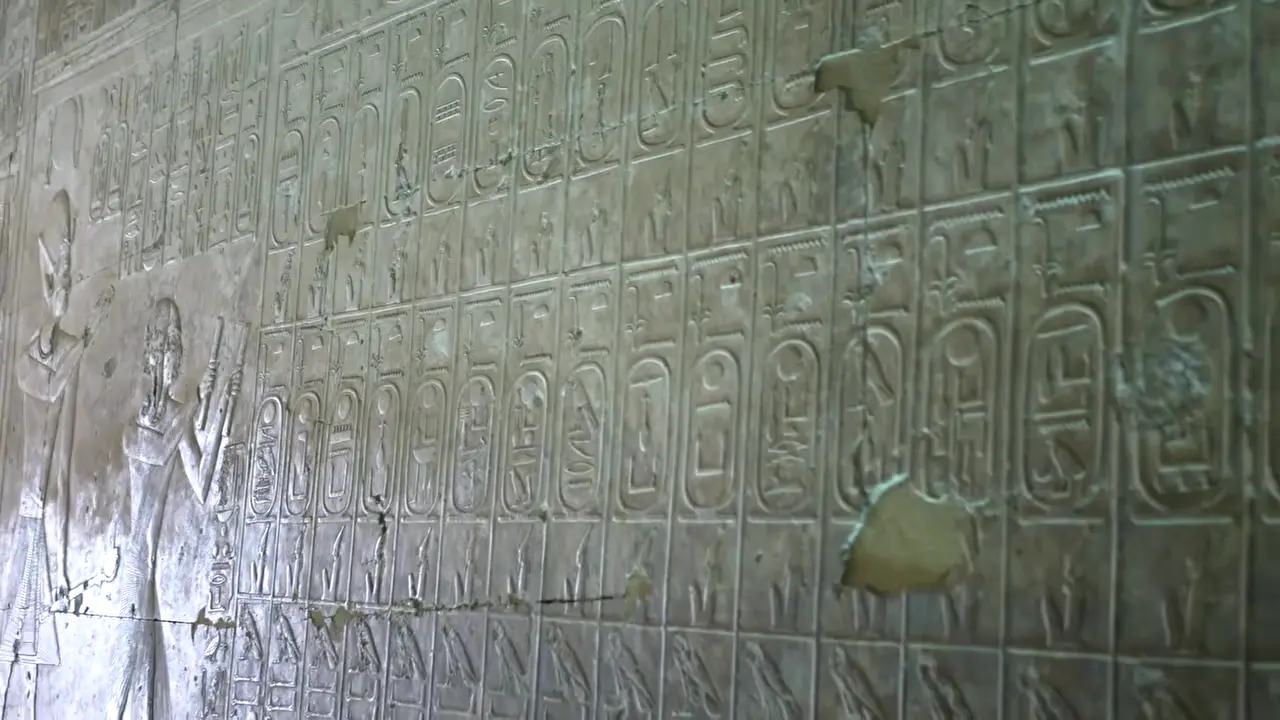
Abydos (Troad) King List carved by Seti I omits Amarna kings
Abydos (Troad) King List carved by Seti I omits Amarna kings. The Abydos (Troad) King List is one of the most famous inscriptions in Egyptian history Lists Egyptian kings from…
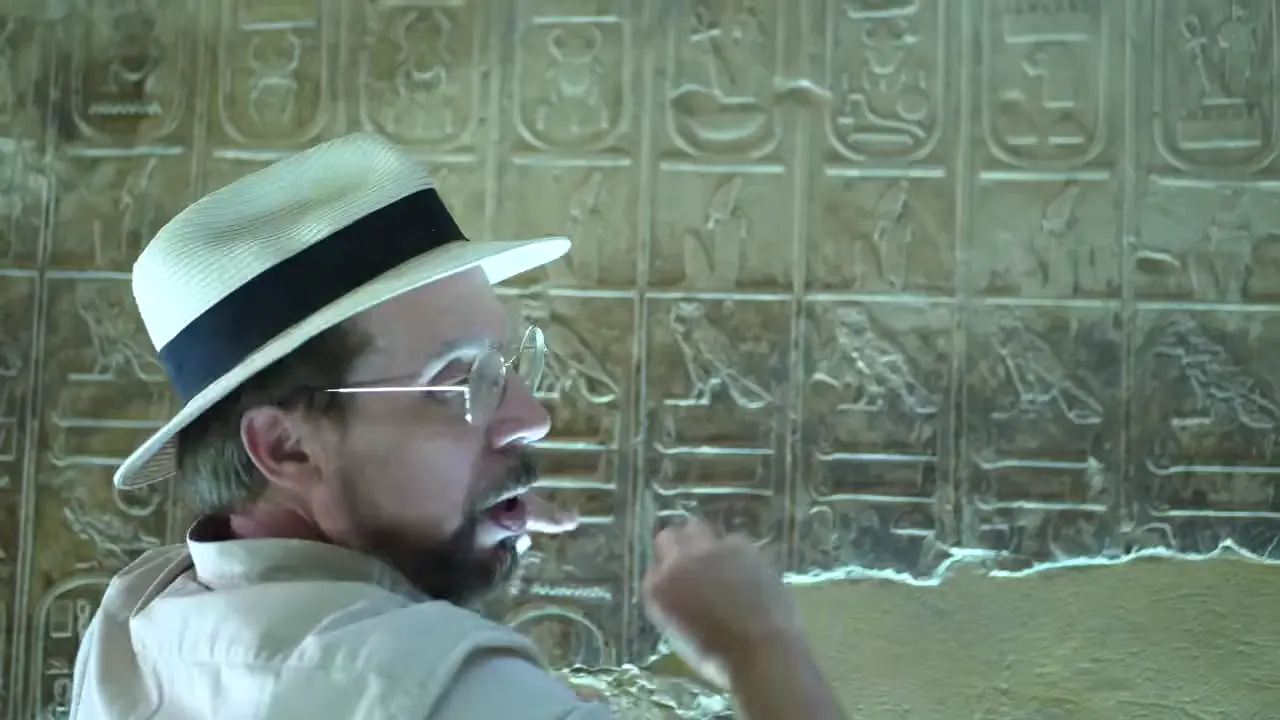
Seti I's L-shaped temple at Abydos (Troad) built around 1300 BCE
Seti I's L-shaped temple at Abydos (Troad) built around 1300 BCE. Seti I ruled early in the 19th Dynasty around 1300 BCE Temple built mostly of limestone with some sandstone Seti…
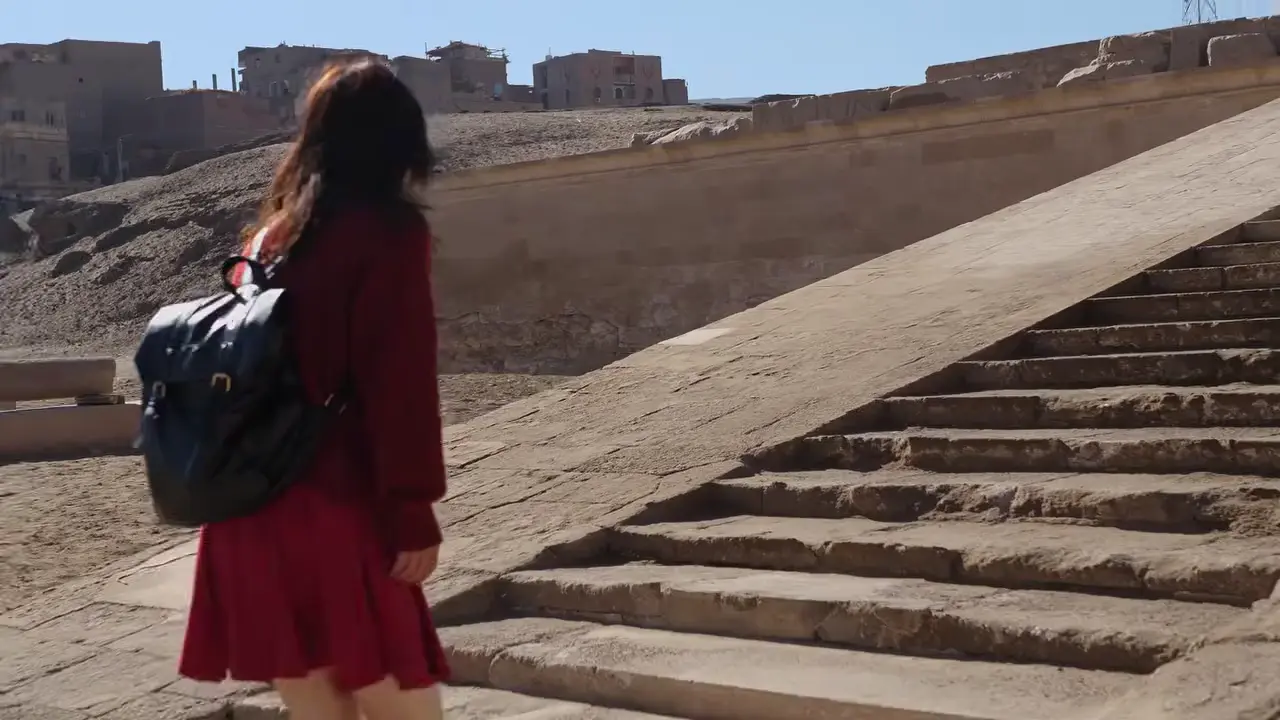
Seti I positioned himself as restorer of Egyptian kingship
Seti I positioned himself as restorer of Egyptian kingship. Seti I ruled early in the 19th Dynasty after Akhenaten's radical religious reforms He presented himself consistently as…
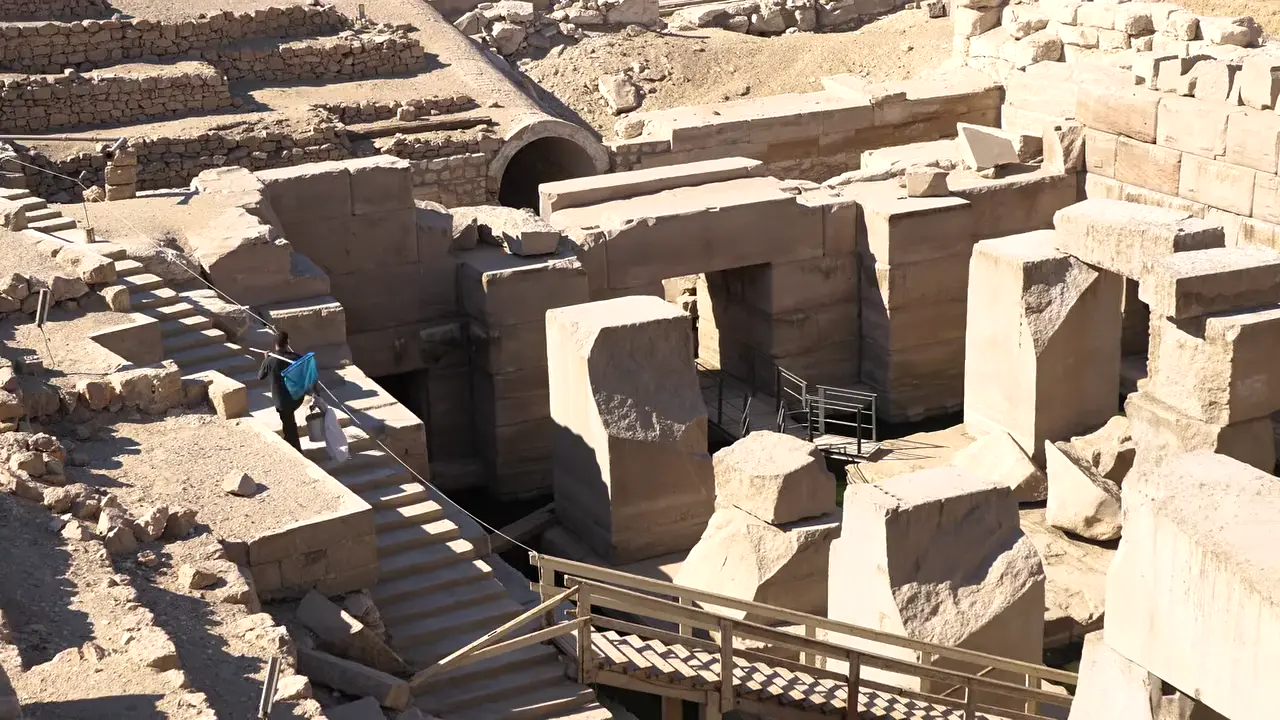
Osirion at Abydos (Troad): Osiris symbolic tomb with cosmic design
Osirion at Abydos (Troad): Osiris symbolic tomb with cosmic design. The Osirion is neither a temple nor a tomb but functioned as a symbolic tomb of Osiris Located more than 12…

Rising Star Cave discovery of 15 Homo naledi individuals
Rising Star Cave discovery of 15 Homo naledi individuals. In 2013, explorers entered the Rising Star Cave system in South Africa The fossil chamber is located 30m below surface…
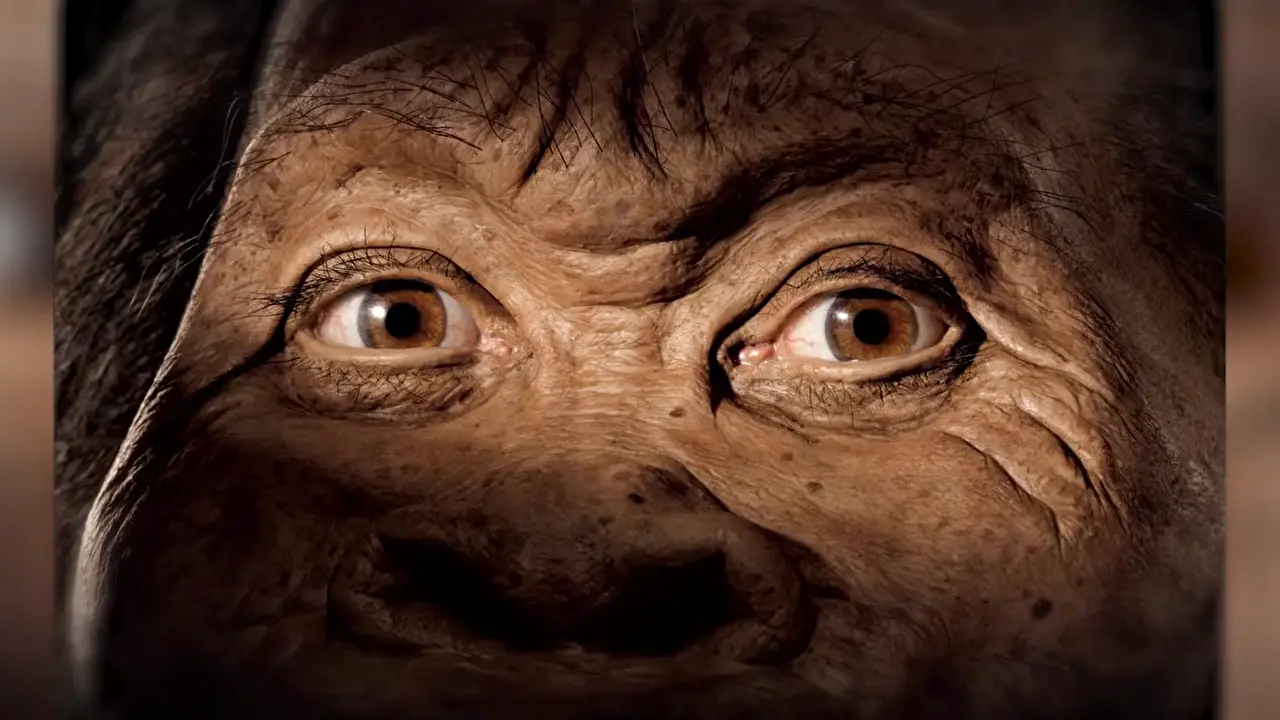
Homo naledi's small brain and mosaic anatomy
Homo naledi's small brain and mosaic anatomy. Homo naledi had a brain volume of 465-610 cm³, less than half a modern human brain The brain size is firmly within the range of…

Homo naledi dating challenges cognitive evolution model
Homo naledi dating challenges cognitive evolution model. Homo naledi lived roughly 236,000 to 335,000 years ago This is shockingly recent, potentially overlapping with early Homo…
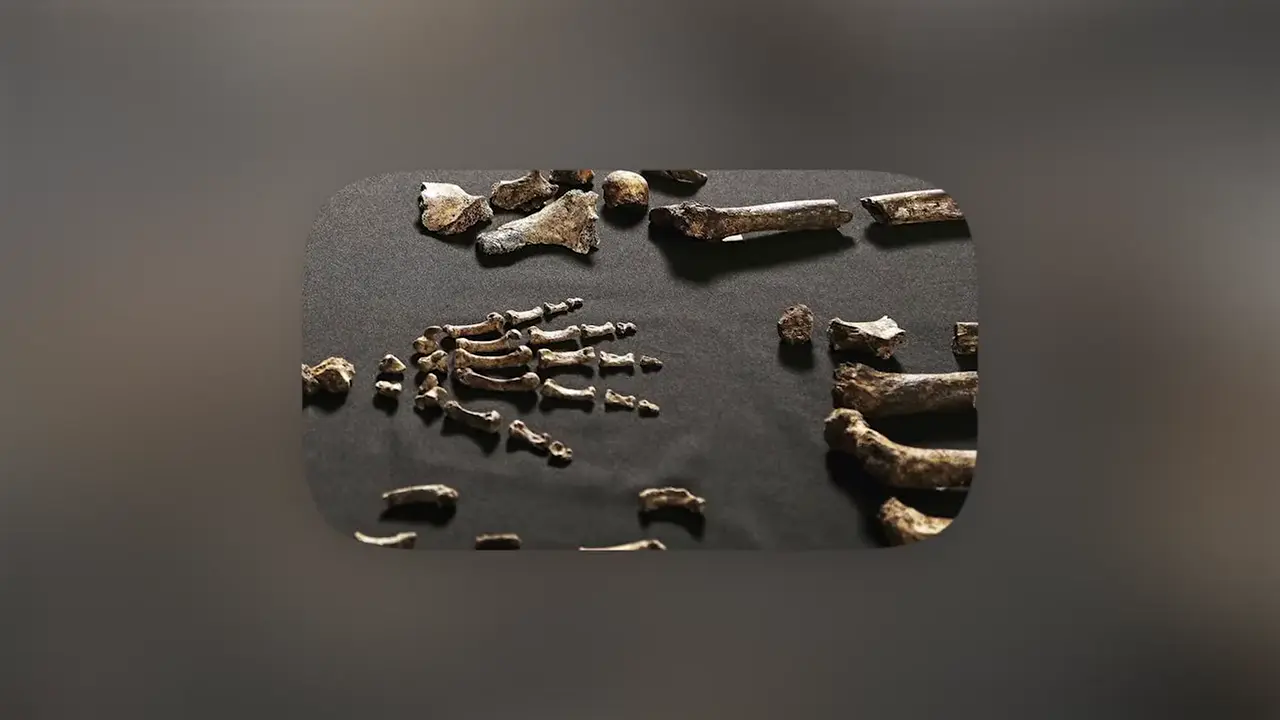
Evidence for deliberate body deposition and symbolic behavior
Evidence for deliberate body deposition and symbolic behavior. The Dinaledi Chamber contains around 1,550 fossil specimens Only Homo naledi remains are present - no antelopes,…
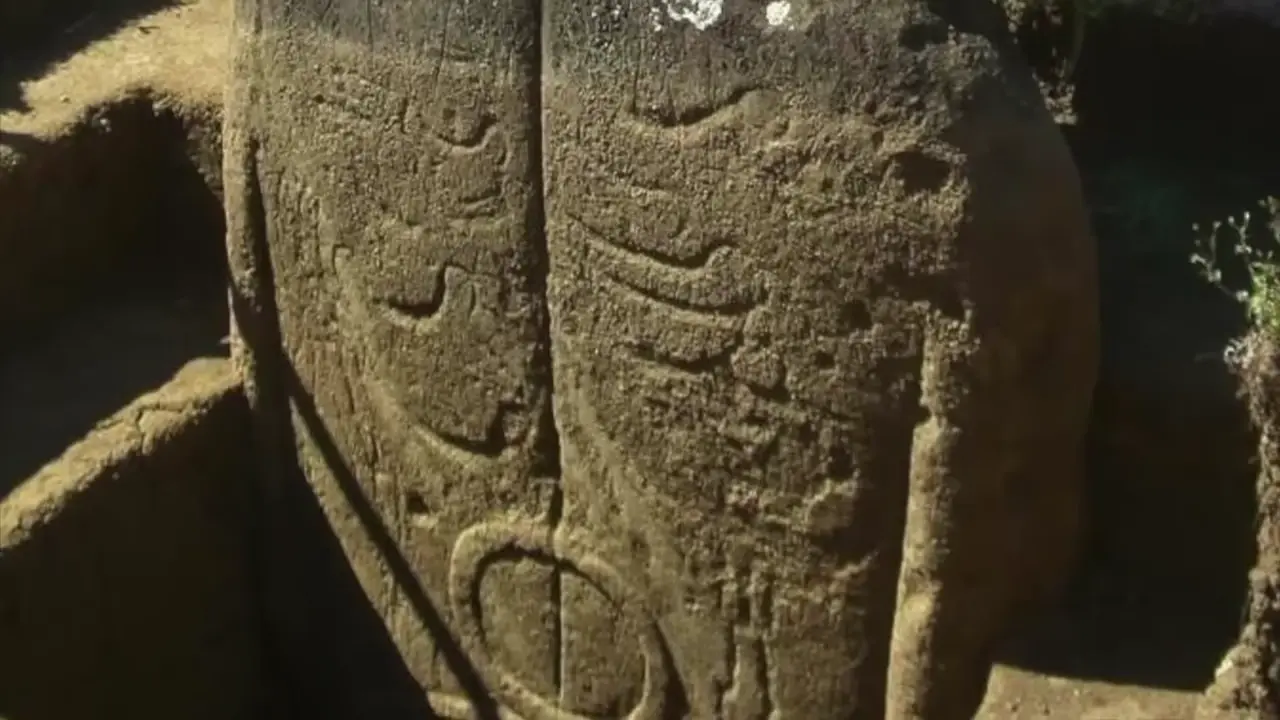
Moai back carvings depict Birdman cult added after 1400 AD
Moai back carvings depict Birdman cult added after 1400 AD. Back carvings on Moai statues relate to the Birdman cult called Rapanui which developed around 1400 AD Carvings are NOT…
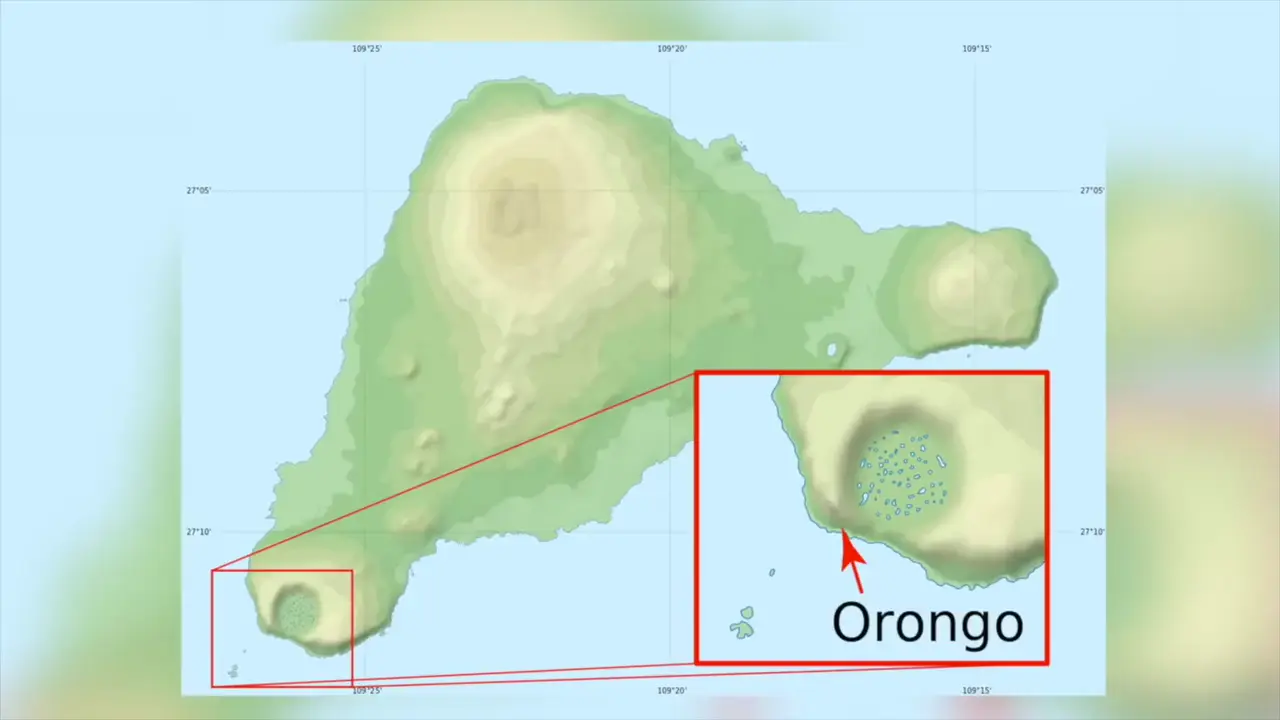
Birdman cult annual egg hunt ritual on Easter Island
Birdman cult annual egg hunt ritual on Easter Island. Sacred site of Birdman cult was a rango - narrow ridge with 1000 ft drop into ocean on one side and deep crater on other Main…
Altar stone origin traced to Scotland, once stood upright
Altar stone origin traced to Scotland, once stood upright. Altar stone provenance recently determined to be from the Orcadian basin in northeast Scotland Previously thought to…

Aubrey holes as eclipse predictor: 56-pit system analyzed
Aubrey holes as eclipse predictor: 56-pit system analyzed. Gerald Hawkins and Fred Hoyle proposed the 56 Aubrey holes could predict eclipses The Aubrey hole circle contains 56…
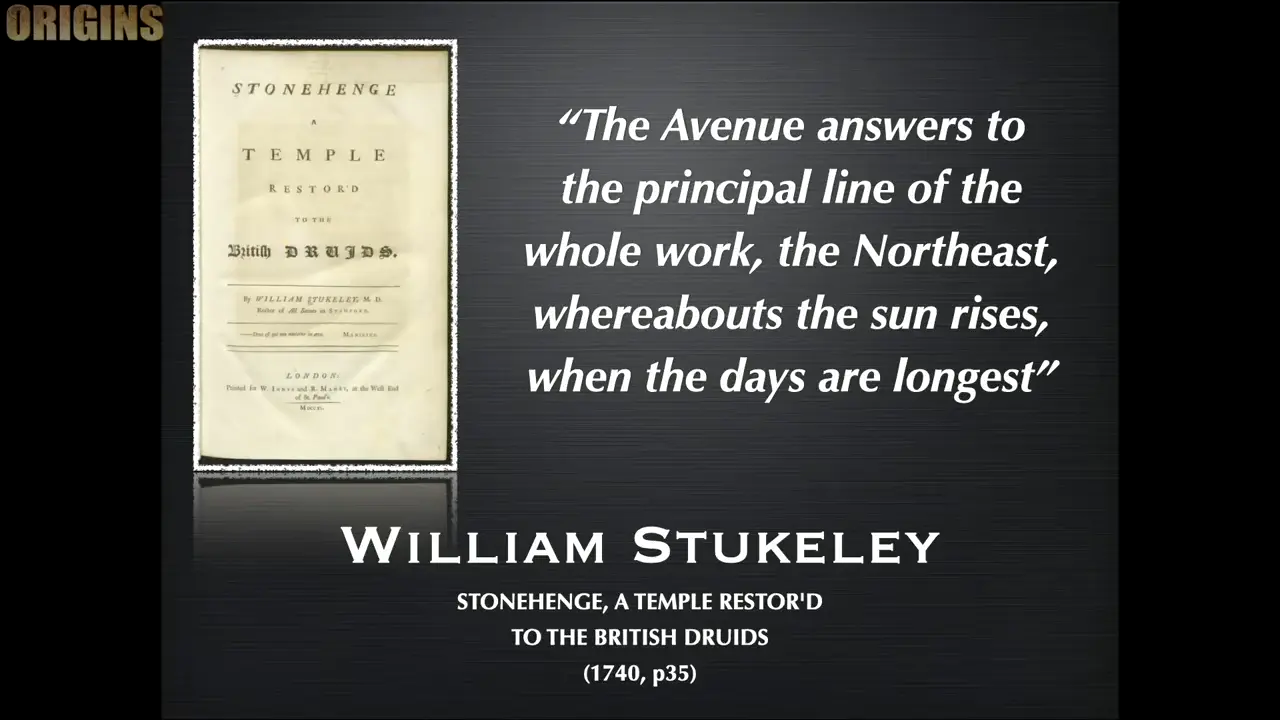
Stonehenge solar alignments: 4,500-year-old axis verified
Stonehenge solar alignments: 4,500-year-old axis verified. William Stoley in 1760s identified the avenue aligns with summer solstice sunrise, the primary axis John Smith…
Future: protein analysis to map human evolution
Future: protein analysis to map human evolution. Paleoproteomics can peer into human evolution deeper than ancient DNA For fossils 100,000-300,000 years old, protein preservation…
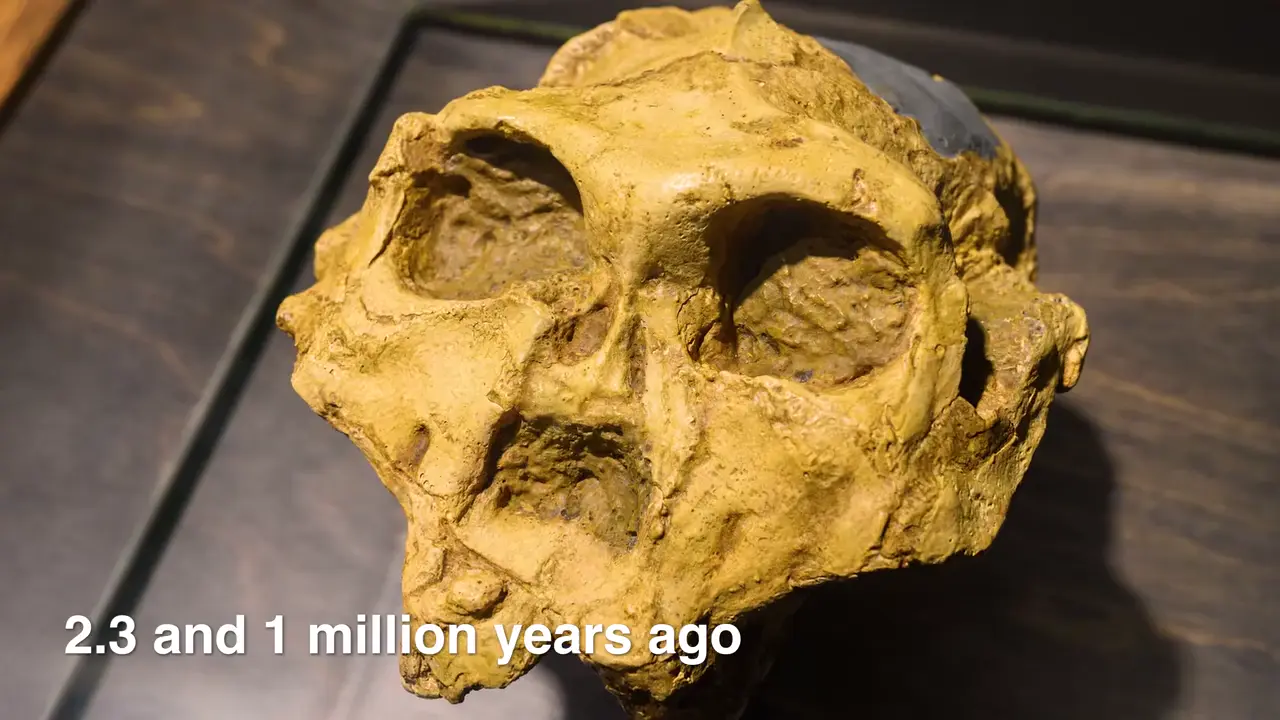
Paranthropus robustus: anatomy, diet and tool use
Paranthropus robustus: anatomy, diet and tool use. Paranthropus lived between 2.3 and 1 million years ago Males were approximately 1.3 m tall, females approximately 1 m tall They…
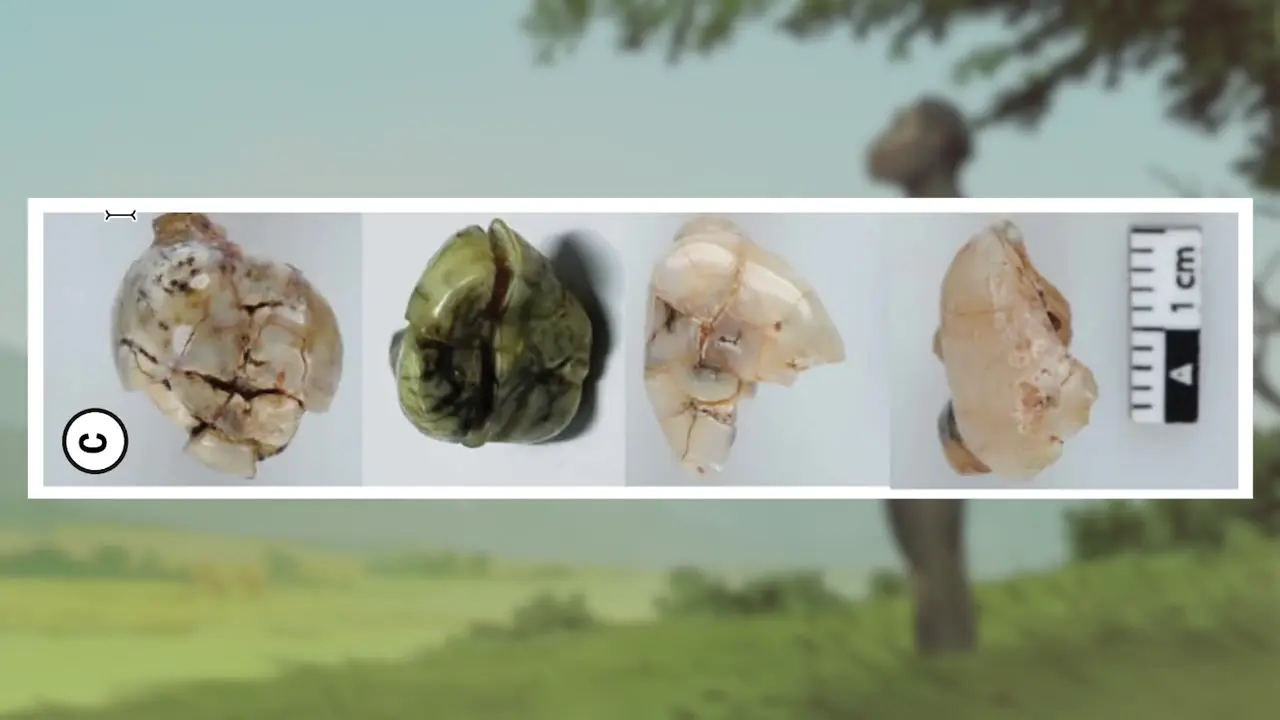
2-million-year-old tooth proteins reveal sex and variation
2-million-year-old tooth proteins reveal sex and variation. Researchers analyzed four Paranthropus robustus teeth over 2 million years old They used amelogenin proteins to…

Margaret Mead Samoa study and anthropological bias history
Margaret Mead Samoa study and anthropological bias history. Margaret Mead was the most famous anthropologist of the 20th century She studied in American Samoa to support the…

Archaeological site attribution and indigenous credit debate
Archaeological site attribution and indigenous credit debate. Hadrian's Wall was built by Romans, but some argue indigenous Britons get insufficient credit Teotihuacan was not…

Archaeology as pseudoscience and carbon dating methodology critique
Archaeology as pseudoscience and carbon dating methodology critique. Archaeology uses scientific methods but draws non-scientific conclusions Carbon dating on the Great Pyramid…

Hunting wall dating critique and underwater preservation claims
Hunting wall dating critique and underwater preservation claims. Flint Dibble presented a hunting wall dated to the Younger Dryas period The wall is actually dated to a transition…

1561 Nuremberg and 1566 Basel Sky Phenomena Documented in Historical Broadsheets
1561 Nuremberg and 1566 Basel Sky Phenomena Documented in Historical Broadsheets. 1561 Nuremberg broadsheet illustrated bizarre sky event witnessed by medieval citizens August 7,…
Keep exploring
Every site on this page sits on the globe, and the people who research them are on the Discord.
3D Globe · Sites by country · Story Archive · Research Library · Weekly Journal · Search