

Story Archive
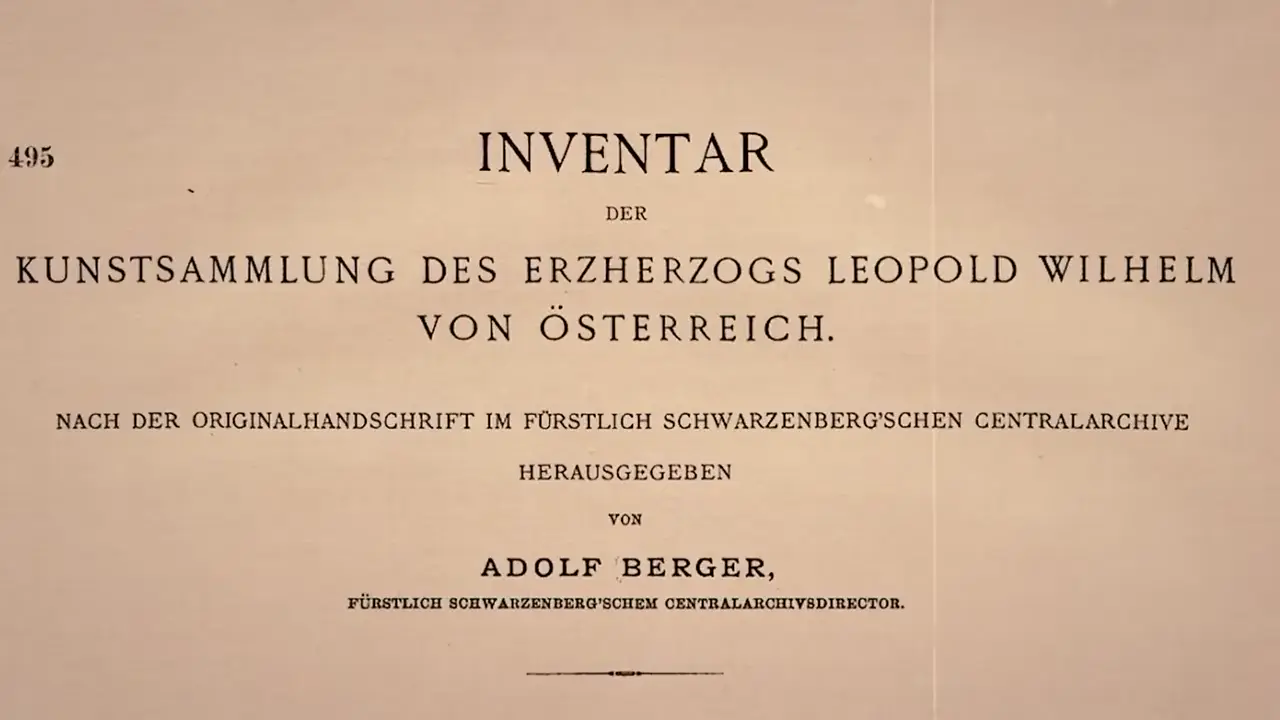
Vienna Devil in Glass: 400-Year-Old Artifact and Its Evolving Description
Vienna Devil in Glass: 400-Year-Old Artifact and Its Evolving Description. The artifact is housed in Vienna's Kunsthistorisches Museum, dated to early 1600s It measures 6.6…
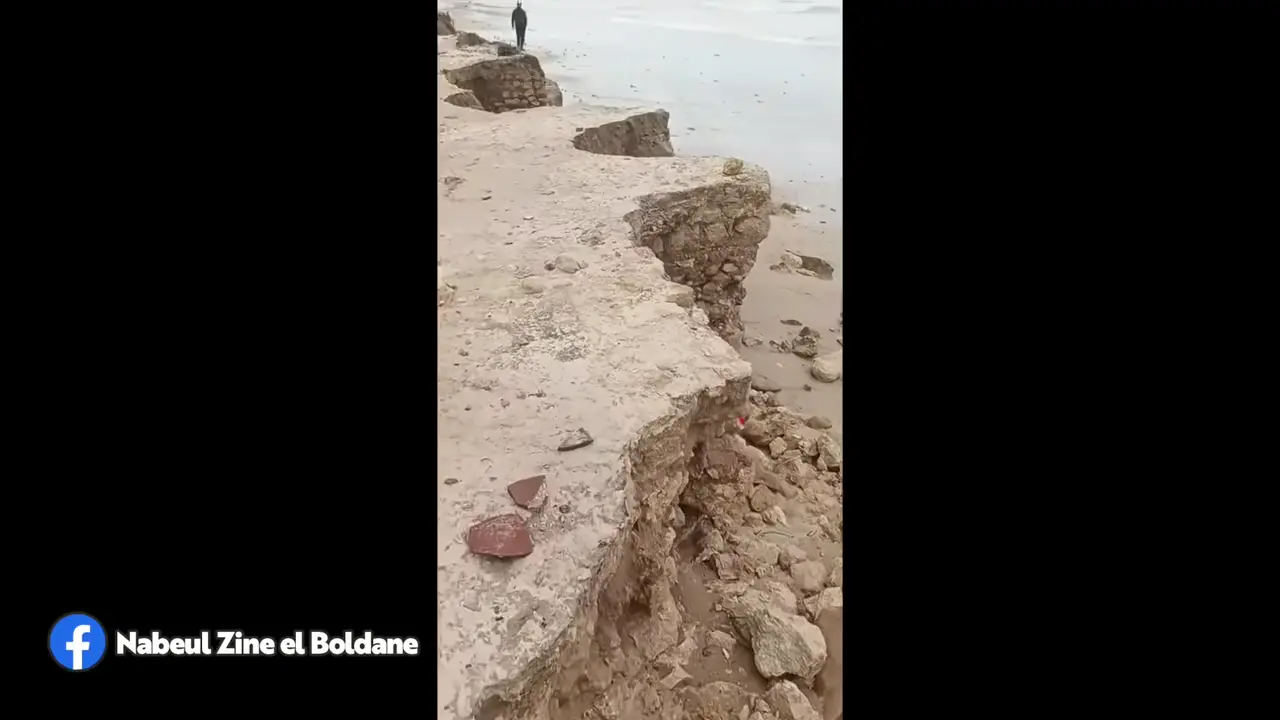
Storm Harry exposes possible Neapolis ruins on Tunisia beach
Storm Harry exposes Neapolis. ruins on Tunisia beach. Storm surge pushed seawater several meters inland, flooding roads and damaging homes Coastal erosion accelerated when waters…
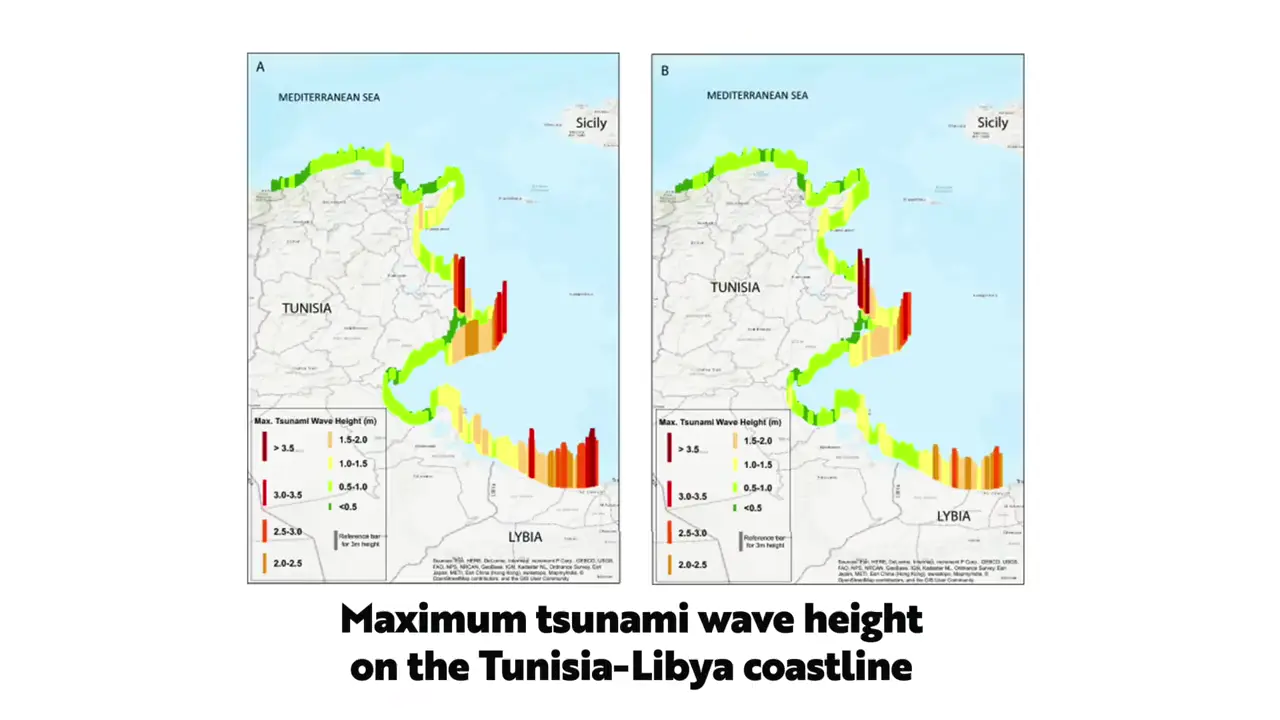
Neapolis garum production and underwater archaeology
Neapolis garum production and underwater archaeology. House of Nymphs had 20 colorful mosaic lane rooms arranged around a central garden Garden featured semicircular basin with…
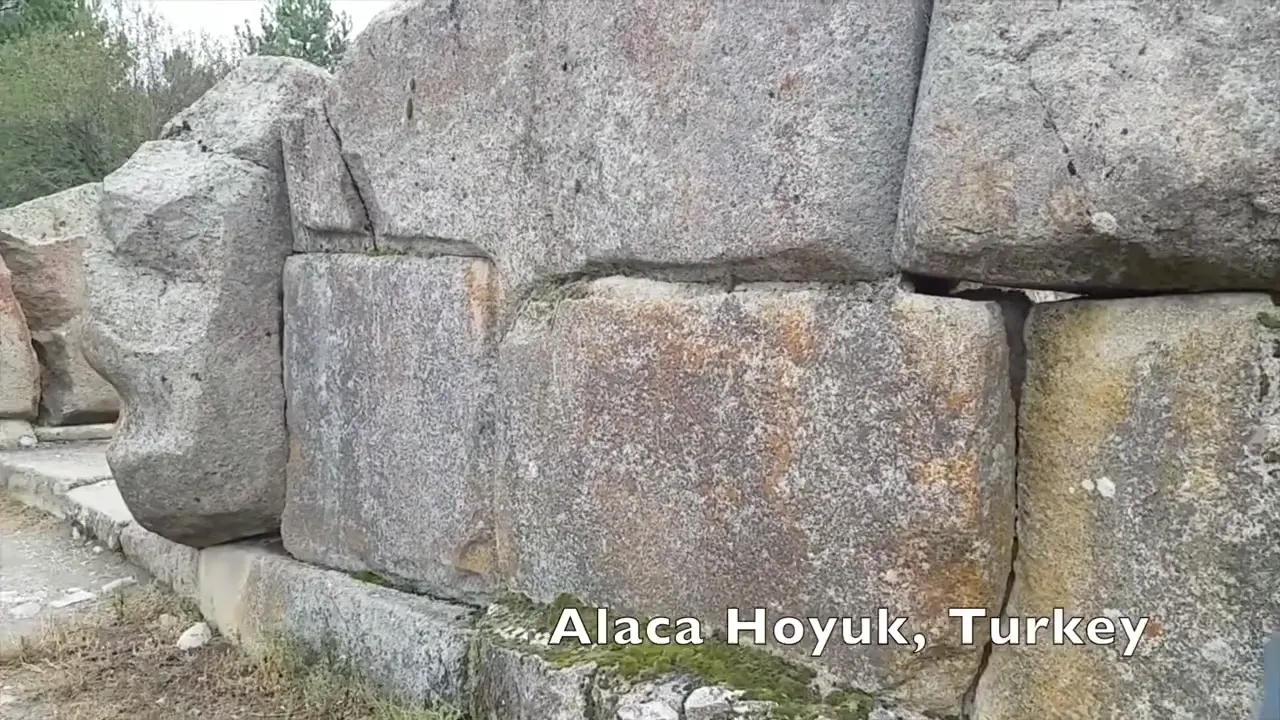
Video argues 'cyclopean' walls across regions reflect a shared civilization
Cyclopean polygonal walls found across southern Europe and beyond. Polygonal walls are mysterious ancient constructions built with odd-shaped stones fitted together without mortar…
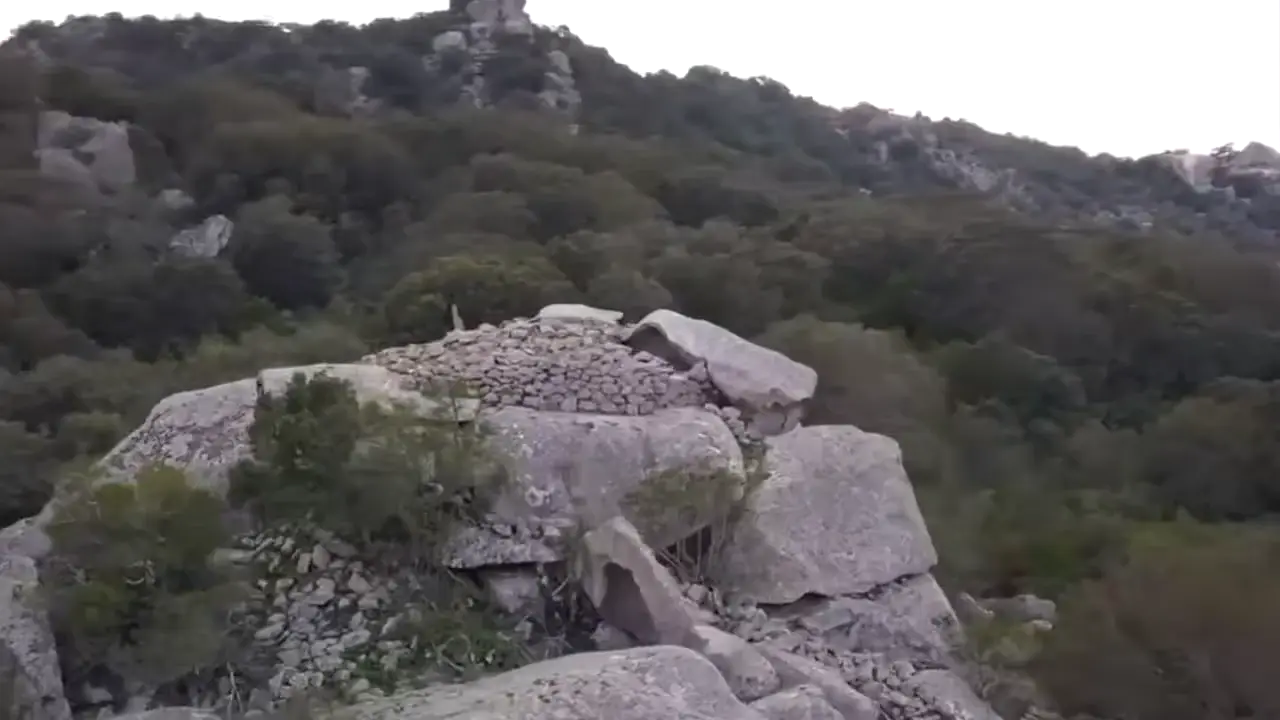
Bronze Age Collapse did not erase Sardinia’s Nuragic culture
Bronze Age Collapse led to cultural disappearance. Around 1500-1000 BC, new populations invaded and replaced cyclopean builders across Europe The Bronze Age Collapse was followed…
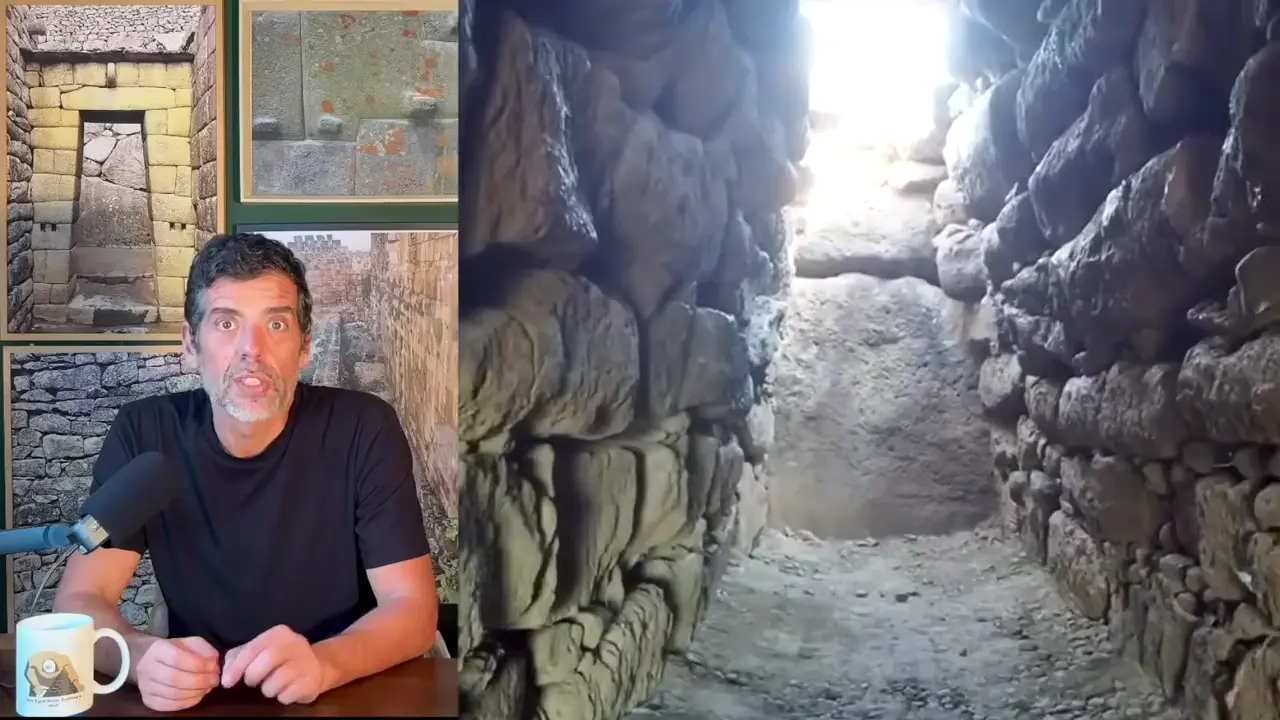
Excarnation practices identified at cyclopean sites
Excarnation practices identified at cyclopean sites. Excarnation (secondary burial) involves exposing dead bodies to remove flesh before bone storage Three methods: reburial…
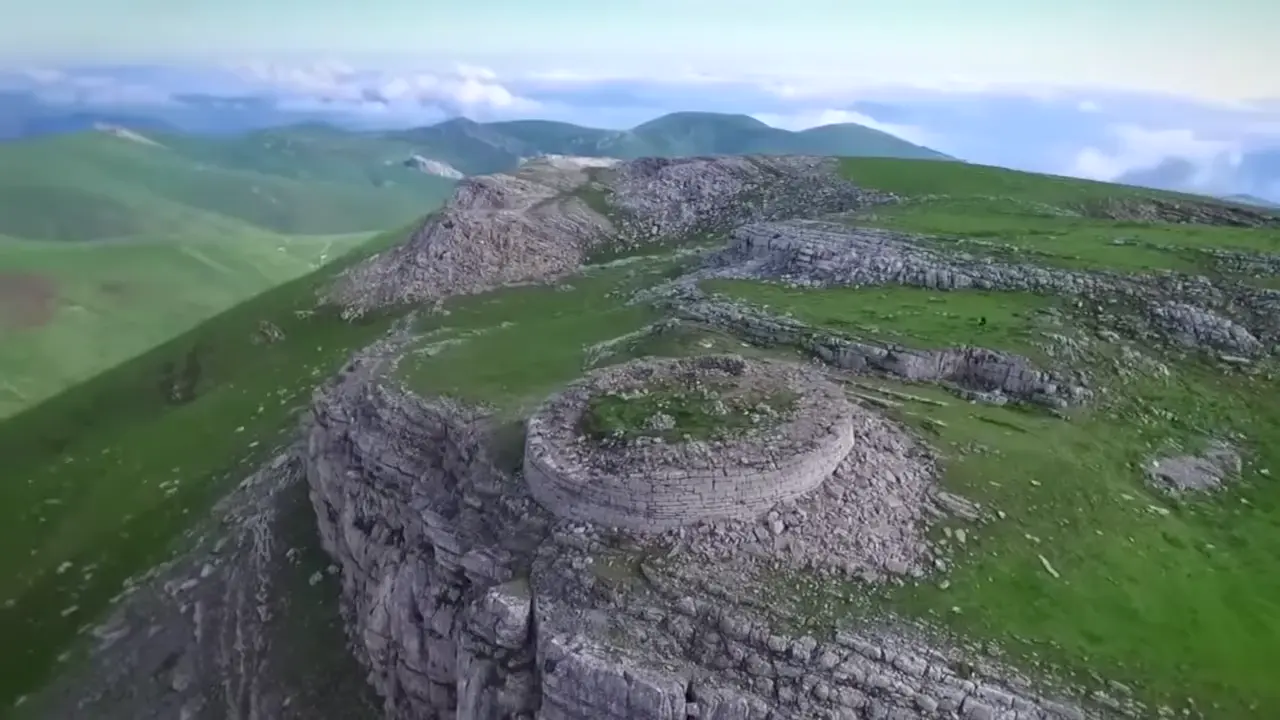
Cyclopean Structures: Missing Bones and the Cyclops Claim
Mystery of missing bones in cyclopean structures. Major archaeological problem: No human bones found inside the pedestals or towers Elephant skull theory (cyclops from elephant…
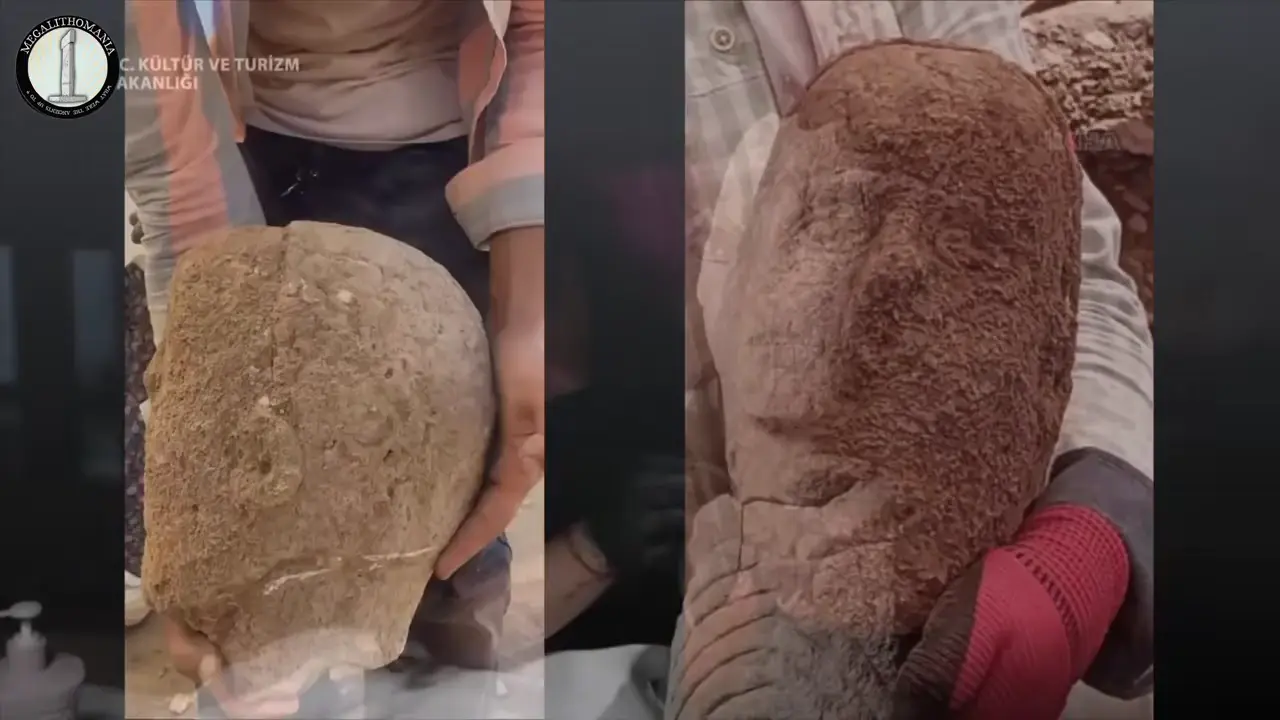
New Sayburç statue has a mouth depicted as sewn shut and shell eyes
New Sayburç statue has sewn-up mouth and shell eyes. A new statue was found at Sayburç with pronounced ribs Archaeologists report the mouth is sewn up The eyes are made from…
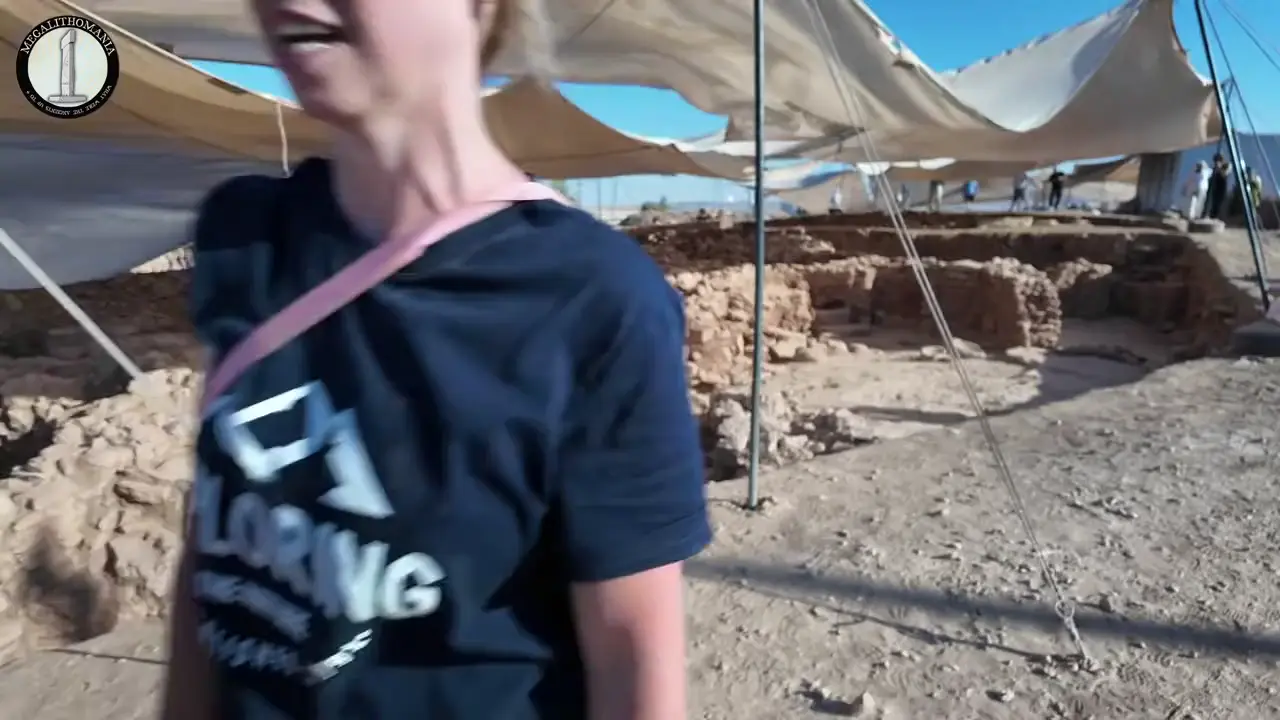
Giant southern enclosures uncovered at Sayburç
Giant southern enclosures uncovered at Sayburç. New excavations revealed giant enclosures at the southern part of Sayburç Seven to eight T-pillars found in one configuration A…
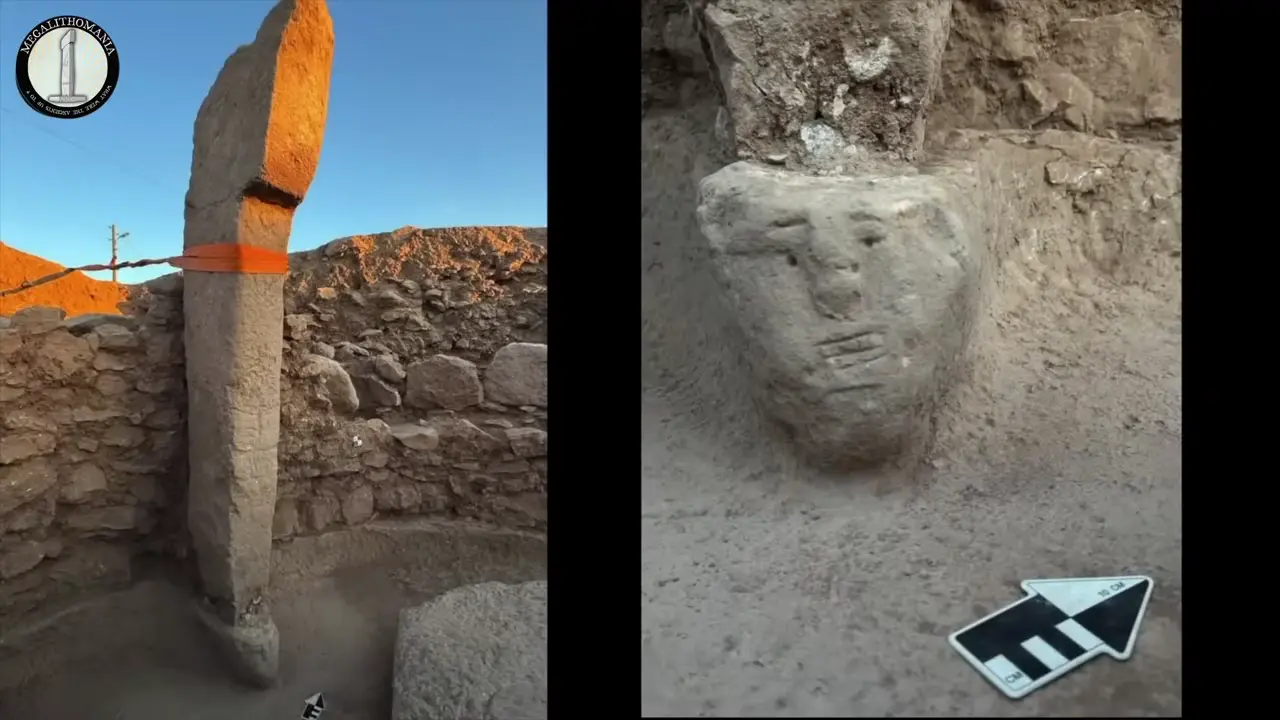
Human face carving and bones found at Sayburç
Human face carving and bones found at Sayburç A T-pillar was found with a human head/face carved at its base The carving is similar in style to other discoveries in the Taş…
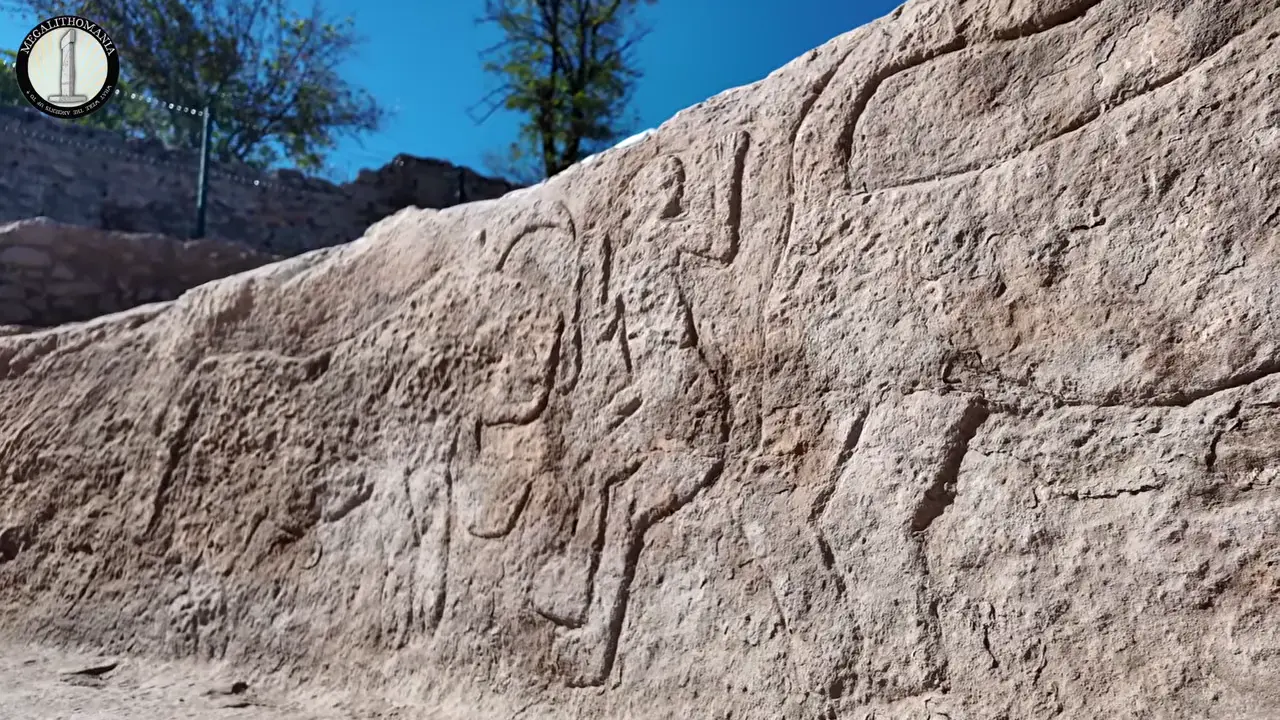
The video presents Sayburç's bull scene as the earliest known bull-leaping example
Sayburç bull leaping scene oldest known example worldwide. Sayburç contains a figure holding privates flanked by leopards A large bull scene shows a figure in bull leaping…
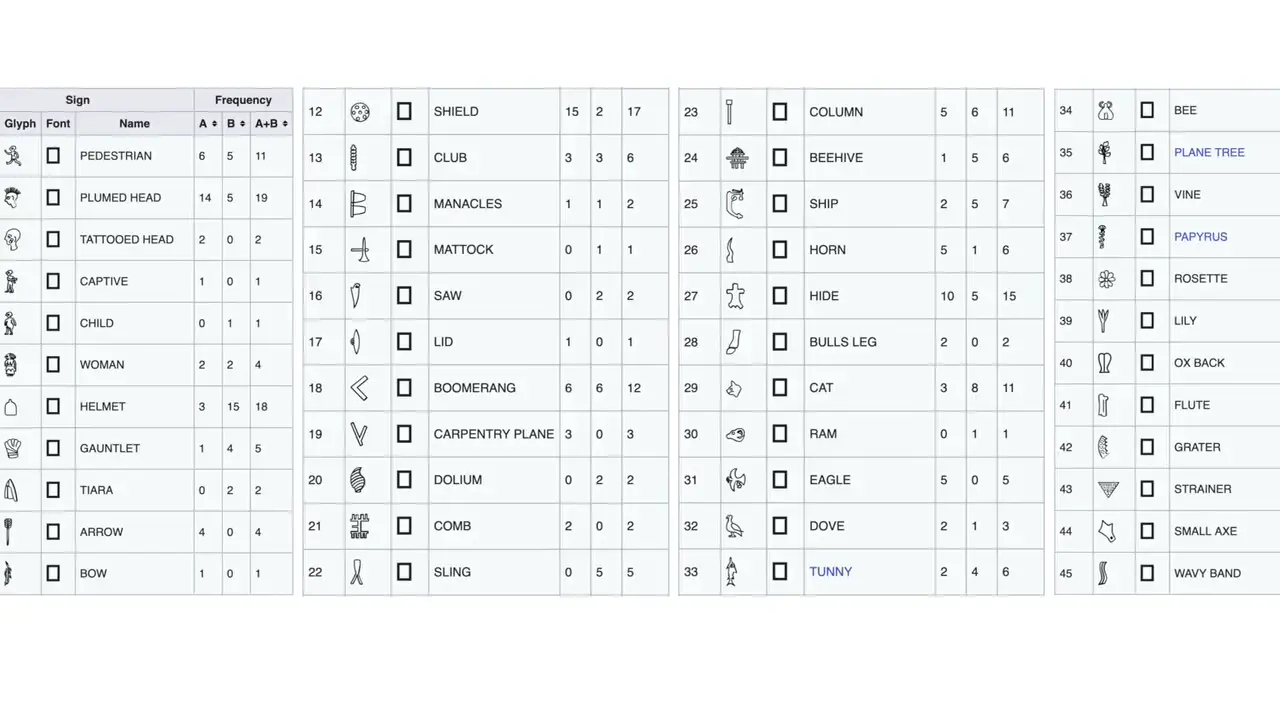
Phaistos Disc: 45 distinct symbols, 242 total occurrences analyzed
Phaistos Disc: 45 distinct symbols, 242 total occurrences analyzed. The disc contains 45 distinct signs occurring 242 times total 123 symbols on one side, 119 on the other Symbol…
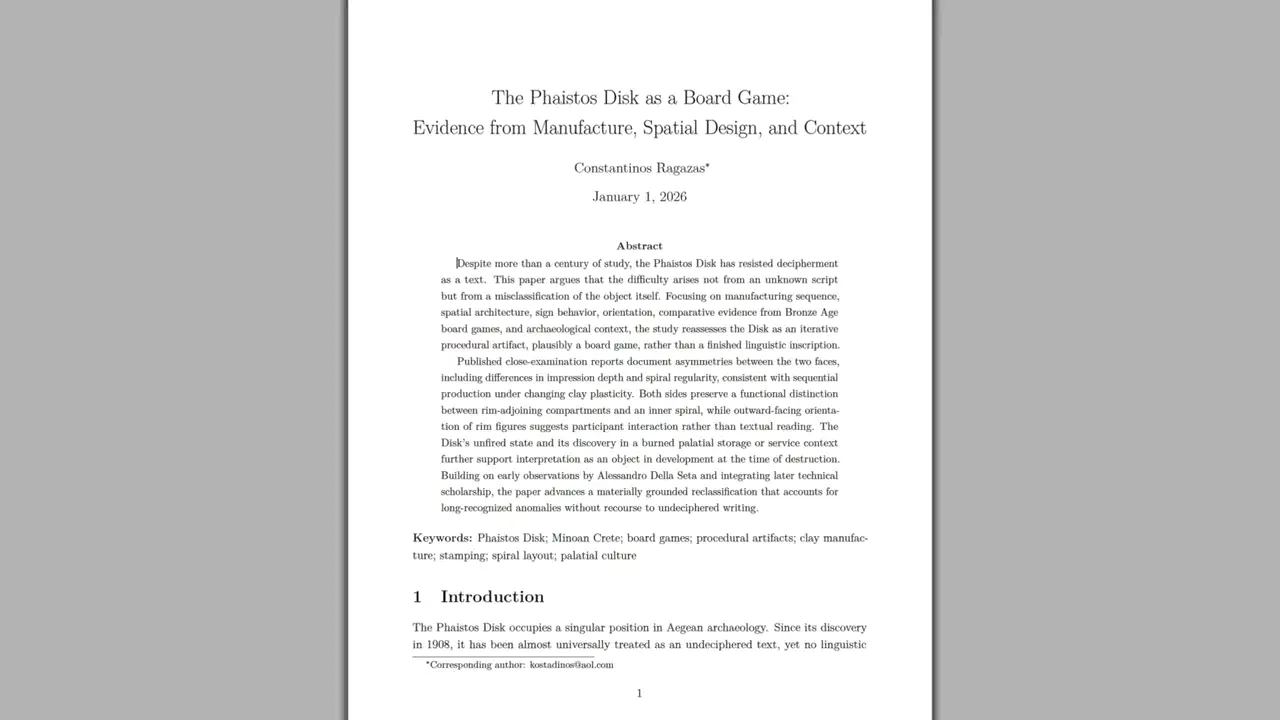
Constantinos Ragazas proposes the Phaistos Disc as a Bronze Age board game
New theory proposes Phaistos Disc as Bronze Age board game. Constantinos Ragaz proposes the disc is a Bronze Age board game, not writing Spiral board games known in ancient Egypt…
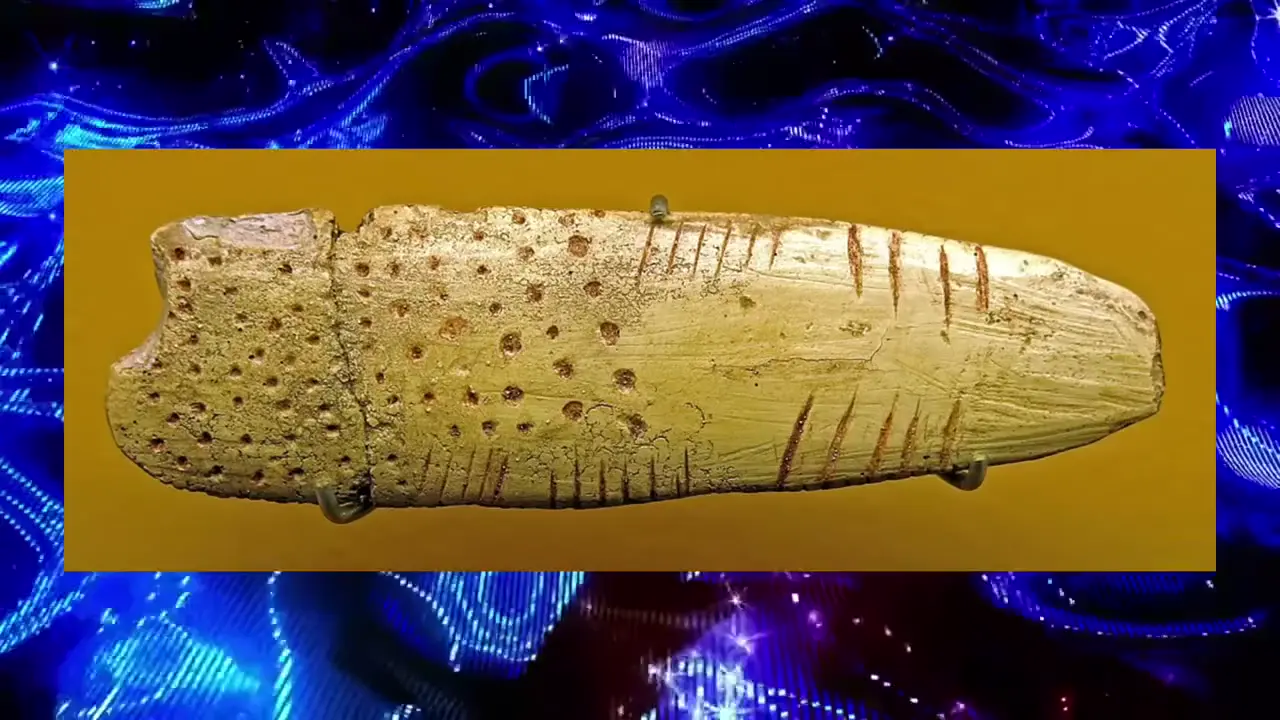
Video Argues Abri Blanchard Bone Shows Lunar Phases
Abri Blanchard Moon Bone Shows Lunar Phases. Artifact is a bone from Abri Blanchard shelter in France Age: over 30,000 years old Shows two figures with general outline similar to…
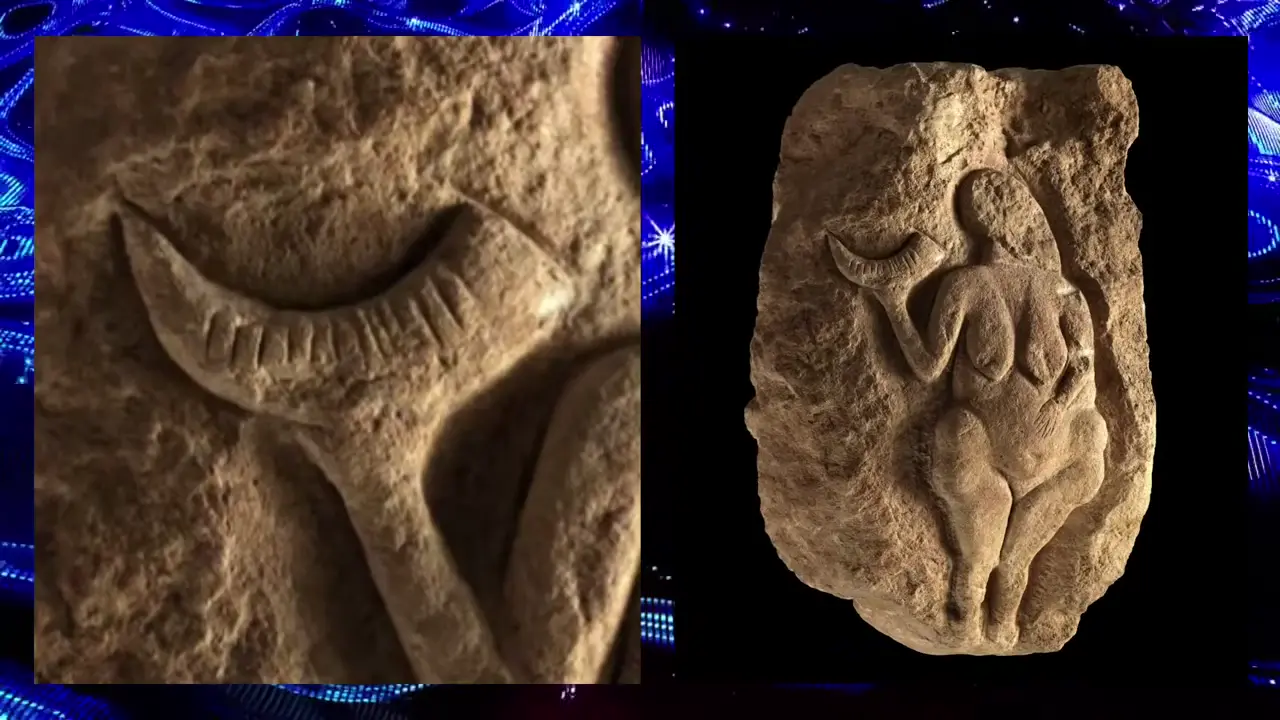
Video Argues Laussel Horn Marks Link Moon and Menstruation
Venus of Laussel: 13 Marks Connect Moon to Reproduction. Venus figurine from abri de Laussel - site de fouilles préhistoriques, France Depicts woman with exaggerated reproductive…
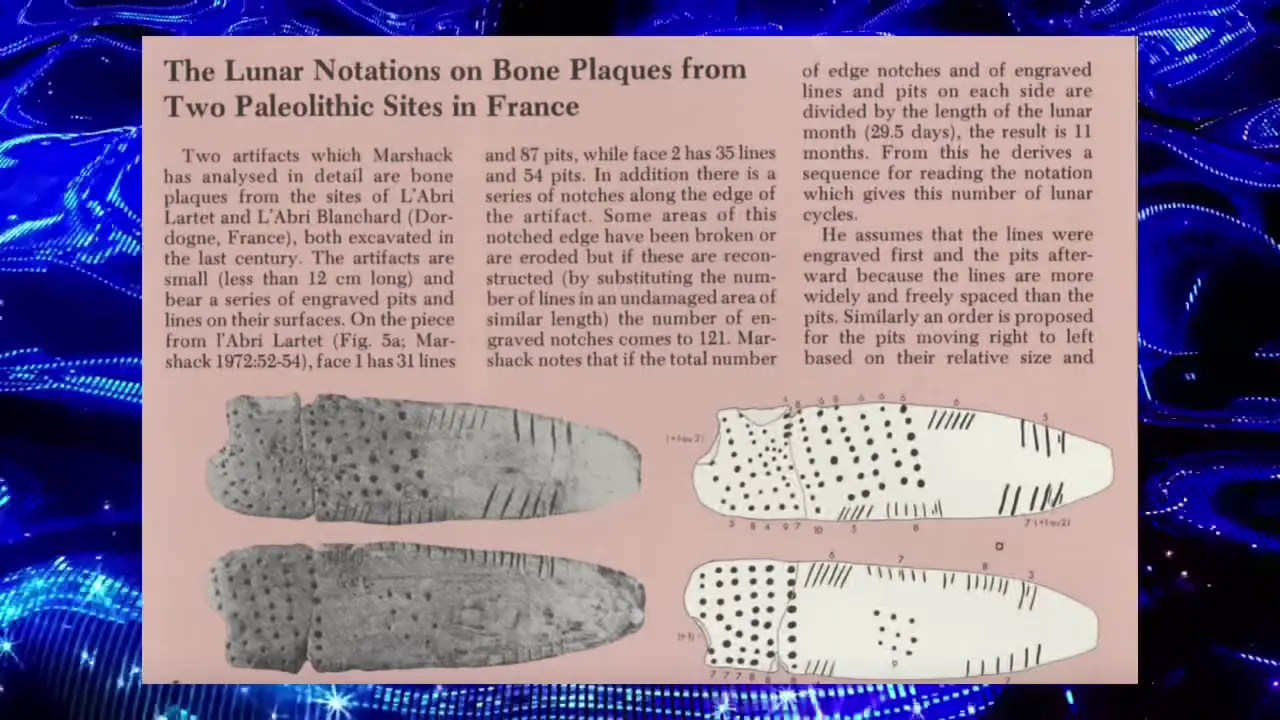
Abri Blanchard Bone: Marshack's 11-Month Lunar Interpretation
Aurigny Lartet Bone: 11-Month Lunar Cycle Notation. Bone plaque from Abri Lartet shelter, France Age: over 30,000 years old Face 1 has 37 lines and 87 pits
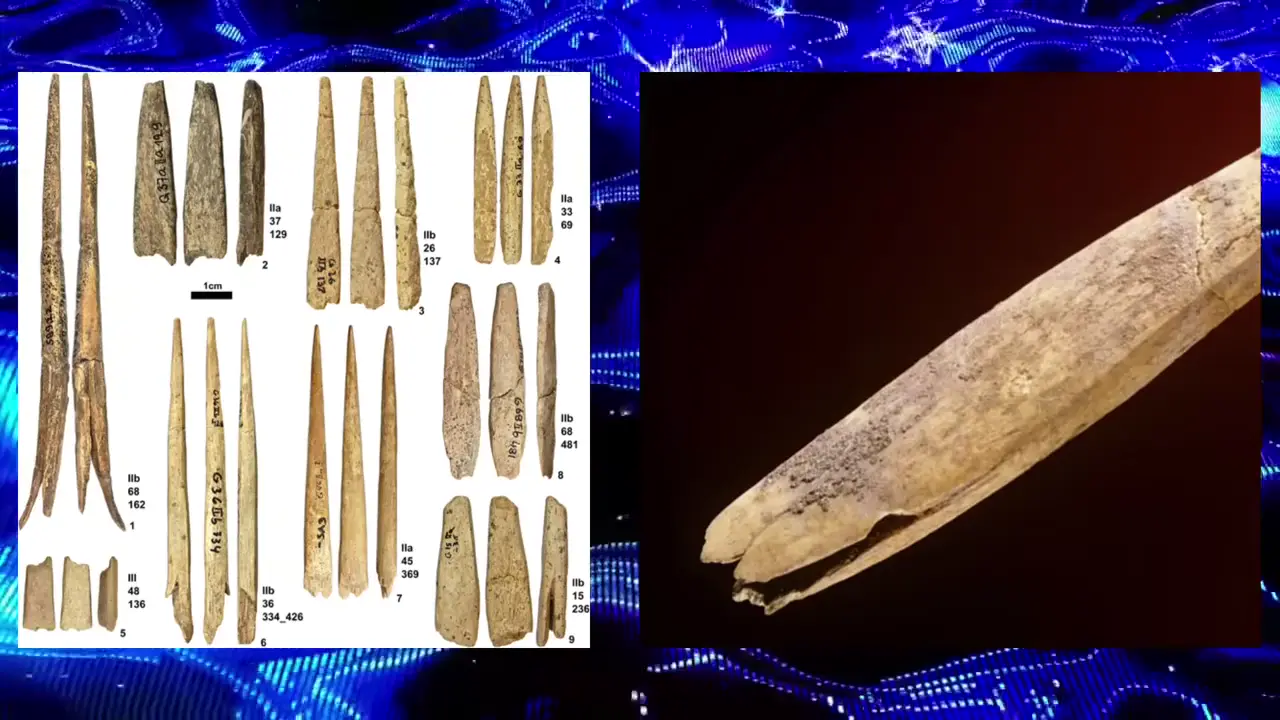
Aurignacian Culture: 43,000–35,000-Year-Old Toolkit and Art
Aurignacian Culture: 43,000-20,000 Year Old Toolkit and Art. Aurignacian culture existed from 43,000 to 20,000 years ago Geographic spread from Spain to Italy to France to Germany…
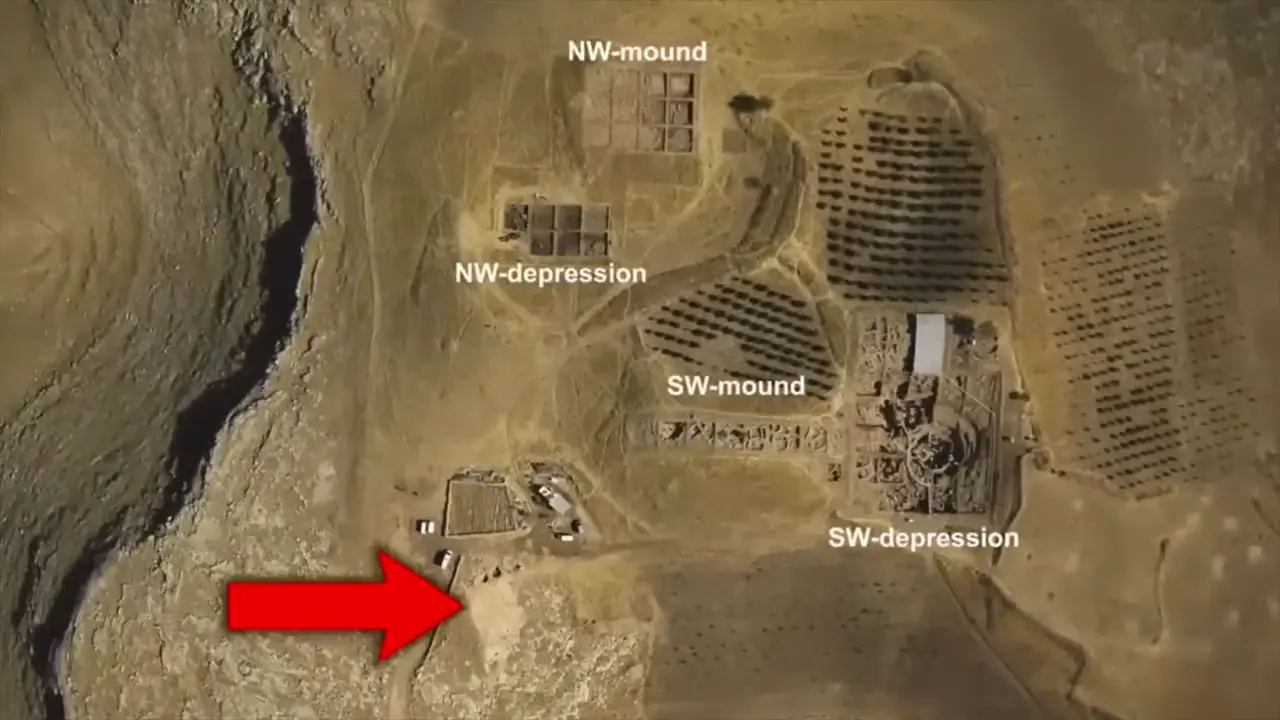
Enclosure E: Göbekli Tepe's unusual enclosure with two pillar bases
Enclosure E: Göbekli Tepe's unique pillar-less structure. Located on the western plateau of Göbekli Tepe, away from main excavations Described in 2017 as lacking any…
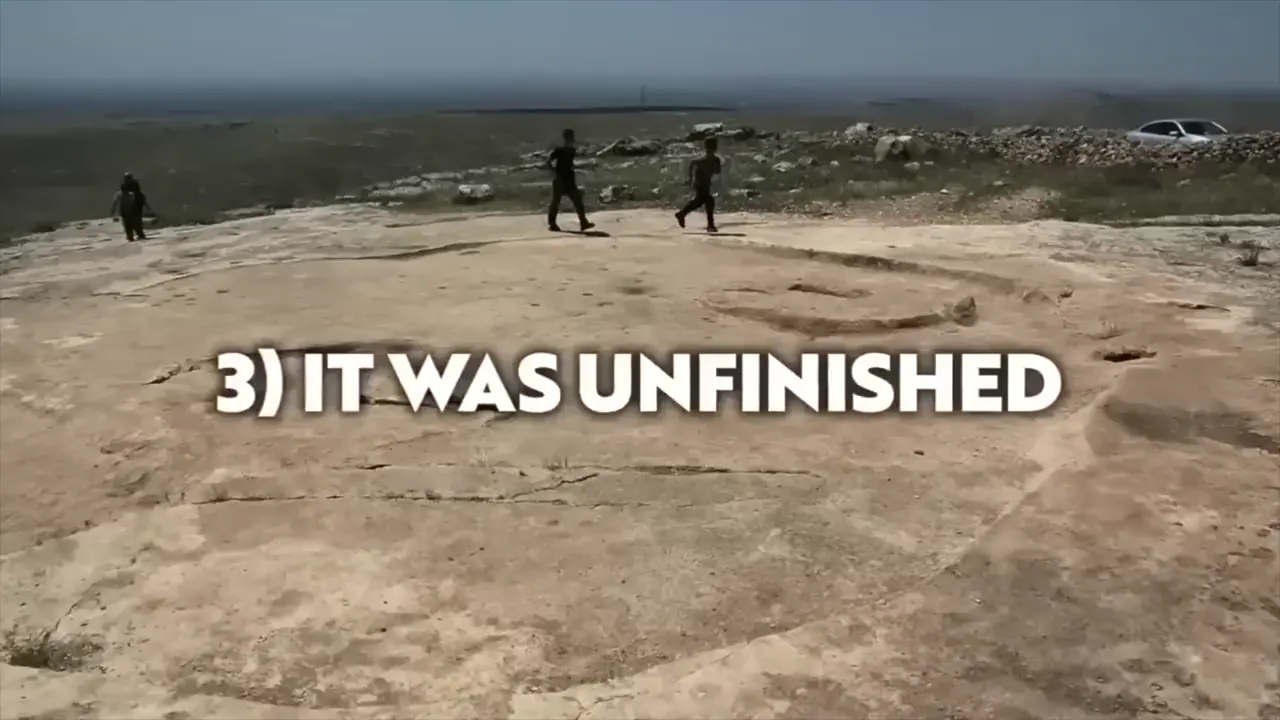
Four theories explaining Enclosure E's missing T-pillars
Four theories explaining Enclosure E's missing T-pillars. First theory: Robbed of pillars and walls for reuse in other enclosures, dated to 9500-8800 BC Second theory: Older than…
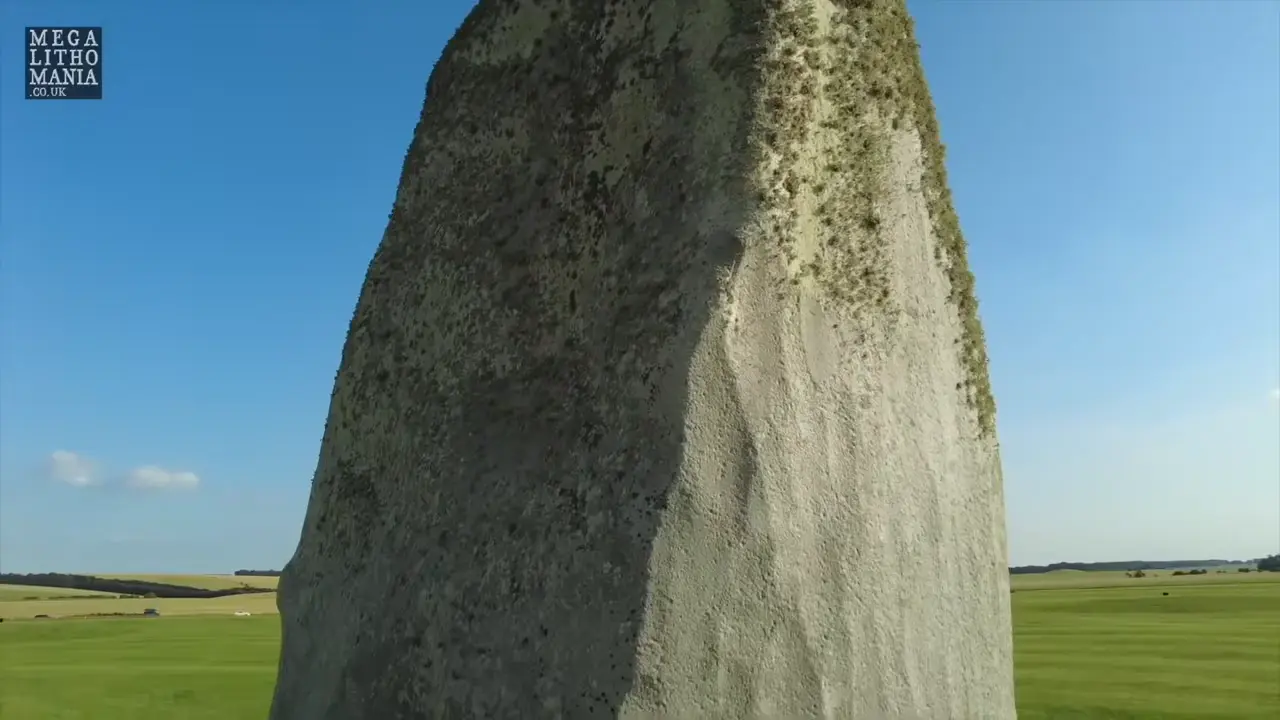
Video compares similar-looking marks at Stonehenge, Aswan and Peru
Turkish and Peruvian sites show similar precision marks globally. Scoop marks at Stonehenge parallel similar marks at Asan Kroy, Ollantaytambo and Machu Picchu Similar…

Karahan Tepe video highlights claimed 9,400 BC precision
Turkish Neolithic artifacts show 9,000-year-old precision. Polished stone plates from Karahan Tepe in southeast Turkey date to around 9,400 BC Obsidian ring from Çatalhöyük shows…
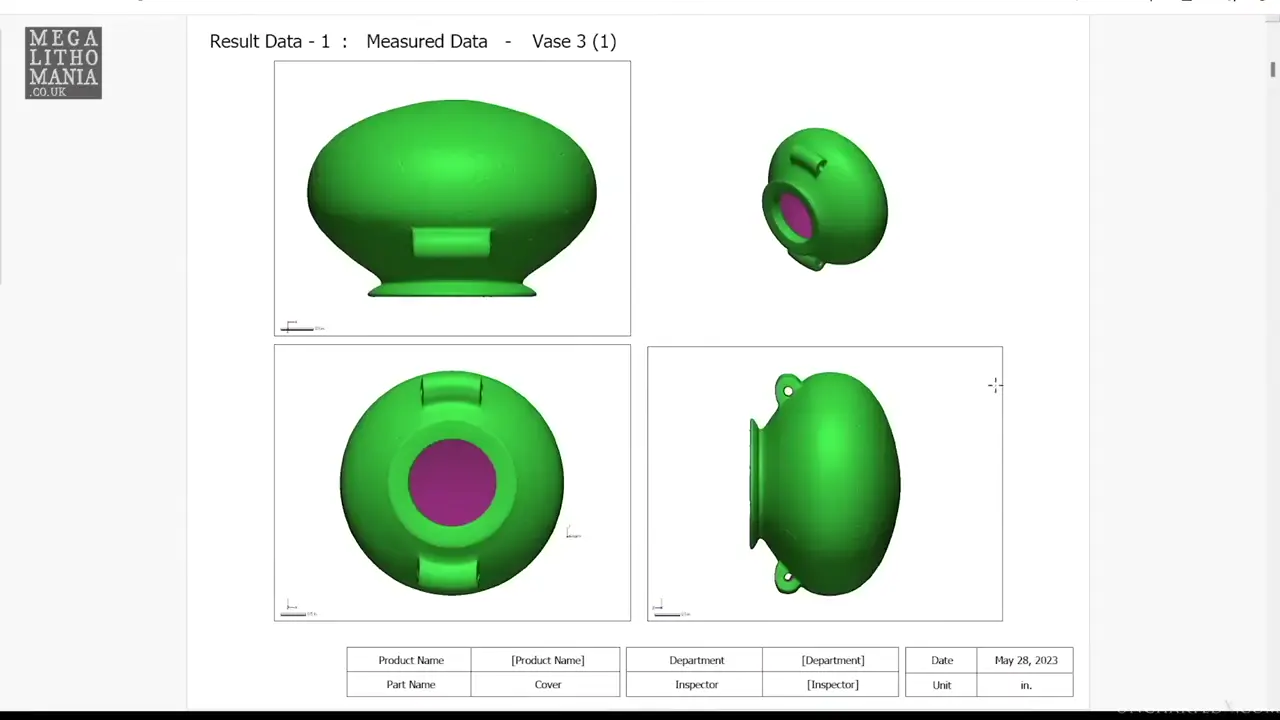
Scans assess precision in Naqada stone vessels
Egyptian stone vases show 12,000-year-old precision technology. Egyptian stone vases date from 12,000-14,000 years ago (Naqada cultures) to the start of dynastic civilization…
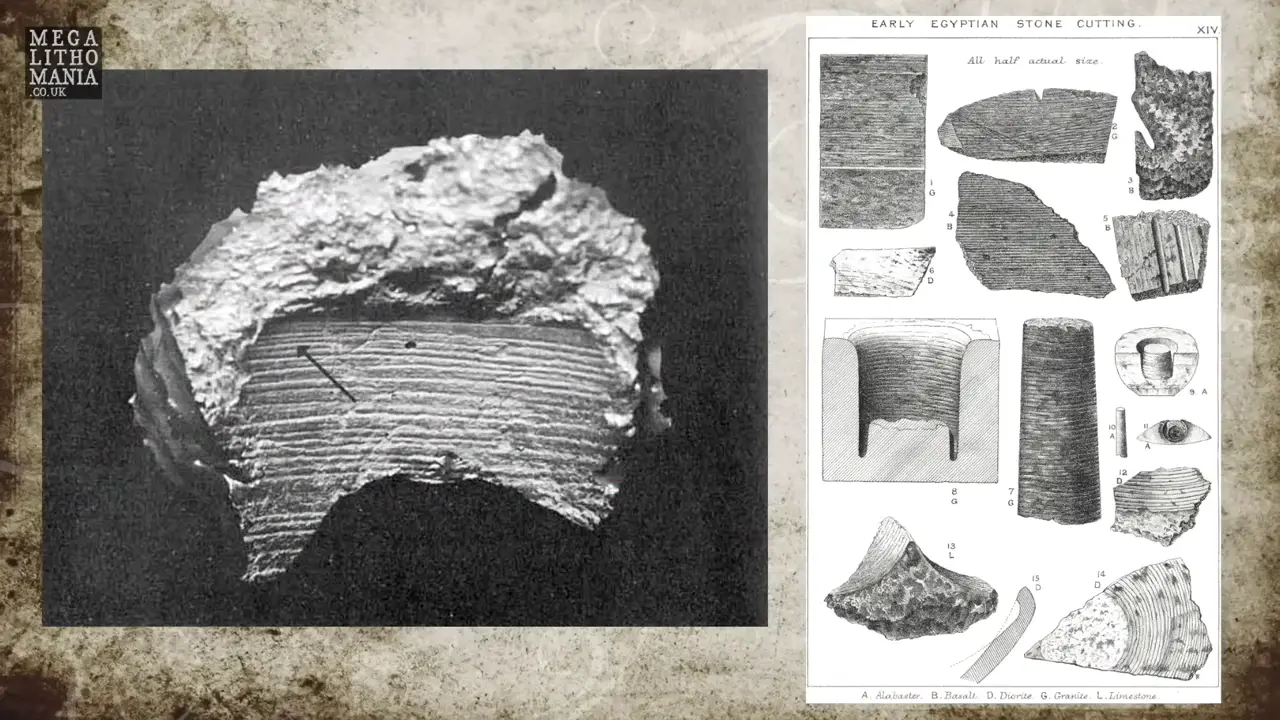
Petrie documented ancient Egyptian tubular drilling in 1883
Flinders Petrie first noticed ancient precision in 1800s. Flinders Petrie first noticed tubular drill holes and striations on drill cores in late 1800s Only during the industrial…
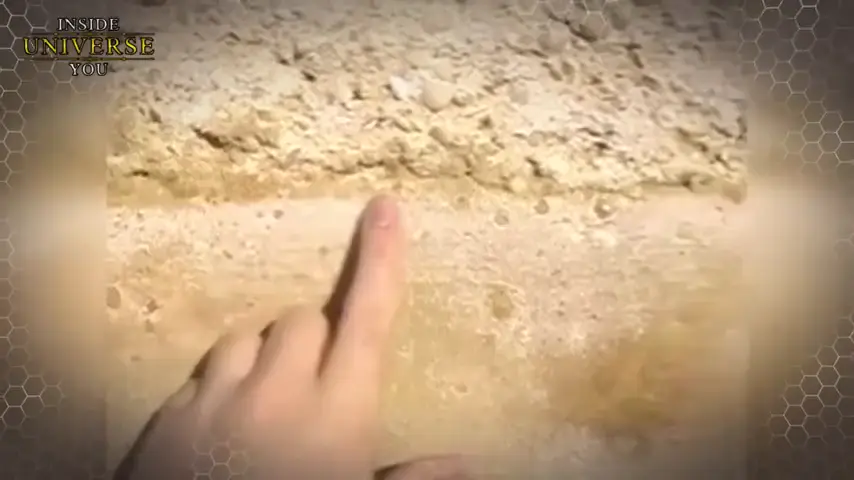
Davidovits Proposed Cast Geopolymer Blocks for the Great Pyramid
Davidovits Proposes Geopolymer Pyramid Theory. Joseph Davidovits was a chemist specializing in synthetic mineral materials and industrial binders In the 1970s, he noticed pyramid…
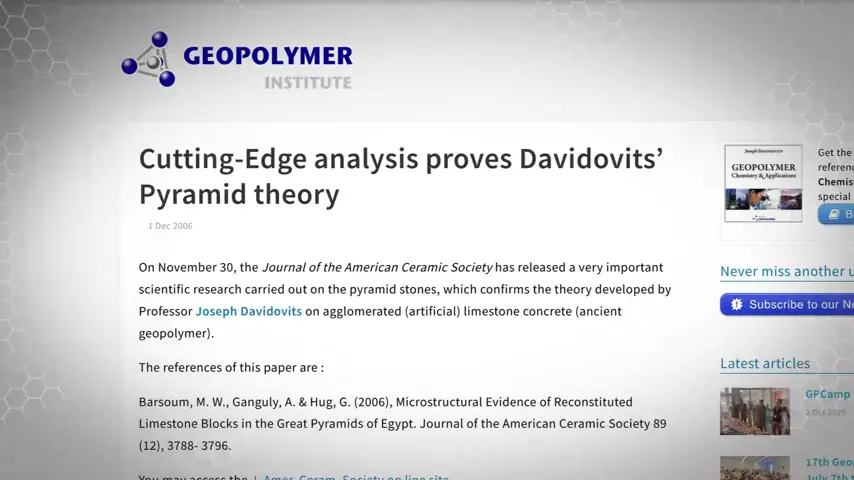
Barsoum Study Suggests Some Pyramid Blocks Were Cast Concrete
Barsoum Confirms Some Blocks Are Geopolymer. Material scientist Michel Barsoum published a pivotal study in 2006 proving at least some limestone blocks were made with geopolymer…
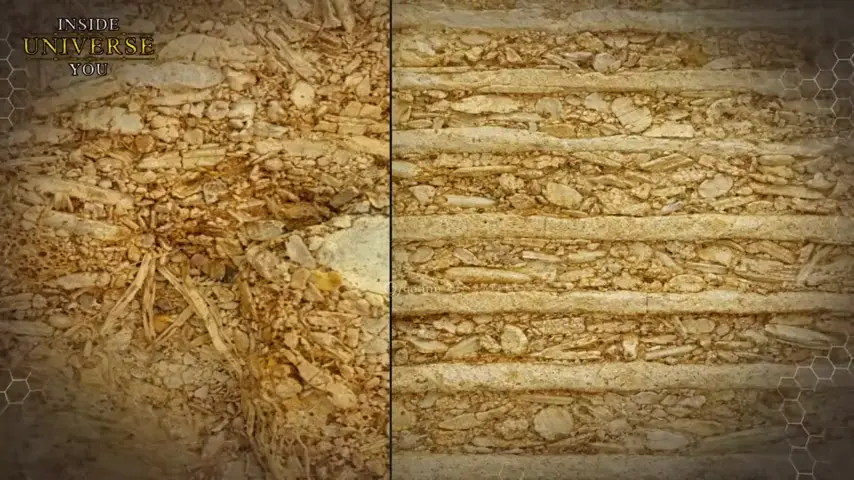
Video Presents Davidovits's Case for Cast Limestone Blocks
Scientific Evidence for Cast Limestone Blocks. Key ingredients for casting pyramid blocks were available in Old Kingdom Egypt: powdered limestone, clay/kaolin binder, natron…
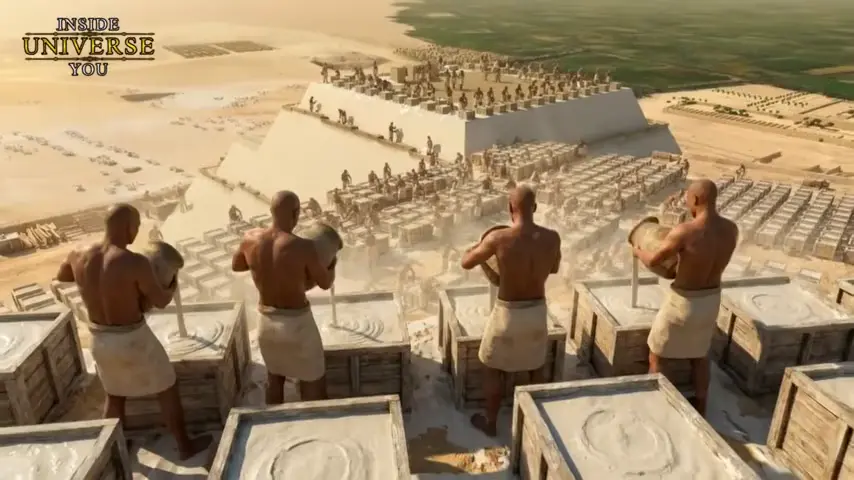
Criticisms and Limitations of Geopolymer Theory
Criticisms and Limitations of Geopolymer Theory. An estimated 500-800 granite blocks inside the Great Pyramid, weighing up to 80 tons each, cannot be geopolymer cast Davidovits…
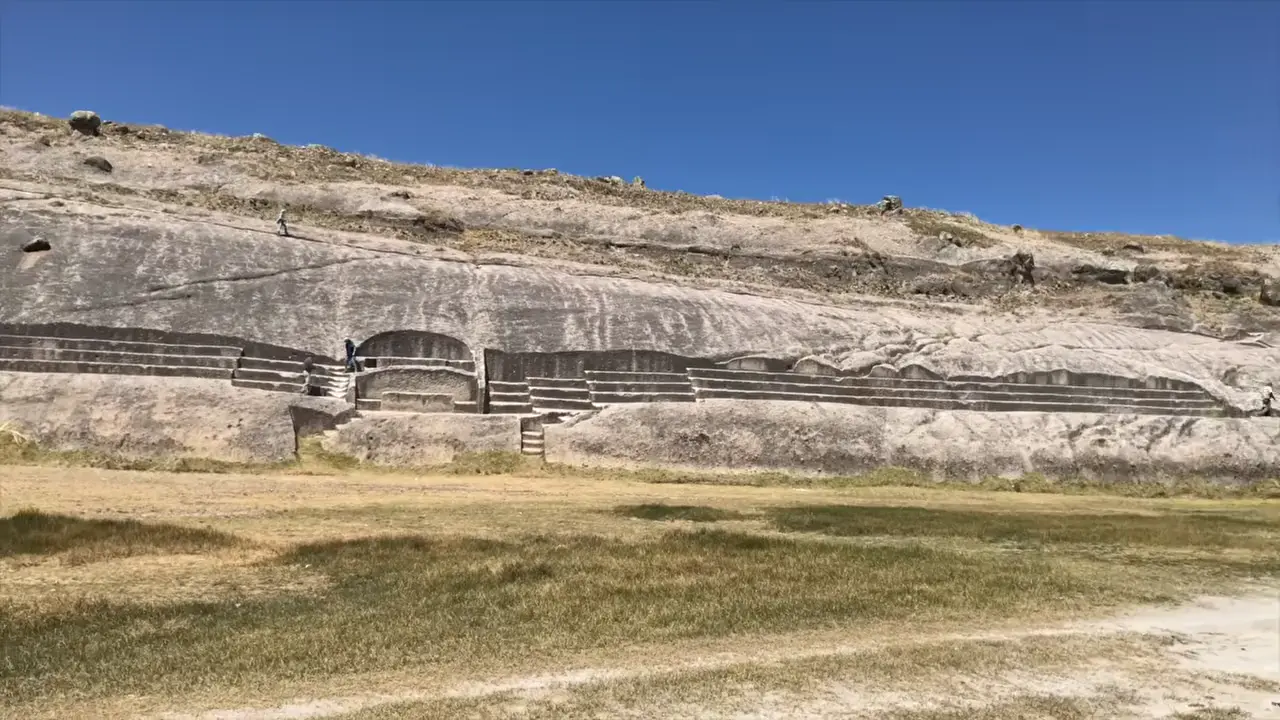
Megalithic Sites Around Lake Titicaca Include Unknown Solar Calendar
Megalithic Sites Around Lake Titicaca Include Unknown Solar Calendar. Orca del Inca (Copa Cabana, Bolivia) is an ancient megalithic site with unknown creators Likely functions as…
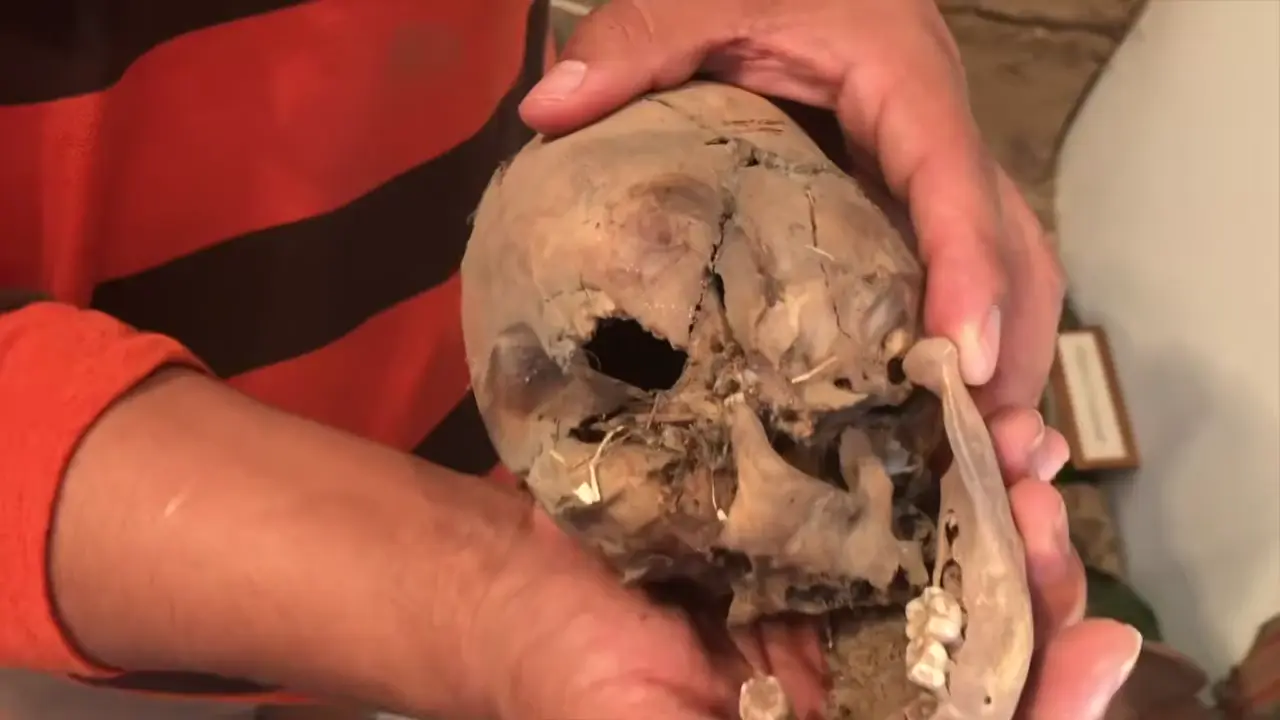
Uros People Build Floating Islands From Totora Reeds
Uros People Build Floating Islands From Totora Reeds. Uros are an ancient people who predate the Inca and the Aymara They construct floating islands from totora reeds Located on…
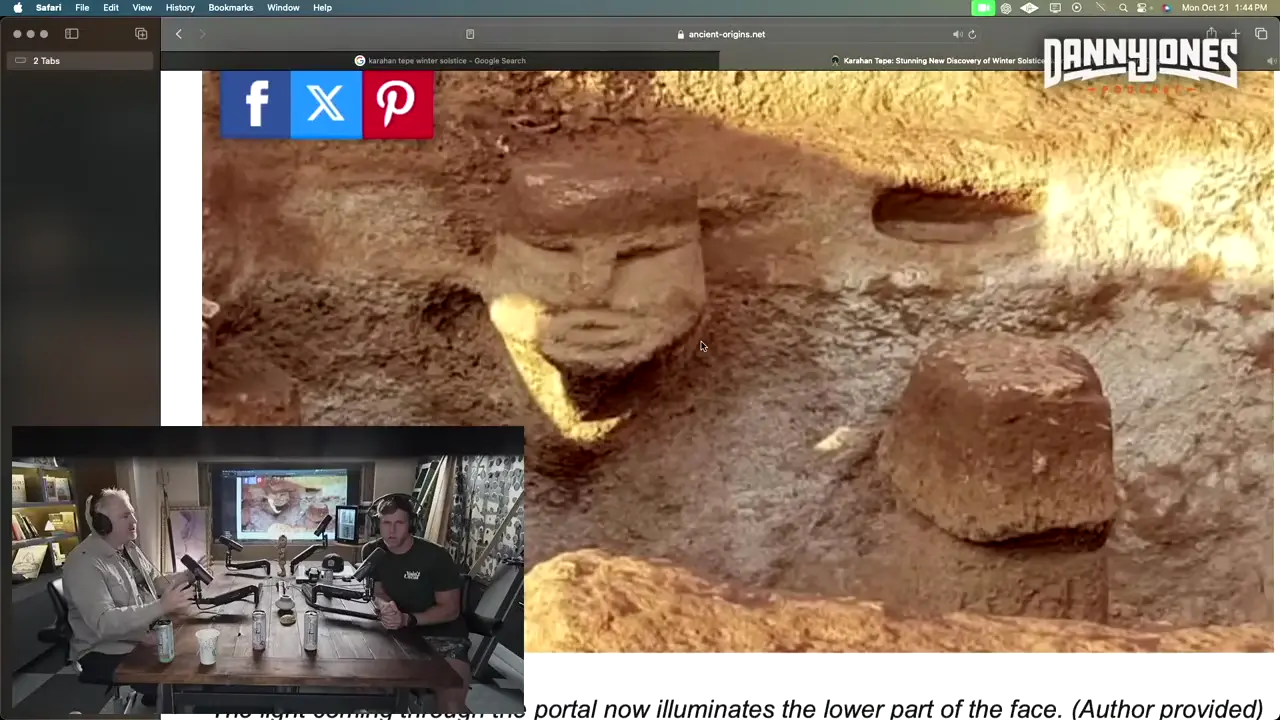
Hugh Newman and JJ Ainsworth propose a Karahan Tepe solstice alignment
Karahan Tepe winter solstice alignment discovered. Winter solstice sunrise alignment discovered at Karahan Tepe by Hugh Newman and JJ Ainsworth in Dec 2021 Light hits a carved…

Karah Tepe has Pre-Pottery Neolithic terrazzo-like floors
Terrazzo flooring predates Roman invention by millennia. Terrazzo flooring found in abundance at Karahan Tepe - hundreds of square meters Ancient builders heated limestone to…
Video argues Creswell Crags cave art shows Cygnus symbolism
Paleolithic cave art at Creswell Crags shows Cygnus symbolism. Creswell Crags on the England/Nottinghamshire border contains Britain's clearest rock art Art dates to approximately…
Video argues Göbekli Tepe pillars align with Deneb around 9025 BC
Cygnus constellation alignments at Neolithic sites from 15,000-9,500 BC. Deneb, the brightest star in Cygnus, was circumpolar around 9500 BC Between 16,000-15,000 BC, Deneb was…
Göbekli Tepe: World's oldest known megalithic site, dated to about 9500 BC
Göbekli Tepe: World's oldest megalithic site dated to 9500 BC. Göbekli Tepe in southeast Turkey is the world's oldest known megalithic site Dr. Klaus Schmidt of the German…
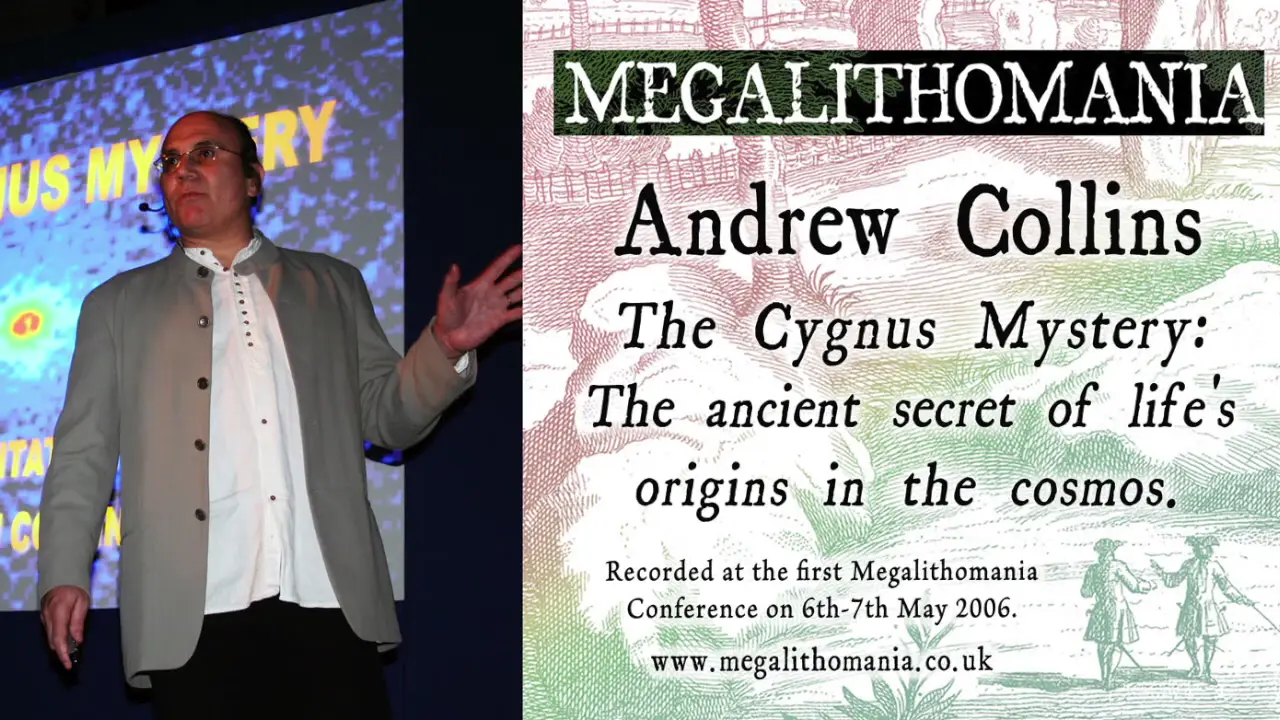
Video presents disputed Cygnus–Giza pyramid alignment theory
Egyptian pyramids may align with Cygnus constellation stars. The falcon-headed god Osiris is identified with the Cygnus constellation Dr. Robin Wells identified the stars of…
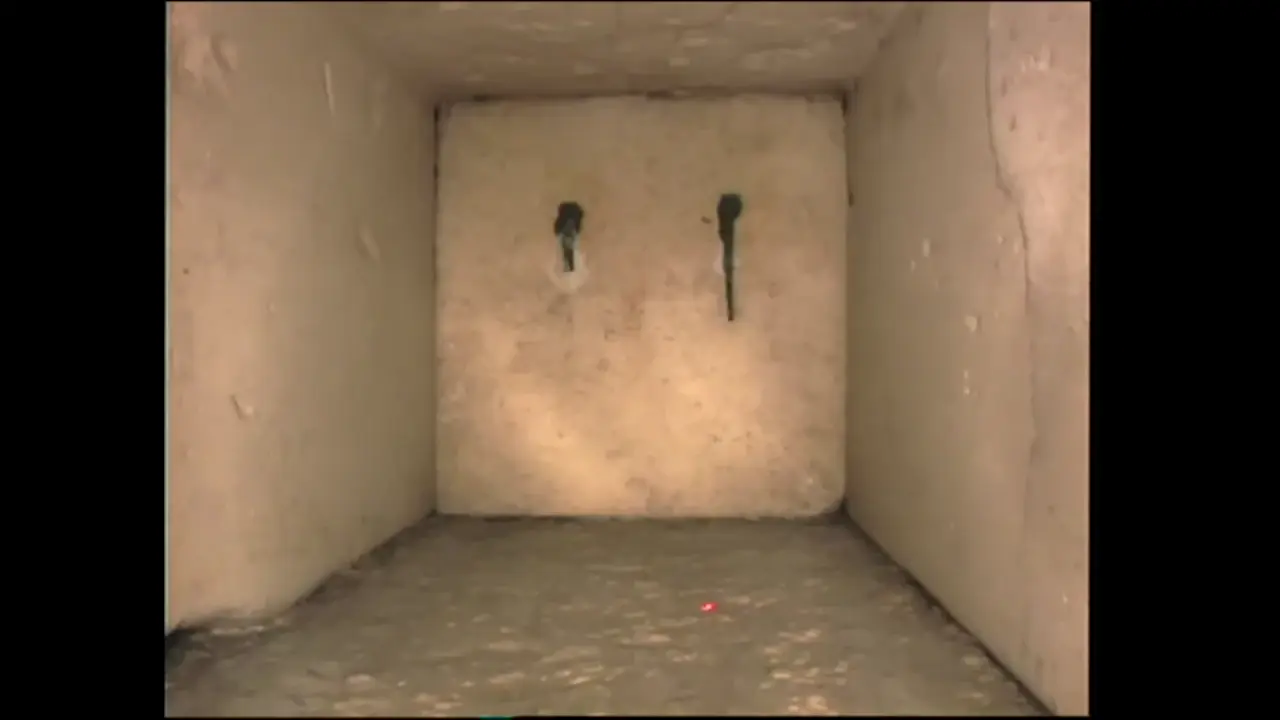
2011 Jetty robot: blocking stone wedged from behind, copper loops were handles
Blocking stones wedged from behind, copper pins are handles. 2011 Jetty Robot mission found blocking stone supported by 3mm ledge in west wall Superficial cracks in ceiling span…
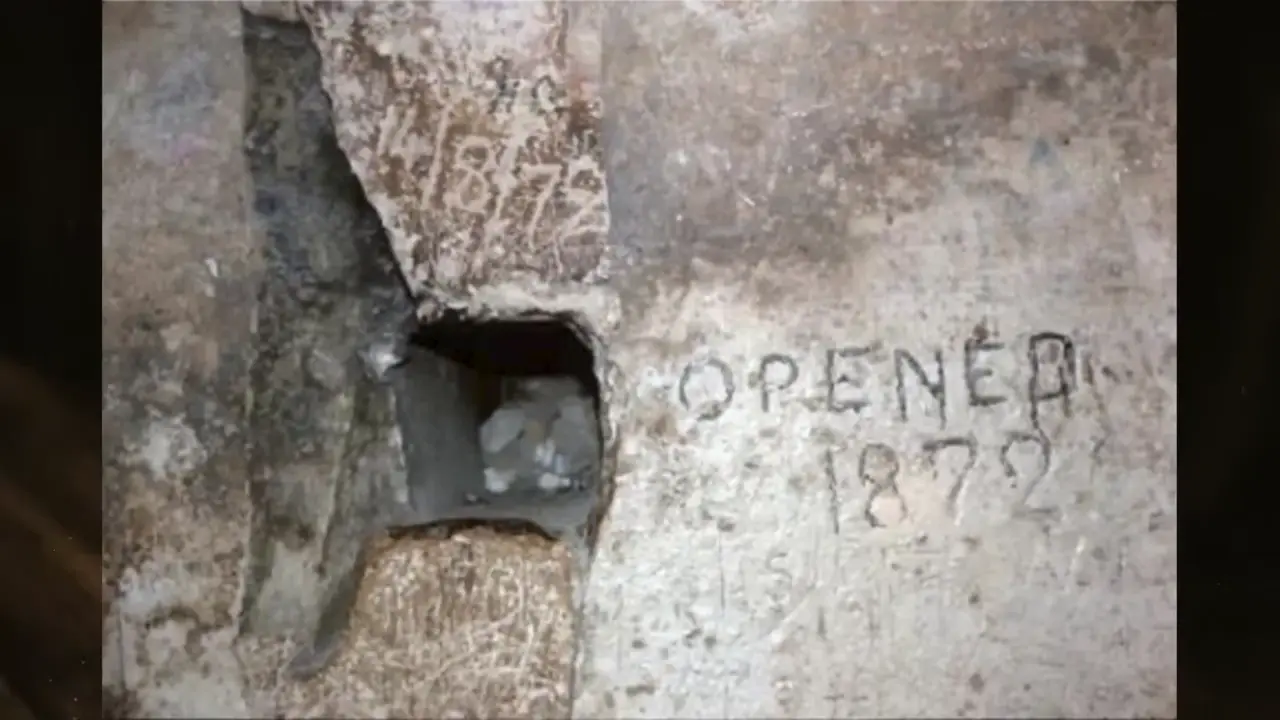
Queen's Chamber air shafts found in 1872; they end 15m short of exterior
Queen's Chamber air channels discovered 1872, stop 15m short. Queen's Chamber air channels discovered in 1872 by Wayneman Dixon and James Grant Channels were concealed behind a…
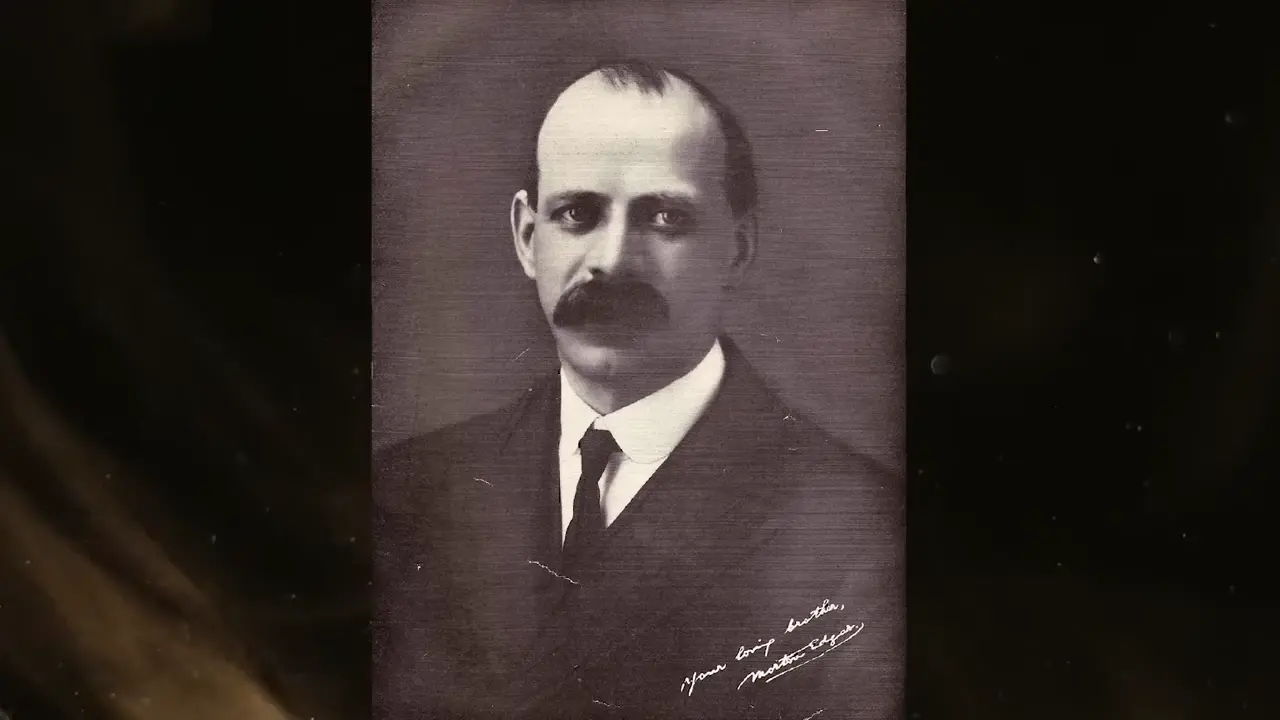
Morton Edgar's channel measurements ignored for 60 years
Morton Edgar's channel measurements ignored for 60 years. Morton Edgar measured southern channel at 208 ft (63.4m) in 1928 He probed northern channel 175 ft deep before rods broke…
2002 rover finds core masonry; Hawass calls it another door
2002 robot drills southern channel, finds only core masonry. In 2002, Pyramid Rover mission drilled through southern blocking stone Revealed only a small 19 cm gap beyond with…
Colin Reader Argues an Early Sphinx Enclosure Phase Predates the Fourth Dynasty
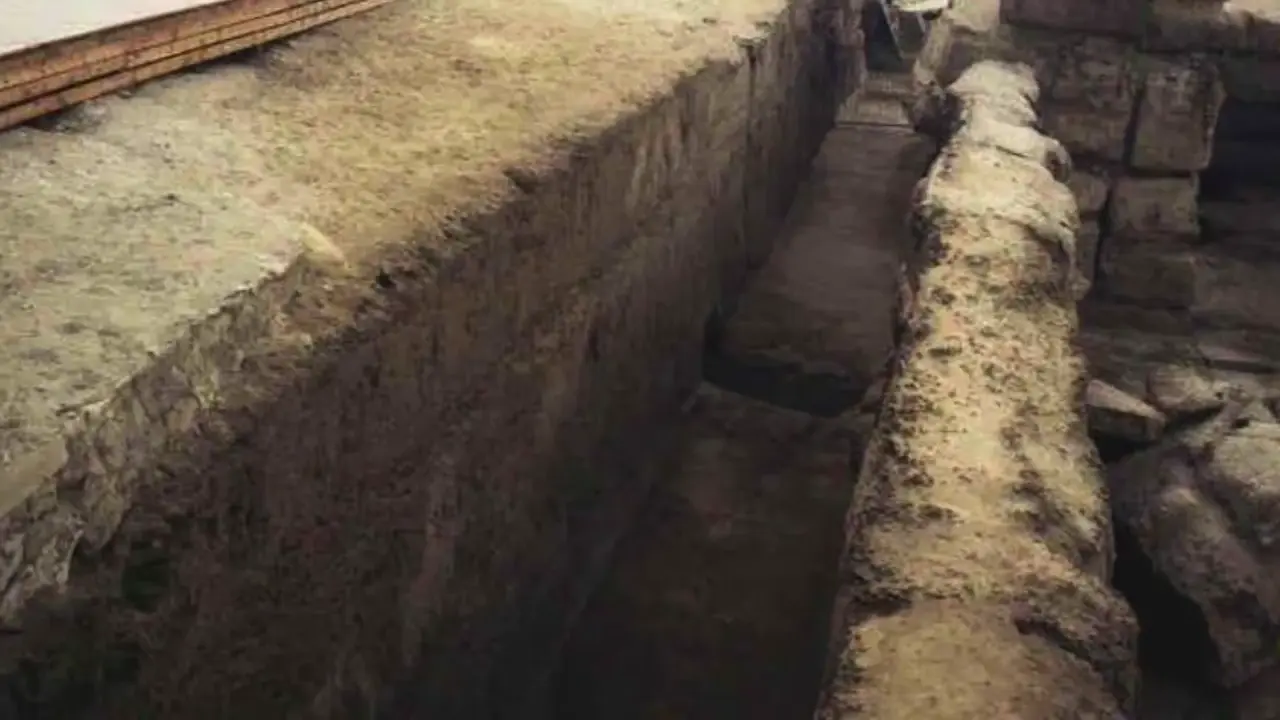
Geological Evidence Suggests Sphinx Enclosure Pre-Dates Fourth Dynasty. Geological evidence indicates first phase of Sphinx enclosure and associated temple predate fourth dynasty…
Copper Study Supports Late Pre-Dynastic Activity at Giza
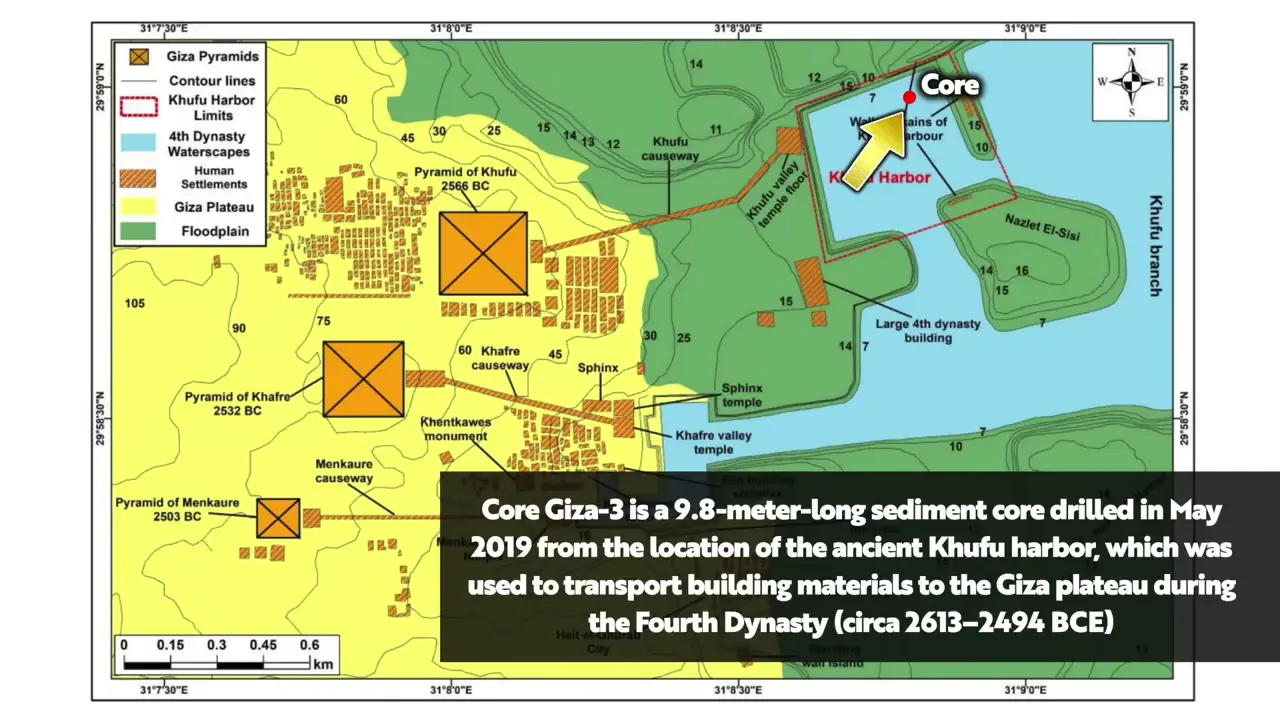
Copper Contamination Study Proves Late Pre-Dynastic Activity at Giza. 2024 paper by Martin Odler et al. titled 'The Construction of the Giza Pyramids Chronled by Human Copper…
Reisner Excavated 77 Tombs at Giza's Wadi Cemetery in 1904
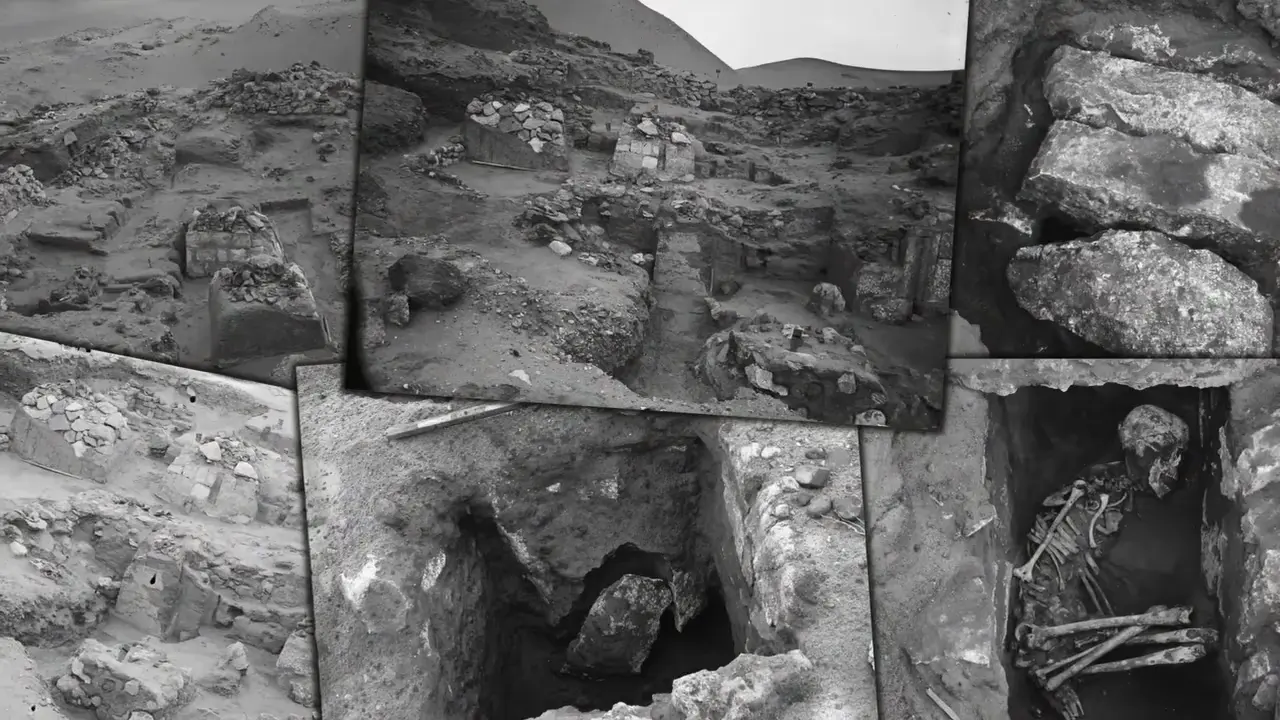
Wadi Cemetery: 77 Pre-Khufu Tombs Discovered at Giza. Excavated in 1904 by George Reisner 77 ancient tombs discovered beneath an ancient dump dating to early Khufu's reign 243…
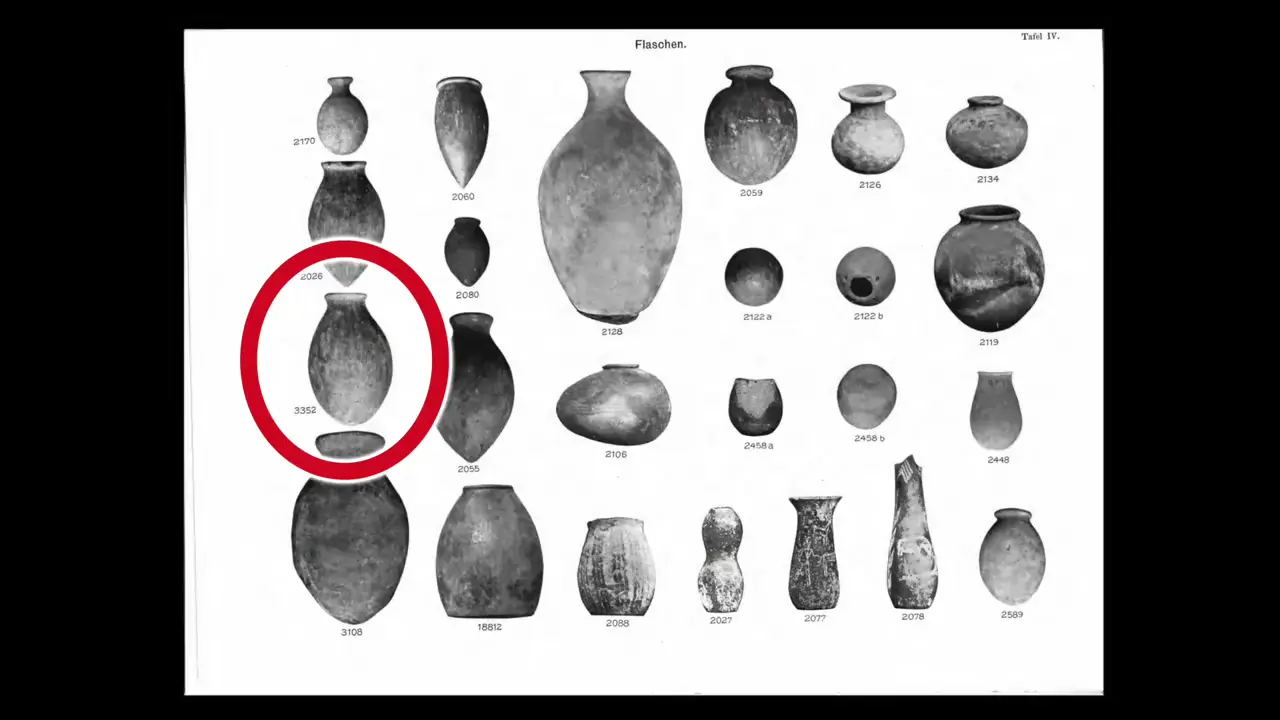
Pre-Dynastic Naqada Pottery Found Across Giza Plateau
Pre-Dynastic Naqada Pottery Found Across Giza Plateau. Pre-dynastic Naqada culture pottery found at multiple locations on Giza Plateau Artifacts documented with photographs and…
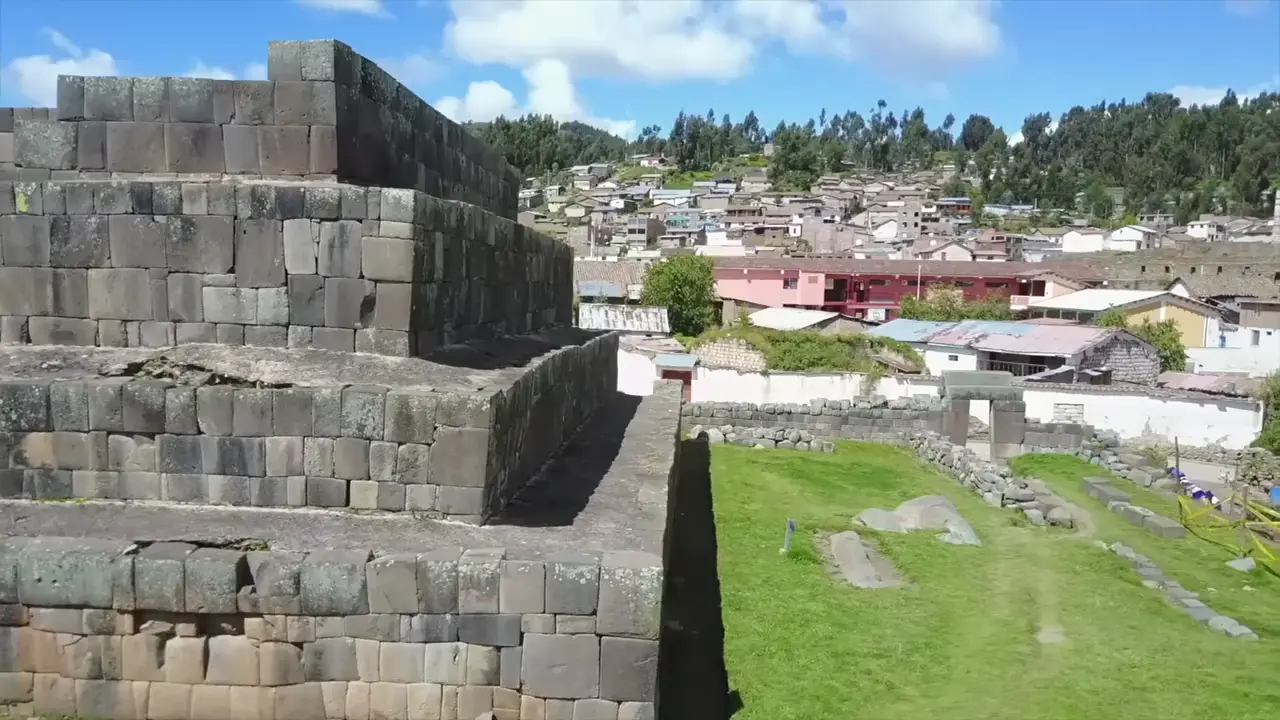
Vilcashuamán has documented Inca masonry; the video’s pre-Inca theory is unproven
Vilcashuamán shows megalithic pre-Inca construction techniques. Vilcashuamán (Vilka Swaman) is in the highlands of Peru: near Ayakucho Polygonal wall construction shows two…
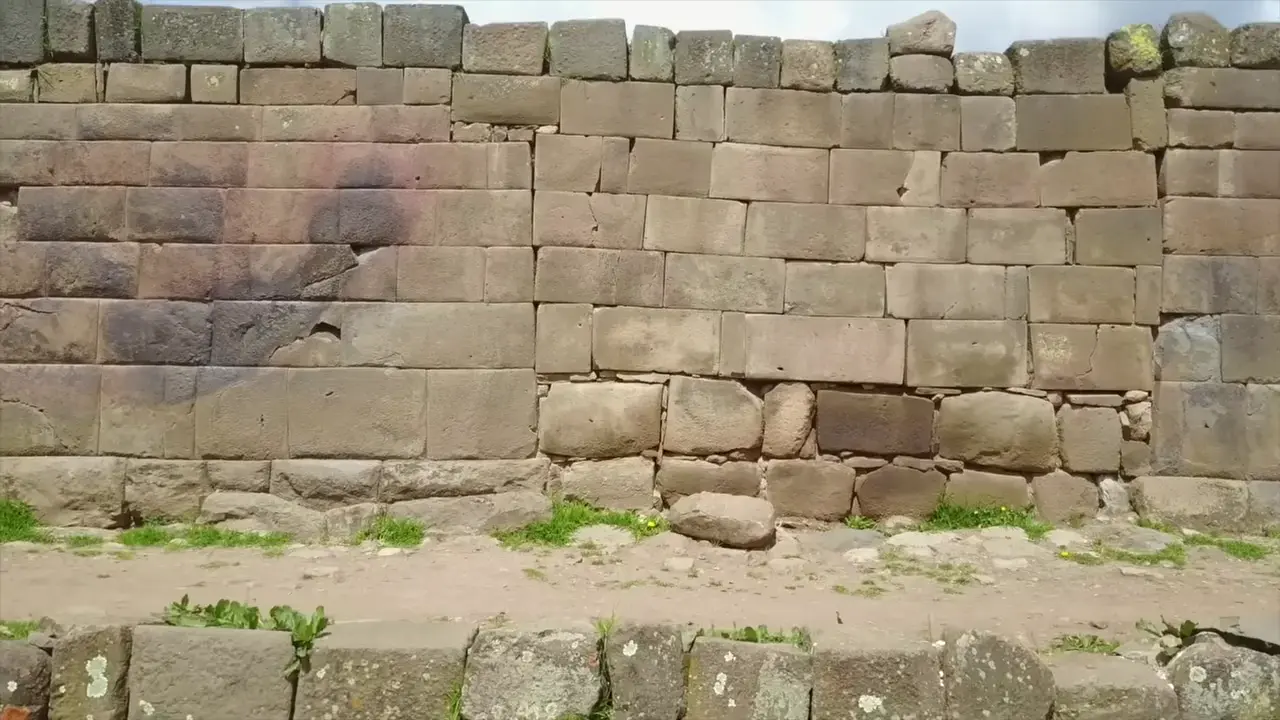
Melt-like stones at Vilcashuamán do not establish a 12,800-year cataclysm
Melted basalt evidence suggests ancient cataclysm at Vilcashuamán. Stone surfaces at Vilcashuamán show melting evidence Melting basalt requires at least 2,000 degrees Celsius,…
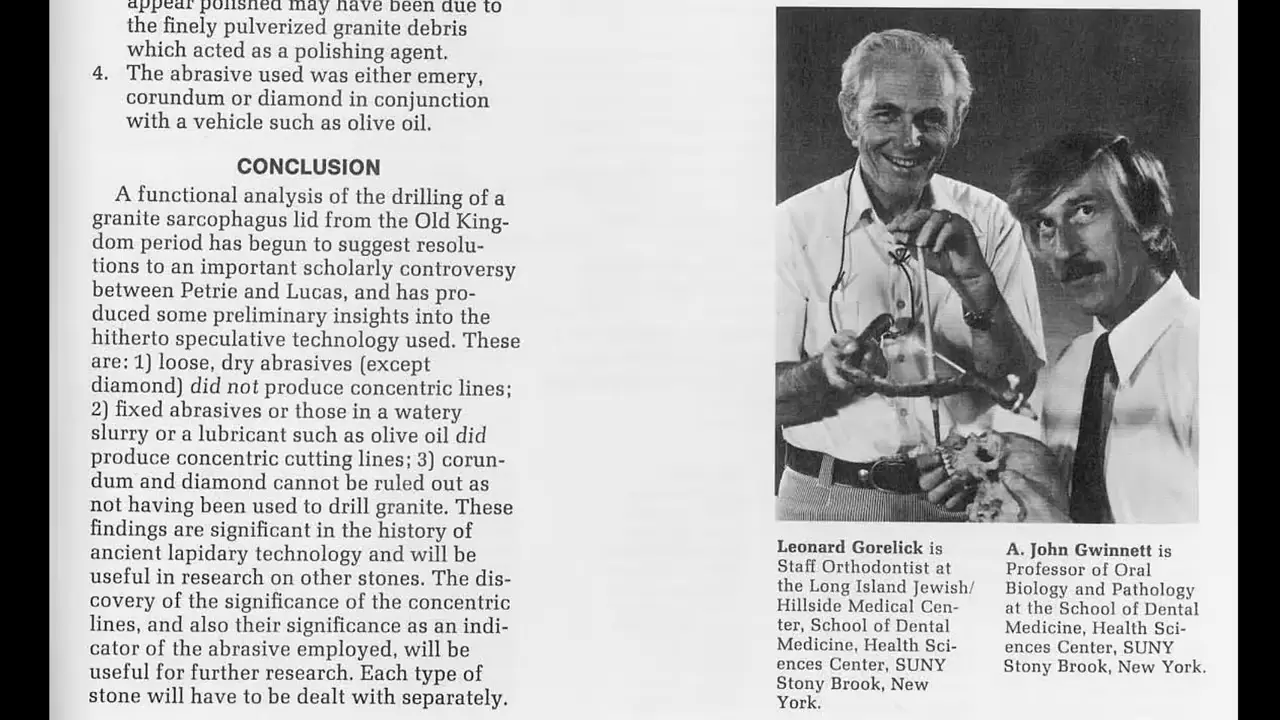
Ancient EGYPTian Stoneworking: Copper Drills and Quartz Abrasives
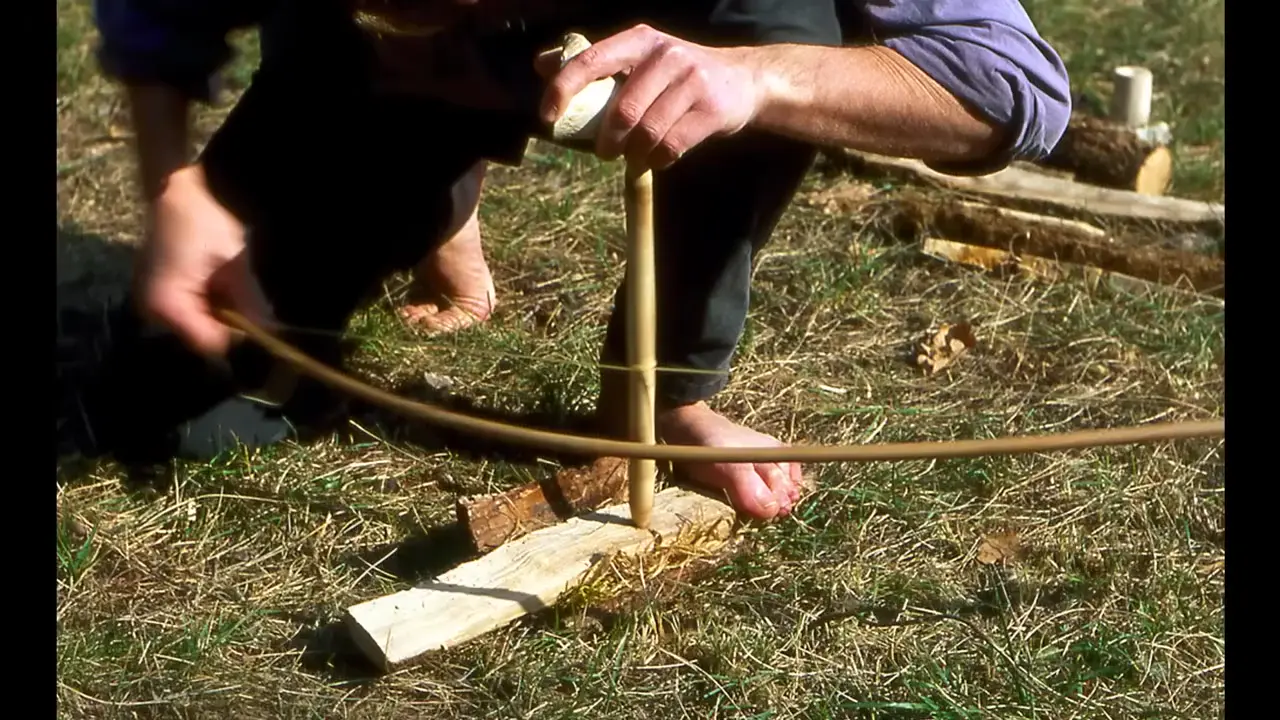
Ancient EGYPTian Stone-Working Tools and Techniques. Predynastic EGYPTian stone vessels dating to 4000-3100 BC show clear rotary drill marks and lathe marks Hard stones like…
Early Neolithic Stone Vessels in Southeastern Anatolia
Neolithic Stone Vessel Predecessors in Ancient Levant. Stone vessels appeared in Turkey at Çayönü, Karahan Tepe, and Körtiktepe around 10,700 BC These sites predate the earliest…
Replica Matched Ancient Vessel Precision, but Used a Plastic Rotary Table
Experimental Proof Traditional Tools Achieved Precise Vessels. Modern artisan Olga Vidovna replicated diorite vessels using primitive tools: rock, wood, rope, emery, sand and…
Video Argues Bronze Age Hillfort Builders Were Replaced
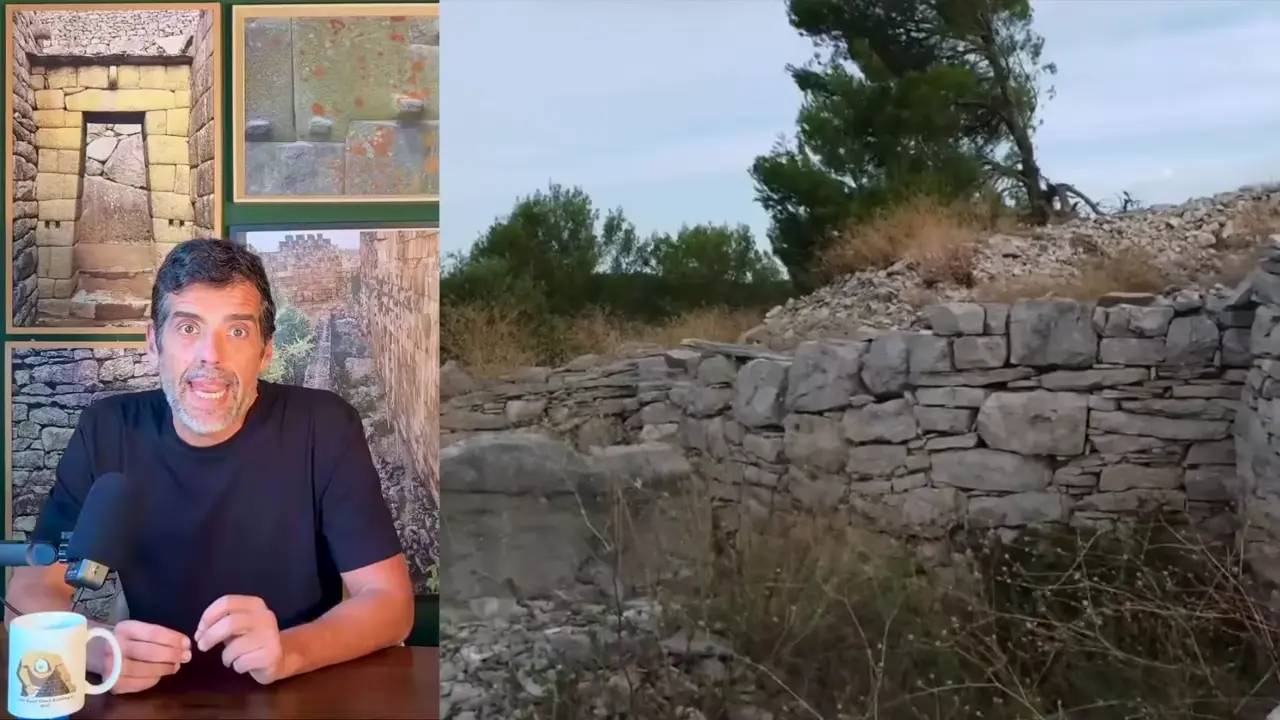
Bronze Age Population Replacement by Iron Age Peoples. Hillforts likely built during Bronze Age by people practicing excarnation These original builders were replaced by incoming…

The video argues Göbekli Tepe animal carvings reflect tribal identities
Animal carvings on T-pillars represent tribal identity. Each Tas Tepeler site has distinct animal predominance: Kahantepe has leopards, Göbekli Tepe has boar and fox, Çatalhöyük…
Keep exploring
Every site on this page sits on the globe, and the people who research them are on the Discord.
3D Globe · Sites by country · Story Archive · Research Library · Weekly Journal · Search