

Researchers recovered 1,550 Homo naledi specimens from the Dinaledi Chamber—no predator activity, tooth marks, or water disturbance. Bodies appear to have entered largely intact then broke down in place after deposition and burial. 🔣
Evidence for deliberate body deposition and symbolic behavior
 EgyptTheory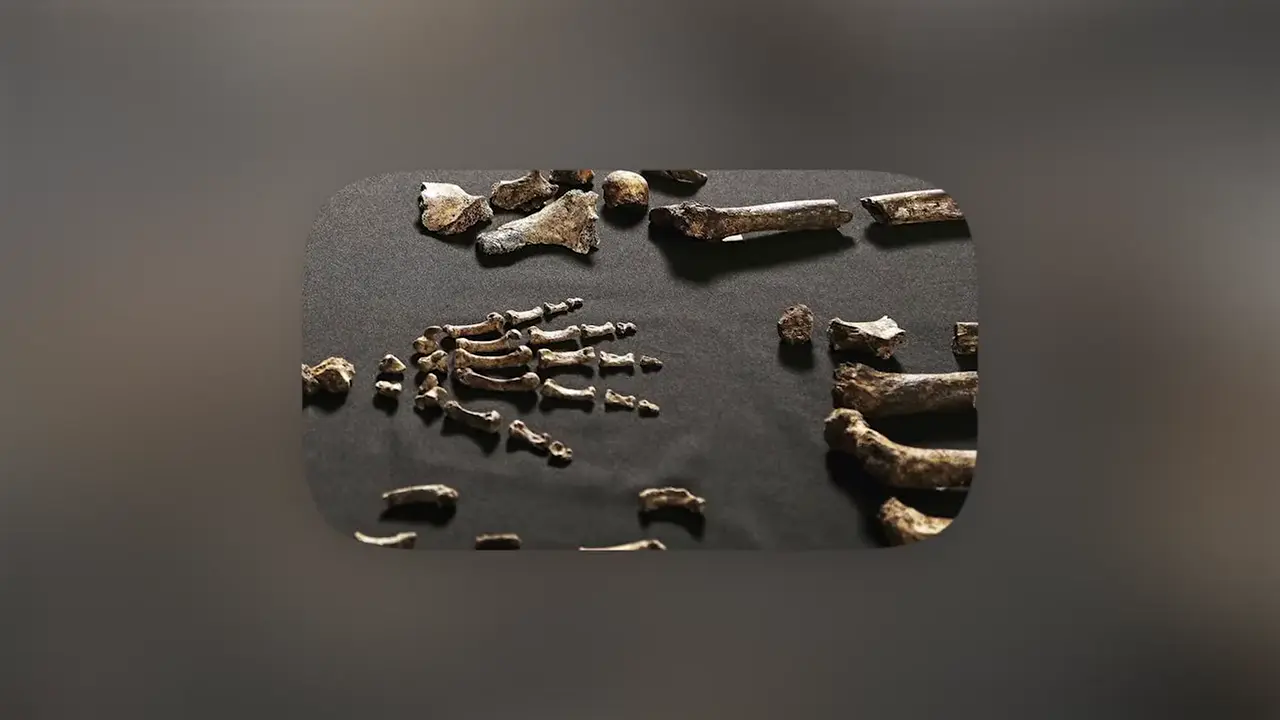
Site mentioned
Key facts
- The Dinaledi Chamber contains around 1,550 fossil specimens
- Only Homo naledi remains are present - no antelopes, carnivores, or other prey animals
- Sediments accumulated slowly over long periods with no evidence of water flow or chaotic mixing
- Bones show patterns consistent with bodies entering largely intact then breaking down in place
- No tooth marks, gnawing, or carnivore activity signatures
- The chamber was not accessible to large non-hominins
- Researchers describe evidence as 'consistent with deliberate body deposition'
- Nearby chambers contain engraved lines and geometric markings with intentional patterns
Sources
newscientist.com
Linked in video description
sciencefocus.com
Linked in video description
in-africa.org
Linked in video description
elifesciences.org
Linked in video description
elifesciences.org
Linked in video description
Was this story useful?
Keep exploring
Every site on this page sits on the globe, and the people who research them are on the Discord.
3D Globe · Sites by country · Story Archive · Research Library · Weekly Journal · Search
AI-generated text · images from the original sources · always verify with the sources.