


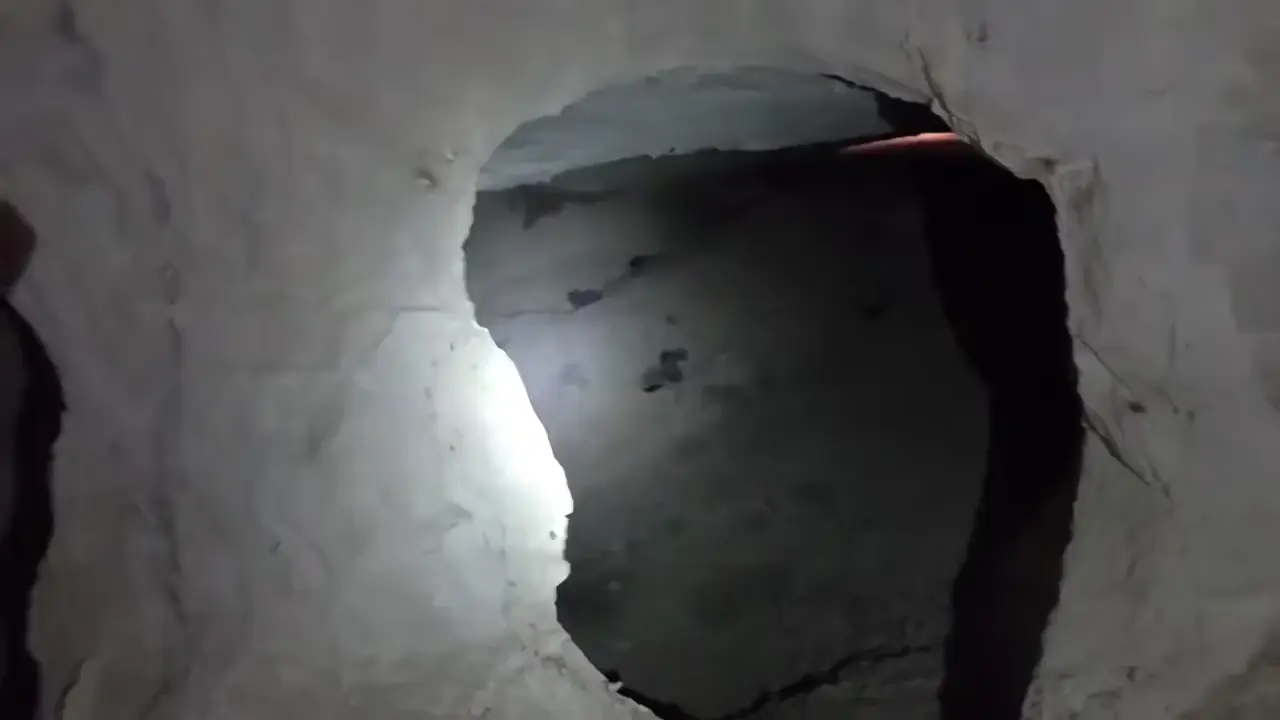
Research using ground-penetrating radar and other non-invasive technologies has revealed potential voids and structures beneath the Great Pyramid of Giza, as documented by the ScanPyramids project (launched 2015) and recent Italian-Scottish collaborative studies. However, claims of specific features like carved niches containing a pottery vessel with a leg bone, square corridors with tool marks, air shafts, and crystal formations lack verifiable evidence in published archaeological literature. The site maintains security presence and requires tourist fees, with the pyramid open to visitors who purchase tickets, though the internal chamber and passage system is limited in scope and specific interior feature claims remain unconfirmed.
Key facts claimed:
- Great Pyramid of Giza site has security presence
- Site is accessible to the public (with fees and certain restrictions)
- Tool marks visible on the structure
- Pyramid is aligned with cardinal directions
Key facts claimed:
- Great Pyramid of Giza site has security presence
- Site is accessible to the public (tourist tickets available)
- Tool marks visible on the structure
- Pyramid is well-preserved and aligned with cardinal directions