

Aurignacian gave way to Gravettian culture around 32,000 BP. Late Aurignacian period: 34,000 to 30,000 years ago Gravettian culture emerged around 33,000 to 32,000 years ago New tool types included Madian-type bone points and smaller bladelets

Emerging roughly 45–40 kyr ago, the Aurignacian culture in Europe brought long blades and bladelets from prepared cores, plus split-base bone and ivory points – a technological leap from Neanderthal Mousterian tools that spread across the continent.

Key facts:

- Late Aurignacian period: 33,000 to 26,000 years ago (transitional phase leading into Gravettian)

- Gravettian culture emerged around 33,000 to 20,000 years ago

- New tool types included Madian-type bone points and smaller bladelets

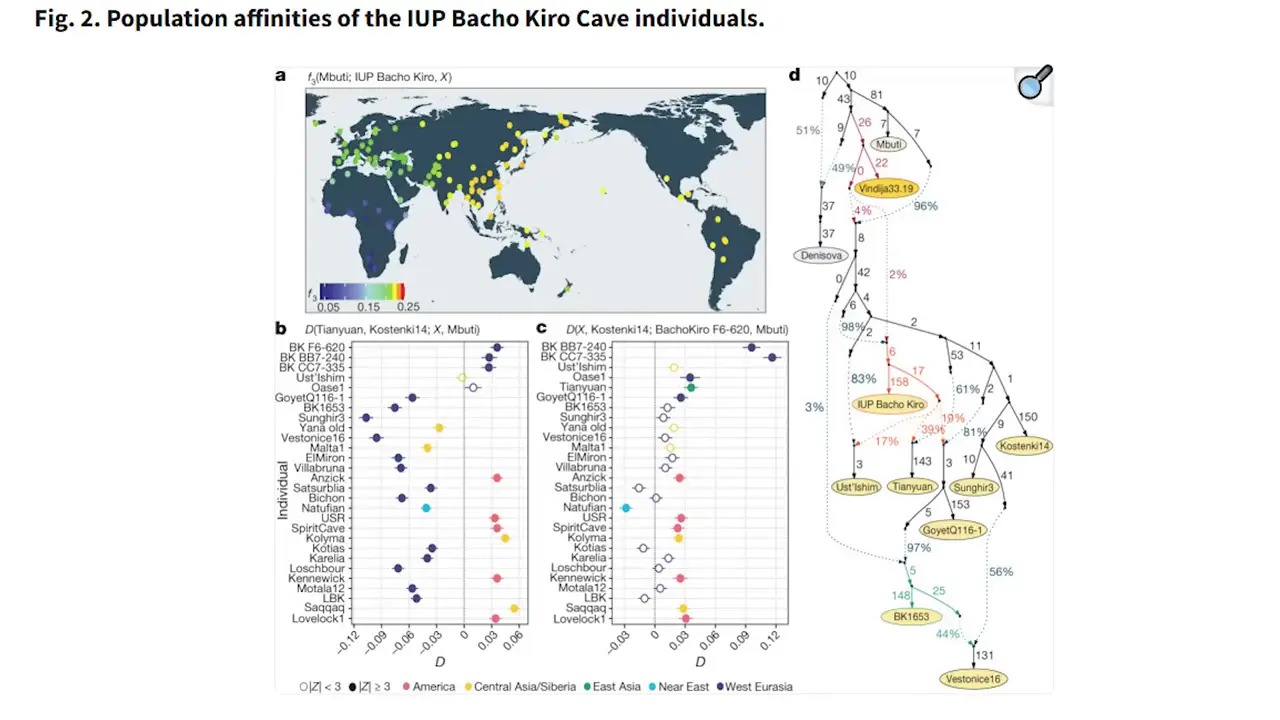
- Genetic samples from Goyet Caves (Belgium) and Kostenki 14 (Russia) show continuity with later Gravettian populations

- Bacho Kiro cave in Bulgaria at 45,000 years ago shows only ~1–3% Neanderthal ancestry (consistent with recent interbreeding events), not specifically 19% 'Aurignacian' ancestry

Key Facts

  • Late Aurignacian period: 34,000 to 30,000 years ago
  • Gravettian culture emerged around 33,000 to 32,000 years ago
  • New tool types included Madian-type bone points and smaller bladelets
  • Genetic samples from Goyet Caves (Belgium) and Kostenki 14 (Russia) show continuity with later Gravettian populations
  • Bacho Kiro cave in Bulgaria at 45,000 years ago shows only 19% genetic ancestry shared with later Aurignacians
  • Majority of later Aurignacian ancestry came from a distinct West Eurasian source not previously in Europe
  • Aurignacian culture persisted in Iberian Peninsula and Balkans until around 30,000 years ago

Related site: Goyet Caves — view location, images, and history on the Ancient Nerds map.