

Archaeological Sites in Iraq
City/town/settlement in Iraq (11)
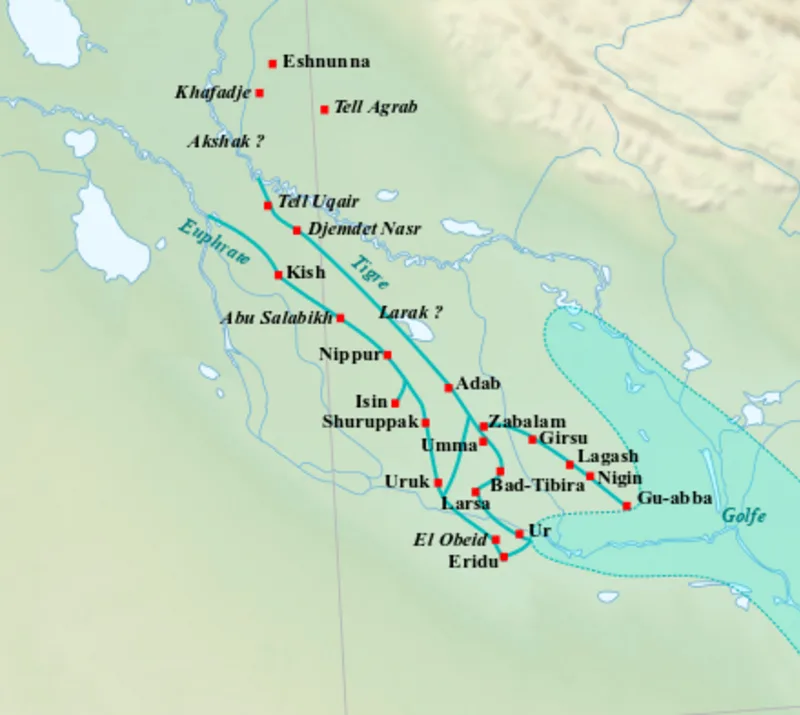
Abu Salabikh
Abu Salabikh is the site of a small Sumerian city-state located 20 km northwest of ancient Nippur in Iraq. The settlement dates from the Neolithic through the late 3rd millennium…
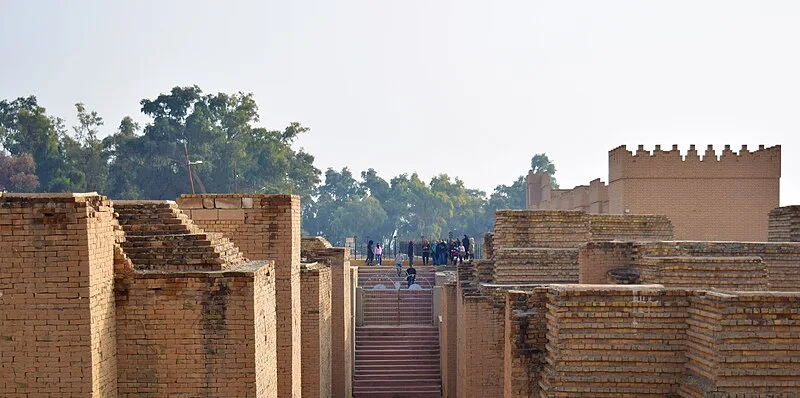
Ancient Babylon
Capital of ancient Mesopotamia on the Euphrates, about 85 km south of Baghdad, Iraq. First mentioned in the 23rd century BC, it rose to prominence under Hammurabi (1792-1750 BC)…
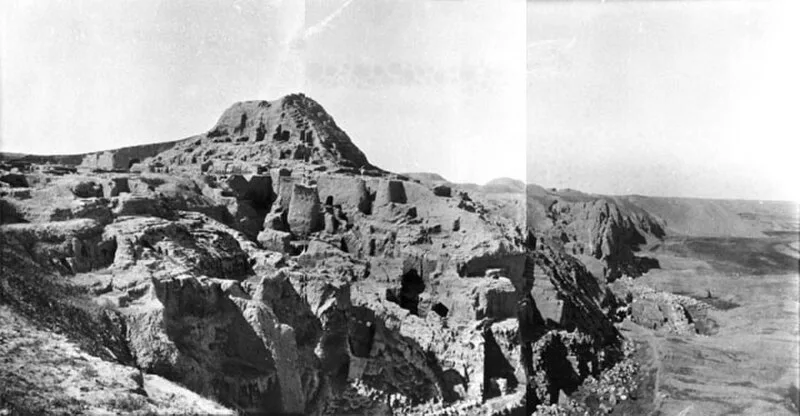
Aššur
First capital of the Assyrian Empire on the western bank of the Tigris in modern Iraq, serving as the religious and political heart of Assyria from roughly 2500 BC to 614 BC. The…
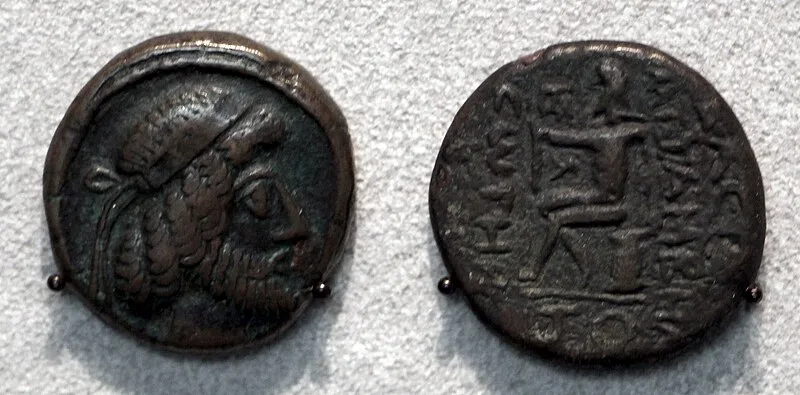
Charax Spasinu
Charax Spasinu was an ancient port at the head of the Persian Gulf in modern Iraq, serving as the capital of the Characene kingdom.

Eridu
Eridu is the earliest known city in southern Mesopotamia at Tell Abu Shahrain. Located 24 km south-southwest of Ur, it was the southernmost of a cluster of Sumerian cities built…
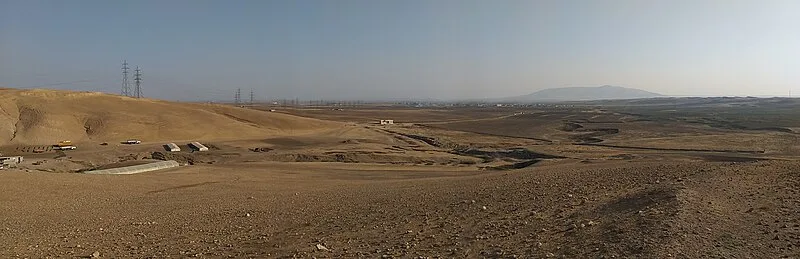
Jerwan
Jerwan is an archaeological site north of Mosul in Iraq's Nineveh Province, famous for the ruins of a massive aqueduct built by Assyrian king Sennacherib between 703 and 690 BC.…
Kemune (Zahiku)
Kemune is a 3,400-year-old Mittani Empire city, thought to be ancient Zakhiku, discovered when drought lowered the Mosul Dam reservoir in Iraq's Kurdistan region. A monumental…
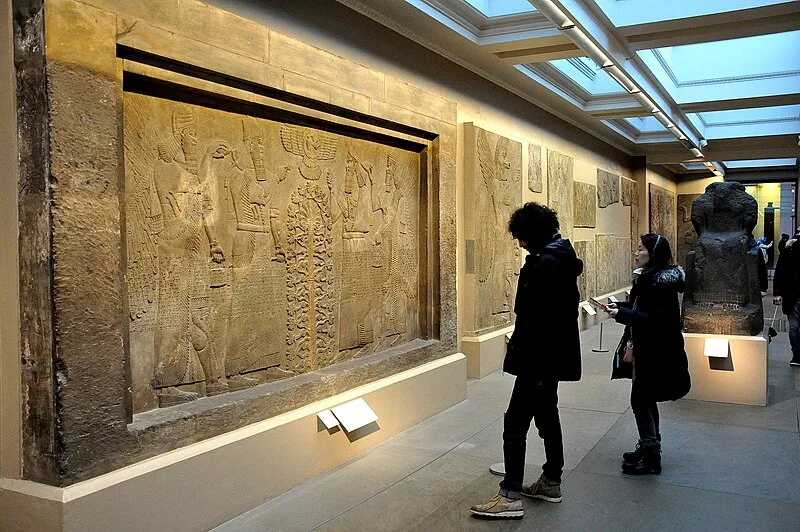
Nimrud
Nimrud is an ancient Assyrian city in Upper Mesopotamia's Nineveh Plains, located 30 km south of modern Mosul and 5 km south of Selamiyah village. The city occupied a strategic…
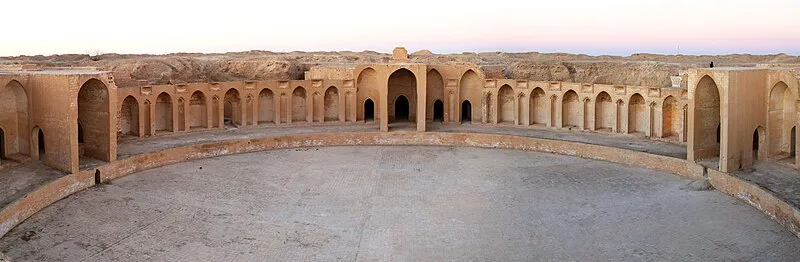
Samarra
Samarra, on the east bank of the Tigris 130 km north of Baghdad, is the type site for the prehistoric Samarra culture (c. 5500-4800 BC), one of the earliest town-states in the…
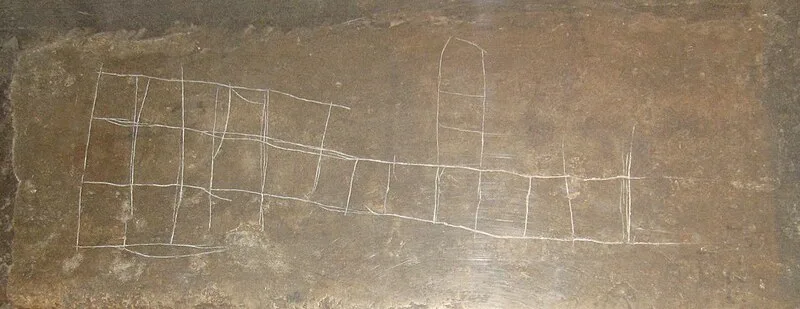
Ur
Ur was a major Sumerian city-state in ancient Mesopotamia, located at modern Tell el-Muqayyar in Dhi Qar Governorate, Iraq. Originally a coastal city near the Euphrates' mouth on…
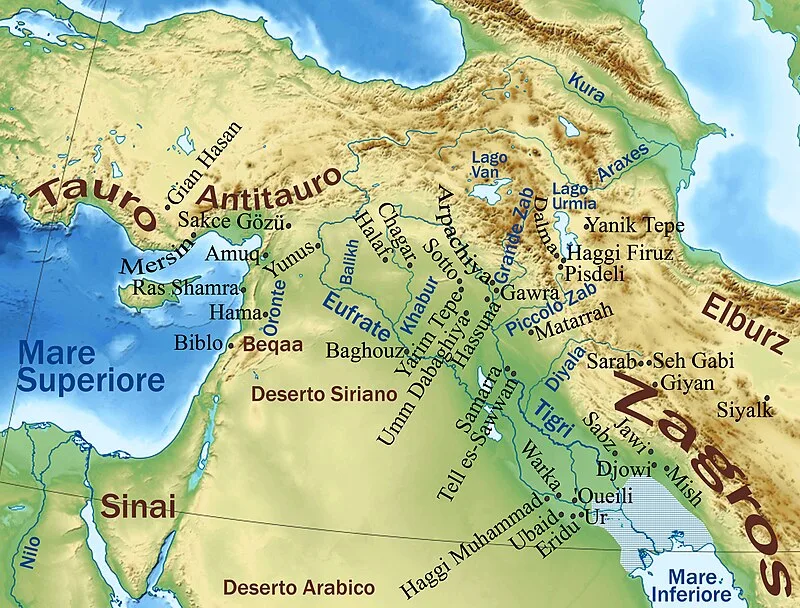
Yarim Tepe
Yarim Tepe is an archaeological site in Iraq's Sinjar valley, 7 km southwest of Tal Afar, representing an early farming settlement dating to approximately 6000 BC. The multi-hill…
Temple complex in Iraq (6)
,_western_Baghdad,_Iraq._December_2021.webp)
Dur-Kurigalzu (Ziggurat at Aqar Quf)
Dur-Kurigalzu (modern Aqar Quf, Baghdad Governorate) was a fortified city and royal residence of the Kassite dynasty, founded by Kurigalzu I around 1400 BC near the confluence of…
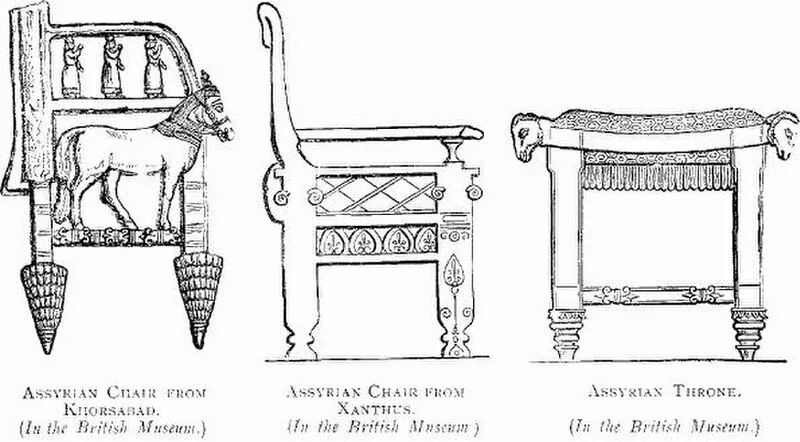
Dur-Sharrukin
Dur-Sharrukin, present-day Khorsabad in northern Iraq, served as the Assyrian capital under Sargon II (r. 721–705 BC). Built within the decade preceding 706 BC, the city served as…
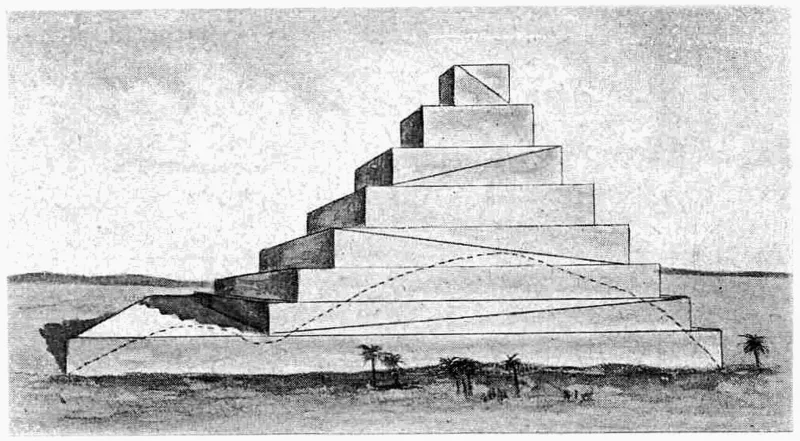
Etemenanki (Tower of Babel)
Etemenanki ("House of the foundation of heaven on earth") was a massive ziggurat dedicated to Marduk in ancient Babylon. Its origins may date to Hammurabi's reign (1792-1750 BC),…

Great Ziggurat of Ur
A Neo-Sumerian step pyramid built c. 2100 BC by King Ur-Nammu of the Third Dynasty of Ur, dedicated to the moon god Nanna. The massive structure measured 64 metres long, 45 metres…
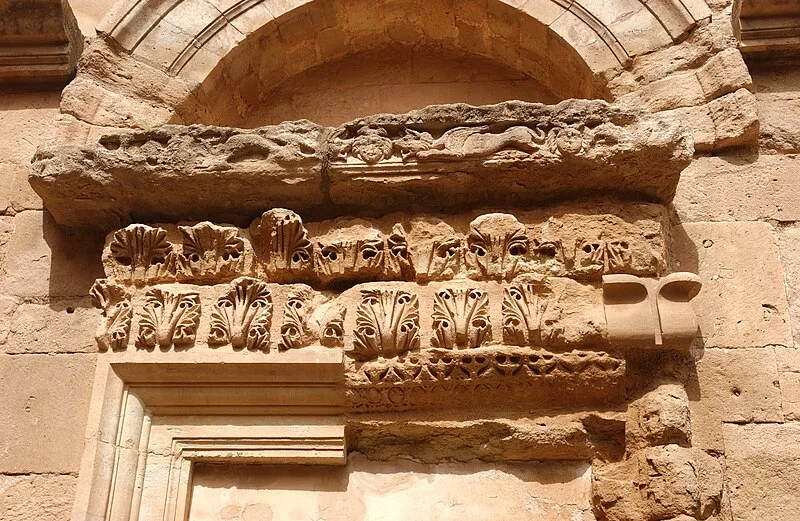
Temple of Hatra
A fortified Parthian caravan city in northern Iraq, known as Beit Elaha ('House of God') for its numerous temples. Encircled by inner and outer walls nearly 6.4 km in…
Temple of Nabu
(2nd c. AD) An ancient temple complex dedicated to Nabû (Nebo), the Babylonian god of wisdom, writing, and the arts. Built during the Roman provincial period in ancient…
Monument in Iraq (4)
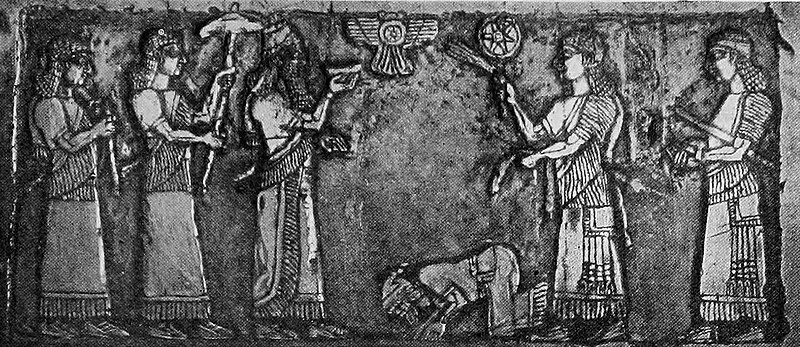
Black Obelisk of Shalmaneser III
A Neo-Assyrian black limestone obelisk standing 1.8 m tall, discovered in 1846 by Sir Austen Henry Layard at Nimrud (ancient Kalhu) in northern Iraq. Erected in 825 BC, its four…
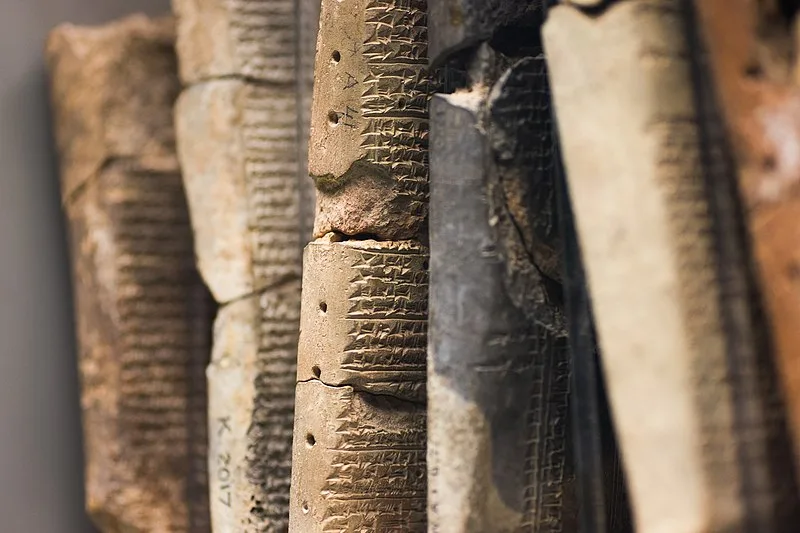
Library of Ashurbanipal
The oldest known systematically organized library in the world, established in Nineveh by Neo-Assyrian king Ashurbanipal (r. 668-627 BC), containing over 30,000 clay tablets and…
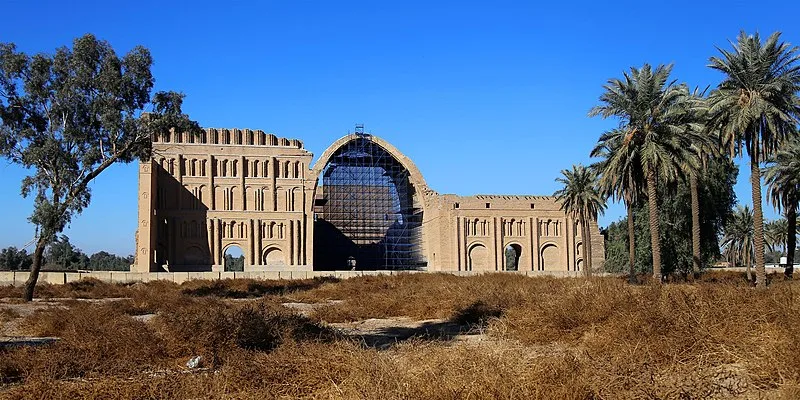
Taq Kasra
Tāq Kasrā (also known as Taq-i Kisra or Arch of Ctesiphon) is the ruins of a Sasanian-era Persian monument dating to c. the 3rd to 6th centuries AD. Located near modern Salman…
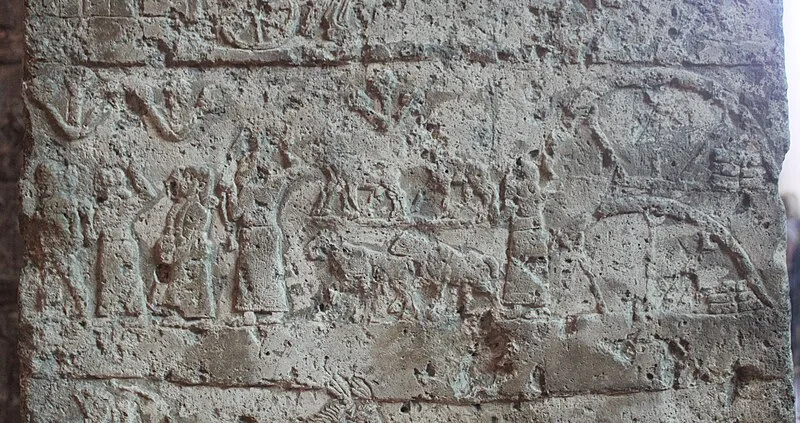
White Obelisk
The White Obelisk is a large stone monument unearthed at Nineveh in northern Iraq by British Assyrian archaeologist Hormuzd Rassam in 1853. It is one of only two intact Assyrian…
Fortress/citadel in Iraq (2)
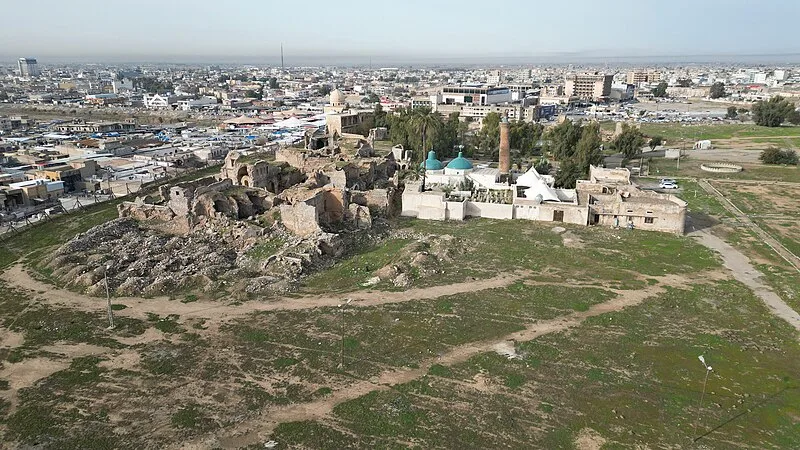
Castle of Kirkûk
The Kirkuk Citadel is a fortress in central Kirkuk, Iraq, considered the oldest part of the city. It sits atop a 40-metre-high (130 ft) tell mound on a plateau across the Khasa…
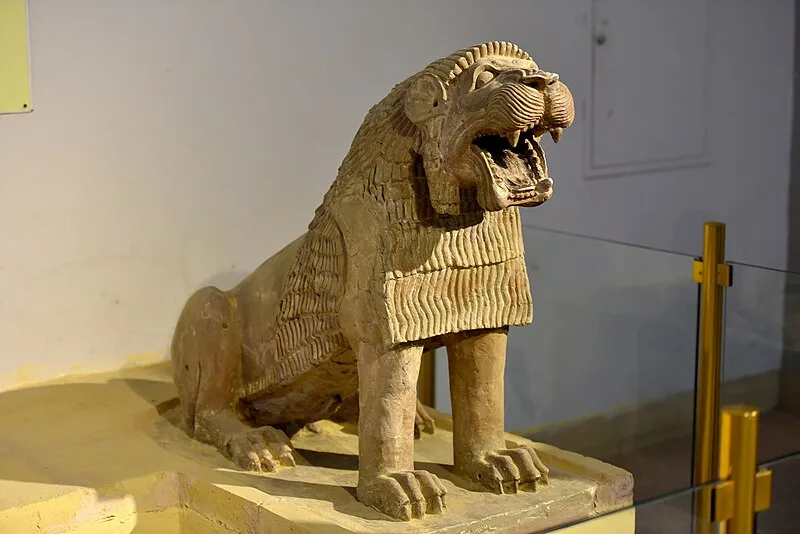
Tel Hermal Fort
Tel Hermal (ancient Shaduppum) is an Old Babylonian site in present-day Baghdad, located 600 meters from Tell Muhammad. It was part of the kingdom of Eshnunna, situated on the…
Settlement in Iraq (2)
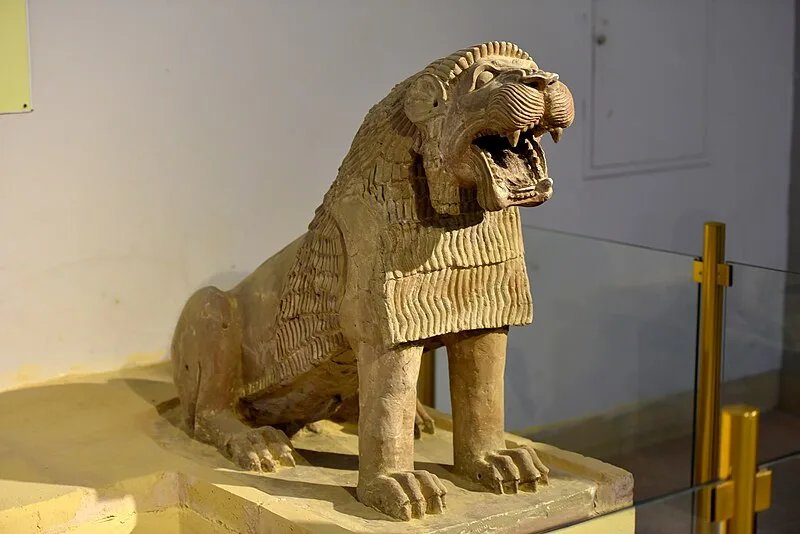
Shaduppum
Shaduppum (modern Tell Harmal) was an administrative center in the kingdom of Eshnunna, located in the Diyala River basin near Baghdad, Iraq. Its name means 'the accountant's…
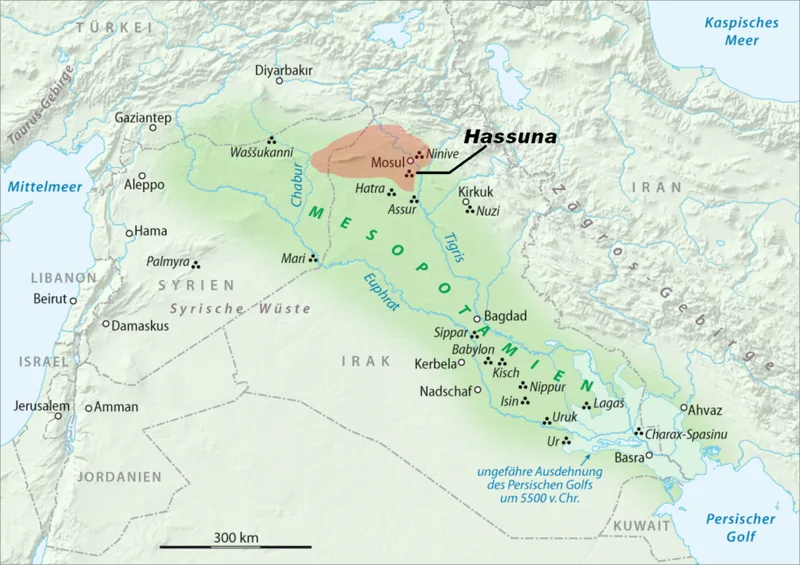
Tell Maghzaliyah
Tell Maghzaliyah is a fortified aceramic Mesolithic and Neolithic settlement in Nineveh Governorate, Iraq, dating to before 4500 BC (c. 7000 BC start). Located 7.5 km northwest of…
Cave Structures in Iraq (1)
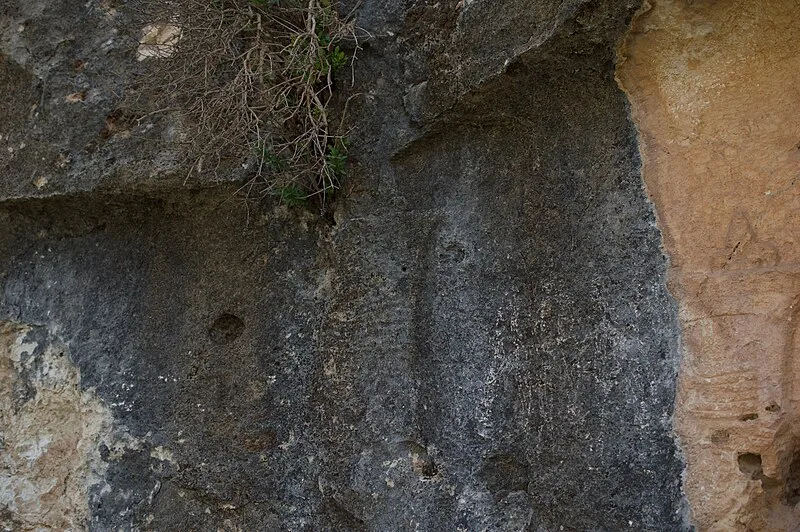
Gate/archway/bridge in Iraq (1)
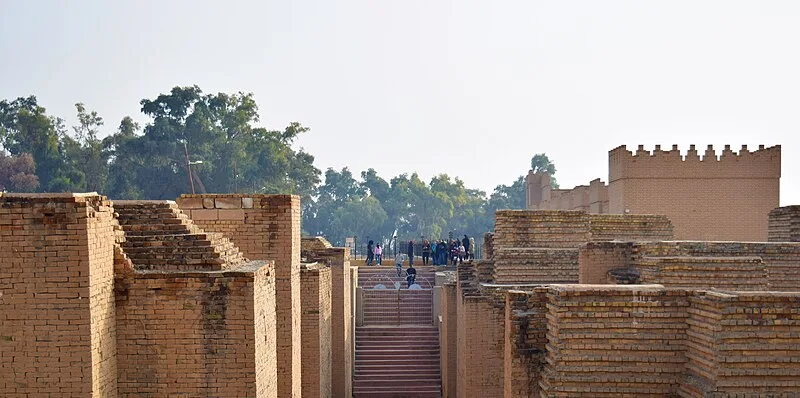
Megalithic statues in Iraq (1)
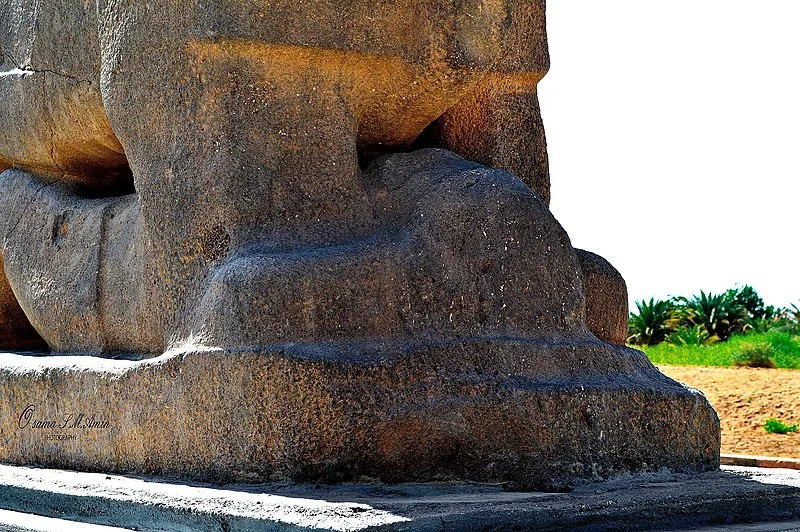
Megalithic stones in Iraq (1)
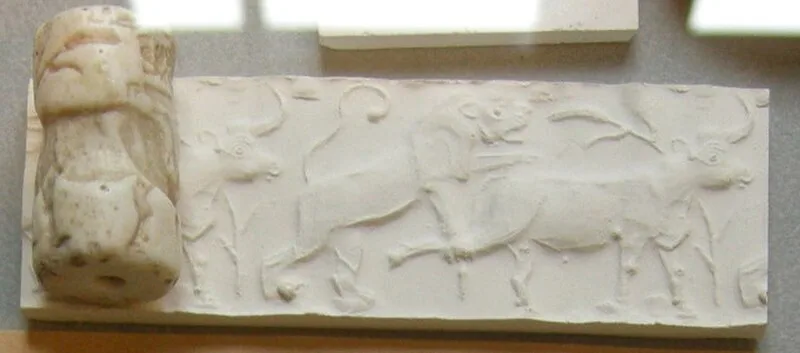
Megalithic structures in Iraq (1)
Museum in Iraq (1)
Palace in Iraq (1)
Other sites in Iraq (1)
Keep exploring
Every site on this page sits on the globe, and the people who research them are on the Discord.
3D Globe · Sites by country · Story Archive · Research Library · Weekly Journal · Search