
 Iraq
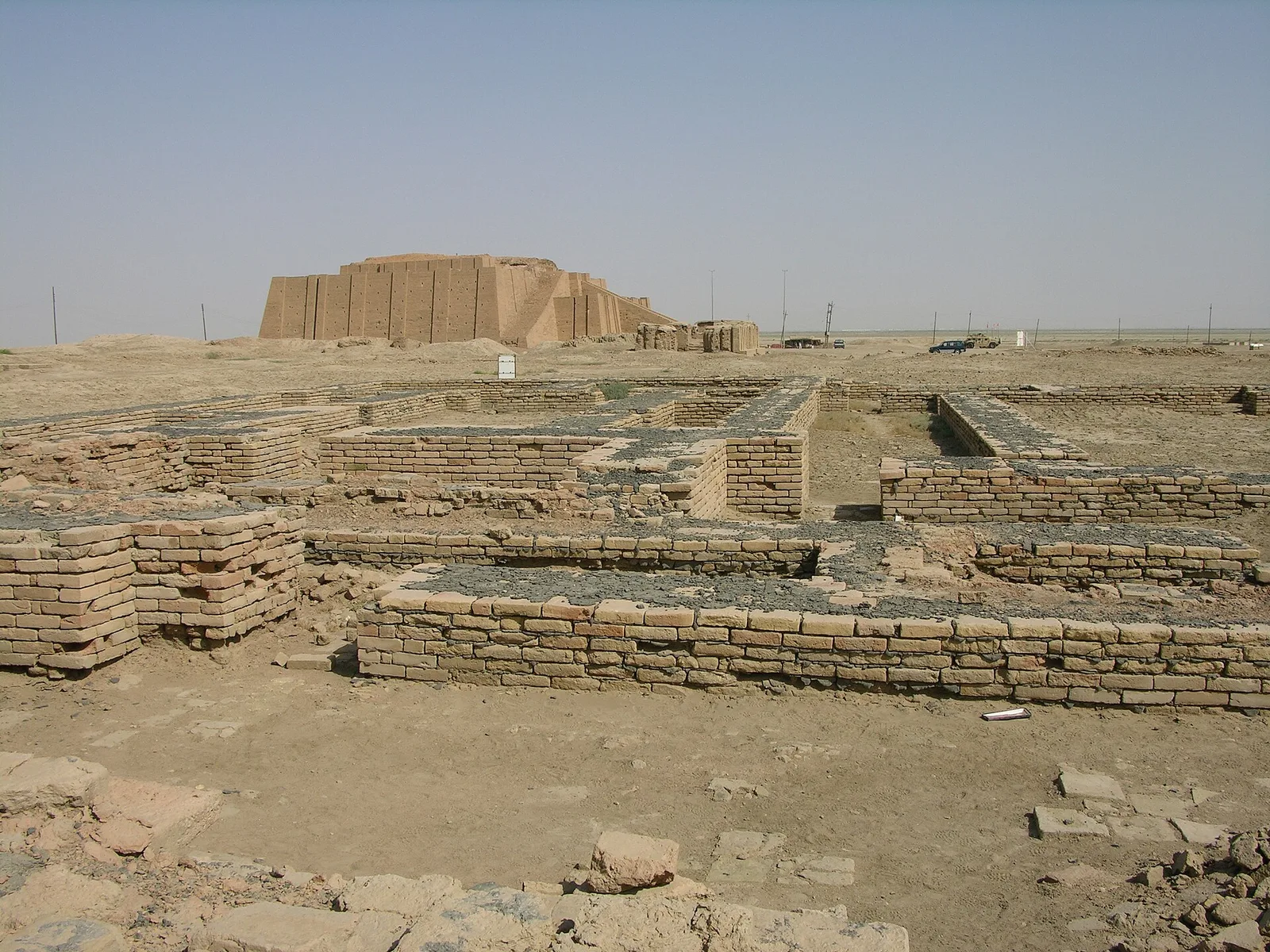
IraqEnnigaldi-Nanna's museum is the earliest known public museum [1]. It dates to circa 530 BCE [1]. The curator was Ennigaldi, the daughter of Nabonidus, the last king of the Neo-Babylonian Empire [1]. It was in the state of Ur, in the modern-day Dhi Qar Governorate of Iraq, roughly 150 metres southeast of the famous Ziggurat of Ur [1]. The museum was discovered in 1925, when archaeologist Leonard Woolley excavated portions of the palace and temple complex at Ur [1]. He found dozens of artifacts, neatly arranged side by side, whose ages varied by centuries [1]. He determined that they were museum pieces, because they were accompanied by "museum labels"; clay drums written in three different languages, including Sumerian [1]. The artifacts came from the southern regions of Mesopotamia [1].
Text: Wikipedia – 'Ennigaldi-Nanna's museum' (revision of 2026-07-09), CC BY-SA 4.0 · sentences selected and shortened by an AI system · source →Ennigaldi-Nanna's Museum
Also known as: Enigaldi-Nanos muziejus, Ennigaldi-Nannaren museoa, Ennigaldi-Nannas museum, musée d'Ennigaldi-Nanna, Museo de Ennigaldi-Nanna, Museo di Ennigaldi-Nanna, Museu de Enigaldi-Nana, Museu de Ennigaldi-Nanna, Музей Энігальдзі-Наны, Музей Эннигальди-Нанны, متحف اينغالدي نانس, エンニガルディ=ナンナの博物館
| Type | Museum |
|---|---|
| Period | 1500 - 500 BC |
| Country | Iraq |
| Coordinates | 30.9617° N, 46.1051° E |