
 Egypt
EgyptSaqqara is southwest of Cairo [1]. Serving as the necropolis for the ancient capital Memphis, it was in use from the 1st Dynasty through the Ptolemaic period [2]. The site also contains the Serapeum, underground galleries where sacred Apis bulls were interred [1] [3]. It was designated a UNESCO World Heritage site in 1979 [4].
Saqqara Necropolis
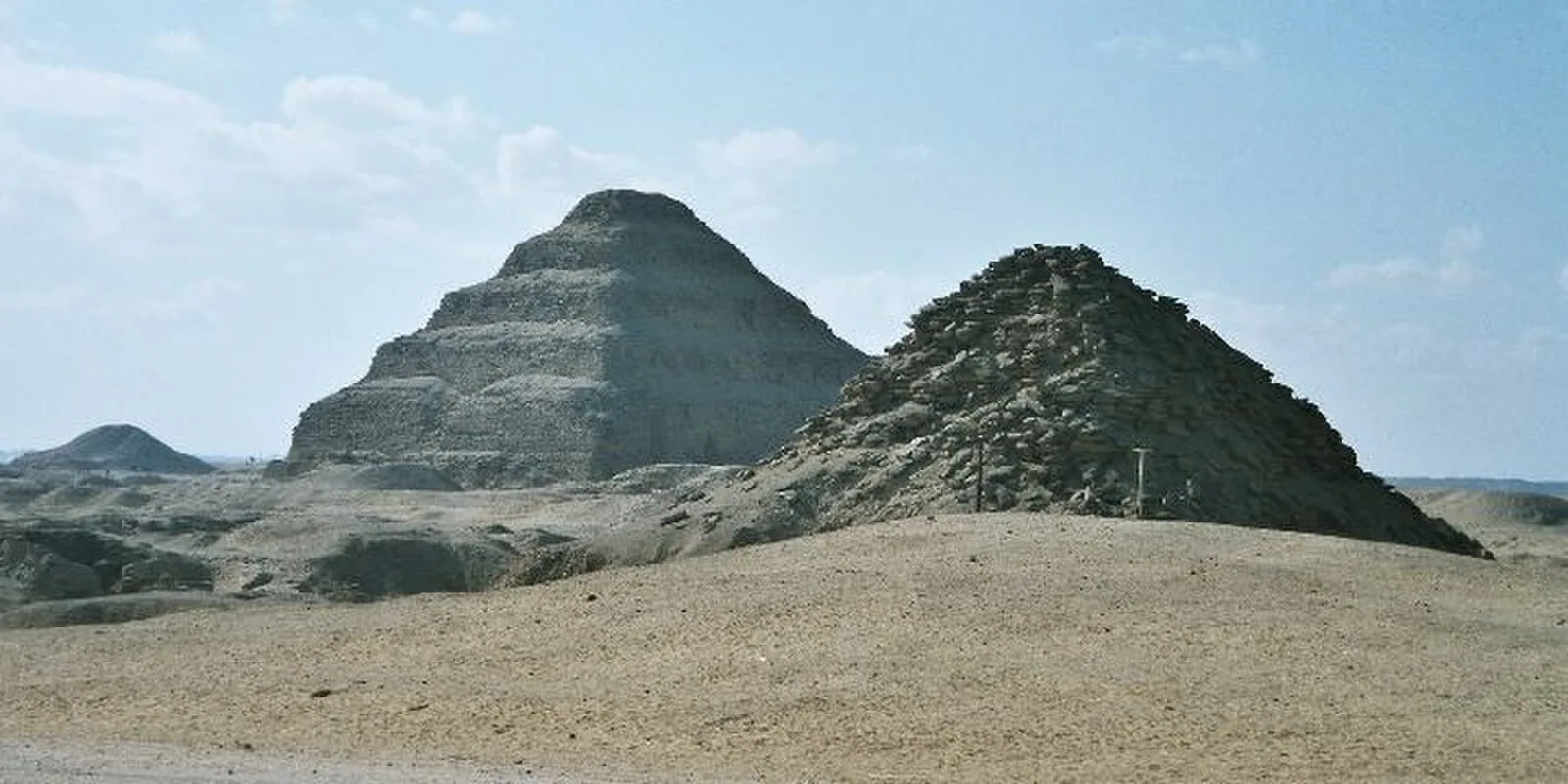
Also known as: 사카라, Nécropole de Saqqara, Nécropole de Saqqarah, Necropolis Saqqāra, Sacara, Saccara, Sakara, Sakkara, Sakkarah, Sakkara piramidi, Saqqara, Saqqarah
| Type | Necropolis/tombs complex |
|---|---|
| Period | 4500 - 3000 BC |
| Country | Egypt |
| Coordinates | 29.8687° N, 31.2176° E |