
 Peru
PeruGran Pajatén is an archaeological site located in the Andean cloud forests of Peru, on the border of the La Libertad region and the San Martín region, between the Marañon and Huallaga rivers [1]. The archaeological site lies in the Rio Abiseo National Park [1]. Gran Pajatén sits on a hilltop above the Montecristo River valley, and consists of a series of at least 26 circular stone structures atop numerous terraces and stairways [1]. The ruins occupy an area of about 20,000 m2 [1]. The principal buildings are decorated with slate mosaics displaying human, bird and geometric motifs [1]. Analysis of ceramic samples and radiocarbon dates show that the area was occupied as early as 200 BCE, but the visible building ruins on the present site were constructed during Inca times [1]. Based primarily on architectural evidence, the settlement is attributed to the Chachapoyas culture [1]. An official Peruvian government expedition visited the site and began to clear vegetation in late 1965 [1].
Text: Wikipedia – 'Gran Pajatén' (revision of 2026-07-18), CC BY-SA 4.0 · sentences selected and shortened by an AI system · source →Gran Pajatén
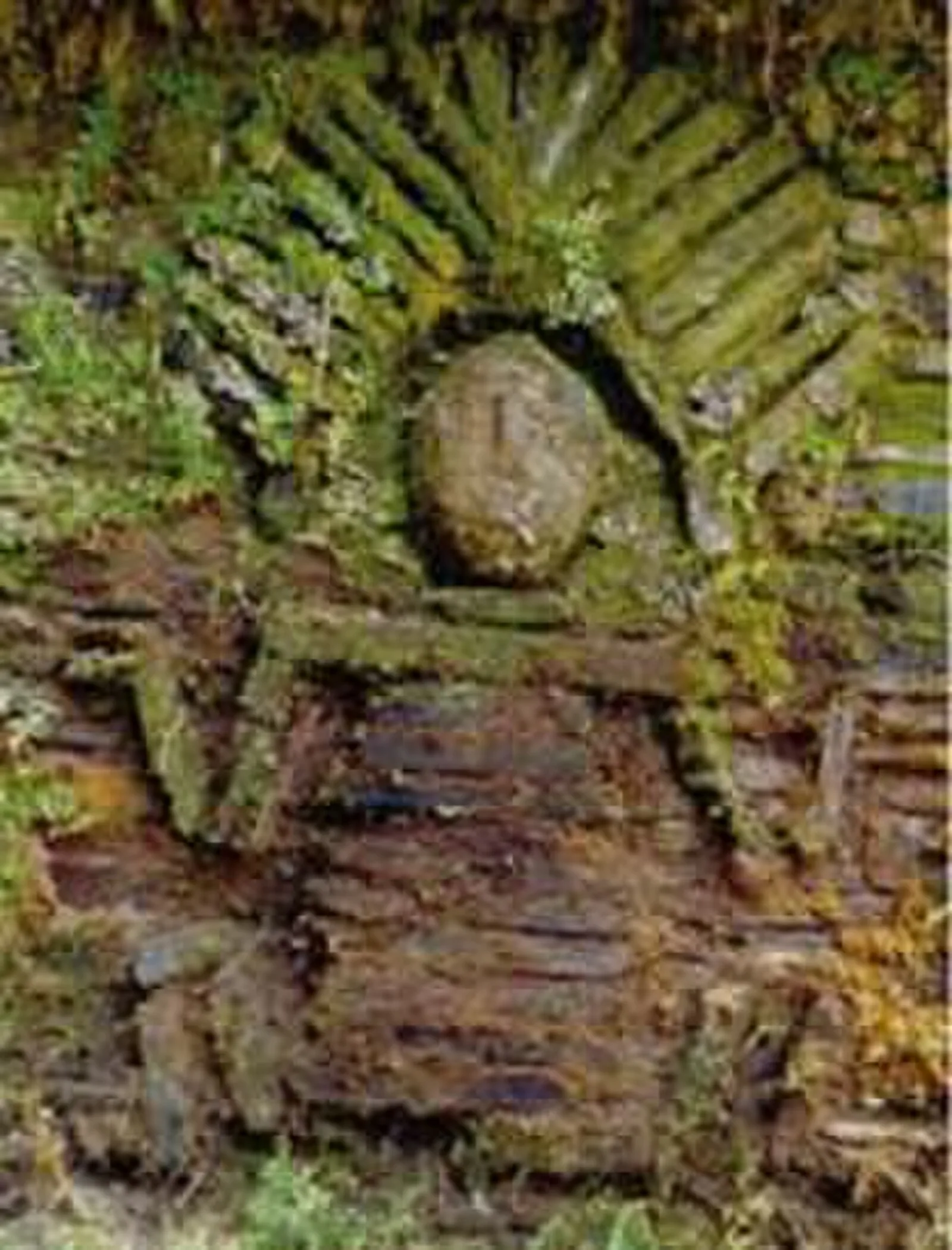
Also known as: Ciudadela y Fortaleza del Gran Pajatén, Гран Пахатен, Гран-Пахатен, გრან-პახატენი, Կրան Փախաթեն, グラン・パハテン
| Type | City/town/settlement |
|---|---|
| Period | 500 BC - 1 AD |
| Country | Peru |
| Coordinates | 7.6489° S, 77.4180° W |