

Archaeological Sites in North Macedonia
City/town/settlement in North Macedonia (14)
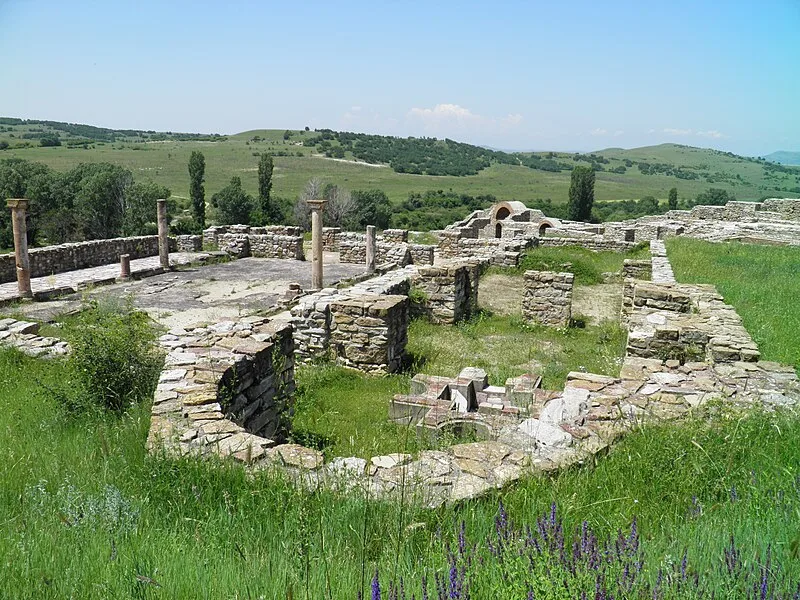
Bargala
Bargala is an archaeological site in the Bregalnica River valley on the northern slopes of Plačkovica Mountain, 15.5 km east of Štip in North Macedonia. The settlement, with a…
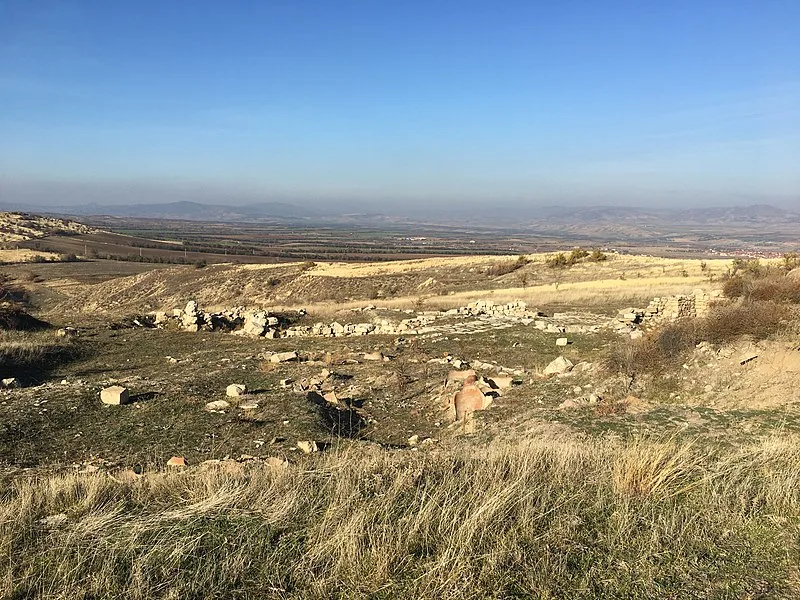
Bylazora
Bylazora was the largest and most significant city of Paeonia, located near the village of Knezhje in the municipality of Sveti Nikole, North Macedonia. Mentioned by ancient…
Cerje, Skopje
Cerje is a Neolithic archaeological site located near the village of Govrlevo, south of Skopje, North Macedonia. Excavations uncovered houses from the Early and Middle Neolithic…
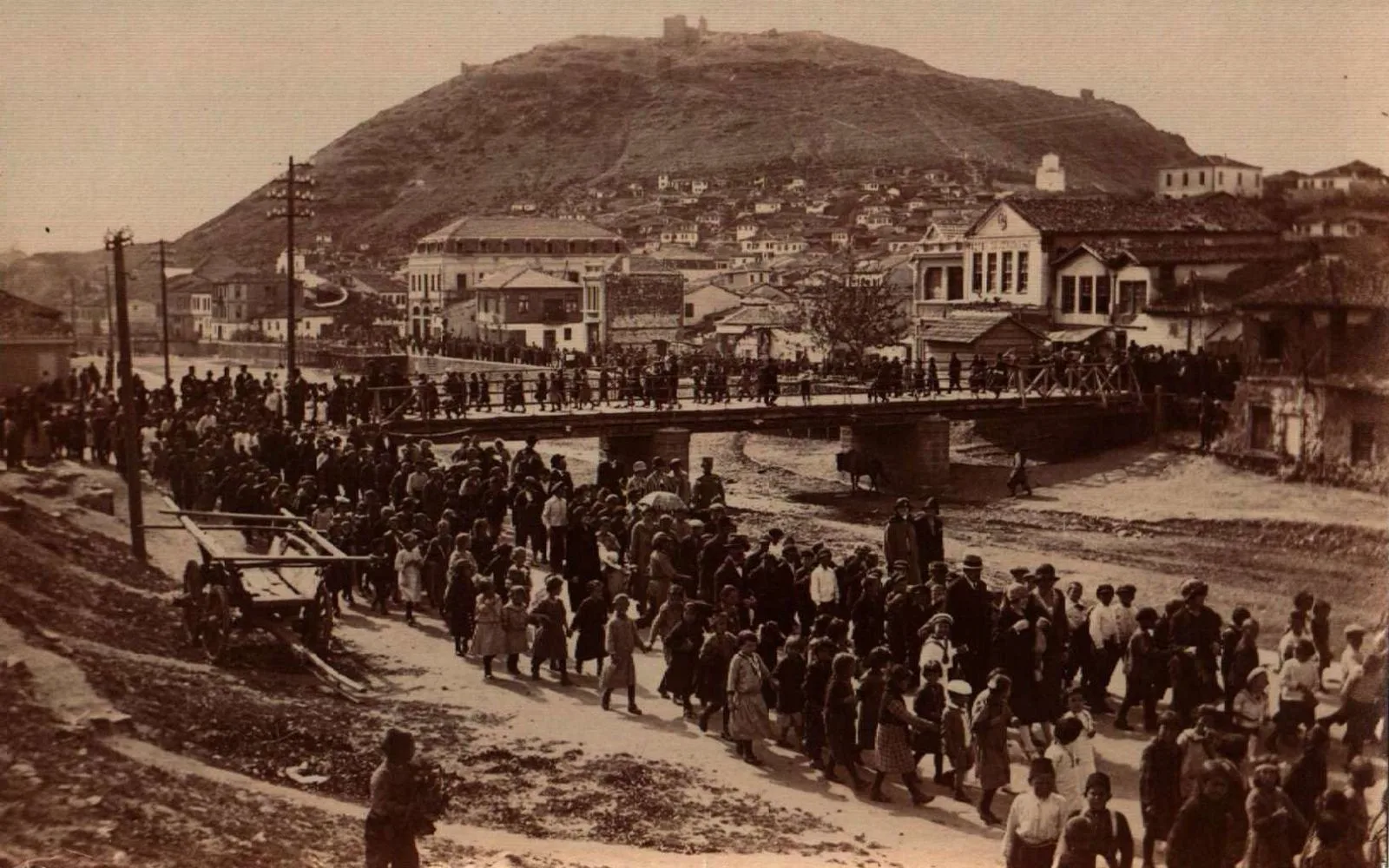
Estipeon
Estipeon (ancient Astibus) was a Paeonian settlement in the area of modern Stip, North Macedonia. The name Astibos first appears in accounts by ancient chronicler Polyaenus, who…
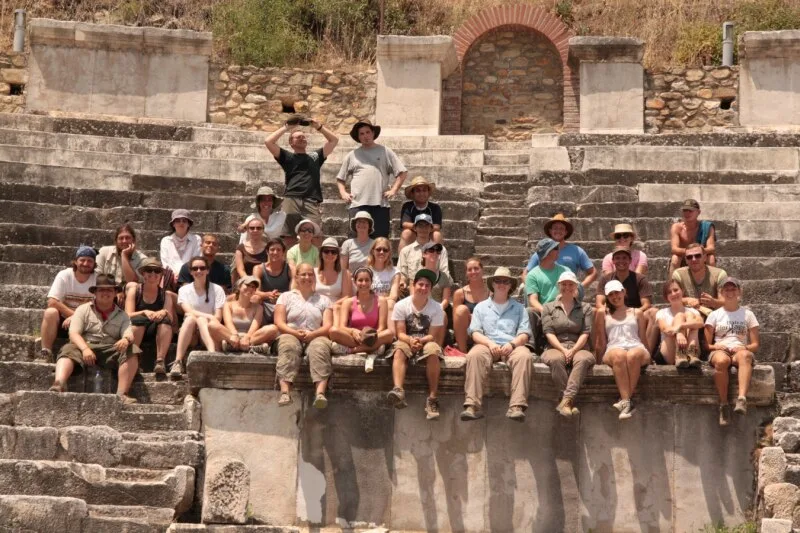
Heraclea Lyncestis
Heraclea Lyncestis was an ancient Greek city in Macedon, later under Roman rule. Its ruins lie 2 km south of present-day Bitola in North Macedonia. In the early Christian period,…
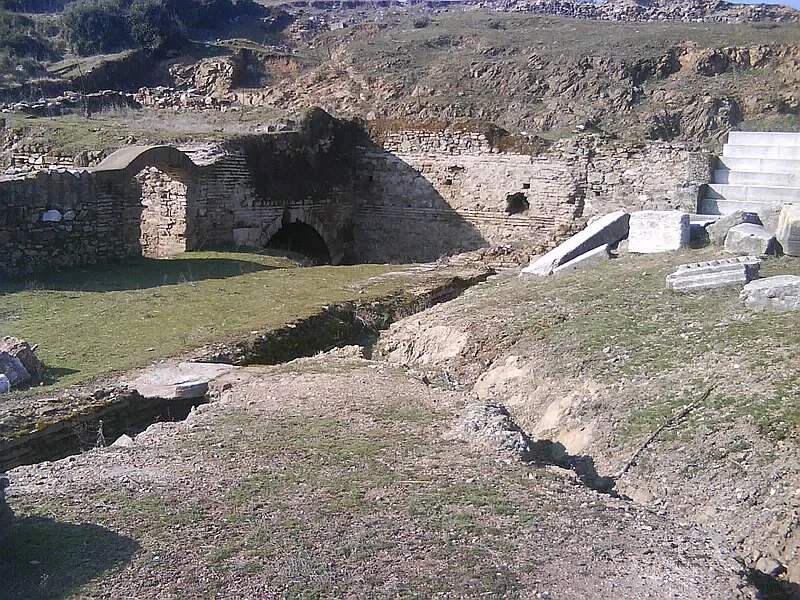
Idomenae
An ancient Macedonian town now identified with the archaeological site of Isar near the village of Marvinci in the Valandovo municipality of North Macedonia. Inhabited from the…
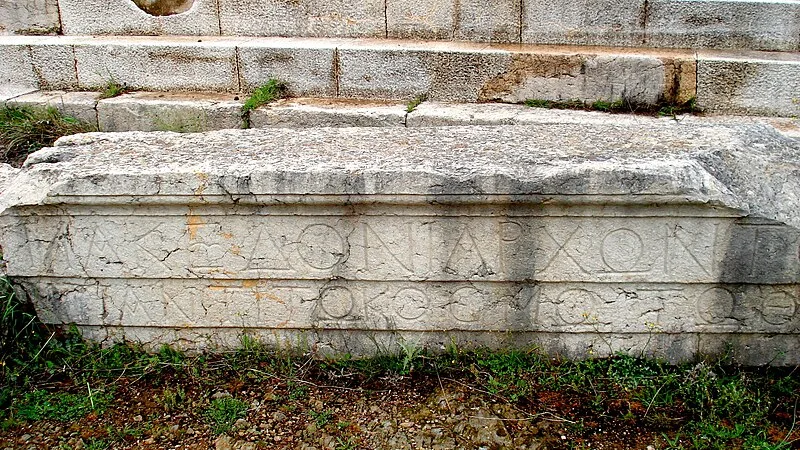
Isar, Marvinci
Isar is a fortified hilltop settlement near Marvinci village in the Valandovo valley, occupied continuously from the Iron Age (7th c. BC) through Late Antiquity (6th c. AD).…
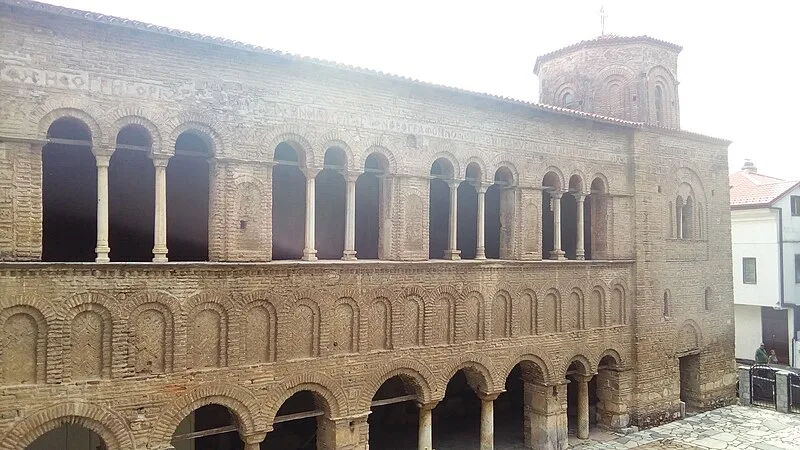
Ohrid
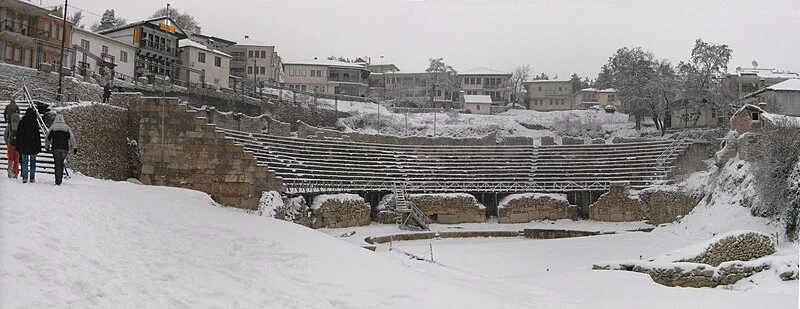
Ohrid, known in antiquity as Lychnidos, is one of the oldest continuously inhabited settlements in Europe, located on the shores of Lake Ohrid in North Macedonia. The city served…
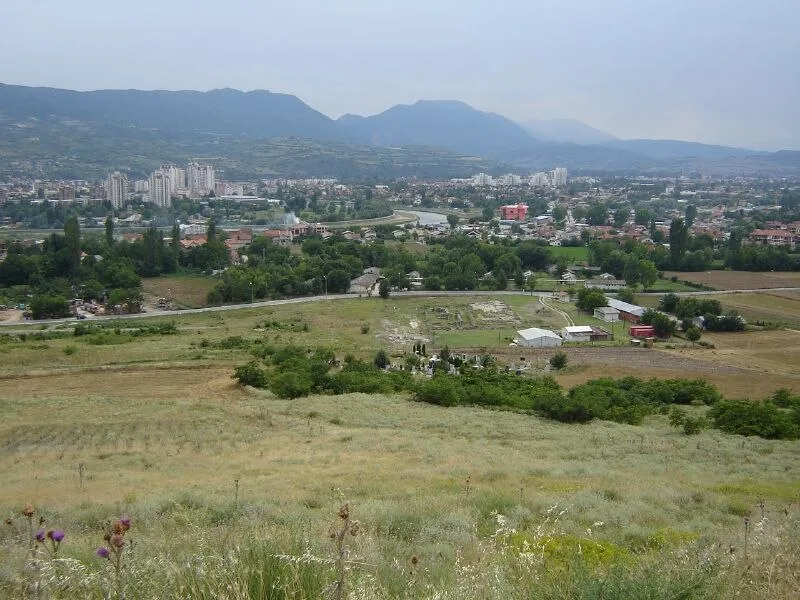
Scupi
Scupi is an ancient Roman city located 3 km north of modern Skopje, North Macedonia, established as a legionary camp in the late 1st century BC on the site of an older Dardanian…
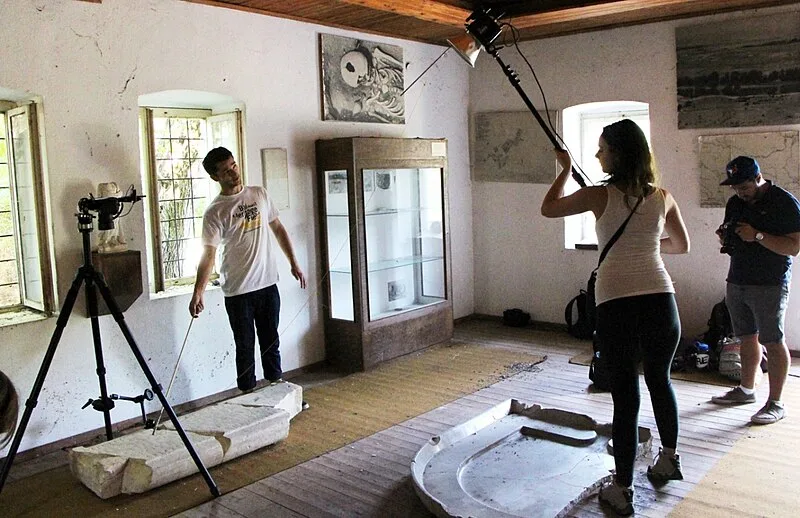
Stobi
Stobi was an ancient Paeonian city strategically positioned where the Erigon (Crna River) meets the Axios (Vardar), on the vital trade route linking the Danube to the Aegean Sea.…
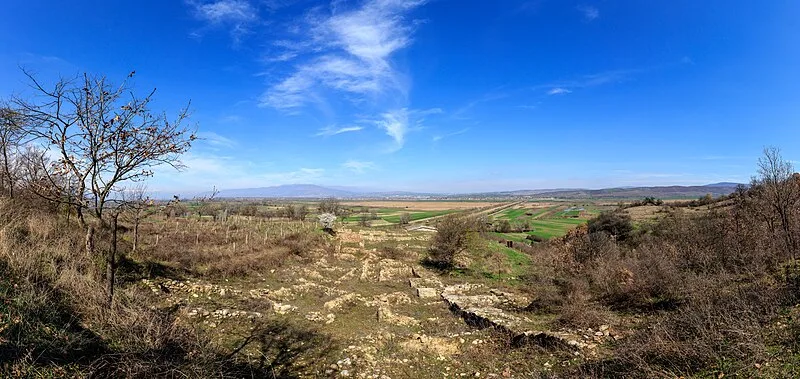
Tauresium
Tauresium (modern Gradiste) is an archaeological site near the village of Taor, approximately 20 km southeast of Skopje, North Macedonia. It is the birthplace of Byzantine Emperor…
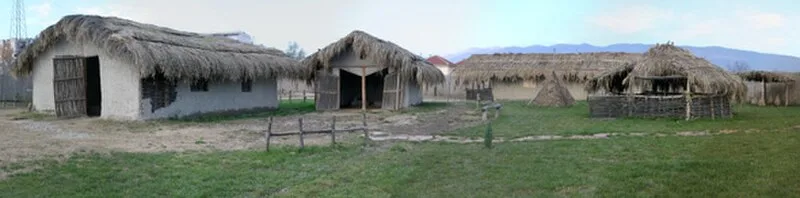
Tumba Madžari
Tumba Madžari (6000–4300 BC) is the most significant Neolithic settlement in the Skopje valley, located in north-eastern Skopje, North Macedonia. Discovered in 1961/62 during…
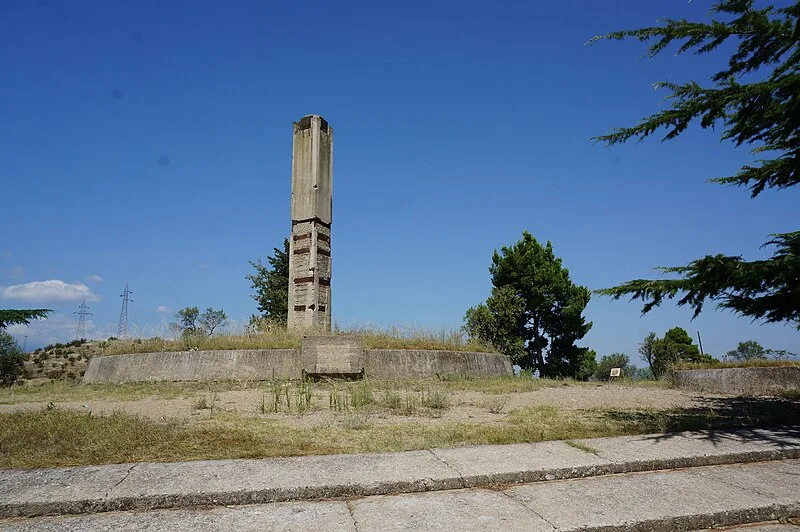
Vardarski Rid
Vardarski Rid (also known as Gordynia) is an archaeological site in Gevgelija, North Macedonia, featuring the remains of an ancient city from the Early Antiquity period (500 BC –…
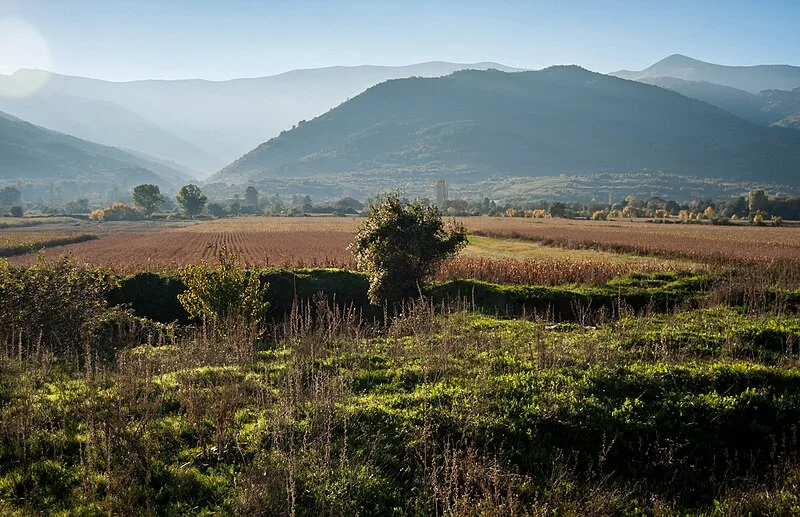
Veluška Tumba
Veluska Tumba is a Neolithic settlement mound near the village of Porodin in the Pelagonia valley, North Macedonia, close to Bitola. The site is the type-location for the…
Cave Structures in North Macedonia (1)
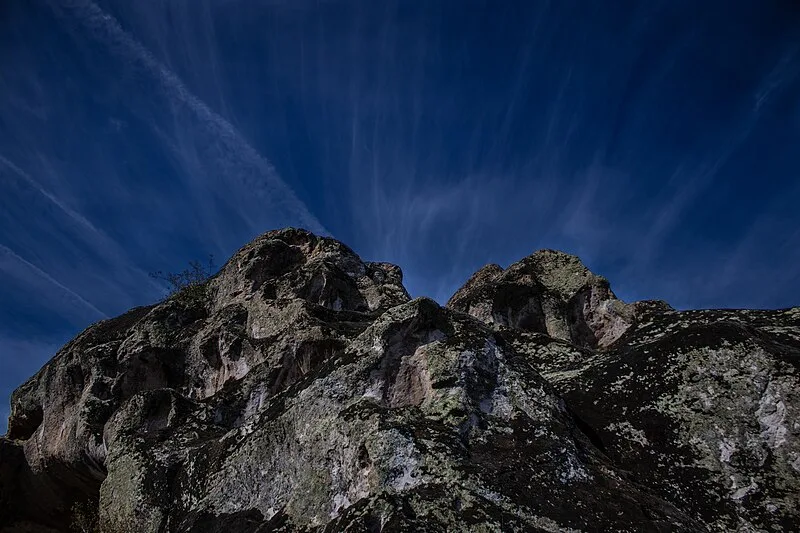
Church/cathedral in North Macedonia (1)
Fortress/citadel in North Macedonia (1)
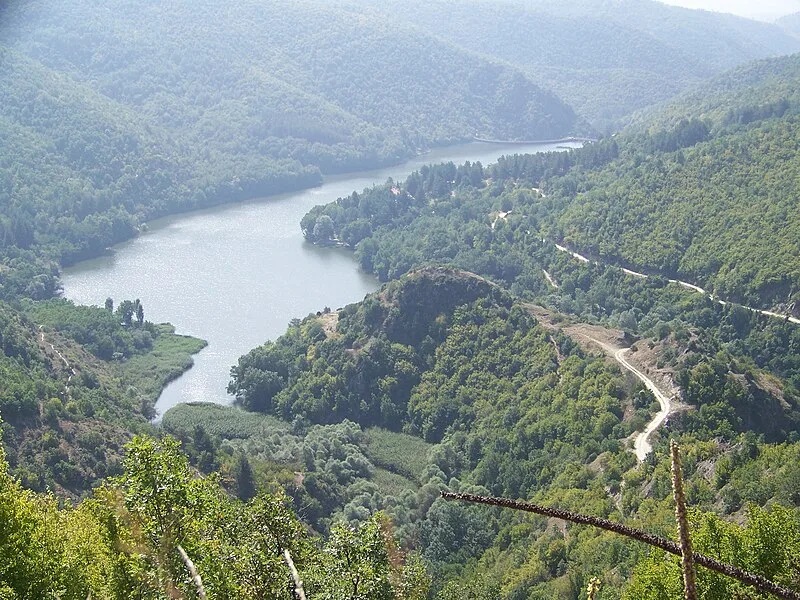
Megalithic structures in North Macedonia (1)
Necropolis/tombs complex in North Macedonia (1)
Reservoir/aqueduct/canal in North Macedonia (1)
Road/avenue/trackway in North Macedonia (1)

Theatre in North Macedonia (1)
Keep exploring
Every site on this page sits on the globe, and the people who research them are on the Discord.
3D Globe · Sites by country · Story Archive · Research Library · Weekly Journal · Search