

Archaeological Sites in Malta
Temple complex in Malta (17)
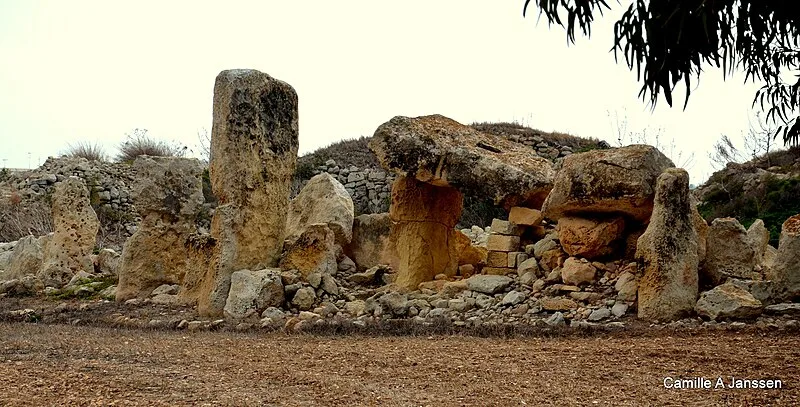
Borġ in-Nadur
Borġ in-Nadur is a prehistoric complex near Birżebbuġa, Malta, occupied during both the late Neolithic and Bronze Age (c. 3000-700 BC). A megalithic temple was built here around…
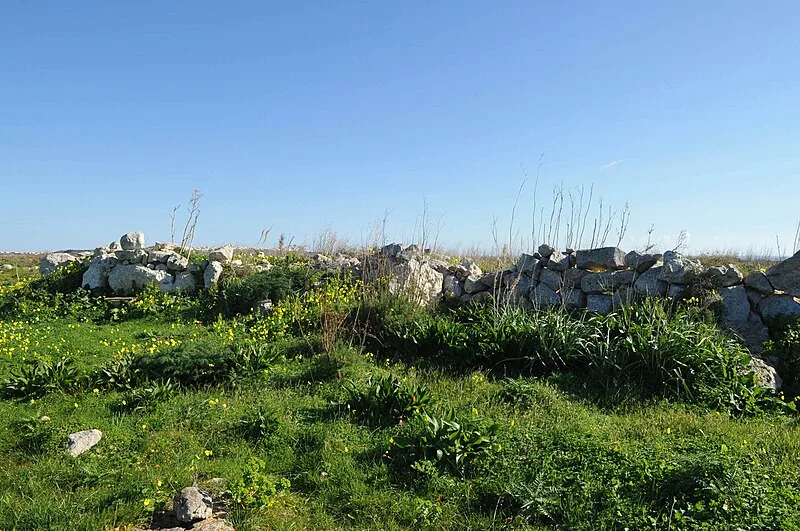
Borġ l-Imramma
Borġ l-Imramma is a megalithic temple ruin on the island of Gozo, Malta, located 500 m southeast of the Ta' Ċenċ plateau near the village of Sannat. Assigned to the temple period…
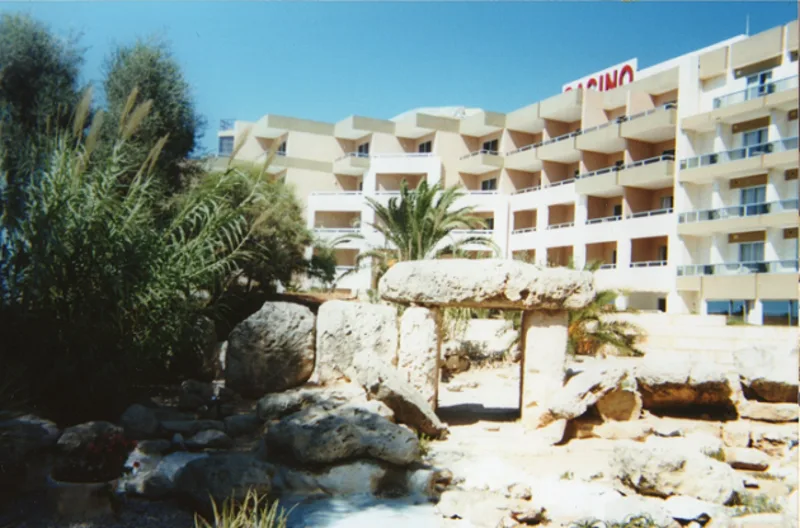
Buġibba Temple
Bugibba Temple is a megalithic temple on the border of Bugibba and Qawra in St. Paul's Bay, Malta, built in coralline limestone during the Tarxien phase of Maltese prehistory (c.…

Catacombs of Malta
Malta's catacombs are an extensive network of underground burial chambers. Found principally in Mdina, the island's former capital, these necropolises number in the hundreds and…
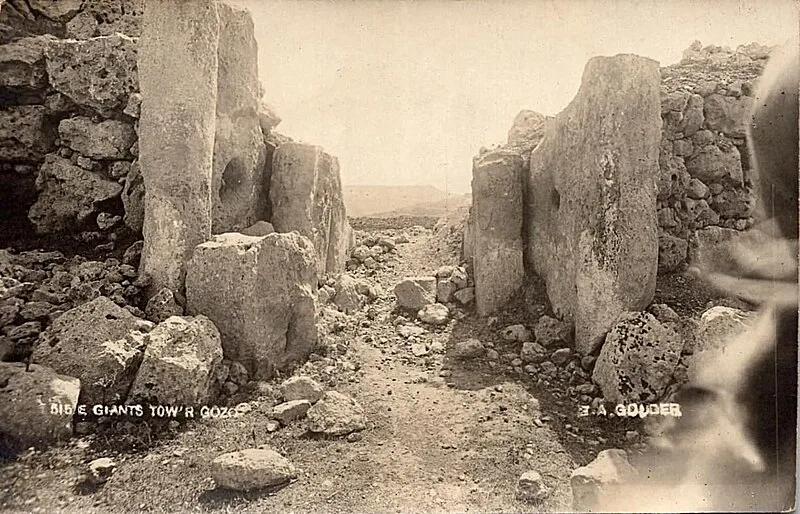
Ġgantija
Ggantija is a megalithic temple complex from the Neolithic era on the island of Gozo in Malta. The temples are the earliest of Malta's Megalithic Temples and predate the Egyptian…
Ħal Ġinwi Temple
Prehistoric megalithic temple site located southeast of Zejtun, Malta, dating to the Ggantija phase (3600-3200 BC) and lying about 1 km from the Tas-Silg multi-period sanctuary.…
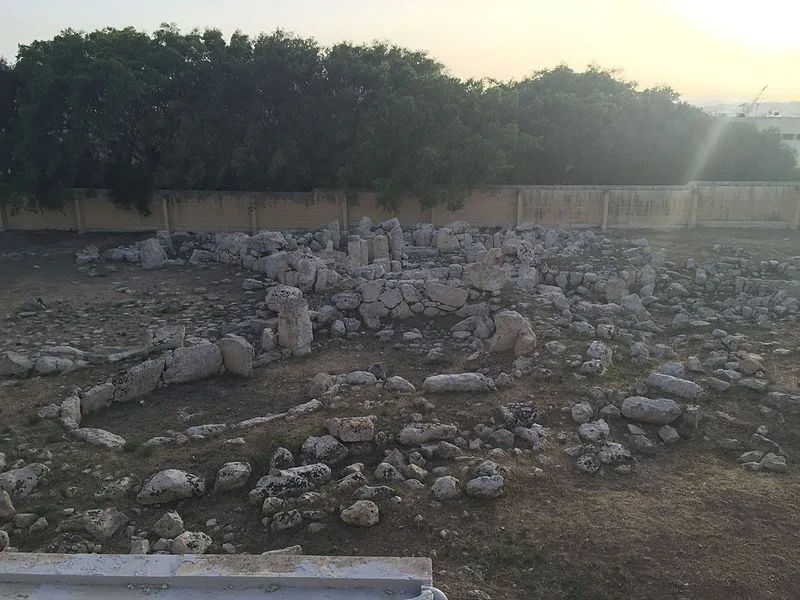
Kordin Temples
The Kordin Temples are a group of megalithic temples on Corradino Heights in Paola, Malta, of which only Kordin III survives. First built c. 3700 BC during the Mgarr phase, most…
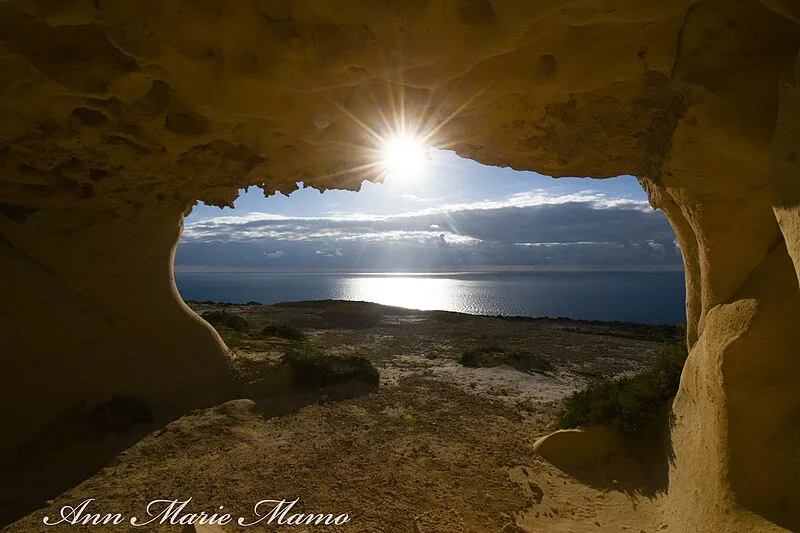
Ras il-Wardija
Ras il-Wardija is a promontory on the southwest coast of Gozo, Malta, containing the remains of a Punic-Roman sanctuary dating from the 3rd century BC to the 4th century AD.…
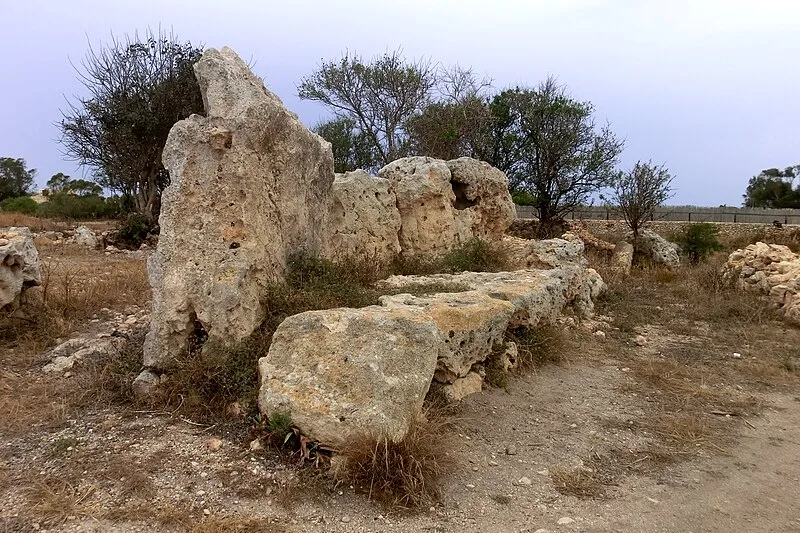
Santa Verna
Santa Verna is a megalithic temple complex in Xagħra, Gozo, Malta, dating to approximately 5000-3400 BC. The site originally consisted of a village and a substantial megalithic…
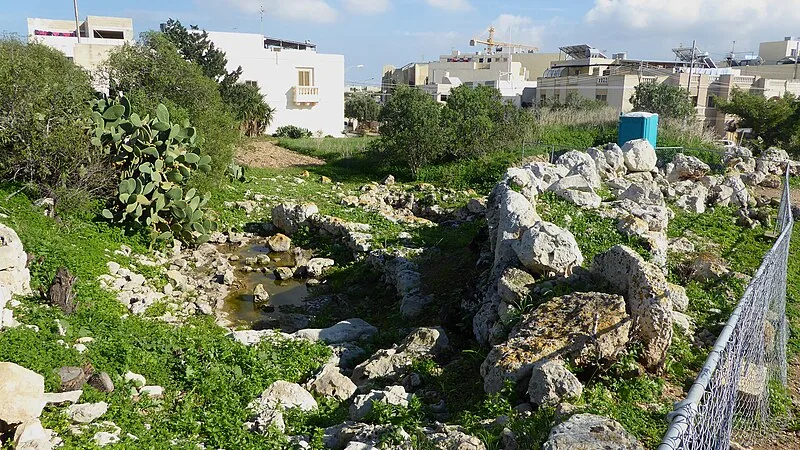
Skorba Temples
The Skorba Temples are megalithic remains on the northern edge of Zebbiegh in Malta, designated a UNESCO World Heritage Site in 1992 as part of the Megalithic Temples of Malta.…
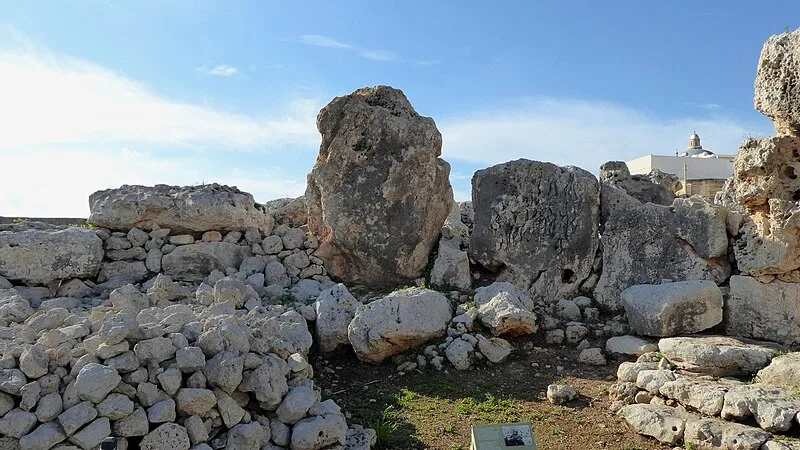
Ta' Ħaġrat Temples
The Ta' Hagrat temples in Mgarr, Malta are a UNESCO World Heritage Site. The larger temple dates from the Ggantija phase, while the smaller temple dates to the Saflieni phase.…
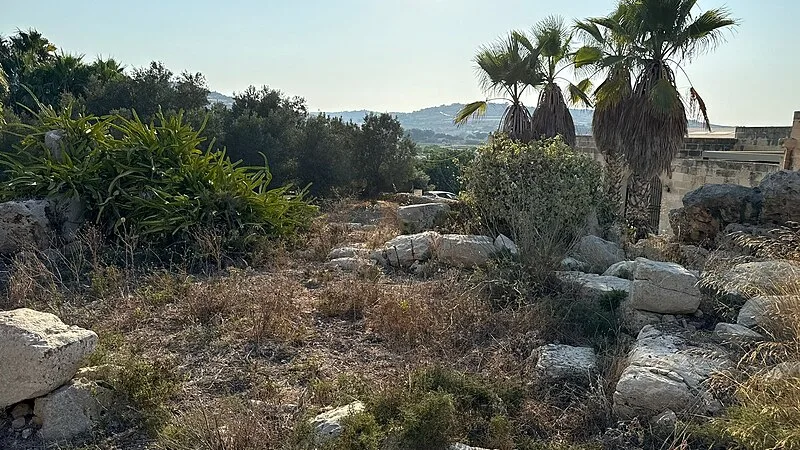
Tal-Qadi Temple
Tal-Qadi is a megalithic temple in Salina, Naxxar, Malta, built during the Tarxien phase between 3300 and 3000 BC, though the site may have been in use as early as 4000 BC during…
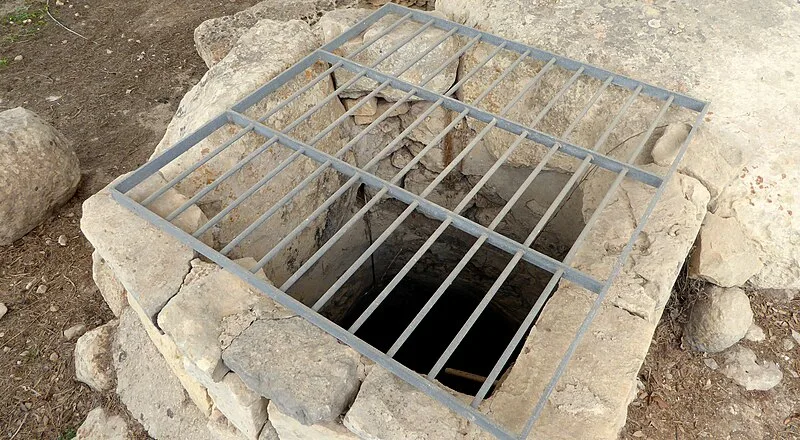
Tarxien Temples
The Tarxien Temples are a megalithic complex in Malta consisting of four temple structures built between 3600 and 2500 BC, making them the largest prehistoric site on the islands.…
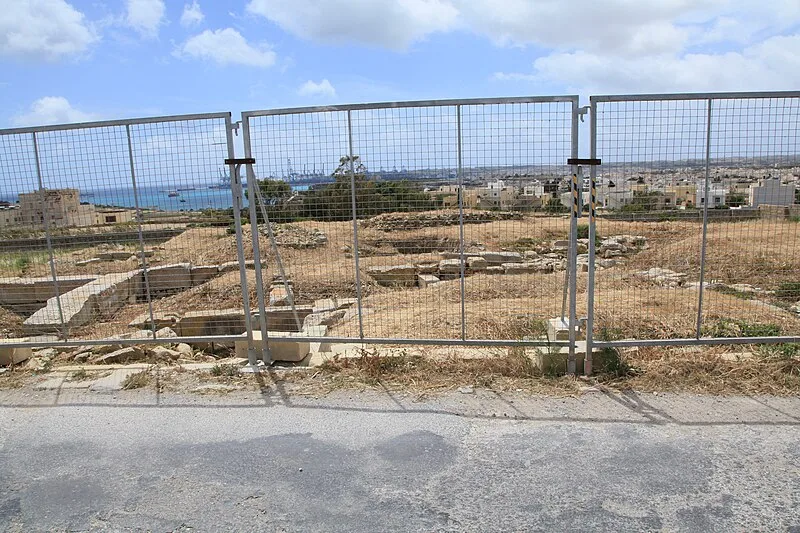
Tas-Silġ
Tas-Silġ is a rounded hilltop on Malta's southeast coast overlooking Marsaxlokk Bay, near Żejtun. This multi-period sanctuary spans 4,000 years from the Neolithic to the 9th…
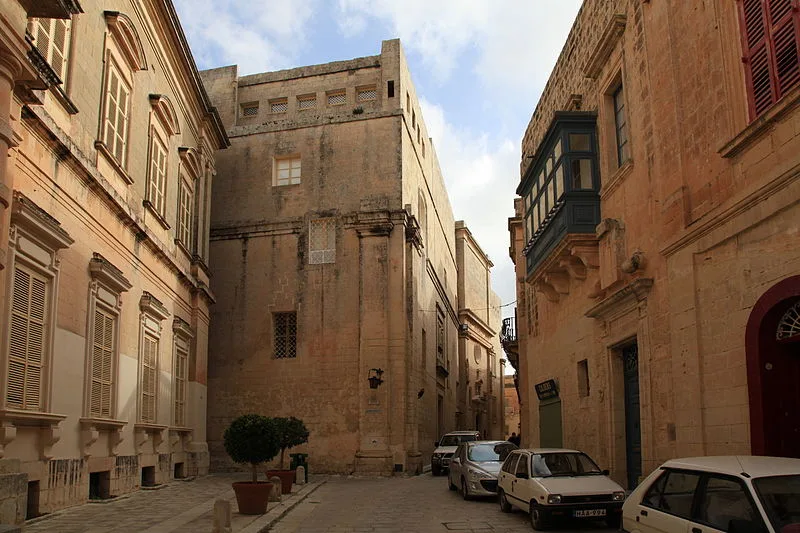
Temple of Apollo, Melite
The Temple of Apollo was a Roman temple in the city of Melite (modern Mdina), Malta, built in the 2nd century AD and dedicated to Apollo as god of medicine, prophecy, and the…
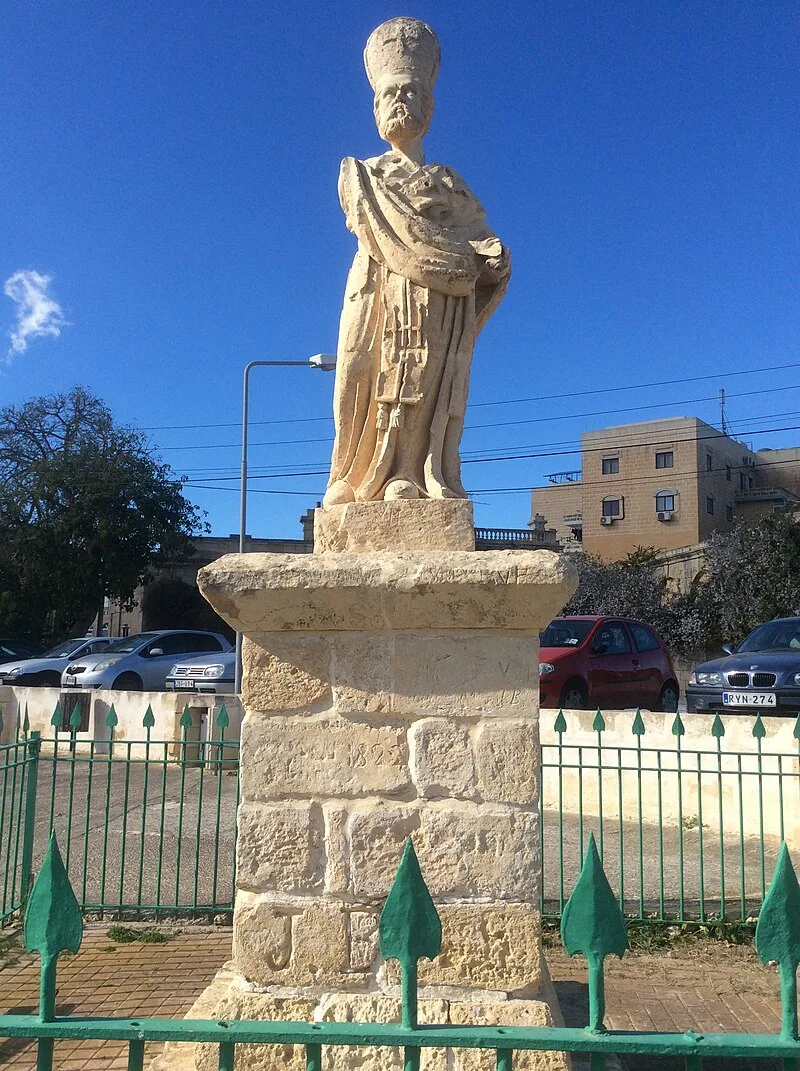
Temple of Proserpina
A Roman temple in Mtarfa, Malta, dedicated to Proserpina (the Roman Persephone), goddess of the underworld and renewal, located in a suburb outside the walls of ancient Melite. A…
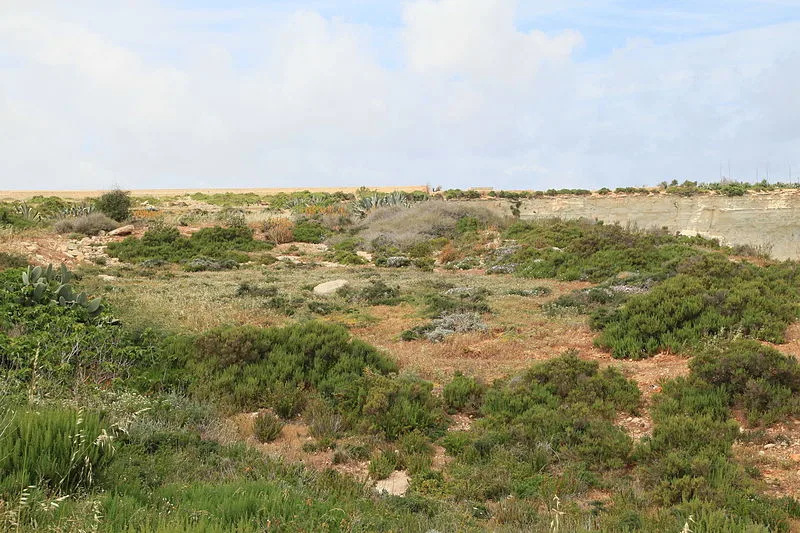
Xrobb l-Għaġin Temple
Xrobb l-Ghagin Temple is a ruined megalithic temple in Marsaxlokk, Malta, built during the Ggantija phase (3600-3000 BC). First excavated in 1914-1915, it features a typical…
Megalithic structures in Malta (7)
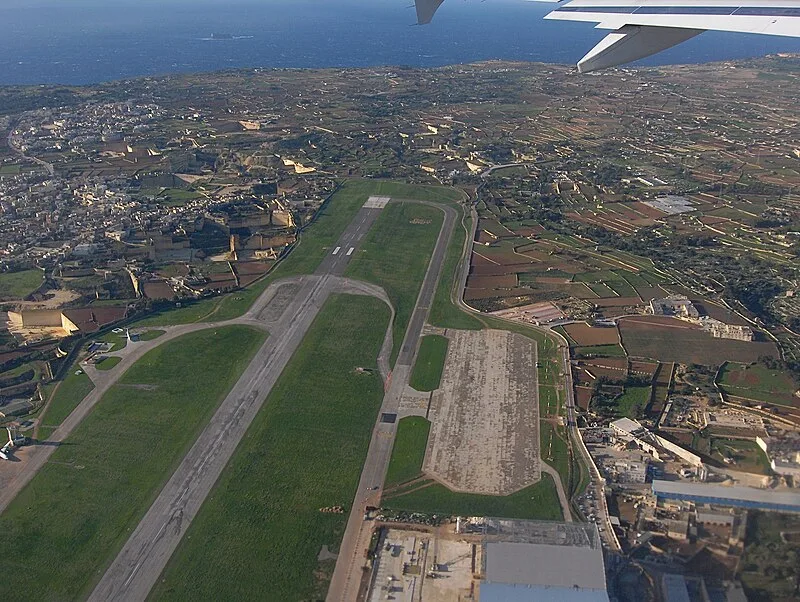
Debdieba
Debdieba is a Megalithic temple in Luqa, Malta, dating to approximately 3000-2500 BC. First excavated by Sir Themi Zammit in 1914, the dig uncovered pottery fragments though most…
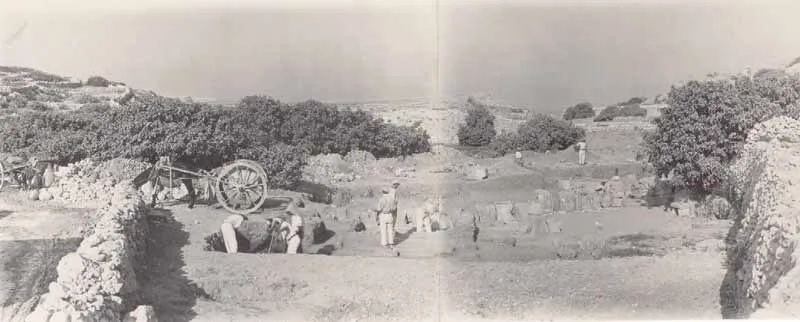
Għajn Tuffieħa Roman Baths
The Ghajn Tuffieha Roman Baths near Mgarr, Malta, were discovered in 1929 during waterworks and excavated by Sir Themistocles Zammit. Dating to the late 1st and early 2nd…
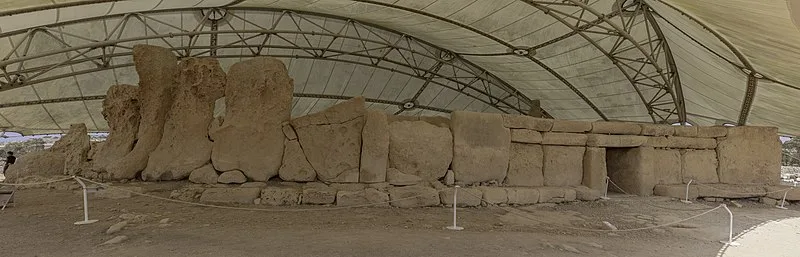
Ħaġar Qim
Megalithic temple complex in Qrendi, Malta, dating to approximately 3600-3200 BC, making it among the oldest freestanding temples in the world. Built from globigerina limestone,…
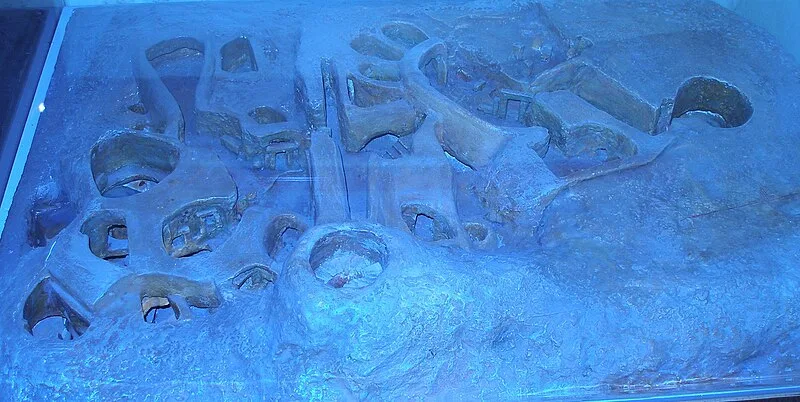
Ħal Saflieni Hypogeum
(4500-3000 BC) A Neolithic subterranean structure hewn into soft globigerina limestone in Paola, Malta. The Hypogeum features three superimposed underground levels and is thought…
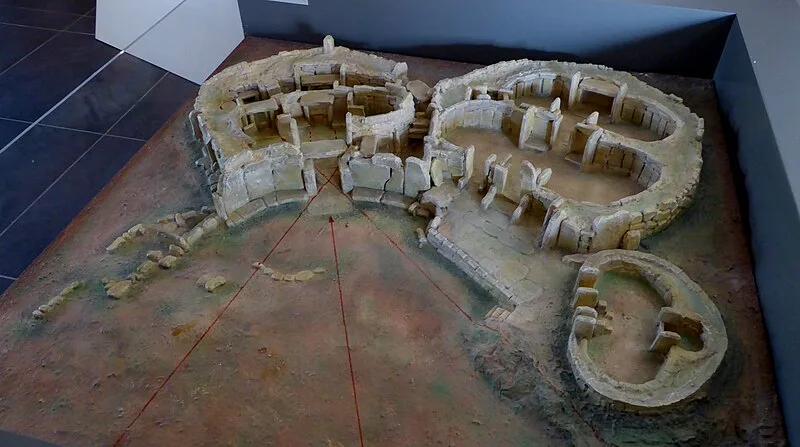
Mnajdra
Mnajdra is a megalithic temple complex on the southern coast of Malta, over 5,000 years old and designated a UNESCO World Heritage Site in 1992. The complex consists of three…
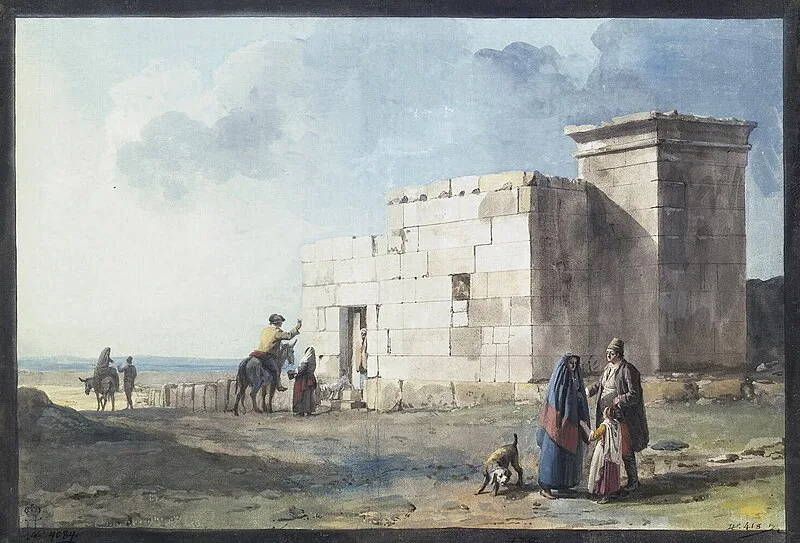
Punic Building, Żurrieq
The Punic building in Zurrieq is the most substantial surviving example of Phoenician-Punic architecture in Malta, featuring a 5.5 m-high tower of ashlar limestone blocks laid…

Templos de Tarxien
The Tarxien Temples are a complex of four megalithic structures in Malta, built between 3600 and 2500 BC during the late Neolithic and reused in the Early Bronze Age as a…
Necropolis/tombs complex in Malta (7)
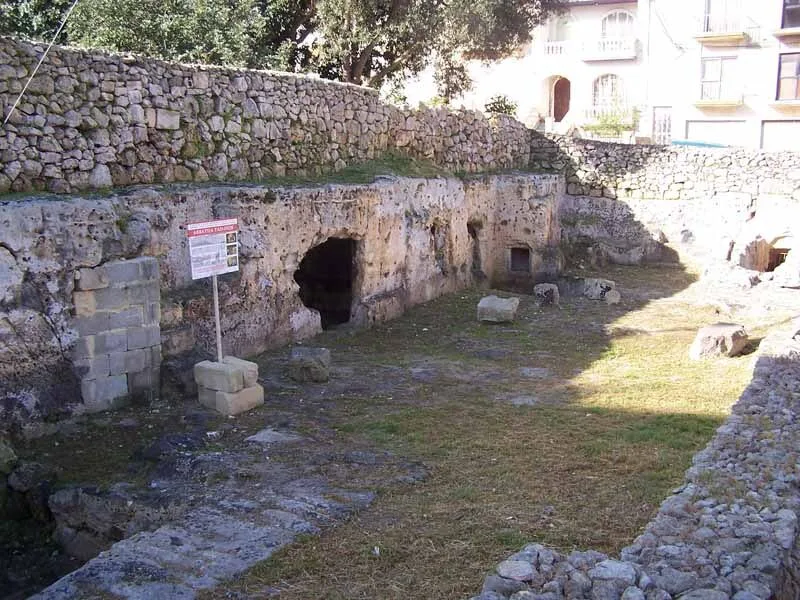
Abbatija Tad-Dejr Hypogeal Complex
The Abbatija tad-Dejr is an early Christian hypogeal burial complex in Rabat, Malta, comprising four interconnected underground chambers carved into rock. The main hypogeum…
Ħal Resqun Catacombs
Ħal Resqun catacombs (1st–5th century AD) at Gudja, Malta, are rare underground necropolises interpreted as Early Christian or Paleochristian hypogea. They stand out for elaborate…
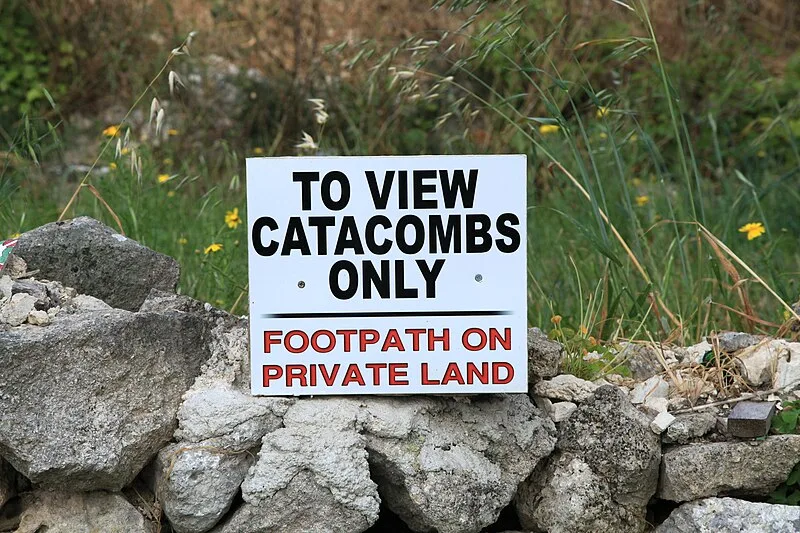
Salina Catacombs
The Salina Catacombs are a cluster of more than 15 small hypogea cut into quarry rock near Salina Bay in Naxxar, Malta, dating to around the 2nd-3rd century AD. The site overlooks…

St. Paul's Catacombs
St. Paul's Catacombs are an extensive underground necropolis and tomb complex in Malta, representing one of the most prominent features of the island's early Christian…
Tal-Mintna Catacombs
The Tal-Mintna Catacombs are a hypogea complex in Mqabba, Malta, dating to at least the 4th century AD. The site comprises three aligned burial hypogea, each originally accessed…
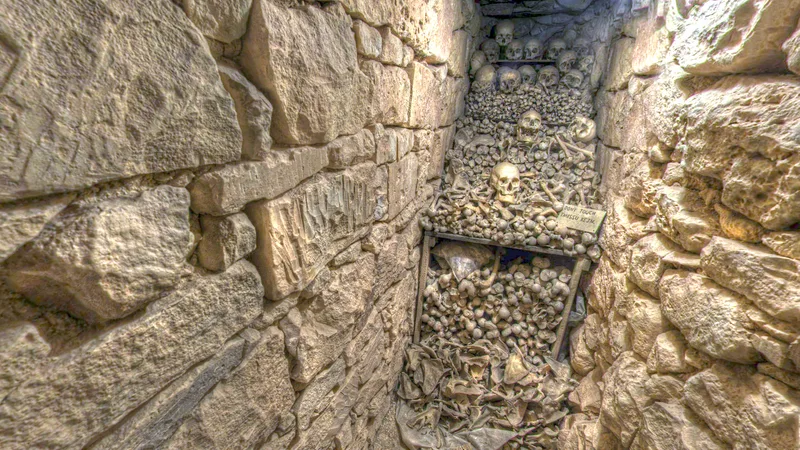
Tombs of Malta
A collection of prehistoric burial sites across the Maltese archipelago dating from approximately 4100 BC onward. The most significant is the Xaghra Stone Circle (Brochtorff…
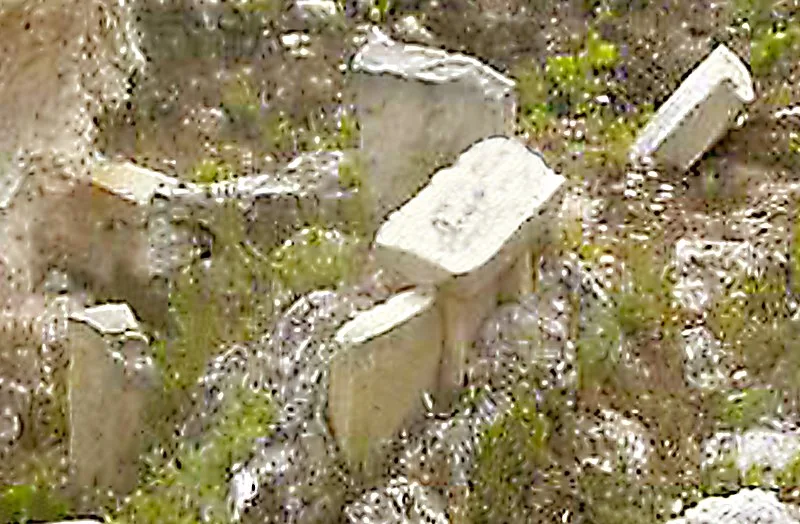
Xagħra Stone Circle
Xagħra Stone Circle (4100–2400 BC) is a Neolithic funerary complex in Xagħra, Gozo, Malta, comprising caves used for burial surrounded by a walled enclosure. The main phase dates…
Residence/villa/farmhouse in Malta (4)
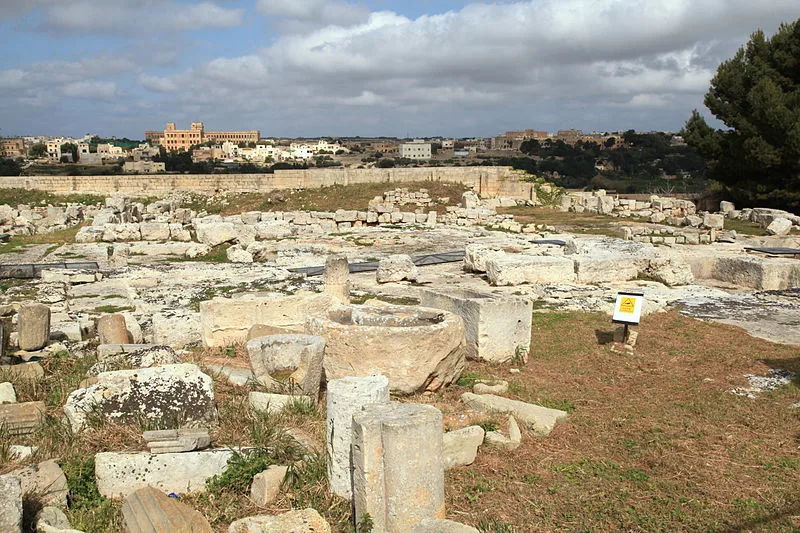
Domvs Romana
The Domus Romana is a ruined Roman-era house on the boundary between Mdina and Rabat, Malta. Built in the 1st century BC as an aristocratic town house (domus) within the Roman…
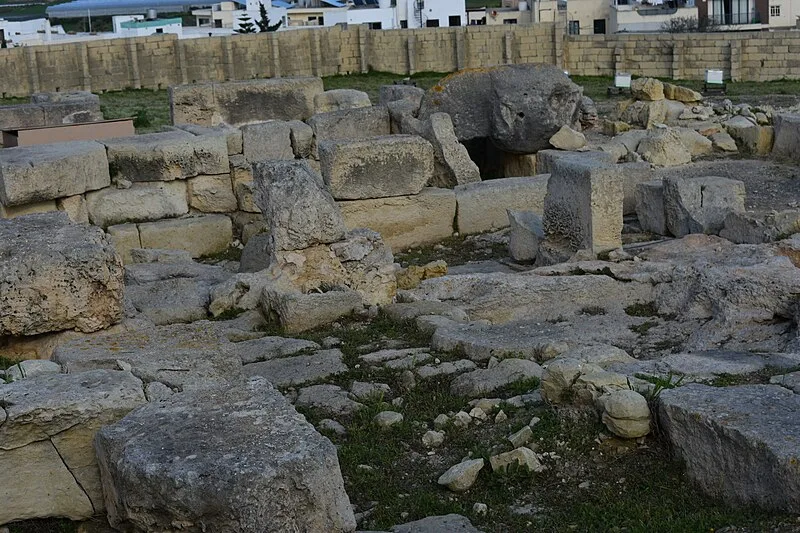
San Pawl Milqi
San Pawl Milqi (500 BC–1 AD) is the largest Roman-period agricultural villa and pagan temple complex ever discovered in Malta. The site contains the ruins of a temple dedicated to…
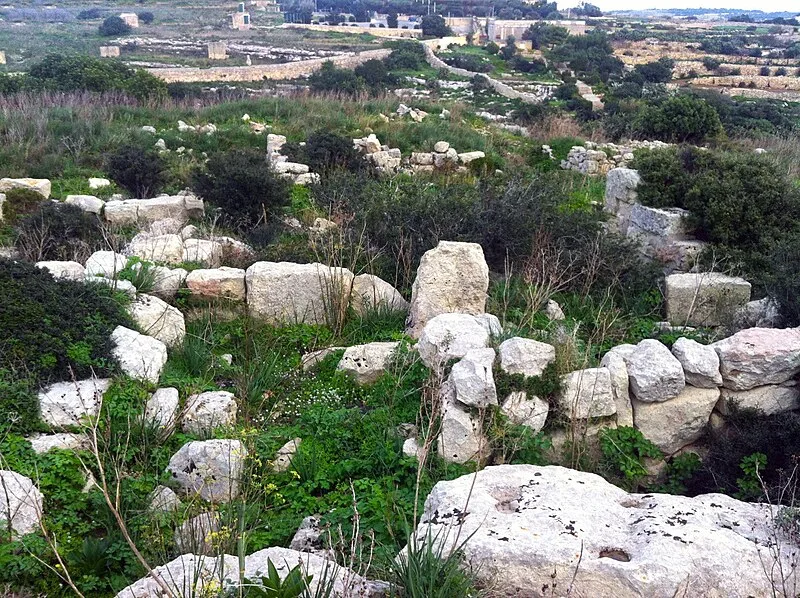
Ta' Kaċċatura
Ta' Kaccatura is an archaeological complex on the outskirts of Birzebbuga, southern Malta, featuring a rustic Roman villa and underground cisterns. The villa, built around a…
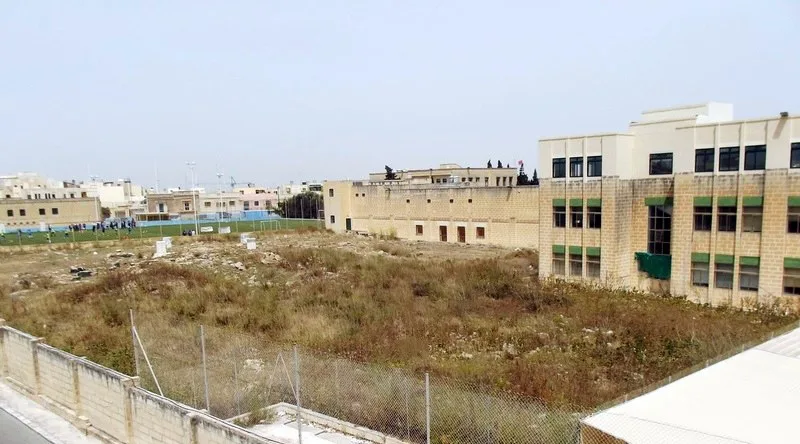
Żejtun Roman Villa
The Zejtun Roman Villa is a multi-period archaeological complex in southeastern Malta, first uncovered in 1961 during school construction. The site spans the Bronze Age through…
Cave Structures in Malta (3)
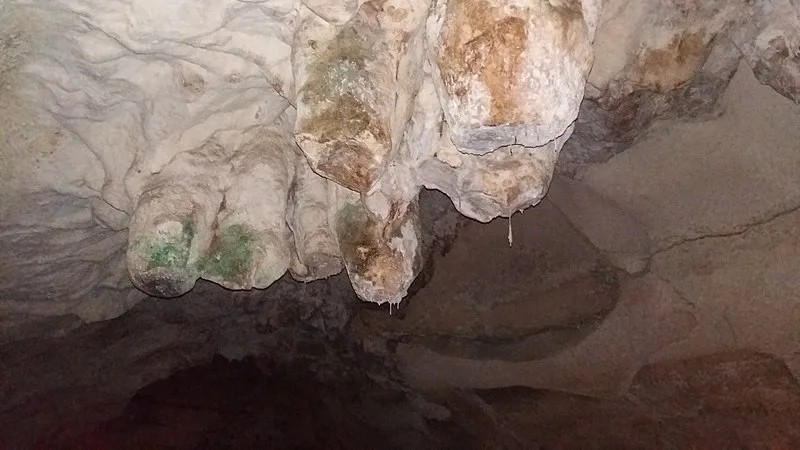
Għar Dalam
Ghar Dalam is a 144-metre long phreatic tube and cave in Birzebbuga, Malta. The cave contains the bones of animals that lived on Malta during the Pleistocene and Holocene epochs.…
Għar Għerduf Catacombs
The Ghar Gherduf catacombs at Ta' Kercem are the only surviving early Christian catacombs or paleochristian hypogea in Gozo, Malta. This unique Roman burial site has for centuries…
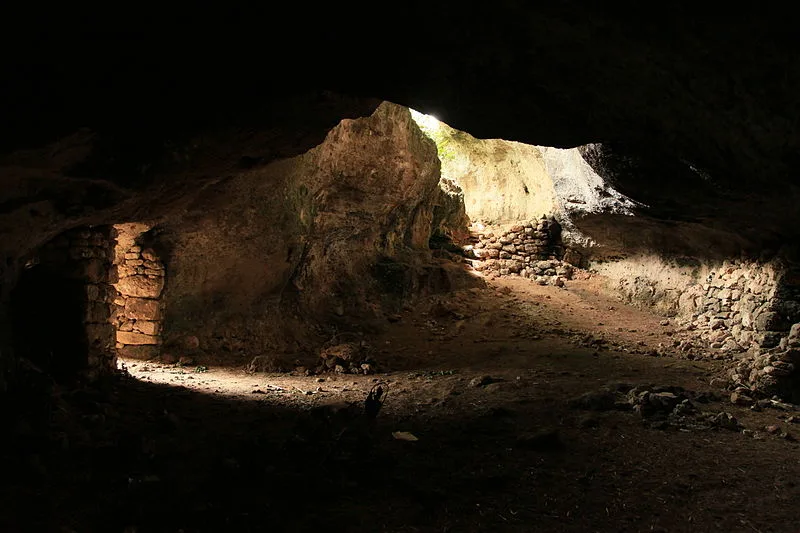
Għar il-Kbir
Ghar il-Kbir is a complex of rock-cut structures in Siggiewi, Malta, with eight caves spread across two levels. The site is primarily known for several cart ruts located next to…
Minaret/tower in Malta (3)
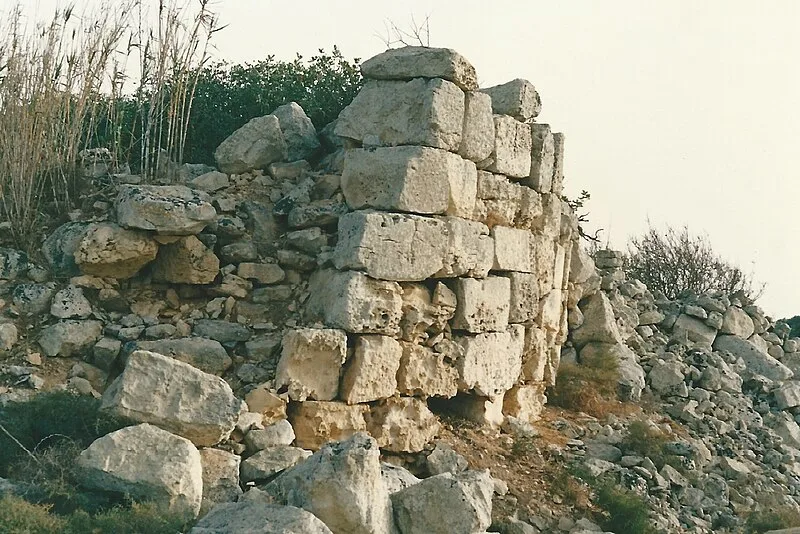
Punic-Roman Towers in Malta
The remains of six Punic-Roman towers have been identified across Malta. Built during the late Punic period while the island was under Carthaginian or Roman rule, these defensive…
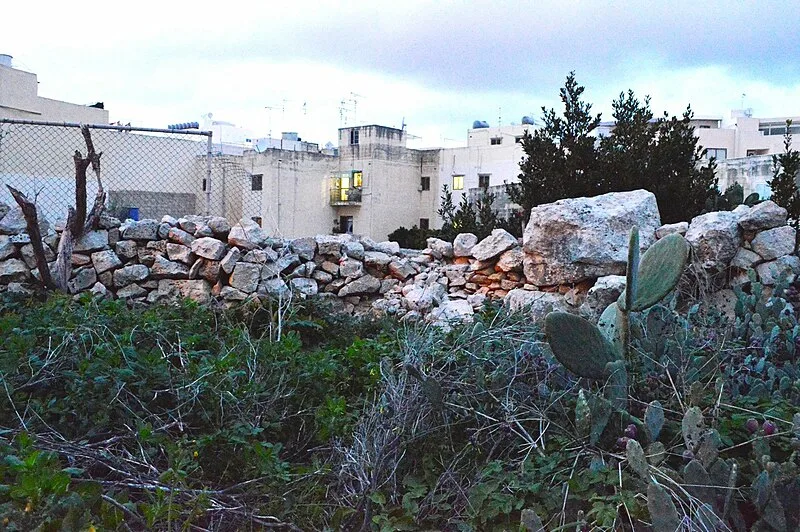
Ta' Ċieda Tower
Ta' Cieda Tower is a Punic-Roman tower in San Gwann, Malta. Its exact origins may date back to prehistory with different architecture. It is argued that the tower could be of…
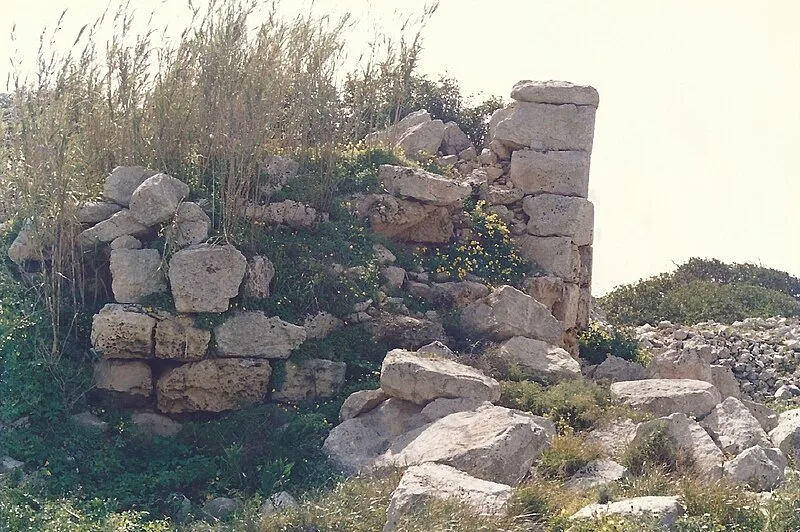
Ta' Ġawhar Tower
Ta' Gawhar Tower is a round Punic-Roman tower in Safi, Malta. It is the best preserved of the six Punic-Roman towers in Malta, standing approximately seven wall courses high. The…
City/town/settlement in Malta (2)
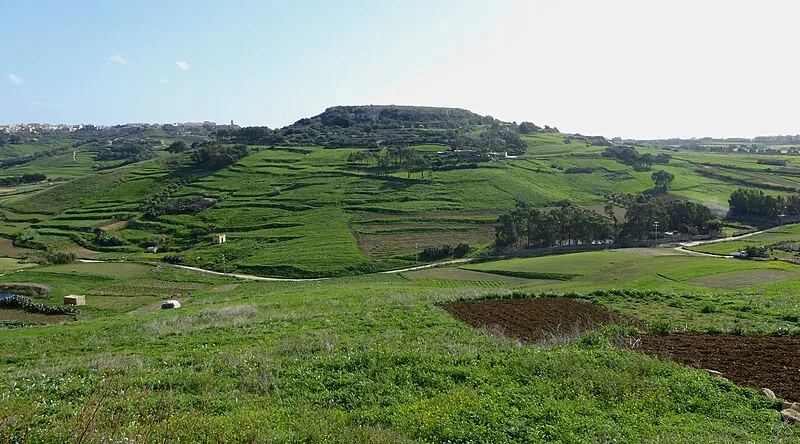
Nuffara
Nuffara is an archaeological site in Xaghra, Gozo, Malta, located on a plateau near the Ġgantija temples. Most remains have eroded, but visitors can still see grain storage pits.…
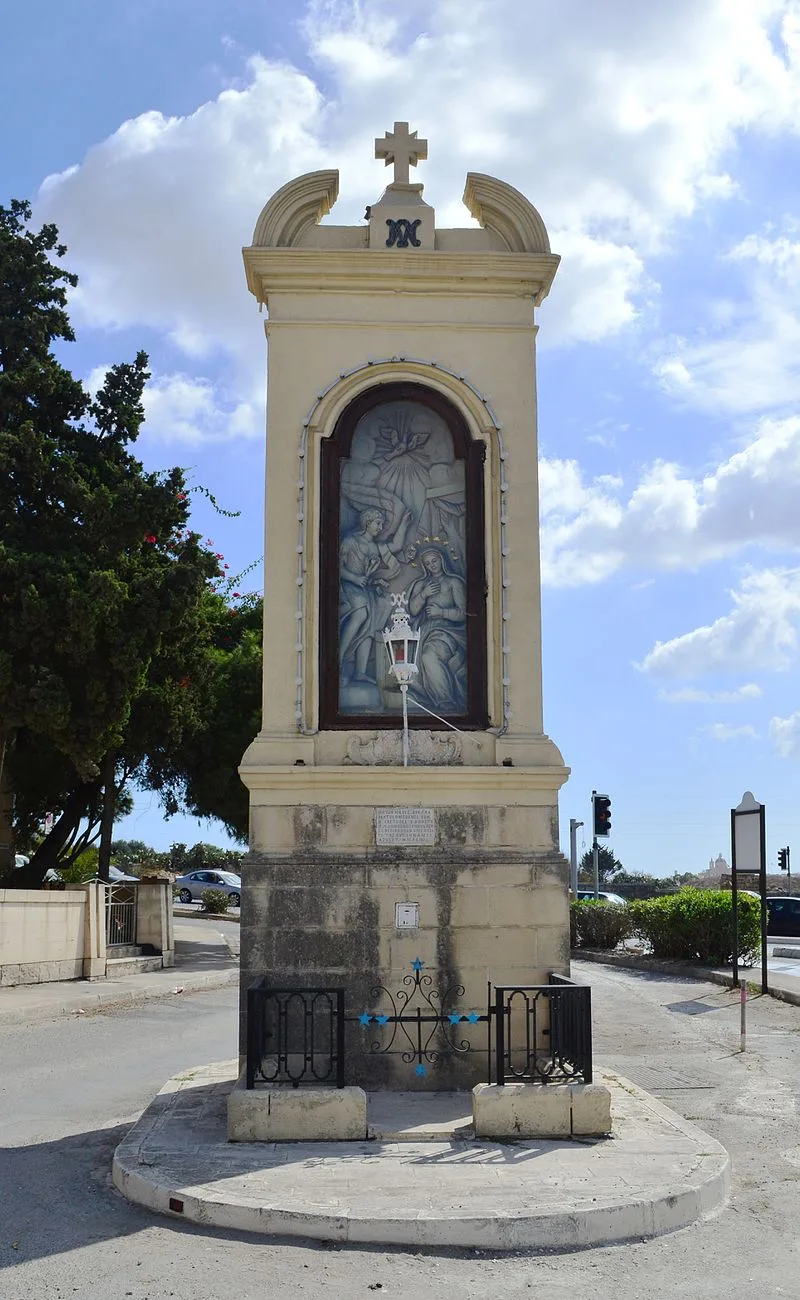
Tal-Barrani
Tal-Barrani is an agricultural area in southeastern Malta extending from Zejtun to Santa Lucija, Hal Tarxien, and Hal Ghaxaq, containing significant archaeological remains. The…
Fortress/citadel in Malta (1)
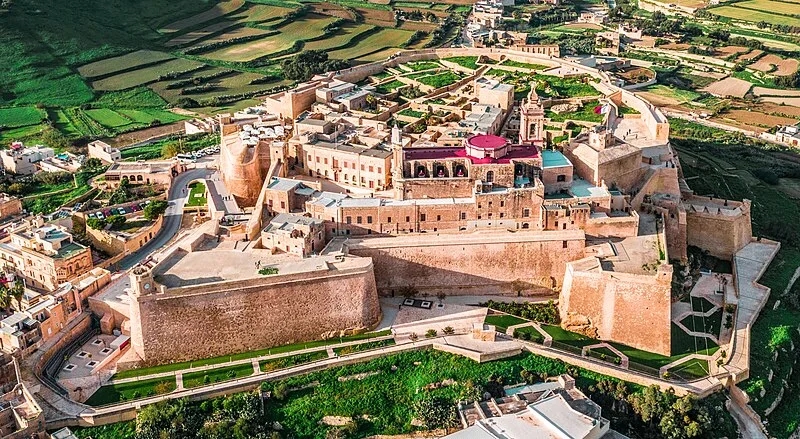
Road/avenue/trackway in Malta (1)
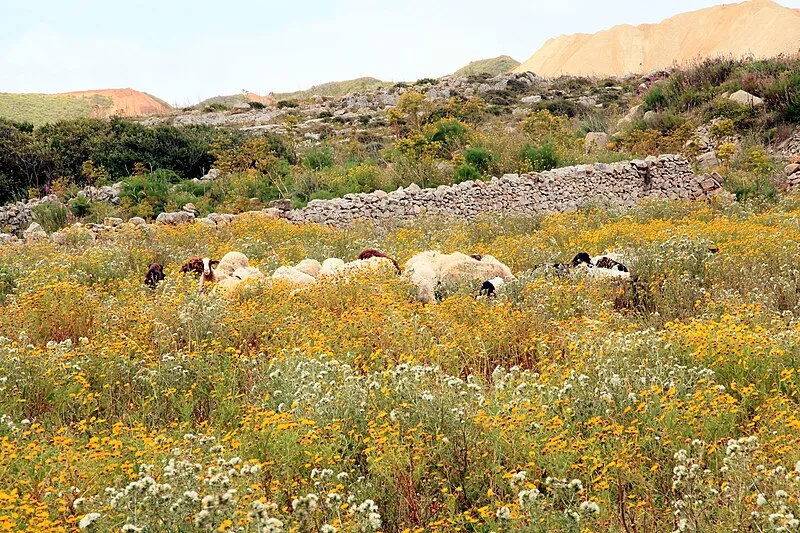
Underwater structures in Malta (1)
Keep exploring
Every site on this page sits on the globe, and the people who research them are on the Discord.
3D Globe · Sites by country · Story Archive · Research Library · Weekly Journal · Search