
 Bolivia
Laqaya is the largest pre-Hispanic heritage complex in Bolivia, situated on the edge of the Salar de Uyuni in the Potosi Department. Declared a national archaeological monument by Supreme Decree 27607 in 2004, the 7-hectare site served as the capital of the Lipes people during the Chullpas era (c. 900-1100 AD). It comprises three sectors: Alto Laqaya with roughly 100 enclosures and two perimeter walls, over 300 chullpa-type stone towers, and Bajo Laqaya with about 200 enclosures surrounding a 280 sq m central plaza. Research began in 1996 under Dr. Axel Nielsen as part of the Altiplano Sur Archaeological Project.
Laqaya
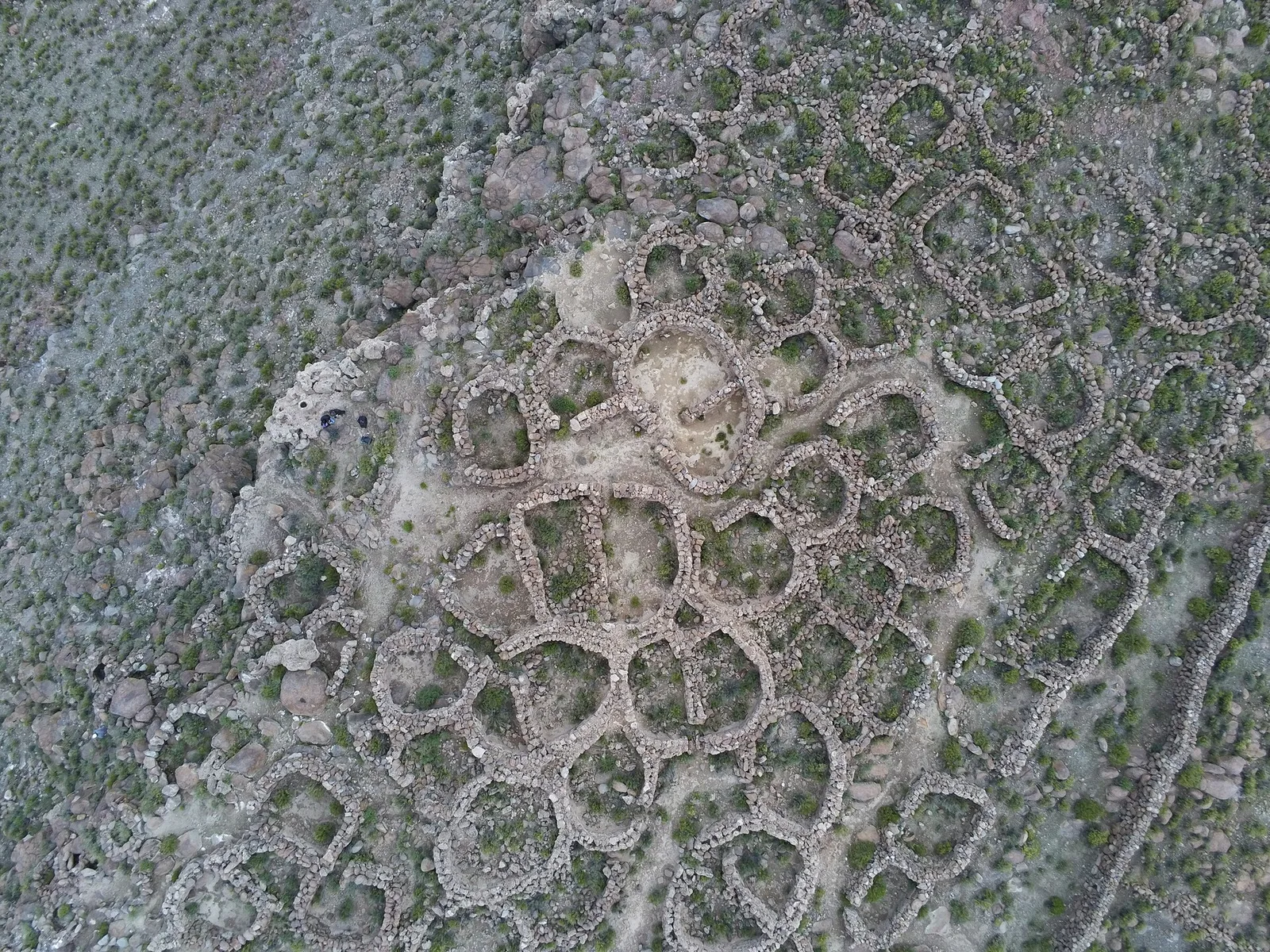
Also known as: Lakaya
| Type | Archaeological site |
|---|---|
| Period | 1000 - 1500 AD |
| Country | Bolivia |
| Coordinates | 20.8152° S, 67.7087° W |