
 Bolivia
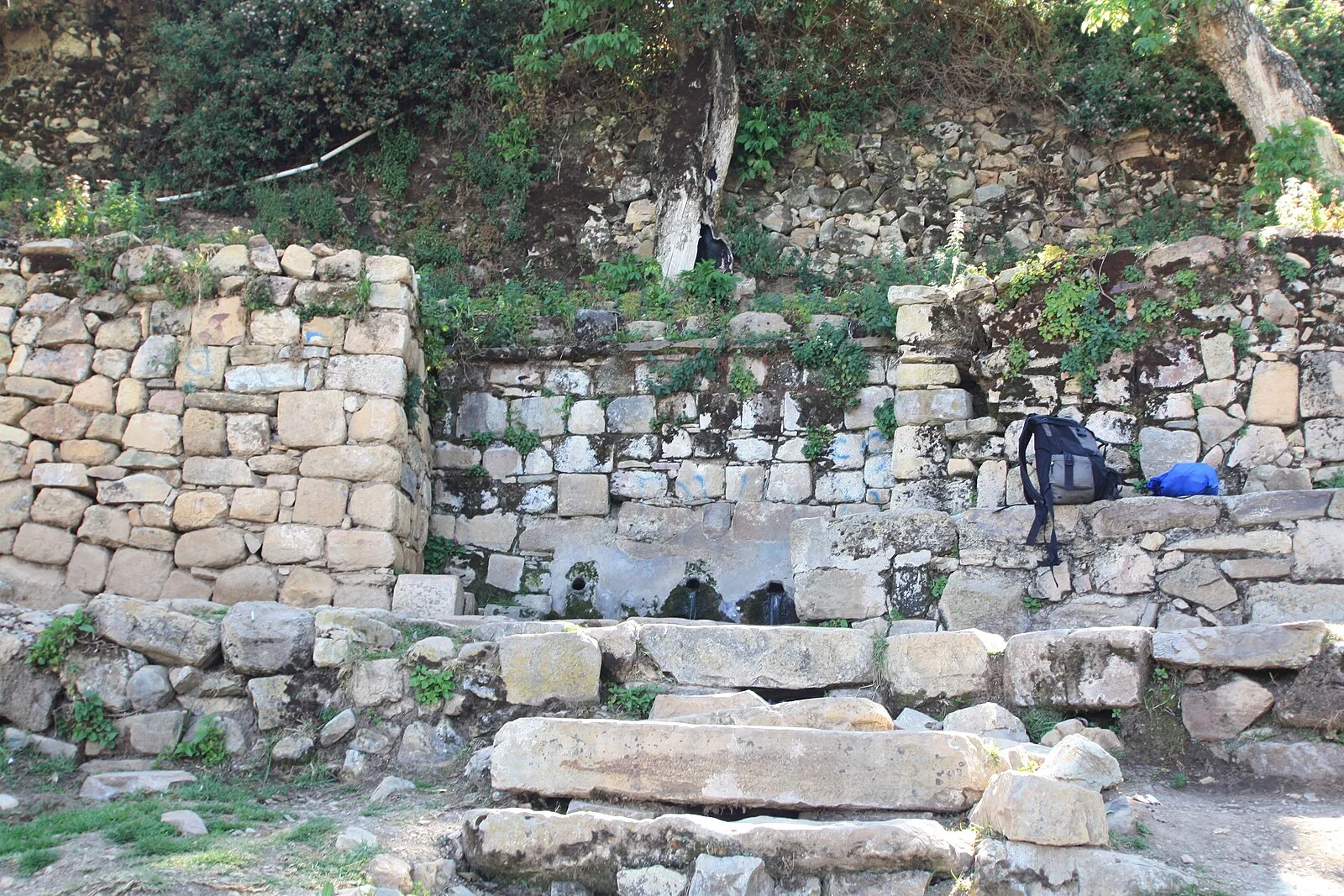
Isla del Sol is an island in the southern part of Lake Titicaca [1]. Archaeologists have discovered evidence that people lived on the island as far back as the third millennium BC [1]. Among the ruins on the island are Titi Qala, a labyrinth-like building called Chinkana, Q'asa Pata, and Pillkukayna [1]. In the religion of the Incas, it was believed that the sun god was born here [1]. Excavations at the archaeological site of Ch'uxu Qullu, located on a small peak above the Bay of Challa, led to the recovery of Archaic Preceramic remains that radiocarbon dated to about 2200 BC [1]. The island was continually occupied from at least 2200 BC up to the present day [1]. There is a significant Early Formative occupation (1800-1100 BC), Middle Formative (1100-500 BC) and Upper Formative (500 BC - AD 500) [1]. The site of Chucaripupata was a major Tiwanaku ritual site located above the Titi Qala [1].
Text: Wikipedia – 'Isla del Sol' (revision of 2025-09-09), CC BY-SA 4.0 · sentences selected and shortened by an AI system · source →Isla del Sol
Also known as: 태양의 섬, Güneş Adası, Illa del Sol, Isla del Sol marka, Isla del Sol (ö i Bolivia), Isla del Sol (pulo sa Bolibiya), isla Titicaca, Isle of the Sun, Titikako (insulo), Titiqaqa wat'a, Wyspa Słońca, Исла-дель-Соль
| Type | Sanctuary |
|---|---|
| Period | 4500 - 3000 BC |
| Country | Bolivia |
| Coordinates | 16.0206° S, 69.1764° W |