
 Bolivia
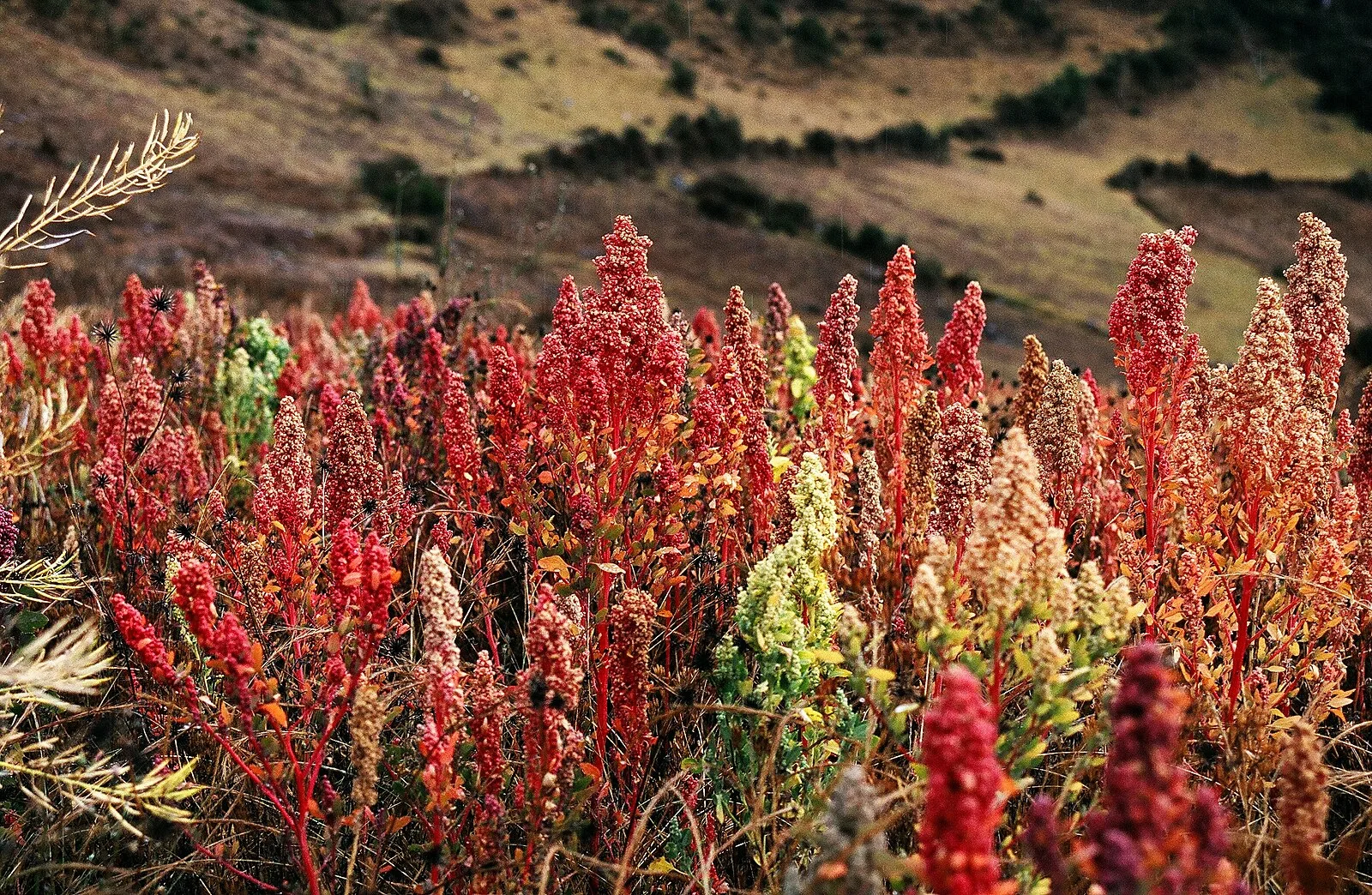
The site of Chiripa consists of a large mound platform that dominates the settlement [1]. On the platform is a rectangular sunken plaza with a carved stone in the center of the plaza [1]. Rituals occurred in specially prepared public places like the plaza, suggesting the importance of rituals in the creation and maintenance of legitimacy and power [1]. There are fourteen upper houses with thatched roofs and double walls of cobble and adobe, arranged in a trapezoid surrounding the sunken plaza [1]. These were first identified by Bennet (1936) [1]. Around 800 BCE, we find samples composed almost entirely of quinoa at Chiripa's social and political center, the Montículo [1]. During the Middle Chiripa phase the population grew, and the village of Chiripa increased to 4.25 ha [1].
Text: Wikipedia – 'Chiripa culture' (revision of 2026-03-21), CC BY-SA 4.0 · sentences selected and shortened by an AI system · source →Chiripa Archaeological site
Also known as: Chiripa, Chiripa culture, Chiripan kulttuuri, Chiripa (Taraco), Cultura Chiripa, Культура Чирипа, Культура Чиріпа, Чирипа (культура), ჩირიპას კულტურა
| Type | Temple complex |
|---|---|
| Period | 1500 - 500 BC |
| Country | Bolivia |
| Coordinates | 16.4776° S, 68.8316° W |