

Archaeological Sites in Austria
City/town/settlement in Austria (14)
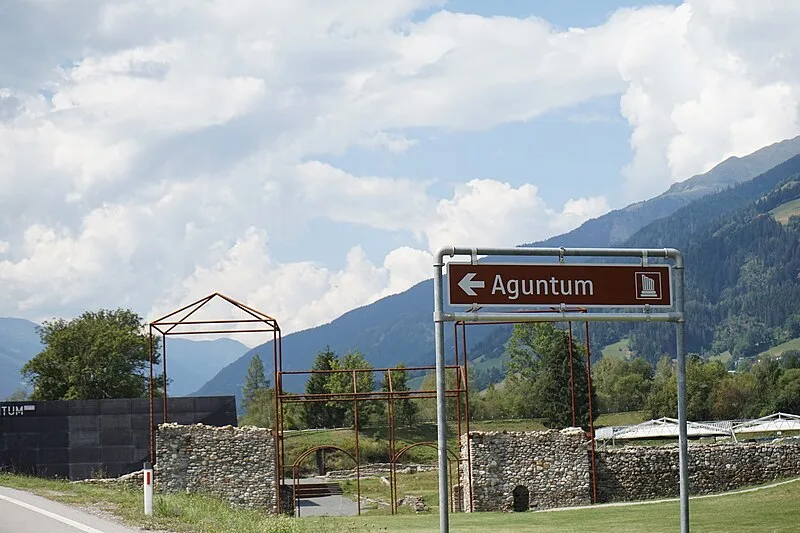
Aguntum
Aguntum was a Roman municipium and trading hub in the Drau valley, East Tyrol, flourishing from the 1st to 5th centuries AD. Located 4 km east of modern Lienz, it served as a…
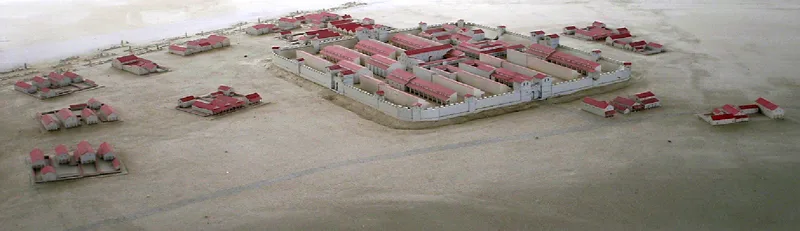
Carnuntum
Carnuntum was the most important Roman legionary camp on the upper Danube frontier, established as a military base under Tiberius in 6 AD and becoming capital of Pannonia Superior…
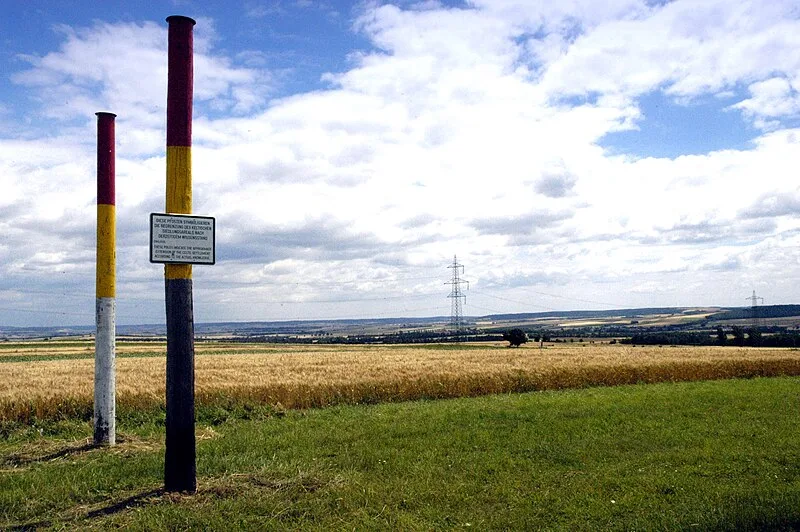
Celtic Settlement, Sandberg
The Sandberg is a hill ridge in the northwestern Weinviertel region of Lower Austria, approximately 70 km north of Vienna. It represents one of the most significant archaeological…
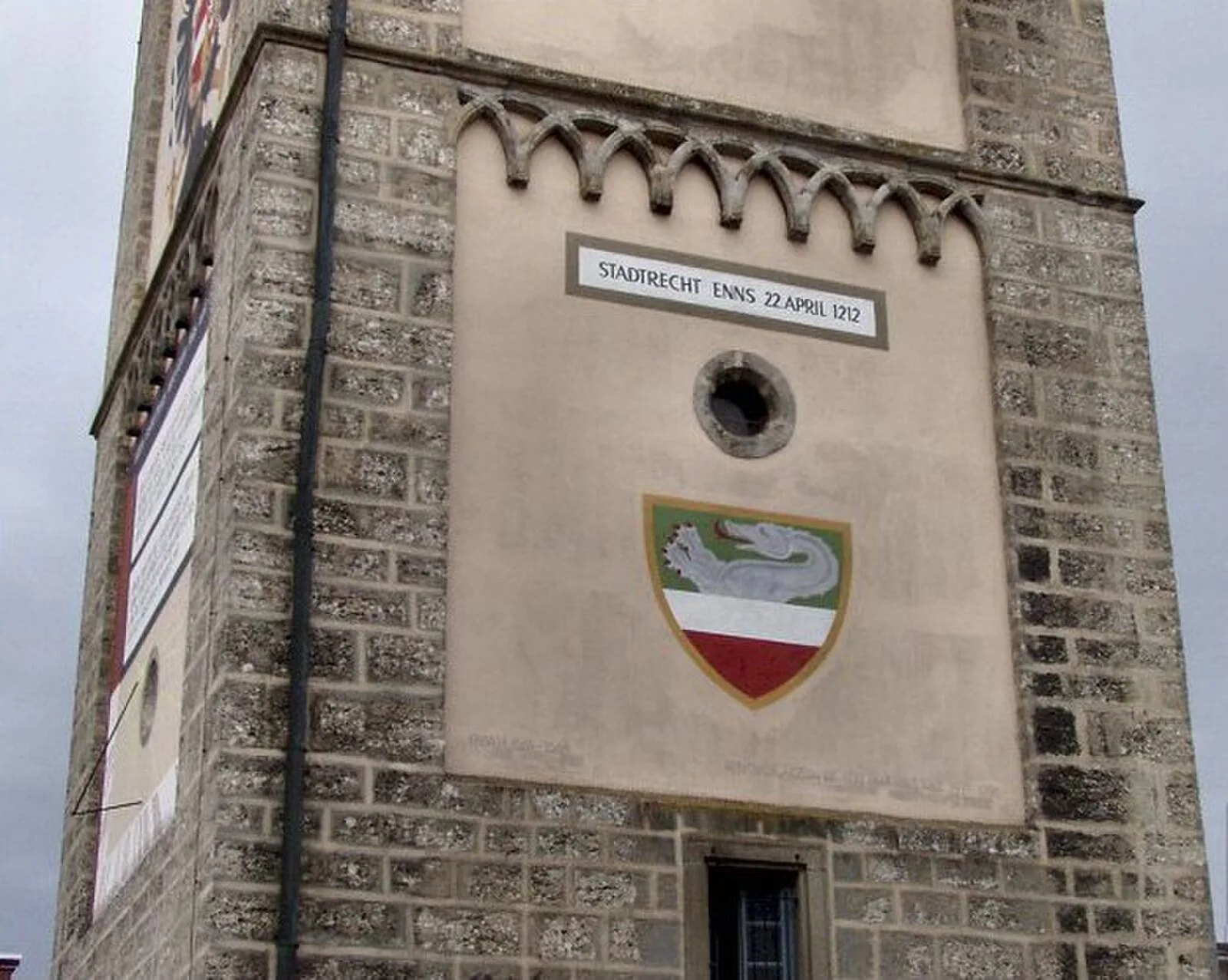
City of Enns
Enns, in Upper Austria, stands on the site of Lauriacum, a major Roman legionary base on the Danube Limes. The legio II Italica established the only legionary camp in the province…
Clunia, Austria
Clunia was an ancient Roman city located in present-day Feldkirch, Vorarlberg, Austria, indicated on the Tabula Peutingeriana as a settlement along the Roman road network. Thought…
Comagena
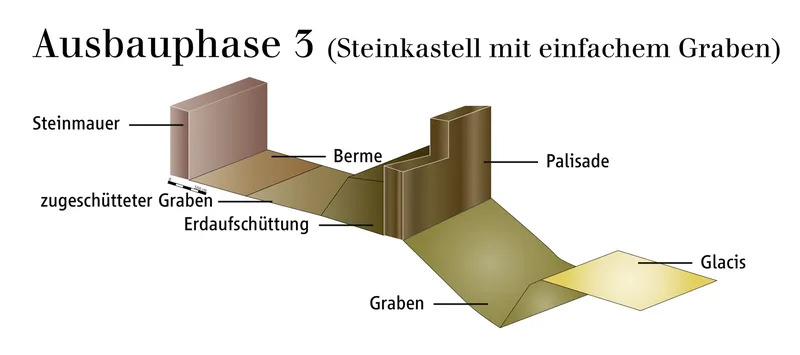
Comagena was a Roman cavalry fort (ala) established in the 1st century AD on the Danube at modern Tulln in Lower Austria, serving as a key defensive position along the Norican…
Flavia Solva
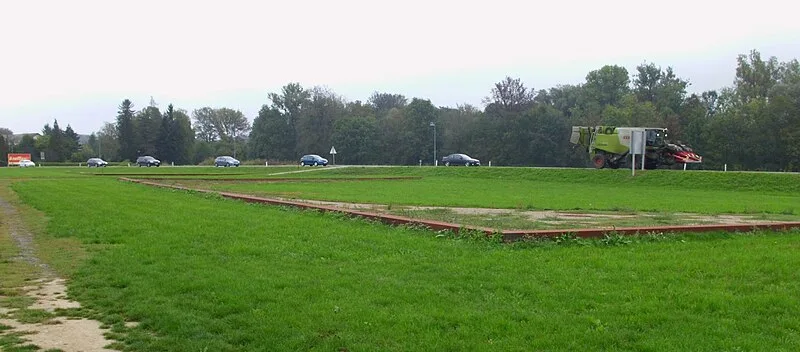
Flavia Solva was a Roman municipium in the province of Noricum, located on the Mur river near modern Wagna and Leibnitz in Styria, Austria -- the only Roman city in Austrian…
Frohnleiten
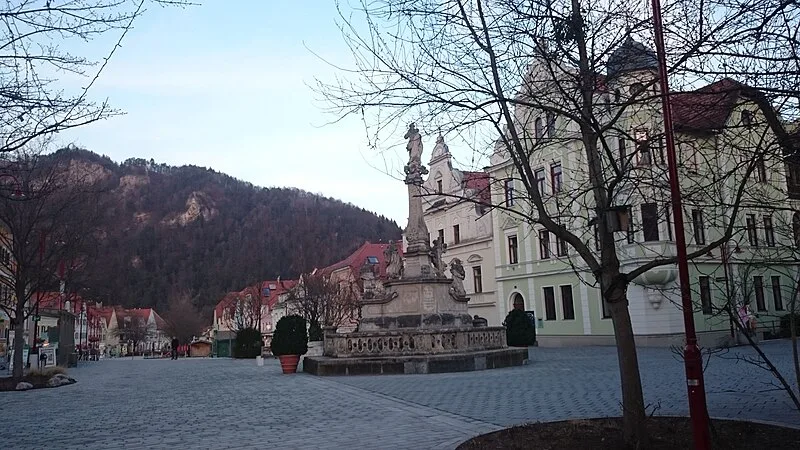
Frohnleiten is a historic town in the Graz-Umgebung district of Styria, Austria. The town and its surroundings feature several castles and manor houses of historical importance,…
Lauriacum
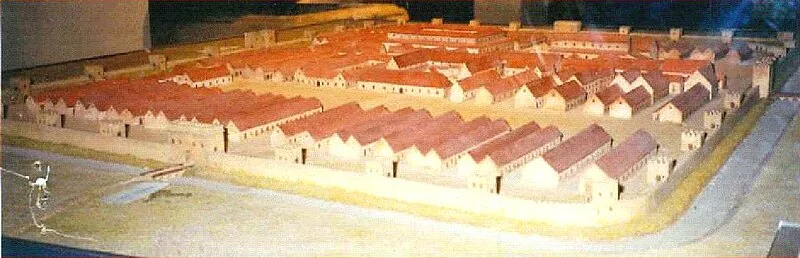
Lauriacum (modern Lorch-Enns) was a major Roman legionary fortress and civilian town at the confluence of the Danube and Enns rivers in the province of Noricum. The Legio II…
Platt
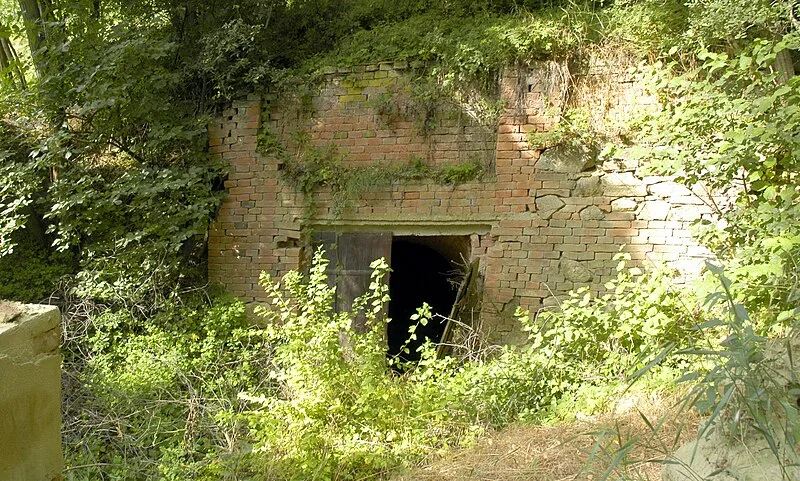
The Sandberg ridge between Platt and Roseldorf in Lower Austria's Weinviertel region hosts the largest known Celtic central settlement of this period in Austria, covering…
Teurnia
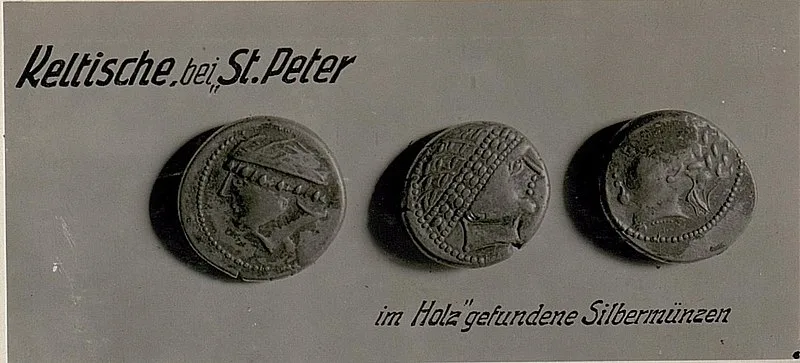
Teurnia was a major Roman municipium in western Carinthia, Austria, situated on a hill at modern St. Peter im Holz near Spittal an der Drau. Granted municipium status under…
Vindobona
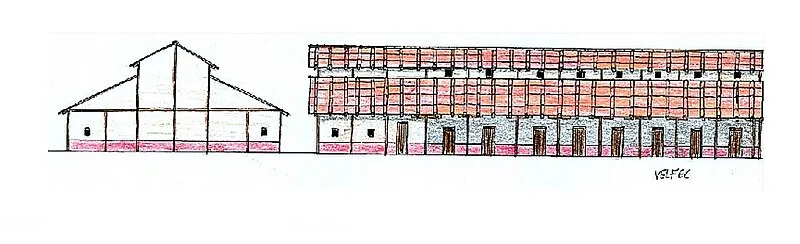
A Roman legionary fortress established in the 1st century AD on the Danube frontier in the province of Pannonia, on the site of modern Vienna. The camp covered about 20 hectares…
Virunum
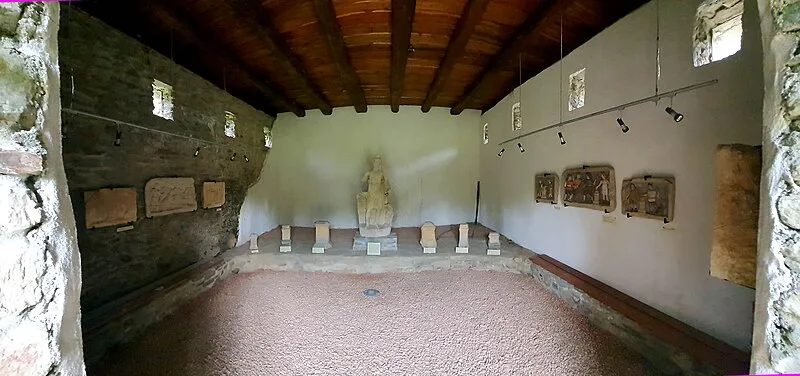
Claudium Virunum was a Roman city in the province of Noricum, located on the Zollfeld plain in Carinthia, Austria. The settlement may have originally been the name of an earlier…
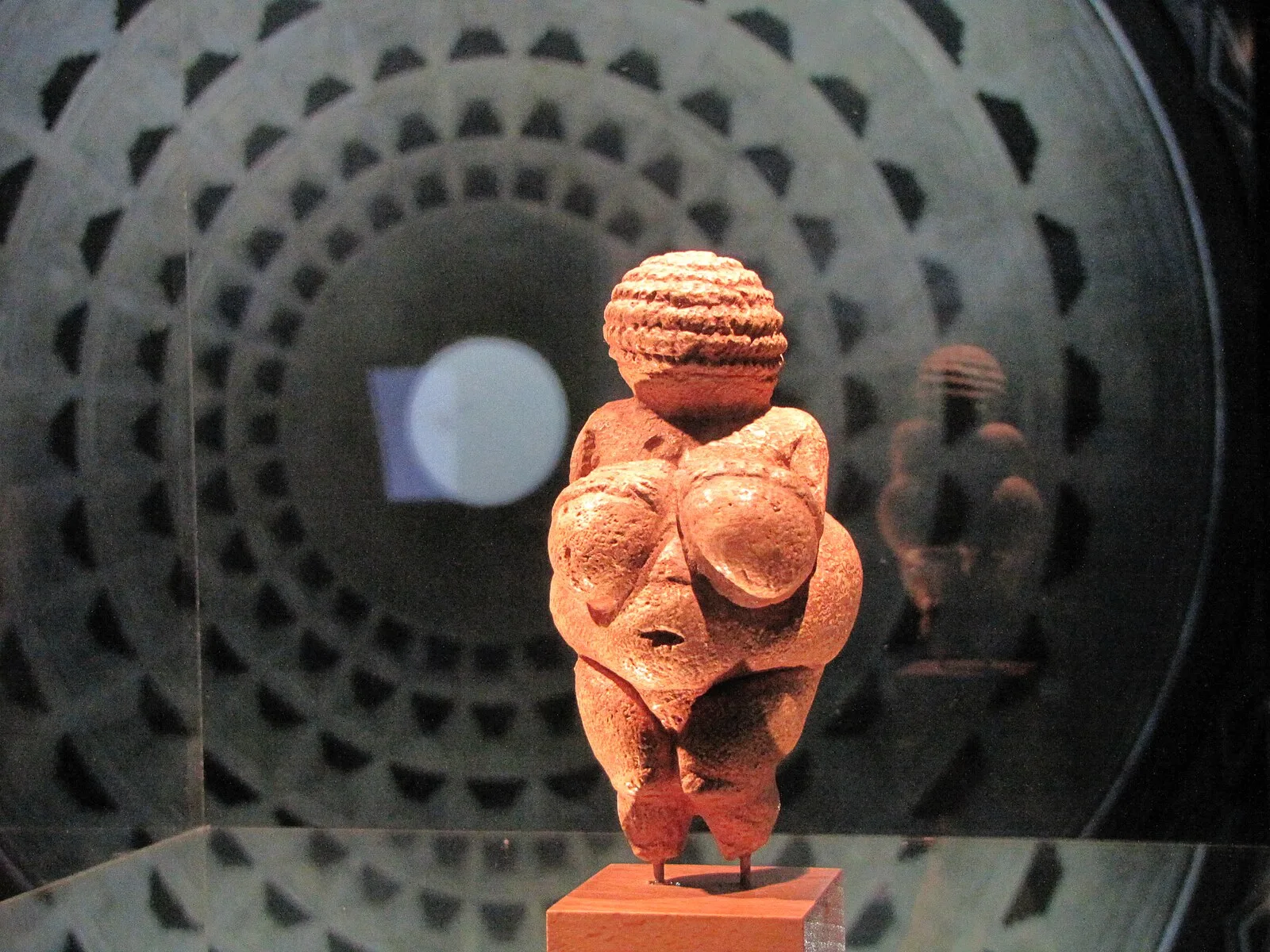
Willendorf in der Wachau
Palaeolithic site in the Wachau valley, Lower Austria, world-famous for the discovery of the Venus of Willendorf in 1908 during railway construction. This 11 cm female figurine…
Cave Structures in Austria (4)
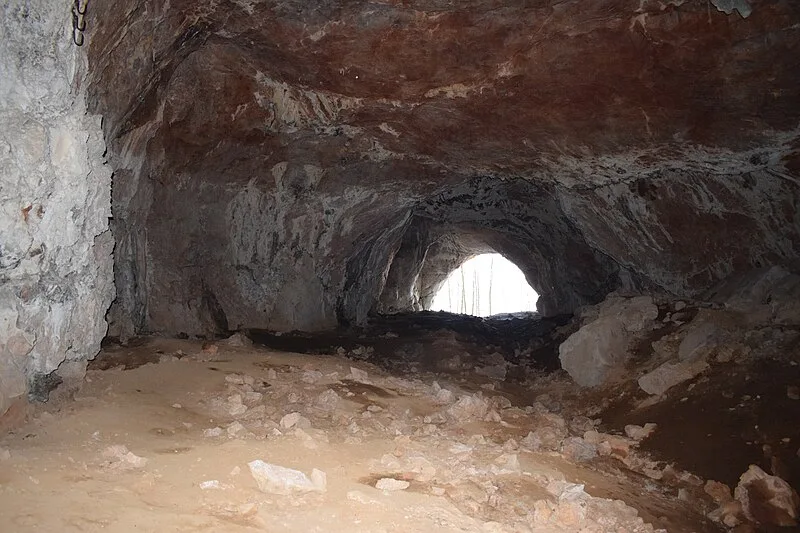
Drachenhöhle
A 542-metre-long cave near Mixnitz, Styria, Austria, with a 20-metre-wide entrance at 950 metres elevation, famous as one of Europe's richest cave bear fossil deposits. It…
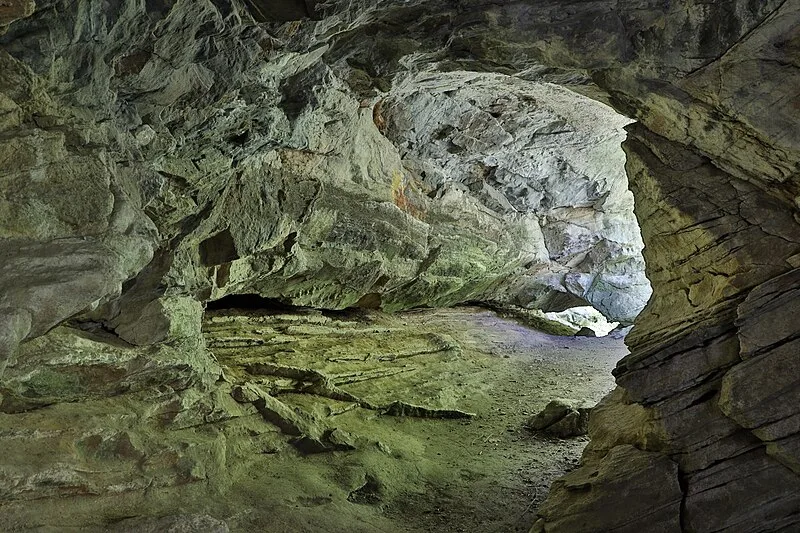
Gudenus Cave
The Gudenus Cave is an archaeological site near Krems in northeastern Austria, used from the Middle Paleolithic through the Late Upper Paleolithic (approximately 16,000–10,000…
Salzofen Cave
Salzofen Cave is an archaeological site in Styria, Austria, located in the municipality of Grundlsee at approximately 2,000 metres (6,600 ft) altitude, about 60 metres below the…
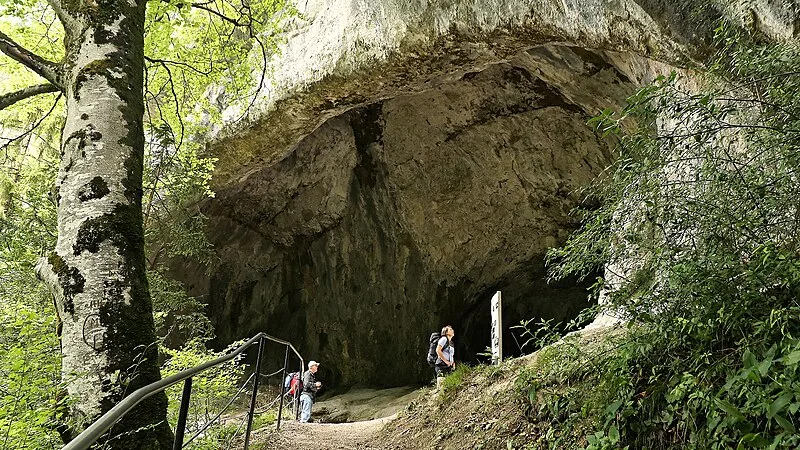
Tischofer Cave
The Tischofer Cave is a cave in the Kaisertal valley in the Kaisergebirge mountains of Austria. The roughly 40 metre long cave, about 8.5 metres high at the entrance, was occupied…
Mound/tumulus in Austria (2)
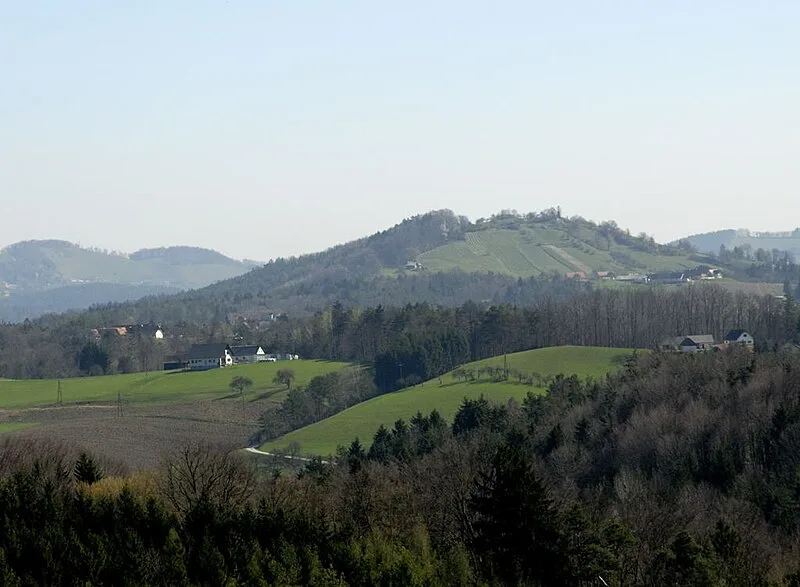
Burgstallkogel, Sulm Valley
The Burgstallkogel is a 458-metre hill near the confluence of the Sulm and Saggau rivers in southern Styria, Austria, that hosted a major Hallstatt-period settlement from the 9th…

Großmugl
The Leeberg at Grossmugl in Lower Austria is the largest burial mound of the entire Hallstatt culture, standing approximately 14-15m high with a 55m diameter. Erected c. 600-500…
Fortress in Austria (1)
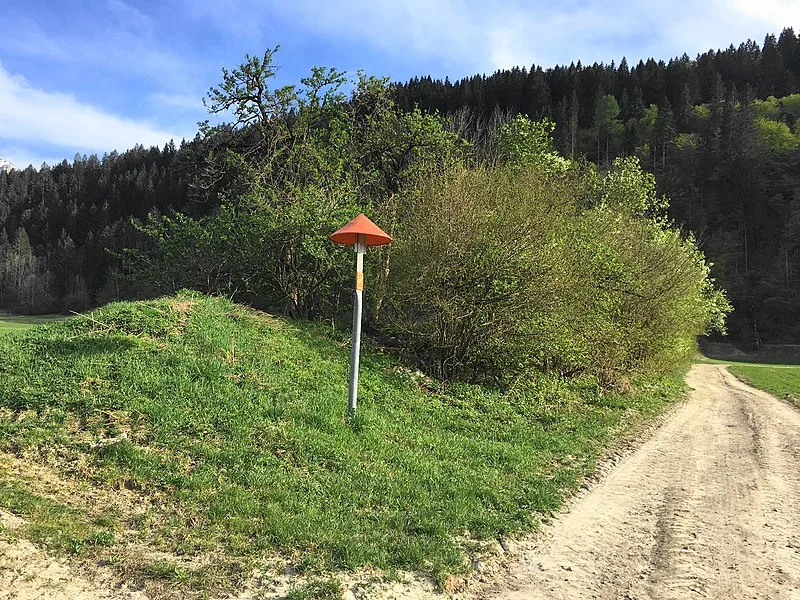
Fortress/citadel in Austria (1)
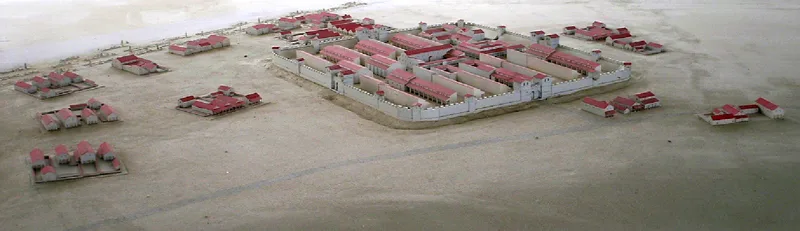
Gate/archway/bridge in Austria (1)
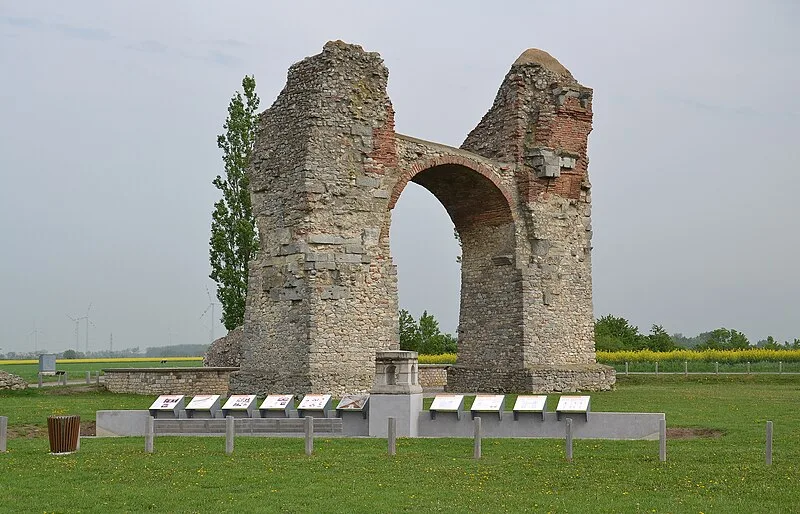
Megalithic structures in Austria (1)
Necropolis/tombs complex in Austria (1)

Keep exploring
Every site on this page sits on the globe, and the people who research them are on the Discord.
3D Globe · Sites by country · Story Archive · Research Library · Weekly Journal · Search