

Story Archive
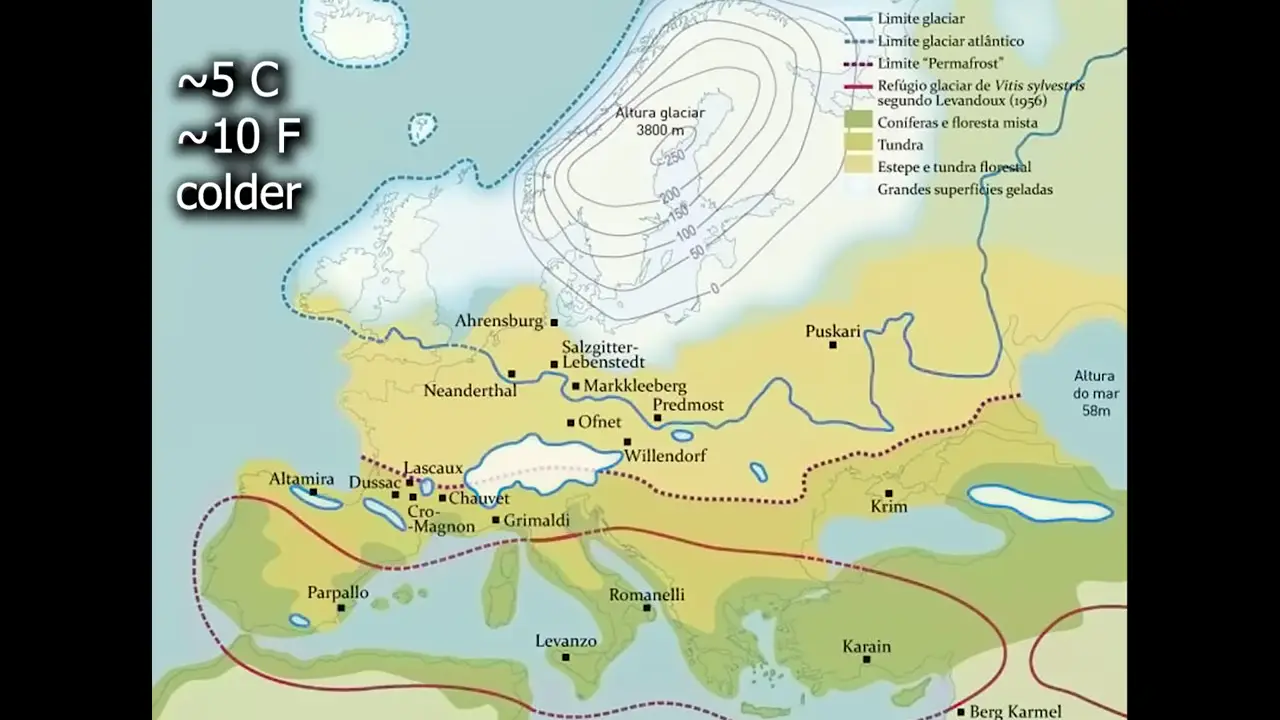
Aurignacians lived in Mammoth Steppe during MIS 3
Aurignacians lived in Mammoth Steppe during MIS 3. Aurignacians lived during Marine Isotope Stage 3 (relatively unstable pre-glacial period) Temperatures were 4-6°C lower than…
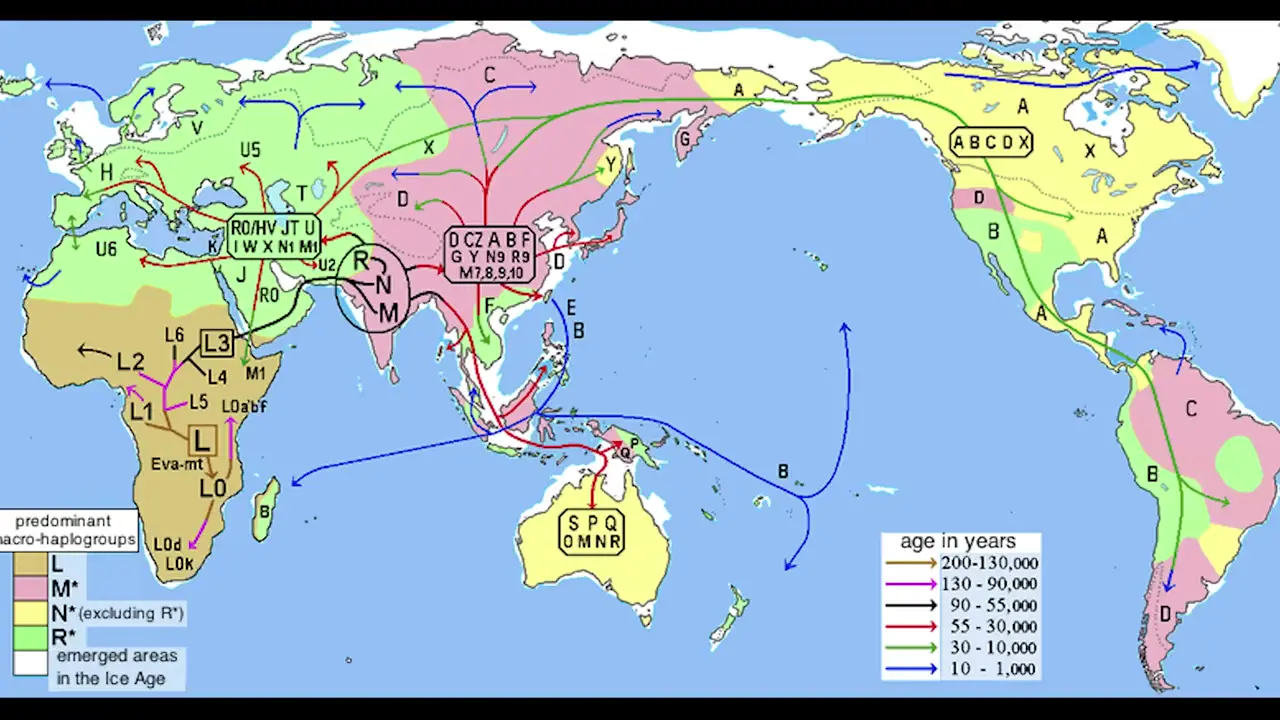
Bacho Kiro genomes reveal mtDNA lineages M, N, R and U8
40,000-year-old Europeans carried haplogroups M, N, R, U8. DNA from 40,000-year-old Homo sapiens in Europe shows maternal haplogroups M, N, R, and U8 Haplogroup M is nearly absent…
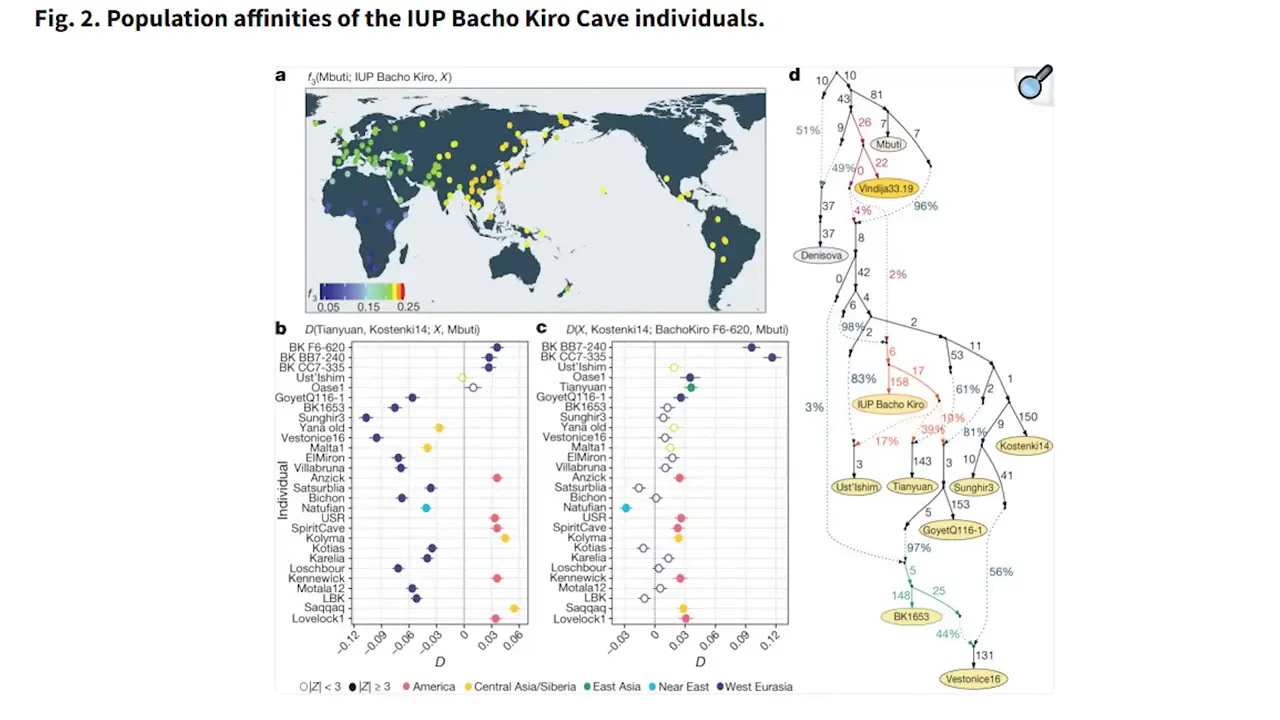
Gravettian culture emerged around 33,000 BP as the Aurignacian waned
Aurignacian gave way to Gravettian culture around 32,000 BP. Late Aurignacian period: 34,000 to 30,000 years ago Gravettian culture emerged around 33,000 to 32,000 years ago New…
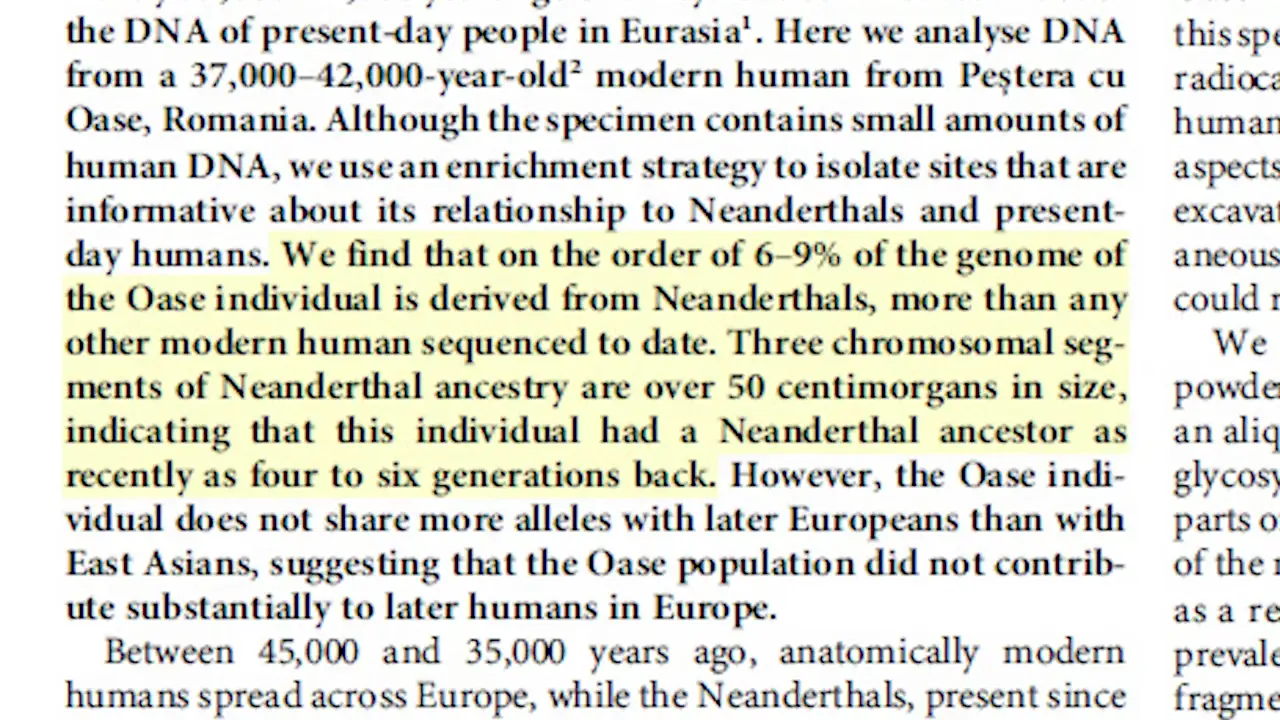
Peștera cu Oase fossil shows recent Neanderthal admixture
Peștera cu Oase fossil shows recent Neanderthal admixture. Peștera cu Oase jaw from Romania dates to around 40,000 years ago This individual had a Neanderthal ancestor 4-6…
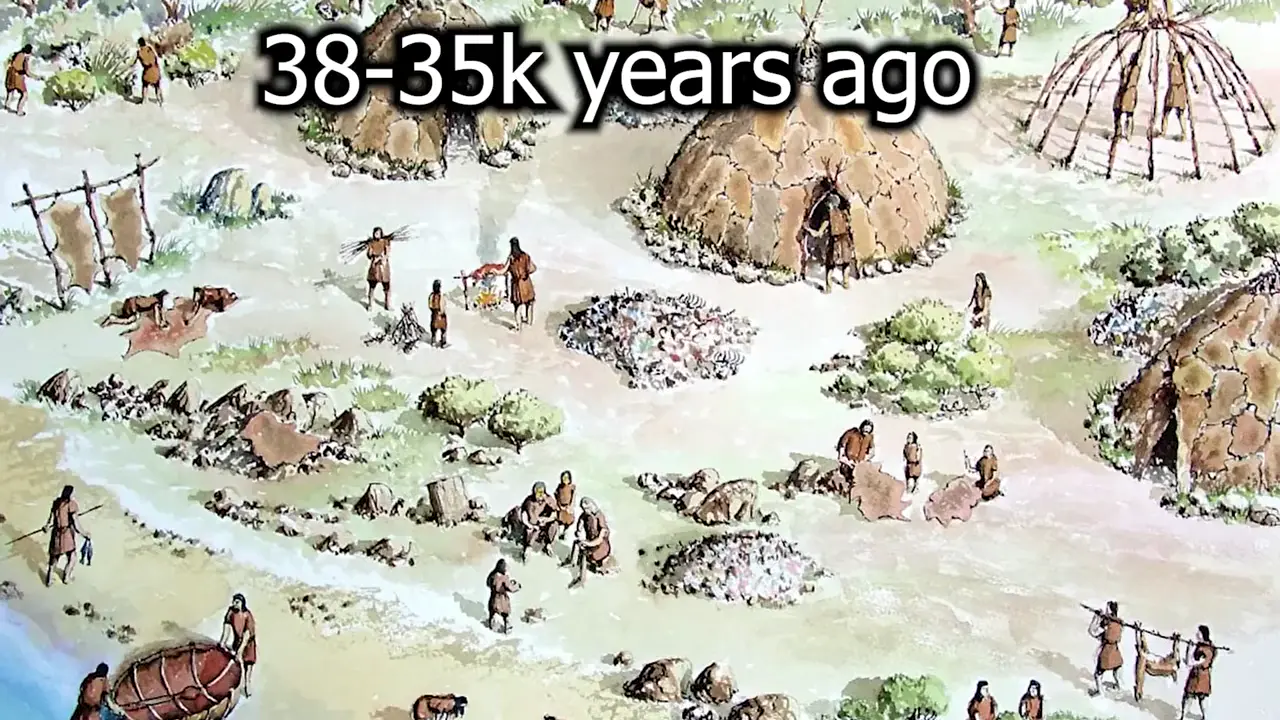
Aurignacian yielded Europe's oldest known figurative art
Aurignacian produced Europe's earliest figurative art. By 38,000-35,000 years ago, Aurignacian culture created unprecedented symbolic artifacts Venus of Vogelherd Cave: 6cm…

Video shows stone stairs descending into flooded bedrock
Ancient stairs descending into water-filled underground. Stairs carved into bedrock descending into water Stairs are uniform and evenly spaced at approximately 1.3-1.4 feet Tool…
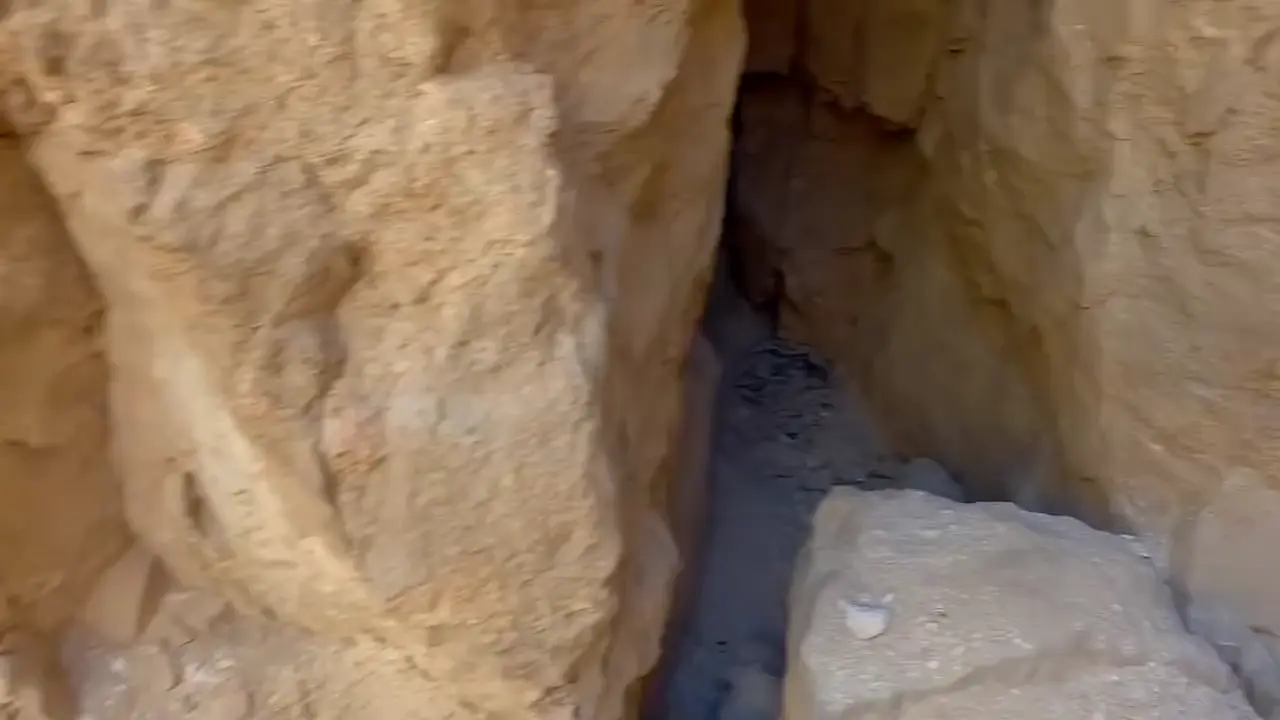
Inside Khufu’s Great Pyramid: descending through its passages
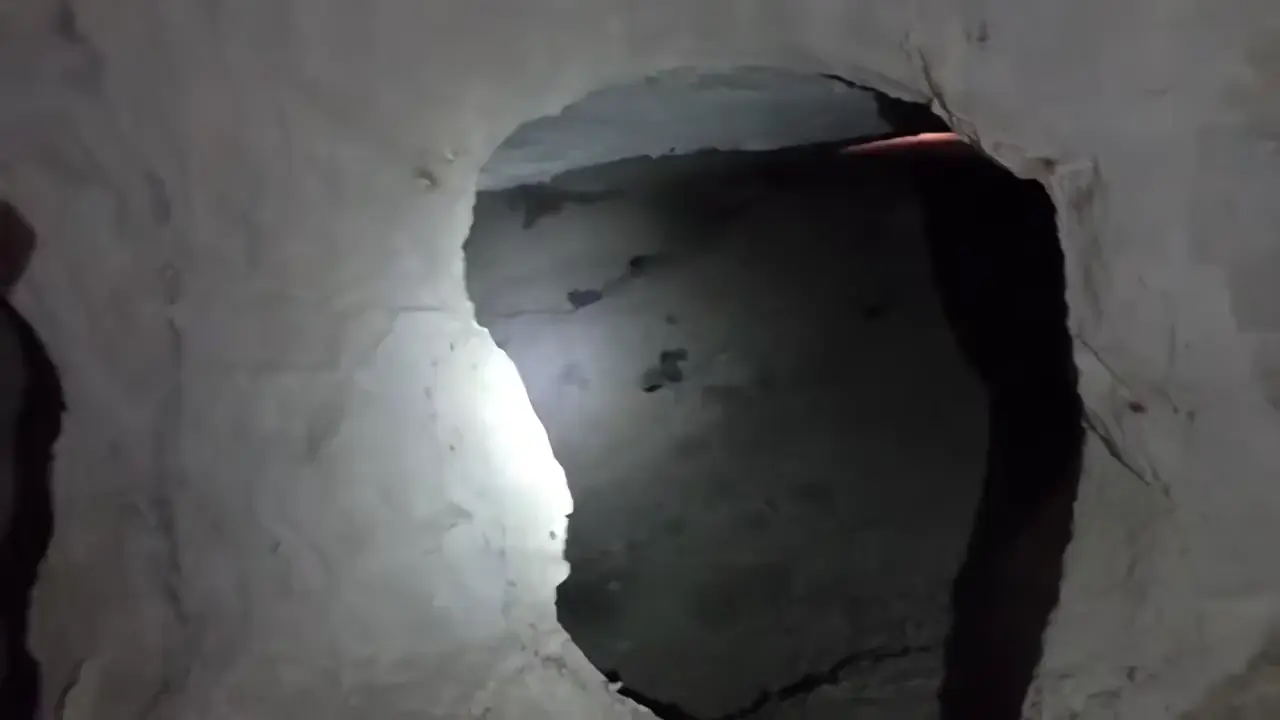
Inside Great Pyramid of Giza pyramid interior descent. Entrance to pyramid found next to huge granite blocks Interior contains huge limestone blocks Round hole possibly for column
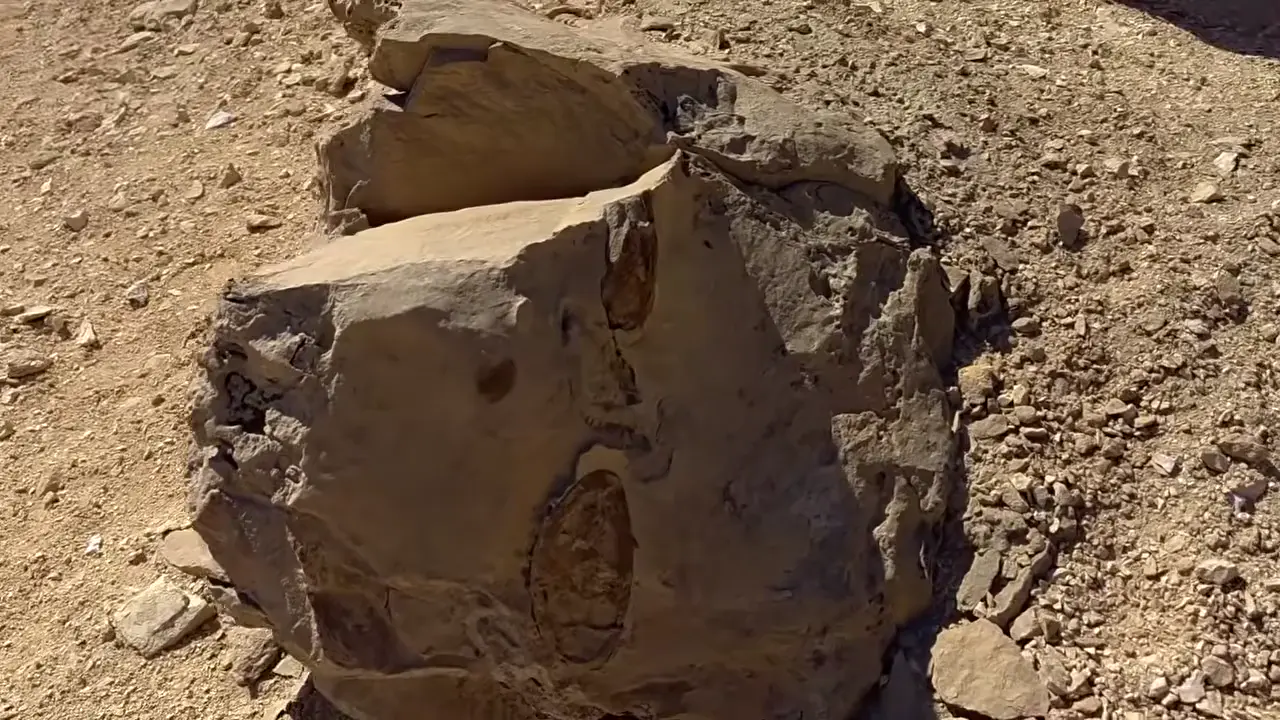
Video’s “mystery object” is shown at Abu Rawash, not the Great Pyramid
Mystery object embedded in rock at Great Pyramid of Giza. Strange shape found inside rock, appears metallic Object is embedded inside the rock formation Explorers unable to…
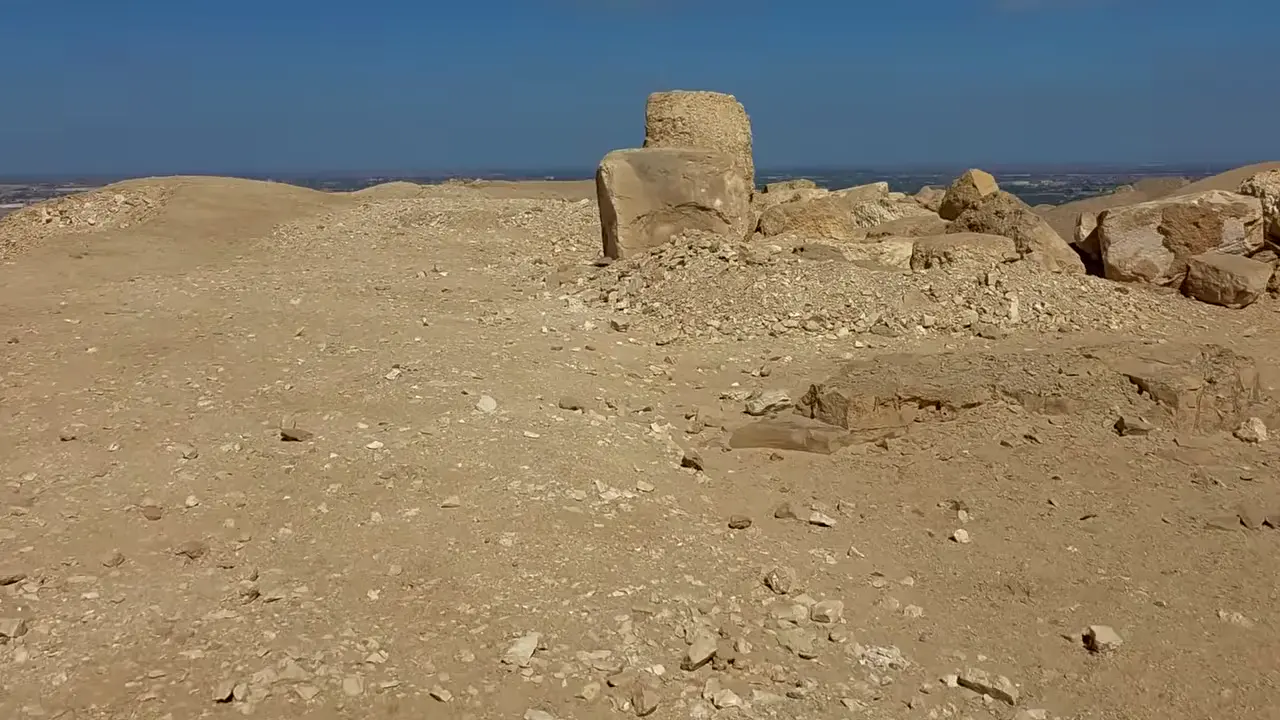
Panoramic view of the Great Pyramids of Giza from Abu Rawash
Panoramic view of Giza and Saqqara pyramids. Great Pyramid of Giza offers view of Great Pyramids at Giza Saqqara pyramids visible in distance Multiple pyramid silhouettes visible…
Great Pyramid of Giza Is Open to Visitors, but Interior Access Is Restricted
Great Pyramid of Giza pyramid restricted site exploration. Great Pyramid of Giza site has military security presence Site is not accessible to the public Tool marks visible on the…
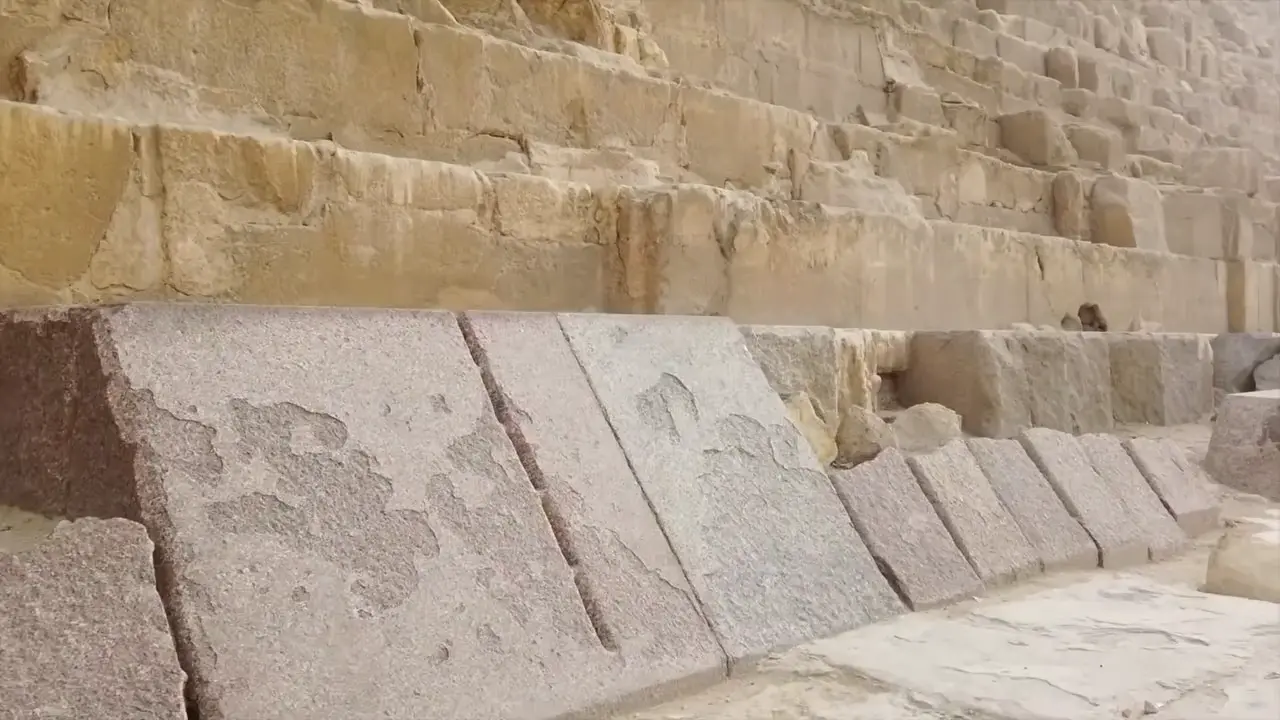
Granite casing stone anomalies on Giza's Second Pyramid
Granite casing stone anomalies on Giza's Second Pyramid. Second pyramid has granite casing stone unlike Great Pyramid which was cased with Turra limestone Some granite casing…
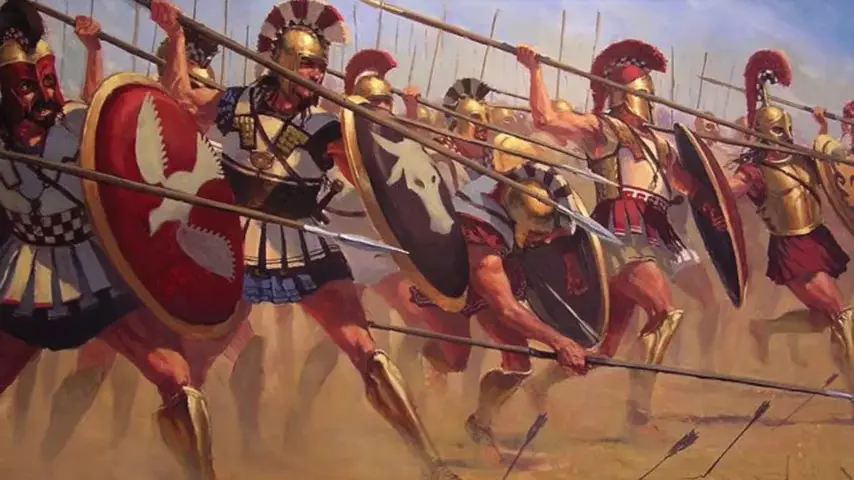
Video argues Greek phalanxes used combined arms
New paradigm reveals Greek warfare was combined arms. New orthodoxy: only first 2-3 ranks of phalanx could engage in combat, not entire formation Phalanx likely had looser spacing…

Scholars debate archaic hoplite formations and the social origins of hoplites
Historians challenge traditional hoplite warfare narrative. The orthodox view claims hoplites fought in dense 7-40 row phalanxes using othismos (shoving) to push enemy formation…

Welsh claimed direct descent from Druids in 19th-century nationalist revival
Welsh claimed direct descent from Druids in 19th-century nationalist revival. The Welsh adopted megaliths and Druids as central to their newly recreated cultural identity Welsh…

William Stukeley made Druids the dominant explanation for megaliths in the 1740s
William Stoutley made Druids dominant explanation for megaliths in 1740s. William Stoutley published two famous books on Avebury and Avebury in the early 1740s His fieldwork was…

Medieval British didn't recognize megaliths as human-made until 16th century
Medieval British didn't recognize megaliths as human-made until 16th century. Until the 16th century, most people in Britain didn't recognize prehistoric stone structures as being…

1859-60 scientific chronology displaced Druids from megalith building
1859-60 scientific chronology displaced Druids from megalith building. In 1859-60, British scholars accepted the great age of the planet and human race The Danish three-age system…

Video argues Scots developed an early Druid-megalith link in the 1520s
Scots pioneered Druid-megalith connection in 1520s through French scholarship. By the 1520s, Scots had developed a tradition that prehistoric stone rings were pagan temples This…

Evidence of cannibalism in Maszycka Cave, Poland (about 18,000 years ago)
Evidence of cannibalism in Mashitka Cave, Poland (≈18 000 years ago). 68 % of human bones show cut marks, fractures and evidence of brain and marrow extraction Marks indicate…

Charred pot residues reveal complex plant‑based diets of prehistoric Europe
Charred pot residues reveal complex plant‑based diets of prehistoric Europe. Analysis of 58 pottery shards from 13 sites across northern/eastern Europe (6th‑3rd millennium BC)…

Feather and fur headgear in 7,000-year-old Mesolithic Skateholm burials, Sweden
Feathered headdresses and fur clothing in Neolithic‑Bronze Age northern Europe. Microscopic analysis of grave goods from Sweden and Italy identified bird feathers, animal hair and…

Mass grave of 77 individuals in Serbia, mid‑9th century BC
Mass grave of 77 individuals in Serbia, mid‑9th century BC. Victims mainly women and children, bludgeoned or stabbed, some with weapon injuries Isotopic analysis shows most were…

Neolithic bows from submerged settlement at Lake Bracciano, Italy
Neolithic bows from submerged settlement at Lake Bracciano, Italy. 19 intact bows recovered from the lake‑bed settlement of Lam Ma (Lake Bracciano) dated 5,635‑5,230 BC Bows made…

Beycesultan yields earliest indigo-dyed textile and single-needle looping in Anatolia
Indigo‑dyed textiles and single‑needle knitting in Bronze Age Anatolia. Two textile fragments (≈1915‑1745 BC and 1700‑595 BC) from Beycesultan show indigo dye from woad Technique…

Bronze‑Age copper mines in southwestern Spain linked to Scandinavian metal
Bronze‑Age copper mines in southwestern Spain linked to Scandinavian metal. Six previously undocumented mines (copper, lead, silver) identified in Extra De Madura Lead‑isotope…
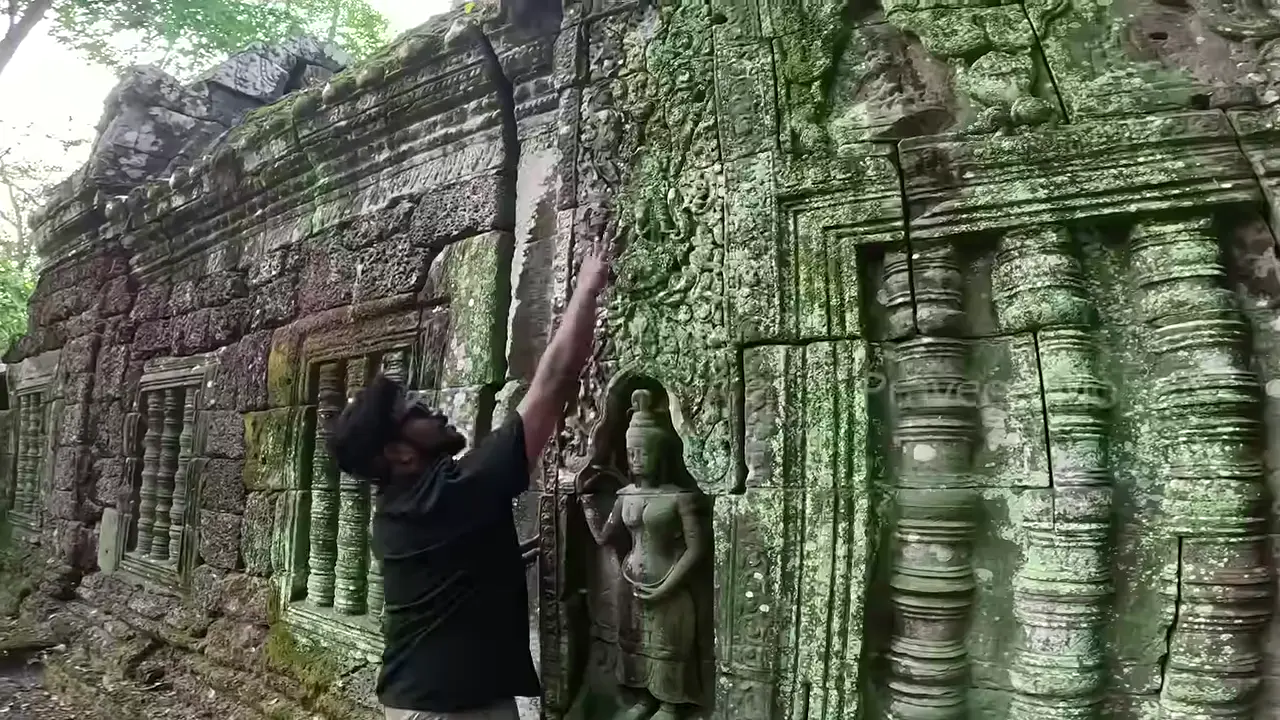
Video argues Indra was deliberately erased from Ta Nei relief
Indra deity deliberately erased from temple carving. Carving shows a three-headed elephant (Indra's mount) with Indra himself scraped out The god of thunder and lightning was…
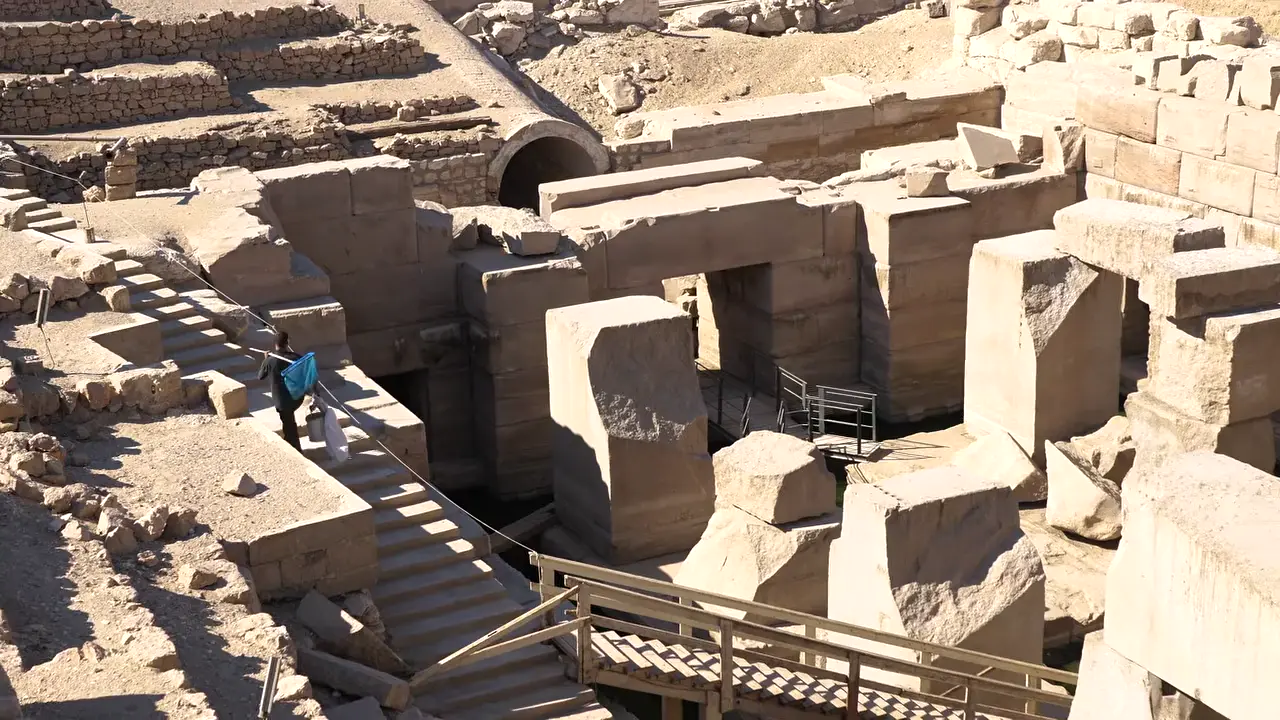
Osirion at Abydos, Egypt: Osiris cenotaph and the 76-name king list
Osirion at Abydos (Troad): Osiris symbolic tomb with cosmic design. The Osirion is neither a temple nor a tomb but functioned as a symbolic tomb of Osiris Located more than 12…
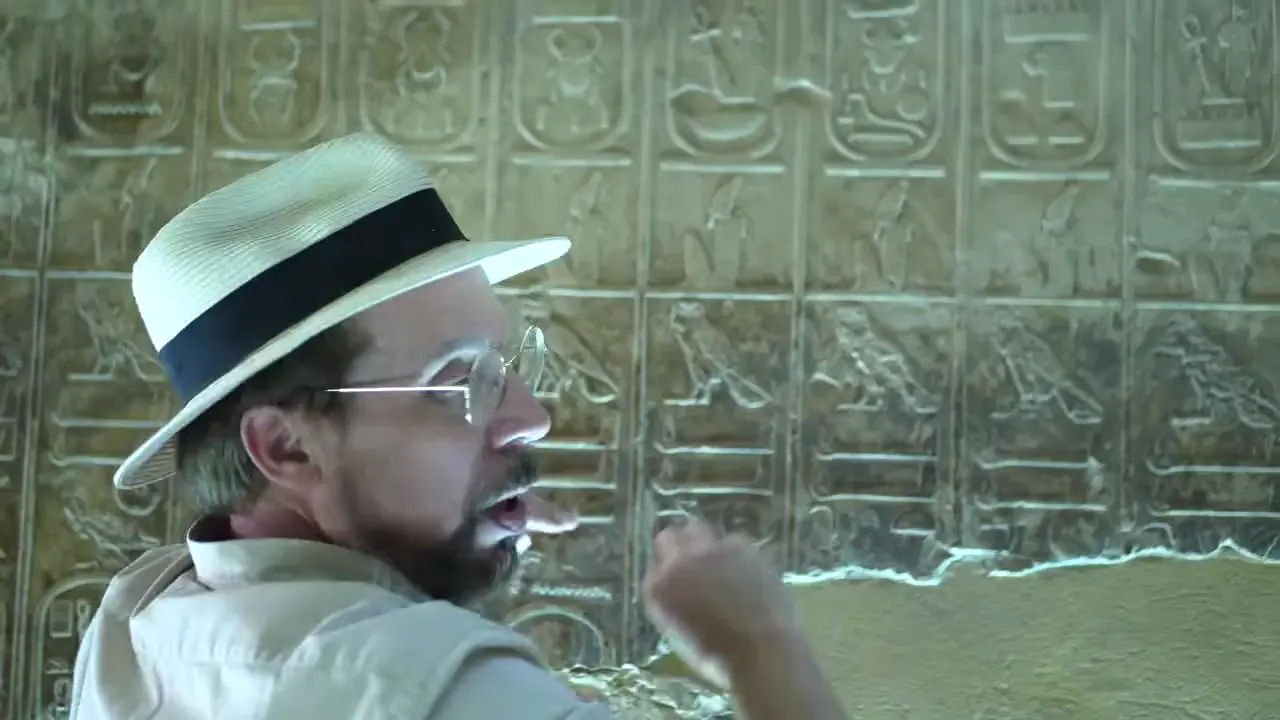
Seti I's L-shaped temple at Abydos, Egypt, built in the late 13th century BCE
Seti I's L-shaped temple at Abydos (Troad) built around 1300 BCE. Seti I ruled early in the 19th Dynasty around 1300 BCE Temple built mostly of limestone with some sandstone Seti…
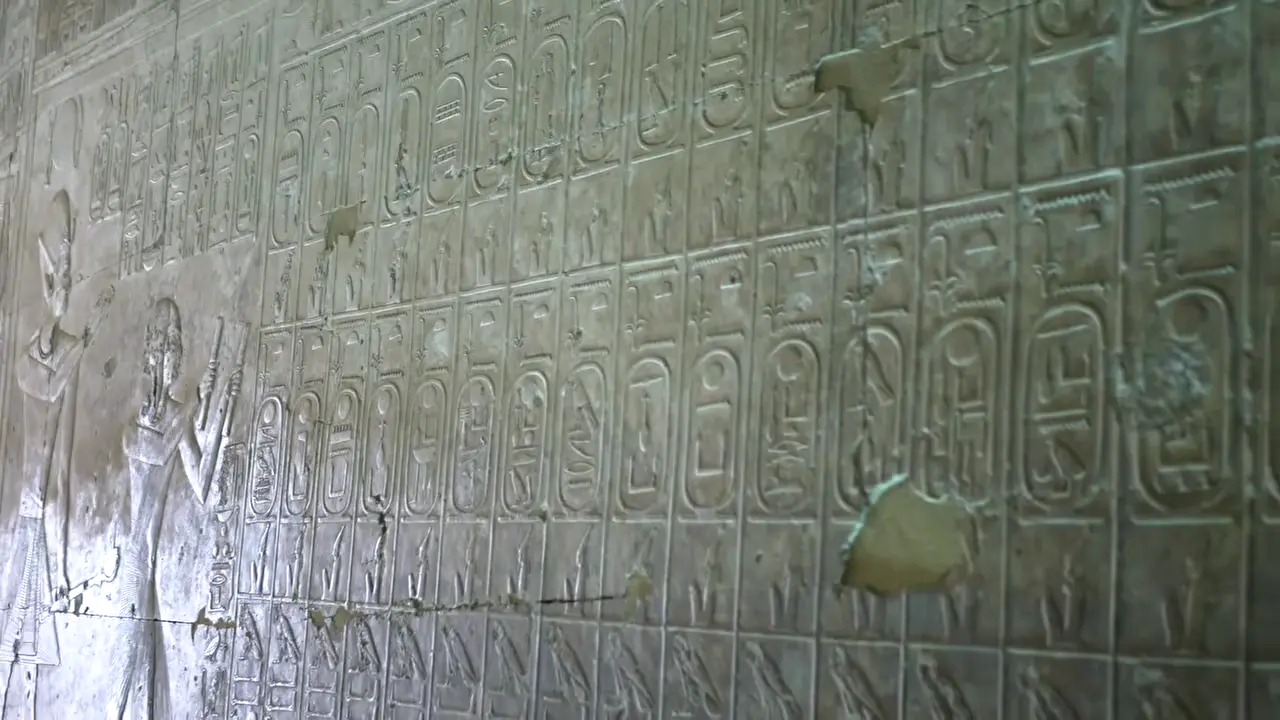
Seti I's Abydos King List in Egypt omits the Amarna kings
Abydos (Troad) King List carved by Seti I omits Amarna kings. The Abydos (Troad) King List is one of the most famous inscriptions in Egyptian history Lists Egyptian kings from…
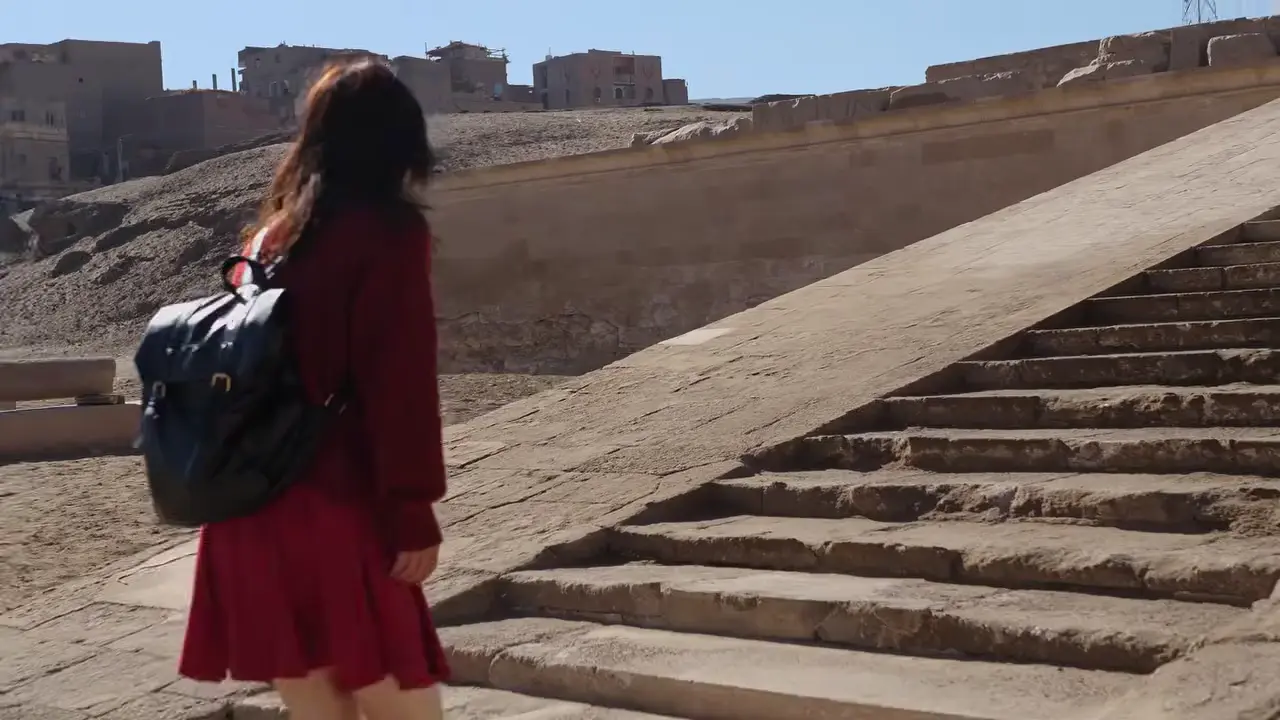
Seti I positioned himself as restorer of Egyptian kingship
Seti I positioned himself as restorer of Egyptian kingship. Seti I ruled early in the 19th Dynasty after Akhenaten's radical religious reforms He presented himself consistently as…

Rising Star Cave discovery of 15 Homo naledi individuals
Rising Star Cave discovery of 15 Homo naledi individuals. In 2013, explorers entered the Rising Star Cave system in South Africa The fossil chamber is located 30m below surface…

The video argues Homo naledi challenges the cerebral rubicon
Homo naledi dating challenges cognitive evolution model. Homo naledi lived roughly 236,000 to 335,000 years ago This is shockingly recent, potentially overlapping with early Homo…
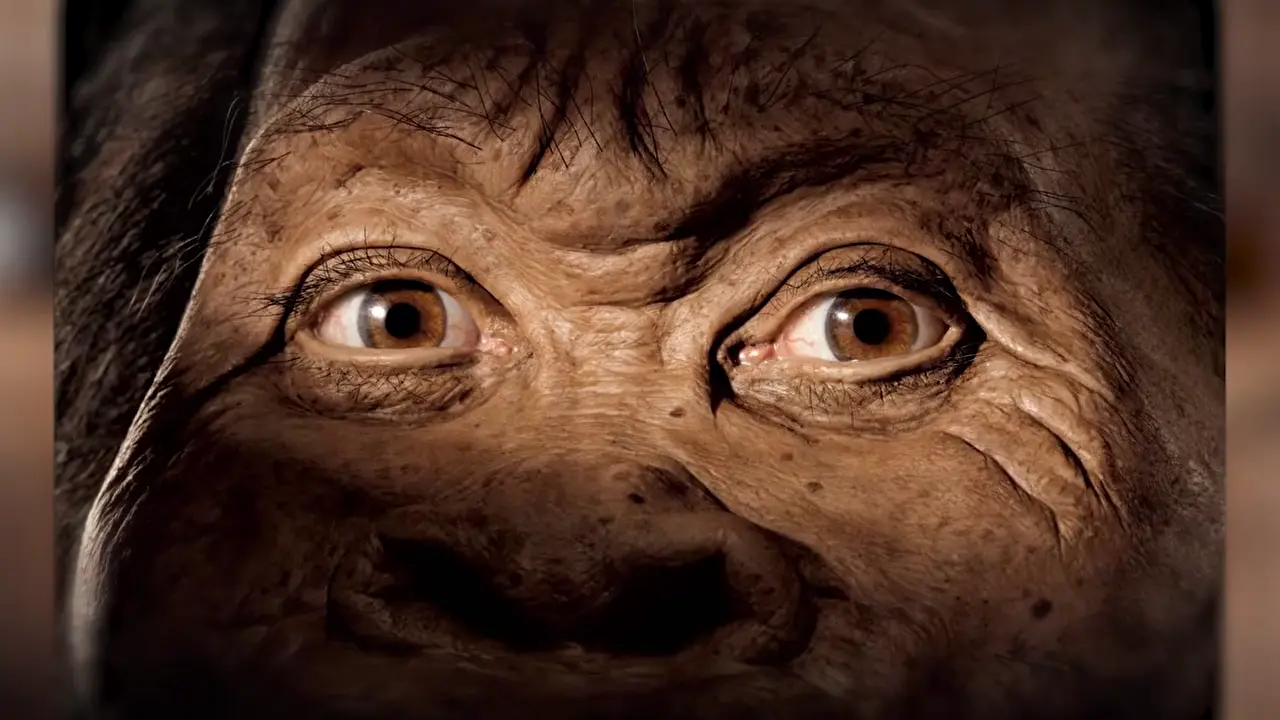
Homo naledi's small brain and mosaic anatomy
Homo naledi's small brain and mosaic anatomy. Homo naledi had a brain volume of 465-610 cm³, less than half a modern human brain The brain size is firmly within the range of…
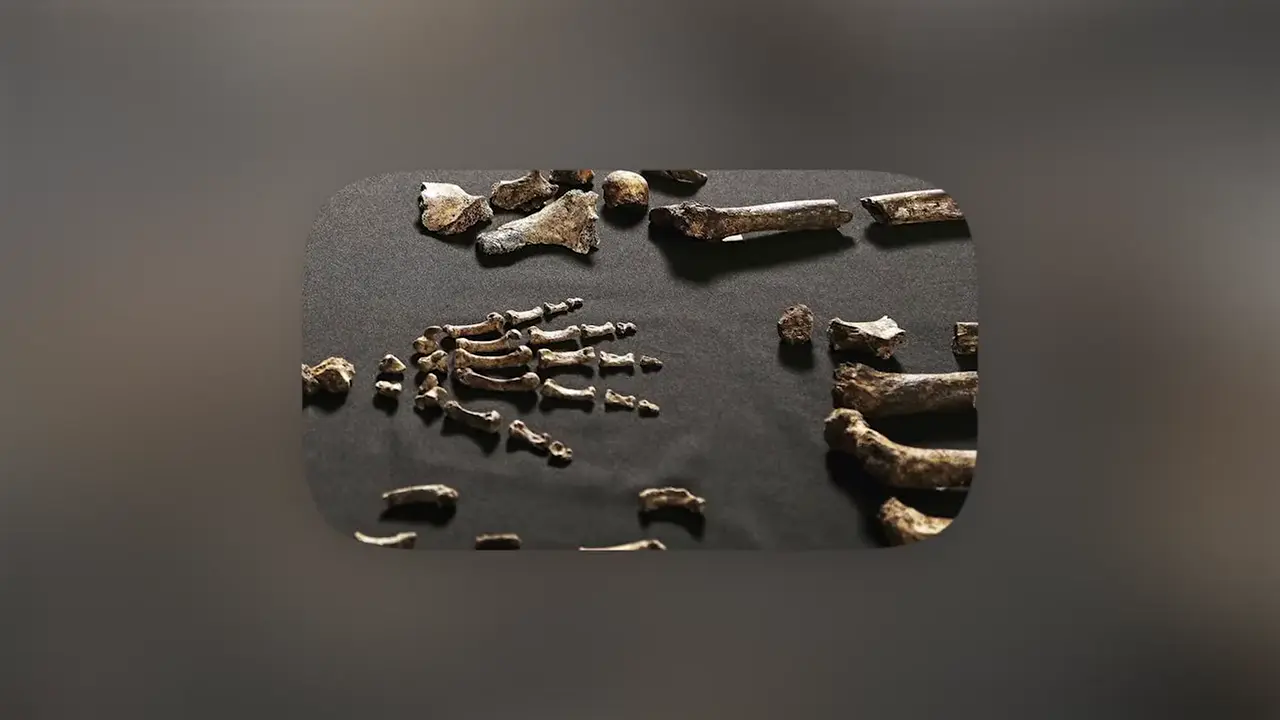
Evidence for deliberate body deposition and symbolic behavior
Evidence for deliberate body deposition and symbolic behavior. The Dinaledi Chamber contains around 1,550 fossil specimens Only Homo naledi remains are present - no antelopes,…
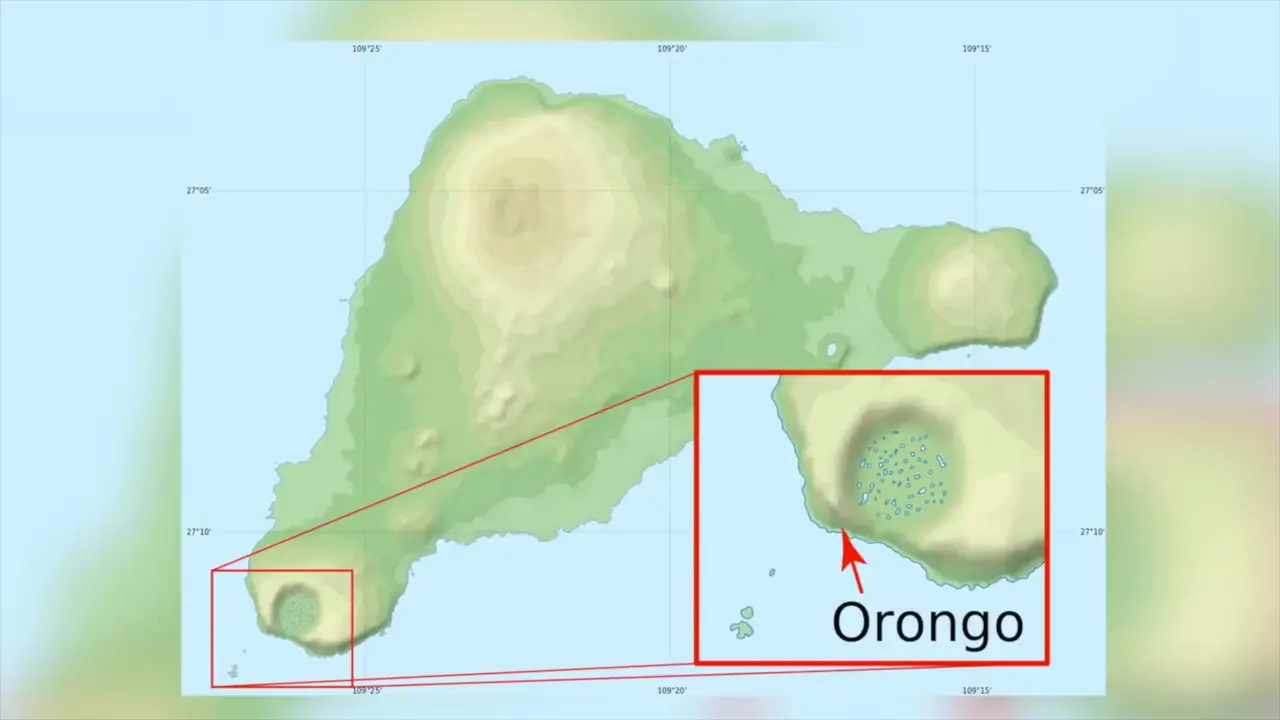
Birdman Cult’s Annual Egg-Hunt Ritual on Easter Island
Birdman cult annual egg hunt ritual on Easter Island. Sacred site of Birdman cult was a rango - narrow ridge with 1000 ft drop into ocean on one side and deep crater on other Main…
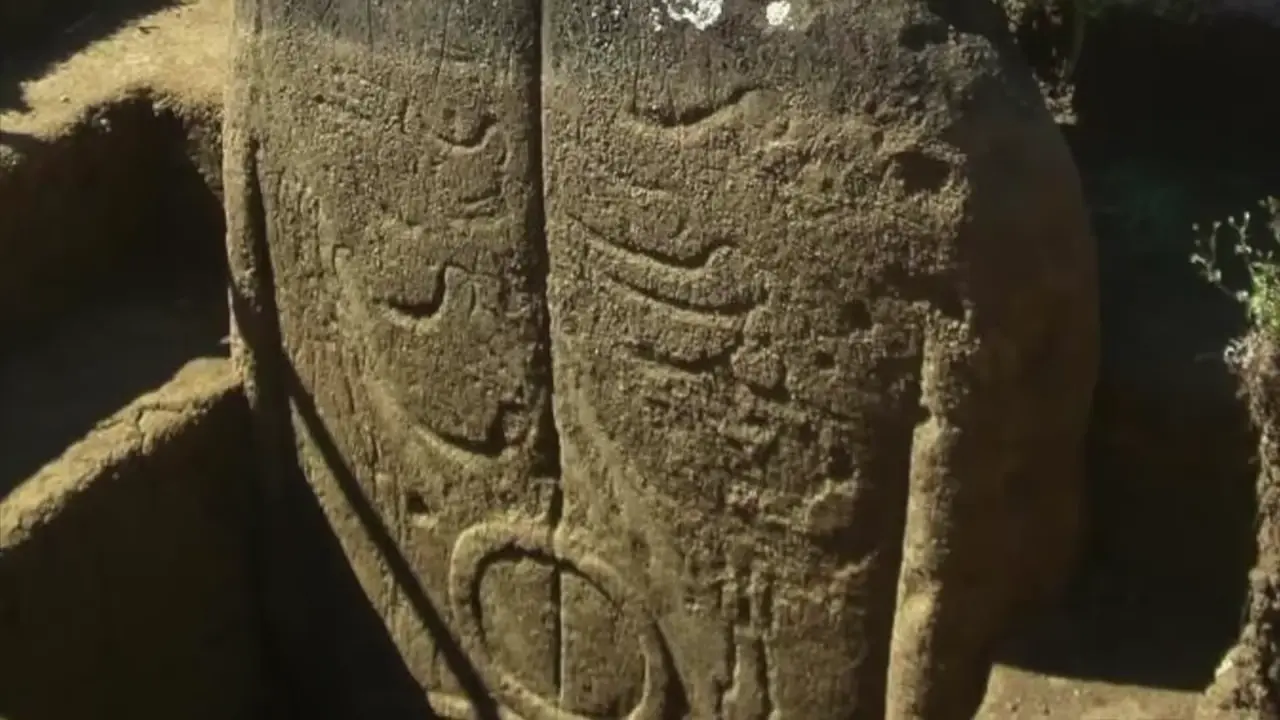
Video links some Moai back carvings to Rapa Nui’s Birdman cult
Moai back carvings depict Birdman cult added after 1400 AD. Back carvings on Moai statues relate to the Birdman cult called Rapanui which developed around 1400 AD Carvings are NOT…
Altar stone traced to Scotland; video argues it once stood upright
Altar stone origin traced to Scotland, once stood upright. Altar stone provenance recently determined to be from the Orcadian basin in northeast Scotland Previously thought to…
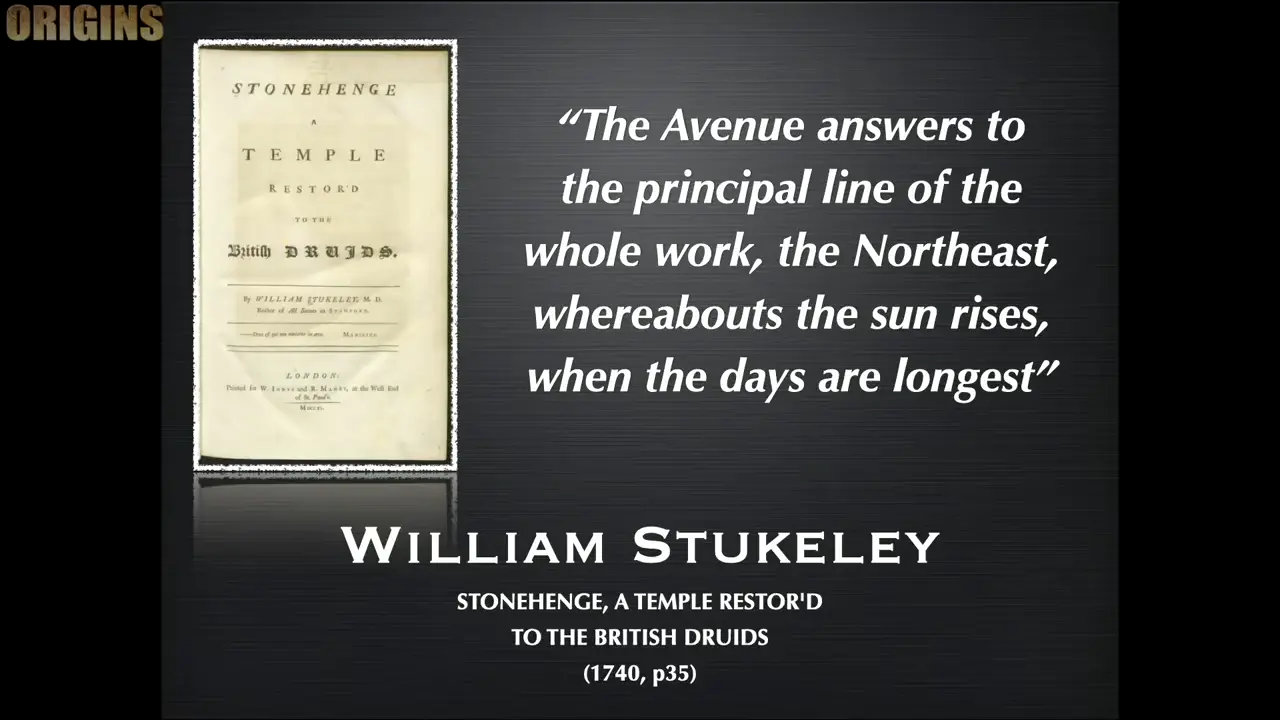
Video argues Stonehenge’s 4,500-year-old solstice axis follows the Avenue
Stonehenge solar alignments: 4,500-year-old axis verified. William Stoley in 1760s identified the avenue aligns with summer solstice sunrise, the primary axis John Smith…

Hawkins and Hoyle proposed Stonehenge's 56 Aubrey holes as an eclipse predictor
Aubrey holes as eclipse predictor: 56-pit system analyzed. Gerald Hawkins and Fred Hoyle proposed the 56 Aubrey holes could predict eclipses The Aubrey hole circle contains 56…
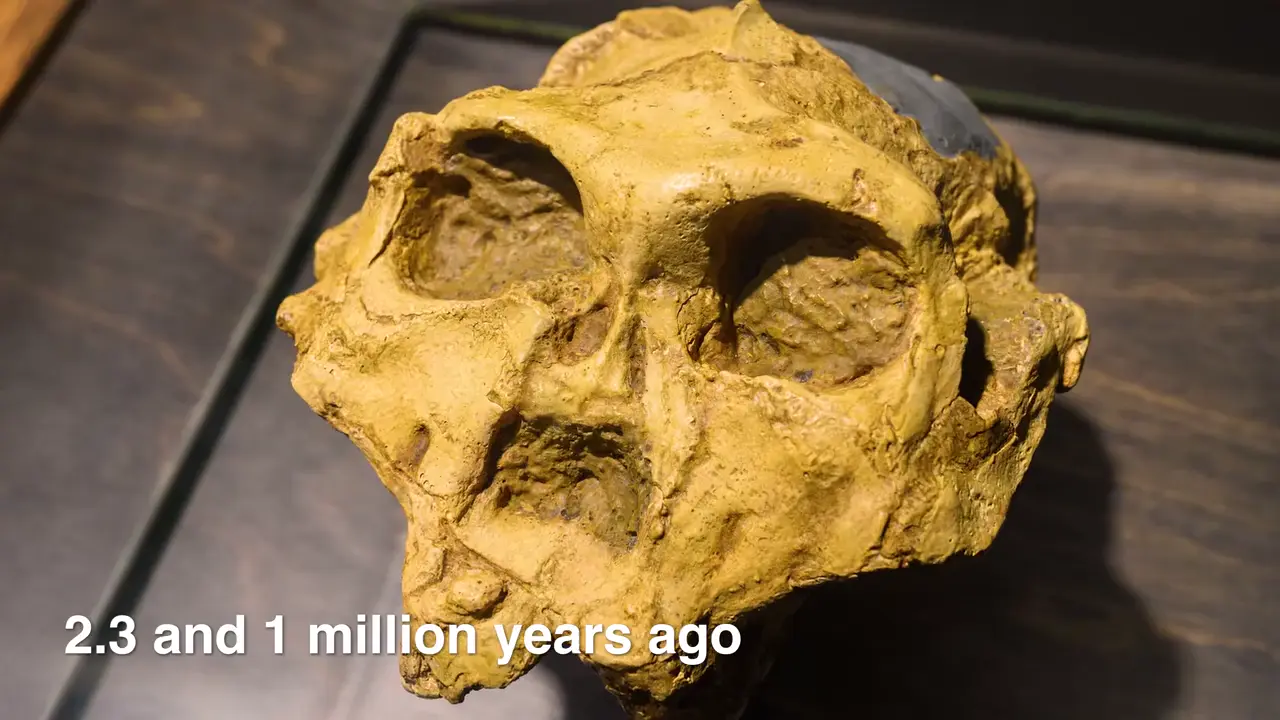
Paranthropus robustus: anatomy, diet and possible tool use
Paranthropus robustus: anatomy, diet and tool use. Paranthropus lived between 2.3 and 1 million years ago Males were approximately 1.3 m tall, females approximately 1 m tall They…
Future: protein analysis to map human evolution
Future: protein analysis to map human evolution. Paleoproteomics can peer into human evolution deeper than ancient DNA For fossils 100,000-300,000 years old, protein preservation…
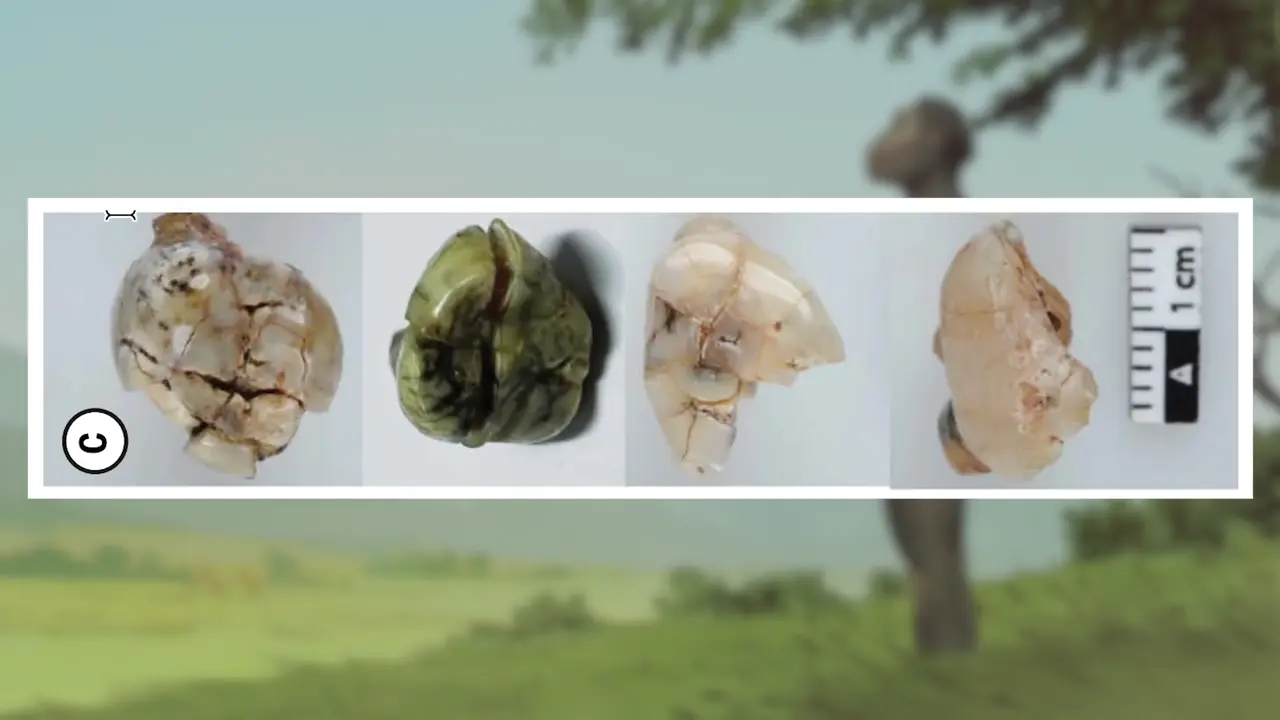
2-million-year-old tooth proteins reveal sex and variation
2-million-year-old tooth proteins reveal sex and variation. Researchers analyzed four Paranthropus robustus teeth over 2 million years old They used amelogenin proteins to…

Margaret Mead’s American Samoa study, Freeman’s critique and research bias
Margaret Mead Samoa study and anthropological bias history. Margaret Mead was the most famous anthropologist of the 20th century She studied in American Samoa to support the…

Hunting wall dating critique and underwater preservation claims
Hunting wall dating critique and underwater preservation claims. Flint Dibble presented a hunting wall dated to the Younger Dryas period The wall is actually dated to a transition…

Radiocarbon dating supports Great Pyramid chronology; video’s other claims remain unproven
Archaeology as pseudoscience and carbon dating methodology critique. Archaeology uses scientific methods but draws non-scientific conclusions Carbon dating on the Great Pyramid…

Teotihuacan predates the Aztecs; video argues archaeology undercredits Indigenous peoples
Archaeological site attribution and indigenous credit debate. Hadrian's Wall was built by Romans, but some argue indigenous Britons get insufficient credit Teotihuacan was not…

1561 Nuremberg and 1566 Basel Sky Phenomena Documented in Historical Broadsheets
1561 Nuremberg and 1566 Basel Sky Phenomena Documented in Historical Broadsheets. 1561 Nuremberg broadsheet illustrated bizarre sky event witnessed by medieval citizens August 7,…
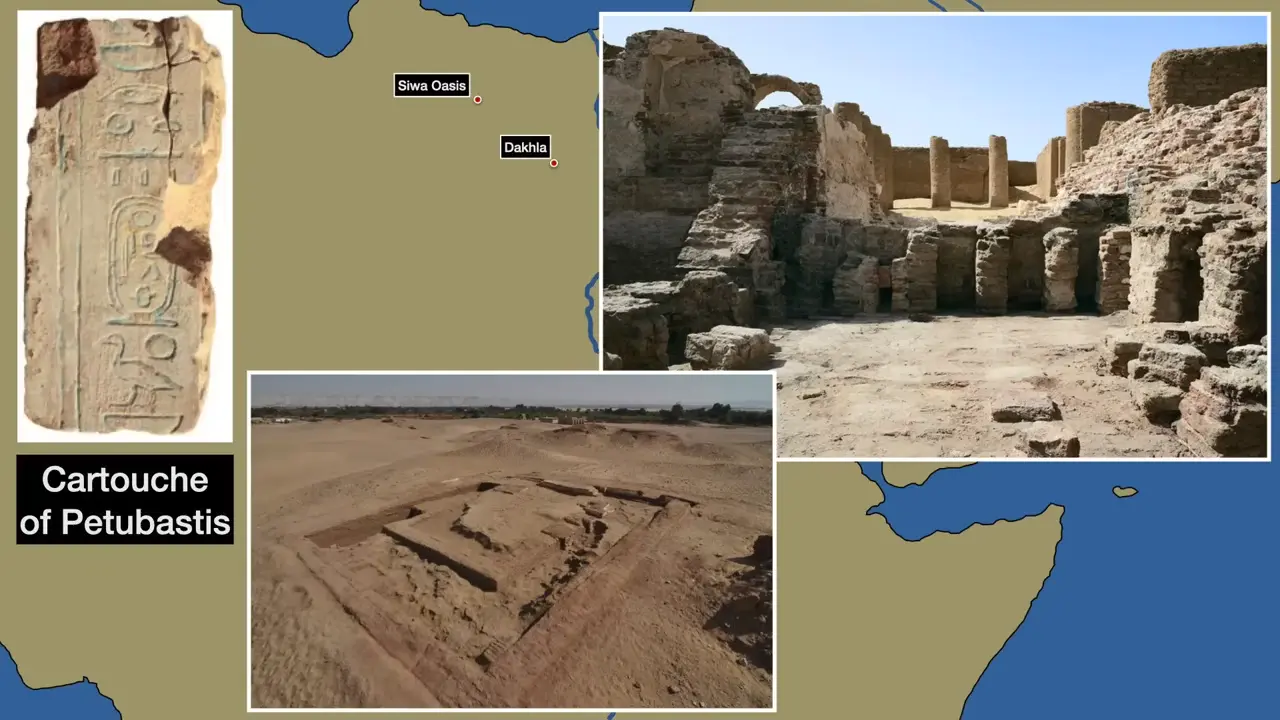
Petubastis IV cartouche found at Dakhla Oasis, reinterprets lost army story
Petubastis IV cartouche found at Dakhla Oasis, reinterprets lost army story. Excavations at Haida in Dakhla Oasis uncovered a cartouche of Petubastis IV in 2005 Further digging in…
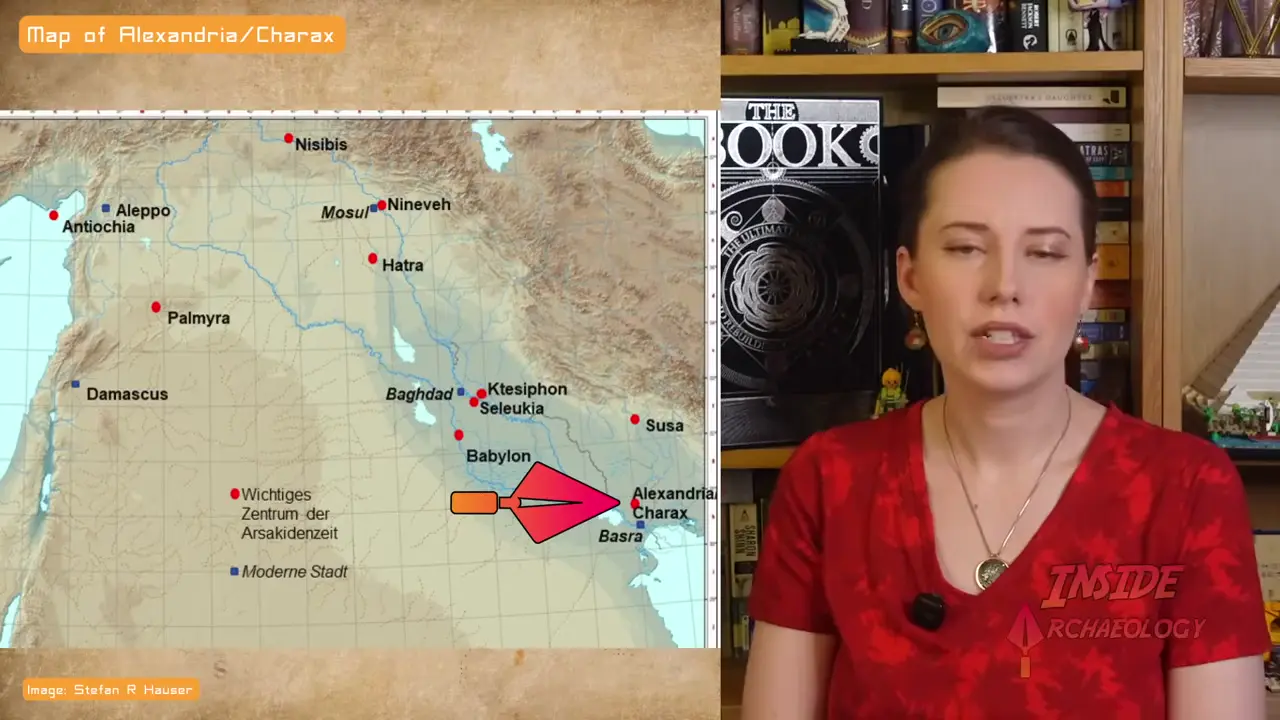
Alexander’s Alexandria on the Tigris located at Jebel Kayaber in Iraq
Alexander the Great's Alexandria in the Caucasus located in Iraq. Alexandria in the Caucasus was founded by Alexander the Great around 330 BCE Located 2 km from Gulf Coast at…
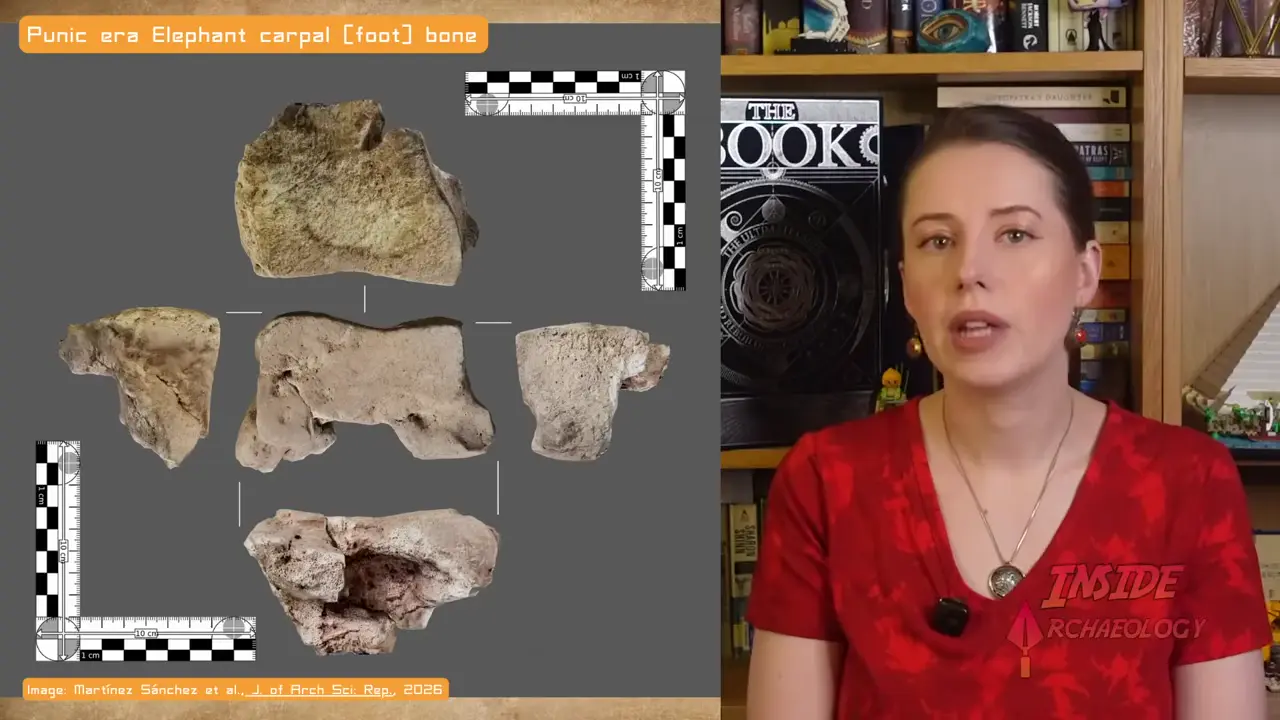
Spanish elephant bone may be first evidence of Hannibal’s war elephants
Elephant bone found in Spain linked to Hannibal's war elephants. Carpal bone from elephant's right front foot found at Hill of the Burned site in Cordoba, Spain Dated to 2300-2200…
Keep exploring
Every site on this page sits on the globe, and the people who research them are on the Discord.
3D Globe · Sites by country · Story Archive · Research Library · Weekly Journal · Search