

Story Archive
William Stukeley cast druids as a proto-Christian tradition in ancient Britain
Archbishop William Wake influenced Stukeley to frame druids as proto-Christian tradition. Archbishop of Canterbury William Wake was friends with William Stukeley Wake persuaded…
Stukeley popularized the Druid-temple reading of Stonehenge and Avebury
William Stukeley,'s 18th-century druid theory shaped modern megalithic interpretation. William Stukeley, was an 18th-century clergyman, physician, and antiquarian Stukeley,…
Stukeley's megalith illustrations shaped public perception more than his written works
Stukeley's detailed illustrations of megalithic sites had greater cultural impact than his written works. Stukeley produced 20 books on antiquarian subjects He created extensive…
Stukeley’s racetrack term “cursus” endures; processional use is debated
Stukeley's cursus interpretation as racetracks persists as processional pathways in modern archaeology. Stukeley identified cursus monuments as racetracks, coining the term…
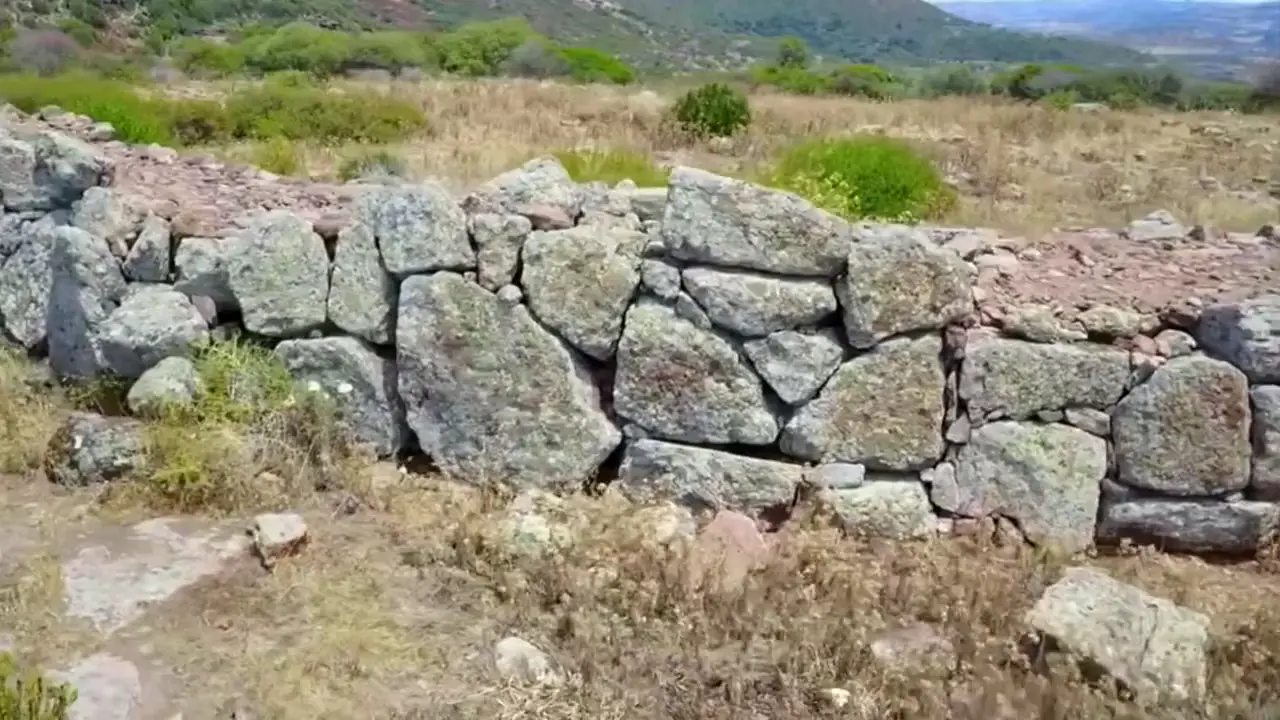
Video Argues Cyclopean Walls Responded to the 4.2 ka Drought
Cyclopean Walls Emerged as Adaptive Response to 4.2ka Drought Across Mediterranean. Cyclopean walls were built without mortar to conserve firewood during the drought period…
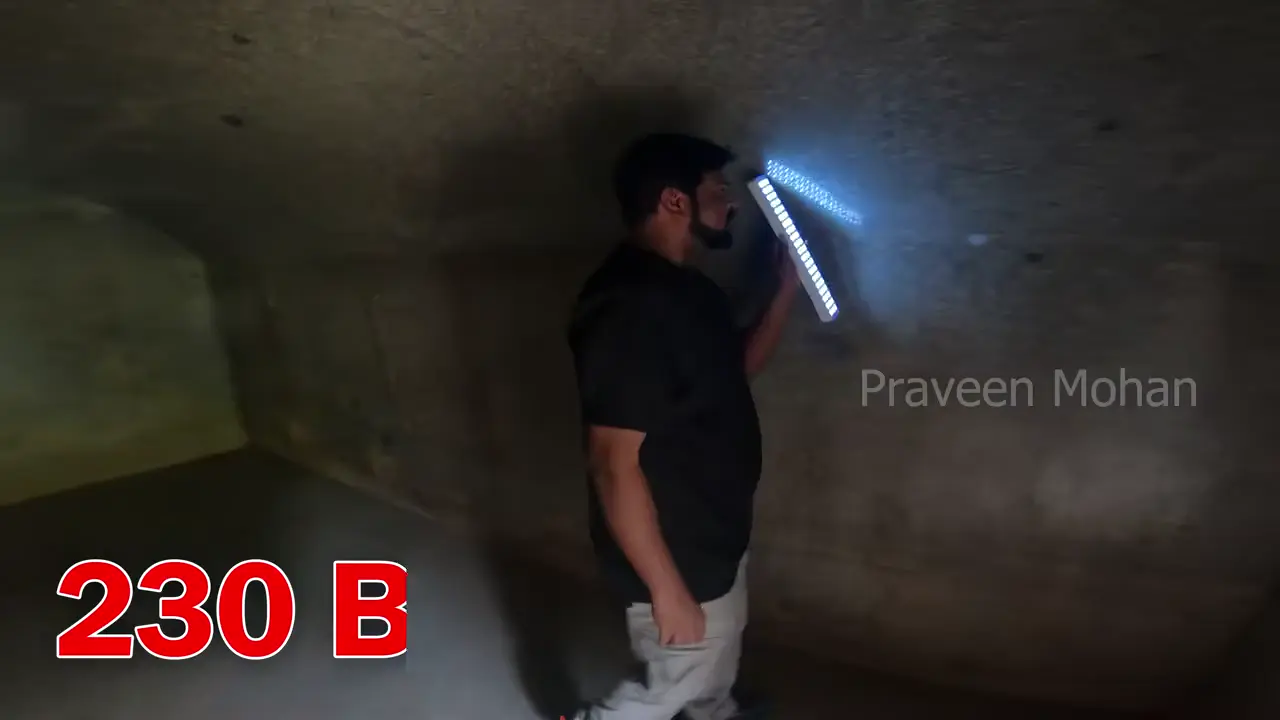
Barabar Caves in Bihar feature mirror-polished granite dating to the Mauryan era
Pandavleni Caves in Bihar feature mirror-polished granite walls carved 2,200 years ago. Caves located in Bihar state, India Built in 230 BC according to mainstream archaeology…
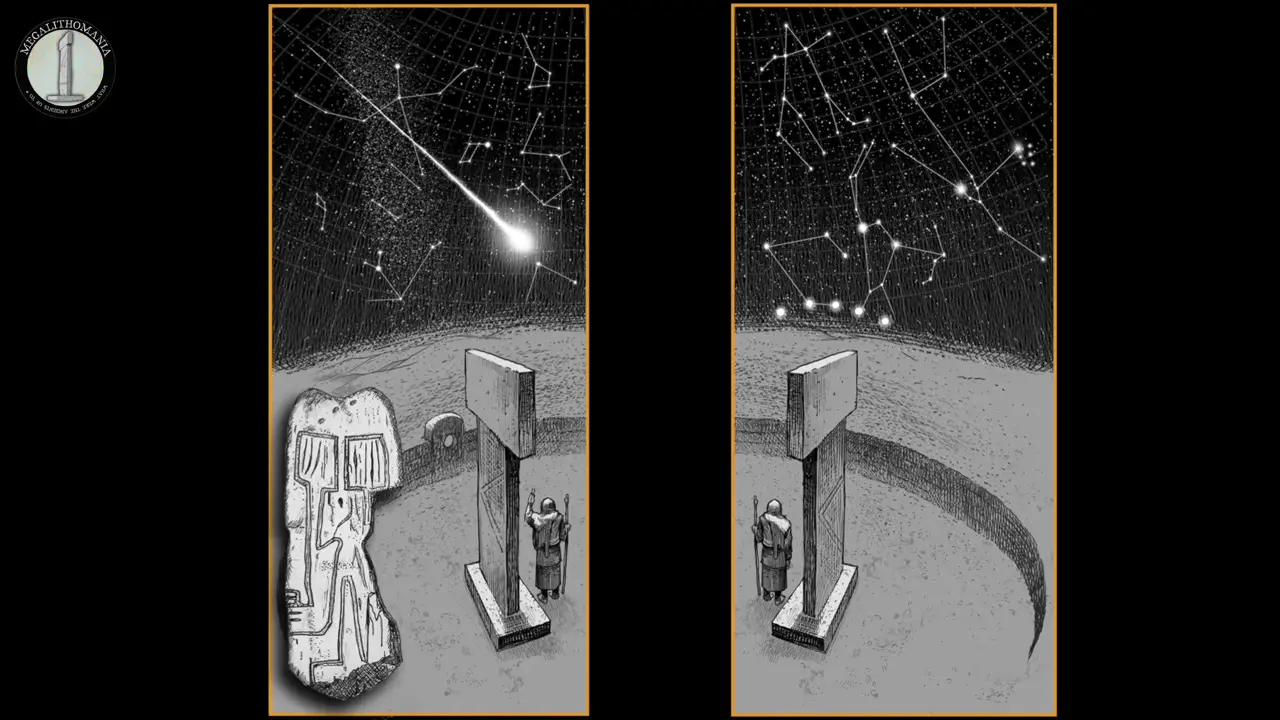
Archaeoastronomy Debate at Göbekli Tepe
Archaeoastronomy Debate at Göbekli Tepe: Turkish archaeologists are skeptical of archaeoastronomy at Göbekli Tepe and Karahan Tepe: Discussion of the role of mathematics and…
Seated Scribe – Egyptian Crystal Eyes
Seated Scribe – Egyptian Crystal Eyes. Limestone statue of a scribe with crystal eyes carved ~4,500 years ago. Eyes contain a clear rock‑crystal cone, magnesite iris, and copper…

Warring States Crystal Cup – 15.4 cm Quartz Vessel from Henan
Waring States Crystal Cup – Ancient High‑Purity Quartz Vessel. Carved from a single block of high‑purity quartz, 15.4 cm tall. Dated to the 4th–3rd centuries BC (Warring States…
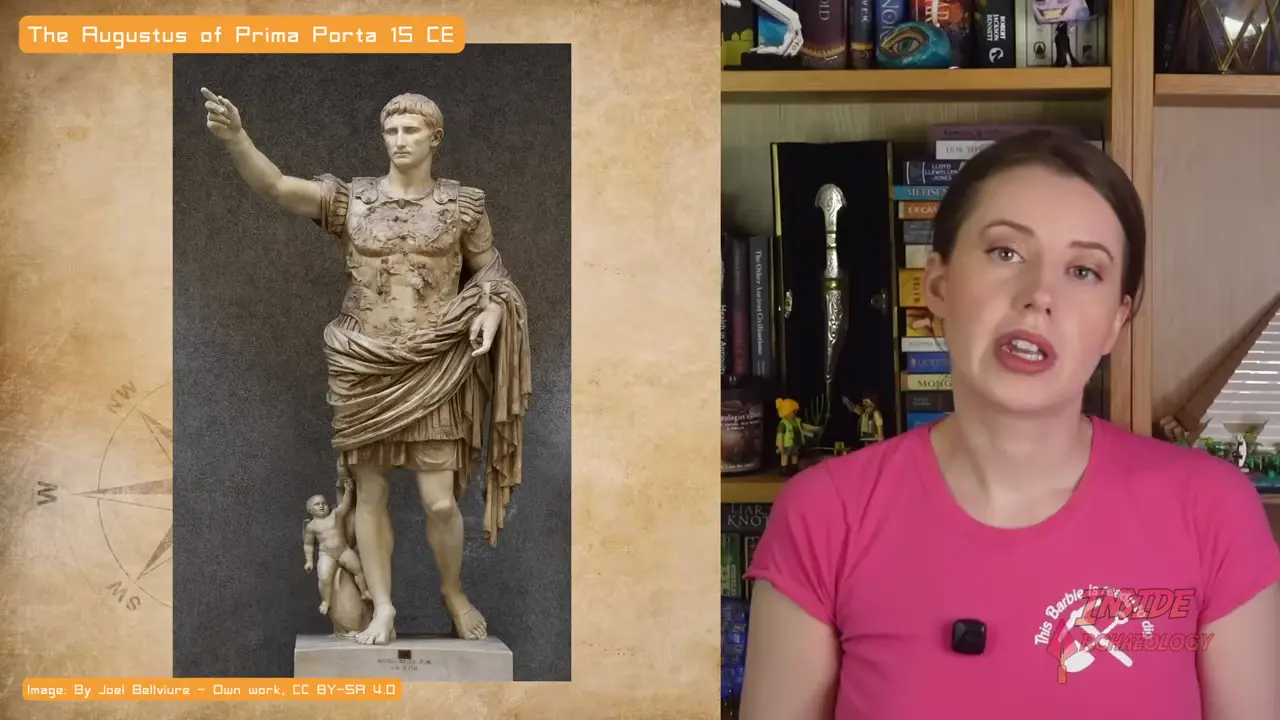
Cleopatra's Children in Roman Captivity
Cleopatra's Children in Roman Captivity. After the fall of Egypt, the three surviving children (the twins and their brother) were taken to Rome. They were paraded in heavy golden…
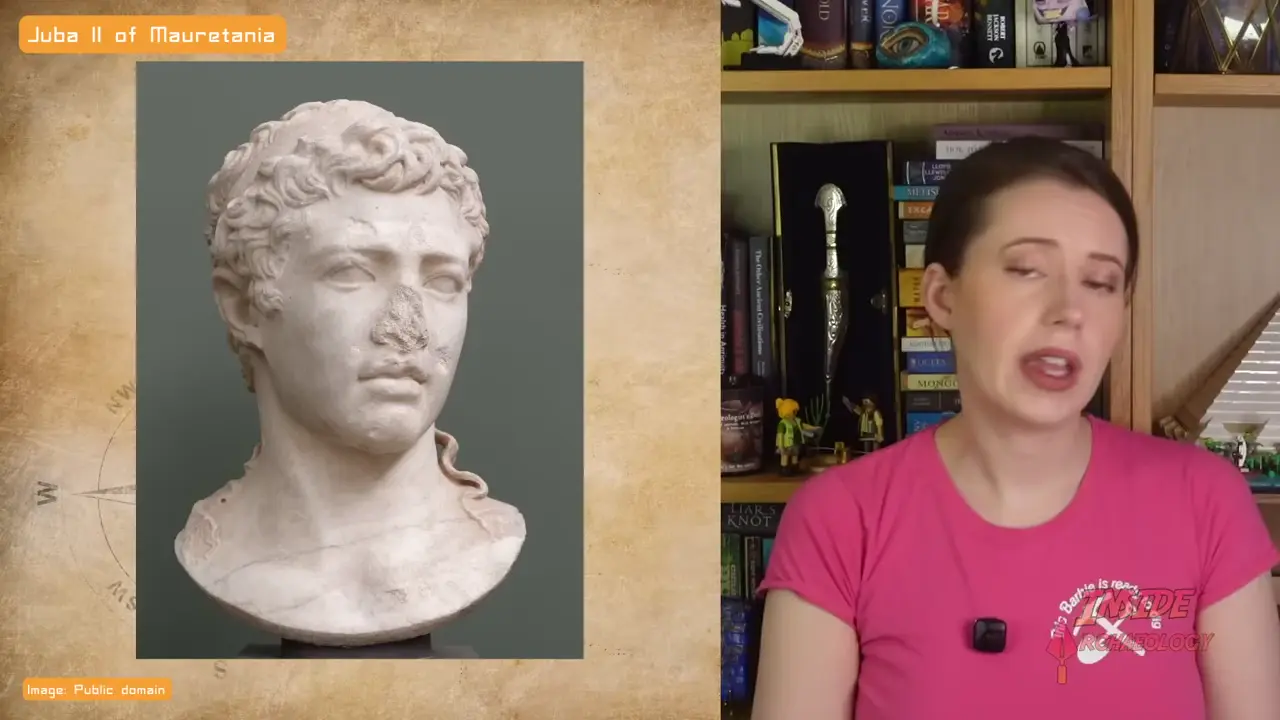
Alexander Helios's Unclear Fate; Ptolemy Philadelphus Died Before the Triumph
The Unknown Fate of Alexander Helios and Ptolemy Philadelphus. Both brothers were taken to Rome (Italy) after the defeat of Antony and Cleopatra. Ancient sources give no clear…
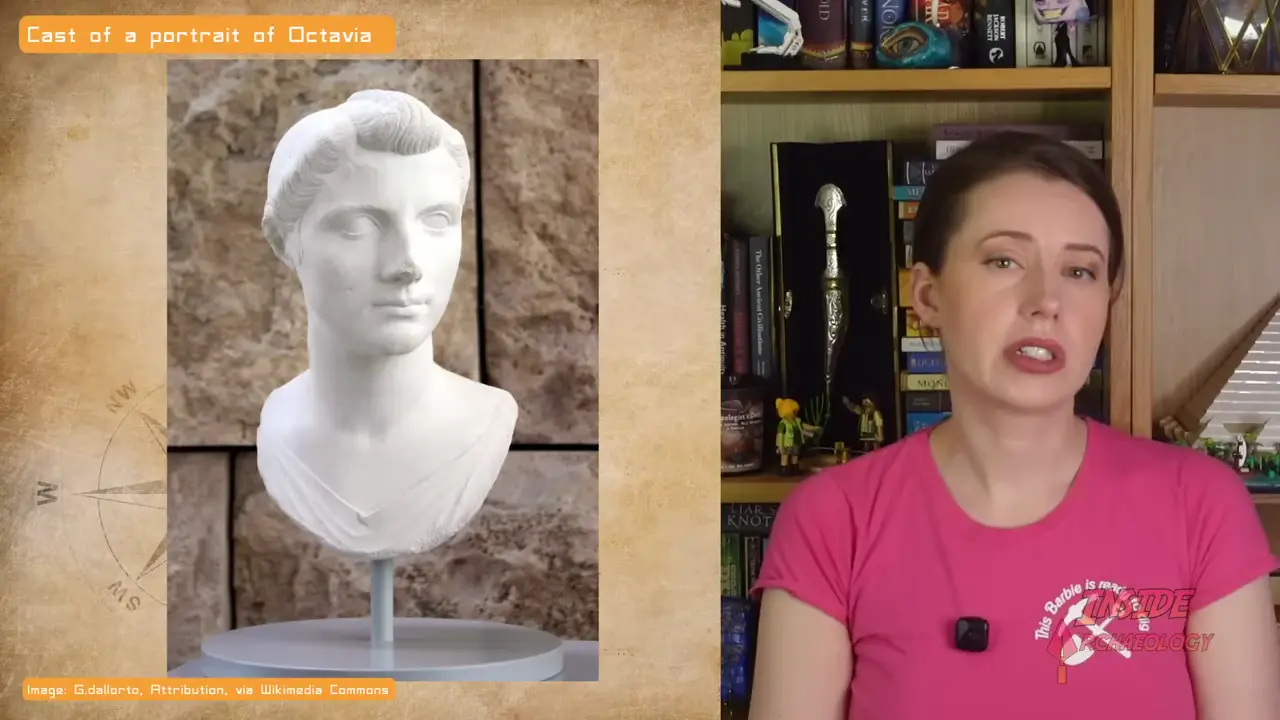
Cleopatra Selene’s Marriage to Juba II and Rule of Mauretania
Cleopatra Selene’s Marriage to Juba II and Rule of Mauretania. Cleopatra Selene married Juba II around 25 BCE. The couple ruled the kingdom of Mauretania (modern western Algeria…

Plato's Atlantis Description Re‑examined
Plato's Atlantis Description Re‑examined. Plato's account may have been mis‑translated; key Greek terms for sea, ocean, and island differ. George Sarantitis spent two years…

Gnostic Spirituality and the Divine Spark
Gnostic Spirituality and the Divine Spark. Gnostics view humanity as possessing a divine spark that originates from a higher realm. The goal is awakening this spark to ascend and…

Randall Carlson on Sacred Geometry in Ancient and Masonic Architecture
Sacred Geometry and Ancient Architectural Templates. Randall Carlson discusses how sacred geometry underlies ancient monuments worldwide. A common template appears in Egyptian…

The Video on the Great Year and Astronomical Cycles in Myth
The Great Year and Astronomical Cycles in Myth. Ancient myths encode cycles such as the 20‑year Jupiter‑Saturn eclipse pattern. These astronomical cycles were thought to influence…

Stone‑Lapping Technique for Precision Polished Surfaces
Stone‑Lapping Technique for Precision Polished Surfaces. Two stone pieces rubbed together with quartz and water to achieve high polish. Explains the smooth granite of ancient…
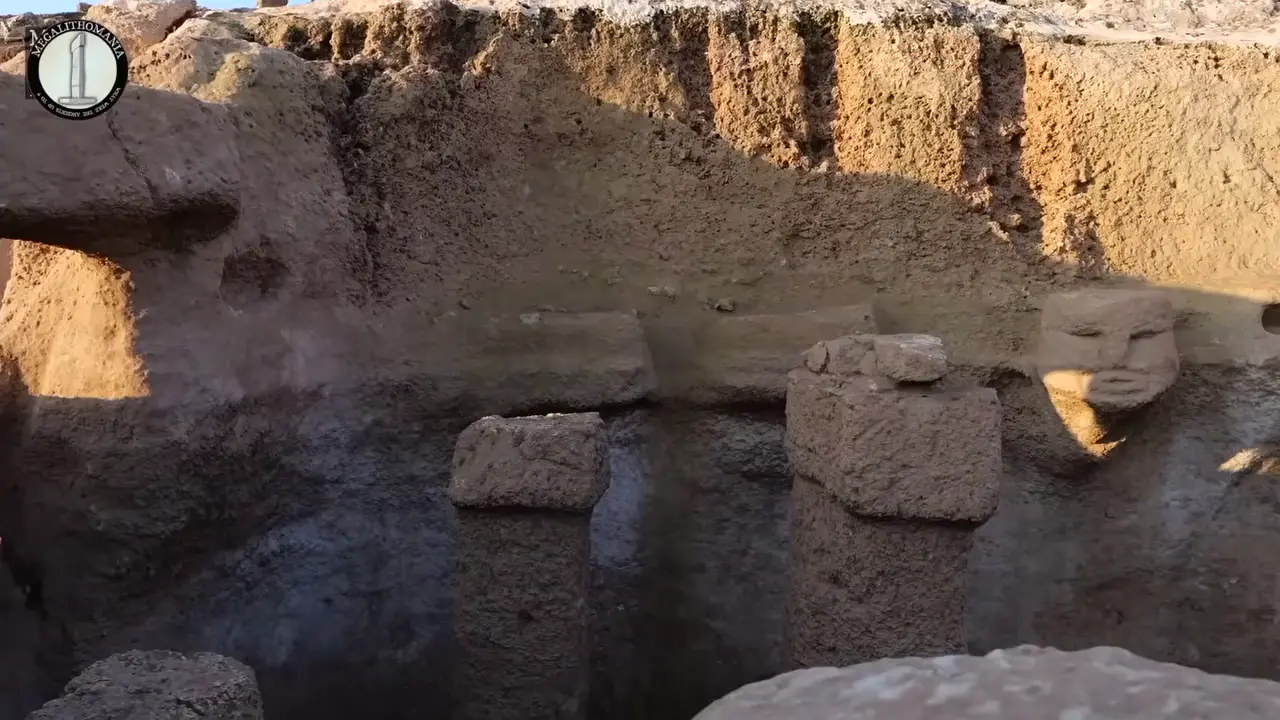
Astronomical Alignments at Göbekli Tepe/Carahan (Winter Solstice)
Astronomical Alignments at Göbekli Tepe/Carahan (Winter Solstice). Illumination of a stone head through a narrow gap on winter solstice days. Comparison to other cultures using…
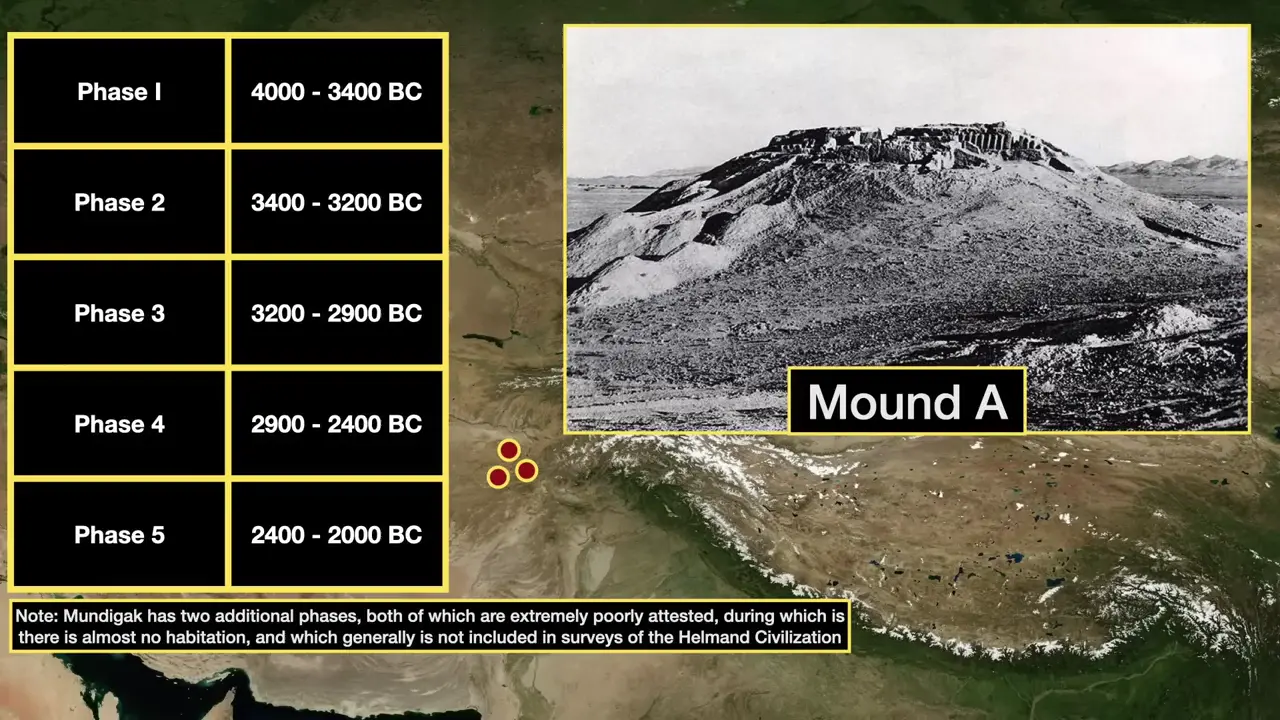
Mundigak (Mundagok): occupation, architecture and cultural evidence
Mundigak (Mundagok) Site, Subsistence, and Cultural Indicators. Located near Shahari Sukta; occupied from early phases (3500 BC) through ~1000 BC. Shows transition from mud‑brick…

Stone bias creates a distorted view of deep‑time human history
Stone bias creates a distorted view of deep‑time human history. Only the hardest materials (stone) survive long enough to be found by archaeologists. There are just nine accepted…
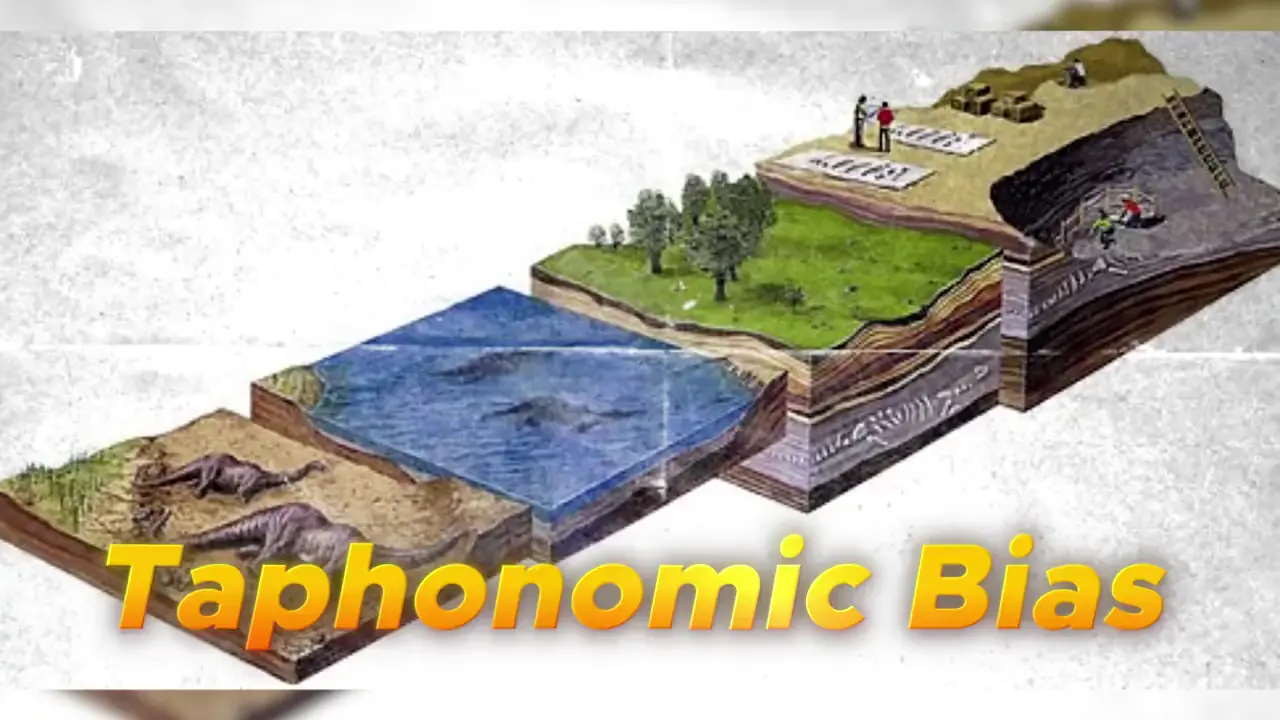
Taphonomic bias and environmental factors dictate what survives
Taphonomic bias and environmental factors dictate what survives. Acidic, moist soils rapidly destroy organic material, while dry alkaline deserts preserve it longer. Future…

Human fossils are rare, but the video's odds estimate is unsupported
Human remains are statistically unlikely to fossilize. Rapid burial, low oxygen, and favorable chemistry are required for bone fossilization. The odds of a single human becoming a…

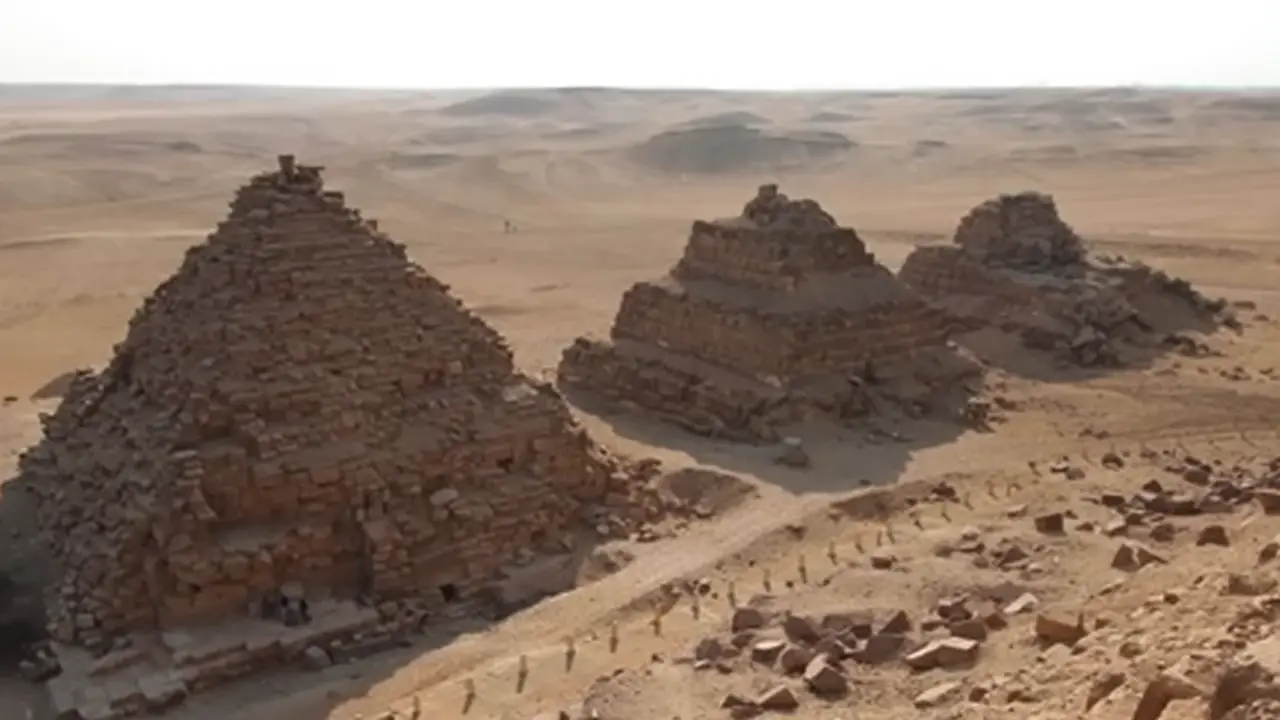
Entropy and material degradation erase modern structures
Entropy and material degradation erase modern structures. Steel and concrete structures begin to fail within decades to centuries after maintenance stops. Electrochemical…
Gravimetric Scan Data Reveals Density Variations Inside the Great Pyramid
Gravimetric Scan Data Reveals Density Variations Inside the Great Pyramid. 1980s gravimetric measurements (~2,000 points) showed an overall density of ~2.05 g/cm³, lower than…
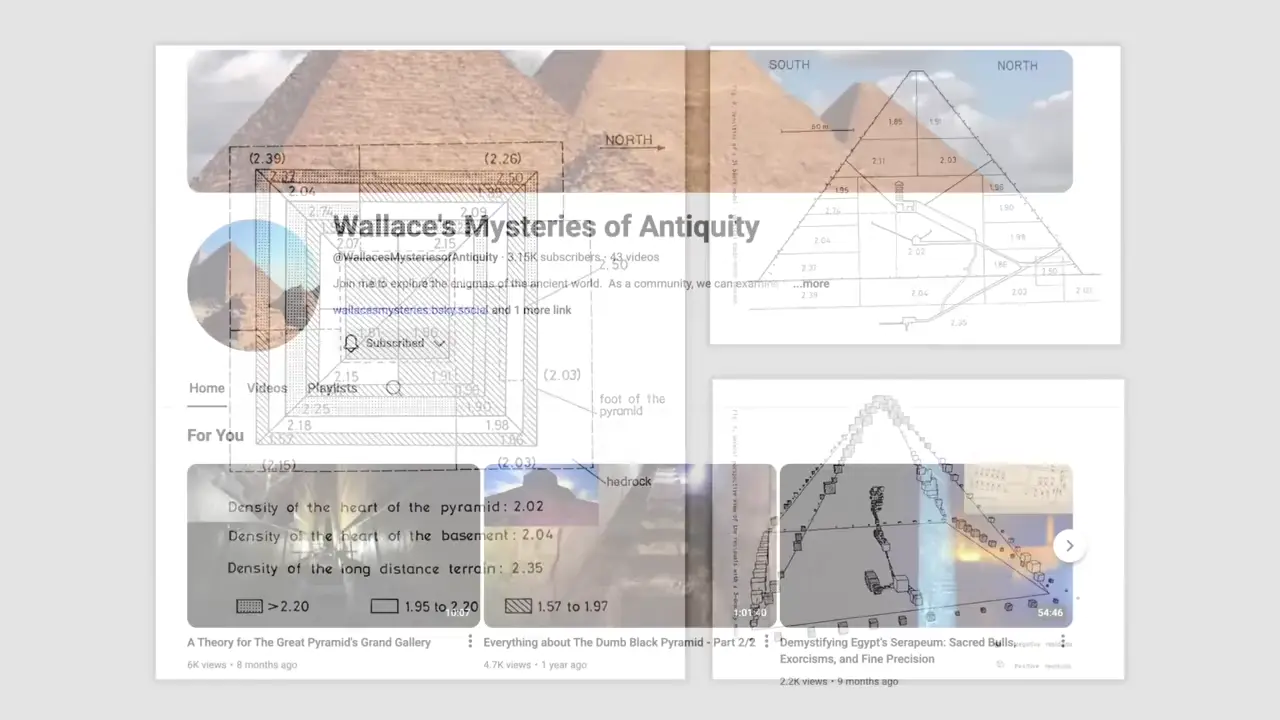
Competing Interpretations: Internal Ramp vs. Stepped Core
Competing Interpretations: Internal Ramp vs. Stepped Core. Jean Pierre Houdan proposes an internal spiraling ramp used during construction. Keith Hamilton and others argue the…

Video argues fantasy archaeology can fuel scientific distrust and extremist ideas
Fantasy archaeology undermines critical thinking and can spread harmful ideologies. It discourages evidence‑driven inquiry and teaches that contradiction is oppression. The…

Fantasy archaeology persists through psychological and social motivations
Fantasy archaeology persists through psychological and social motivations. It offers escapist fiction, mystery, and a sense of wonder that counters mundane education. Belief in…

Conspiracy thinking and distrust of institutions fuel pseudo‑archaeology
Conspiracy thinking and distrust of institutions fuel pseudo‑archaeology. Fantasy archaeology frames mainstream scholars as gatekeepers suppressing truth. Distrust of expertise…
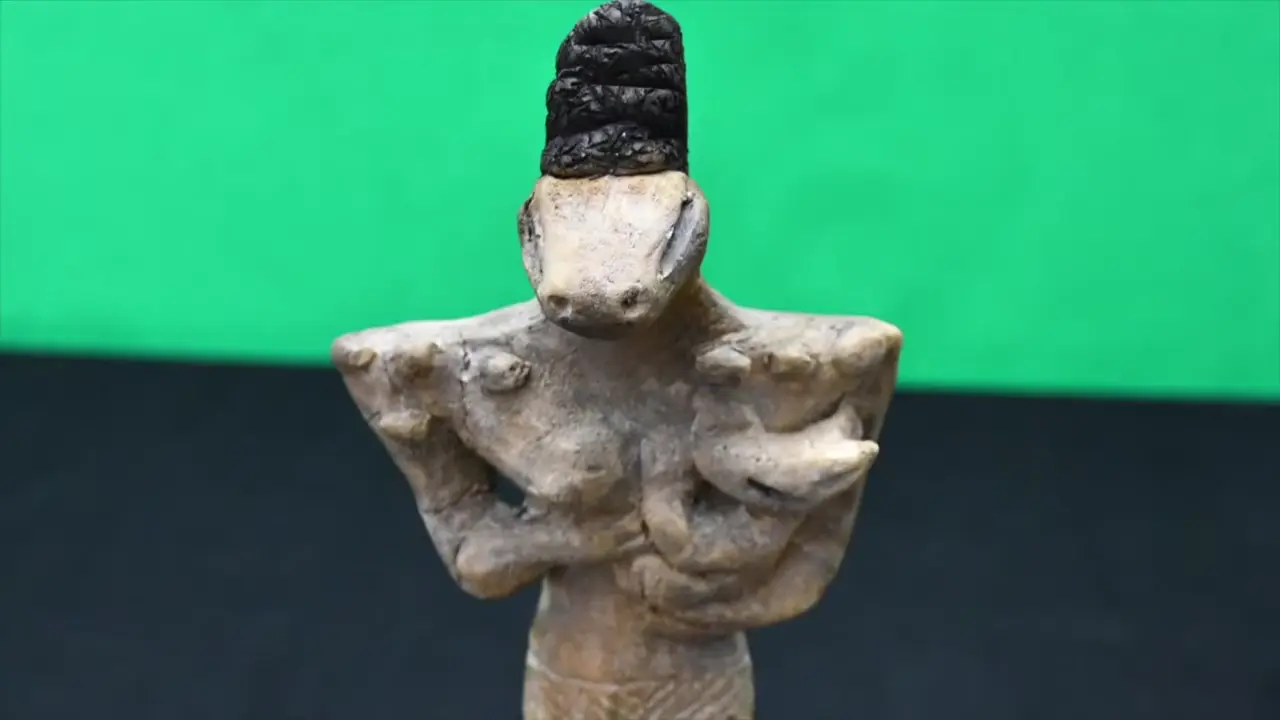
Ophidian (reptilian) figurines of the Ubaid culture
Aphidian (reptilian) figurines of the Ubaid culture. Terracotta figurines with elongated heads, coffee‑bean eyes, and snake‑like features are classified as Aphidian figurines.…
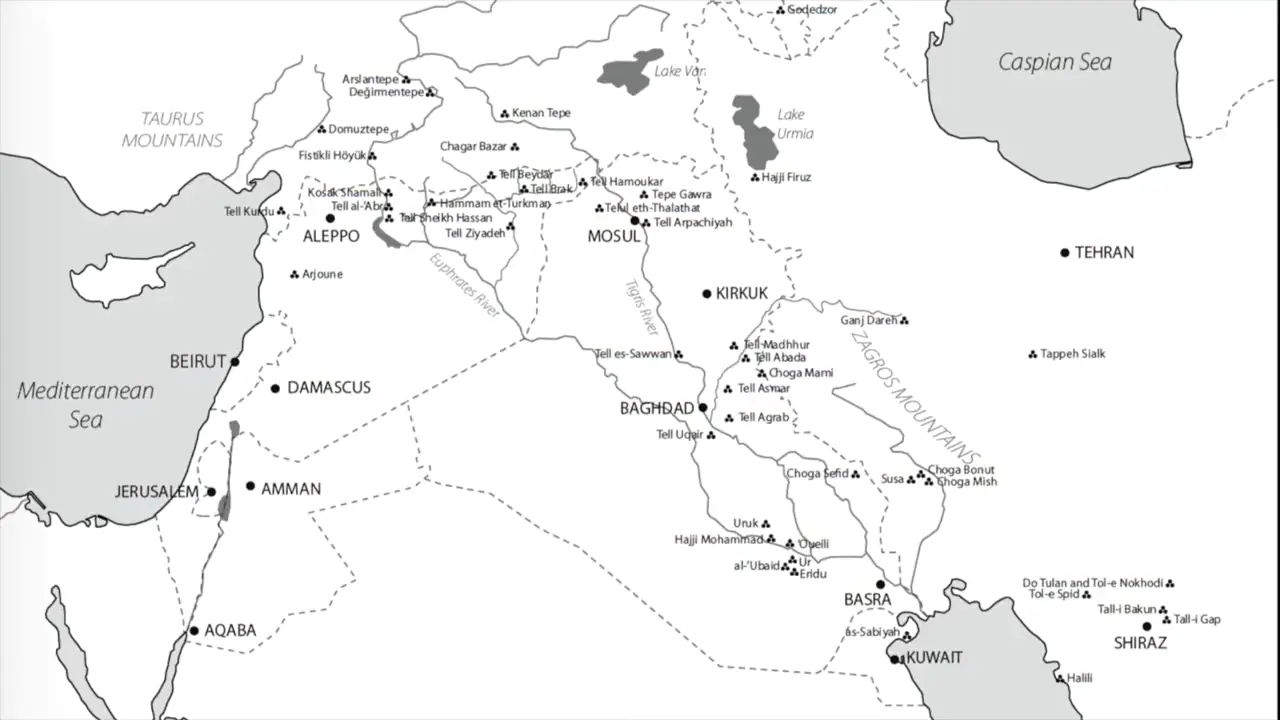
Interpretations and possible functions of Ubaid ophidian figurines
Interpretations and possible functions of the Aphidian figurines. Scholars suggest the elongated heads could indicate head‑binding practices of the Ubaid culture. Figurines appear…
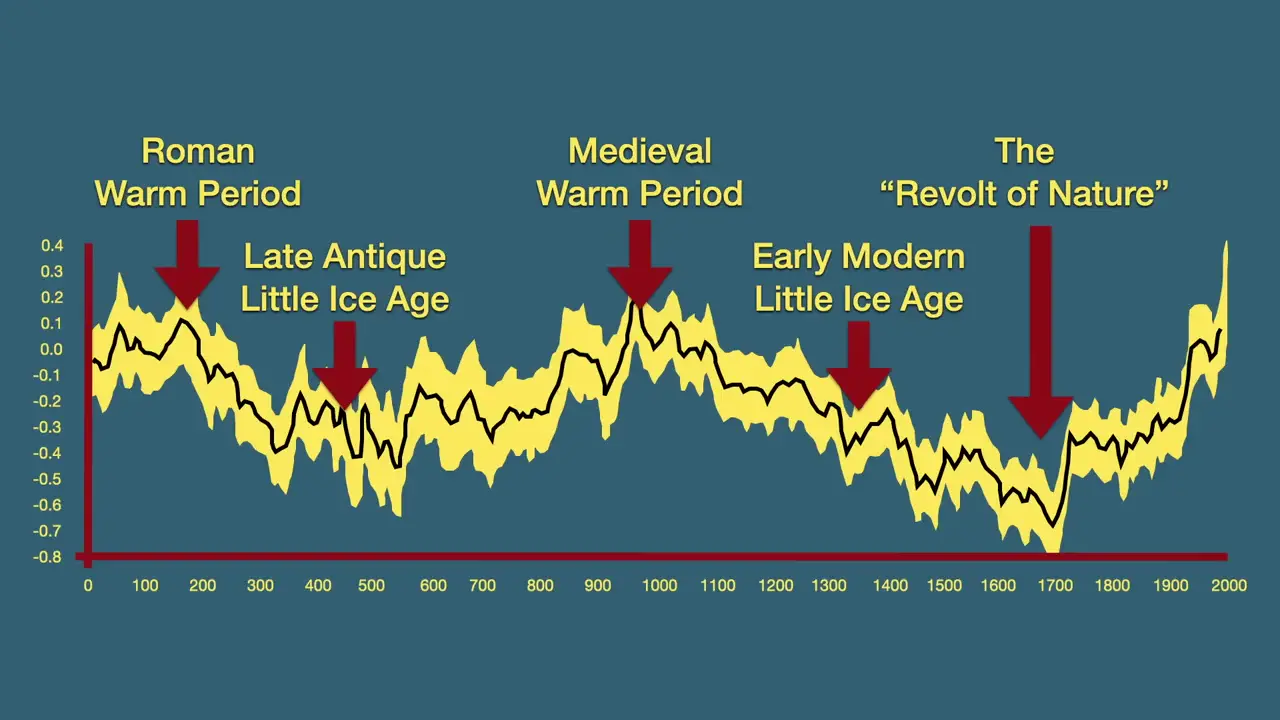
Socio‑Economic Impacts of Climate Change on the Roman World
Socio‑Economic Impacts of Climate Change on the Roman World. Warmer climate supported intensive agriculture, enabling a population of 60–75 million by 180 AD. Famine and food…
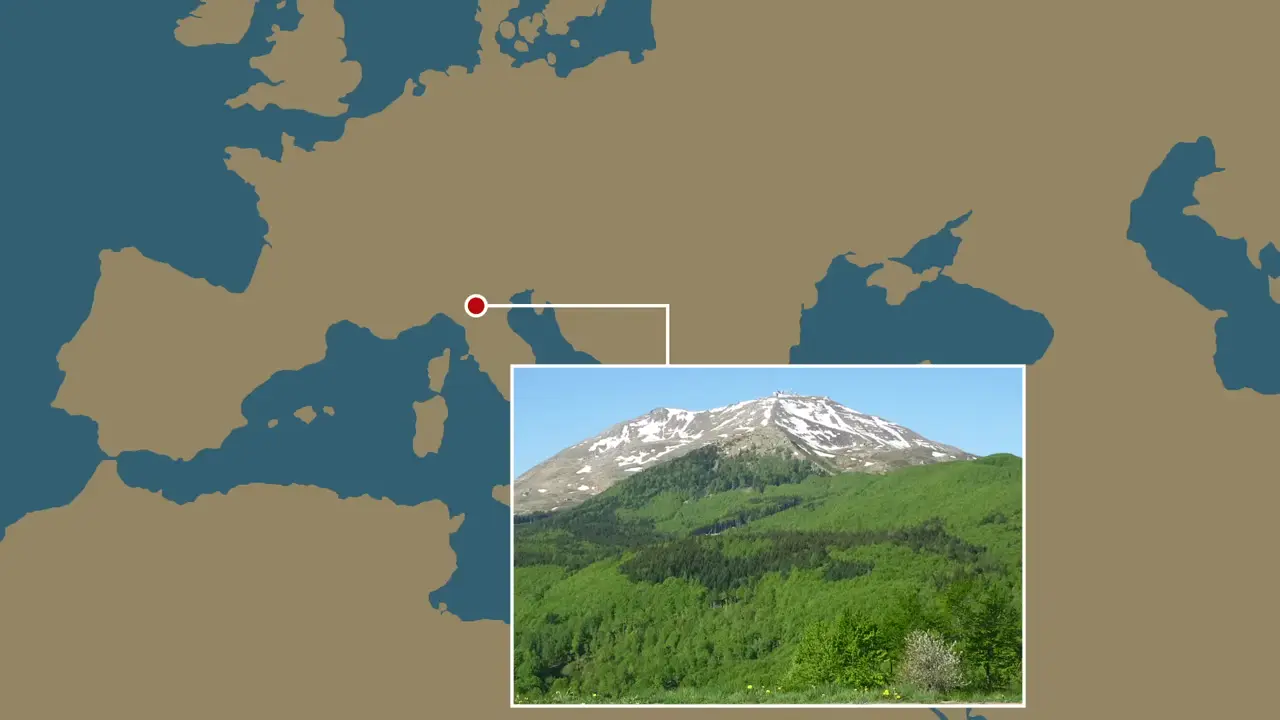
Roman Warm Period: Regional Warmth and Wetter European Conditions
Climate Characteristics of the Roman Warm Period. Summer temperatures 2–3 °C warmer than today between 250 BC and 150 AD. Increased precipitation; wet Iberian Roman humid period…
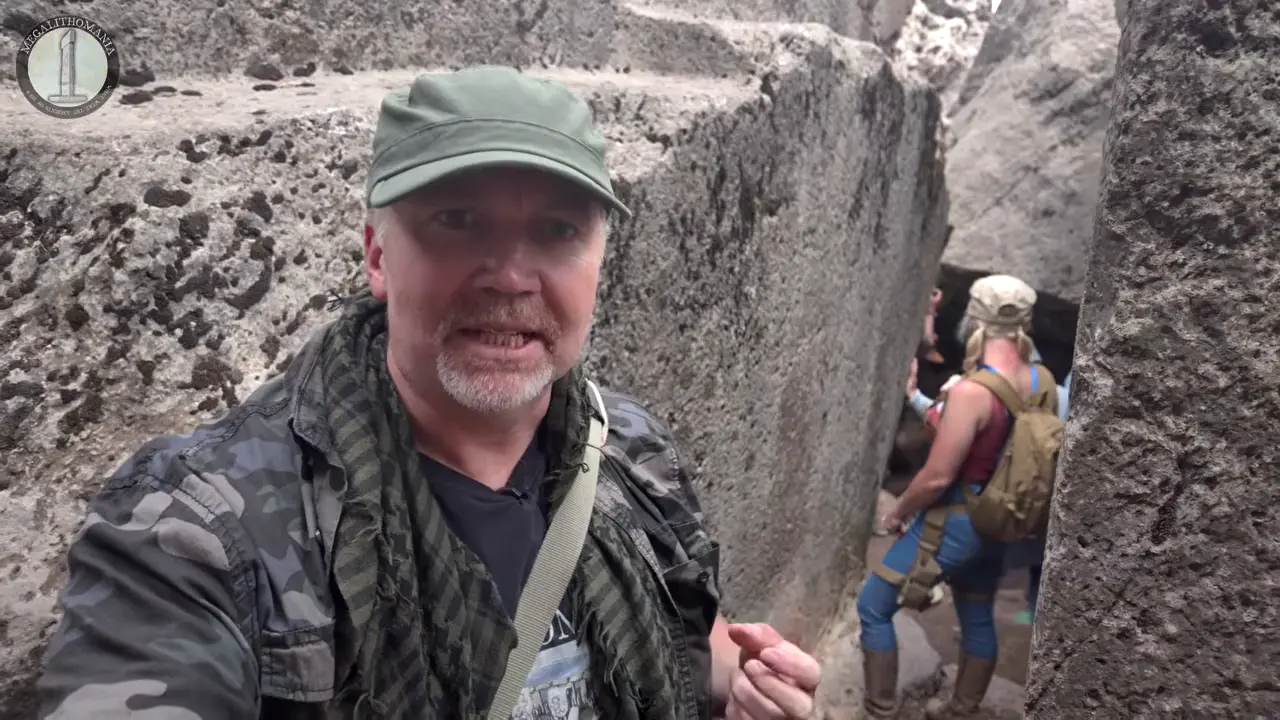
Chincana Underground Tunnel Network Linking Coricancha and Sacsayhuamán
Chincana Underground Tunnel Network Linking Coricancha and Sacsayhuamán. Researchers confirmed an underground tunnel (Chincana) connecting the Coricancha Temple to Sacsayhuamán.…
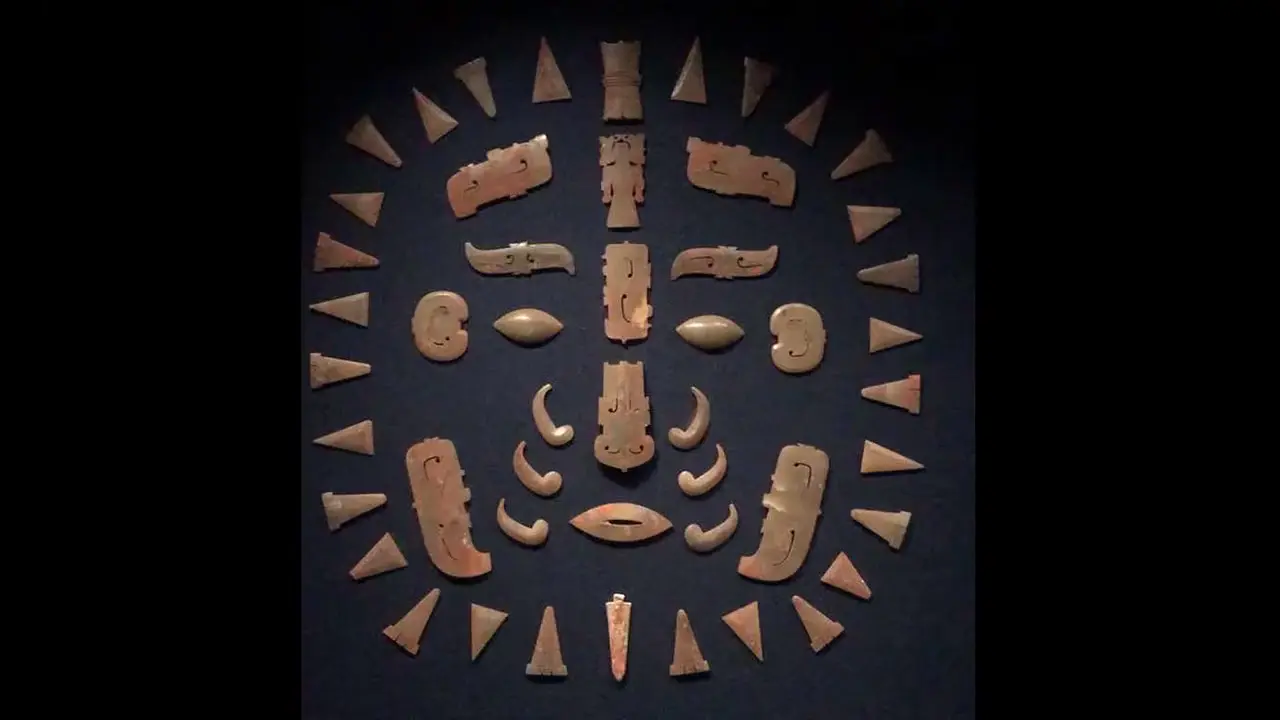
Liangzhu Jade Burial Custom and Ritual Significance
Liangzhu Jade Burial Custom and Ritual Significance. Liangzhu Bi discs were found in large numbers in elite tombs covering bodies from head to toe Bi discs symbolize heavens,…
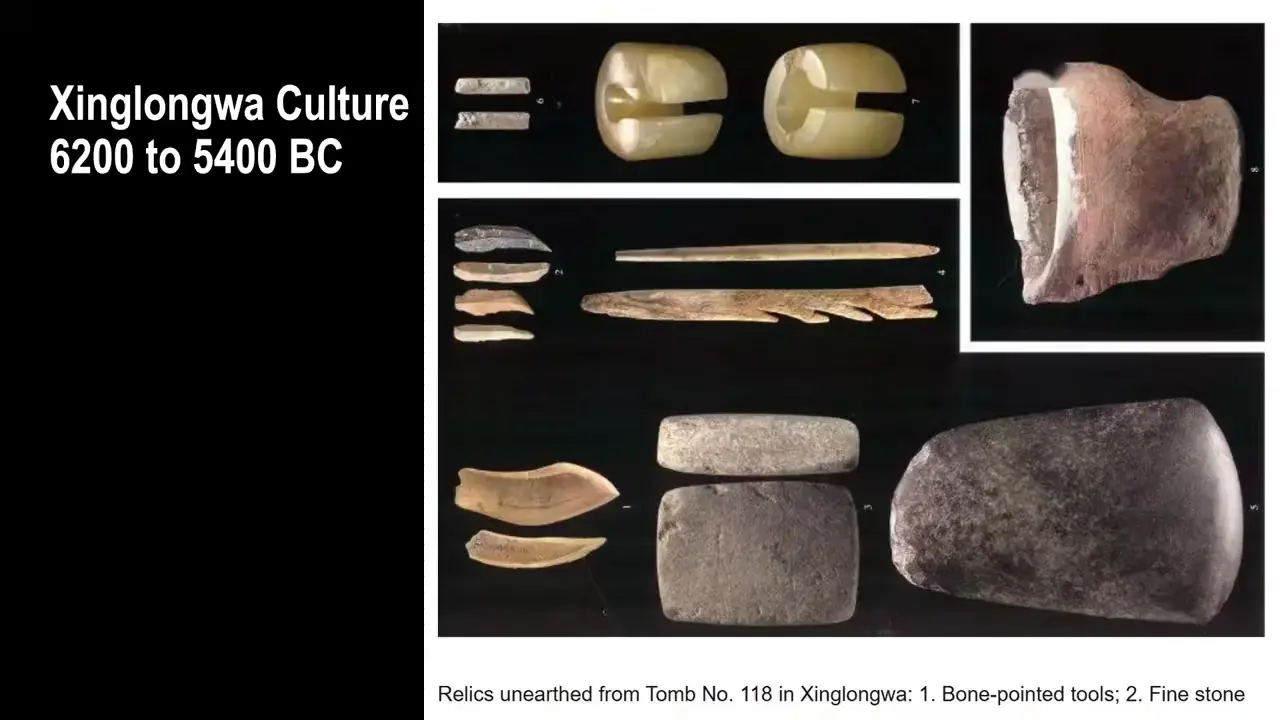
Chinese Neolithic Jade Bi Disc Manufacturing Techniques
Chinese Neolithic Jade Bi Disc Manufacturing Techniques. Hongshan, Lingjiatan, and Liangzhu are the three major prehistoric jade cultures in China, with Liangzhu being the…
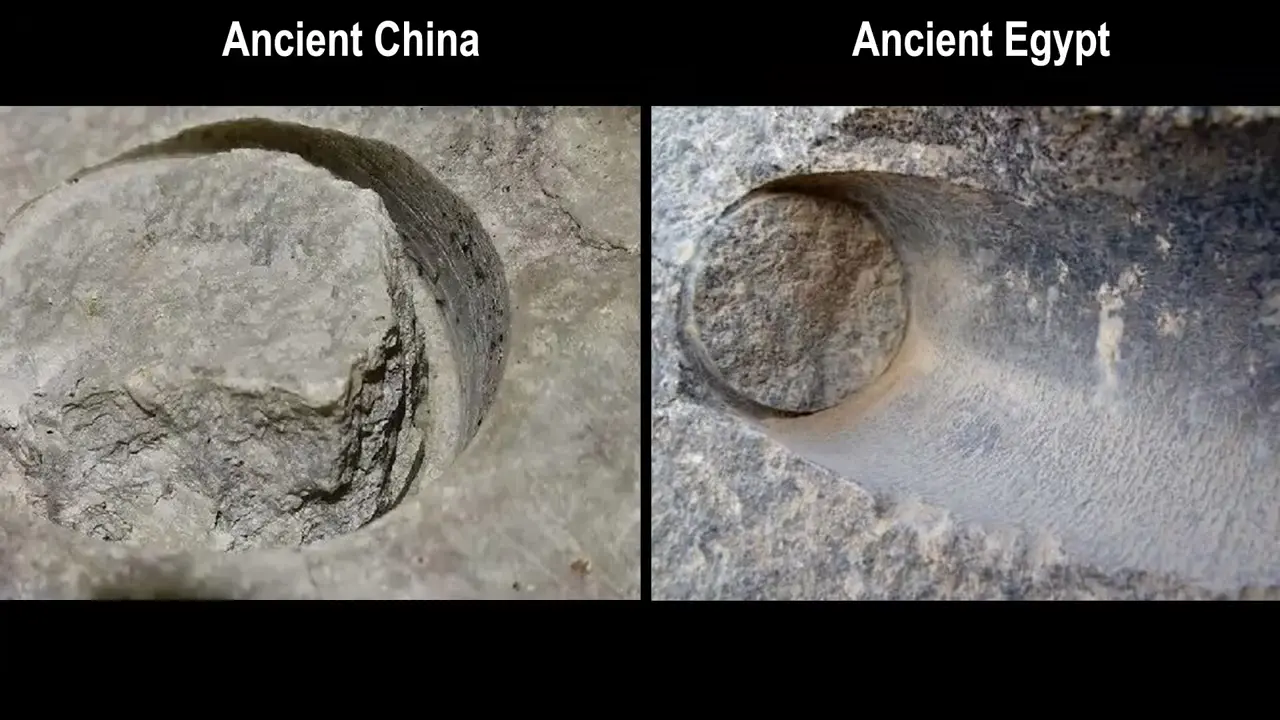
Tool Mark Similarities: Chinese Jade vs Egyptian Stone
Tool Mark Similarities: Chinese Jade vs Egyptian Stone. Tubular drill marks on ancient Chinese jade resemble markings on Predynastic and Dynastic Egyptian stone vases and granite…
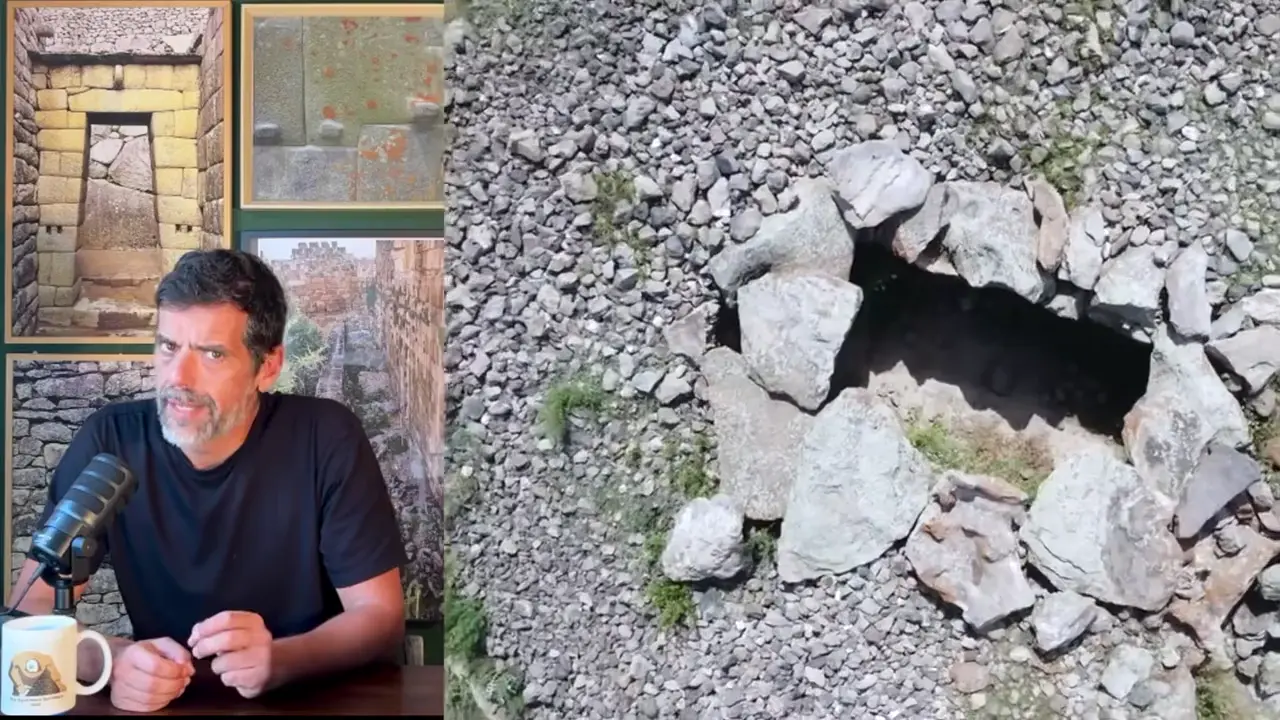
Flood Myths vs. Driest Century – No Biblical Flood Evidence
Flood Myths vs. Driest Century – No Biblical Flood Evidence. The video discusses several known ancient floods (Carmel Coast tsunami, Black Sea flood, Thera eruption) but none…
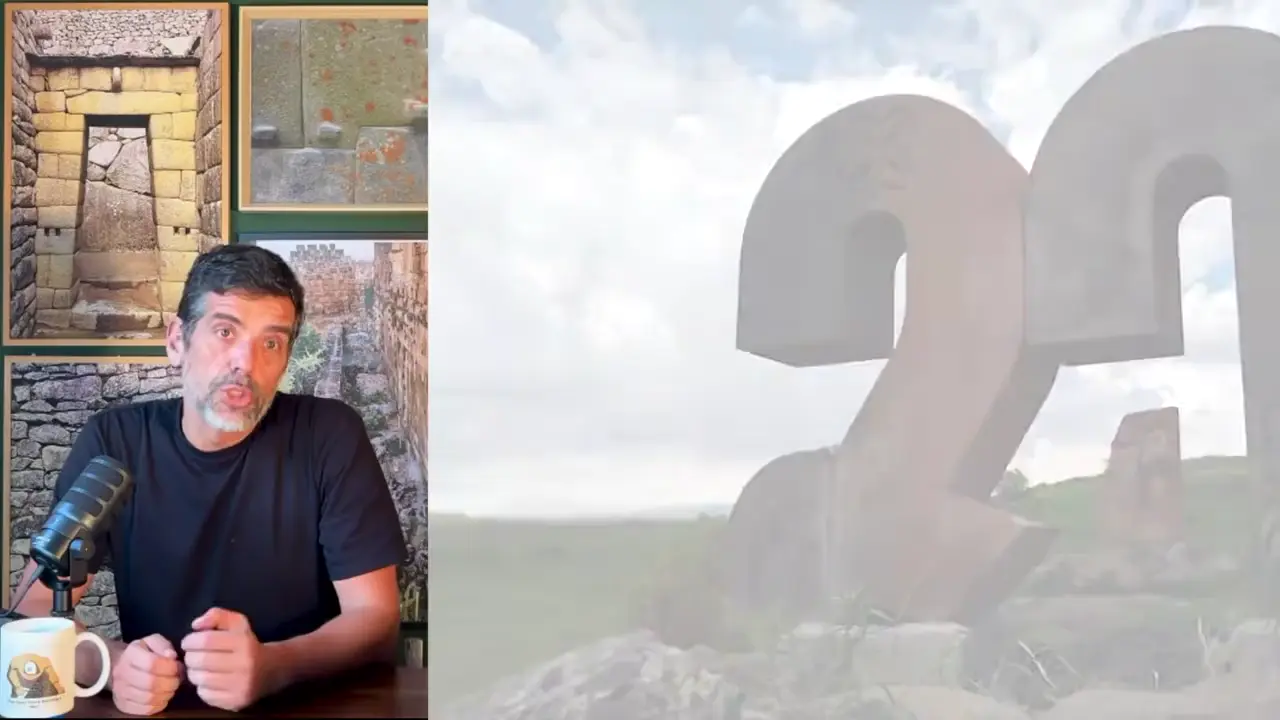
Linguistic and Cultural Traits of Early Armenian Populations
Linguistic and Cultural Traits of Early Armenian Populations. Local languages (Georgian, Armenian) were historically insular and lacked a writing system until ~500 AD. Early…
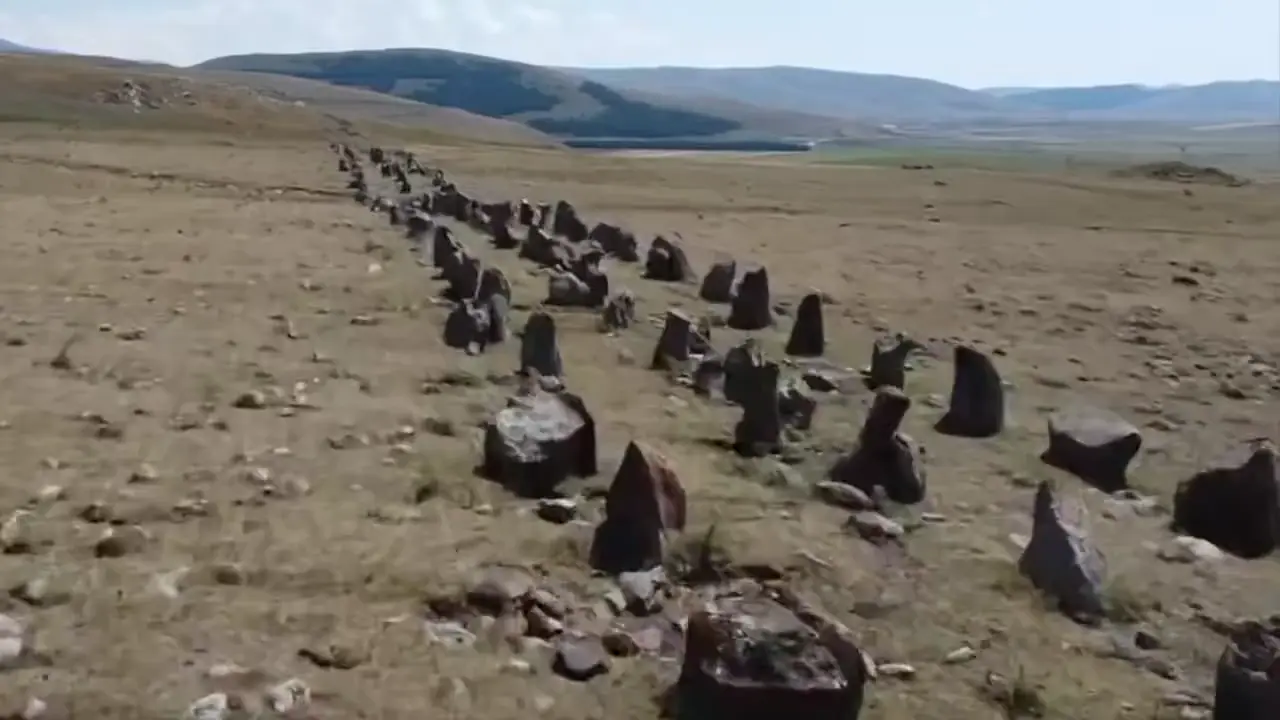
Unique Co‑habitation of Megalithic and Cyclopean Cultures
Unique Co‑habitation of Megalithic and Cyclopean Cultures. Armenia is the only known region where megalithic stone structures (dragon stones, “Noah’s anchors”) coexist with early…
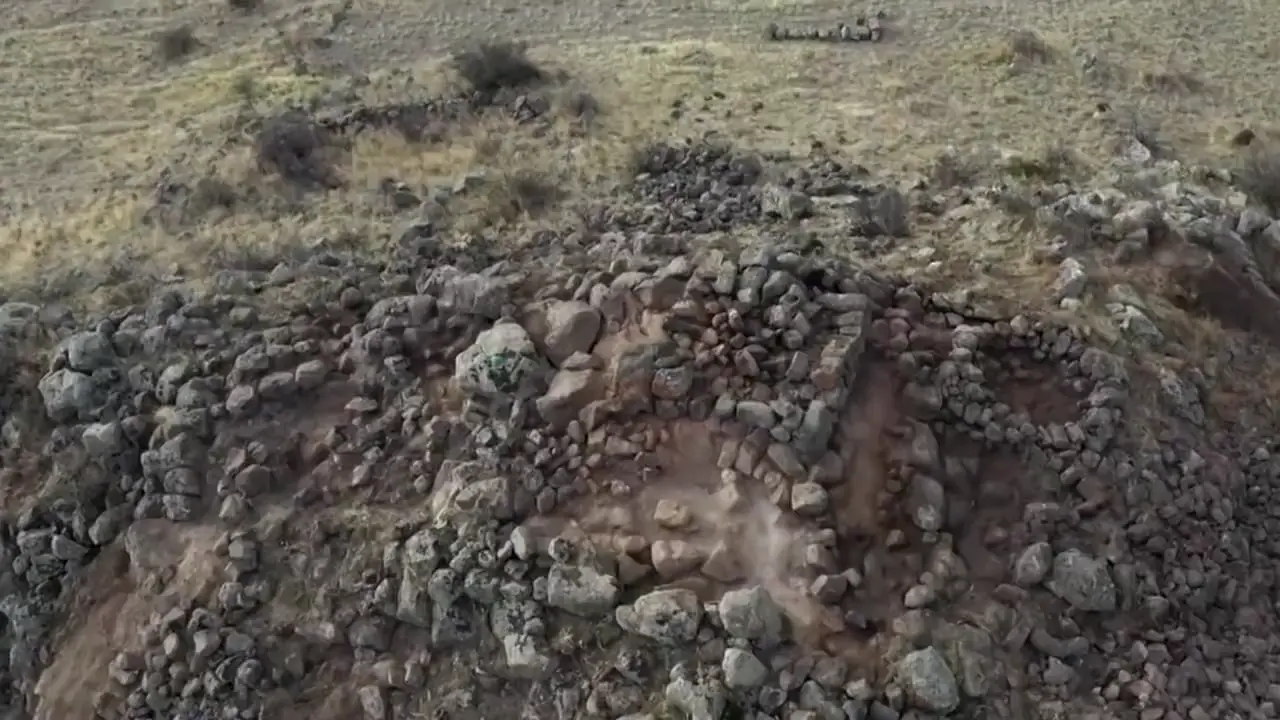
Earliest Cyclopean Walls in Armenia Date to About 2200 BC
Earliest Cyclopean Walls in Armenia (c. 2200 BC). Cyclopean walls in the Armenian plateau date to the early Bronze Age, around 2200 BC. These walls are among the oldest known…
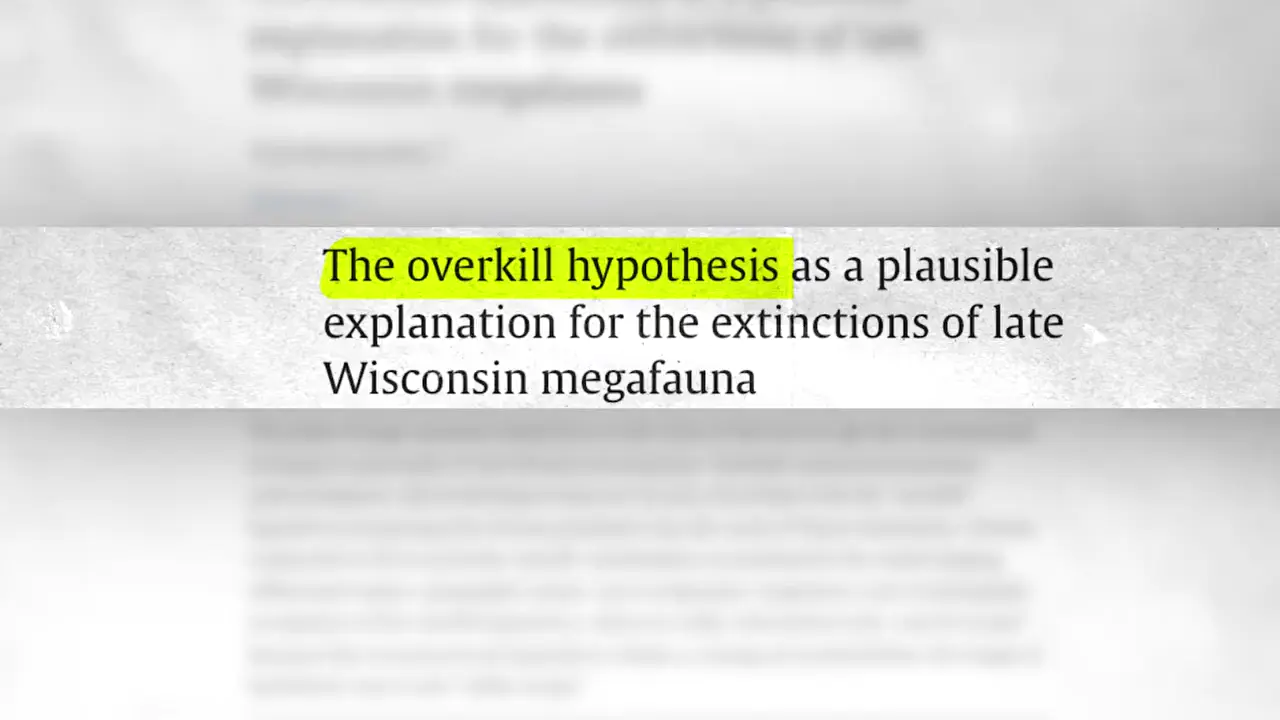
Overkill hypothesis remains a major, disputed explanation for Ice Age megafauna extinction
Overkill hypothesis fails to explain Ice Age megafauna extinction. The overkill hypothesis suggests humans spread rapidly and hunt megafauna faster than they can adapt Still…
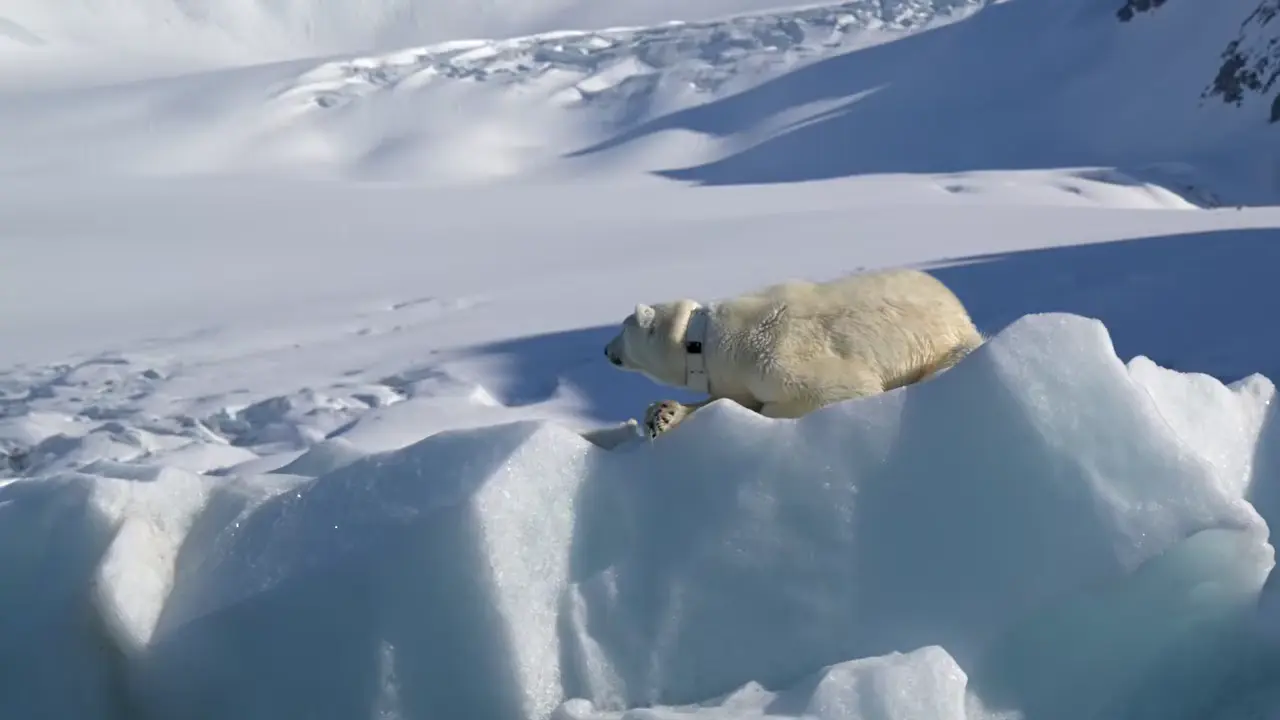
Megafauna coexisted with humans for thousands of years
Megafauna coexisted with humans for thousands of years. Mammoths persisted for tens of thousands of years alongside humans in Europe Some isolated mammoth populations survived…
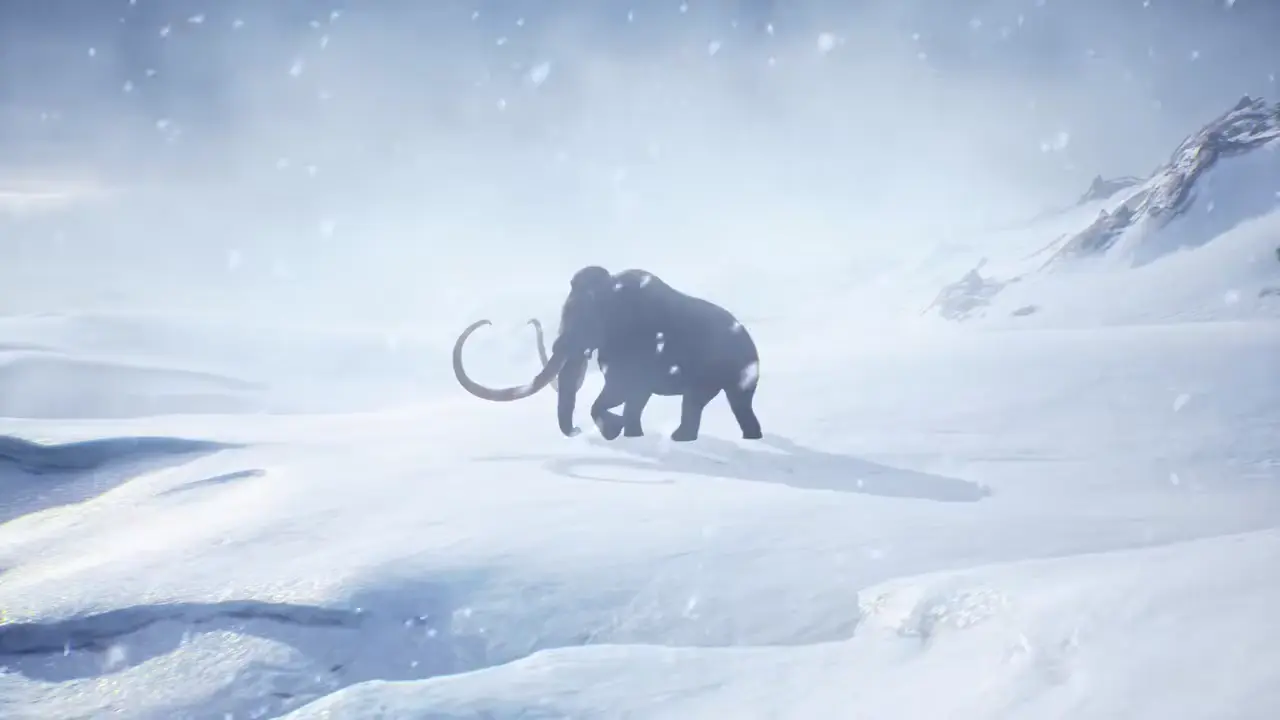
Video argues population scale challenges simple human overkill models
Scale discrepancy undermines human overkill theory. Early human populations were small mobile bands, perhaps thousands, not millions sweeping across continents Mammoth populations…
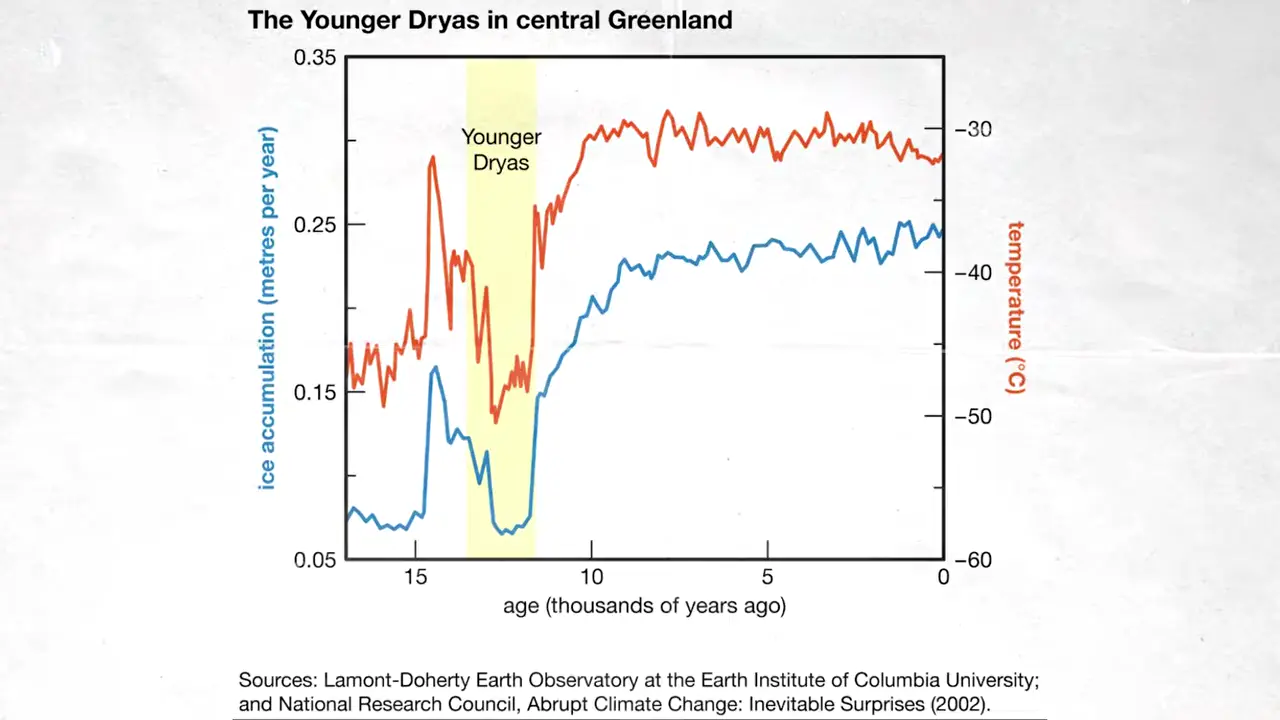
The video argues the Younger Dryas likely drove megafauna extinction
Younger Dryas climate crisis likely drove megafauna extinction. Around 12,900 years ago, temperatures plunged back toward near-glacial conditions in the Younger Dryas Some regions…

Neanderthal 60,000-year-old hyena bone suggests counting ability
Neanderthal 60,000-year-old hyena bone suggests counting ability. Hyena bone from Les Pradelles site in France is approximately 60,000 years old Attributed to Neanderthals, making…
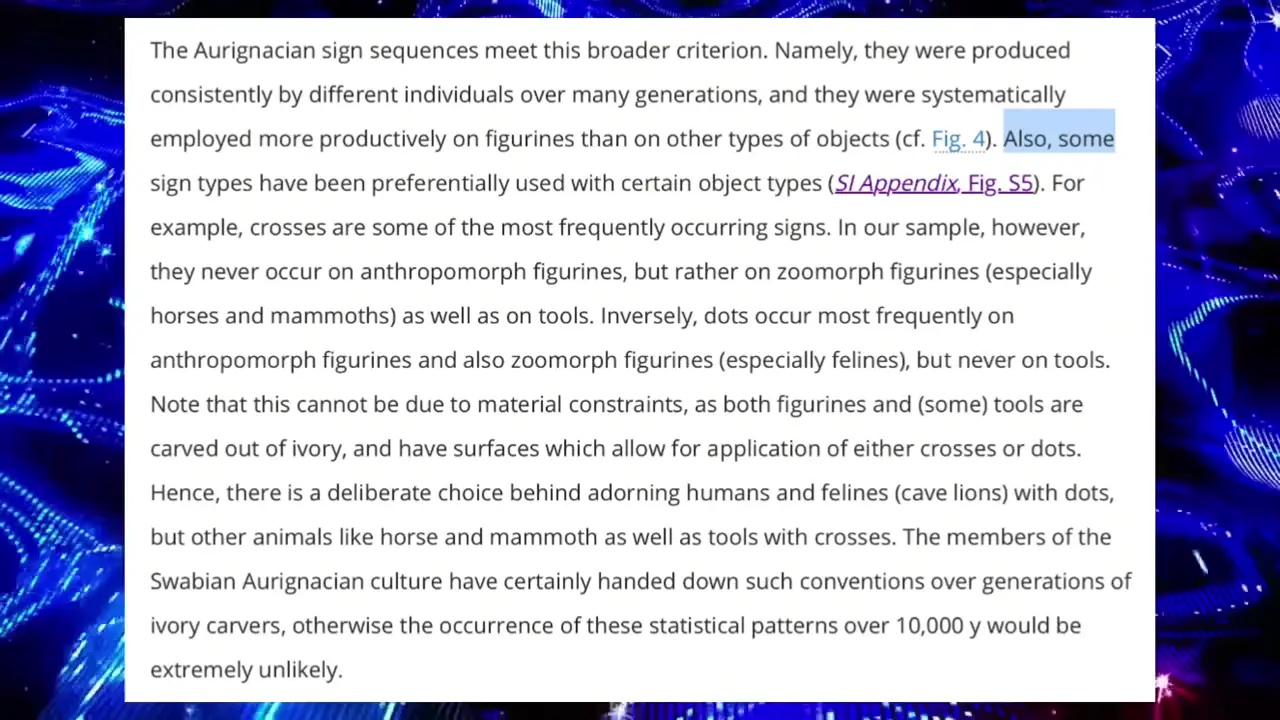
Vogelherd mammoth bears about 30 Ice Age crosses
Vogelherd cave mammoth figurine: crosses on Ice Age art. Mammoth figurine from Vogelherd cave, 35,000-40,000 years old Covered in crosses with other less prominent markings…

Video argues Abri Blanchard bone is a 35,000-year-old lunar-calendar candidate
Abri Blanchard bone: 35,000-year-old lunar calendar candidate. Bone from Abri Blanchard in France, approximately 35,000 years old In a small area (size of a wristwatch), 69 tiny…
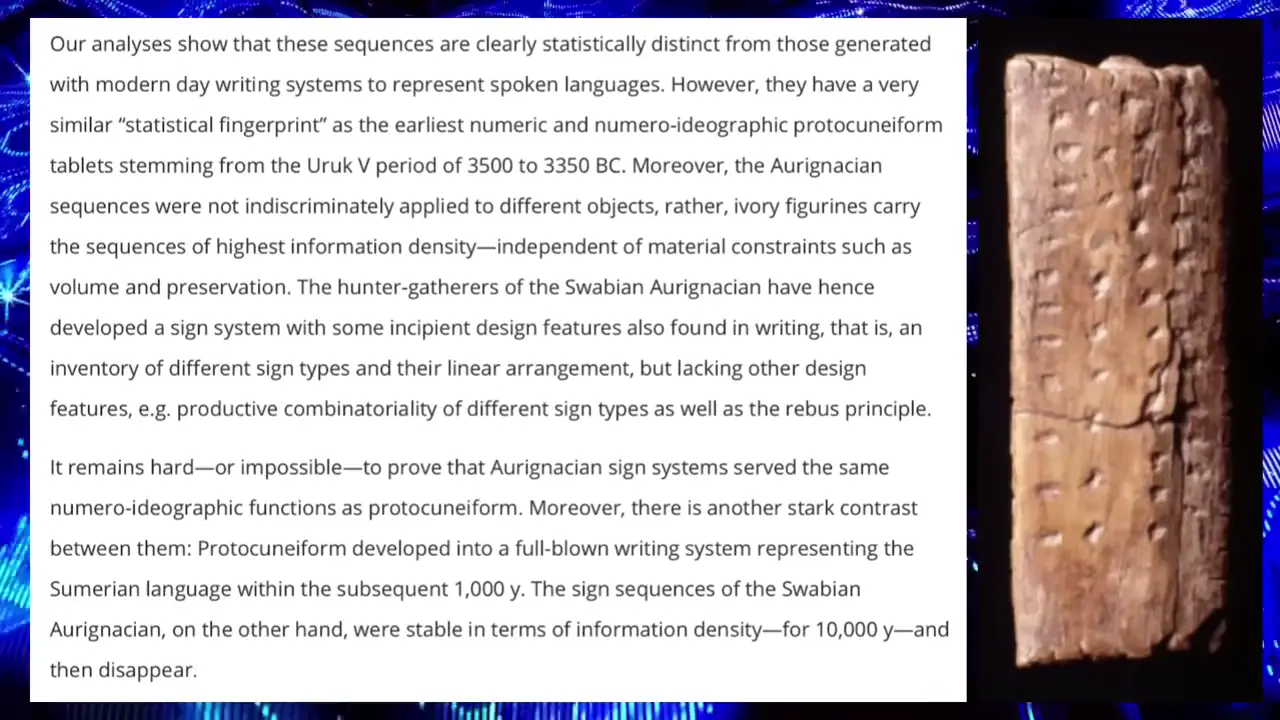
Swabian Jura, culture: 35,000-40,000-year-old proto-writing in Germany
Swabian Jura, culture: 35,000-40,000-year-old proto-writing in Germany. Swabian Jura, is a group of caves in southwest Germany where 260 artifacts were found Dating to around…
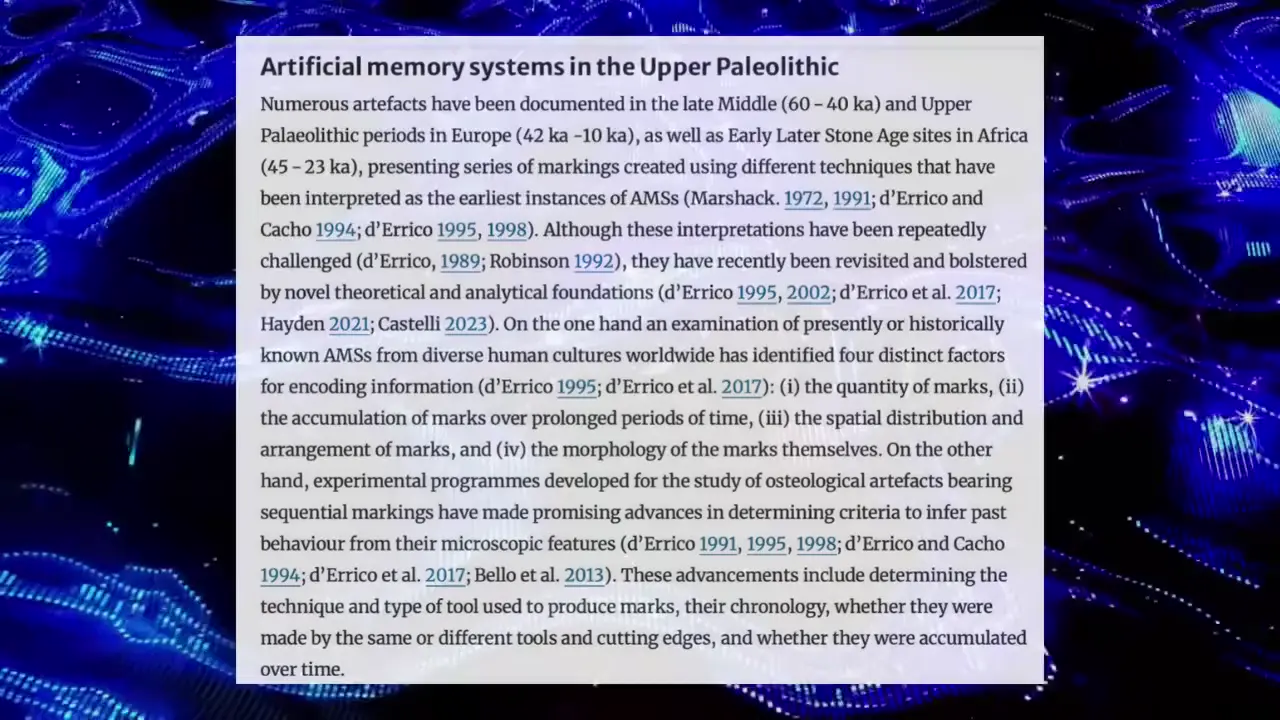
Artificial Memory Systems: Methodology for identifying proto-writing
Artificial Memory Systems: Methodology for identifying proto-writing. Artificial memory systems (AMS) are external aids used to help remember information, including writing,…
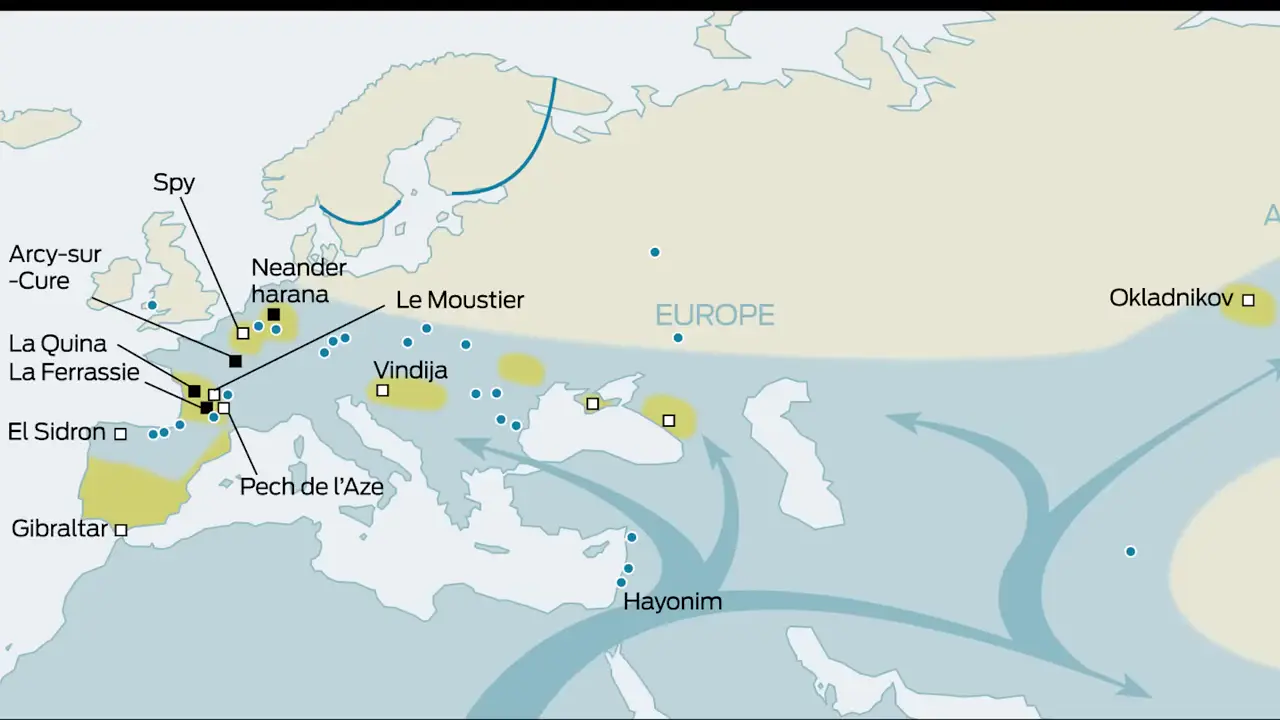
Cave of Aurignacian culture introduced blade tool technology
Cave of Aurignacian culture introduced blade tool technology. Cave of Aurignacian culture emerged 42,000 to 38,000 years ago in Europe Named after the site of Cave of Aurignac in…
Keep exploring
Every site on this page sits on the globe, and the people who research them are on the Discord.
3D Globe · Sites by country · Story Archive · Research Library · Weekly Journal · Search