

Story Archive
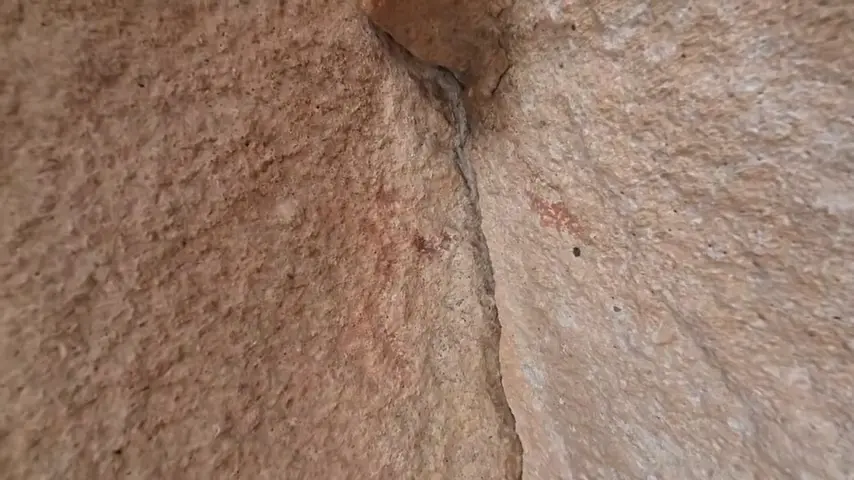
Video shows stick-figure petroglyph on pink volcanic rock in New Mexico
Rock art panel with stick figure found on pink volcanic rock face. Pink volcanic rock face similar to Gila Cliff Dwelling National Monument Stick figure petroglyph with object in…
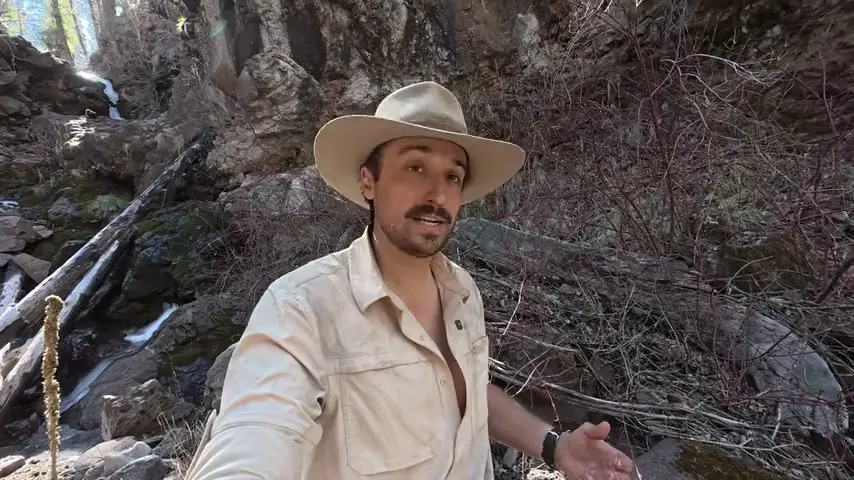
Video argues Canyon Slot 2 may be a Mogollon water-offering site
Canyon slot 2 identified as probable Mogollon water offering site. Canyon slot 2 features multiple atriums eroded in slate rock Waterfall and water source suggest ritual…
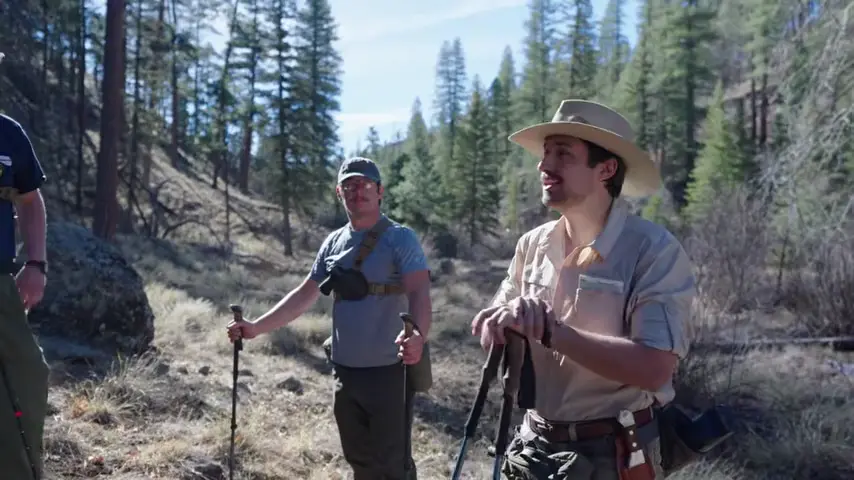
Mogollon world extent in Gila Wilderness remains uncertain after survey
Mogollon world extent in Gila Wilderness remains uncertain after survey. Expedition aimed to determine if Mogollon civilization extended into remote Gila areas Winter sunrise…
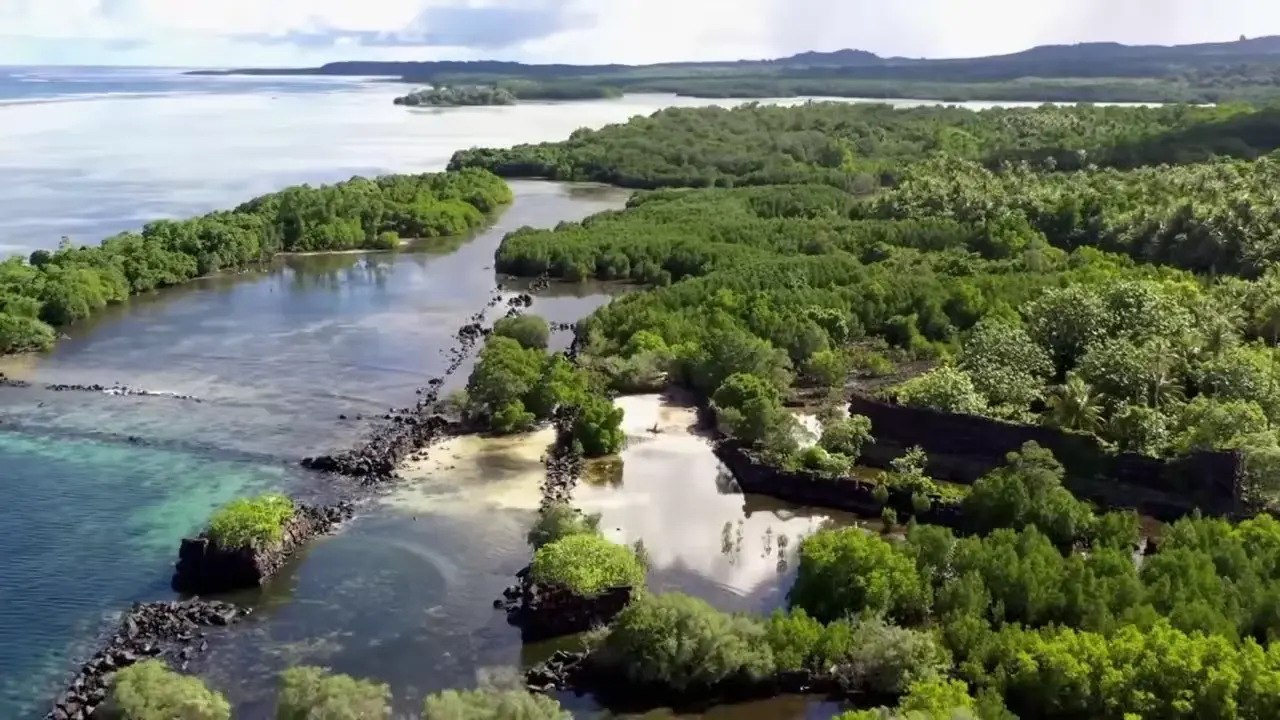
Nan Madol: about 100 basalt-built islets off Pohnpei’s southeast coast
Nan Madol: 750,000-ton Pacific coral reef complex defies conventional construction explanation. Located on Pohnpei island in Pacific Ocean, built on coral reef in shallow waters…
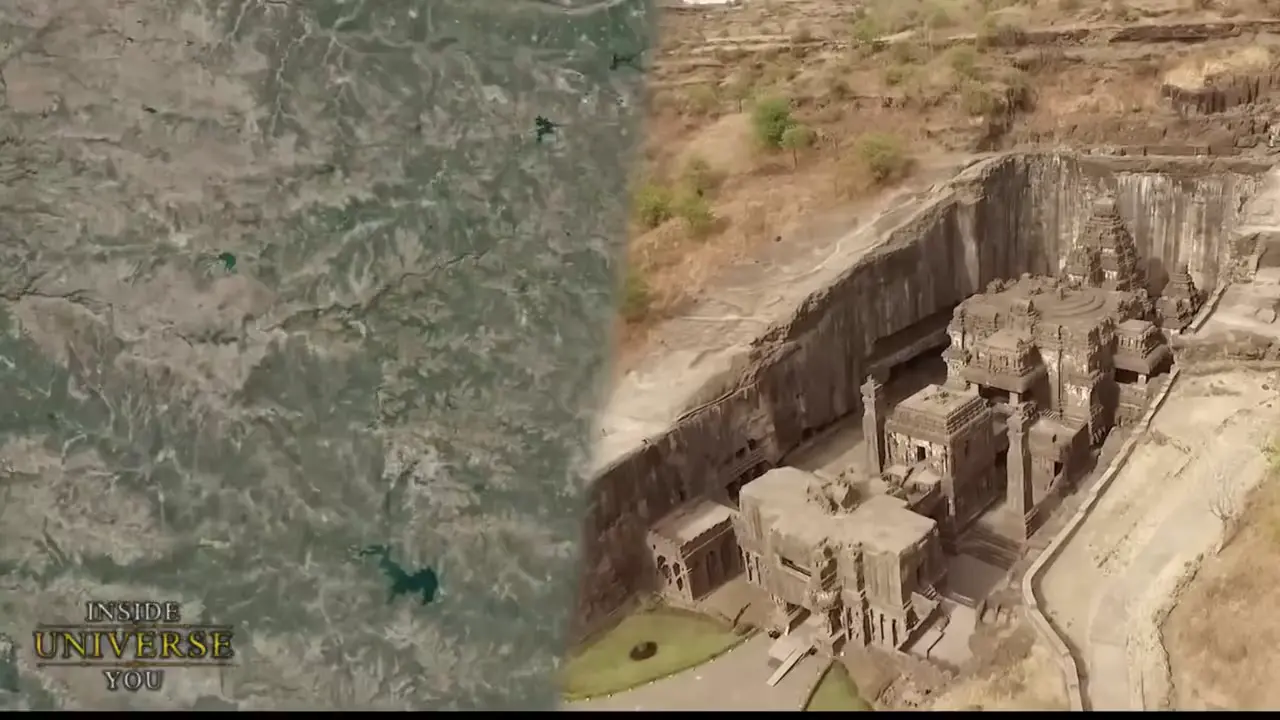
Kailasa Temple: Ellora’s massive top-down monolithic rock-cut complex
Kailasa Temple: 400,000 tons of basalt carved downward from single mountain in impossible timeframe. Located in Ellora, carved downward from single massive rock rather than built…
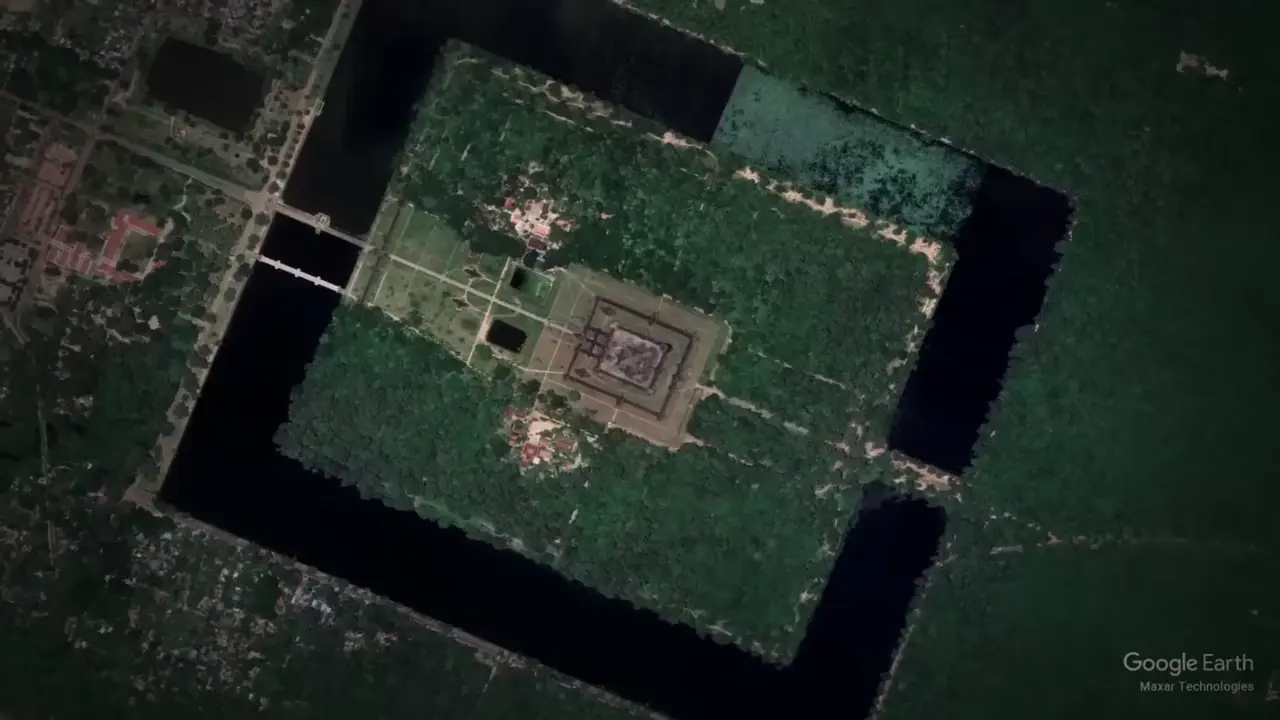
Angkor Wat: Up to 10 million blocks and a lidar-mapped city near 1 million
Angkor Wat: 10-million-block temple complex reveals hidden metropolis of nearly 1 million people. Covers more than 400 acres, built from approximately 10 million stone blocks…

From Julian to Gregorian: the evolution of the Christian calendar
Evolution of Christian calendar from Julian to Gregorian system. Julian calendar created in 45 BCE by Julius Caesar with 365 days and 12 months Julian calendar start date was 753…
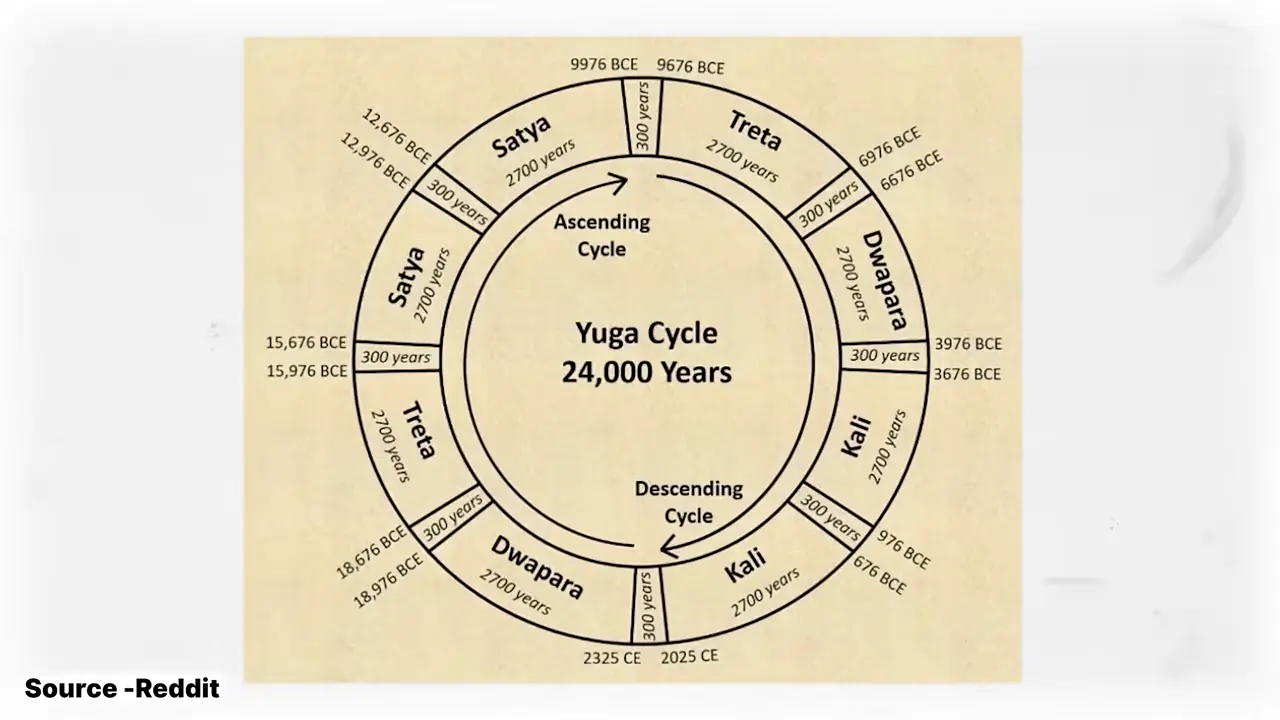
Ancient and modern calendar systems across world religions and cultures
Ancient and modern calendar systems across world religions and cultures. India's Saka calendar begins in 78 CE with debated origin related to establishment of a king and dynasty…

7,000-year-old Takarkori remains reveal a lost North African lineage in the Green Sahara
7,000-year-old mummies from Takar reveal unknown human lineage in Green Sahara. Two naturally preserved female mummies found in Takar rock shelter in southwest Libya, dated to…

Qasr el-Sagha: a Middle Kingdom temple in Egypt's northern Faiyum Desertlost_civilization
Casa El Saga: 3,700 BC megalithic temple in Egyptian Sahara with cyclopean stonework. Casa El Saga is a massive temple structure located approximately 100 kilometers from Cairo in…
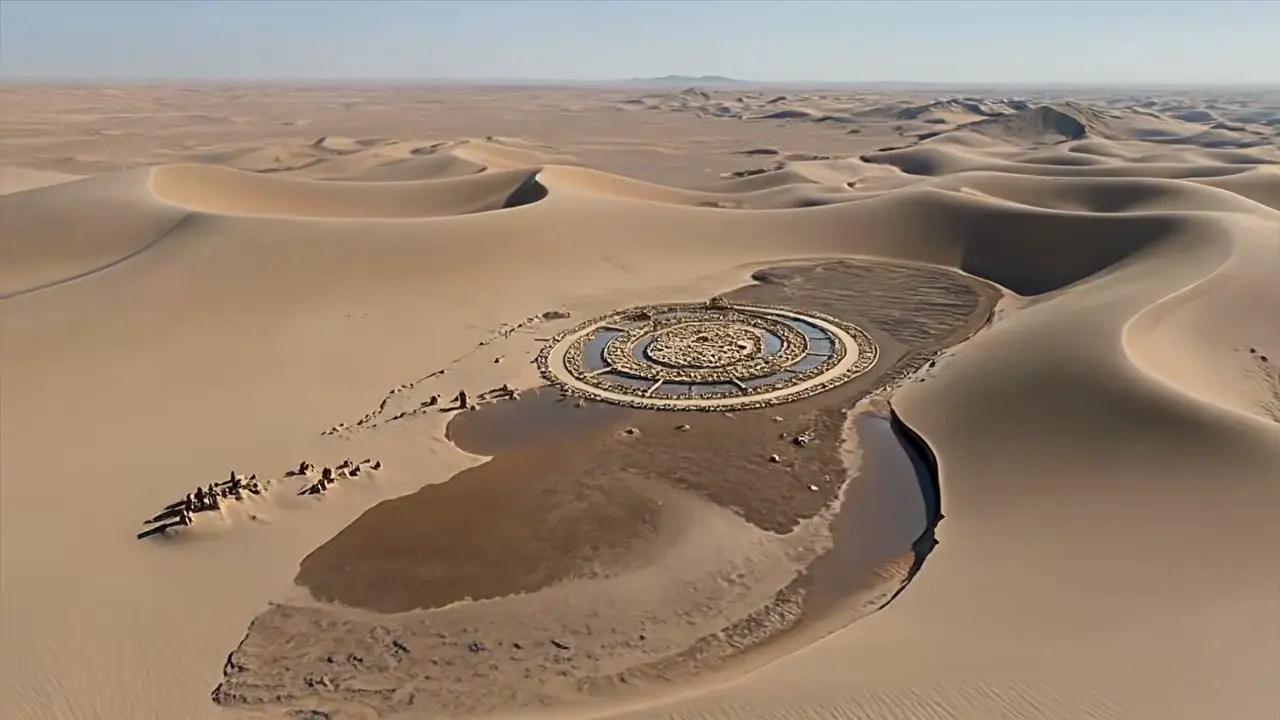
Plato's Atlantis text reinterpreted: 'covered' by water rather than 'sank'
Plato's Atlantis text reinterpreted: 'covered' by water rather than 'sank'. More accurate ancient Greek translation suggests Atlantis was covered by water and mud from floods…

Neolithic obsidian shows sea transport; Nigeria's Dufuna canoe shows early boatbuilding
Obsidian tools and 6,000 BC boat evidence demonstrate ancient Mediterranean seafaring. Boat preserved from 6,000 BC found in Africa Obsidian tools from 6,000 BC found in Tunisia,…

Seila step pyramid in Fayum attributed to King Sneferu
Pyramid of Senusret I: Sneferu's fourth pyramid discovered in Fayum region. Pyramid of Senusret I is a four-step pyramid built by King Sneferu Located south of Kafr El-Ham in…
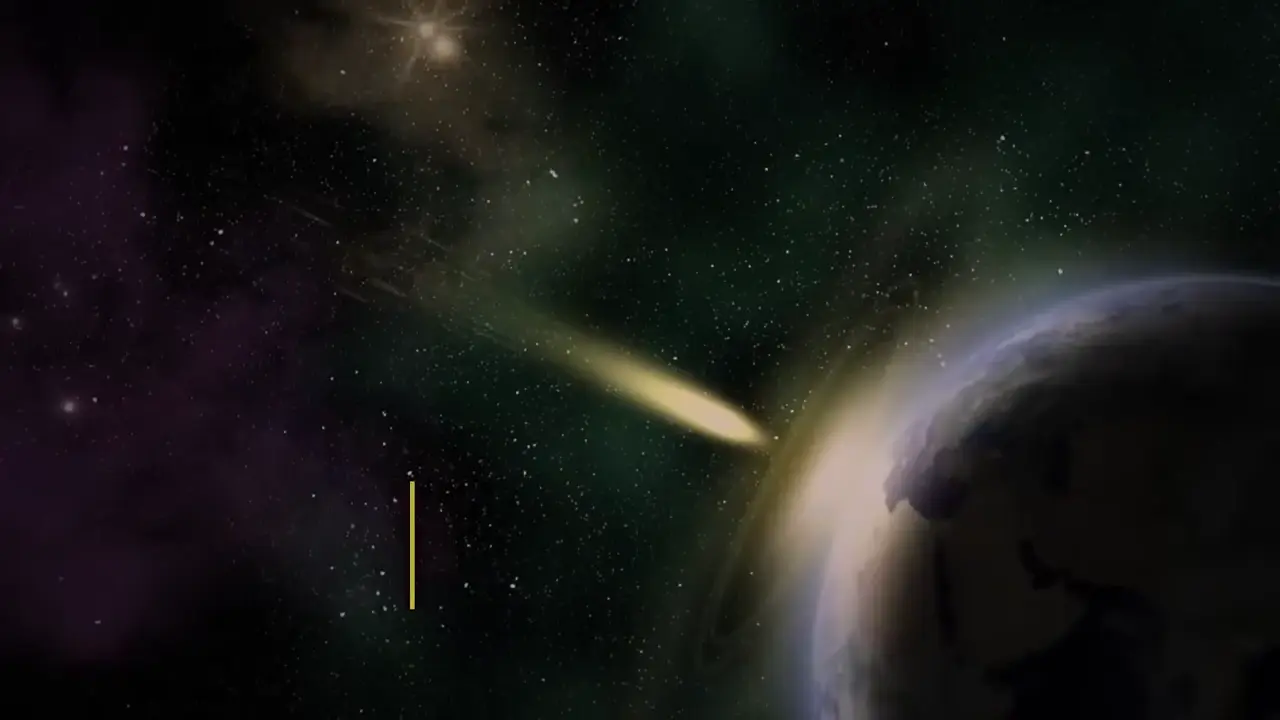
Retracted study proposed cosmic airburst at Tall el-Hammam around 1650 BCE
Tall el Hammam (Jordan) destruction layer shows evidence of cosmic airburst event around 1650 BCE. Tall el Hammam (Jordan) was largest city in Jordan Valley during Bronze Age, 10…
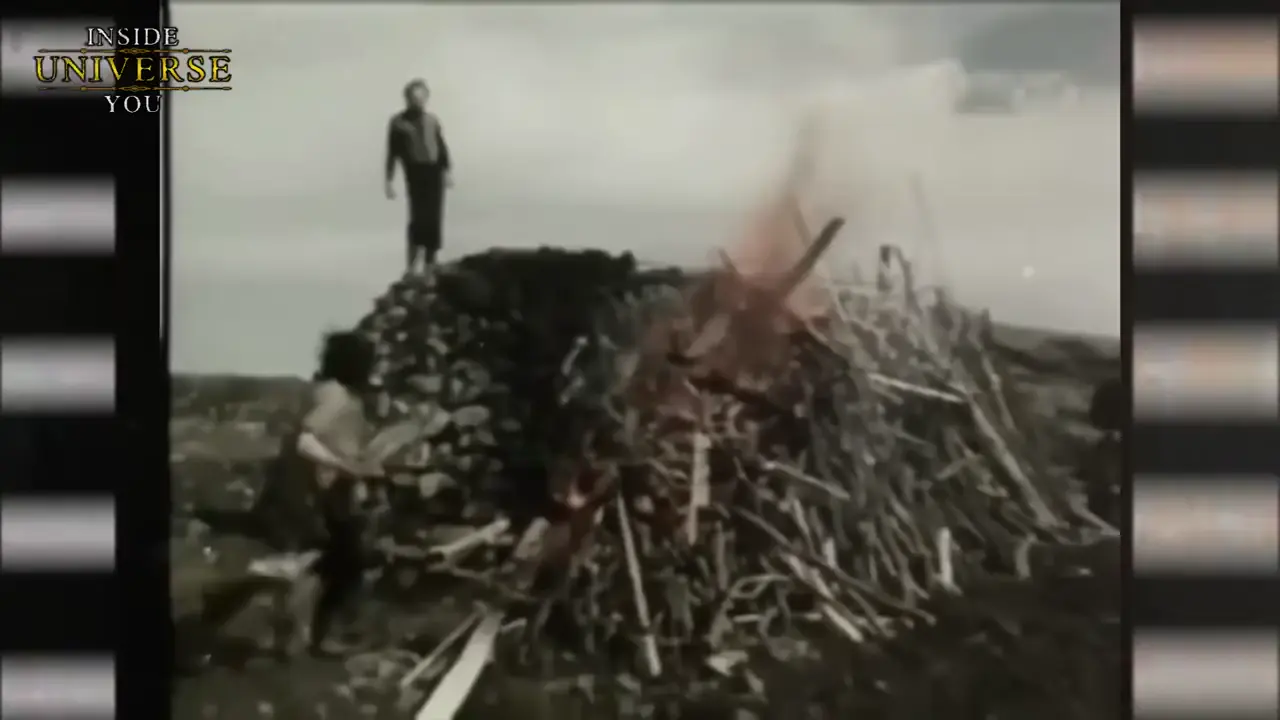
Scottish vitrified forts point to intense heating from within
Vitrified Scottish Iron Age forts show evidence of artificial heat treatment. Vitrification of stone requires temperatures around 1,200°C Royal Society of Edinburgh concluded in…
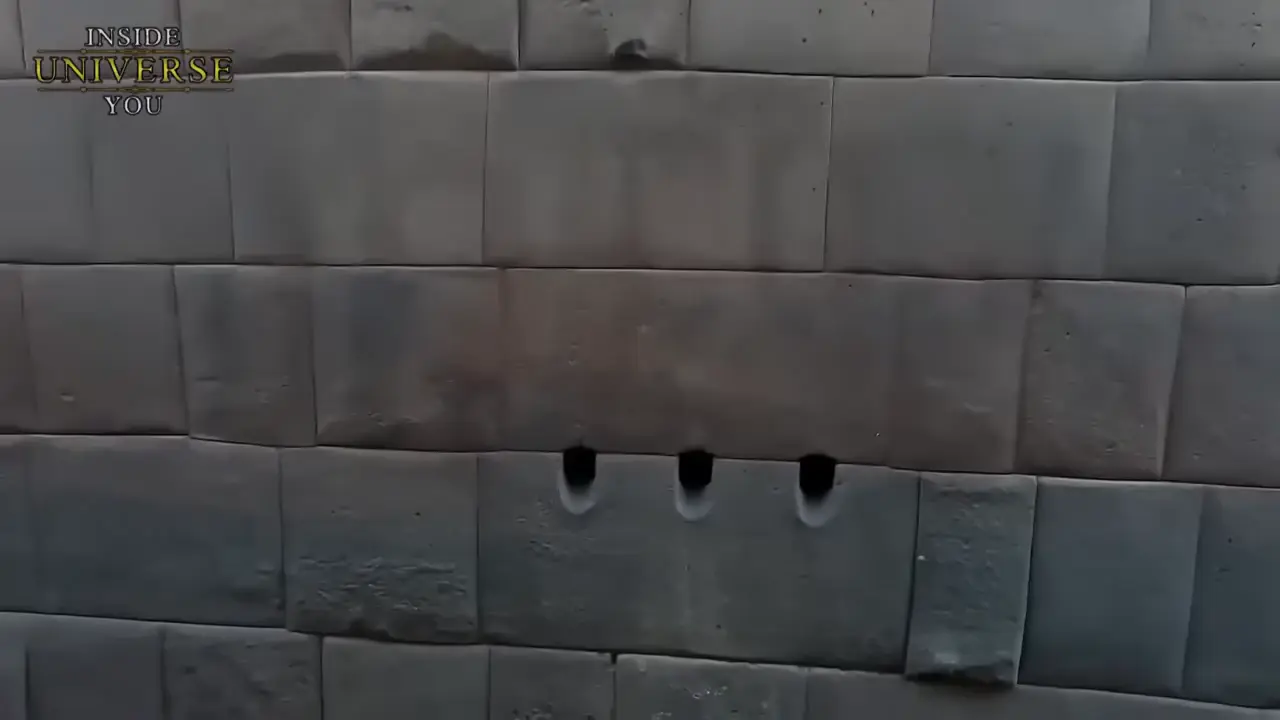
Video claims pre-Inca vitrification at Coricancha; evidence does not confirm it
Pre-Inca Peruvian stone walls show vitrified surfaces and impossibly precise polygonal joints. Sites like Coricancha in Cusco have core foundations believed far older than Inca…
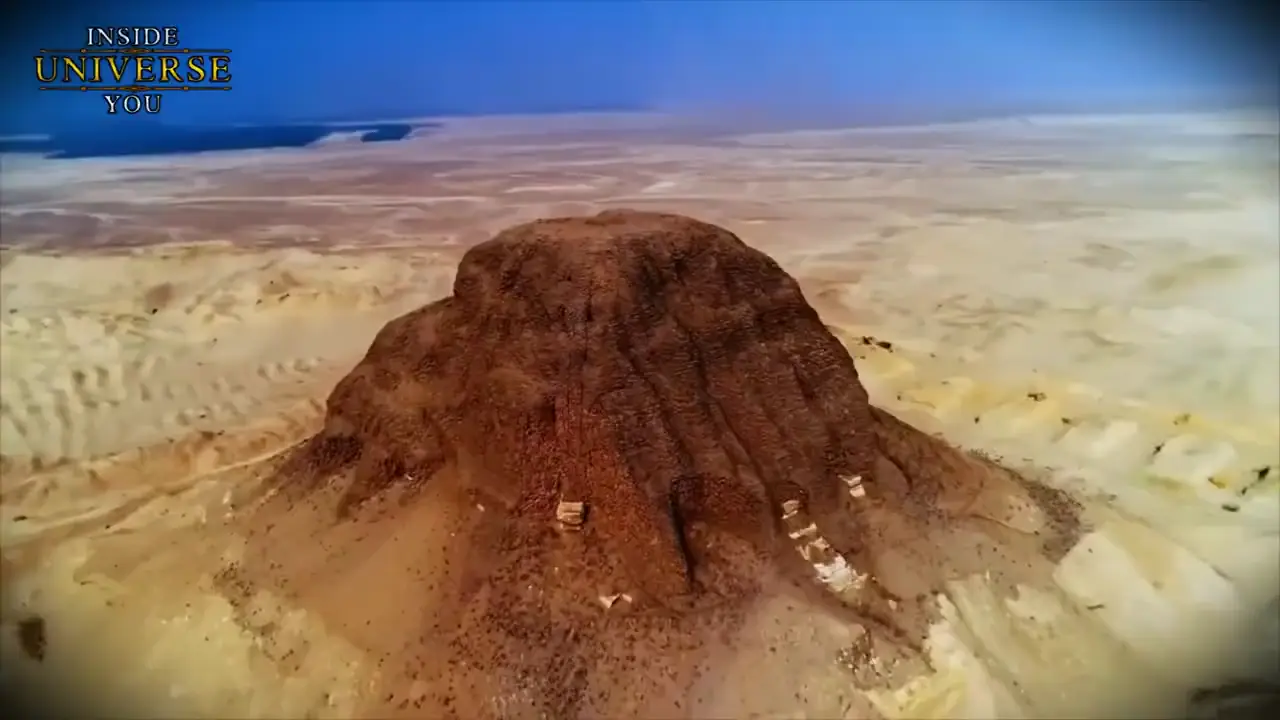
Black Pyramid of Amenemhat III shows ruin, not proven heat melting
The Black Pyramid- Pyramid of Amenemhat III (Dahshur) shows signs of extreme heat exposure and partial melting. Black Pyramid located south of Saqqara, directly east of Bent…
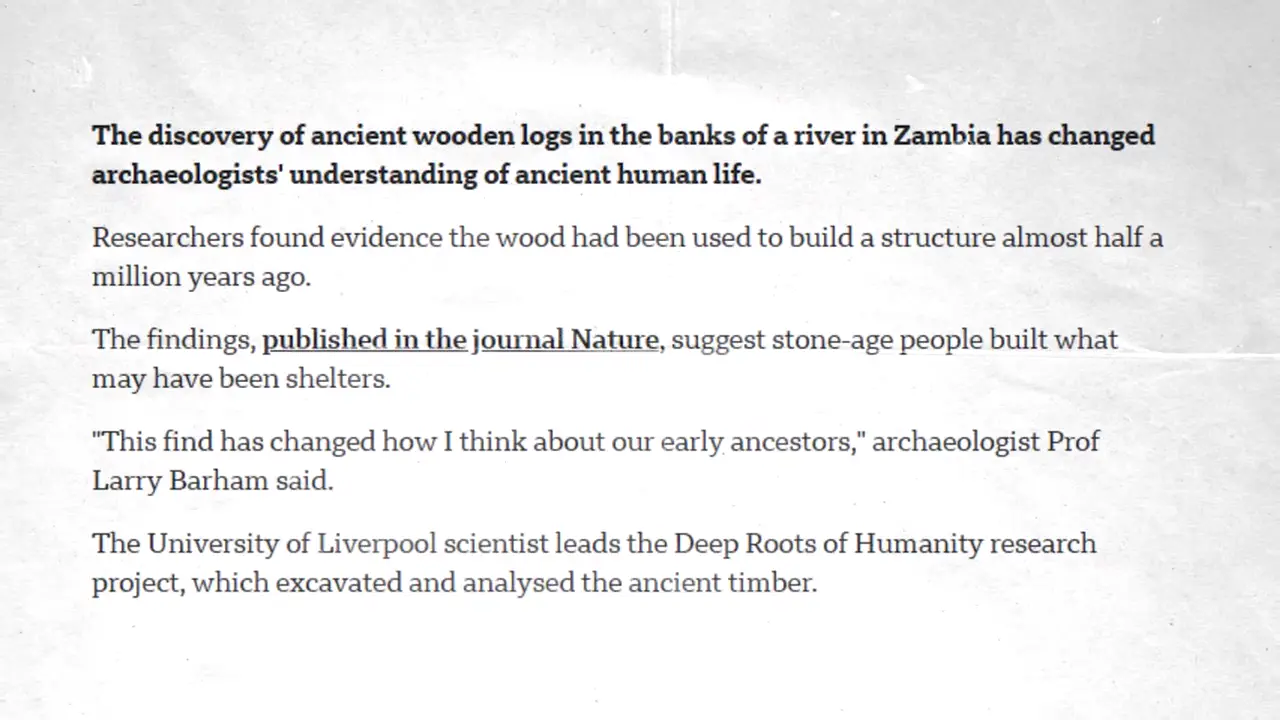
476,000-year-old wooden structure at Kalambo Falls shows early planning
476,000-year-old wooden structure at Kalambo Falls Site B shows early human planning and construction. Kalambo Falls Site B site contains wooden structure with carefully worked…
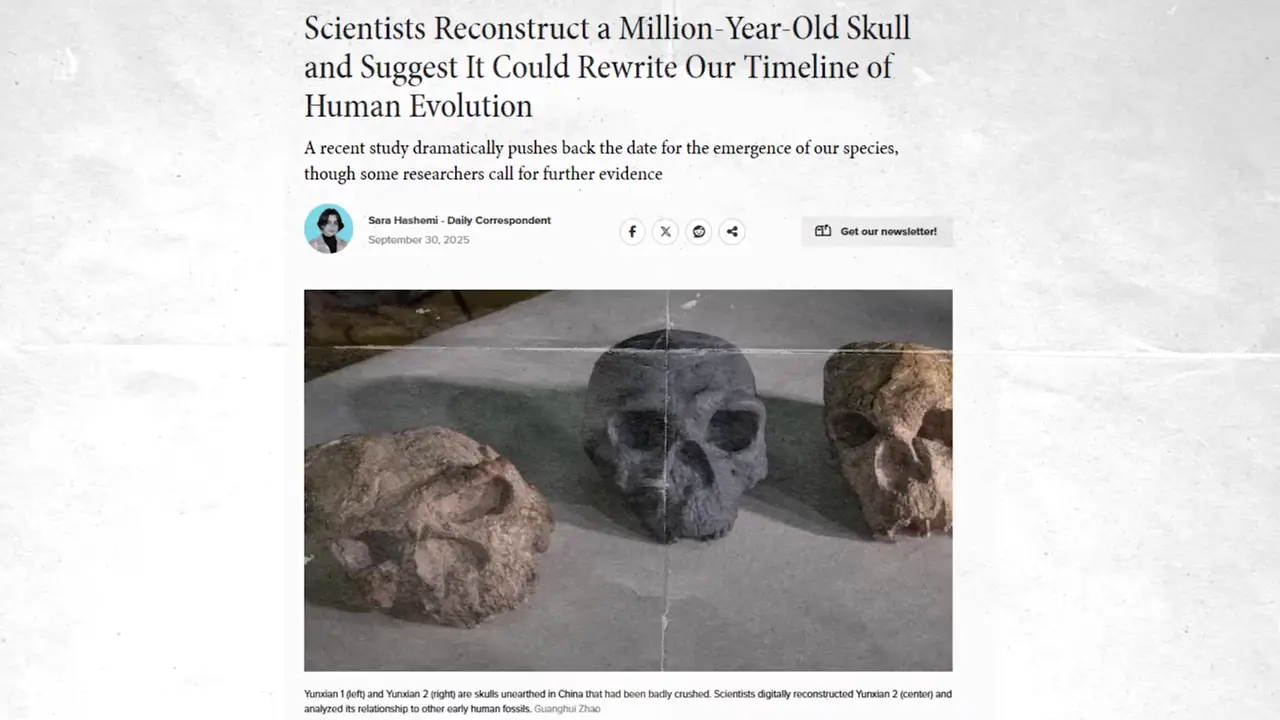
Yunxian skull study: Homo sapiens–Denisovan split could be 500,000 years earlier
1-million-year-old skull suggests Homo sapiens divergence pushed back 500,000 years. Yunxian (Meipu) 2 skull discovered in China in 1992, heavily crushed and distorted In 2025,…

Archaeological record heavily biased toward stone; perishable materials rarely survive from deep prehistory
Archaeological record heavily biased toward stone; perishable materials rarely survive from deep prehistory. Stone survives in archaeological record; bone sometimes survives; wood…
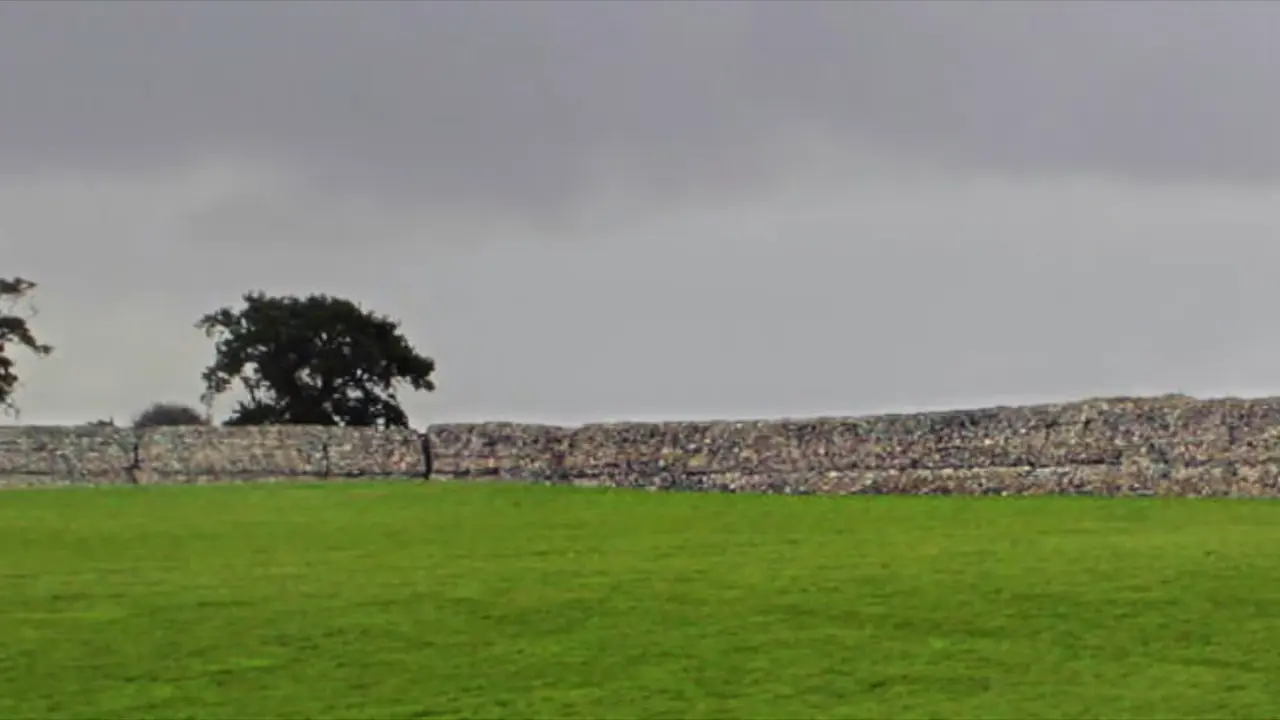
Post-Roman reoccupation of some Welsh Iron Age hillforts in the 5th–6th centuries
Reoccupation of Iron Age hill forts in Wales during 5th-6th centuries post-Roman period. In the 5th and 6th centuries, pre-Roman British Iron Age hill forts were rehabitated,…
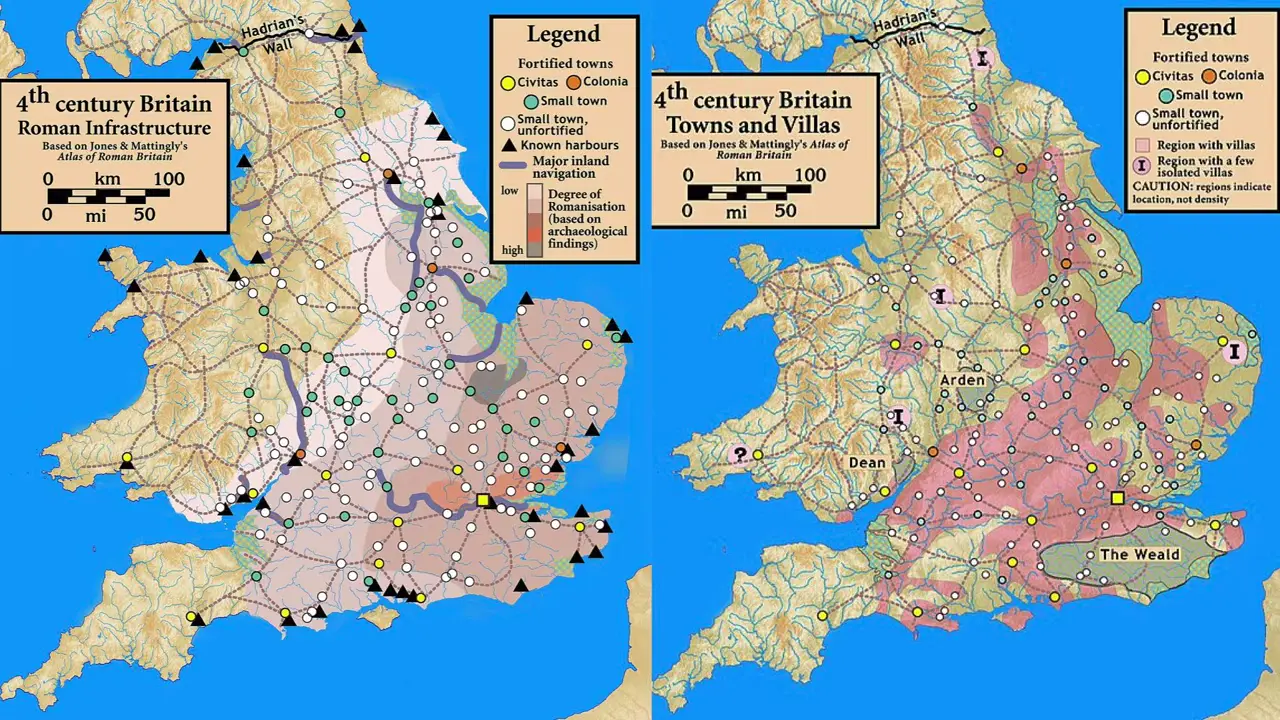
Aldborough evidence challenges Roman Britain's total economic collapse by AD 450
Roman Britain's economic collapse by 450 AD marked by radical material simplification. After the crisis of the 3rd century, Roman Britain's integrated economies began to change…
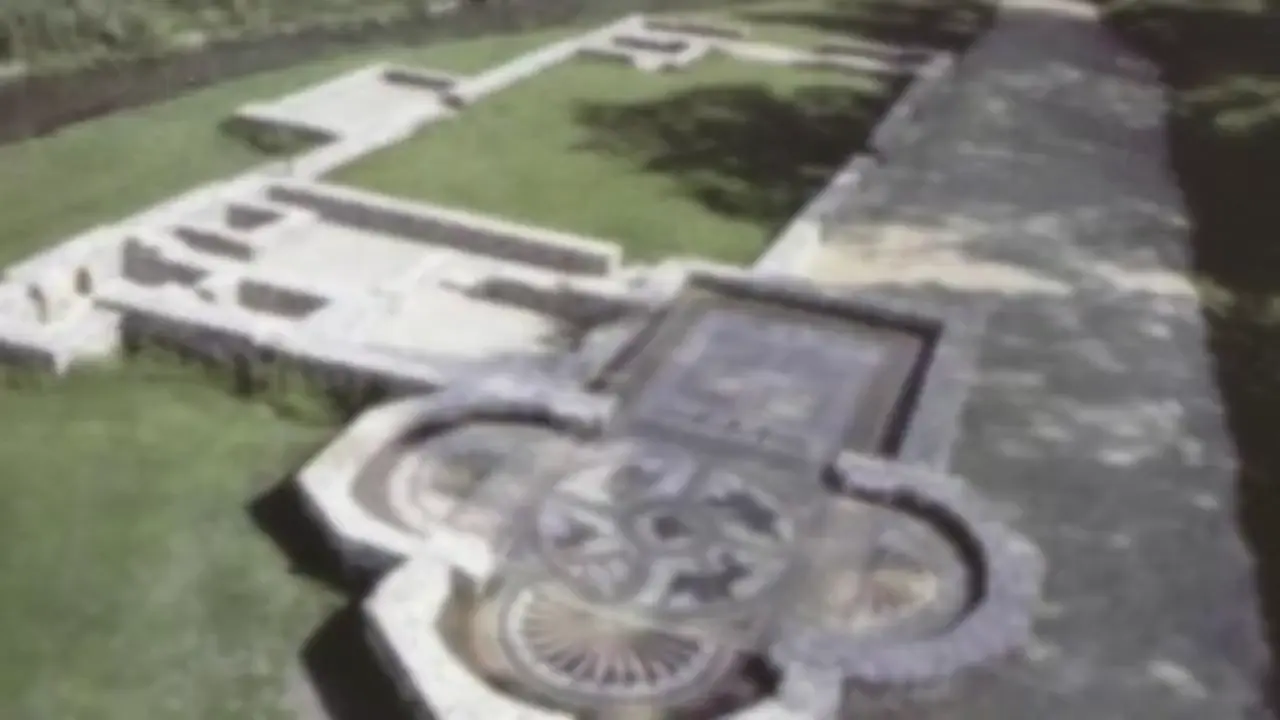
Video argues Magnus Maximus settled Saxon federates in Britain after the 383 AD revolt
Magnus Maximus settled Saxon federates in Roman Britain after 383 AD military rebellion. In 383 AD, Magnus Maximus was proclaimed emperor and took troops out of Britain to the…
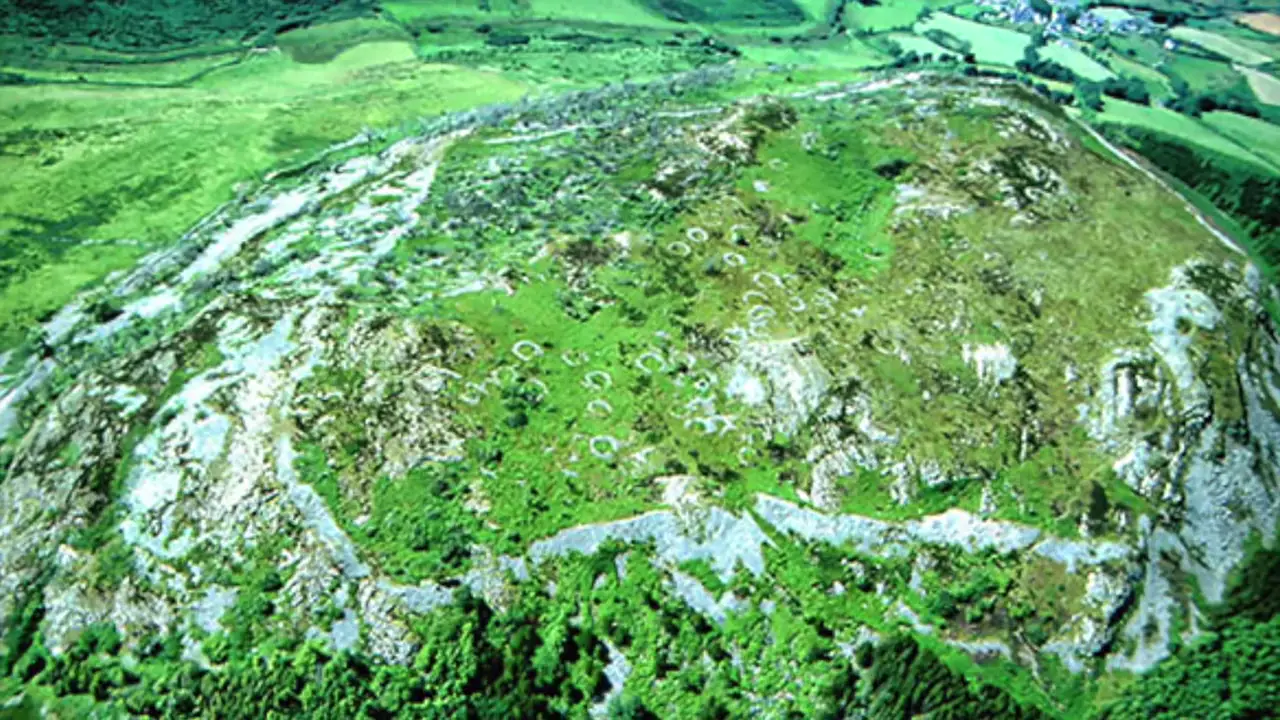
Welsh traditions linked Gwynedd’s rulers to Magnus Maximus; Edward I conquered it in 1282–83
Kingdom of Gwynedd claimed descent from Magnus Maximus to legitimize rule until 1282 AD. The Historia Brittonum (History of the Britons) was written probably in 828 AD, either by…
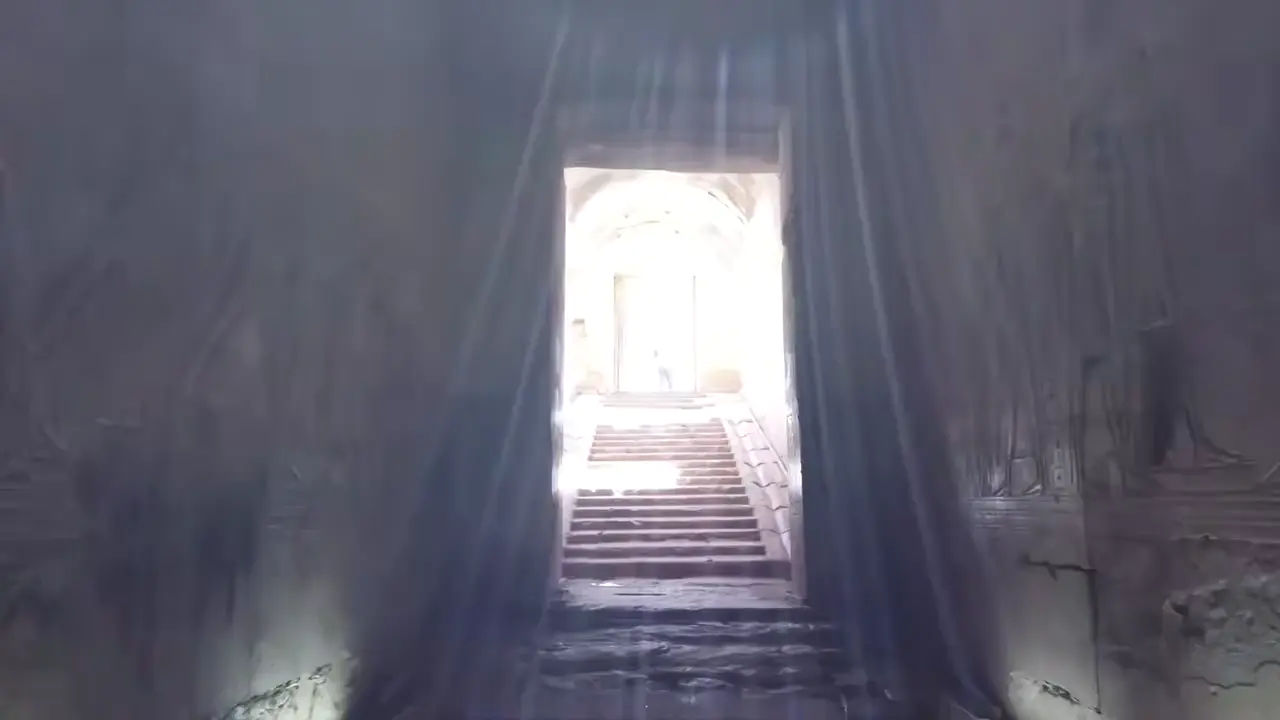
Video links Osireion to pre-dynastic construction; evidence dates it to Seti I
Osirion at Abydos features massive granite and quartzite stones of pre-dynastic origin. Osirion was rediscovered by archaeologists in the 19th century, buried in sand Vertical…
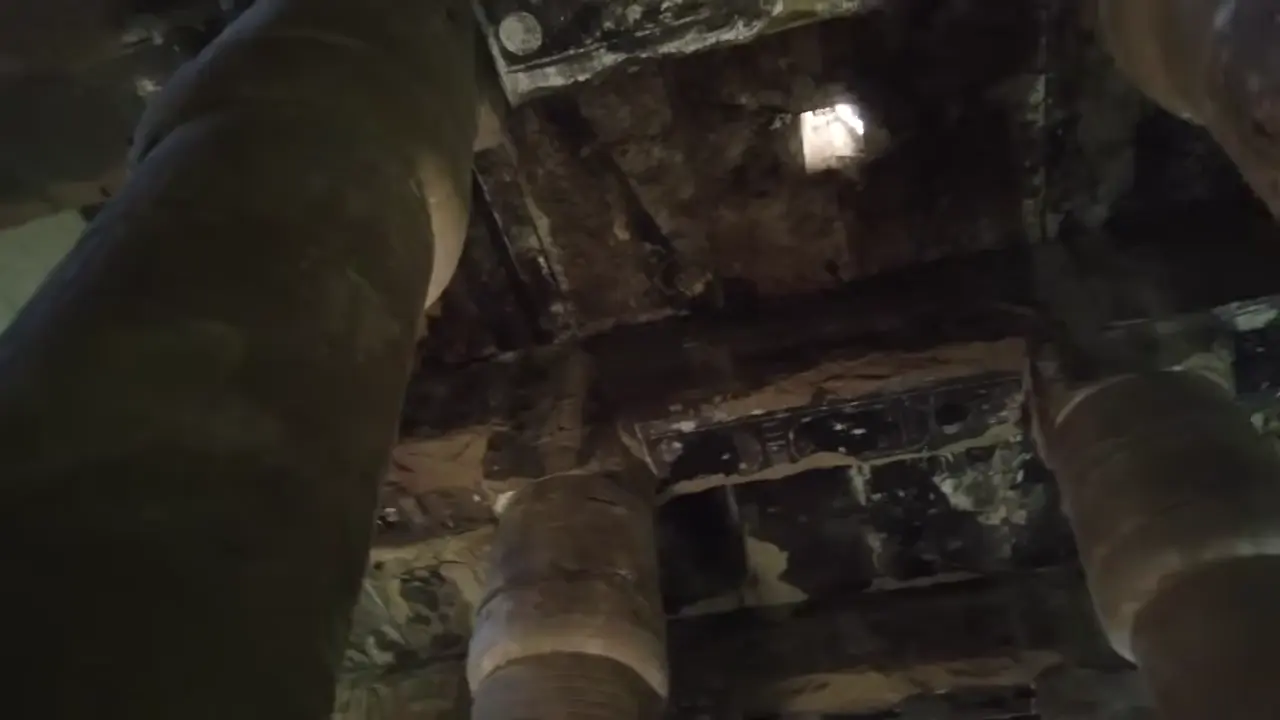
Seti I's temple at Abydos built in limestone and sandstone, completed under Ramses II
Seti I's temple at Abydos built in limestone and sandstone, completed under Ramses II. Seti I's temple was built mainly of limestone with some sandstone sections Construction…

Akrotiri Minoan city preserved by ash after the Santorini eruption
Akrotiri Minoan city preserved by volcanic ash from Santorini eruption. Akrotiri was a Minoan city on the island of Thera (Santorini) The city was destroyed by the volcanic…

Helike: Greek city destroyed by earthquake and tsunami in 373 BC
Helike: Greek city destroyed by earthquake and tsunami in 373 BC. Helike was an ancient Greek city destroyed in 373 BC A catastrophic earthquake struck the region at night The…
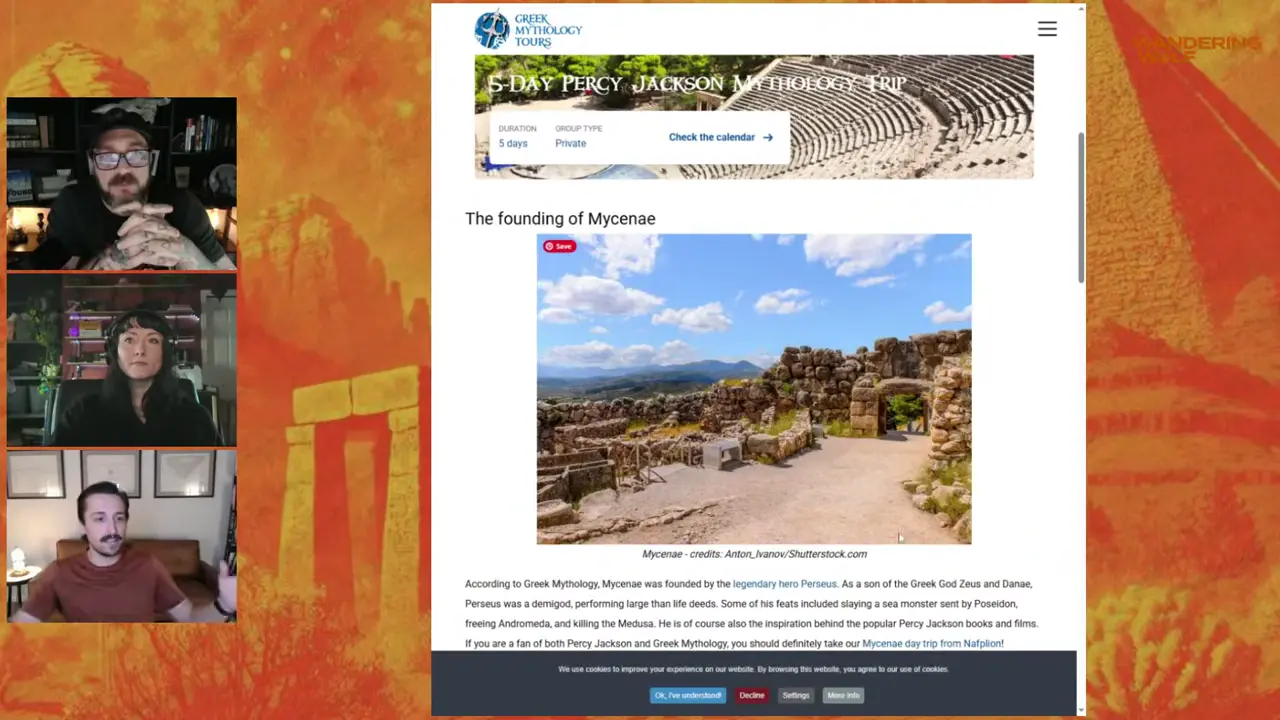
Mycenae represents Bronze Age Greek civilization before classical period
Mycenae represents Bronze Age Greek civilization before classical period. Mycenae was a Bronze Age Greek city with massive megalithic stone walls The site contains a famous…

Egyptian blue lotus is endangered, not extinct, after habitat loss
Ancient Egyptian blue lotus flower extinct due to overharvesting. The ancient Egyptian blue lotus flower is now extinct Modern lotus flowers have approximately 15% genetic…

Video: Minoan decline after Thera may have inspired Plato’s Atlantis
Minoan civilization possibly inspired Plato's Atlantis myth. Minoans existed on Crete (Greece) and Greek islands before Mycenaean civilization Minoan civilization was…

Ancient Athenian democracy and philosophy shaped Western civilization
Ancient Greek democracy and philosophy shaped Western civilization. Athenians (Attica) had the second-longest lasting democracy in world history after the United States Athenian…

Athenian public architecture and daily life in classical Athens (Attica)
Athenian public architecture and daily life in classical Athens (Attica). Athenians invested in public architecture rather than private wealth display, unlike Romans The Stoa was…
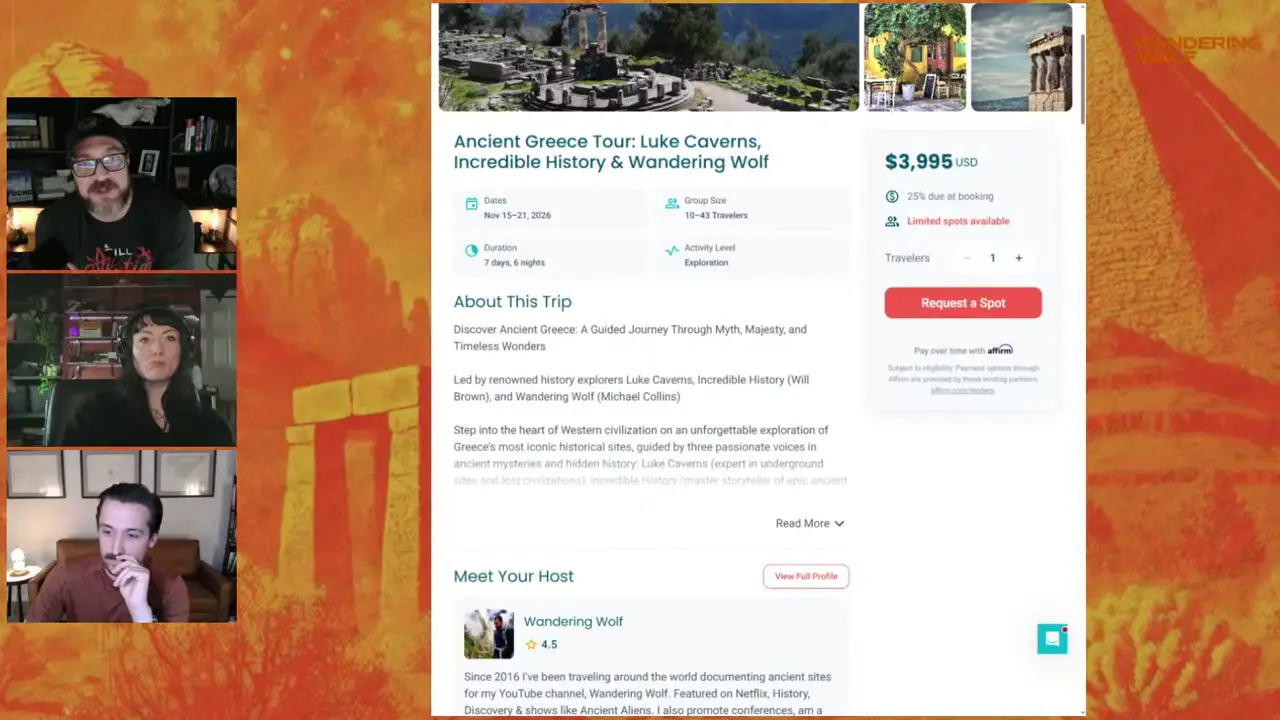
Planned Greece tour visiting Athens and Mycenae in November 2026
Planned Greece tour visiting Athens and Mycenae in November 2026. Seven-day tour to Greece scheduled for November 15-21, 2026 Tour includes Athens, Mycenae, Delphi, and other…

Could the Minoan civilization have inspired Plato's Atlantis?
Minoan civilization as potential inspiration for Plato's Atlantis myth. Minoan civilization existed on Crete and Greek islands before Mycenaean period, approximately 1500 BC…

Bronze Age collapse disrupted Greece's written history
Bronze Age collapse and Greek loss of historical memory. The Bronze Age collapse occurred around 1200 BC and devastated Greek civilization Egypt was the only Mediterranean…
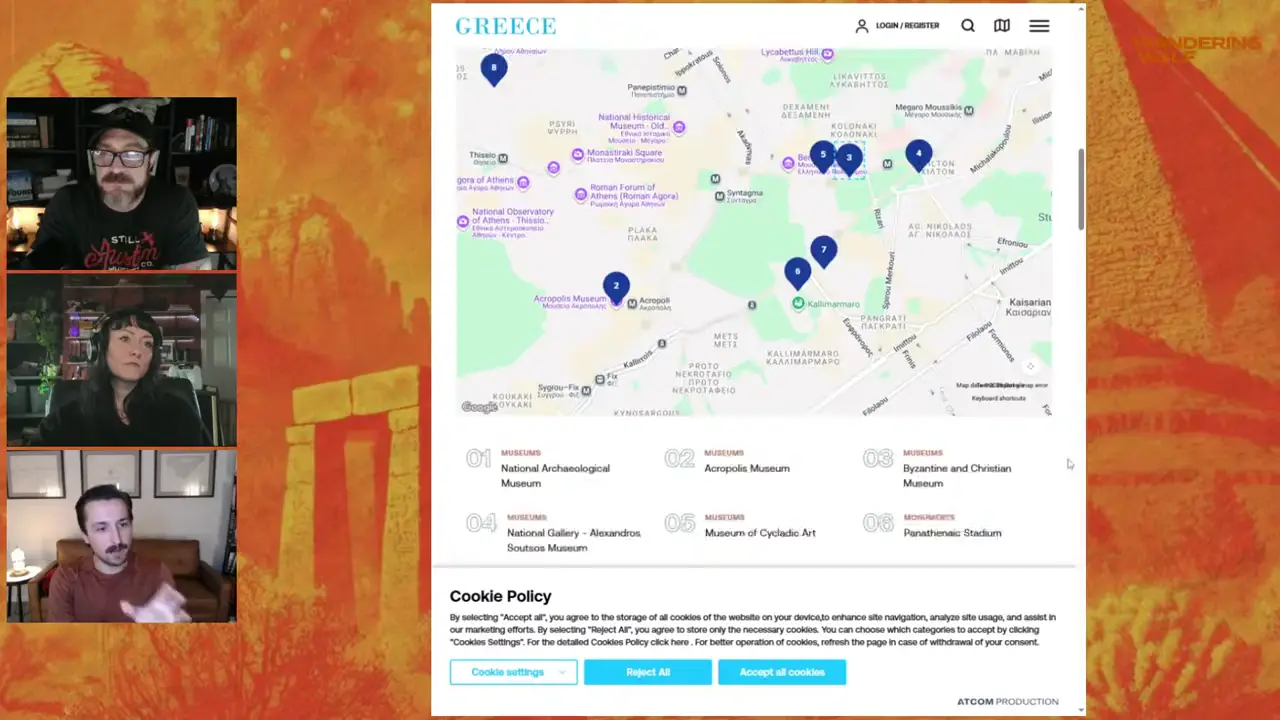
Ancient Athens: Democracy’s Lasting Influence on Western Thought
Ancient Greek philosophy and democracy's influence on Western civilization. Athens created the second-longest lasting democracy in world history after the United States Athenian…
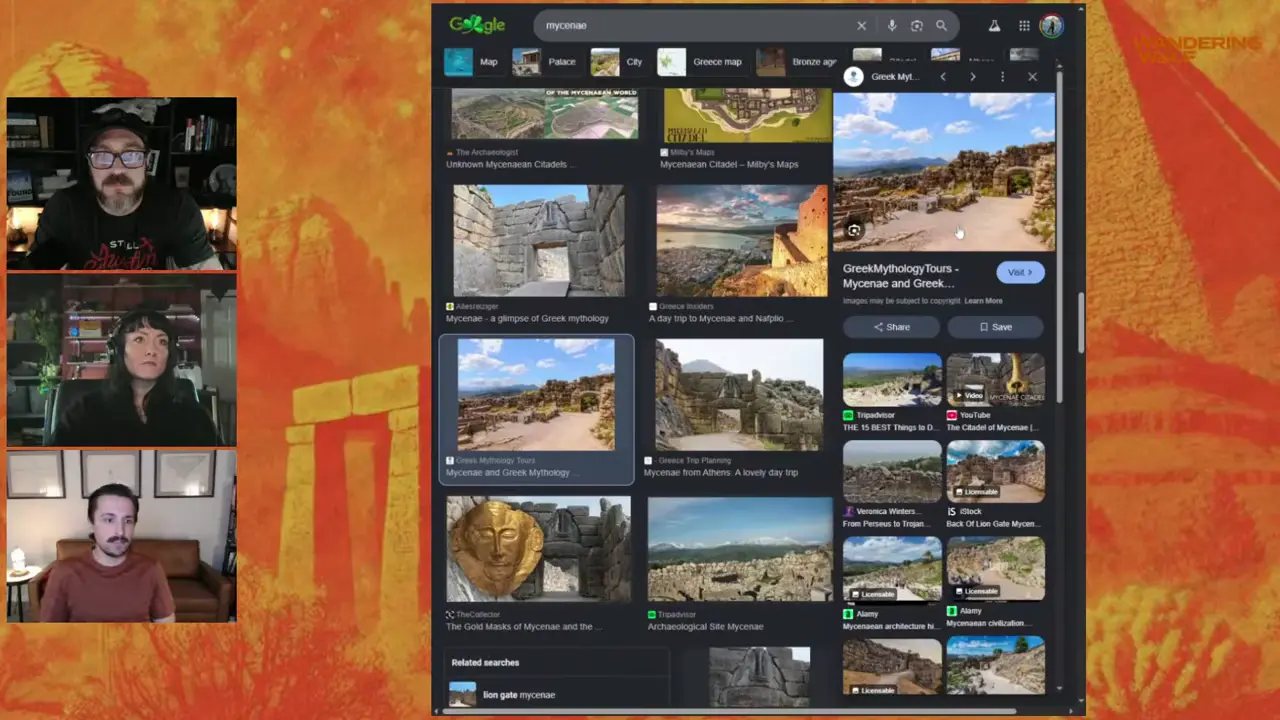
Mycenae's megalithic construction and Bronze Age Greek fortifications
Mycenae's megalithic construction and Bronze Age Greek fortifications. Mycenae was a Bronze Age Greek city with massive megalithic stone walls The Lion Gate at Mycenae features a…

Helike: ancient Greek city destroyed by earthquake and tsunami in 373 BC
Helike: ancient Greek city destroyed by earthquake and tsunami in 373 BC. Helike was a classical Greek city destroyed in 373 BC A catastrophic earthquake struck at night causing…
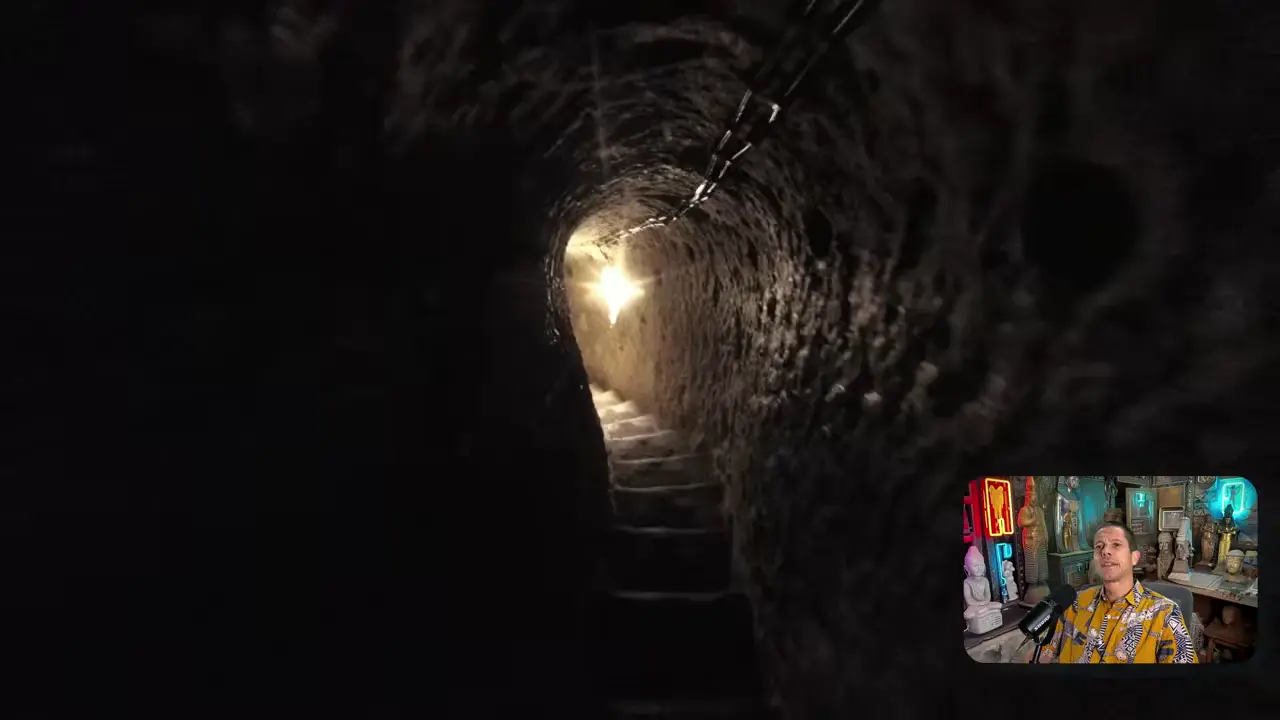
Video questions Derinkuyu’s 20,000-person capacity over uncertain waste disposal
No evidence of sewage system or waste management in Derinkuyu Underground City despite claims of 20,000 inhabitants. No wastewater or sewage management system found in Derinkuyu…
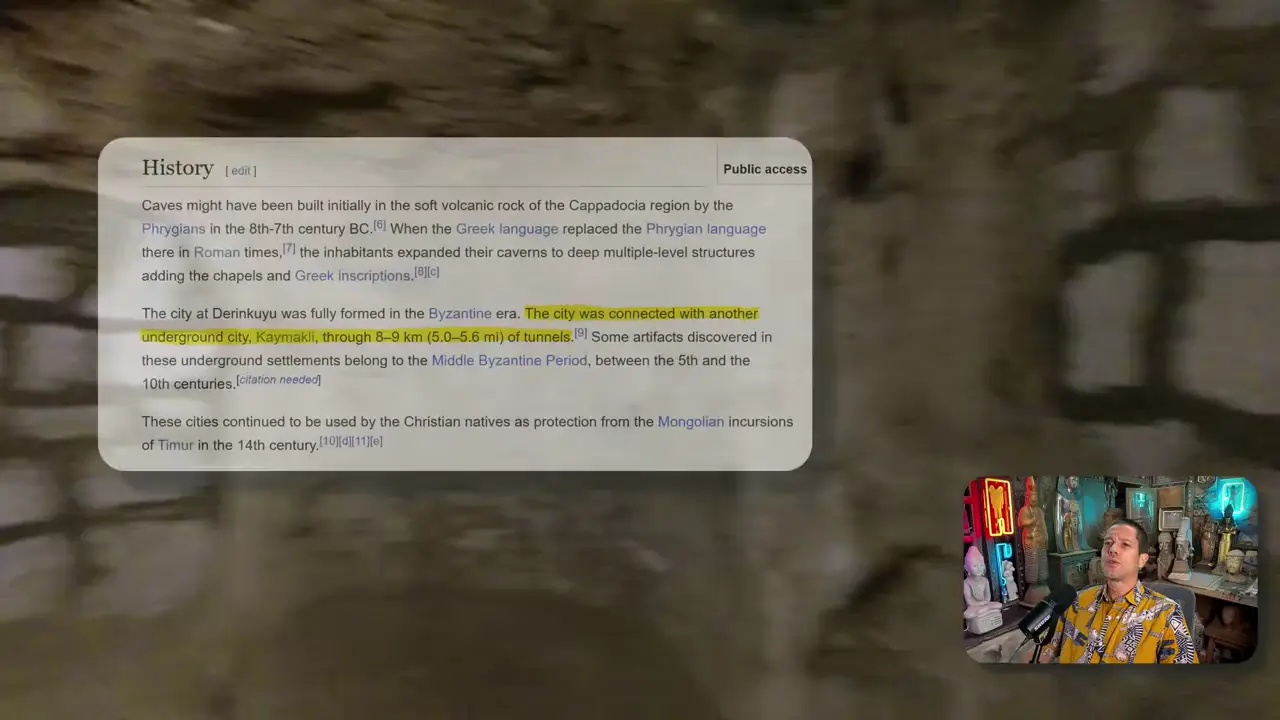
Nine-kilometer tunnel allegedly connects Derinkuyu Underground City to Kaymakli underground city
Nine-kilometer tunnel allegedly connects Derinkuyu Underground City to Kaymakli underground city. Wikipedia states Derinkuyu Underground City connected to Kaymakli via 9-kilometer…

The video presents disputed Christian, Hittite and Persian origins for Derinkuyu
Three competing theories explain Derinkuyu Underground City's construction: Christian, Hittite, or Persian origins. Early Christian theory: built 1st-4th century AD as refuge from…
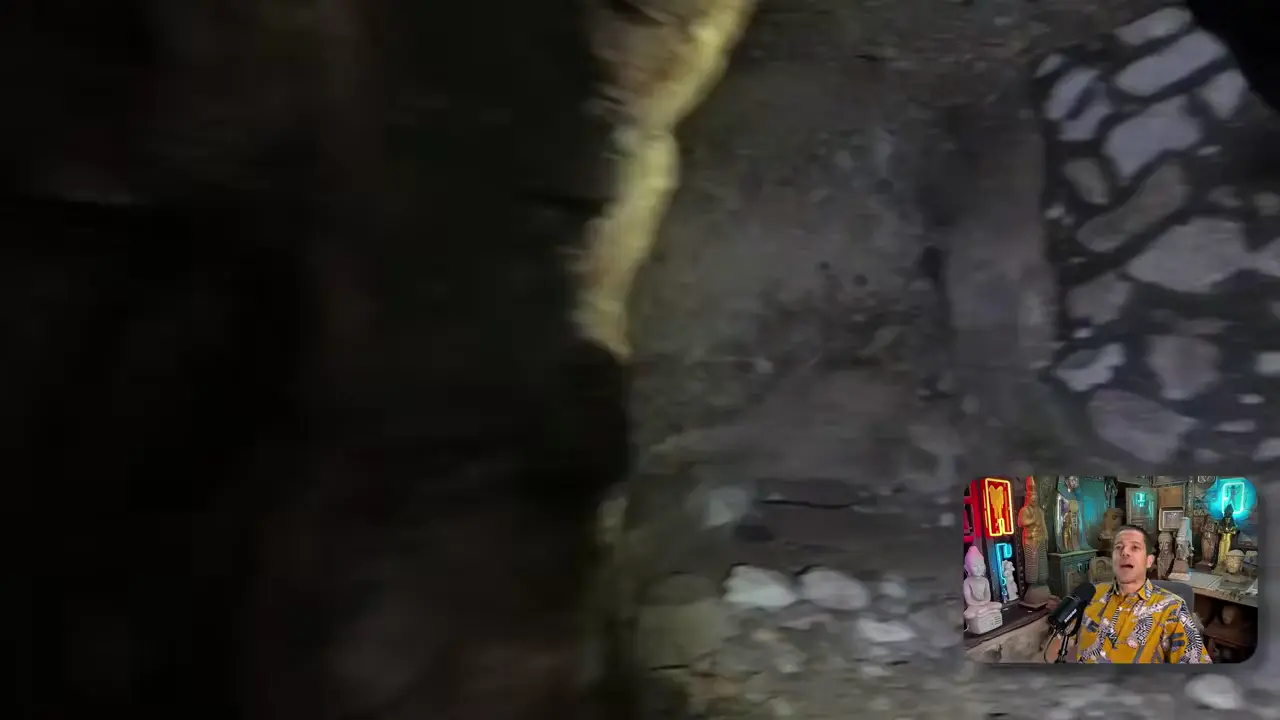
Video documents a sealed lower chamber in a closed section of Derinkuyu
Sealed lower chamber with staircase and portal discovered in restricted Derinkuyu Underground City area. Restricted area accessed through broken metal gate and narrow tunnel Huge…
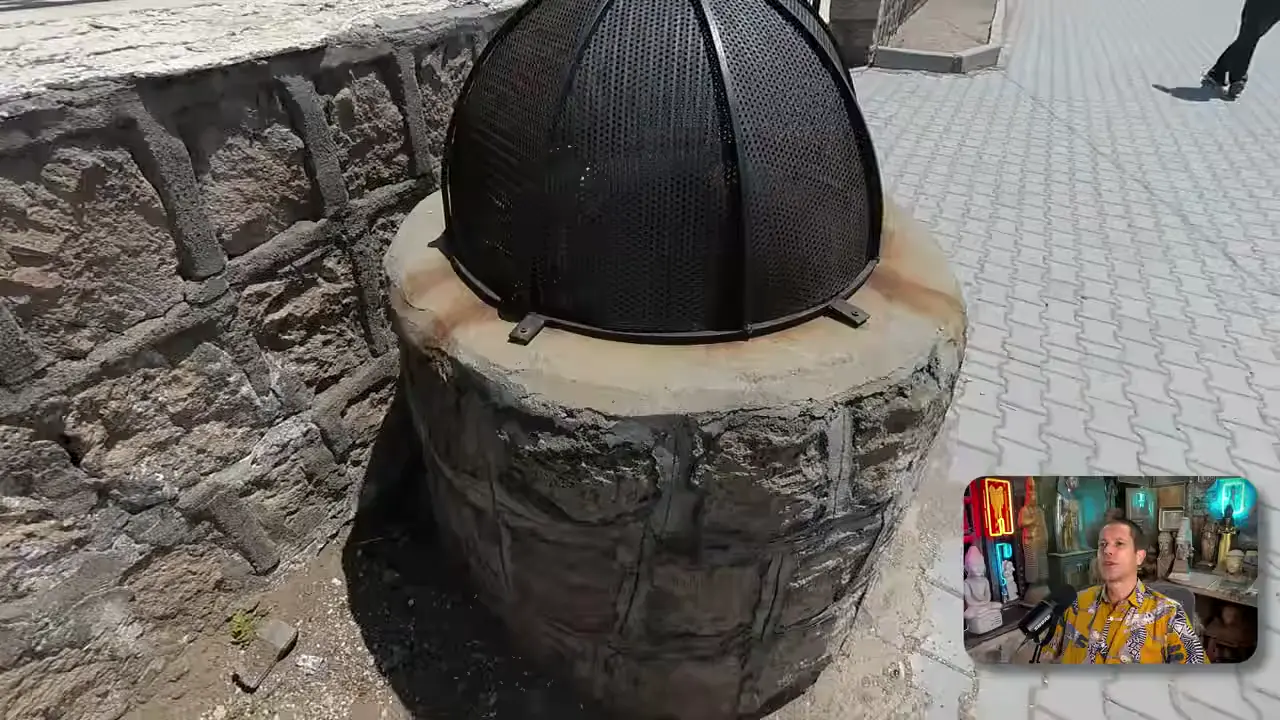
Derinkuyu's 52 ventilation shafts extend up to about 85 metres
Derinkuyu Underground City underground city features 52 ventilation shafts up to 60 meters deep. 52 ventilation shafts discovered at Derinkuyu Underground City Ventilation shafts…
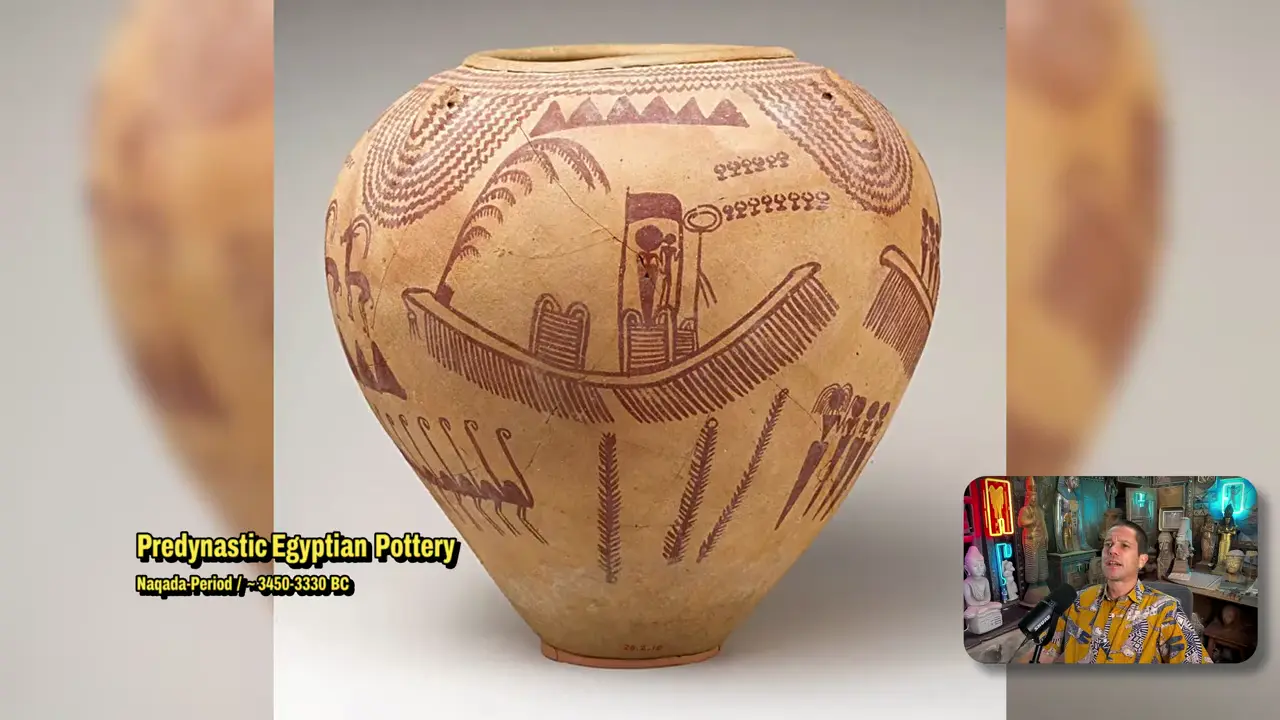
Red ochre symbols documented in Cappadocia cave churches
Red ochre geometric symbols found beneath Christian frescoes in Cappadocia cave churches. Primitive geometric symbols painted with red ochre found under Christian wall paintings…
Nine-kilometer tunnel reportedly connects Derinkuyu Underground City to Kaymakli underground city
Nine-kilometer tunnel reportedly connects Derinkuyu Underground City to Kaymakli underground city. Wikipedia article states Derinkuyu Underground City connected to Kaymakli via…
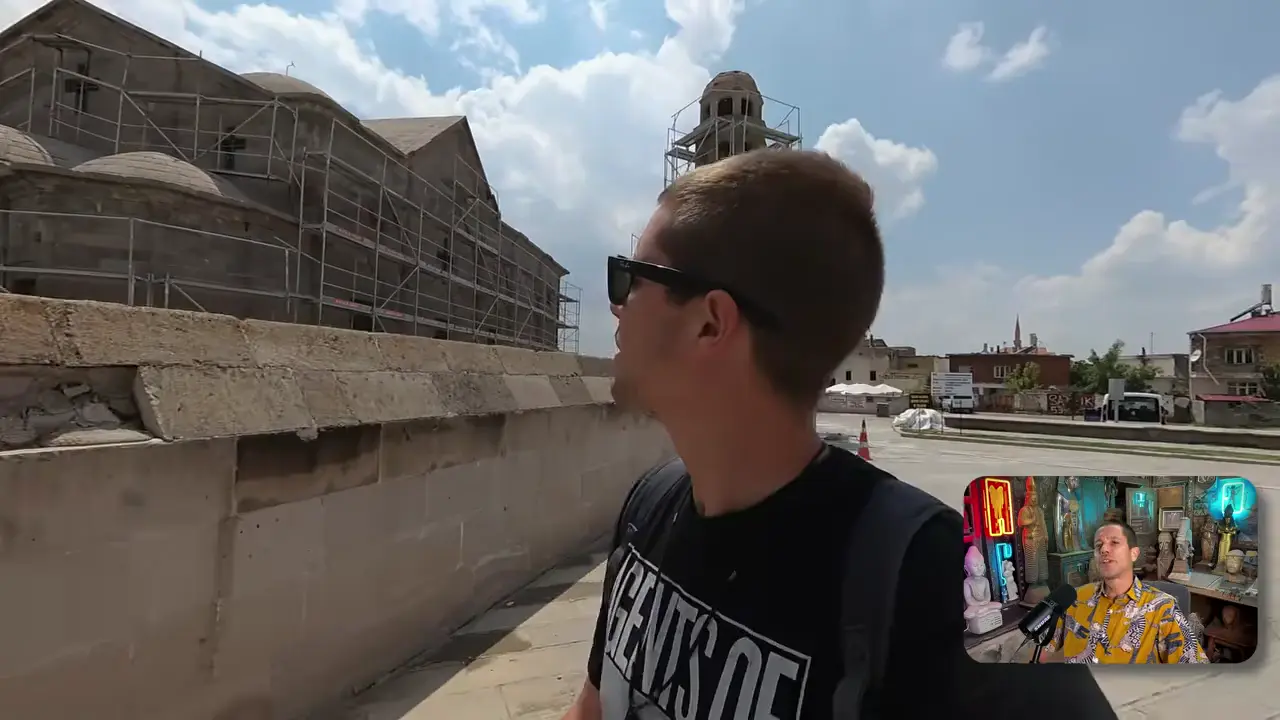
Derinkuyu Underground City rediscovery narrative questioned; locals report continuous historical use
Derinkuyu Underground City rediscovery narrative questioned; locals report continuous historical use. Official narrative: Derinkuyu Underground City rediscovered in 1963 by man…
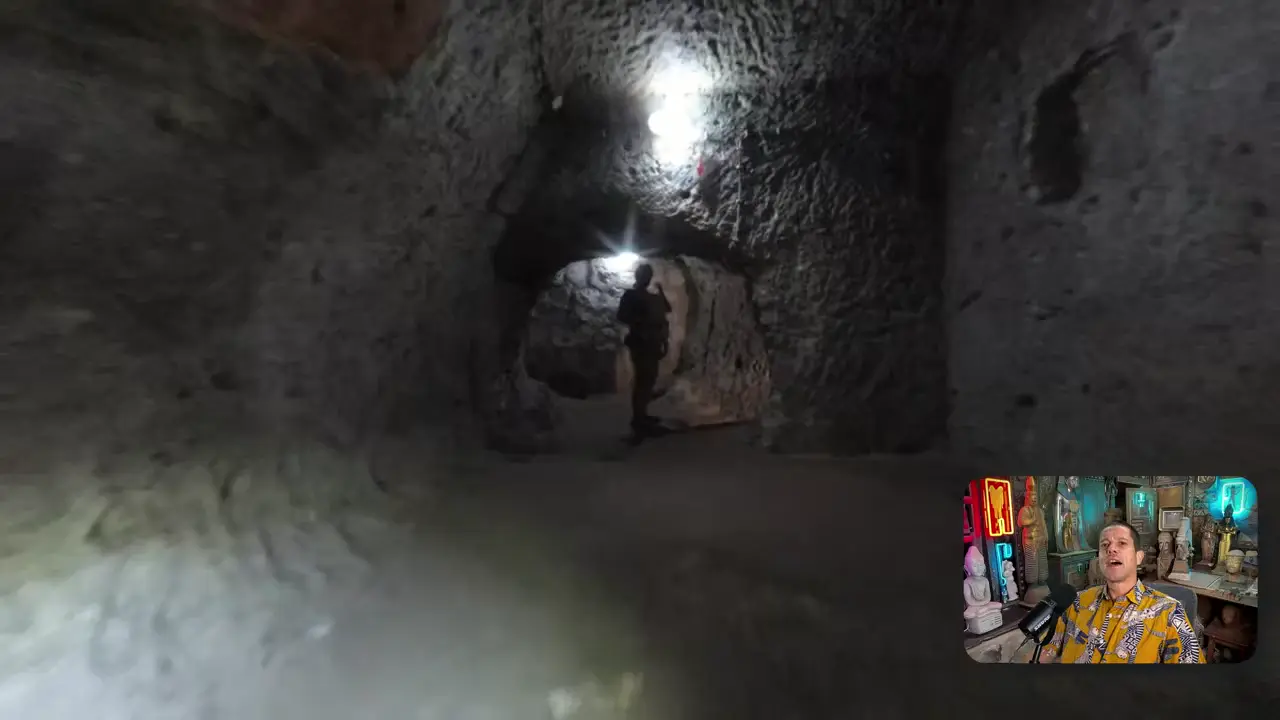
Derinkuyu Underground City underground city features 52 ventilation shafts up to 60 meters deep
Derinkuyu Underground City underground city features 52 ventilation shafts up to 60 meters deep. 52 ventilation shafts discovered at Derinkuyu Underground City Ventilation shafts…
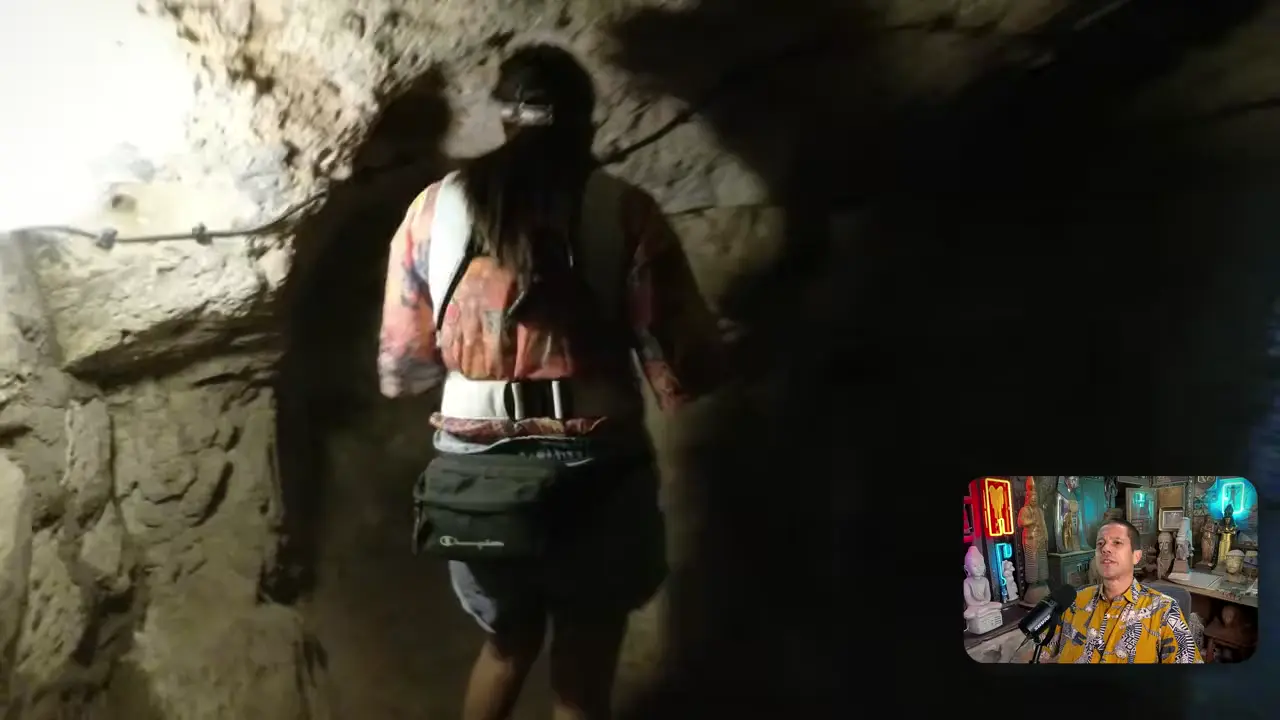
Only About 10% of Derinkuyu Underground City Is Open to Visitorslost_civilization
Only 15% of Derinkuyu Underground City underground city is accessible to tourists today. Approximately 15% of Derinkuyu Underground City is accessible to visitors Many tunnels and…
Video compares proposed Christian, Hittite and Persian origins for Derinkuyulost_civilization
Three competing theories explain Derinkuyu Underground City's construction: Christian, Hittite, or Persian origins. Early Christian theory: built 1st-4th century AD as refuge from…
Keep exploring
Every site on this page sits on the globe, and the people who research them are on the Discord.
3D Globe · Sites by country · Story Archive · Research Library · Weekly Journal · Search