

The Birdman cult’s annual egg contest centred on Orongo, the stone village on a narrow ridge between the Motu Nui cliffs and Rano Kau crater. Teams led by prominent islanders sent hopu—servants or attendants—to descend the cliffs and swim to Motu Nui for the first sooty tern egg. Contestants waited at Orongo while the hopu risked falls, drowning and shark attacks. A successful swimmer signalled from the islet, fasted alone and returned with the egg, which he presented to the contestant who became Tangata Manu and was exempt from ordinary duties for a year. Makemake was the chief god; Vhoa and Vikinatia were also associated with the cult. Missionaries in the 1860s accelerated its suppression, while its origins and relationship with the moai tradition remain debated.
Birdman Cult’s Annual Egg-Hunt Ritual on Easter Island
 ChileGeneral
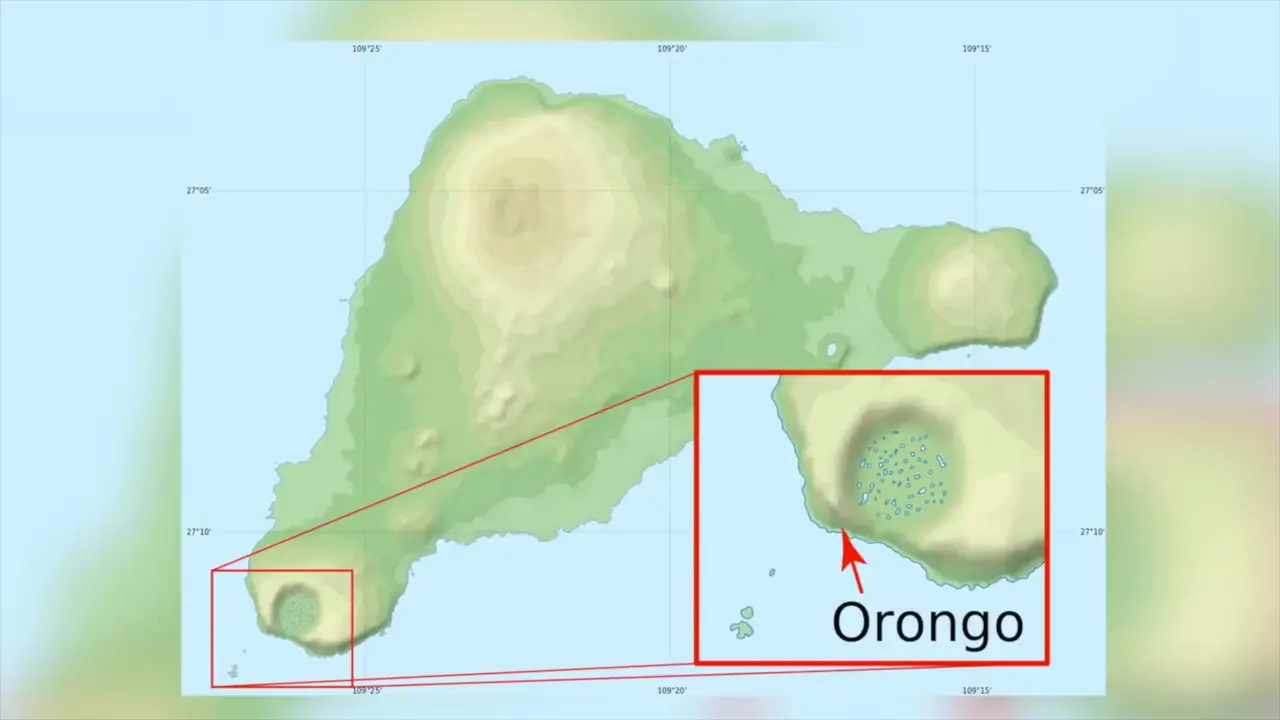
Site mentioned
Key facts
- The Birdman cult’s ceremonial centre was Orongo, a stone village on a narrow ridge with an approximately 1,000-foot drop to the ocean on one side and the Rano Kau crater on the other.
- The main ritual was an annual contest in which teams led by prominent islanders competed to retrieve the first sooty tern egg.
- Each team used one or two hopu—servants or attendants, not “men of letters”—who descended the cliffs and swam to Motu Nui to retrieve the egg.
- The contestants waited at Orongo while the hopu made the dangerous journey; the descent carried risks of falls, drowning and shark attacks.
- After finding the egg, the successful swimmer signalled from Motu Nui, fasted alone there and returned with the egg in a reed basket tied to his head.
- He then climbed to Orongo and presented the egg to the winning contestant, whose shaved and white- or red-painted head marked him as the Tangata Manu (Birdman).
- The Tangata Manu was exempt from ordinary duties for a year.
- Makemake was the chief god; Vhoa, a male god associated with eggs, and the female deity Vikinatia were also part of the cult.
- Christian missionaries in the 1860s accelerated the cult’s suppression.
- The cult’s origins and its relationship with the moai tradition remain debated.
Sources
thehistoryblog.com
Linked in video description
bradshawfoundation.com
Linked in video description
eisp.org
Linked in video description
Tangata Manu, the Easter Island birdman cultimaginarapanui.com
Learn about the incredible competition that took place at Orongo every year to choose the Tangata Manu or Easter Island birdman.
Tangata manuen.wikipedia.org
The Tangata manu (Rapa . 'birdman') was the winner of a traditional ritual competition on Rapa Nui (Easter Island). ity Makemake was the chief god of the bird- ...
Myths and folklore of the birdman cult on the Easter Islandearthstoriez.com
While Tangata manu festivities were taking place at Orongo, the hopu on Motu Nui recited prayers or incantations to ensure their success in finding the first ...
Tangata Manu: Easter Island's Ancient Birdman Competitionexplora.com
Once a year, warriors dove off cliff edges to retrieve the first sooty tern egg of the season. The Tangata Manu ritual defined power on Rapa ...
Birdman Cult of Easter Island - Hole in the Donut Cultural ...holeinthedonut.com
After the decline of Moai culture on Easter Island, a new cult emerged that revolved around fertility and the worship of migratory seabirds.
Was this story useful?
Keep exploring
Every site on this page sits on the globe, and the people who research them are on the Discord.
3D Globe · Sites by country · Story Archive · Research Library · Weekly Journal · Search
AI-generated text · images from the original sources · always verify with the sources.