
 Ukraine
Scythian Neapolis, also known as Kermenchik, was an Iranic settlement that existed in the Crimean Peninsula from the end of the 3rd century BC until the second half of the 3rd century AD [1]. The archaeological ruins sit on the outskirts of the present-day Simferopol [1]. This city was the centre of Crimea's Scythian tribes, led by Skilurus and Palacus [1]. The town ruled over a small kingdom, covering the lands between the lower Dnieper and Crimea [1]. Between the end of the 4th century BC and the beginning of the 3rd century BC, historians suggest that the Kizil-Koba culture occupied the area of Scythian Neapolis before any Scythian artefacts were found; Neapolis was destroyed by the Goths halfway through the 3rd century AD [1]. This settlement was first excavated in 1945 by Schultz and Golovkina [1]. During the Scythian period a large stone wall surrounded the settlement as a defence method against the Sarmatians and had a large gate, flanked by two defence towers [1].
Text: Wikipedia – 'Scythian Neapolis' (revision of 2026-07-19), CC BY-SA 4.0 · sentences selected and shortened by an AI system · source →Scythian Neapolis
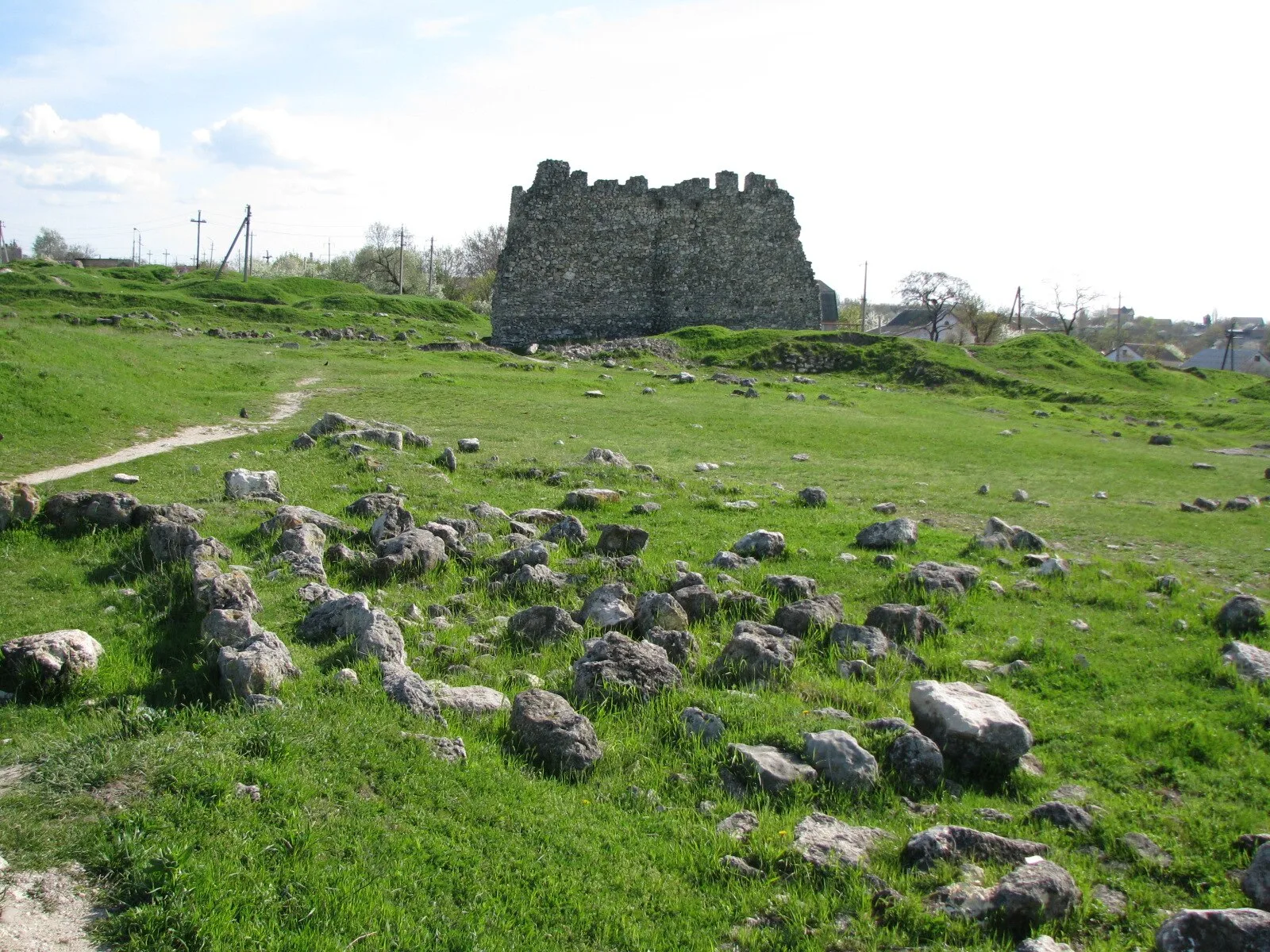
Also known as: Kermenčik, Neapelj, Neapol, Neapolis, Neapoli Scita, Neàpolis d'Escítia, Neapolis escita, Neapolis Scythe, Neapolis Scythica, Neapolisul scit, Neapol Scytyjski, Scythisch Neapolis
| Type | City/town/settlement |
|---|---|
| Period | 500 BC - 1 AD |
| Country | Ukraine |
| Coordinates | 44.9430° N, 34.1205° E |