

Scythian Neapolis necropolis in Crimea (late 2nd c. BC to mid 3rd c. CE) yielded cast openwork bronze pendants forming 3D spheres with substantial knobs, 3–8 cm across — the same size range as Roman dodecahedra. Placed beside spines or at heads in women's and children's graves. Striking ritual parallels with Roman finds!
Crimean Scythian openwork bronze pendants bridge Asian gold and Roman bronze traditions
 UkraineTheory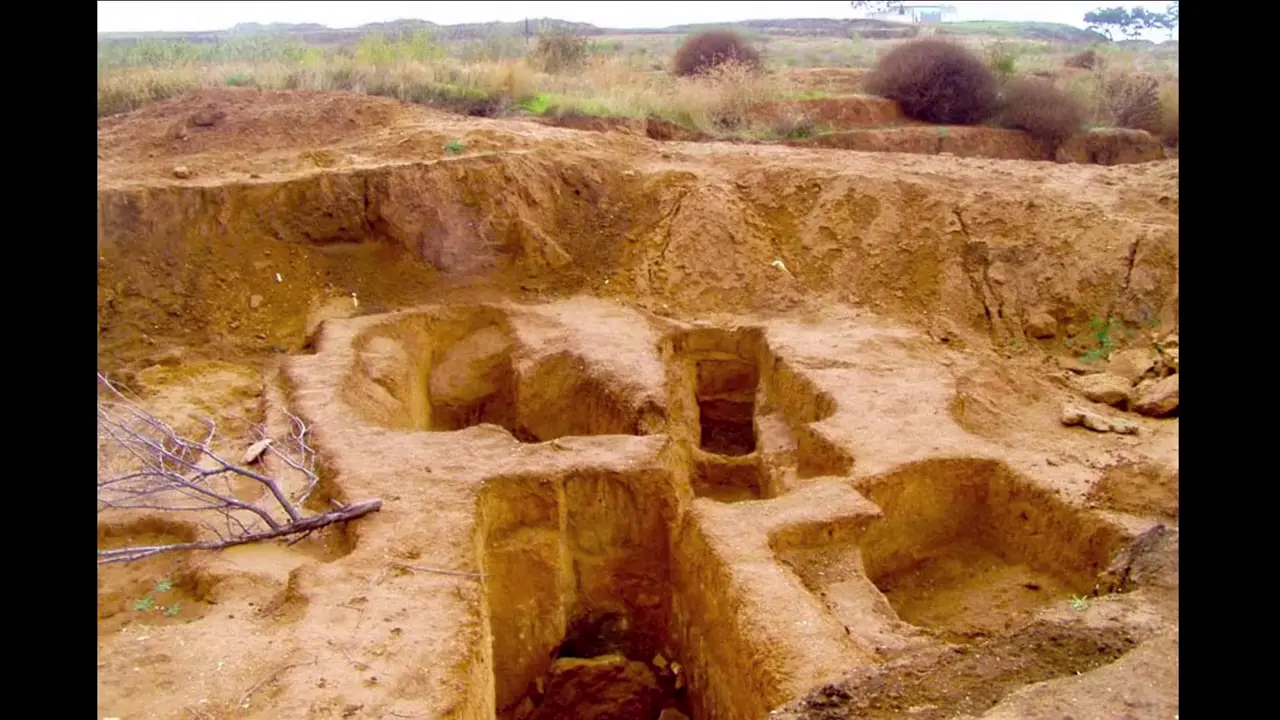
Site mentioned
Key facts
- Scythian Neapolis Necropolis, Crimea, late 2nd century BC to mid 3rd century CE: cast openwork bronze pendants interlocking into 3D spherical forms with clusters of substantial knobs at regular intervals
- Crimean openwork bronze objects measure 3–8 cm in diameter — the same size range as Roman dodecahedra
- Similar objects found at the Belbek burial ground, also in Crimea, and similar openwork bronze cage pendants occur in the Balkans from the end of the 8th century BC and are known in the Don region, the Caucasus, the Black Sea steppe, and modern Hungary
- Crimean objects classified as amulets: not found on the body but placed next to the backbone, at the head, in a bag, or beside the body, most often in women's and children's graves
- Roman dodecahedra recovered from comparable ritual contexts: grave burial goods, near sacrificial shafts at cult precincts, a temple cache at the Temple of Nodens in Wales, next to a bronze goddess statuette north of Paris, alongside a Mercury Herm at a German frontier site
- Celtic frontier territories maintained trading and cultural contact with the Pontic steppe world from roughly 450 BC onward, while the Roman heartland did not participate in this exchange network
Sources
journals.openedition.org
Linked in video description
link.springer.com
Linked in video description
nunc.ch
Linked in video description
cambridge.org
Linked in video description
Crimea: Scythian Neapolistravel2unlimited.com
In the very center of the Crimean peninsula near the town if Simferopol lie the archaeological ruins of Scythian Neapolis, a settlement dating back to the 3rd ...
Information about the place NEAPOLIS (Ancient city) ...gtp.gr
Its walls, which consisted of slabs of stone, have been preserved up to 3 m. Inside were 72 richly furnished tombs, probably belonging to dynastic kings buried ...
Weapons in Obsequial Rite of Ust-Alminsk Necropolis ...eminak.net.ua
by G Medvedev · 2021 — Crimean Scythia participated in the Bosporan-Roman War as an ally of Bosporus. In the second century CE, the hostilities of Bosporan army took ...
Scythian Neapolisen.wikipedia.org
Scythian Neapolis also known as Kermenchik, was an Iranic settlement that existed in the Crimean Peninsula from the end of the 3rd century BC until the ...
Was this story useful?
Keep exploring
Every site on this page sits on the globe, and the people who research them are on the Discord.
3D Globe · Sites by country · Story Archive · Research Library · Weekly Journal · Search
AI-generated text · images from the original sources · always verify with the sources.