
 Spain
SpainThe Roman mausoleum of Córdoba is an ancient structure in the Jardines de la Victoria, Córdoba, Andalusia, southern Spain [1]. The mausoleum is located near the road that connected the ancient city with Hispalis (now Seville), and exited from the city by the western gate [1]. The mausoleums were built on a pre-existing necropolis that had already undergone a phase of monumentalization during the Augustus era [1]. During the reign of Emperor Tiberius (14-37 AD), the Northern Mausoleum was constructed, serving as the final resting place for an unknown patrician [1]. The Southern Mausoleum was intended for the ancestors and relatives of this patrician, taking the form of a columbarium [1]. The remains were discovered in 1993 during archaeological excavations, after which they were reconstructed following original patterns [1].
Text: Wikipedia – 'Roman mausoleum of Córdoba' (revision of 2024-03-19), CC BY-SA 4.0 · sentences selected and shortened by an AI system · source →Roman Mausoleum of Córdoba
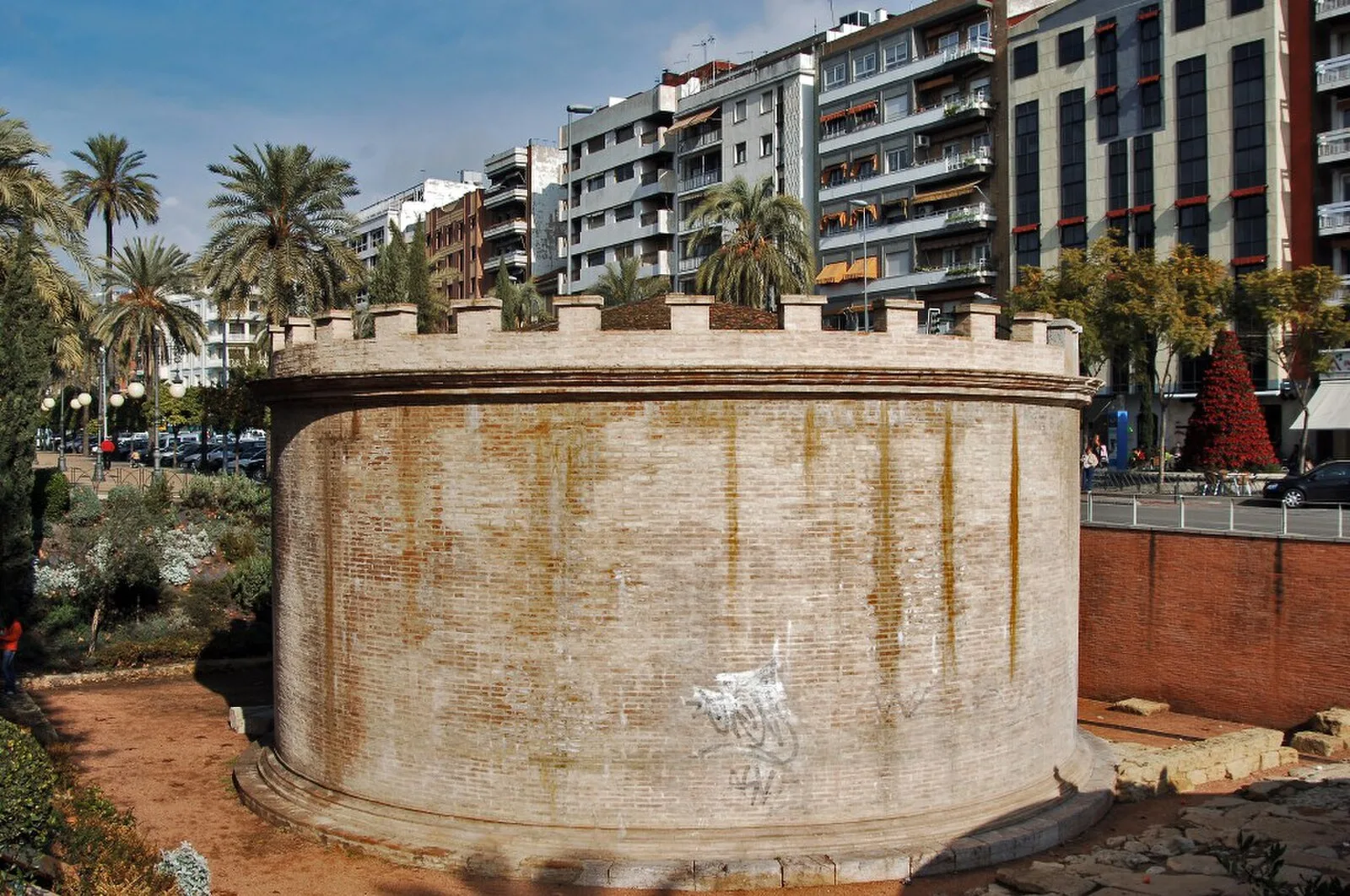
Also known as: mausolée romain de Cordoue, Mausoleo romano (Córdoba), Mausoleo romano de Córdoba, mausoleo romano di Cordova, Mausoleo romano Puerta Gallegos, Mausoleu romà, Mausoleu romà (Còrdova), Necrópolis del Camino Viejo de Almodovar, Paseo de la Victoria, 科尔多瓦罗马陵墓
| Type | Necropolis/tombs complex |
|---|---|
| Period | 1 - 500 AD |
| Country | Spain |
| Coordinates | 37.8853° N, 4.7850° W |