

Archaeological Sites in Israel
Temple complex in Israel (6)
Anim Synagogue
A 4th-7th century CE basilical synagogue at Horvat Anim (Khirbet Ghuwein al-Tahta) in the southern Hebron Hills, Israel. The rectangular hall measures approximately 14.5 by 8.5…
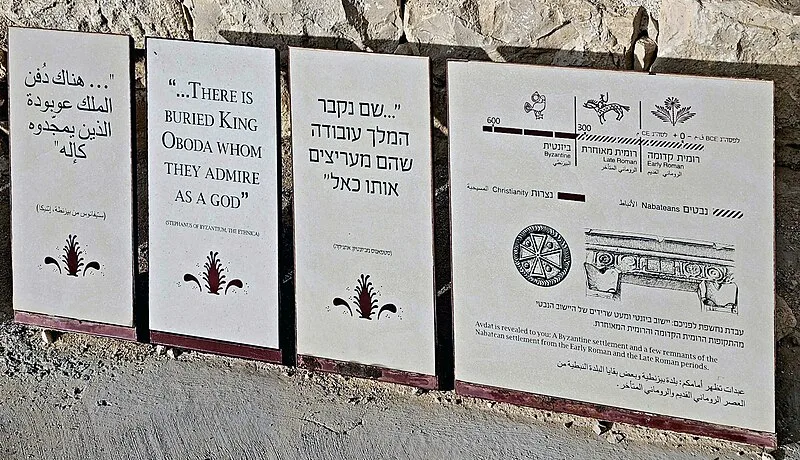
Avdat National Park
Avdat is a ruined ancient city in the Negev Desert that was the most important city on the Incense Route after Petra. Originally called Oboda, the site was inhabited from the 3rd…
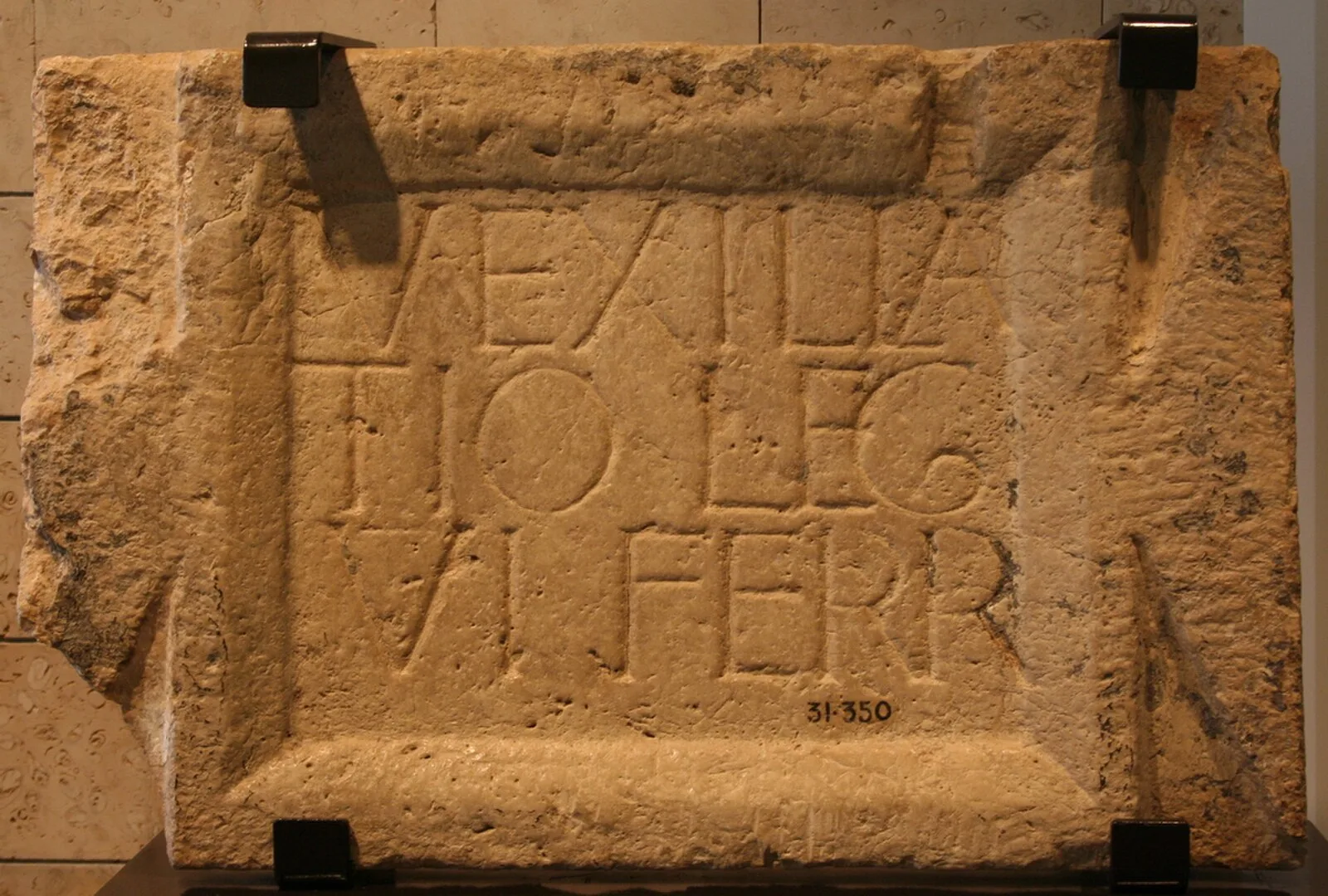
Beit Guvrin-Maresha National Park
Beit Guvrin-Maresha National Park in central Israel encompasses the ruins of Maresha, an important town of Judah from the 8th century BC, and Beit Guvrin (Roman Eleutheropolis).…
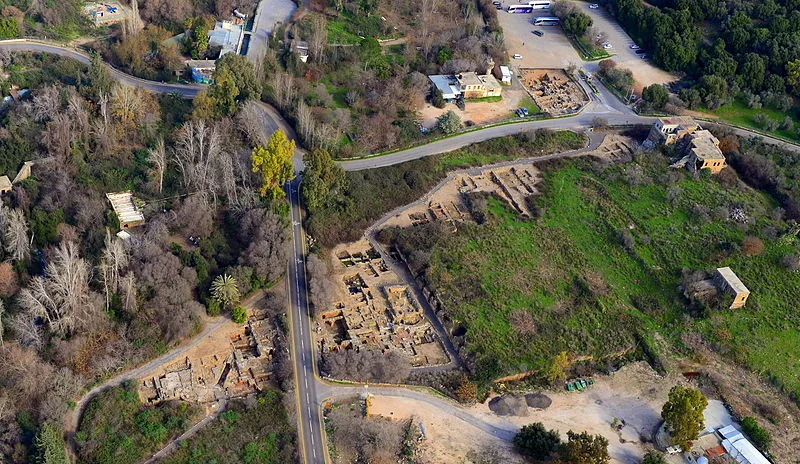
Caesarea Philippi
Caesarea Philippi, originally called Banias, is an ancient site at the foot of Mount Hermon in the Golan Heights. The spring is the source of the Banias River, one of the main…
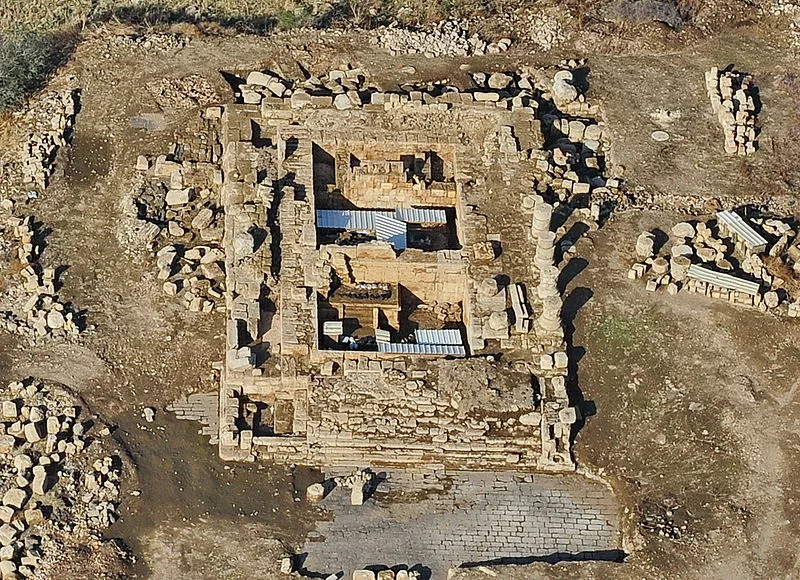
Horvat Omrit
Horvat Omrit (Khirbat 'Umayrī) is an archaeological site featuring the ruins of a Roman temple complex. Located on the western slopes of the Golan Heights where they meet the…
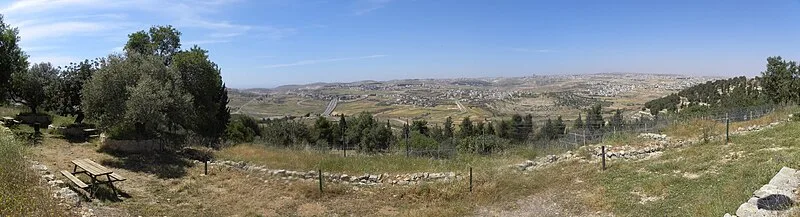
Nebi Samuel National Park
Nebi Samuel is an archaeological and religious site on a hilltop over 800 m above sea level near Jerusalem, traditionally identified as the burial place of the biblical prophet…
City/town/settlement in Israel (5)
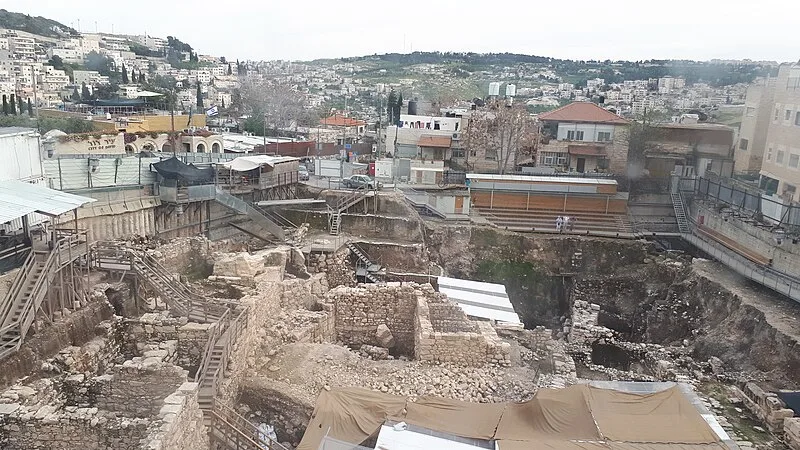
City of David
The City of David is the most excavated archaeological site in Israel, situated on a ridge south of the Temple Mount, representing the original urban core of ancient Jerusalem.…
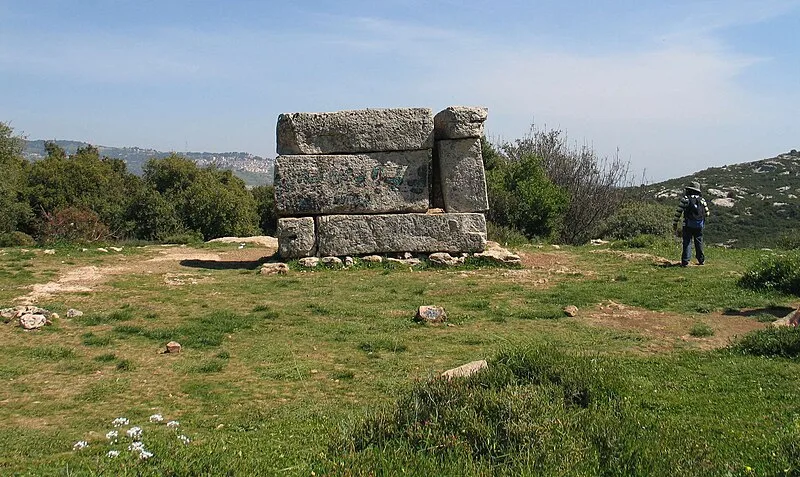
Horvat Shema
Khirbet Shema is an archaeological site at the foot of Mount Meron in Upper Galilee, Israel, containing ruins of a large Jewish village from the Roman and Byzantine periods…
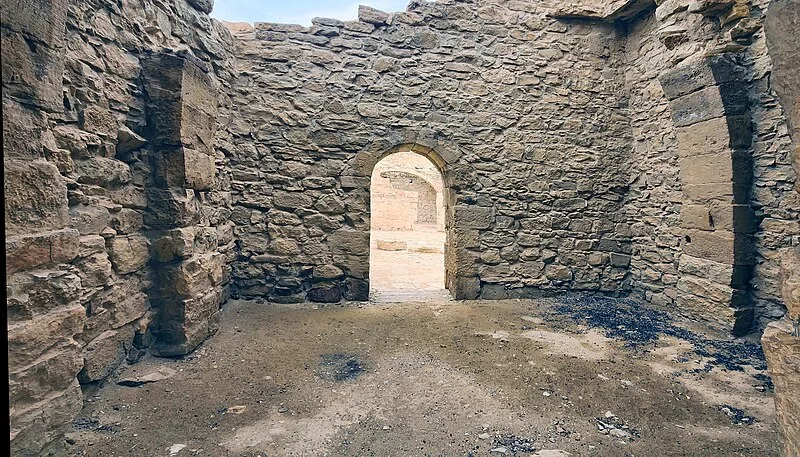
Shivta National Park
An ancient Nabatean and Byzantine city in the Negev Desert, 43 km southwest of Beersheba, Israel, designated a UNESCO World Heritage Site in 2005 as part of the Incense Route.…
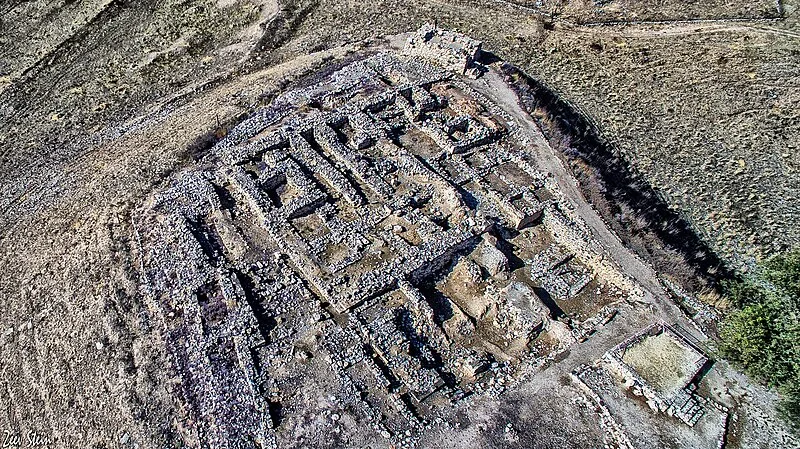
Tel Hazor National Park
Tel Hazor, located in Upper Galilee north of the Sea of Galilee, was the largest fortified city in ancient Israel from the Middle Bronze Age to the Iron Age and one of the most…
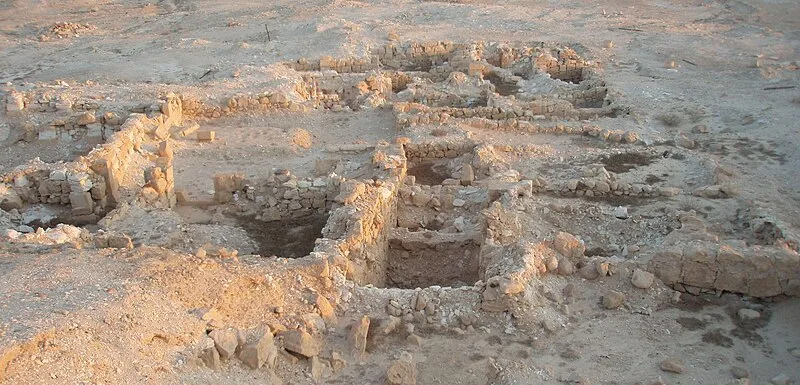
The Archaeological Site Nitzana
Nessana (Nitzana) is an ancient Nabatean city in the southwestern Negev desert of Israel, founded as a fortified caravan station on the Incense Road in the late 4th or early 3rd…
Fortress/citadel in Israel (3)

Herodion National Park
A palace-fortress built between 23-15 BC by King Herod atop a partly artificial hill in the Judaean Desert, 12 km south of Jerusalem. Constructed to commemorate Herod's victory…
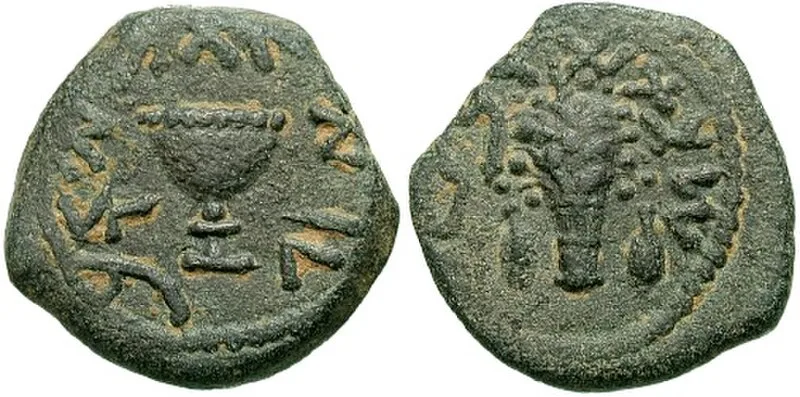
Masada National Park
Masada is a mountain-top fortress complex in the Judaean Desert, overlooking the western shore of the Dead Sea in southeastern Israel. Built in the first century BC atop a natural…
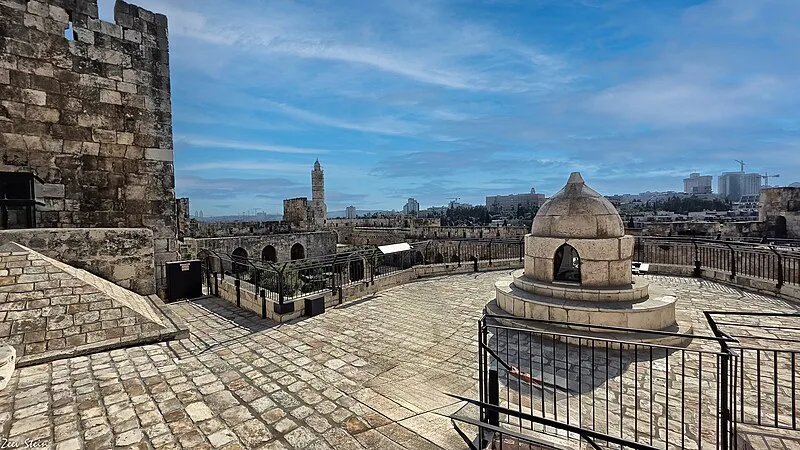
Tower of David
The Tower of David is an ancient citadel near the Jaffa Gate entrance to Jerusalem's Old City, containing archaeological remains spanning over 2,500 years. Built on Hasmonean…
Necropolis/tombs complex in Israel (3)
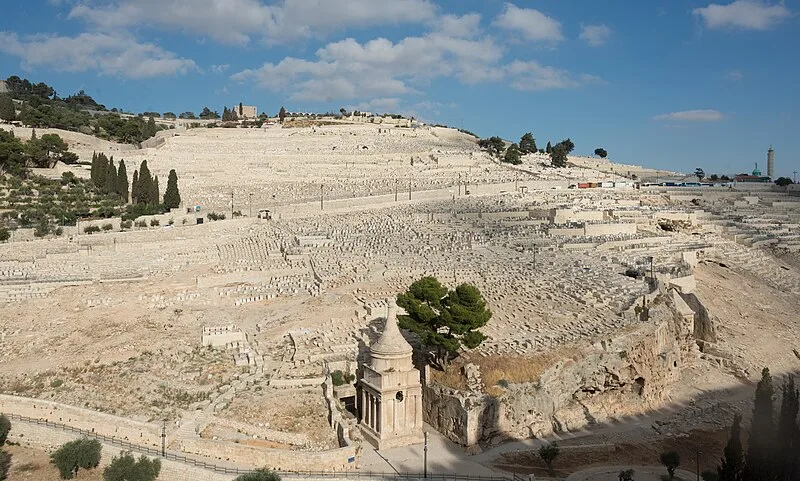
Absalom's Tomb
The Tomb of Absalom is an ancient monumental rock-cut tomb with a conical roof located in the Kidron Valley on the lower western foothills of Mount of Olives, facing the old city…
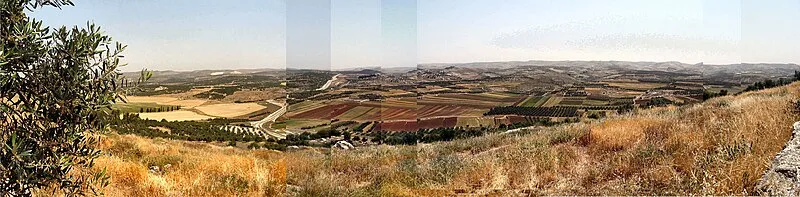
Adullam Grove Nature Reserve
A nature reserve south of Beit Shemesh in central Israel containing extensive archaeological remains spanning the 10th century BC to 4th century AD. The site of Khirbet Midras…
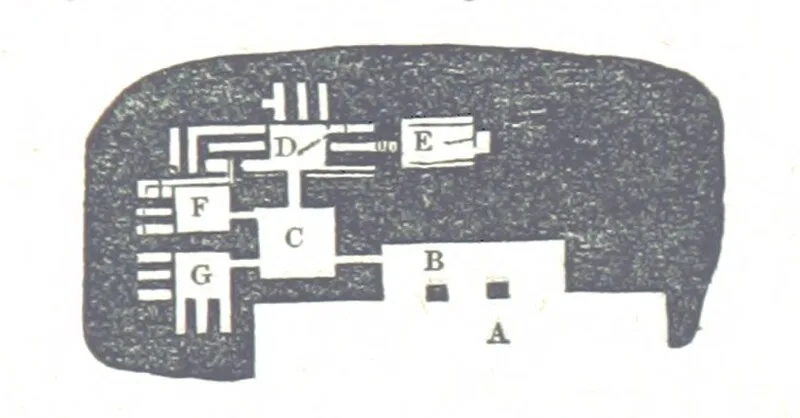
Tombs of the Kings
A monumental rock-cut funerary complex in East Jerusalem, about half a mile north of the Old City walls in the Sheikh Jarrah neighborhood. Believed to be the burial site of Queen…
Gate/archway/bridge in Israel (2)
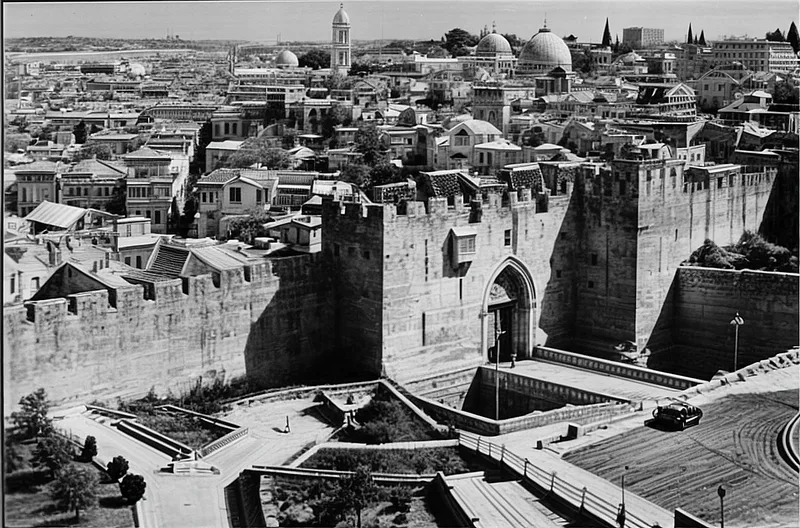
Damascus Gate
The Damascus Gate is one of the main entrances to Jerusalem's Old City along the northern wall. The current Ottoman structure was built in 1537 under Sultan Suleiman the…
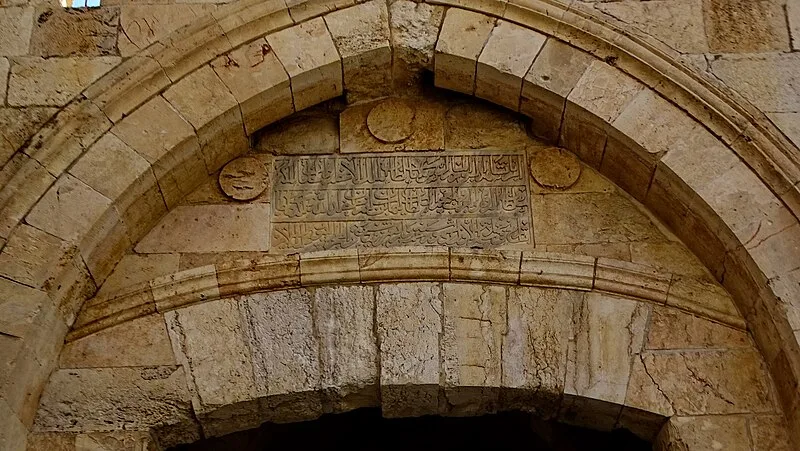
Jaffa Gate
Jaffa Gate (Arabic: Bab al-Khalil, "Gate of the Friend") is one of seven main open gates of the Old City of Jerusalem, built in 1538 by Ottoman Sultan Suleiman the Magnificent.…
Cave Structures in Israel (1)
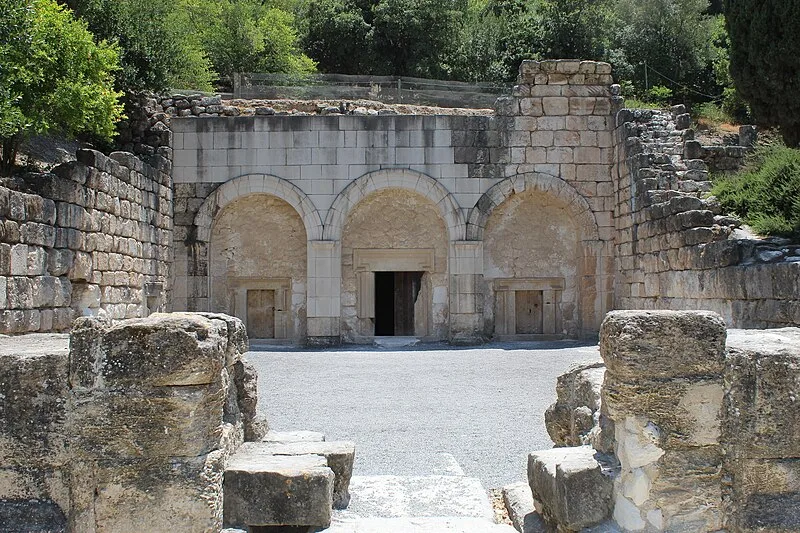
Megalithic structures in Israel (1)
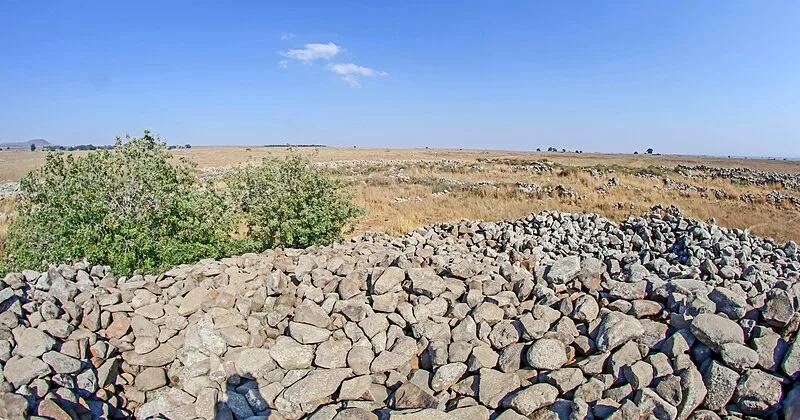
Megalithic walls in Israel (1)
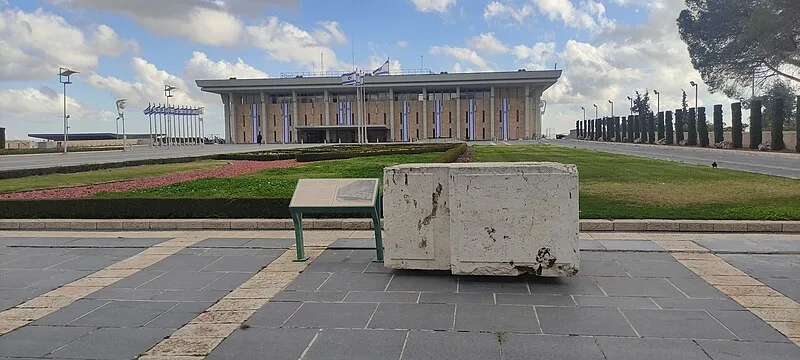
Museum in Israel (1)
Settlement in Israel (1)
Underwater structures in Israel (1)
Keep exploring
Every site on this page sits on the globe, and the people who research them are on the Discord.
3D Globe · Sites by country · Story Archive · Research Library · Weekly Journal · Search