
 Afghanistan
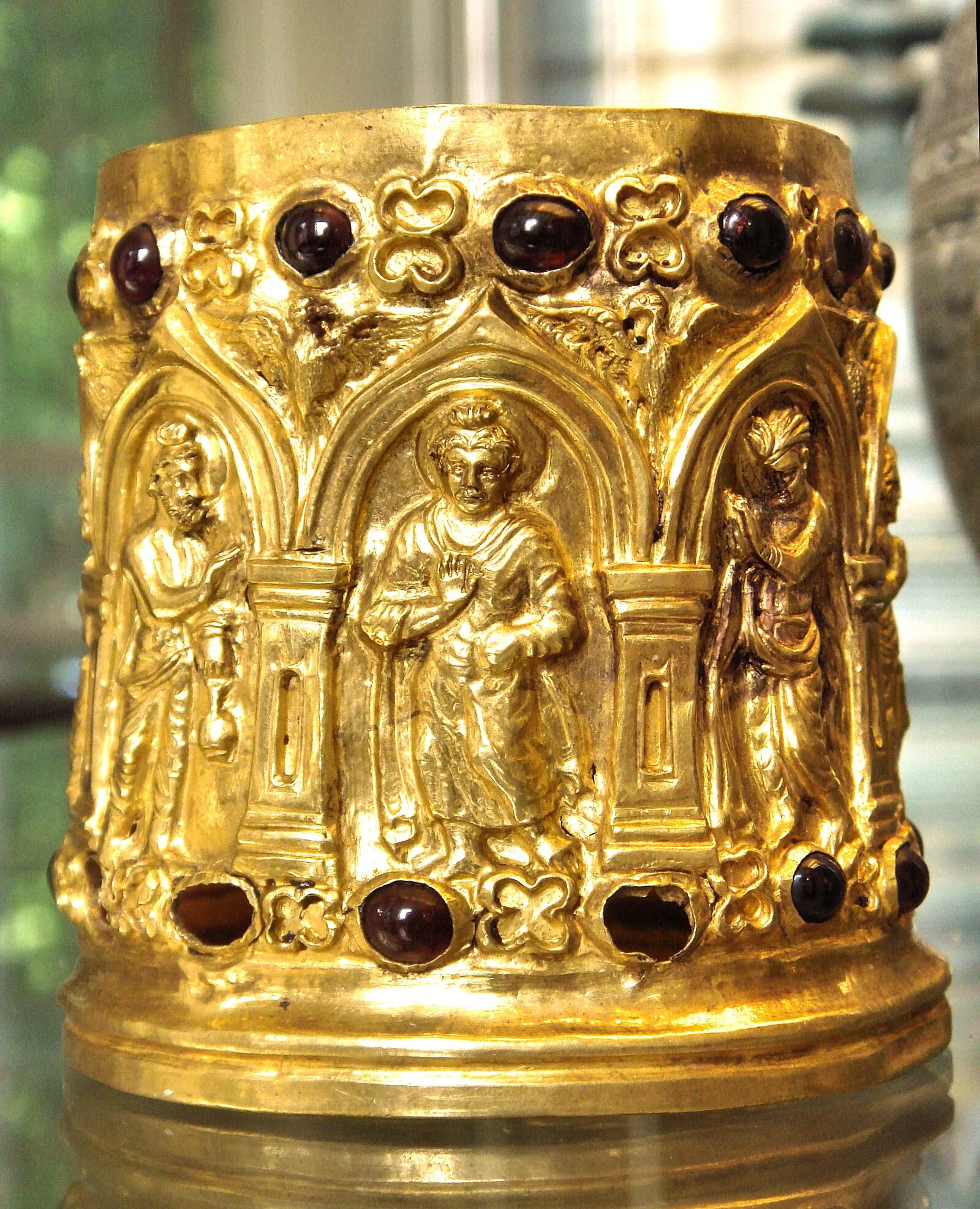
British archaeologist Charles Masson excavated the famous Bimaran casket from Stupa No. 2 in the 1830s -- a small gold reliquary (6.5 x 6.6 cm) decorated with repoussed arches framing figures of the Buddha, Indra, and Brahma inlaid with garnets [1]. The casket contains what scholars consider among the earliest datable anthropomorphic images of the Buddha, marking a revolutionary departure from earlier symbolic representations [1]. The reliquary is regarded as foundational to Greco-Buddhist art [1].
Bimaran
Also known as: بیماران (ننگرهار), பீமரன் தூபி, බිමාරාන්, 毕马兰
| Type | Archaeological site |
|---|---|
| Period | 500 BC - 1 AD |
| Country | Afghanistan |
| Coordinates | 34.4707° N, 70.3499° E |