
 Afghanistan
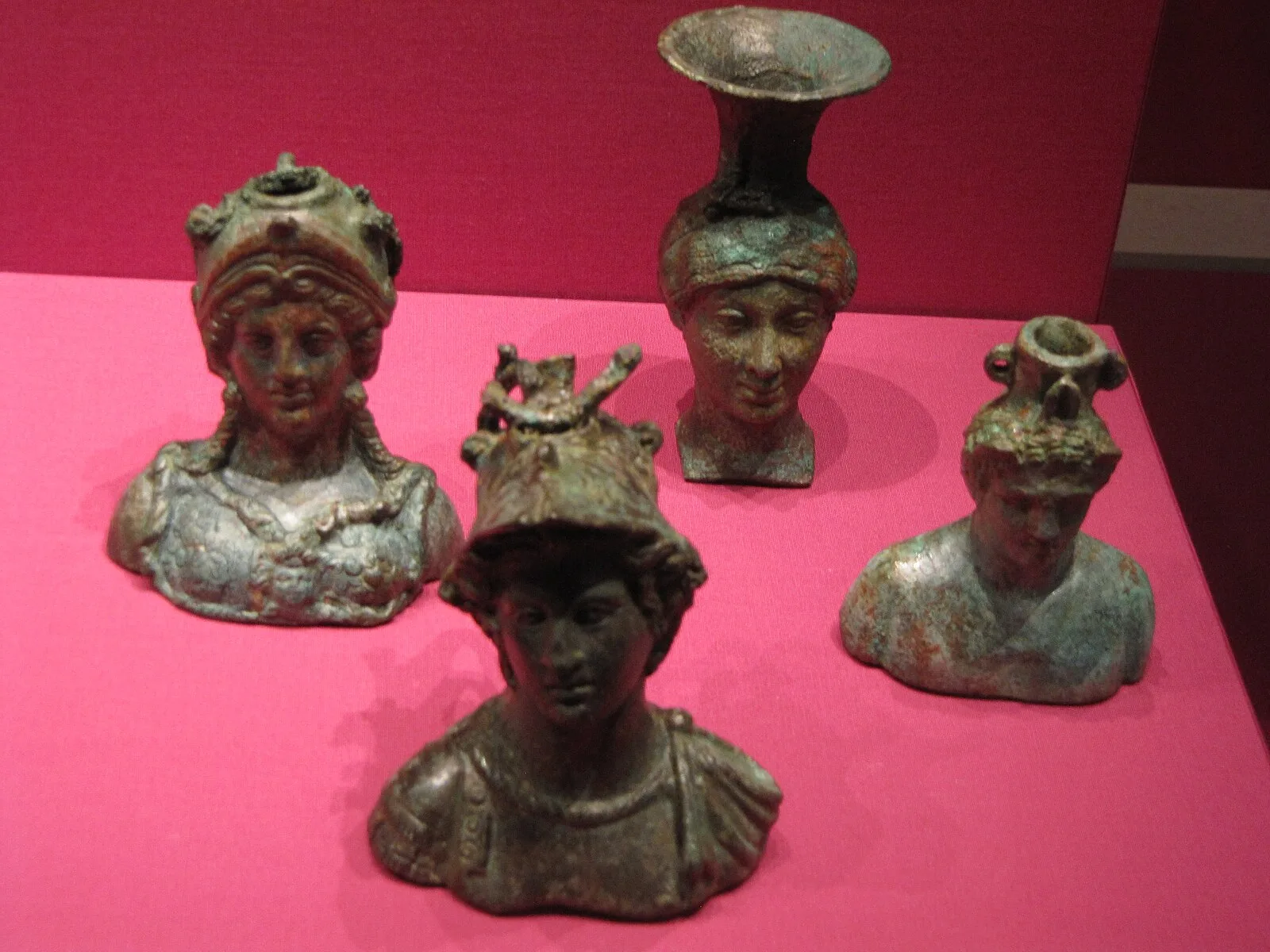
Alexandria in the Caucasus was a colony of Alexander the Great [1]. It was one of many colonies designated with the name "Alexandria" [1]. He founded the colony at an important junction of communications in the southern foothills of the Hindu Kush mountains, in the country of the Paropamisadae [1]. In Classical times, the Hindu Kush mountains were also designated as the "Caucasus", specifically as "Caucasus Indicus" in parallel to their Western equivalent, the Caucasus Mountains between Europe and Asia [1]. Alexandria of the Caucasus was one of the capitals of the Indo-Greek kings (180 BC – AD 10) [1]. During the reign of Menander I the city was recorded as having a thriving Buddhist community, headed by Greek monks [1]. In the 1930s Roman Ghirshman, while conducting excavations near Bagram, found Egyptian and Syrian glassware, bronze statuettes, bowls, the Begram ivories and other objects including statues [1].
Text: Wikipedia – 'Alexandria in the Caucasus' (revision of 2026-07-18), CC BY-SA 4.0 · sentences selected and shortened by an AI system · source →Alexandria in the Caucasus
Also known as: Aleksandreia (Kafkasya), Aleksandreia (Kaukasos), Aleksandria Kaukaska, Aleksandrija na Kavkazu, Alessandria del Caucaso, Alexandrea ad Caucasum, Alexandria, Alexandria ad Caucasum, Alexandria am Hindukusch, Alexandria am Kaukasus, Alexandria Caucasica, Alexandria del Caucas
| Type | City/town/settlement |
|---|---|
| Period | 500 BC - 1 AD |
| Country | Afghanistan |
| Coordinates | 34.9989° N, 69.3114° E |