

Story Archive
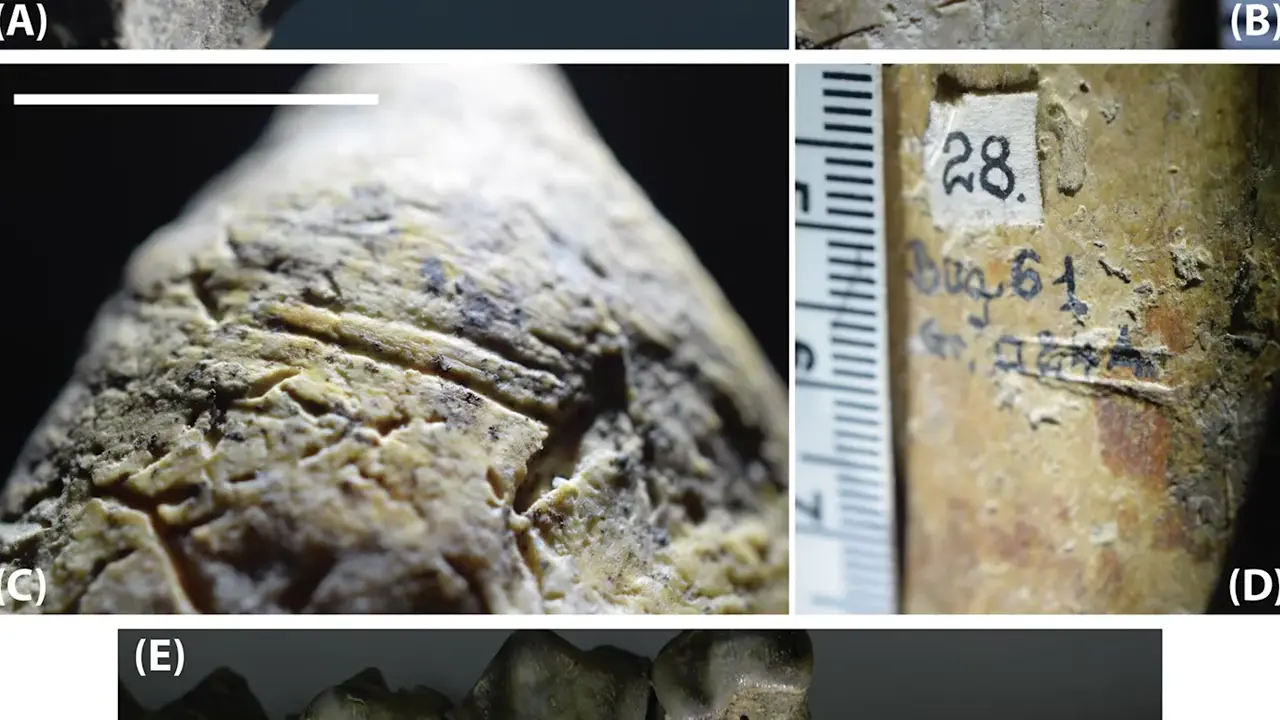
Grăunceanu: 1.95-million-year-old cut marks push back European hominin date
Grăunceanu: 1.95-million-year-old cut marks push back European hominin date. Site at Grăunceanu in southern Romania, on the border with Bulgaria Archaeologists recovered 4,983…
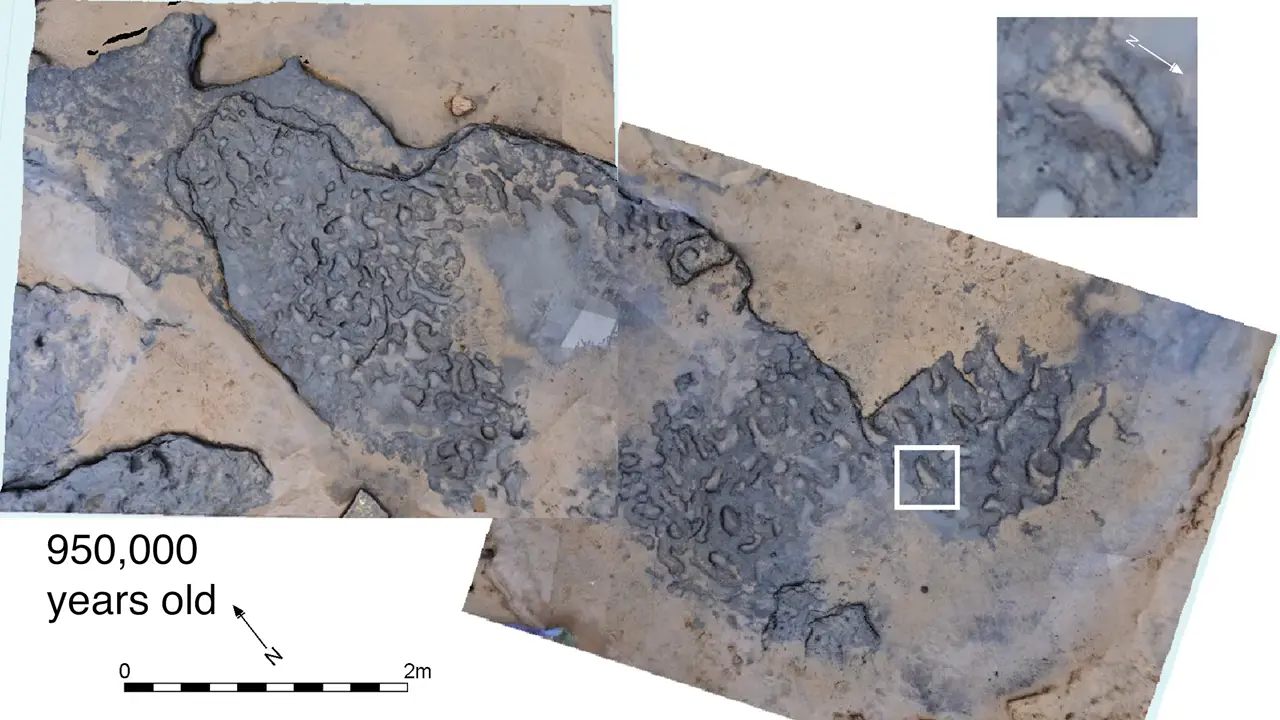
Happisburgh: 850,000–950,000-year-old human footprints found in Britain
Happisburgh: 950,000-year-old human footprints found in Britain. In 2000, a handaxe was found by a man walking his dog at Happisburgh on the British coast, prompting investigation…
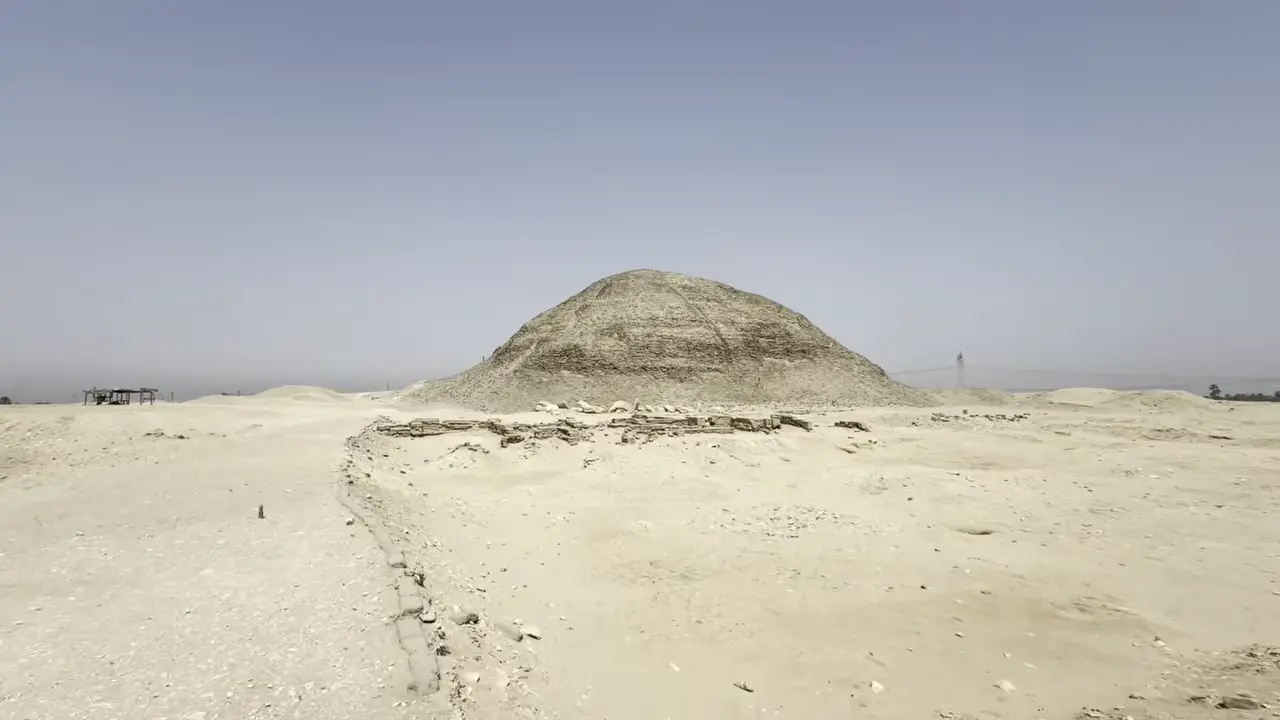
Pyramid of Amenemhat III at Hawara labyrinth site history and Herodotus's description
Pyramid of Amenemhat III at Hawara labyrinth site history and Herodotus's description. Pyramid of Amenemhat III at Hawara is home to the pyramid of 12th dynasty pharaoh Amenemhat…
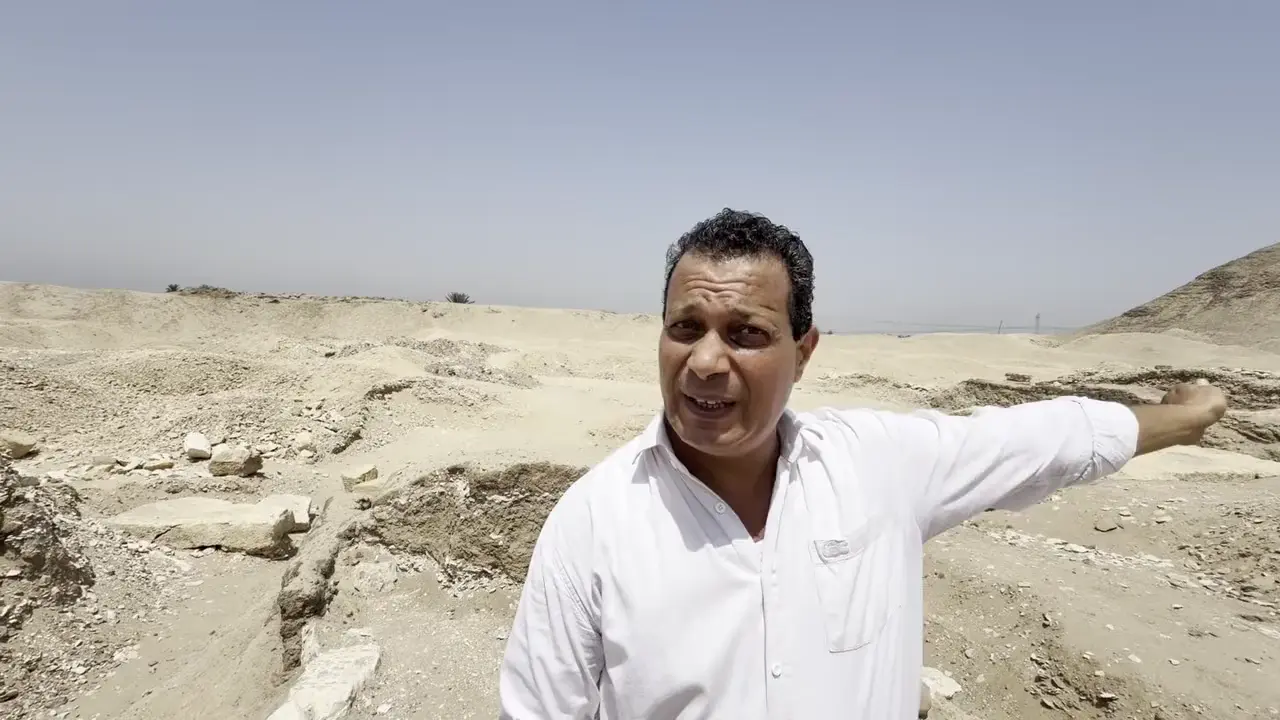
Amenemhat III dates and pyramid contents at Pyramid of Amenemhat III at Hawara
Amenemhat III dates and pyramid contents at Pyramid of Amenemhat III at Hawara. Amenemhat III ruled Egypt for 46 years from 1860 to 1814 BC He was the sixth king of the 12th…
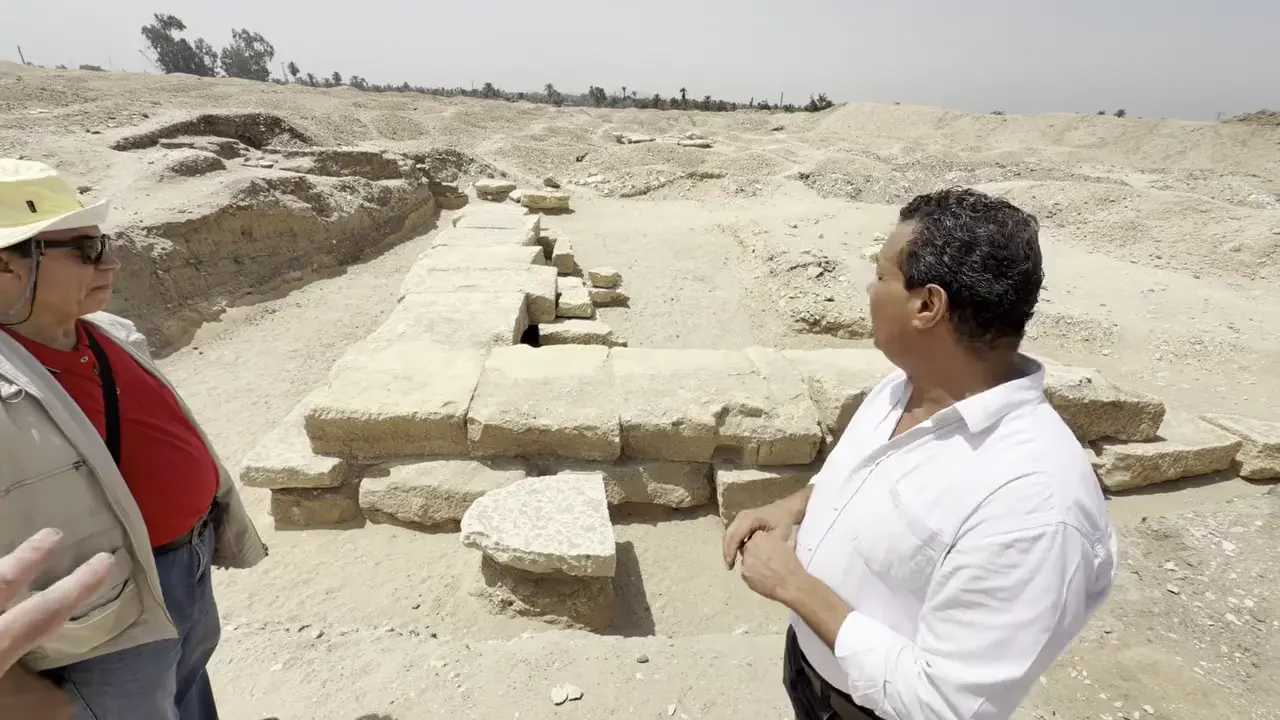
Middle Kingdom foundation exposed for first time at Pyramid of Amenemhat III at Hawara
Middle Kingdom foundation exposed for first time at Pyramid of Amenemhat III at Hawara. The current excavation exposed the foundation of the upper level of the labyrinth temple…
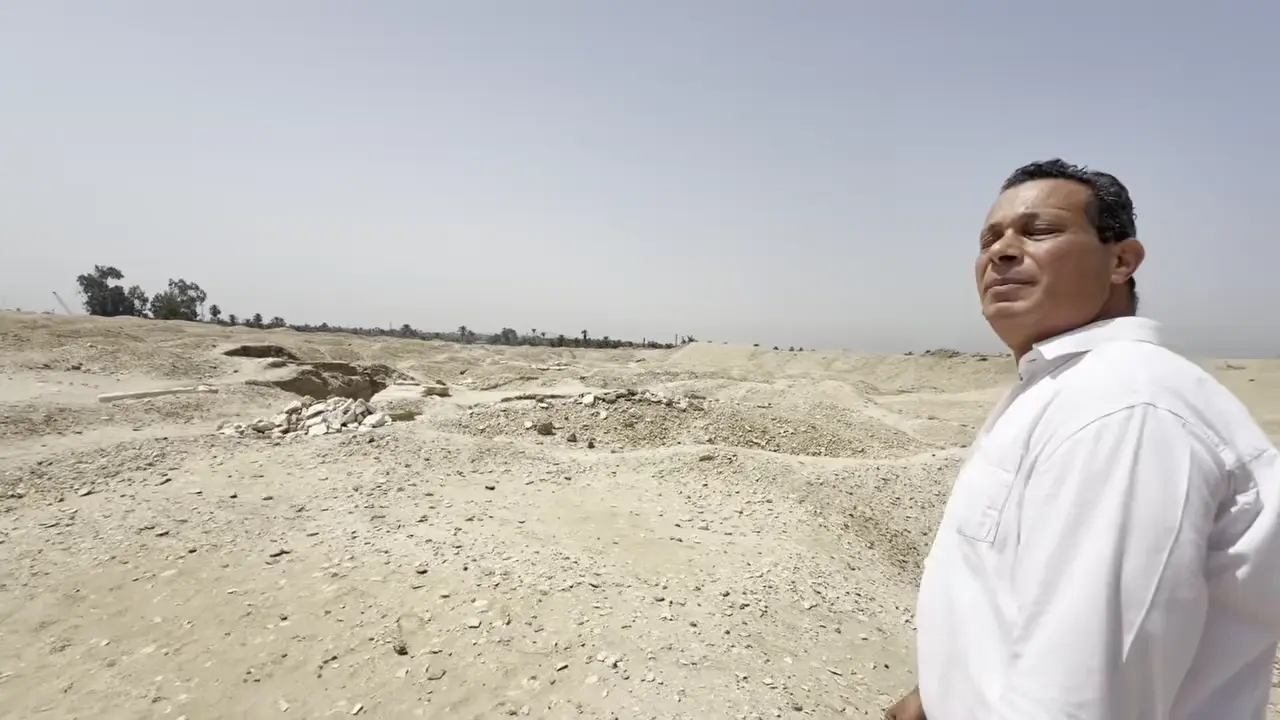
Current Egyptian excavation details at Pyramid of Amenemhat III at Hawara labyrinth
Current Egyptian excavation details at Pyramid of Amenemhat III at Hawara labyrinth. The excavation is an Egyptian mission led by Ashraf Soapi Rizgala, General Director of Fayoum…
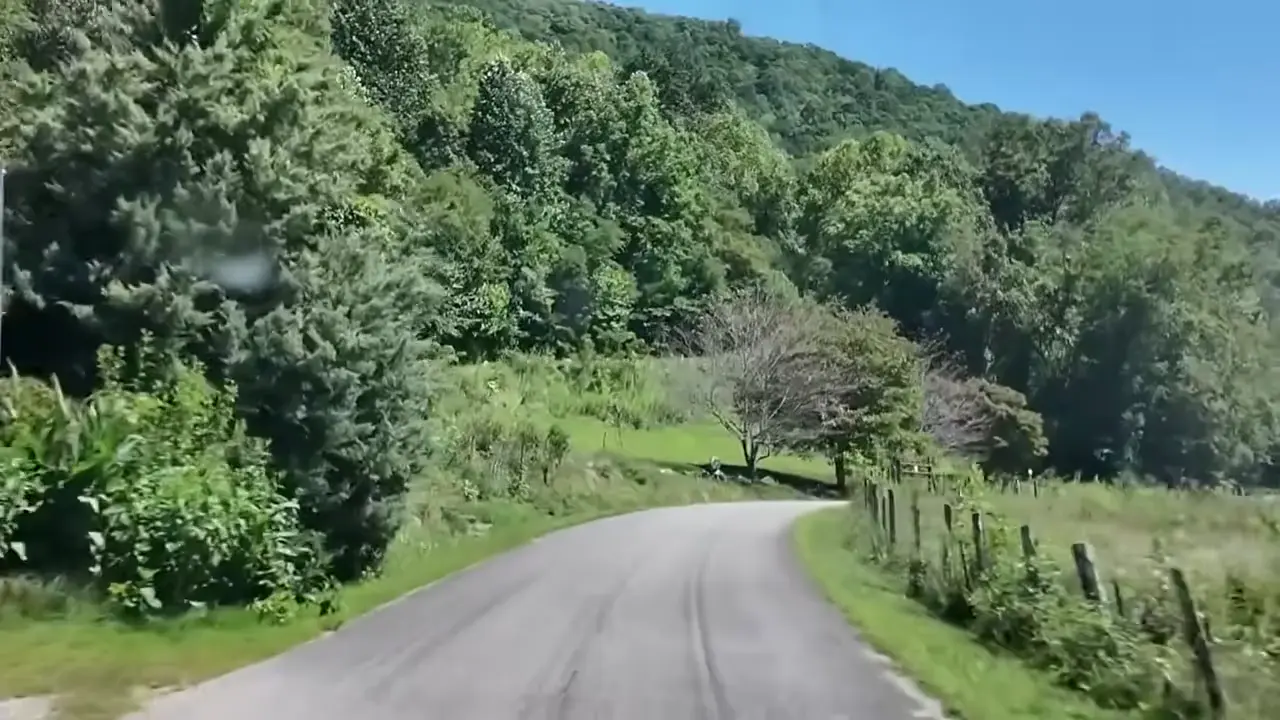
Judaculla Rock: Cherokee-associated petroglyph site in North Carolina
Judaculla Rock: Cherokee-associated petroglyph site in North Carolina. Judaculla Rock is a large petroglyph stone in North Carolina with innumerable carvings including possible…
Some Appalachian petroglyphs predate the Cherokee
Argument that Appalachian petroglyphs predate the Cherokee.. Petroglyph sites are commonly attributed to the Cherokee. but this is an oversimplification The Cherokee. are an…
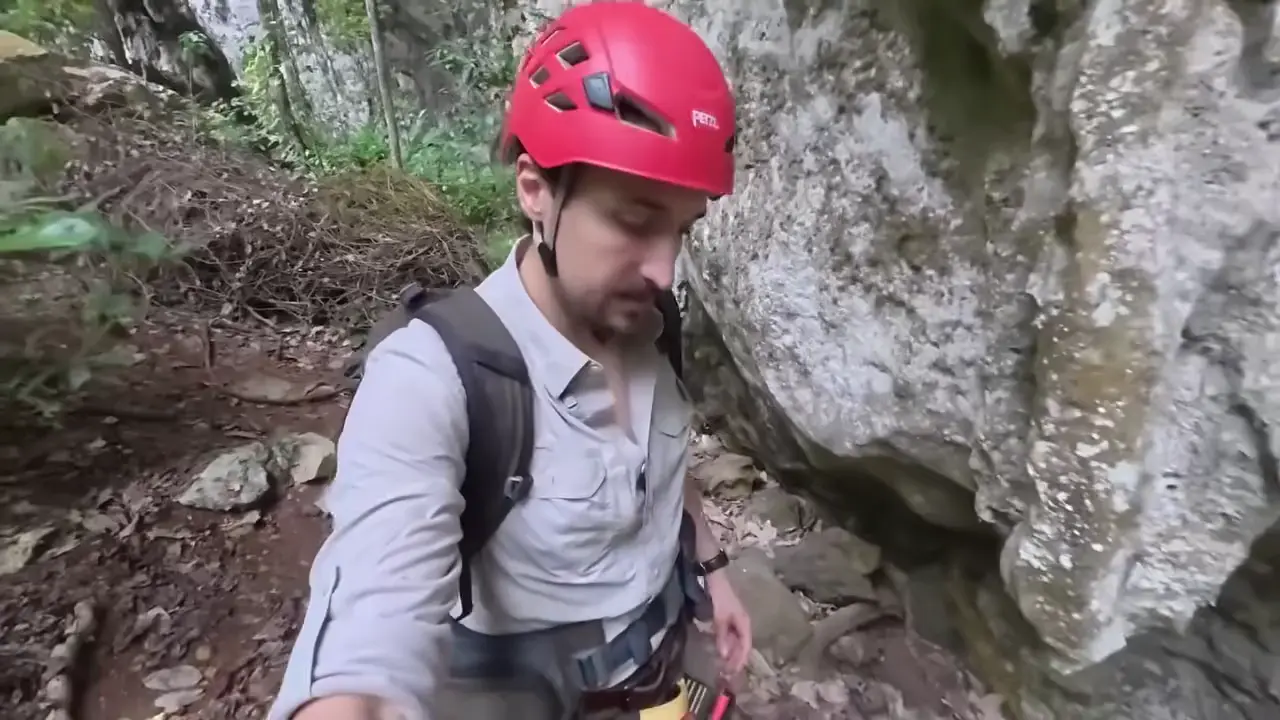
Maya altar and offerings found in Belize dry cenote sinkhole
Maya altar and offerings found in Belize dry cenote sinkhole. A dry cenote (sinkhole) in Belize was found to contain a Maya altar with stacked rock construction The sinkhole…

Hoq Cave on Socotra contains ~200 multilingual inscriptions dating from 1st century BC to 6th century AD
Hoq Cave on Socotra contains ~200 multilingual inscriptions dating from 1st century BC to 6th century AD. Socotra is located ~380 km from the Arabian Peninsula and ~232 km from…

Roman legion inscription discovered on Farasan Islands in Red Sea
Roman legion inscription discovered on Farasan Islands in Red Sea. Farasan Islands are located ~1,000 km from Berenike, the southernmost port of Roman Egypt The Farasan Islands…

Newly documented subterranean staircase cut into bedrock near Abu Rawash descends to water
Newly documented subterranean staircase cut into bedrock near Abu Rawash descends to water. Located in the Egyptian desert near Abu Rawash Staircase cut directly into solid…
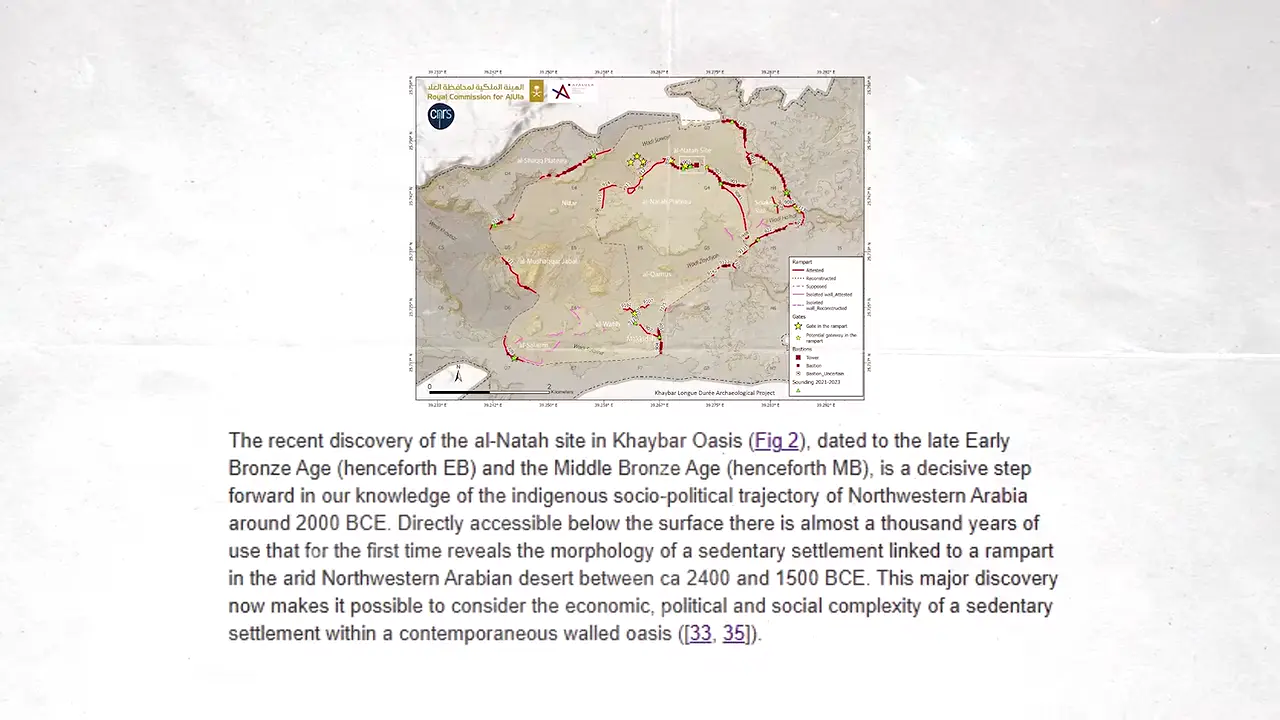
Al-Natah reveals a fortified Bronze Age town dating to 2400 BC
Al-Natah fortified oasis settlement reveals walled Arabian society from 2400 BC. Al-Natah is located in the Khaybar Oasis in northwest Saudi Arabia Occupied from around 2,400 BC…
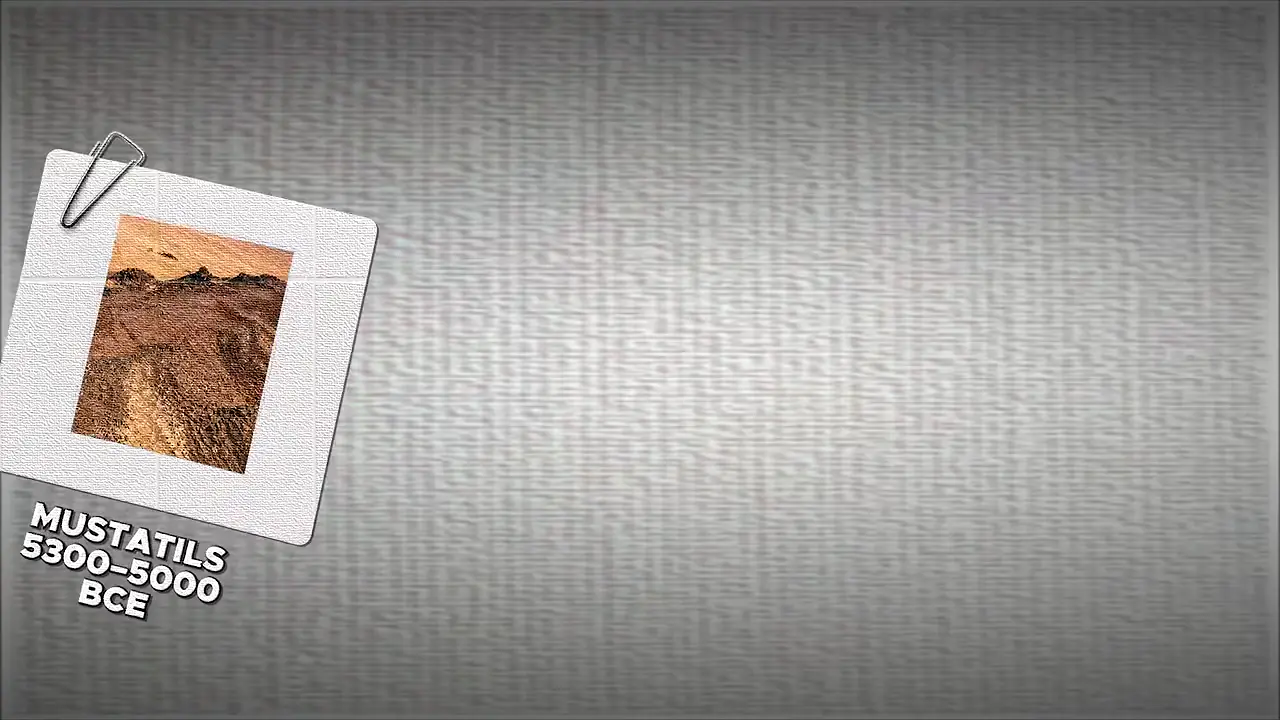
Over 1,600 mustatils discovered across Saudi Arabia, built before Stonehenge and pyramids
Over 1,600 mustatils discovered across Saudi Arabia, built before Stonehenge and pyramids. Mustatils are named after the Arabic word for "rectangle" and consist of long stone…

Earliest written and illustrated references to Stonehenge (1130s-1440s)
Earliest written and illustrated references to Stonehenge (1130s-1440s). Henry of Huntingdon listed Stonehenge as the second of four wonders of England, alongside Peak Cavern,…

Tens of thousands of Pompeii survivors resettled around the Bay of Naples
Tens of thousands of Pompeii survivors resettled around the Bay of Naples. Professor Steven Tuck's book Escape from Pompeii uses inscriptions to trace survivors of Vesuvius Most…
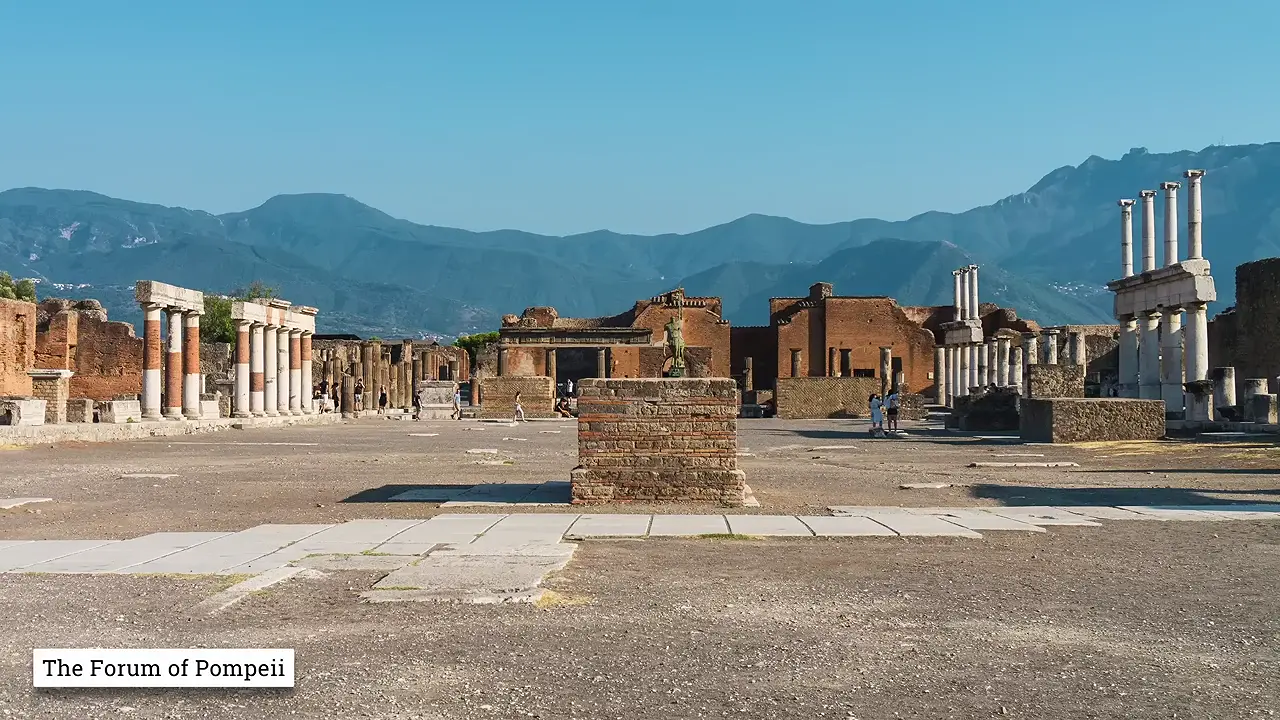
Post-eruption salvaging stripped Pompeii's forum and buildings for decades
Post-eruption salvaging stripped Pompeii's forum and buildings for decades. Emperor Titus sent two high-ranking commissioners to supervise relief efforts and ordered that the…
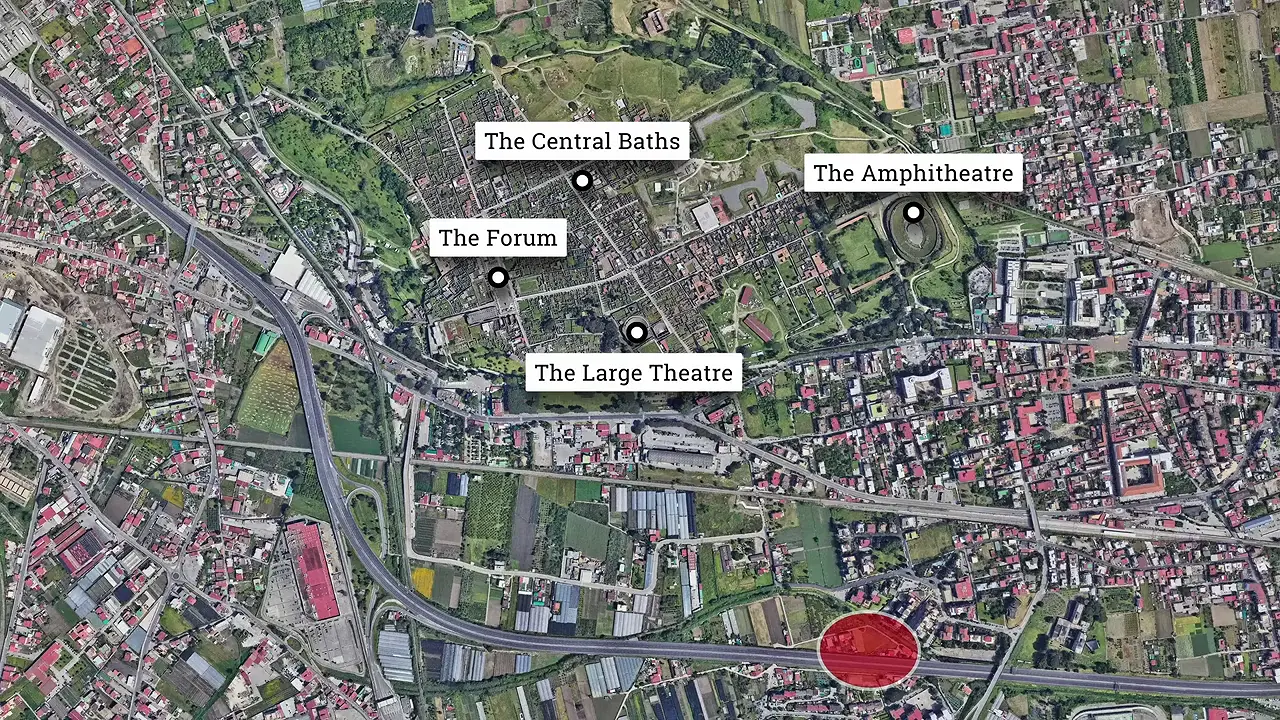
Shanty towns persisted at Pompeii until 472 CE; rebuilding blocked by debris and Vesuvius
Shanty towns persisted at Pompeii until 472 CE; rebuilding blocked by debris and Vesuvius. Recent work on the Insula Meridionalis in the south of the city revealed reoccupation of…
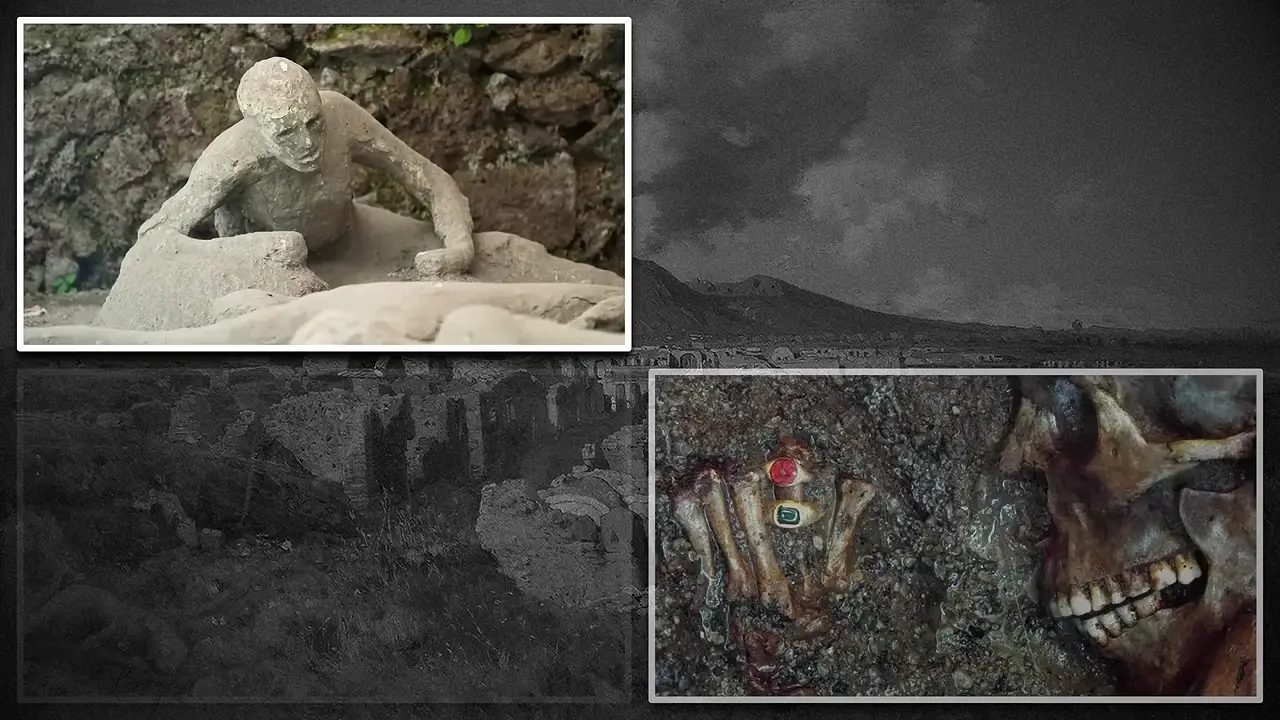
Victims died ~20 hours after eruption; 1,500 bodies found in Pompeii and Herculaneum
Victims died ~20 hours after eruption; 1,500 bodies found in Pompeii and Herculaneum. Victims at the Port of Nola were found lying on top of the pumice layer, trying to wade…

Redating of Xitle eruption challenges Cuicuilco as Teotihuacan's inspiration
Redating of Xitle eruption challenges Cuicuilco as Teotihuacan's inspiration. Volcano Xitle's eruption covered Cuicuilco with ash and lava, forcing inhabitants to flee. Previous…
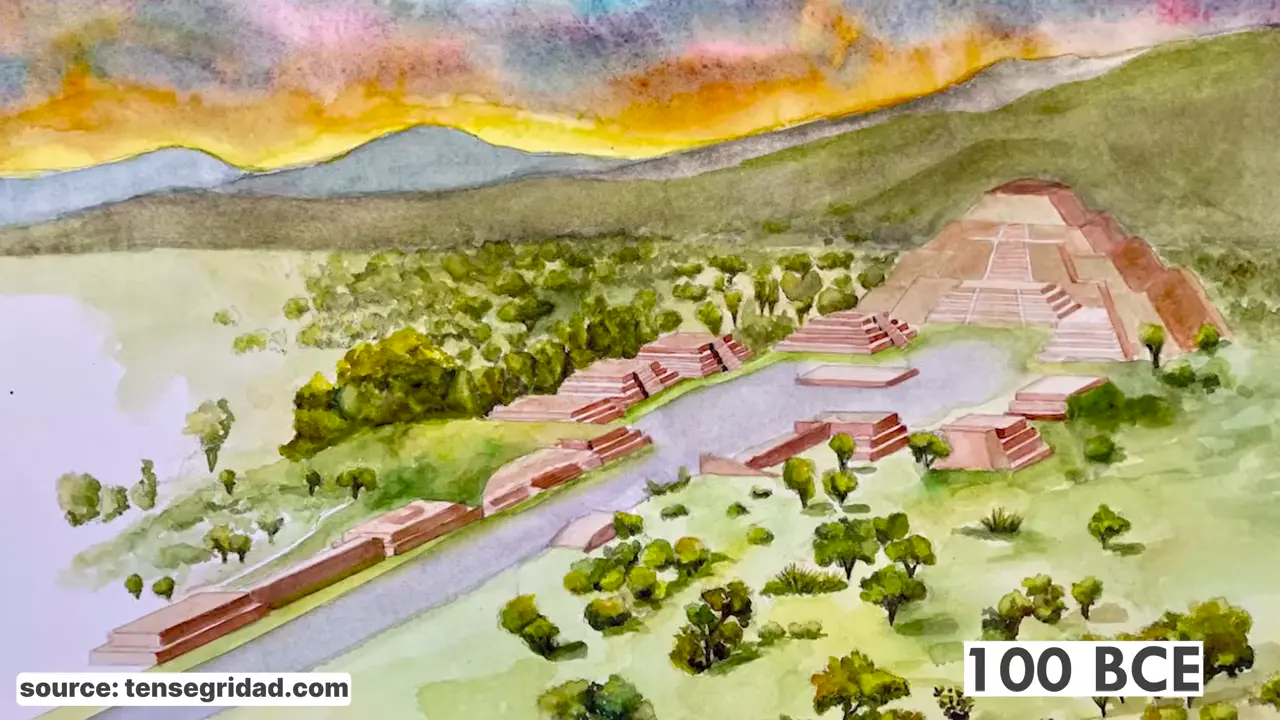
Pre-Teotihuacan Valley of Mexico civilizations and city's founding around 100 BCE
Pre-Teotihuacan Valley of Mexico civilizations and city's founding around 100 BCE. The Archaic period in Mexico begins around 8000 BCE with hunting and gathering, followed by the…
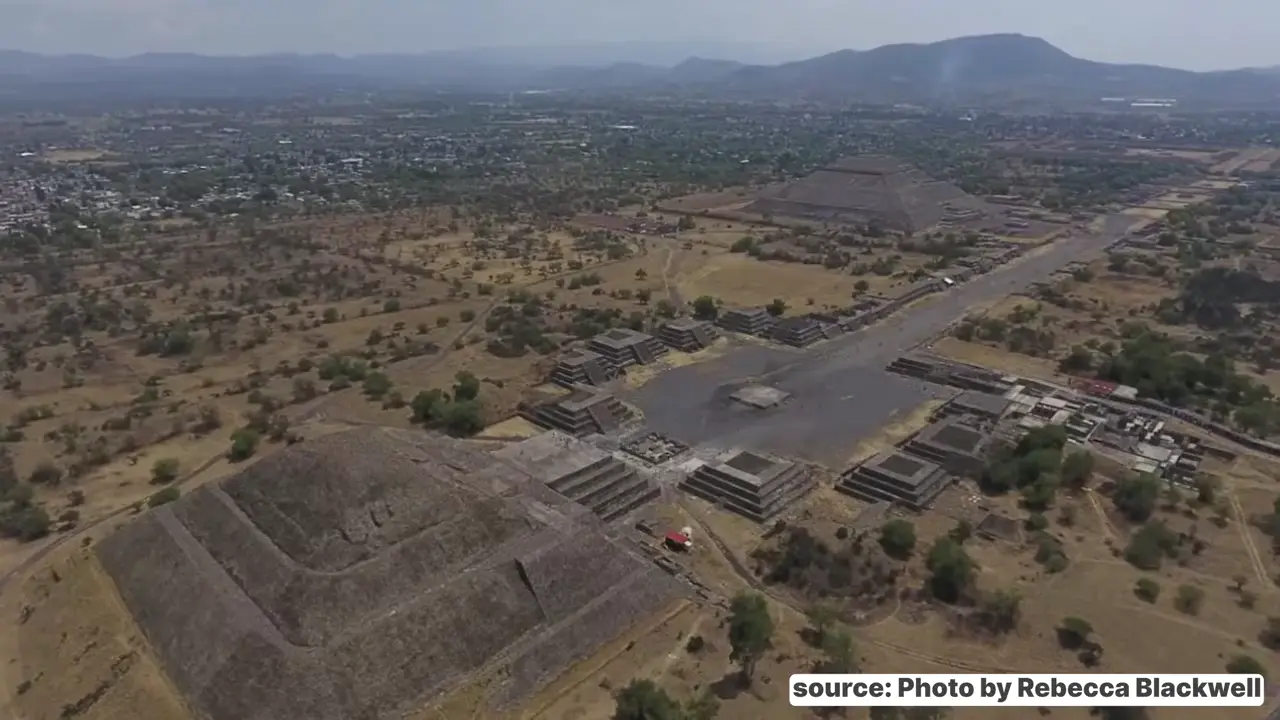
Teotihuacan's pyramid-building timeline and 2024 ancient-DNA findings
Teotihuacan's monumental pyramid construction and 2024 DNA study on its builders. Around 100 CE, when Teotihuacan's population reached 20,000, the city built the Pyramids of the…
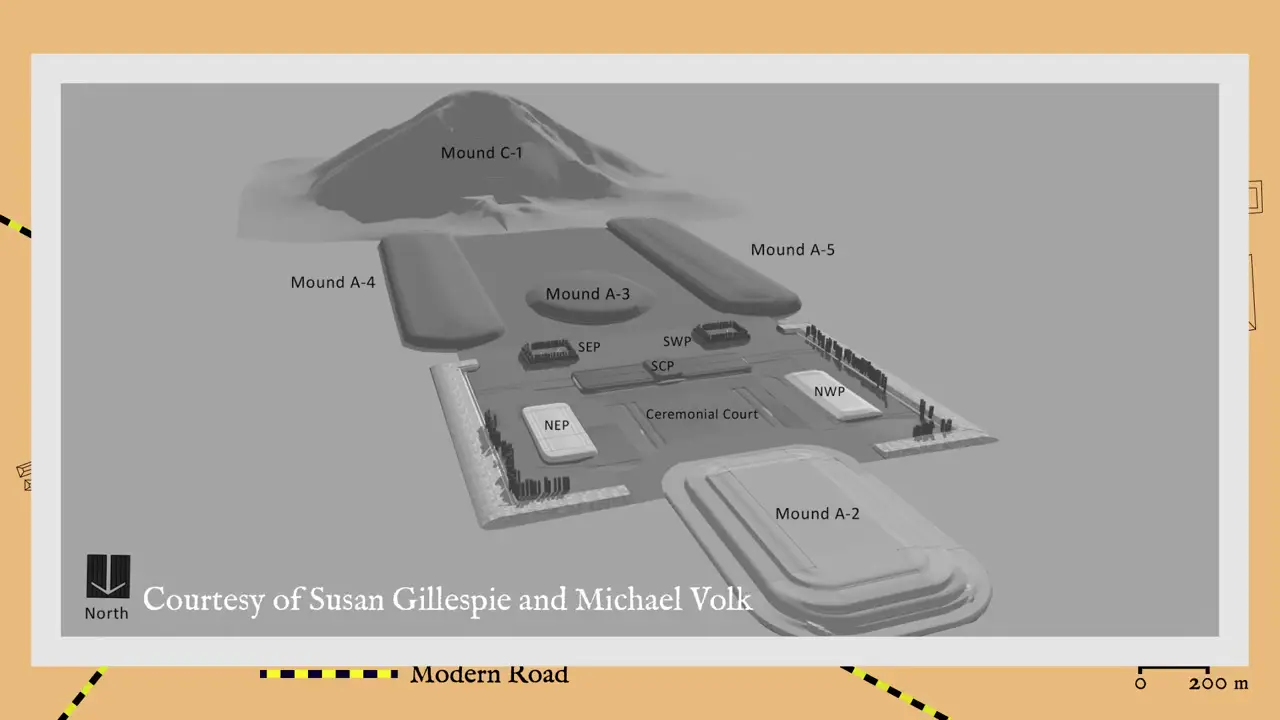
Complex A tombs and massive offerings at La Venta showcase elite wealth
Complex A tombs and massive offerings at La Venta showcase elite wealth. Complex A was the elite ceremonial core where rulers and families were buried, enclosed with large basalt…
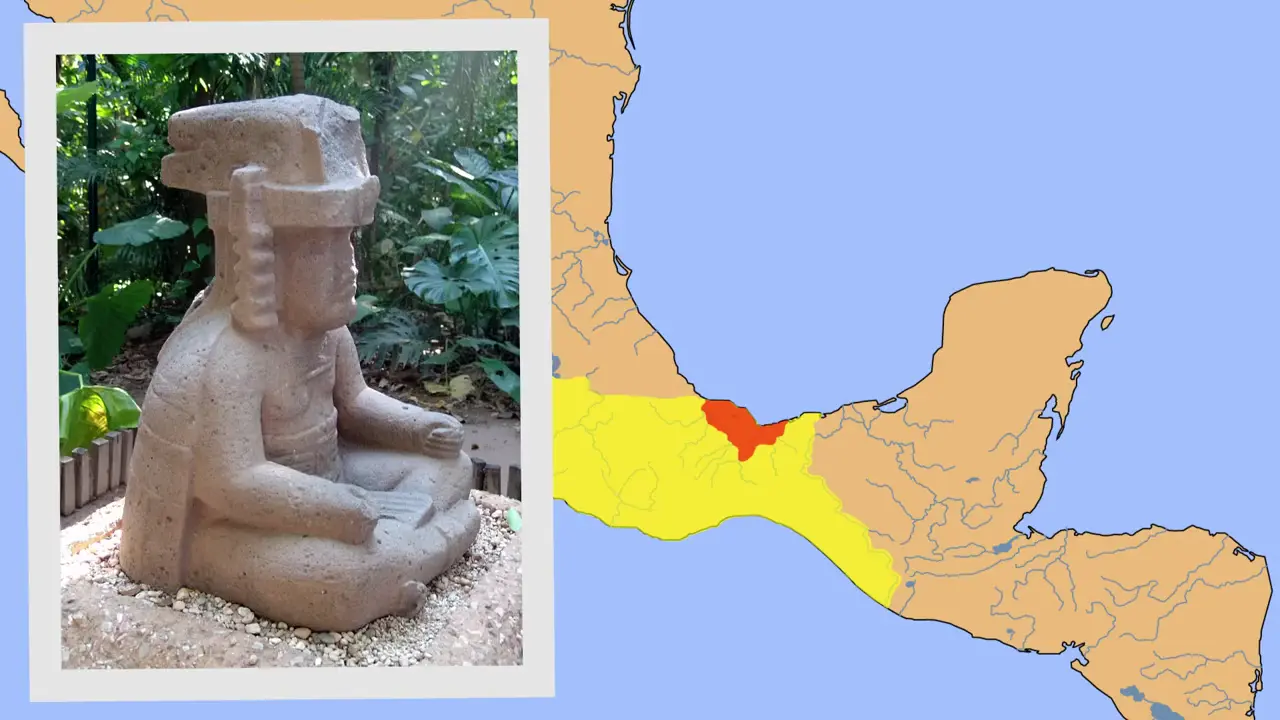
Olmec-style art spreads across Mesoamerica at sites like Chalcatzingo and Izapa
Olmec-style art spreads across Mesoamerica at sites like Chalcatzingo and Izapa. Olmec style art appears in the Mexican highlands, Soconusco, Guatemala, and El Salvador, but…
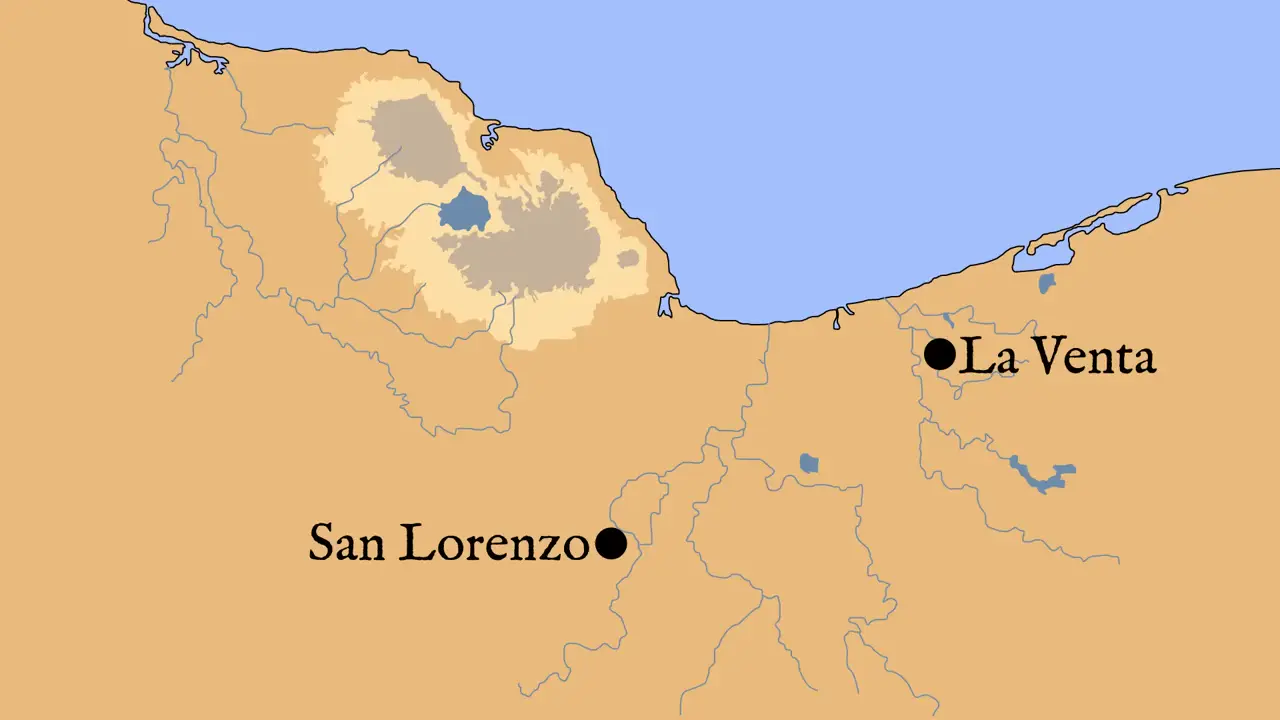
La Venta founded c. 1400 BCE as major Olmec city in the Tonala drainage
La Venta founded c. 1400 BCE as major Olmec city in the Tonala drainage. La Venta was founded around 1400 BCE on a small salt dome island in the Tonala River drainage, about 13 km…
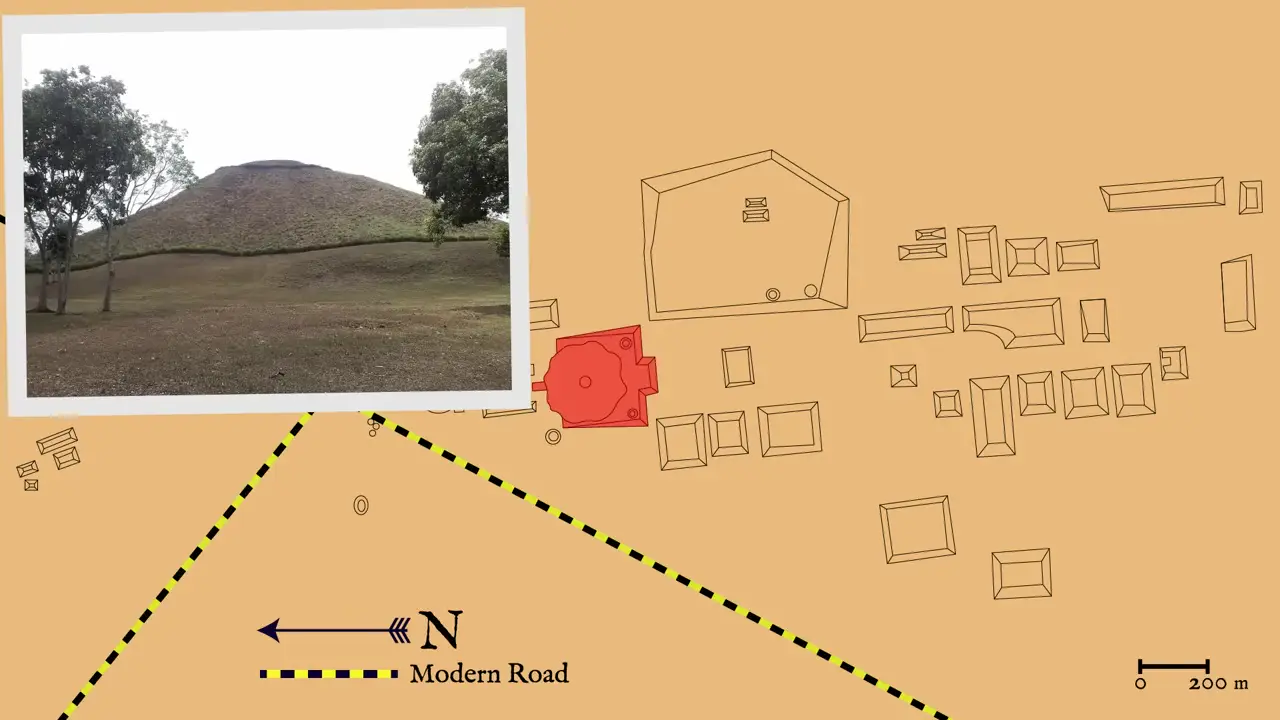
La Venta's planned urban center features Great Pyramid and nine numbered complexes
La Venta's planned urban center features Great Pyramid and nine numbered complexes. La Venta's layout is formally planned and aligned on an axis of 8° west of north The city…
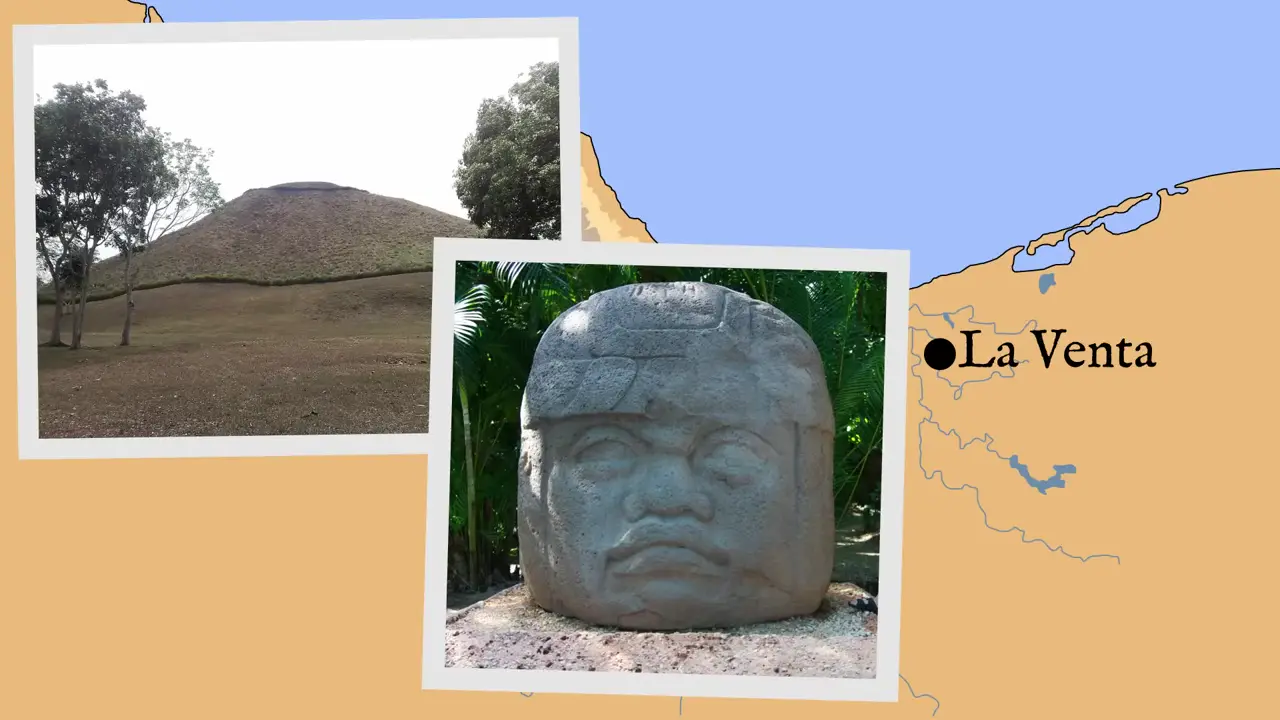
La Venta's decline and Epi-Olmec culture with earliest Mesoamerican writing
La Venta's decline and Epi-Olmec culture with earliest Mesoamerican writing. La Venta and its hinterland were abandoned by 400 BCE, possibly due to river course changes hampering…
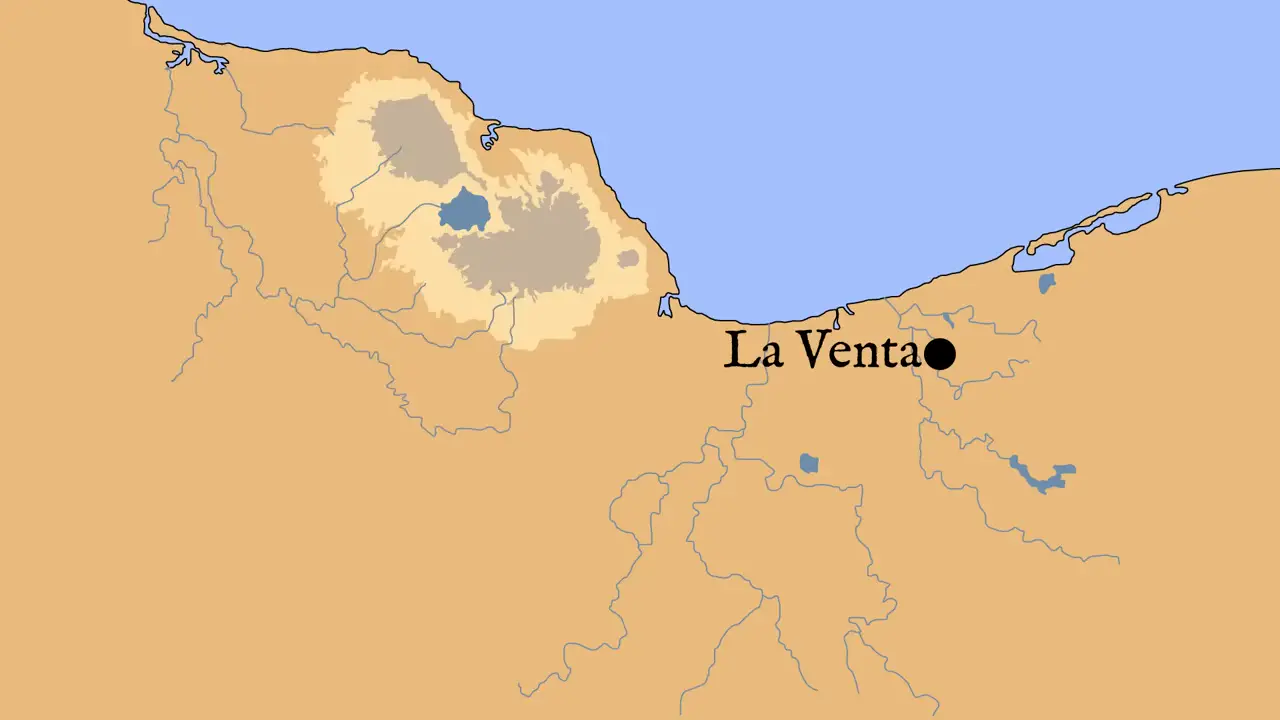
Olmec art innovations: stelae, masks, and feathered serpent monument
Olmec art innovations: stelae, masks, and feathered serpent monument. La Venta artists innovated new art forms including relief carving that took precedence over freestanding…
T-shaped pillars debated as roof supports at PPNA enclosures
T-shaped pillars debated as roof supports at PPNA enclosures. T-shaped pillars at Pre-Pottery Neolithic enclosures are argued by some to be roof supports rather than astronomical…
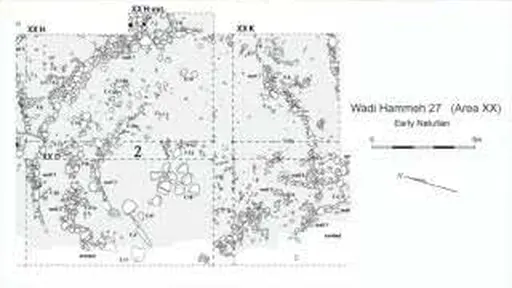
Largest known Natufian structure, 14m oval, identified at Wadi Hammeh 27
Largest known Natufian structure, 14m oval, identified at Wadi Hammeh 27. Structure 2 at Wadi Hammeh 27 is the largest known Natufian structure ever discovered The oval structure…
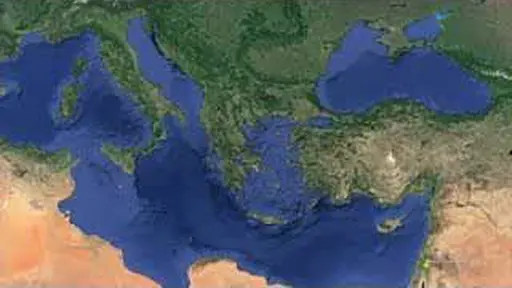
Wadi Hammeh 27: early Natufian settlement near Pella, Jordan, dated to c. 12,000–12,500 BC
14,500-year-old Natufian settlement Wadi Hammeh 27 identified in Jordan. Wadi Hammeh 27 is a Late Epipalaeolithic archaeological site located in Pella, Jordan The site dates to…

Mycenaean Archaeology Contradicts Homeric Depictions of Iron Age Practices
Mycenaean Archaeology Contradicts Homeric Depictions of Iron Age Practices. In Homer, chariots are used as taxis to ferry warriors to battle, an Iron Age practice Homer depicts…

Archaeological and Textual Evidence for the Trojan War Remains Speculative
Archaeological and Textual Evidence for the Trojan War Remains Speculative. Many classicists still doubt that there was a historical Trojan War Hittologists are more inclined to…

Memnon and Sub-Saharan Africans in the Greek Epic and Archaic-Period Artistic Tradition
Memnon and Sub-Saharan Africans in the Greek Epic and Archaic-Period Artistic Tradition. Memnon, king of the Ethiopians, brought troops to assist the Trojans in the Trojan War The…

Odysseus's Journey Locations Cannot Be Linked to Real Archaeological Sites
Odysseus's Journey Locations Cannot Be Linked to Real Archaeological Sites. The majority of the places Odysseus visits on his travels are mythical Efforts to link these places…

Video uses Medina Sidonia archives to argue for pre-Columbian contact
Dukes of Medina Sidonia archives reveal pre-Columbian transatlantic knowledge. The Dukes of Medina Sidonia maintain one of the oldest and most important archives in Europe,…
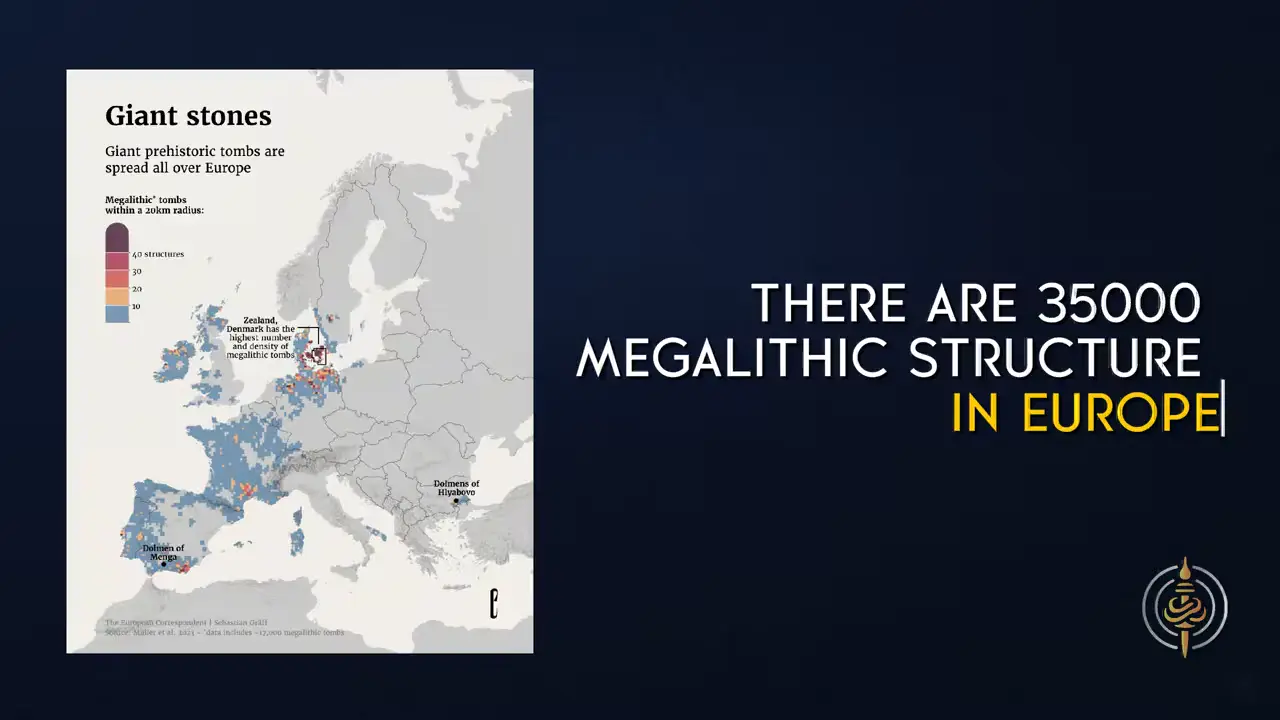
Southwestern Iberia’s dolmens and caves: the video’s Younger Dryas survivor link is theory
Southwestern Iberia holds 35,000 megalithic structures and ancient cave habitation evidence. There are 35,000 megalithic dolmen structures in Europe, with the majority…
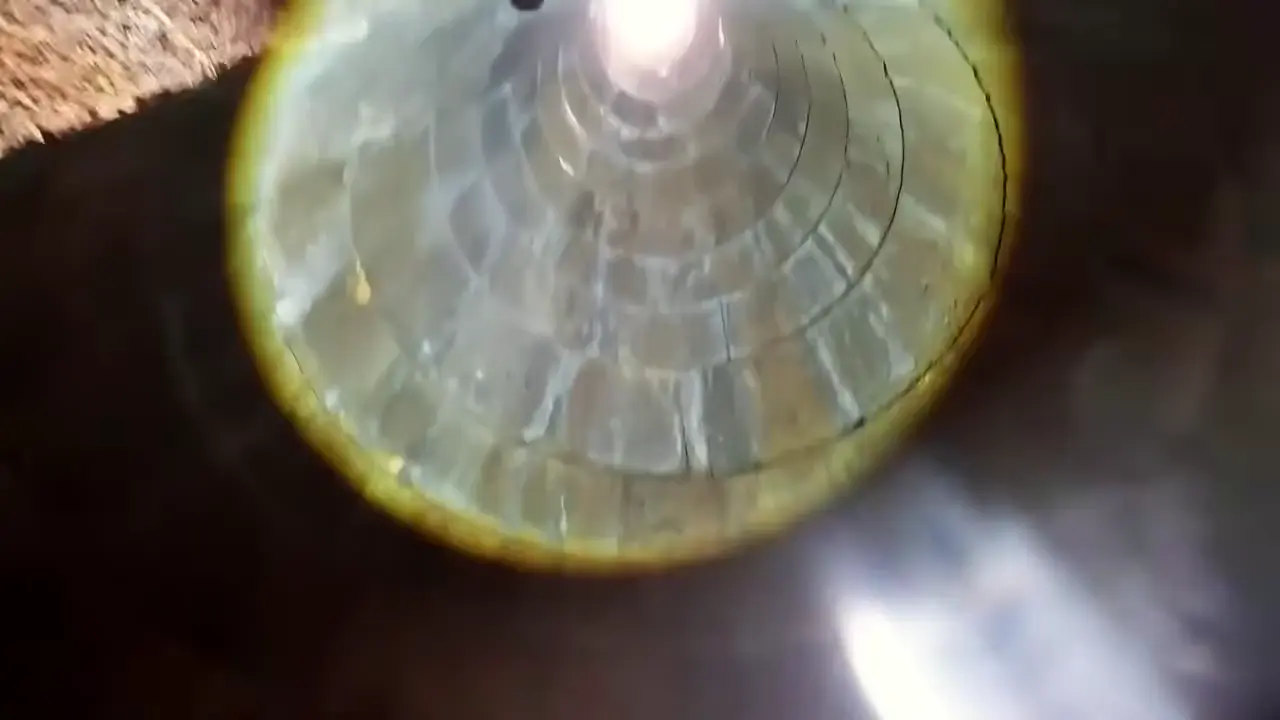
Sacred Well of Santa Cristina features conical tholos and lunar alignment
Sacred Well of Santa Cristina features conical tholos and lunar alignment. The Sacred Well of Santa Cristina in Sardinia has a round opening at the top and a conical shape below…
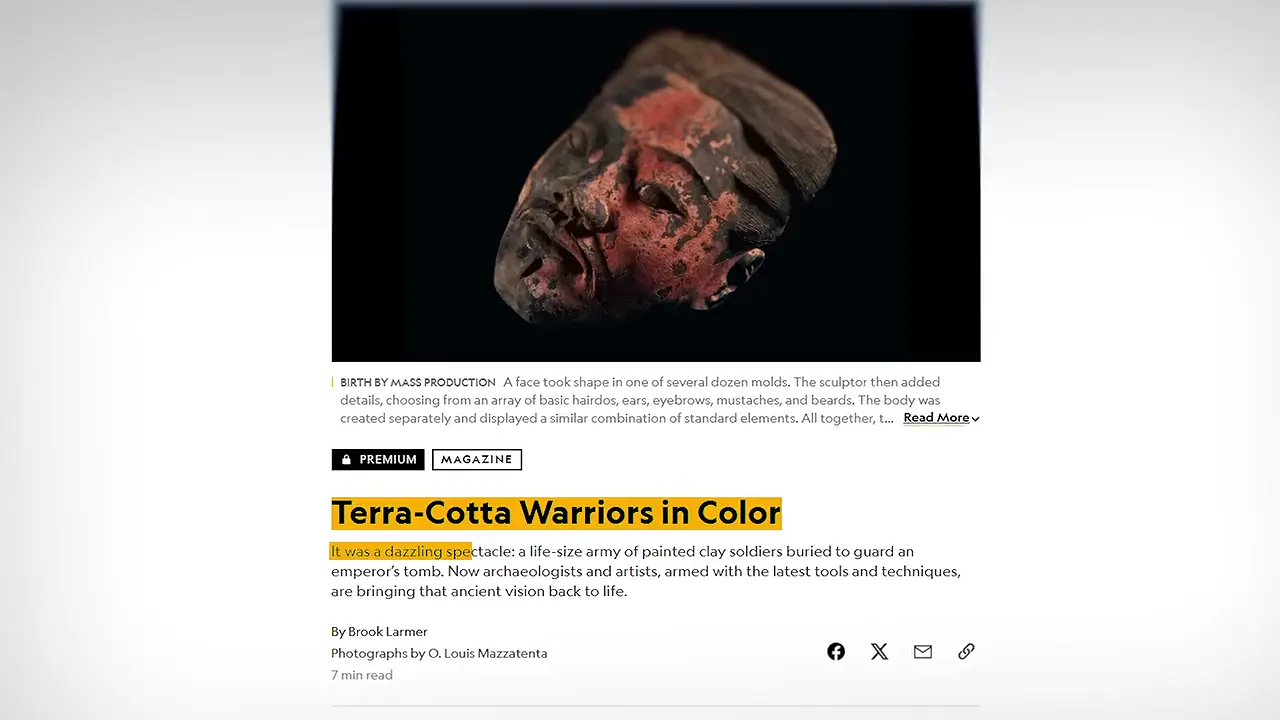
Why China refuses to excavate the tomb: preservation risks drive 'protect first, dig later' policy
Why China refuses to excavate the tomb: preservation risks drive 'protect first, dig later' policy. When terracotta warriors were first unearthed, they were originally painted in…
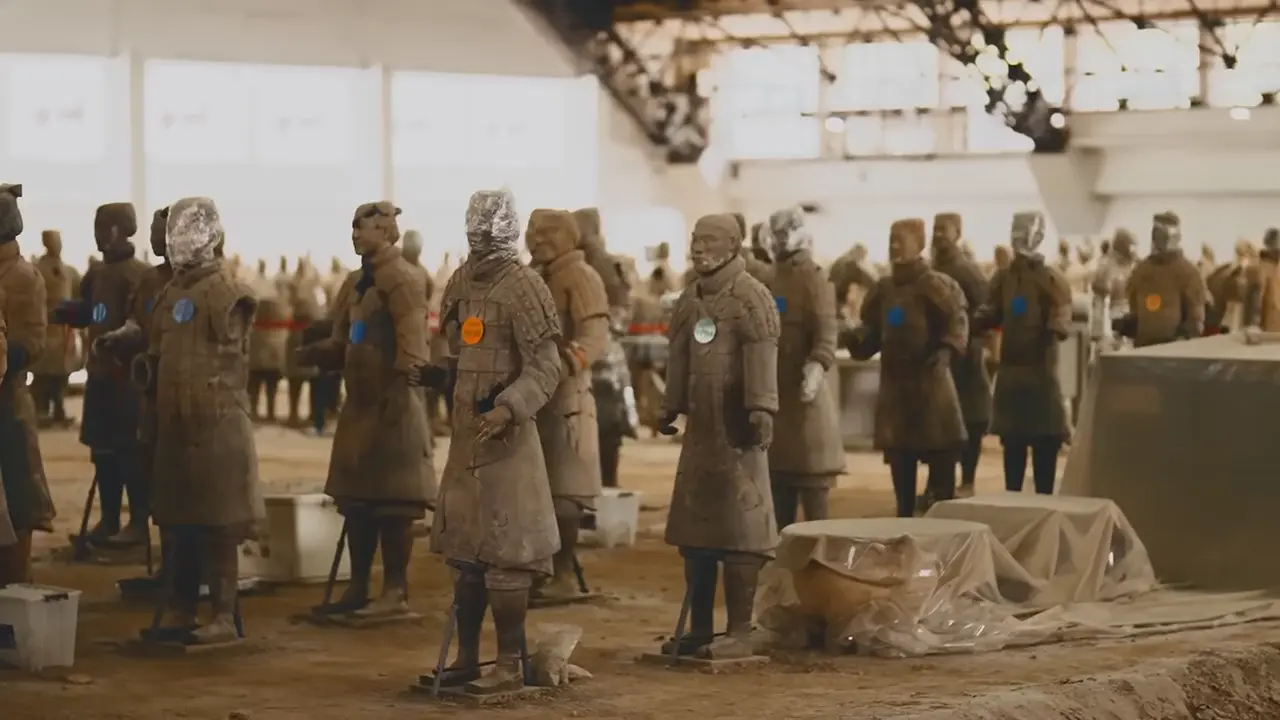
Mausoleum of Qin Shi Huang: vast complex, terracotta army and mercury detections
Mausoleum of the Atilii: scale, terracotta army, and mercury evidence confirmed by remote sensing. The mausoleum complex took approximately 38 years to build, with construction…
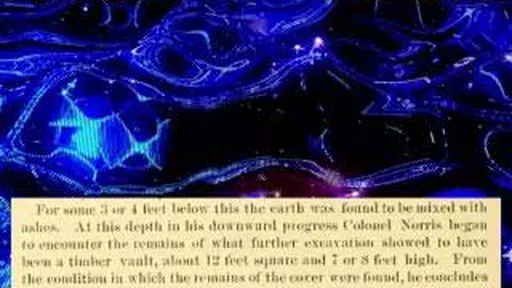
Colonel Norris reports 7-foot-6 skeleton with copper gorget in Adena mound
Colonel Norris documents 7'6" skeleton with copper gorget in Adena mound. Colonel P.W. Norris, a Civil War veteran and spy, was hired by the Smithsonian to excavate burial mounds…
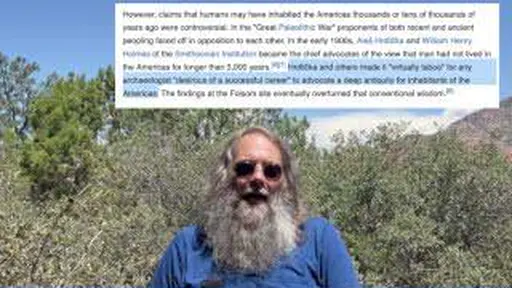
Video argues Hrdlicka’s racism motivated his giant-bone debunking
Hrdlicka's racial motivations behind debunking giant bone reports. Ales Hrdlicka repeatedly published debunkings of giant bone claims starting in the 1930s Hrdlicka transitioned…

Emmert's Tennessee mound giant bones and the Bat Creek Stone hoax
Emmert's Tennessee mound giant bones and the Bat Creek Stone hoax. John Emmert replaced Norris after Norris's death in 1885 as a Smithsonian mound exploration agent Emmert…

Sak Tahn Waax identified as first known named Maya astronomer
First named Maya astronomer identified at Xultun, Guatemala. Researchers identified the first named ancient Maya astronomer/mathematician in history: Sakon Wash, meaning…
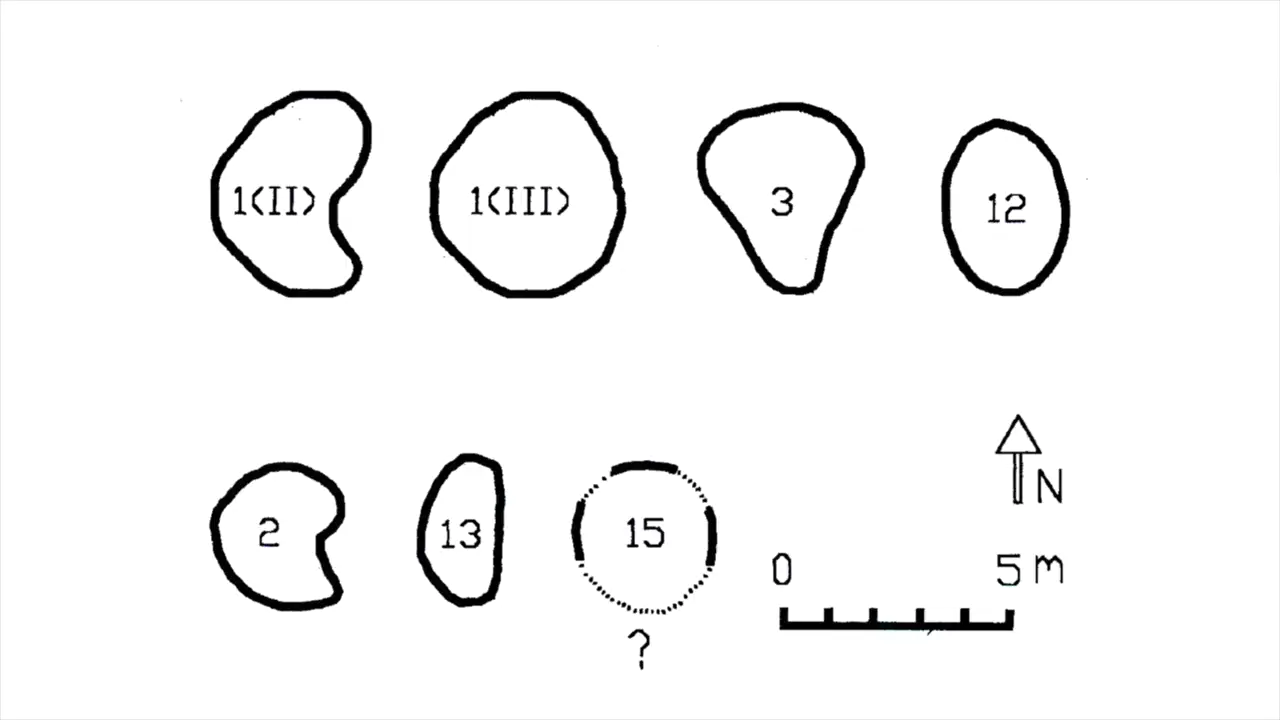
World's oldest brush dwellings found at Ohalo II with grass bedding
World's oldest brush dwellings found at Ohalo II with grass bedding. Huts measured up to 4.5 meters long with floor areas ranging between 5 and 13 square meters Three huts had…
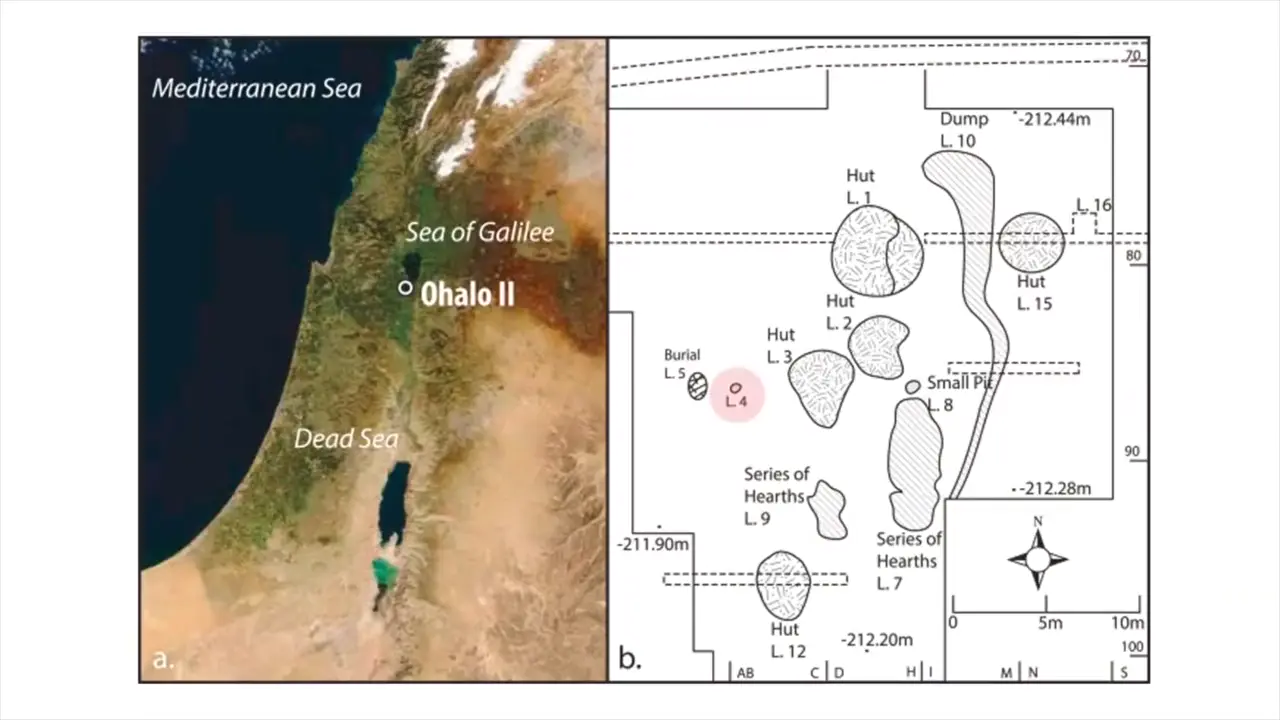
Ohalo II: 23,000-Year-Old Fisher-Hunter-Gatherer Camp by the Sea of Galilee
Ohalo II: 23,000-year-old permanent settlement on Sea of Galilee shore. Located on the southwestern shore of the Sea of Galilee (ancient fluctuating Lake Kineret) in northern…
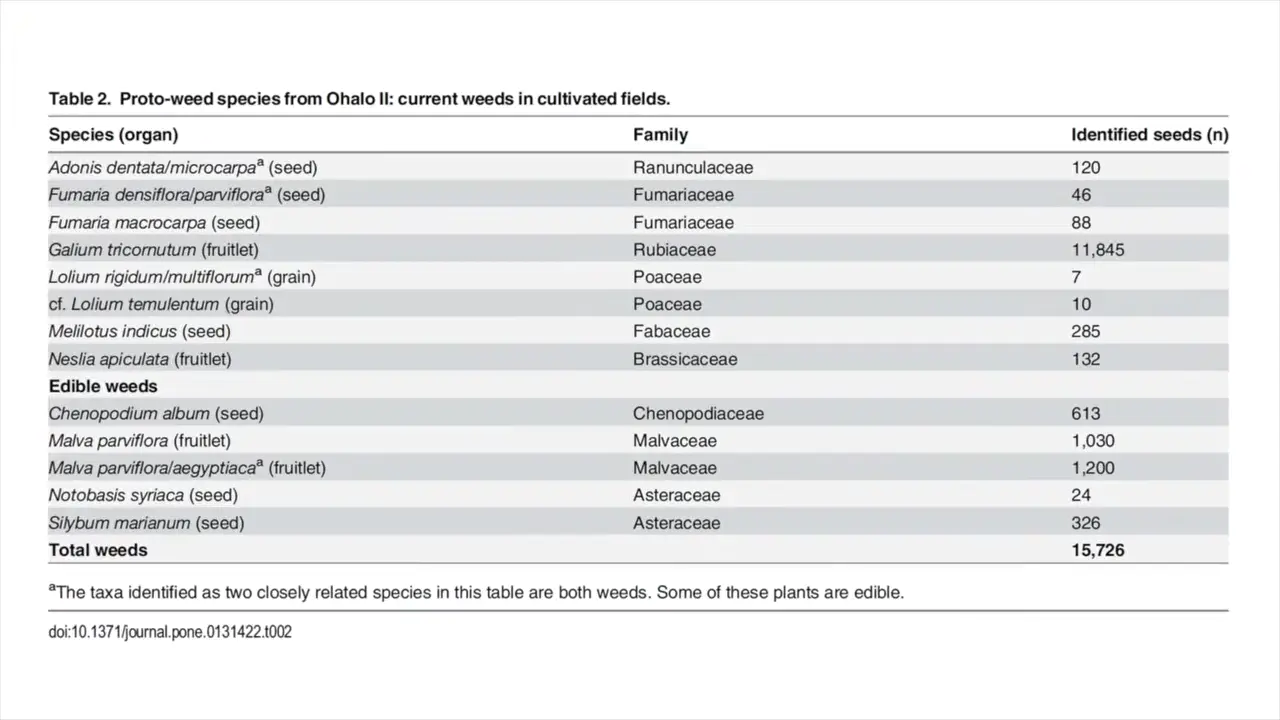
Ohalo II shows earliest known plant cultivation, 11,000 years before agriculture
Ohalo II shows earliest known plant cultivation, 11,000 years before agriculture. 2015 research paper identified 12 known weeds mixed with seeds of wild emmer barley and oats at…
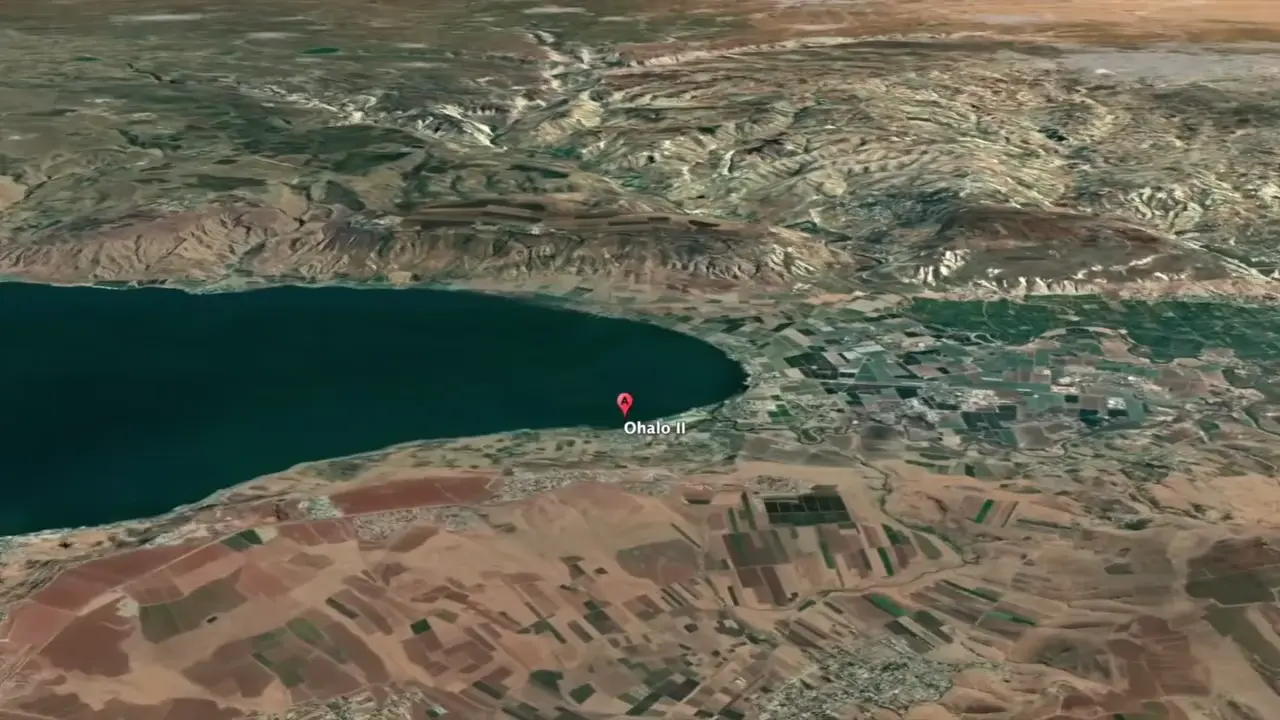
Ohalo II diet was cereal-heavy, with evidence of year-round occupation
Ohalo II diet evidence shows year-round occupation and heavy cereal use. 150,000 seeds and fruits analyzed, representing around 150 different species Heavy reliance on large-grain…
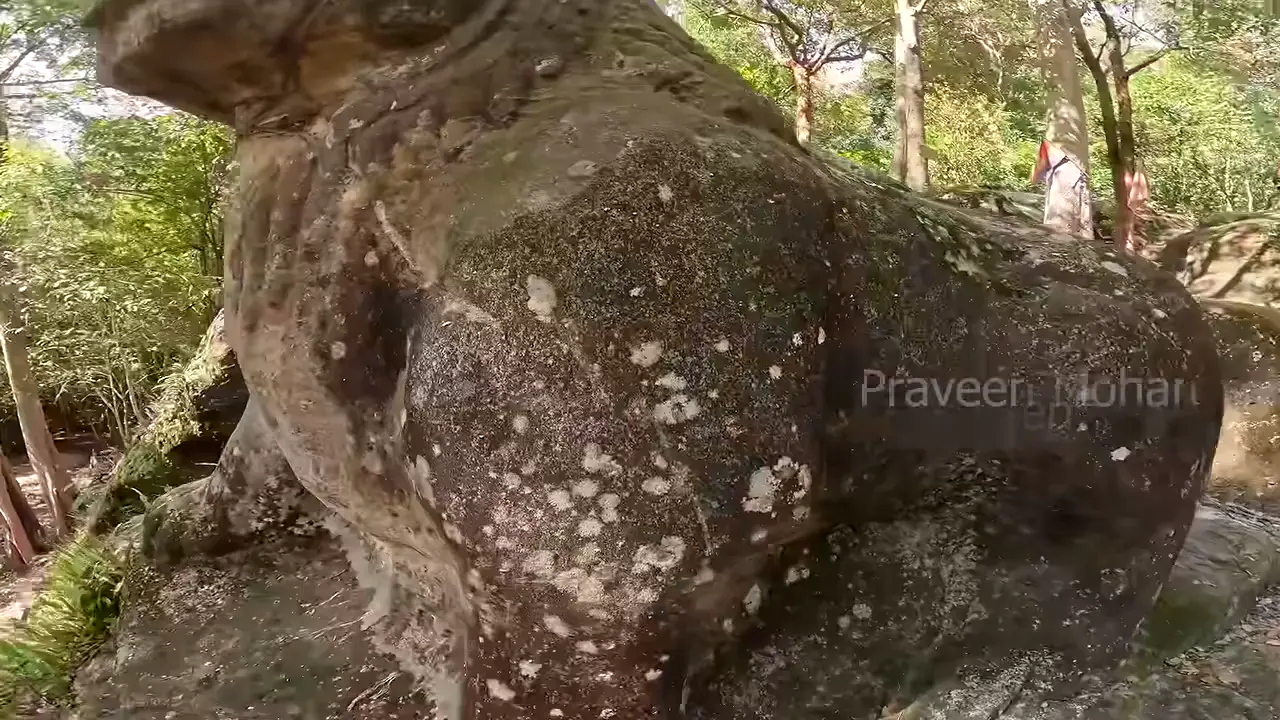
Video interprets elephant and tiger as Yali parents at Mahendraparvata
Unique Yali carvings show elephant and tiger parents alongside hybrid creature. Yali sculptures at this site are taller than an average person Yali is a composite creature derived…

Georges Cuvier founded paleontology through catastrophist fossil studies
Georges Cuvier founded paleontology through catastrophist fossil studies. Georges Cuvier was an early 19th century naturalist and paleontologist known as the father of…
Keep exploring
Every site on this page sits on the globe, and the people who research them are on the Discord.
3D Globe · Sites by country · Story Archive · Research Library · Weekly Journal · Search