

Over 1,600 mustatils (Arabic for "rectangle") dot northern Saudi Arabia, ranging from 20m to 600m+ long. Dating to 5,300-5,000 BC — older than Stonehenge and the pyramids — these stone structures contained cattle skulls and sacred standing stones called betils. Researchers interpret them as ritual shrines for prayers about rain and livestock health.
Over 1,600 mustatils discovered across Saudi Arabia, built before Stonehenge and pyramids
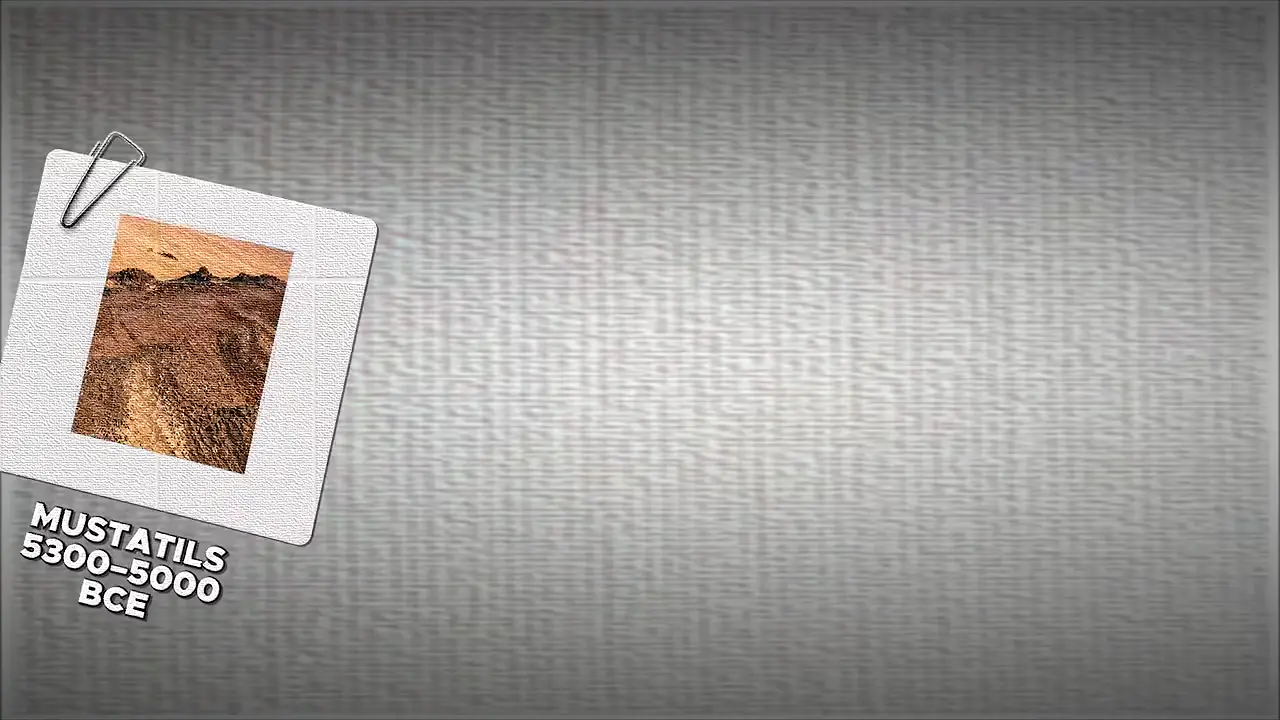
Site mentioned
📍 Mustatils🌍 Show on the globe
Key facts
- Mustatils are named after the Arabic word for "rectangle" and consist of long stone corridors with low walls leading to a chamber or upright stone at one end
- Smallest mustatils are about 20 m long; the largest stretch for over 600 m
- More than 1,600 mustatils have been recorded across northern Saudi Arabia
- They first appeared in aerial photographs in the 1970s but were not properly studied until around 2017
- Main building phase dates to approximately 5,300 to 5,000 BC, predating Stonehenge and the pyramids of Giza
- Chambers contained cattle, sheep, and goat skulls and horns, with one structure containing around 260 fragments around a single upright stone identified as a betil (sacred standing stone)
- Interpreted as ritual or shrine sites tied to a herding lifestyle, used over generations for prayers for rain, fertility, and livestock health
- Funerary avenues — pathways lined with tombs — connected communities across northwest Arabia, most dating to the 3rd millennium BC (around 4,500 years ago)
Sources
archaeologymag.com
Linked in video description
copernicus.eu
Linked in video description
unige.ch
Linked in video description
Was this story useful?
Keep exploring
Every site on this page sits on the globe, and the people who research them are on the Discord.
3D Globe · Sites by country · Story Archive · Research Library · Weekly Journal · Search
AI-generated text · images from the original sources · always verify with the sources.