

Archaeological Sites in USA
Petroglyphs in USA (18)
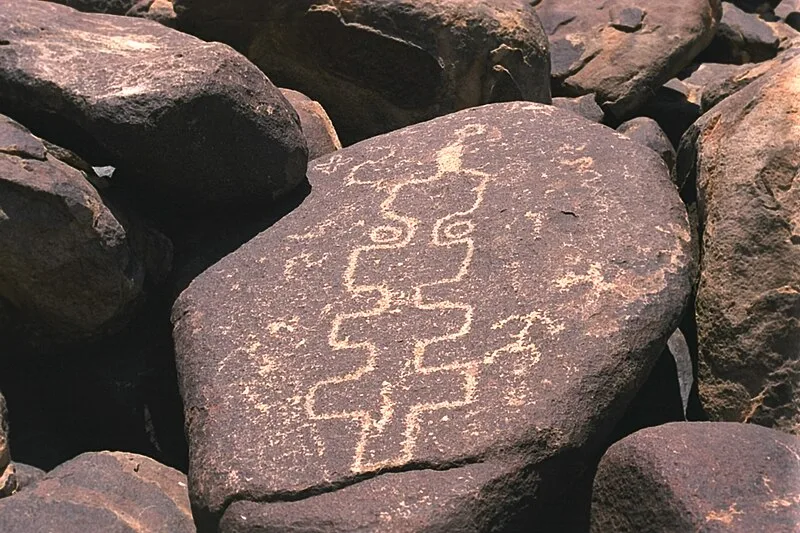
Cocoraque Butte Archaeological District
The Cocoraque Butte Archaeological District is located in Ironwood Forest National Monument in Pima County, Arizona. It features ancient Hohokam ruins, hundreds of well-preserved…
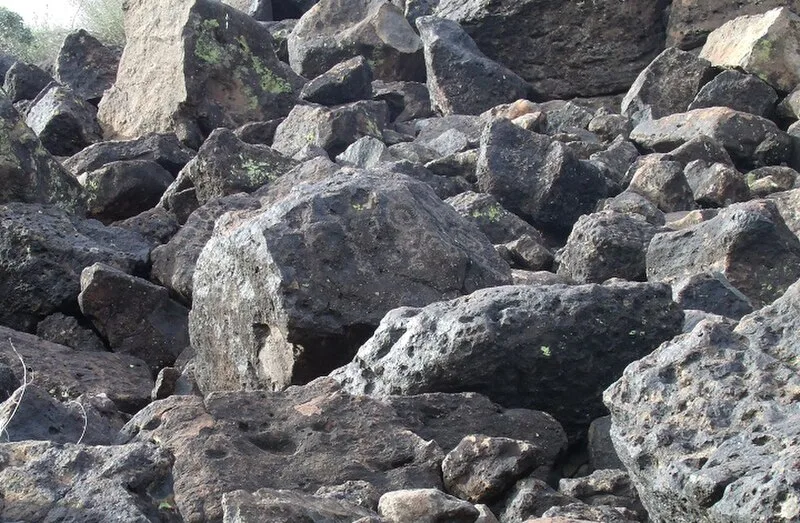
Deer Valley Petroglyph Preserve
The Deer Valley Petroglyph Preserve is a 47-acre nature preserve in Phoenix, Arizona, featuring over 1,500 Hohokam, Patayan, and Archaic petroglyphs carved onto 500 basalt…
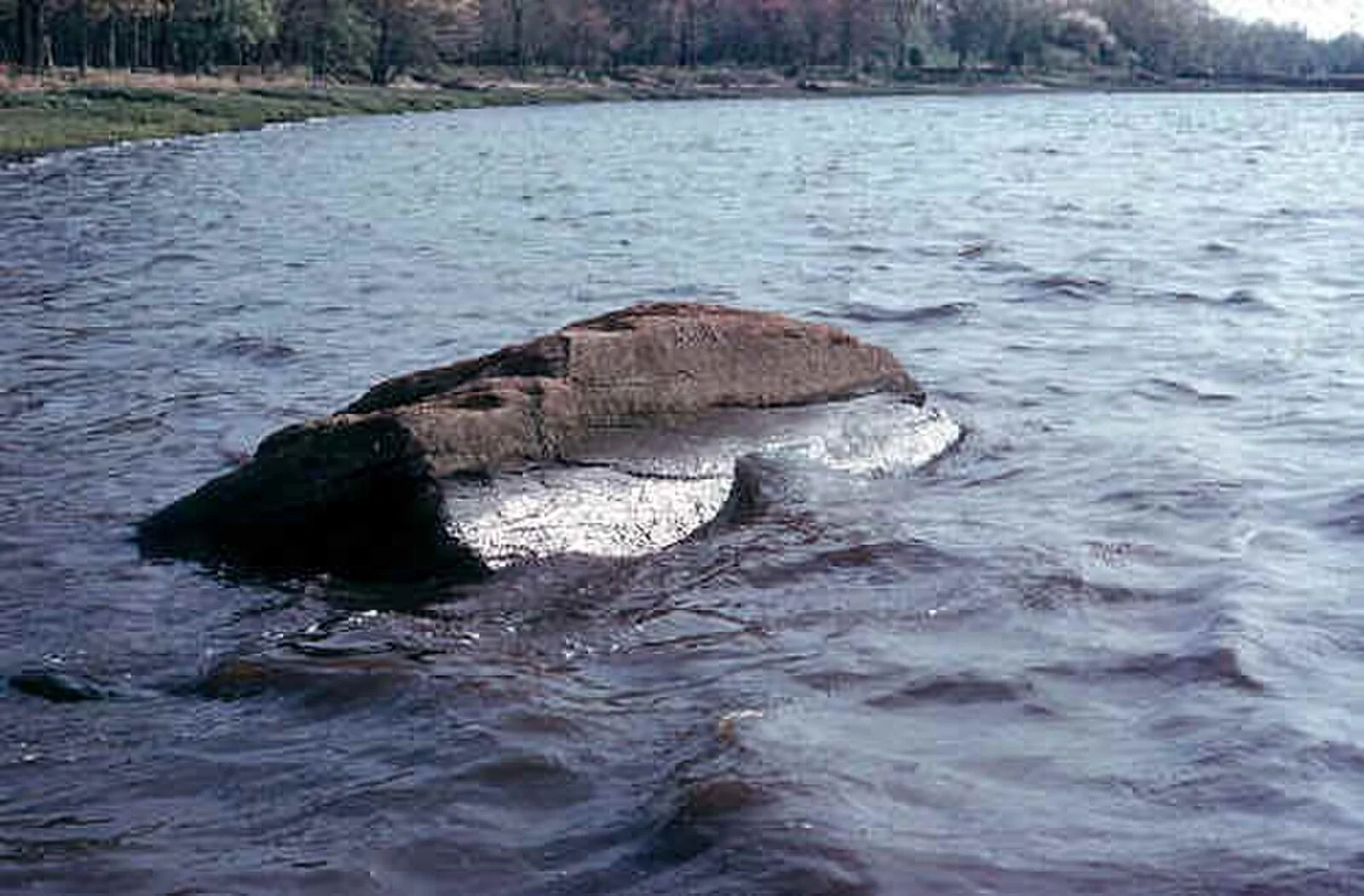
Dighton Rock
The Dighton Rock is a 40-ton glacial boulder composed of sandstone that originally sat in the riverbed of the Taunton River in Berkley, Massachusetts. The carvings have generated…
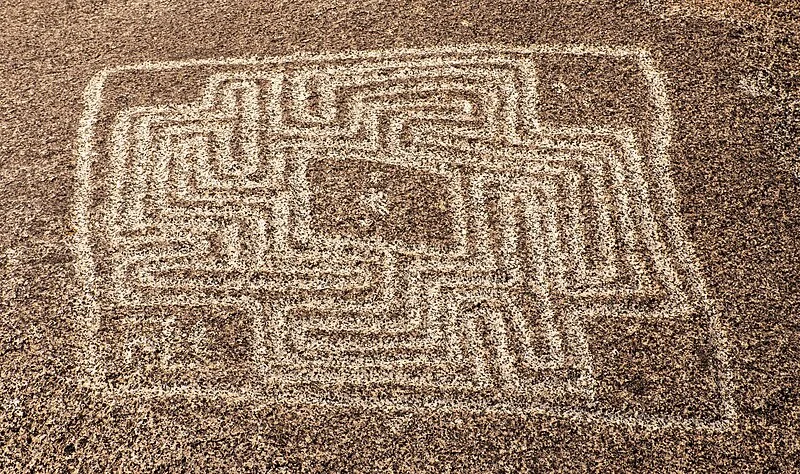
Hemet Maze Stone
The Hemet Maze Stone is a prehistoric petroglyph located in Reinhardt Canyon within the Lakeview Mountains just outside Hemet, California. On April 16, 1956, Mr. and Mrs. Rodger…
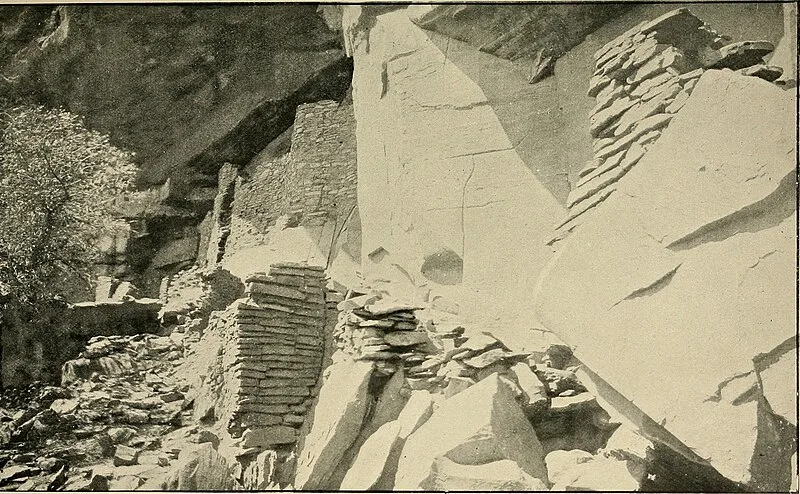
Honanki Heritage Site
Honanki ("Bear House" in Hopi) is a cliff dwelling and rock art site in Coconino National Forest, about 24 km west of Sedona, Arizona. The Sinagua people lived here from roughly…
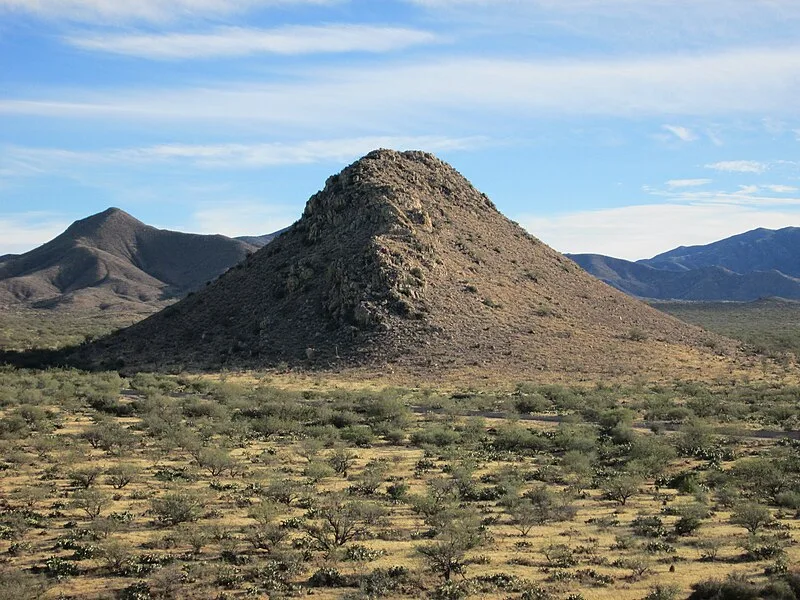
Huerfano Butte (Arizona)
Huerfano Butte ("Orphan Butte") is a prehistoric Hohokam archaeological site on the western flank of the Santa Rita Mountains in Pima County, Arizona, utilized from c. 1100 CE.…
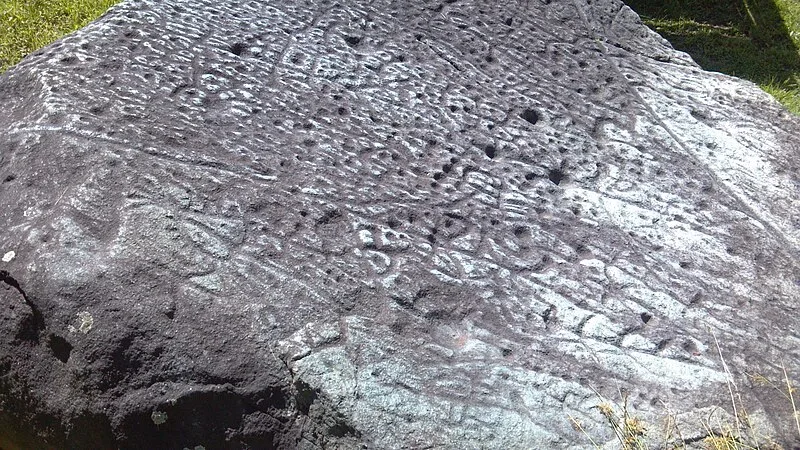
Judaculla Rock
Judaculla Rock is a curvilinear-shaped soapstone outcrop in Western North Carolina featuring ancient petroglyphs and carvings. The archaeological site occupies an 0.85-acre…
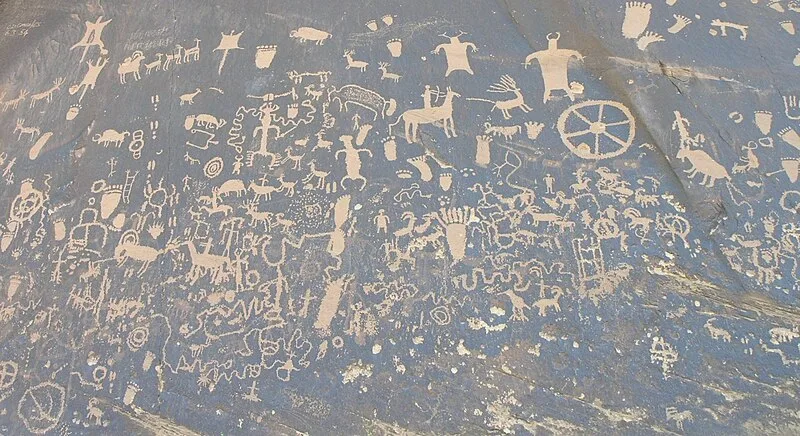
Newspaper Rock State Historic Monument
(1st–5th c. AD) Newspaper Rock State Historic Monument is a Utah state monument featuring one of the largest and most dense collections of petroglyphs in North America. The rock…
Northern Avenue Petroglyph Site
The Northern Avenue Petroglyph Site is a 0.2-acre archaeological site in Kingman, Arizona, listed on the U.S. National Register of Historic Places in 1996. Also designated AZ…
Painted Rock Petroglyph Site
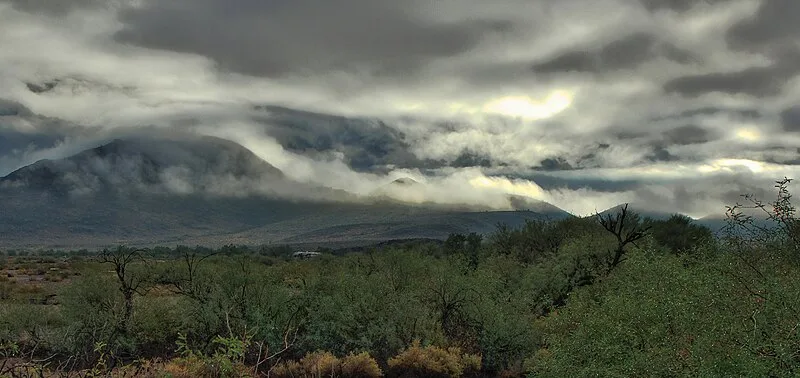
The Painted Rock Petroglyph Site near Gila Bend, Arizona, is the largest known petroglyph concentration in the region with approximately 800 images pecked onto weathered basalt…
Palatki Heritage Site
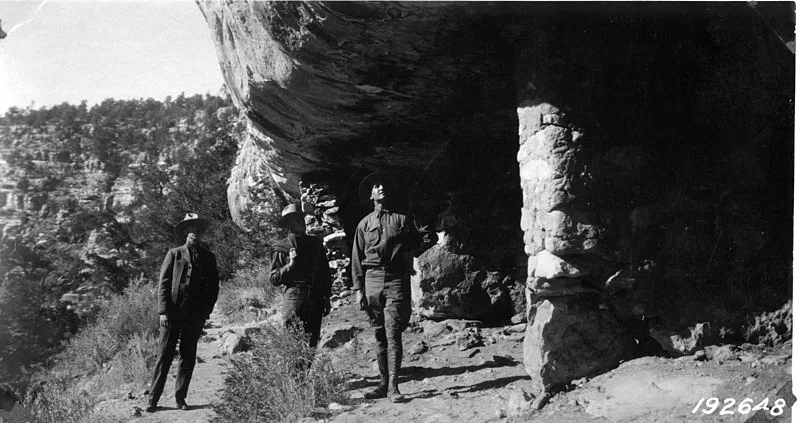
The Palatki Heritage Site is located in the Coconino National Forest near Sedona, Arizona. Named "red house" in the Hopi language, it features Sinagua cliff dwellings built into…
Petroglyph Beach State Historic Park
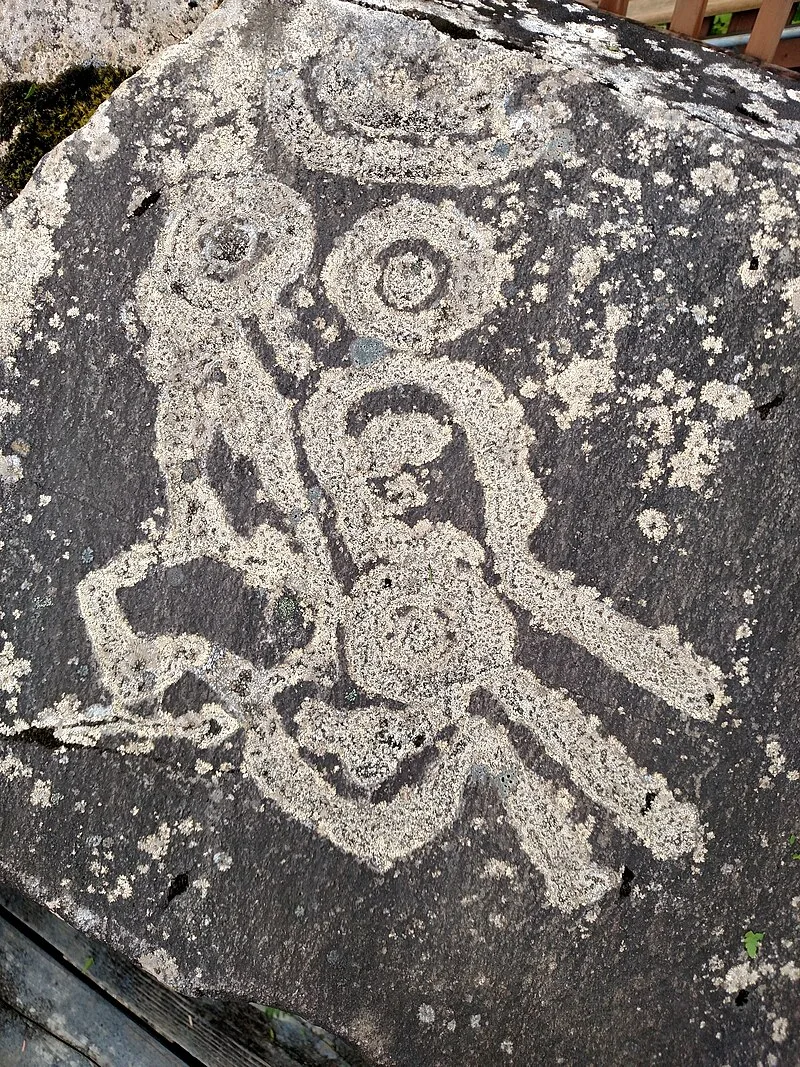
Petroglyph Beach State Historic Park is an archaeological site on the shore of Wrangell, Alaska, featuring the highest concentration of Native American petroglyphs in southeastern…
Saguaro National Park
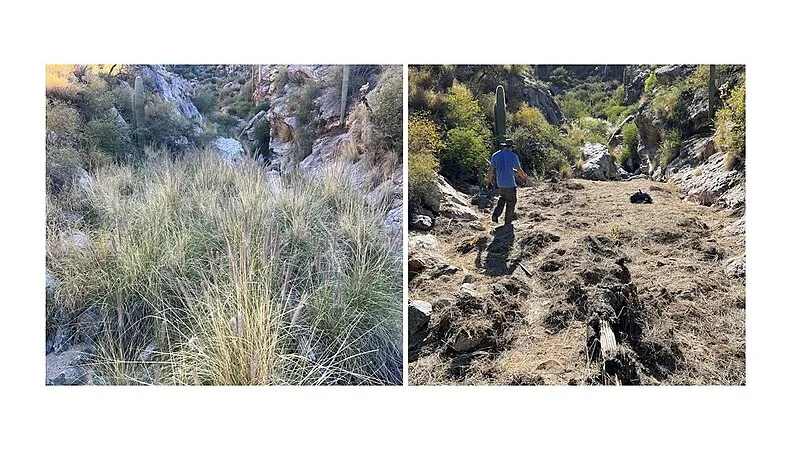
Saguaro National Park in southeastern Arizona preserves extensive rock art created by the Hohokam people, who inhabited the region from approximately 300 to 1450 AD. The Signal…
Tumamoc Hill
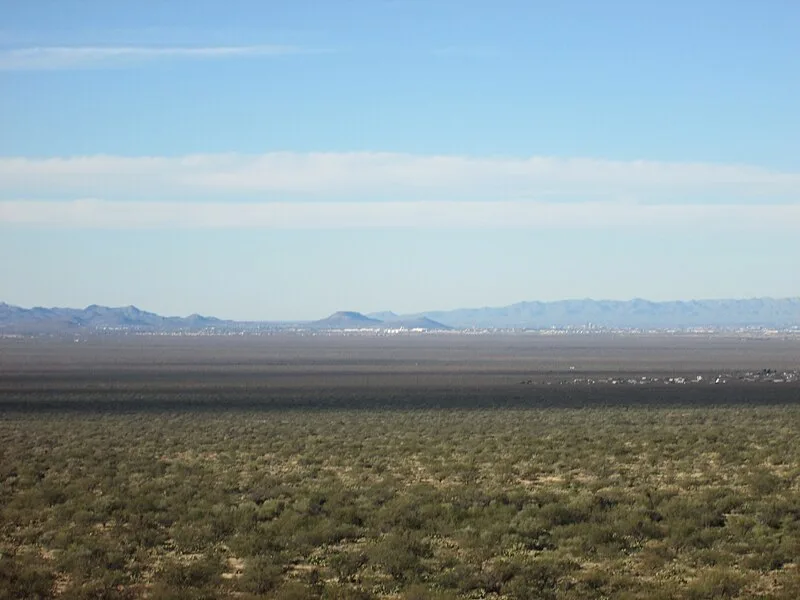
Tumamoc Hill is a prominent butte west of downtown Tucson, Arizona, considered the longest continuously inhabited site in the United States, with evidence of maize cultivation…
Tutuveni
Tutuveni, meaning "Newspaper Rock" in Hopi, is the largest known collection of Hopi clan symbols in the American Southwest, containing over 5,000 petroglyphs across eight…
V Bar V Heritage Site
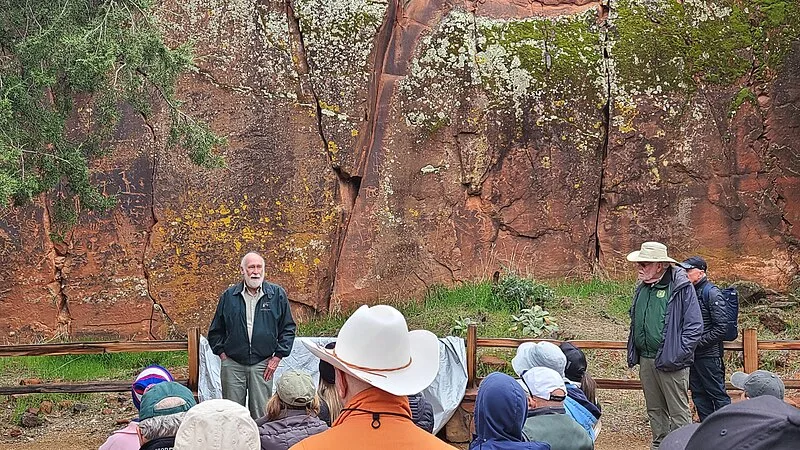
The V Bar V Heritage Site, renamed Crane Petroglyph Heritage Site in 2024, is the largest known petroglyph site in Arizona's Verde Valley. Its sandstone bluff bears 1,032…
White Tank Mountain Regional Park
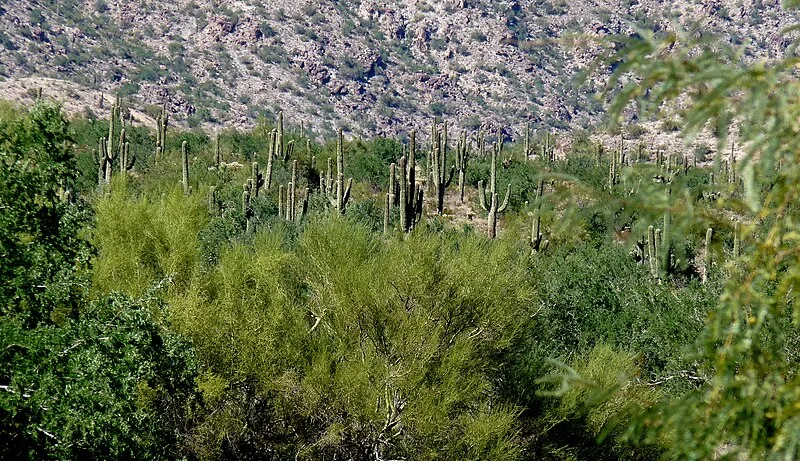
White Tank Mountain Regional Park, located 25 miles west of Phoenix in Maricopa County, Arizona, contains 11 archaeological sites attributed to the Hohokam, occupied between AD…
Winnemucca Lake Petroglyphs
Winnemucca Lake is home to several petroglyphs dated to between 14,800 and 10,500 years ago. Either date would make them the oldest known petroglyphs found in North America.
City/town/settlement in USA (2)
Cahokia Mounds State Historic Site
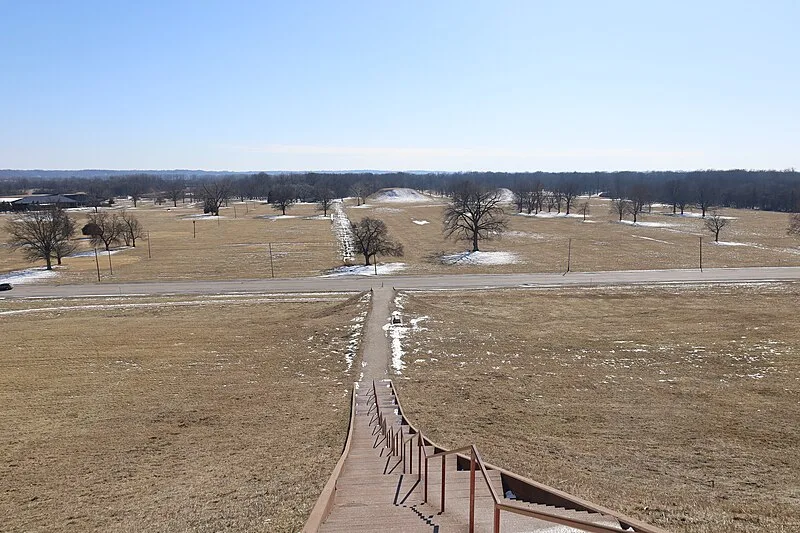
Cahokia Mounds is the largest pre-Columbian settlement north of Mexico, occupying roughly 5 square miles of the Mississippi River floodplain in southwestern Illinois. Flourishing…
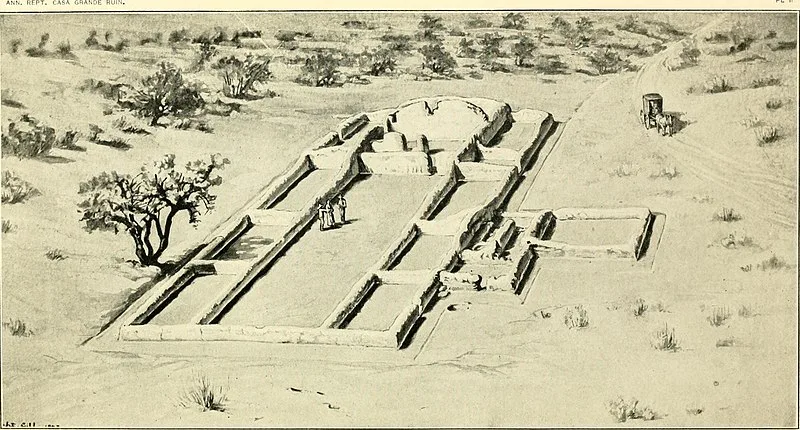
Casa Grande Ruins National Monument
Casa Grande Ruins National Monument in Coolidge, Arizona preserves the largest protected Hohokam site in the United States. The centerpiece is the four-story Great House,…
Fortress/citadel in USA (1)
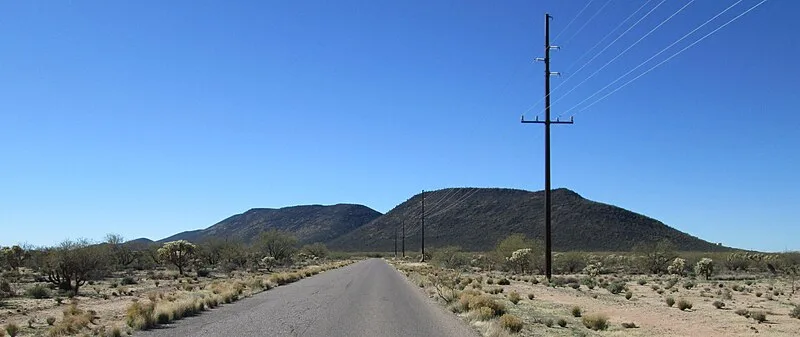
Geoglyphs in USA (1)
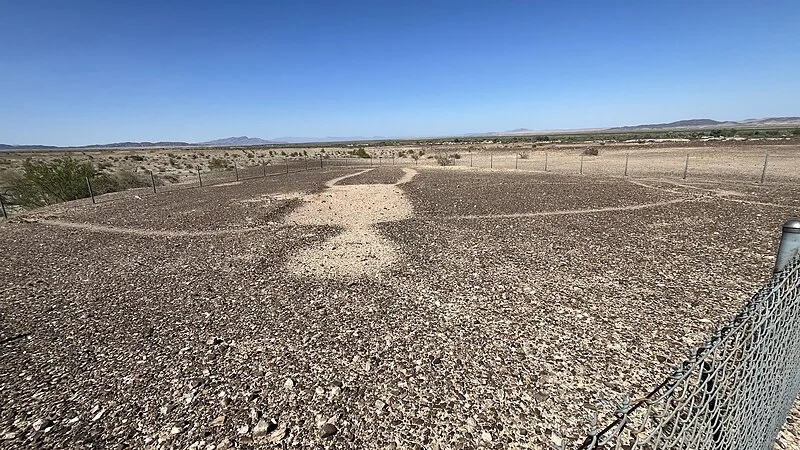
Geological interest in USA (1)
Megalithic stones in USA (1)
Megalithic walls in USA (1)
Mound/tumulus in USA (1)
Stone circle in USA (1)
Timber circle in USA (1)
Keep exploring
Every site on this page sits on the globe, and the people who research them are on the Discord.
3D Globe · Sites by country · Story Archive · Research Library · Weekly Journal · Search