
 South Korea
The Gochang, Hwasun and Ganghwa Dolmen Sites contain over 1,000 stone dolmens used as grave markers and for ritual purposes during the first millennium BCE when Megalithic Culture dominated the Korean Peninsula [1][2]. These three sites were designated a UNESCO World Heritage Site in 2000 [1][2]. The Korean Peninsula hosts over 35,000 dolmens, approximately 40% of the world's total, making Korea one of the global heartlands of megalithic culture [1][2].
Gochang, Hwasun and Ganghwa Dolmen Sites
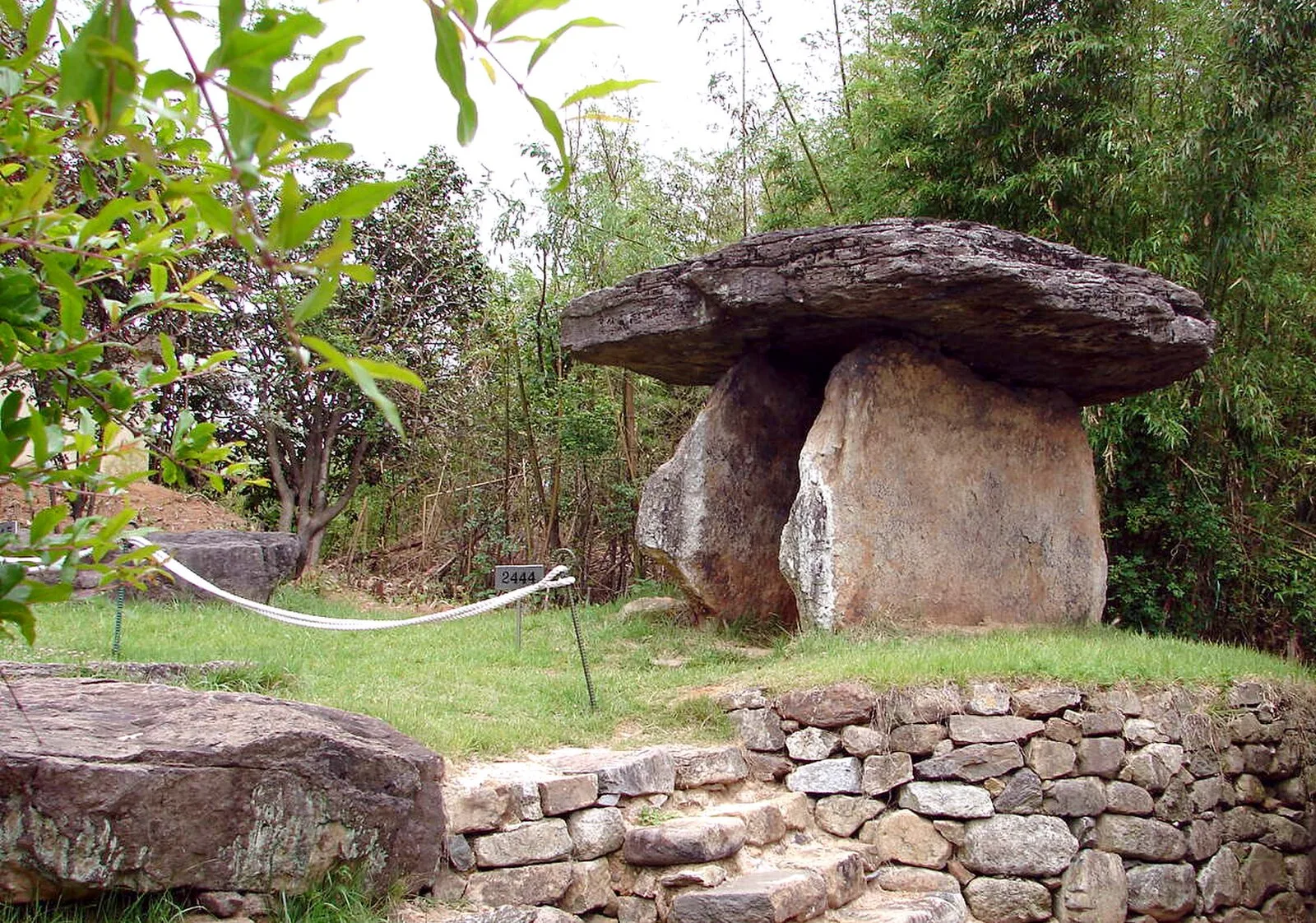
Also known as: 고인돌 유적, 강화 고인돌, 고창 강화 화순 고인돌, 고창 화순 강화 고인돌유적, 고창 화순 강화 고인돌 유적, Dolmeni Gochanga, Hwasuna i Ganghwadoa, Dolmenové lokality Kočchang, Hwasun a Kanghwa, Dolmens de Gochang, Hwasun et Ganghwa, Dolmenstätten von Gochang, Hwasun und Ganghwa, Dolmeny v Kočchangu, Haosunu a Kanghwa, Gočango, Hvasūno ir Ganghvos dolmenų vietovės, Gochang
| Type | Dolmen |
|---|---|
| Period | 1500 - 500 BC |
| Country | South Korea |
| Coordinates | 35.4418° N, 126.6523° E |