

Archaeological Sites in South Korea
City/town/settlement in South Korea (4)
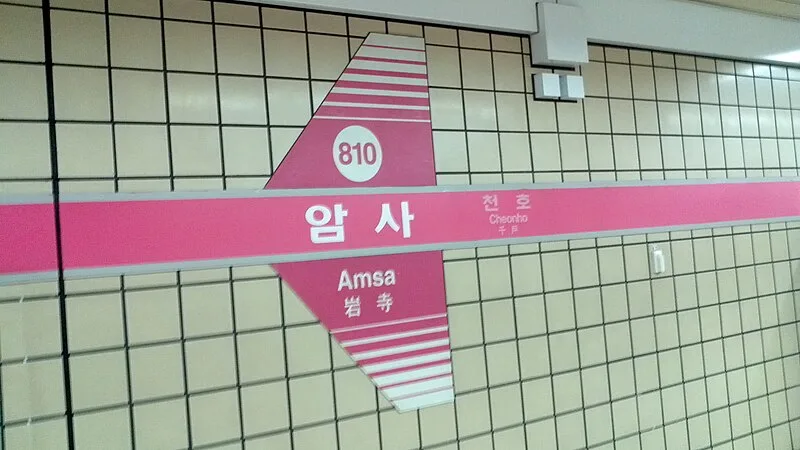
Amsa-dong
Amsa-dong is a neighbourhood in Gangdong District of Seoul, South Korea, famous for the Amsa-dong Prehistoric Settlement Site — one of the most significant Neolithic sites in…
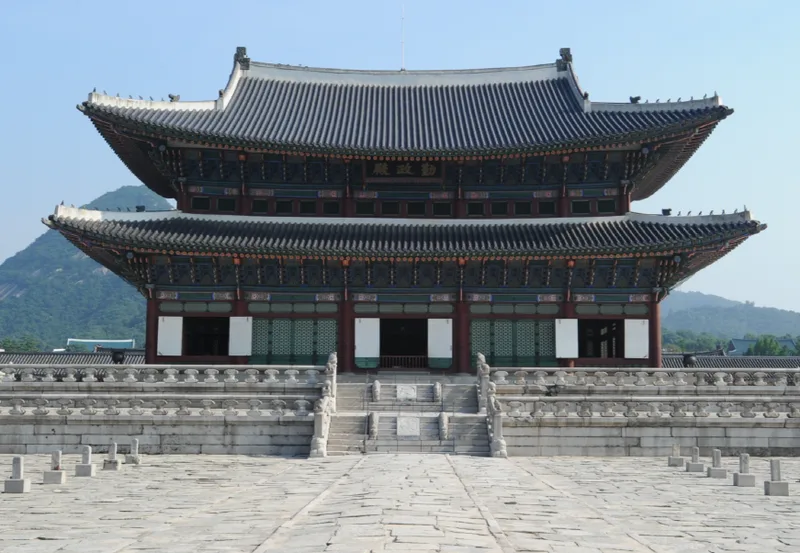
Daepyeong
Daepyeong is a complex prehistoric archaeological site located in the Nam River valley near Jinju in South Gyeongsang Province, South Korea. Pottery typologies, seriations, and…
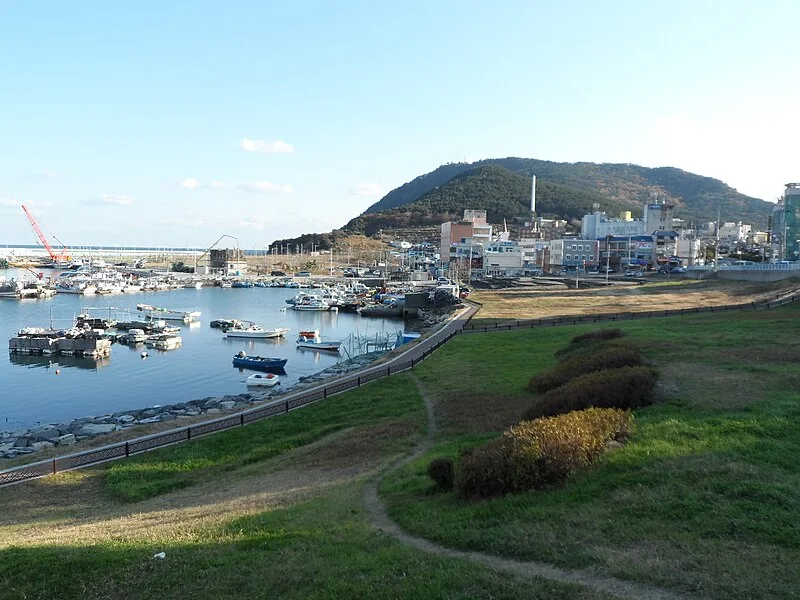
Shell Mound in Dongsam-dong, Busan
A Neolithic shell midden on the west coast of Yeong-do Island in Busan, South Korea, dating from the 9th to 3rd millennium BC. Excavated three times by the National Museum of…
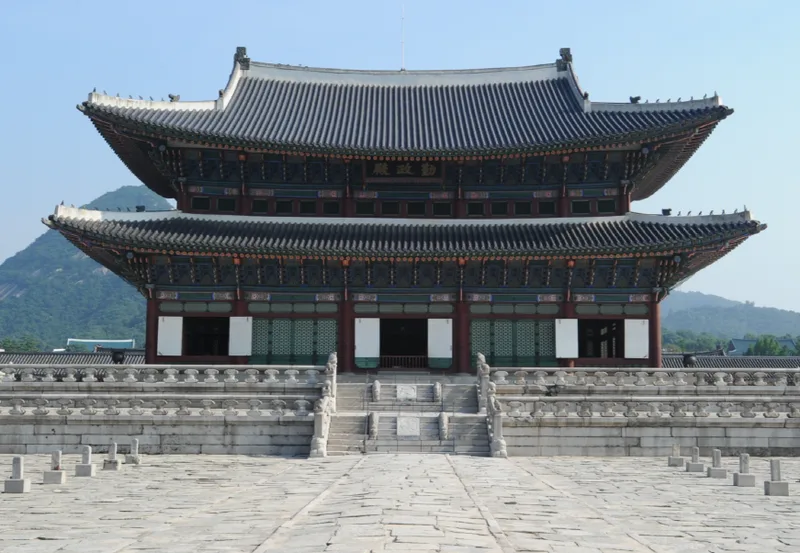
Songguk-ri
(9th - 4th c. BC) Songguk-ri is a Middle and Late Mumun-period (c. 850-300 BC) archaeological site in Buyeo-gun, Chungcheongnam-do, South Korea. It serves as both a settlement and…
Dolmen in South Korea (2)
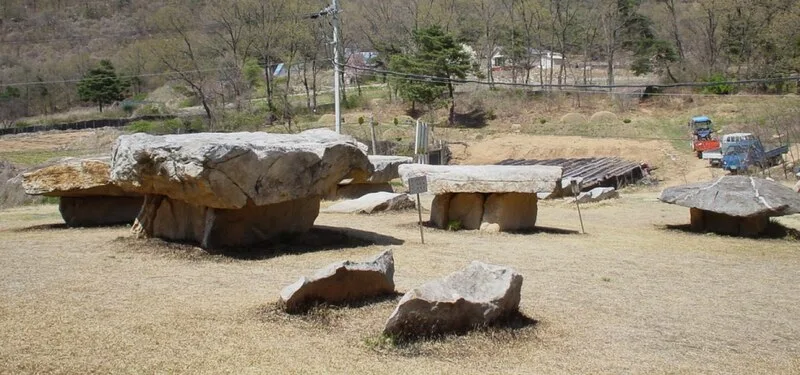
Gochang, Hwasun and Ganghwa Dolmen Sites
The Gochang, Hwasun and Ganghwa Dolmen Sites contain over 1,000 stone dolmens used as grave markers and for ritual purposes during the first millennium BCE when Megalithic Culture…
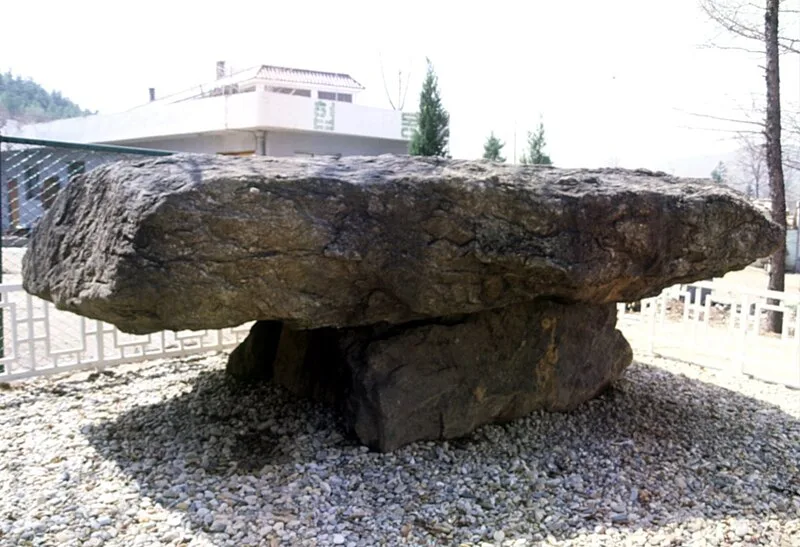
Yongin Wangsanli Jiseongmyo
The Yongin Wangsanli Jiseongmyo are two Bronze Age megalithic dolmens in Mohyeon-eup, Yongin-si, Gyeonggi-do, South Korea, designated as Gyeonggi-do Monument No. 22 in 1974. They…
Earthwork in South Korea (2)
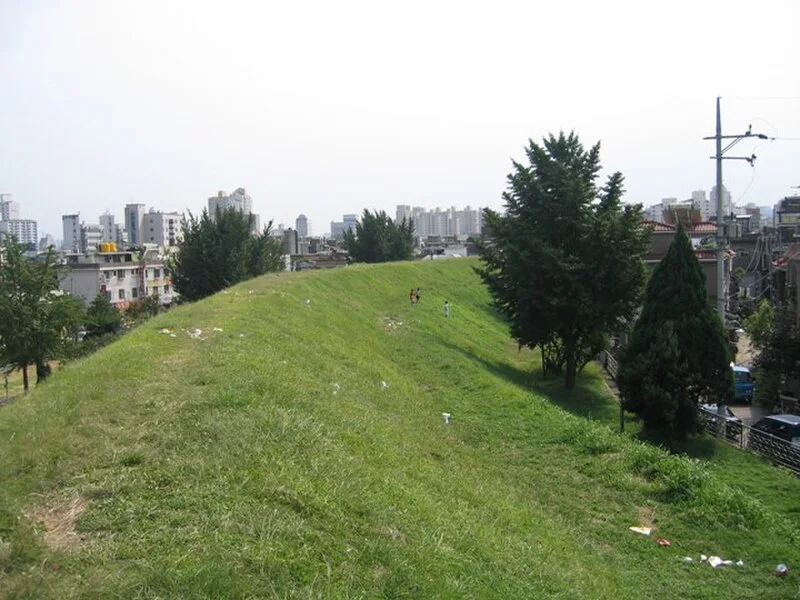
Earthen Fortification, Pungnap-dong
The Earthen Fortification at Pungnap-dong is a prehistoric earthwork in Seoul, South Korea, dating to approximately 500 BC–1 AD. Located at the edge of the Han River in…
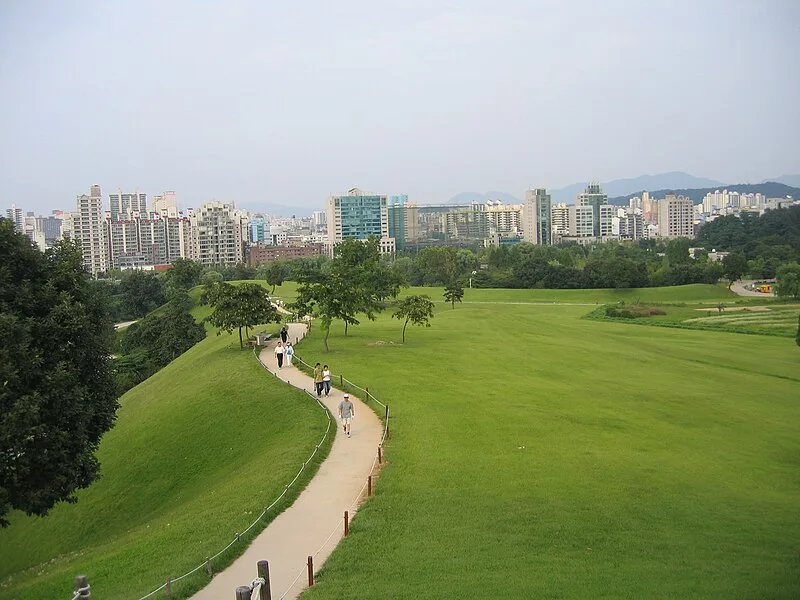
Mongchontoseong Earthen Fortification
Mongchontoseong Earthen Fortification is an ancient Baekje earthwork located in present-day Seoul, South Korea, dating from the 1st century BC to the 7th century AD. The massive…
Fortress/citadel in South Korea (2)

The Sanseong Belt
The Sanseong Belt is one of five zones within the Gyeongju Historic Areas, a UNESCO World Heritage Site designated in 2000. It centres on the Myeonghwal Mountain Fortress…

The Wolseong Belt
The Wolseong Belt is a fortified palace complex in Gyeongju, South Korea, dating from the 1st to 5th centuries AD during the Silla Kingdom period. This area contains the ruins of…
Mound/tumulus in South Korea (2)
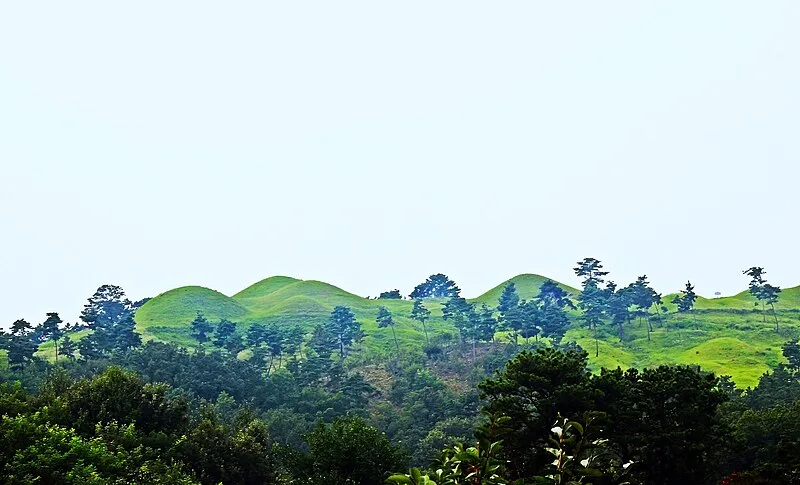
Gaya Tumuli
A serial UNESCO World Heritage Site (inscribed 2023) comprising seven archaeological cemetery complexes of the Gaya Confederacy, dating from the 1st to 6th century AD in southern…

The Tumuli Park Belt
The Tumuli Park Belt within the Gyeongju Historic Areas contains three groups of royal burial mounds from the Silla Kingdom (57 BC - 935 AD), designated a UNESCO World Heritage…
Temple complex in South Korea (2)

Gyeongju Historic Areas
UNESCO World Heritage Site since 2000, encompassing the ancient capital of the Silla Kingdom (57 BCE-935 CE) in South Korea. The site spans five zones including the Namsan outdoor…

The Hwangnyongsa Belt
The Hwangnyongsa Belt is a cluster of ancient temple ruins centered around Hwangnyongsa and Bunhwansa temples in Gyeongju, South Korea. Part of the UNESCO-listed Gyeongju Historic…
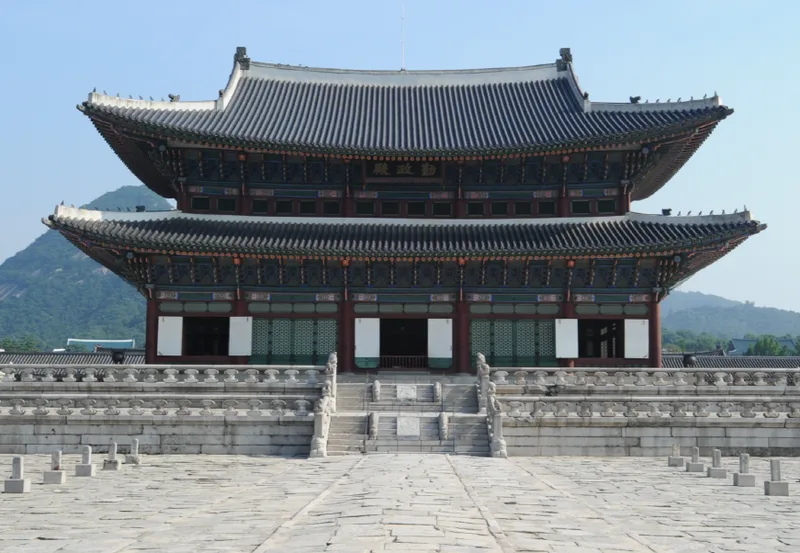
Castle/palace in South Korea (1)
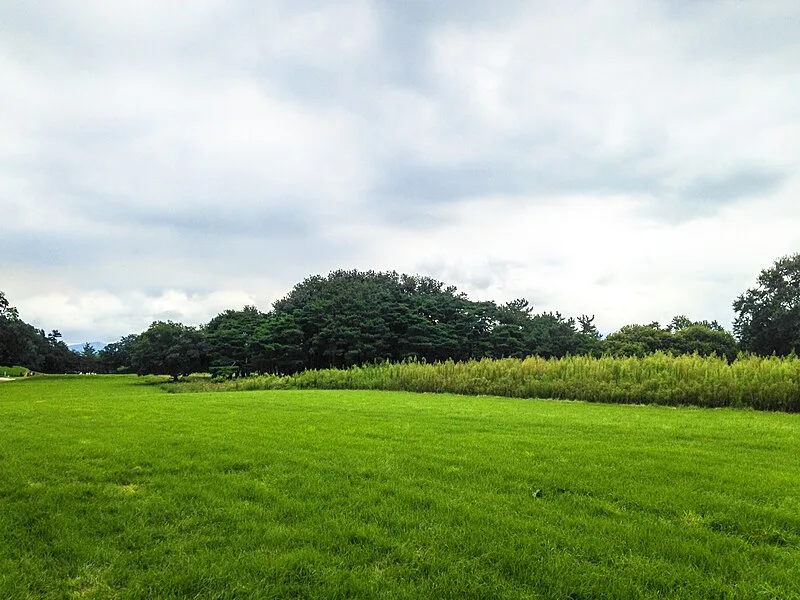
Cemetery in South Korea (1)
Petroglyphs in South Korea (1)
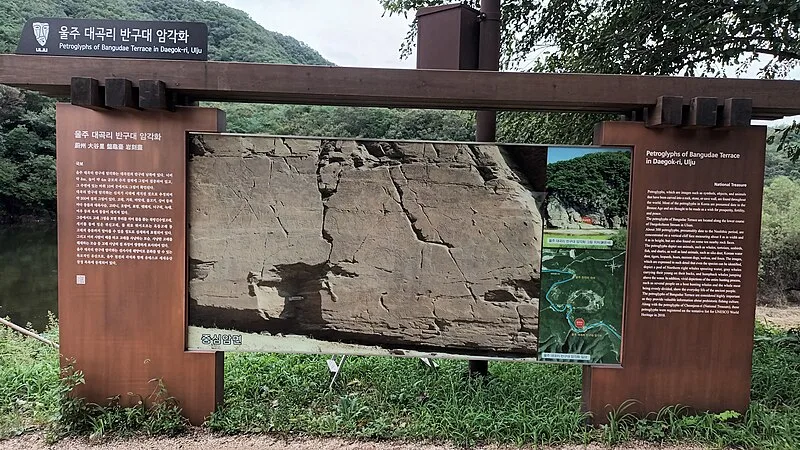
Rock relief/carving in South Korea (1)

Keep exploring
Every site on this page sits on the globe, and the people who research them are on the Discord.
3D Globe · Sites by country · Story Archive · Research Library · Weekly Journal · Search