
 Peru
PeruBandurria is located near the Santa Rosa irrigation project [1]. Part of the archaeological site has been destroyed as a result of water infiltration when the irrigation project started in 1973 [1]. This was when the site was discovered by archeologists [1]. The site was investigated by Rosa Fung in 1973 and 1977 [1]. These investigations concluded that the site belongs to the Late Archaic period, from the 4th to the 3rd millennium BCE [1]. Some of the radiocarbon dates obtained were between 2,500 and 2,300 BCE [1]. Bandurria represents an early coastal fishing settlement featuring the first evidence of a ceremonial stone architecture [1]. Bandurria has architecture similar to that of Caral and several other sites in the Supe Valley, featuring a sunken circular plaza and stairways [1].
Text: Wikipedia – 'Bandurria, Peru' (revision of 2026-09-07), CC BY-SA 4.0 · sentences selected and shortened by an AI system · source →Bandurria, Peru
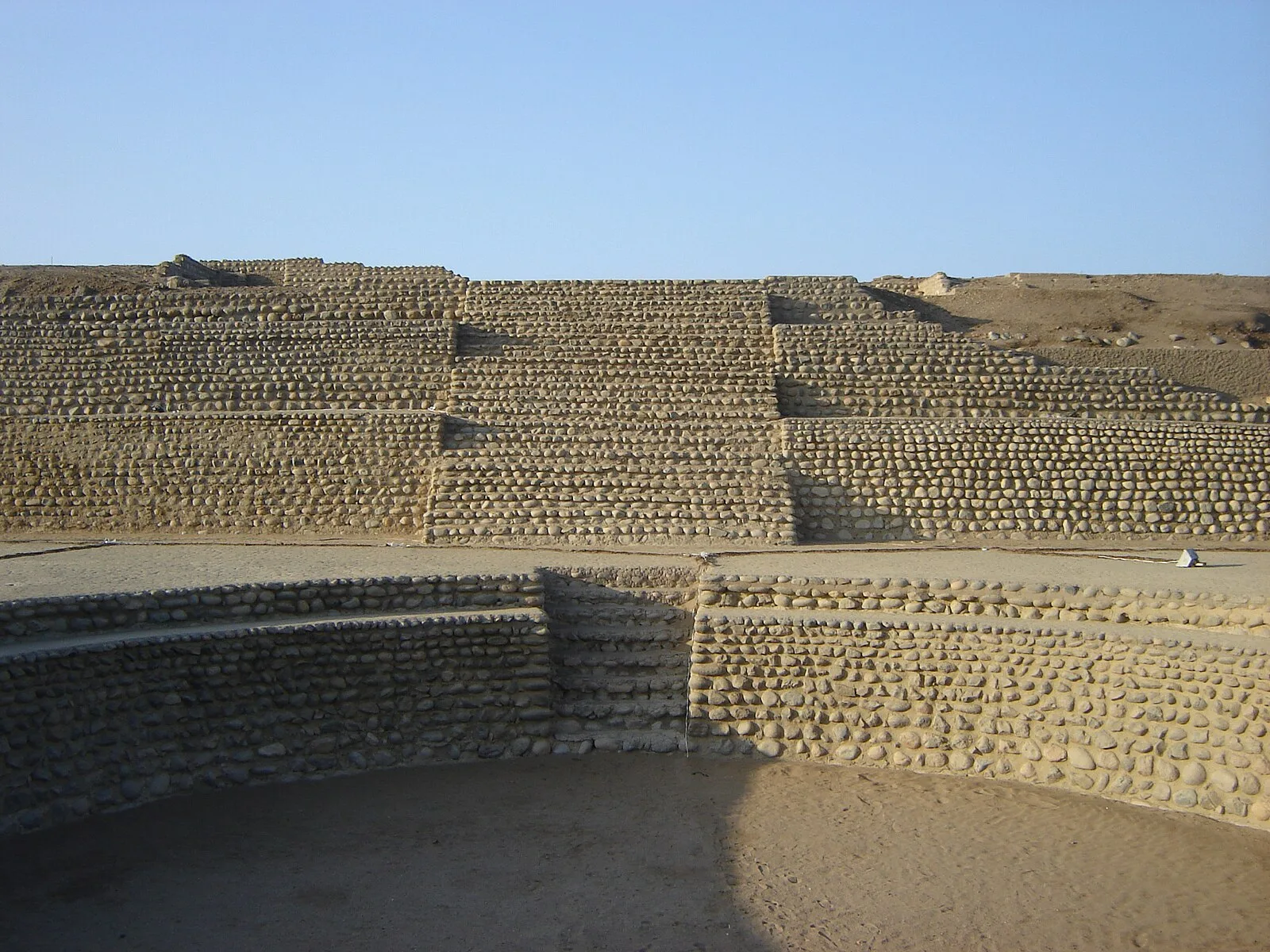
Also known as: Bandurria, Bandurria, Huacho, Bandurria llaqta, Bandurria (Peru), Bandurria (sitio arqueológico), Sitio Arqueologico de Bandurria, Бандурриа, ბანდურია
| Type | City/town/settlement |
|---|---|
| Period | 4500 - 3000 BC |
| Country | Peru |
| Coordinates | 11.1869° S, 77.5884° W |