
 Peru
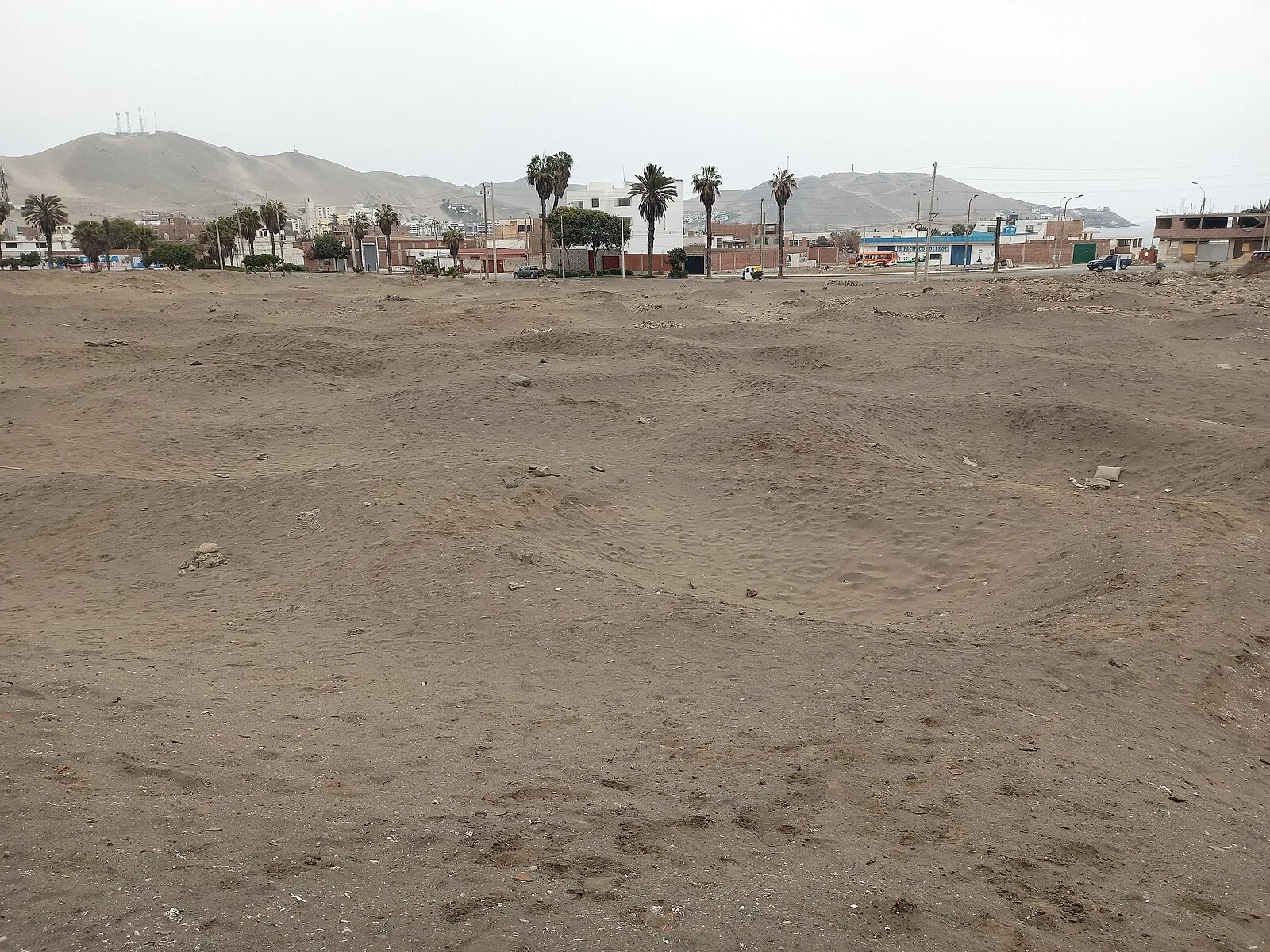
PeruAncon is an archaeological site in the north of the Bay of Ancon, in the Ancón District, on the central coast of Peru [1]. It is one of the most important centers of the Peruvian archeology and features a vast necropolis of the pre-Hispanic era, with countless funerary sites [1]. Permanent occupation in Ancon is documented throughout all periods of Andean history [1]. The oldest evidence of human occupation dates back 10,000 years ago to the preceramic period [1]. In 1870, during the construction of the railroad from Ancon to Pasamayo, the first large ancient tombs were discovered here [1]. In 1875, German scholars Wilhelm Reiss and Alphons Stubel visited in the area, and made several excavations in and around the area of the necropolis [1]. In the Archaic period, sedentary fishermen and collectors of seafood and shellfish lived in the Bay of Ancon; this is evidenced by the presence of large middens, specifically in the area of Las Colinas [1].
Text: Wikipedia – 'Ancon (archaeological site)' (revision of 2025-10-31), CC BY-SA 4.0 · sentences selected and shortened by an AI system · source →Ancon Archaeological Site
Also known as: Ancon, Ancon (archaeological site), Ancón (sitio arqueológico), Arqueología de Ancón
| Type | Necropolis |
|---|---|
| Period | < 4500 BC |
| Country | Peru |
| Coordinates | 11.7683° S, 77.1664° W |