
 Peru
PeruAcaray, also known as the Fortress of Acaray, is an archaeological site located in the Huaura River Valley on the near north coast of Peru [1]. Attention was called to the site early on by the German archaeologist Hans Horkheimer, who wrote about Acaray in 1962 in the Peruvian magazine, Caretas, published in Lima [1]. Calling it the Fortaleza de Huaura, he deemed Acaray to be a true fortress, unlike the more well-known neighboring site of Paramonga in the Pativilca River Valley, whose defensive nature has been questioned [1]. During the 1970s interest in Acaray increased, and the first work by archaeologists was initiated at the fortress [1]. In 2004, North American archaeologist Margaret Brown Vega, of the University of Illinois at Urbana-Champaign, began research at Acaray, carrying out intensive mapping, surface analysis, and excavations, which lasted for two years [1].
Text: Wikipedia – 'Acaray' (revision of 2026-07-18), CC BY-SA 4.0 · sentences selected and shortened by an AI system · source →Acaray
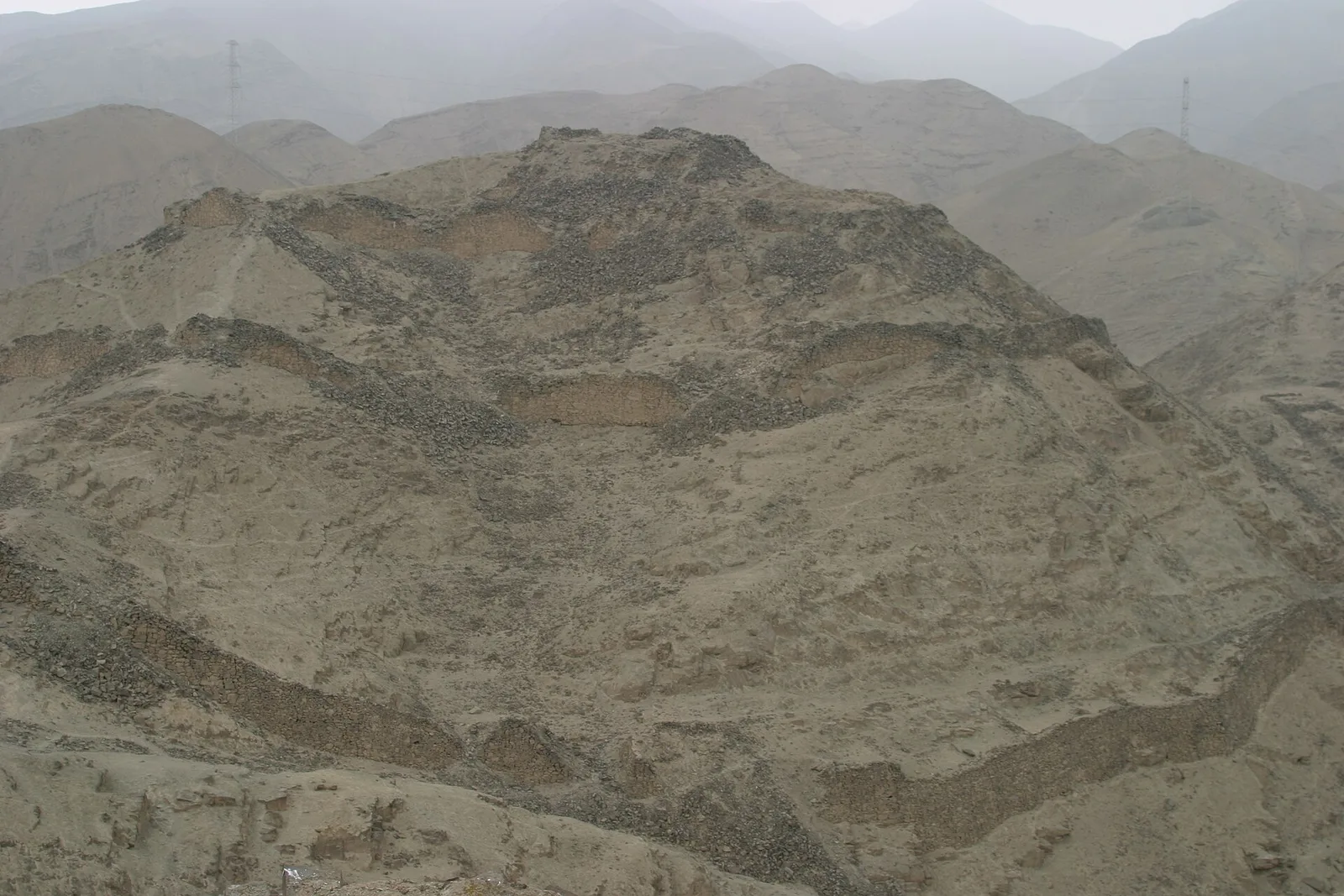
Also known as: Akaray, Fortalesa d'Acaray, Fortaleza de Acaray, Акарай, Акарај, აკარაი
| Type | Fortress/citadel |
|---|---|
| Period | 1500 - 500 BC |
| Country | Peru |
| Coordinates | 11.0584° S, 77.5330° W |